

In a first for the world, bird flu has been detected in a sheep in England. The discovery, made during routine testing on a Yorkshire farm, has prompted concerns but, for now, experts stress the risk remains low. The sheep was found infected with the H5N1 virus after being housed on a site where avian influenza had previously been found in birds.
Swift Action Taken
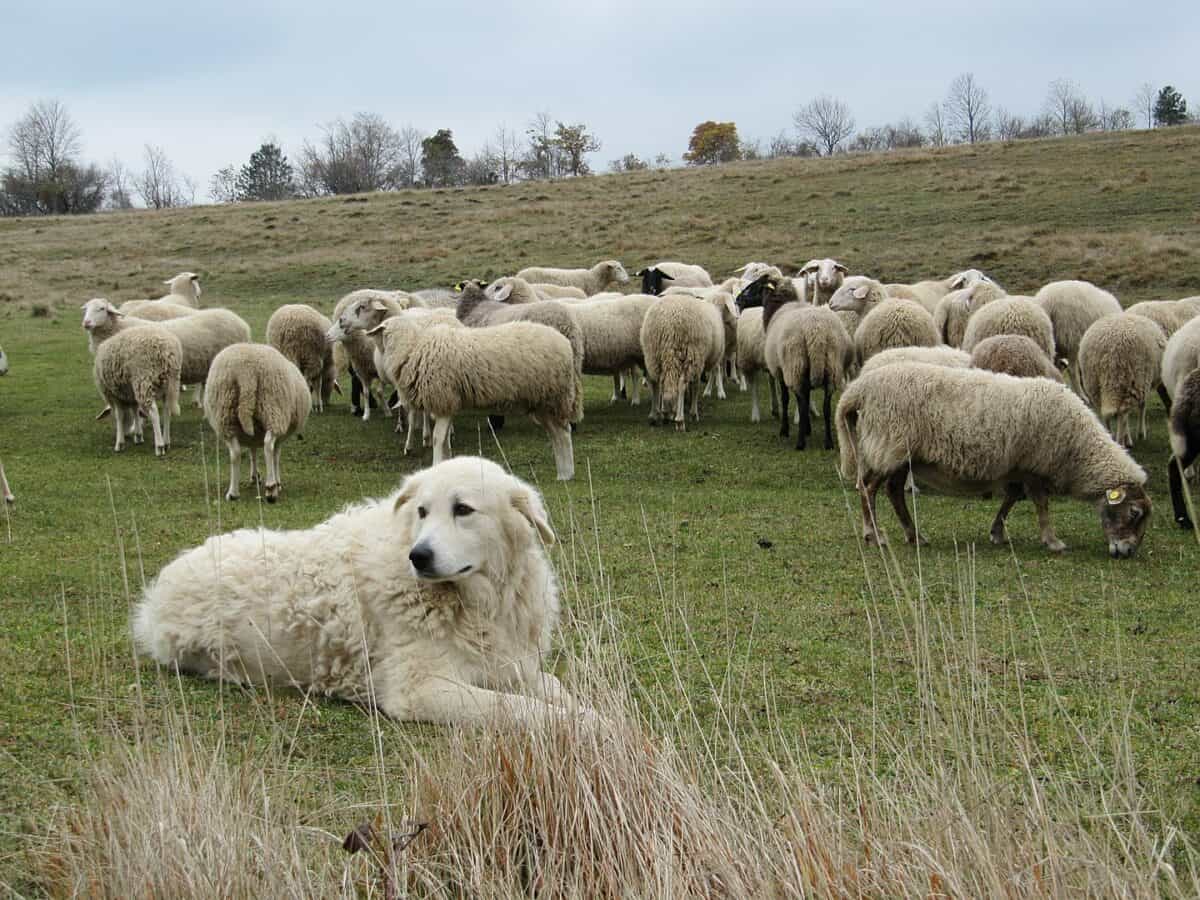
Once the infection was confirmed, the animal was culled immediately, and no other sheep in the flock showed signs of the virus. The UK’s chief veterinary officer, Christine Middlemiss, confirmed that strict biosecurity measures were swiftly implemented to prevent further spread.
Low Risk to Livestock

While this detection is groundbreaking, the risk to other livestock remains minimal, according to experts. Middlemiss urged sheep owners to maintain rigorous cleanliness and report any signs of illness. Despite the shock of the infection in a mammal, authorities continue to emphasize that the public and livestock are at very low risk.
A Virus on the Move
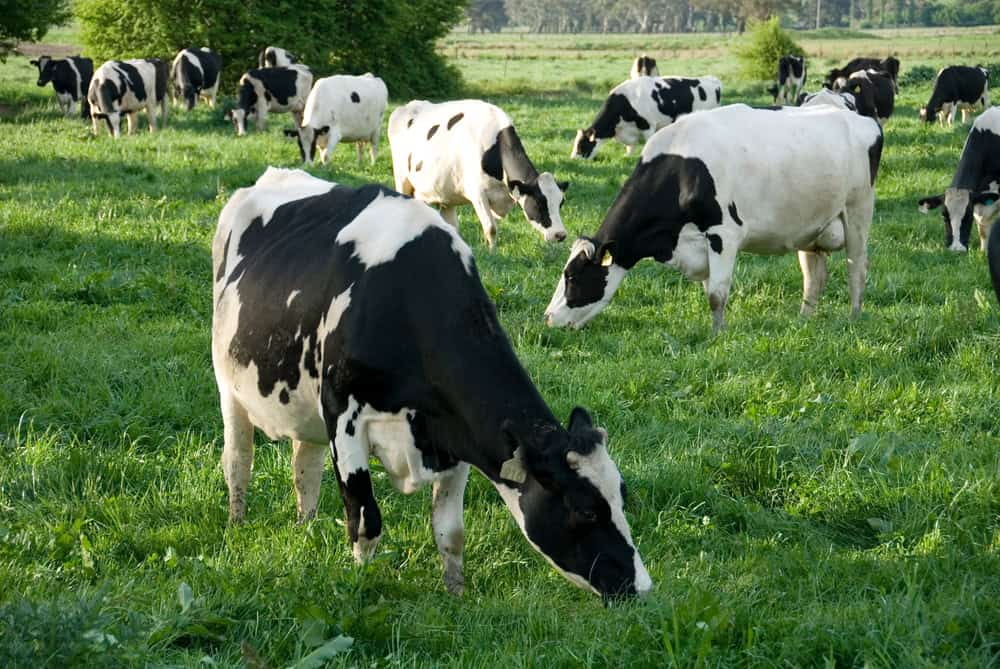
H5N1 has been detected in a variety of animals beyond birds, including cats, foxes, and even pigs. More recently, the virus has been found in dairy cows in the U.S.—a discovery that surprised scientists who previously believed such animals were unlikely to become infected.
Sheep Disease Risk
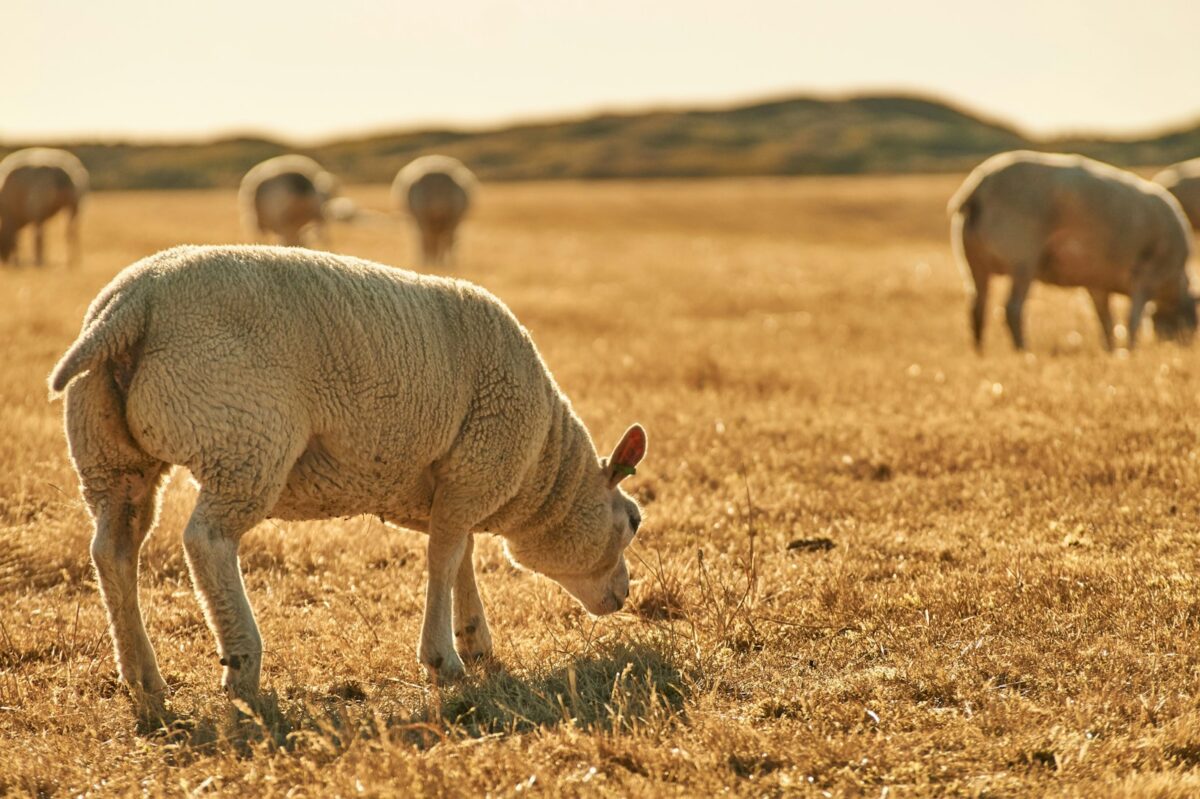
Despite concerns, experts maintain that the risk of H5N1 jumping to humans is extremely low. The UK Health Security Agency has stated that, although the virus has been found in a handful of humans, most cases have been in those with direct contact with infected birds. The UKHSA continues to monitor the situation closely but insists that the general public is not at risk.

Please send any feedback to Feedback@animalsaroundtheglobe.com
- Animals Gearing Up for Hibernation Across America - July 18, 2026
- The Alarming Decline of Animal Populations - July 17, 2026
- Enchanting Wildlife of Europe: A Symphony of Beauty - July 17, 2026