

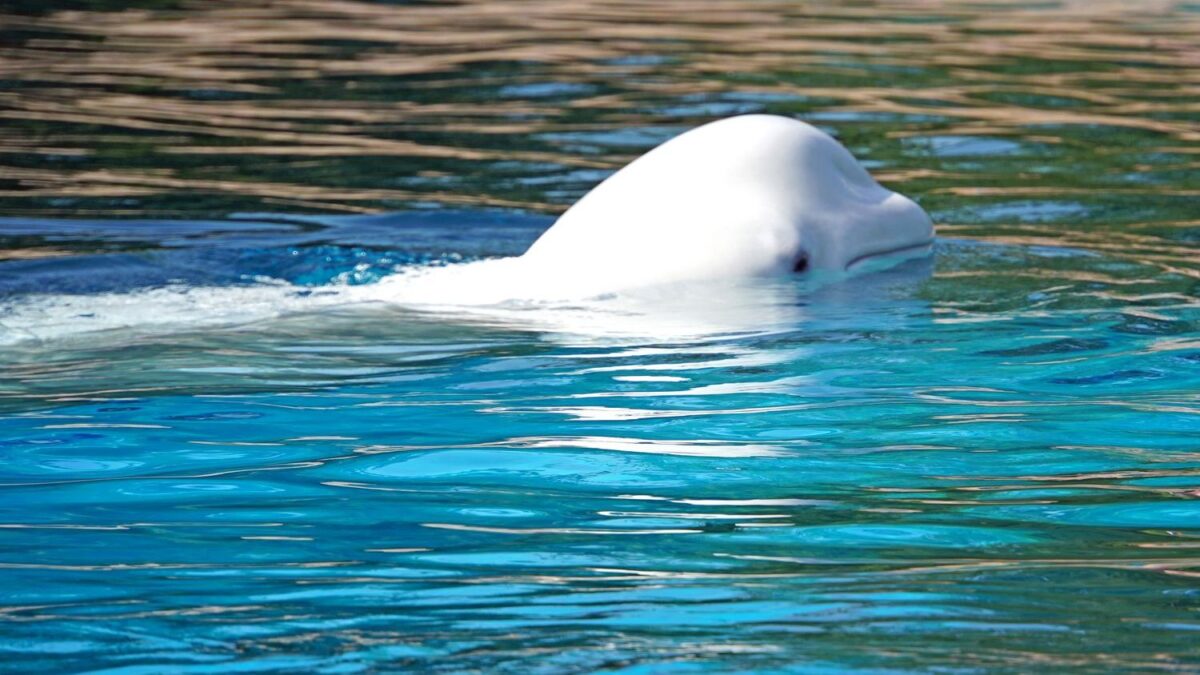
There’s something deeply unsettling about the situation unfolding at Marineland in Niagara Falls, Ontario. The once bustling amusement park, now shuttered and silent, holds within its walls a grim bargaining chip. Thirty beluga whales and four dolphins face an uncertain future, their lives hanging in the balance as the park’s representatives present what they’re calling an urgent rescue plan to Canadian federal officials.
Honestly, when you hear that animals could be killed because paperwork hasn’t been approved quickly enough, it’s hard not to feel like we’re witnessing something fundamentally wrong. The clock is ticking, and what happens next could determine whether these marine mammals find new homes or meet a tragic end.
The Ultimatum Delivered to Federal Officials
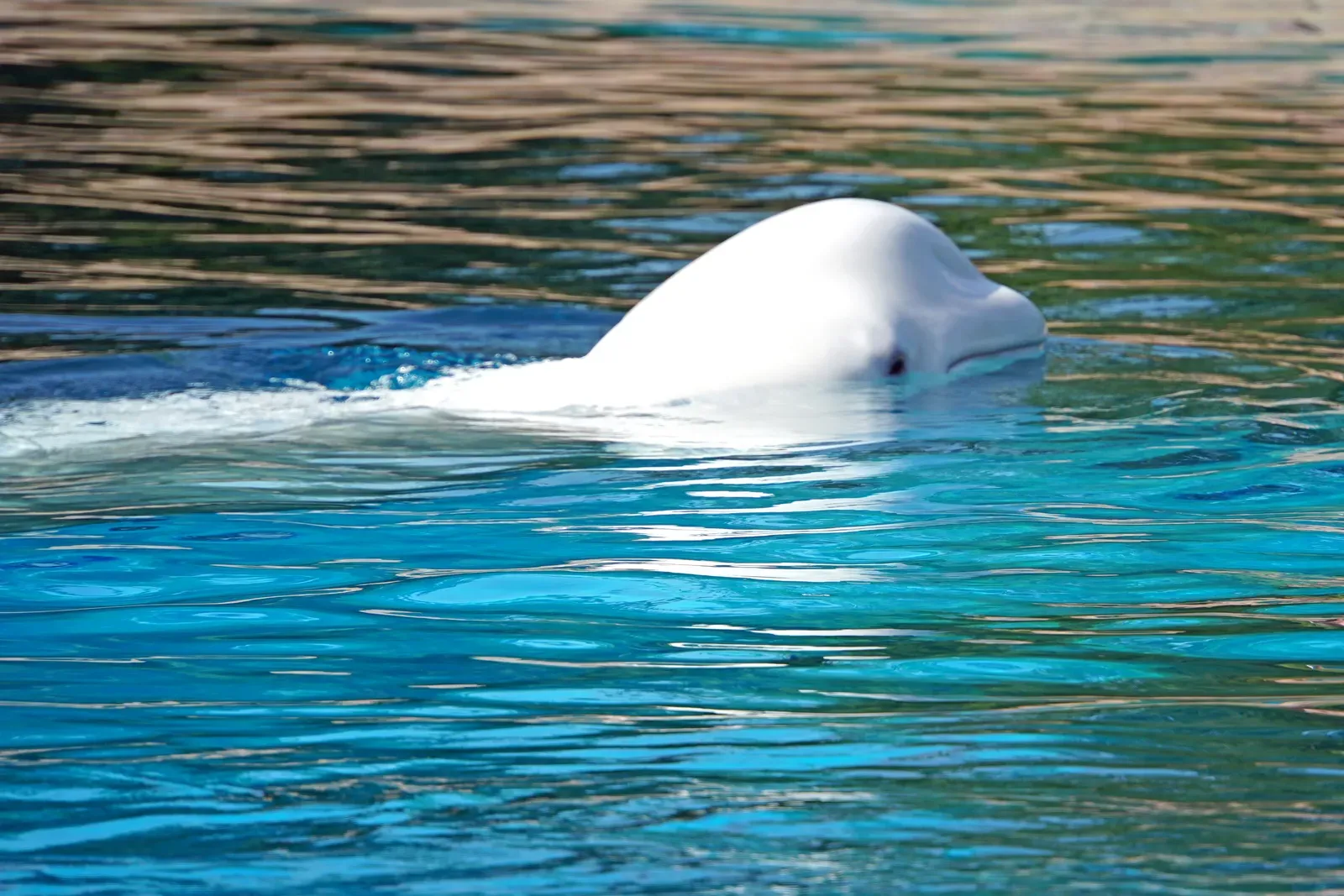
Marineland, the defunct amusement park in Niagara Falls, Ont., has told the federal government it will euthanize 30 captive belugas and four dolphins at the facility, unless Canada grants permission to ship them to the United States. Representatives from the park met with Fisheries Minister Joanne Thompson this week to present new export permit applications.
At the meeting, Marineland gave the federal government an “imminent” deadline to approve the permits, saying it would move forward with a plan it already has in place to euthanize the whales if the deadline is not met. Sources confirmed that this euthanasia plan has already been prepared, ready to be executed if federal approval doesn’t come through in time.
The Proposed American Destinations
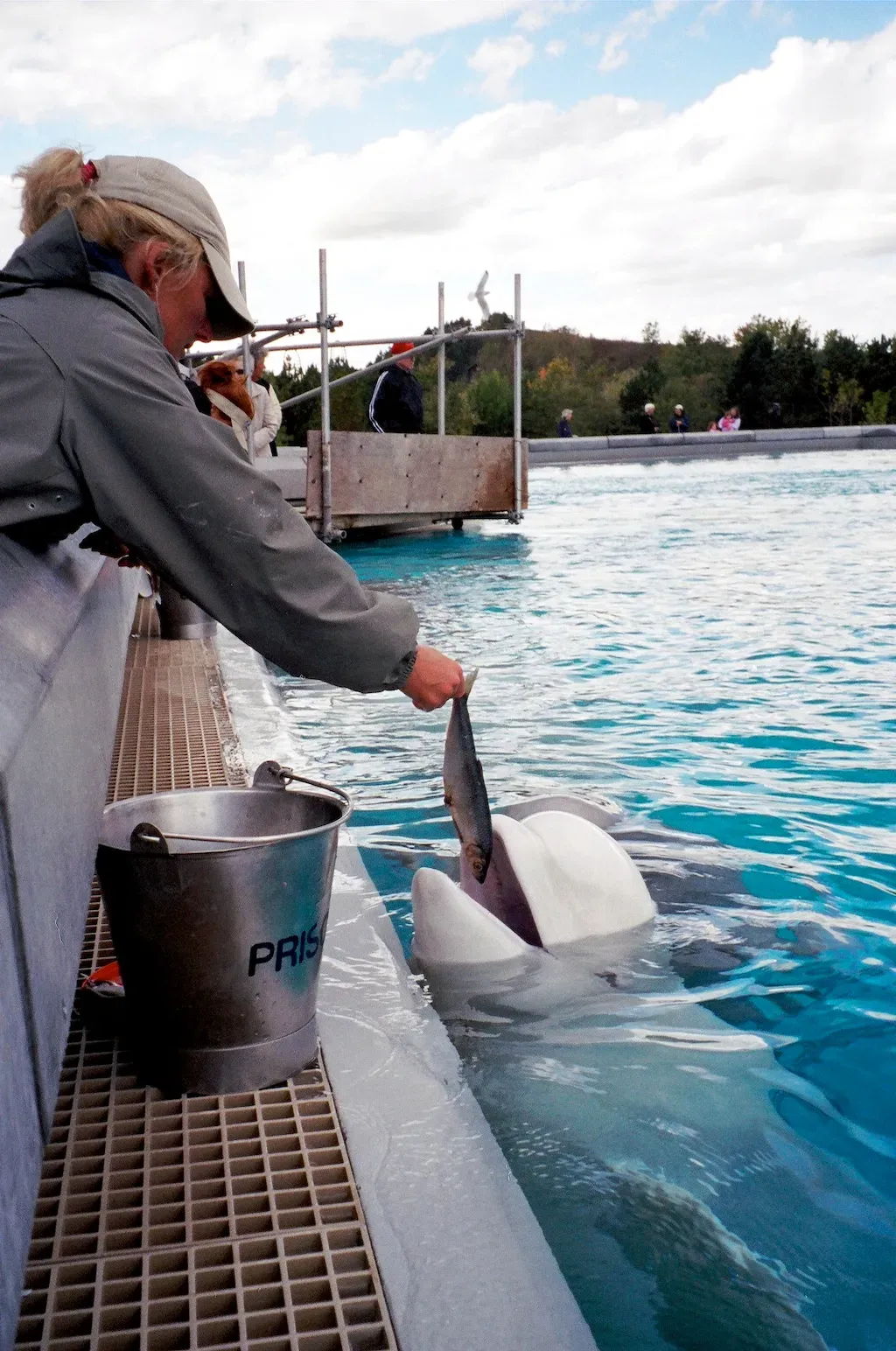
Marineland wants to send the whales and dolphins to Georgia Aquarium, Mystic Aquarium, Shedd Aquarium and a SeaWorld location. These four American facilities would essentially split up the marine mammals currently housed at the Canadian park. Veterinarians from all four institutions were at Marineland last week checking on the belugas and dolphins, conducting assessments to understand the animals’ physical health and social dynamics.
The U.S. facilities have been cautious in their responses. They both shared almost identical statements that stopped short of confirming a plan to accept the belugas and dolphins. It seems everyone’s waiting for Ottawa to make the first move before committing to anything concrete.
A History of Failed Export Attempts
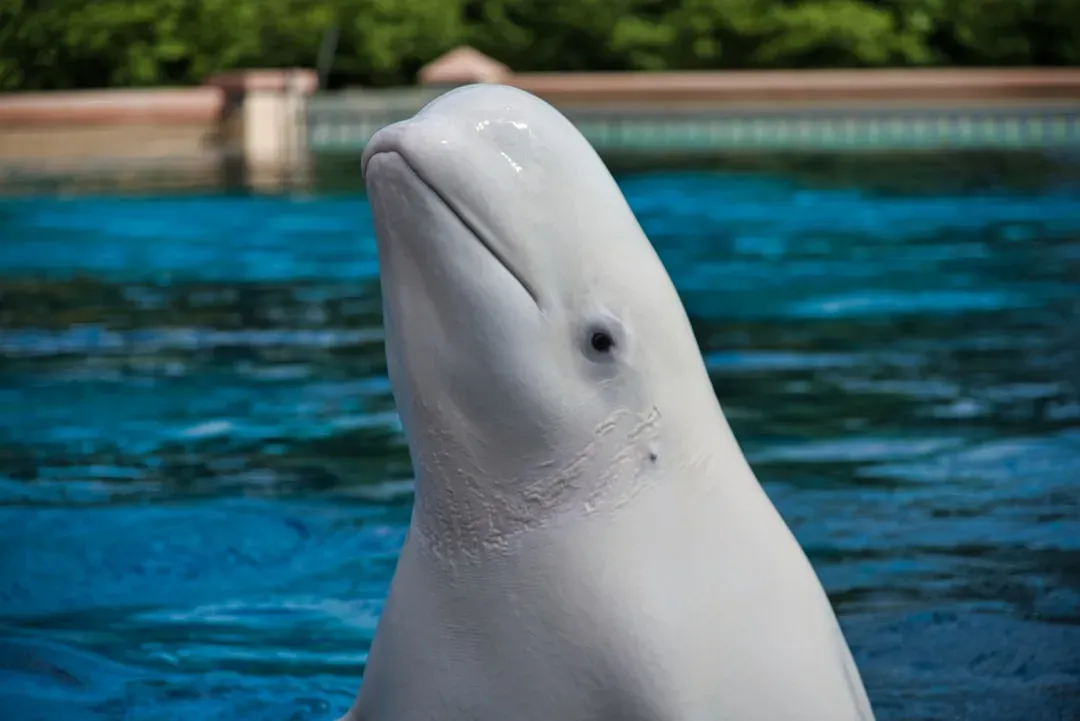
It’s the second time in four months that Marineland has threatened to euthanize the belugas and dolphins. The first threat came back in October when the park faced a completely different scenario. The letter was sent days after Thompson denied Marineland’s request for permits to send the whales to Chimelong Ocean Kingdom, a theme park in China, which was interested in buying the mammals.
That rejection sparked the initial crisis. In October, the park told Thompson in a letter that it would be faced with the “devastating decision of euthanasia” unless the federal government could provide them financial support. The park gave the government just four days to respond with funding, threatening to begin euthanizing animals if their demands weren’t met.
The Legal Framework That Changed Everything
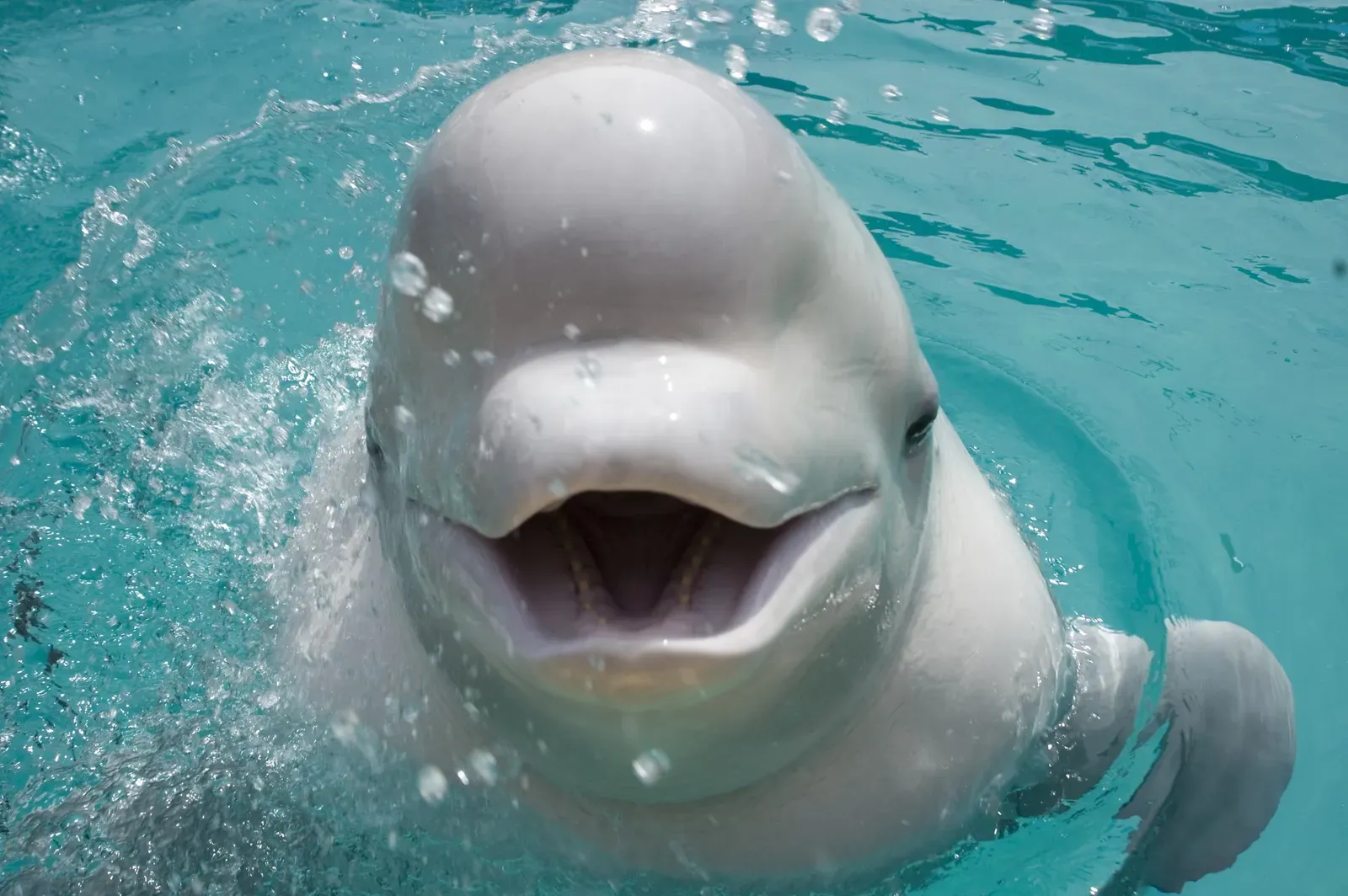
A federal law passed in 2019 that bans keeping whales, dolphins and porpoises for breeding or entertainment in Canada also stymied its business model. This legislation, commonly known as the Free Willy bill, fundamentally transformed how facilities like Marineland could operate. The existing animals were grandfathered in, but breeding was forbidden, forcing the park to separate male and female belugas.
Under that law, exporting these animals requires a special federal permit – something the fisheries minister can hand out if the animals are being used for scientific research or if keeping an animal in captivity elsewhere is found to be in its best interest. This exception became the sole pathway for Marineland to move its animals, though the minister has discretion to deny requests if they don’t meet these strict criteria.
The Park’s Closure and Animal Welfare Concerns
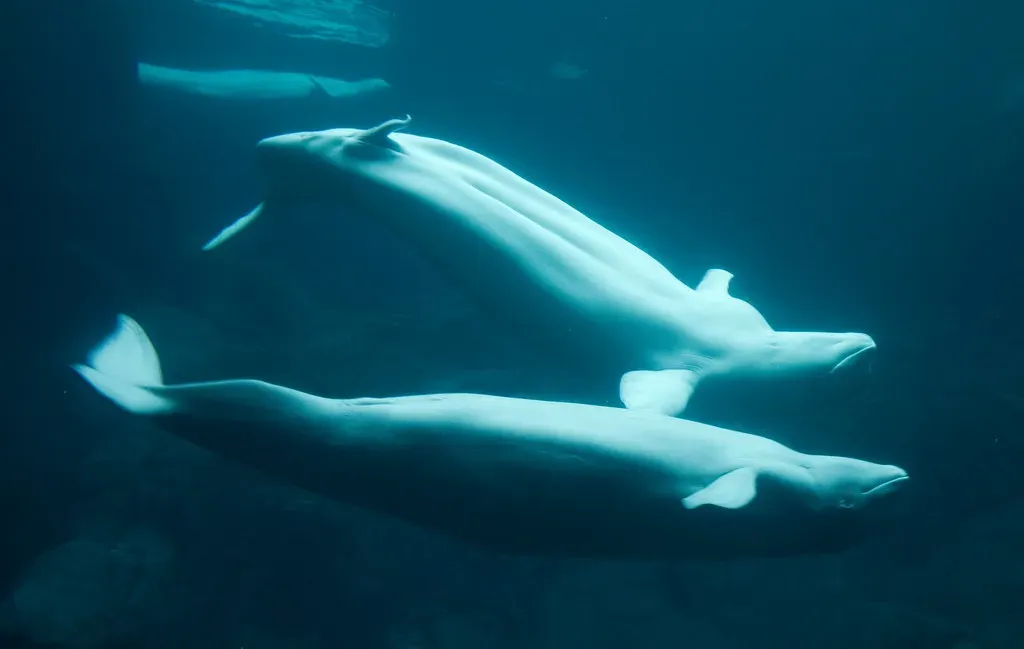
Marineland closed its doors to the public in the late summer of 2024 as it tried to sell the swath of land it sits on near Horseshoe Falls. Its vast menagerie remains, including the belugas and dolphins, several seals and sea lions, bears and deer. The shuttered facility continues to care for these animals, though sources suggest financial resources are dwindling rapidly.
Twenty whales – one killer whale and 19 belugas – have died at Marineland since 2019, according to an ongoing tally created by The Canadian Press based on internal records and official statements. This troubling mortality rate raises serious questions about conditions at the facility, though sources also note that two male belugas have been receiving ongoing medical treatment for several months.
What Happens Next and Why It Matters
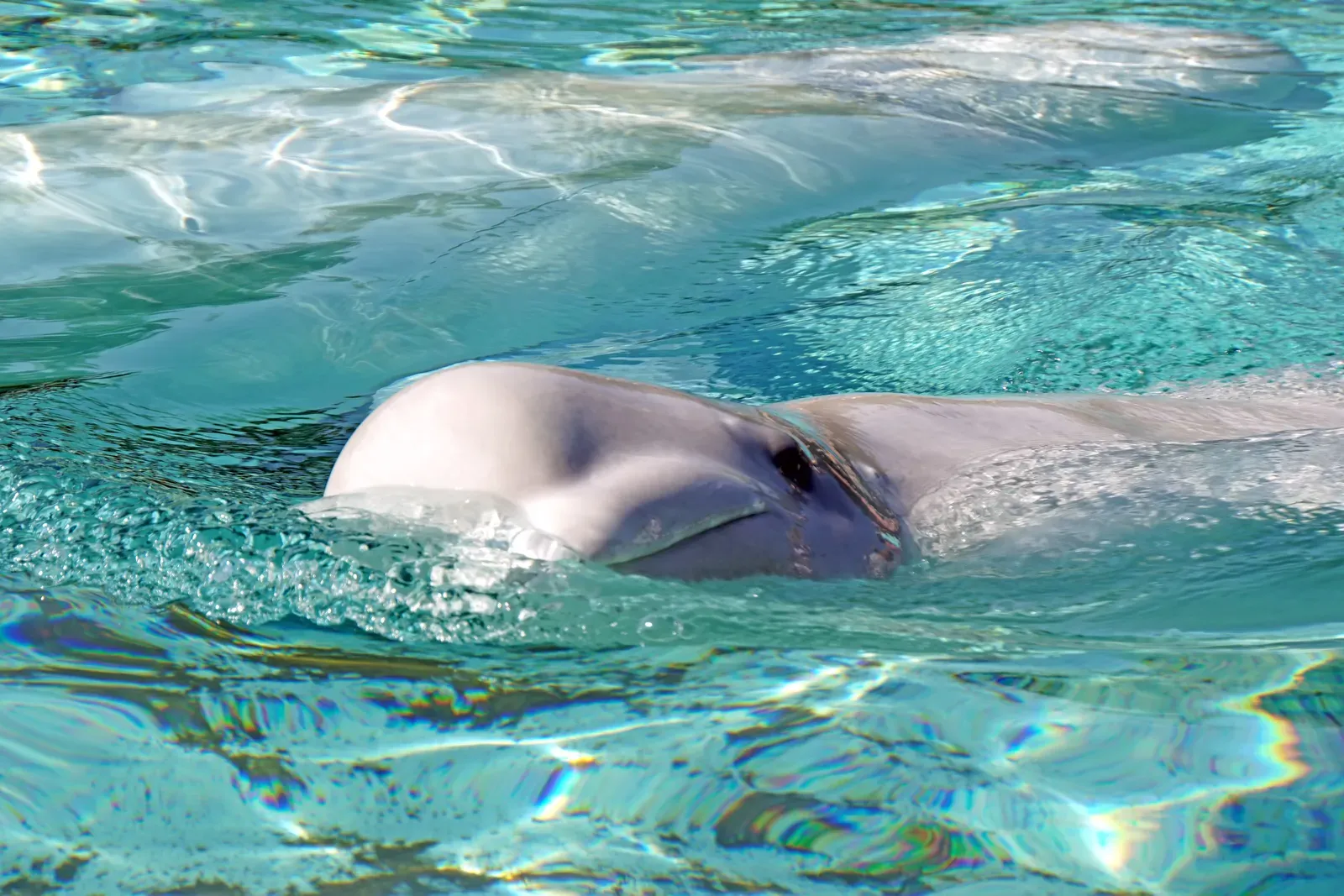
Minister Thompson’s office has indicated she will review the export permit applications expeditiously, though no specific timeline has been provided. The stakes couldn’t be higher for the animals caught in this bureaucratic standoff. Sources describe the proposed transfer to American facilities as a rescue operation, with plans to keep family units together and potentially reunite males and females who were separated due to Canada’s breeding ban.
There’s also a land development angle complicating matters. They also say a deal is now in place to sell the land and use it for residential housing and commercial businesses – with the condition that the animals must be gone in order for the deal to go through. This financial pressure adds another layer of urgency to an already tense situation.
Conclusion:
Here’s the uncomfortable truth: using animals as leverage in negotiations with government officials feels deeply wrong, regardless of the financial pressures facing Marineland. These belugas and dolphins didn’t ask to be born or kept in captivity, yet their lives now depend on bureaucratic decisions and political maneuvering. Whether the U.S. export permits represent a genuine rescue or simply a transfer to other entertainment facilities remains debatable.
The minister faces an impossible choice between upholding the spirit of legislation meant to end cetacean captivity and potentially condemning animals to death. It’s a mess created by decades of captive breeding and entertainment practices that we’re only now reckoning with. What do you think should happen to these animals? Tell us in the comments.
