
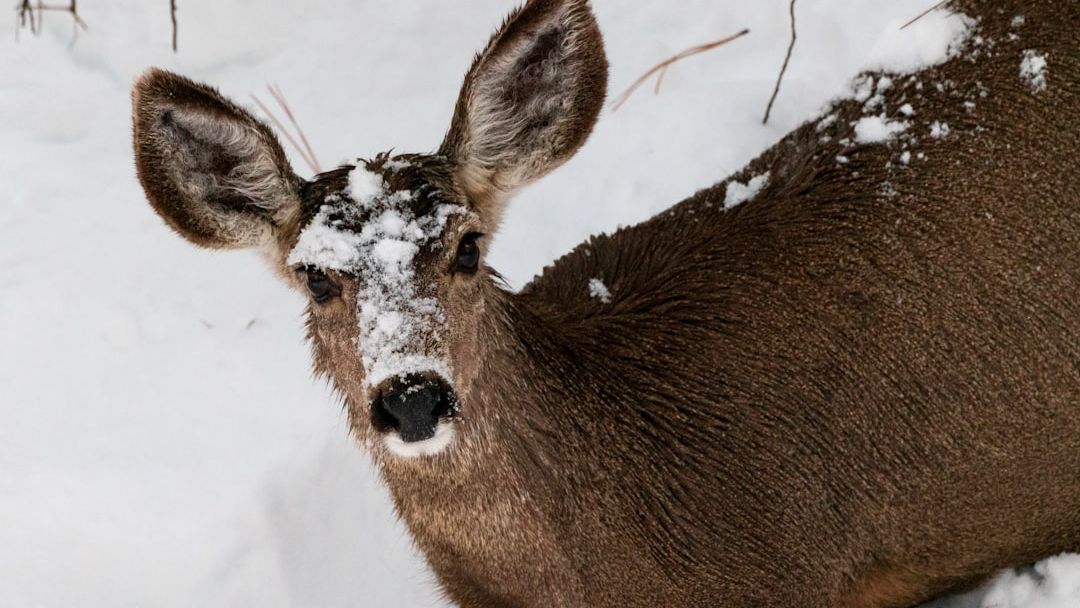
You’ve probably heard it a thousand times: once winter rolls around, you can relax. Garden pests slow down, hibernate, or simply vanish into the cold. Well, here’s the thing. That comforting belief is wishful thinking at best.
While it’s true that many warm weather bugs take a break during the colder months, winter doesn’t exactly shut down the pest problem. Some critters are just getting started, taking full advantage of sparse competition and scarce food supplies. Others barely notice the temperature drop at all, especially if you live in milder climates or your garden offers cozy shelter. Let’s be real: when you’re battling winter elements to keep your precious plants alive, the last thing you need is a parade of uninvited guests chewing through all your hard work. So let’s dive in.
Voles: The Underground Destroyers
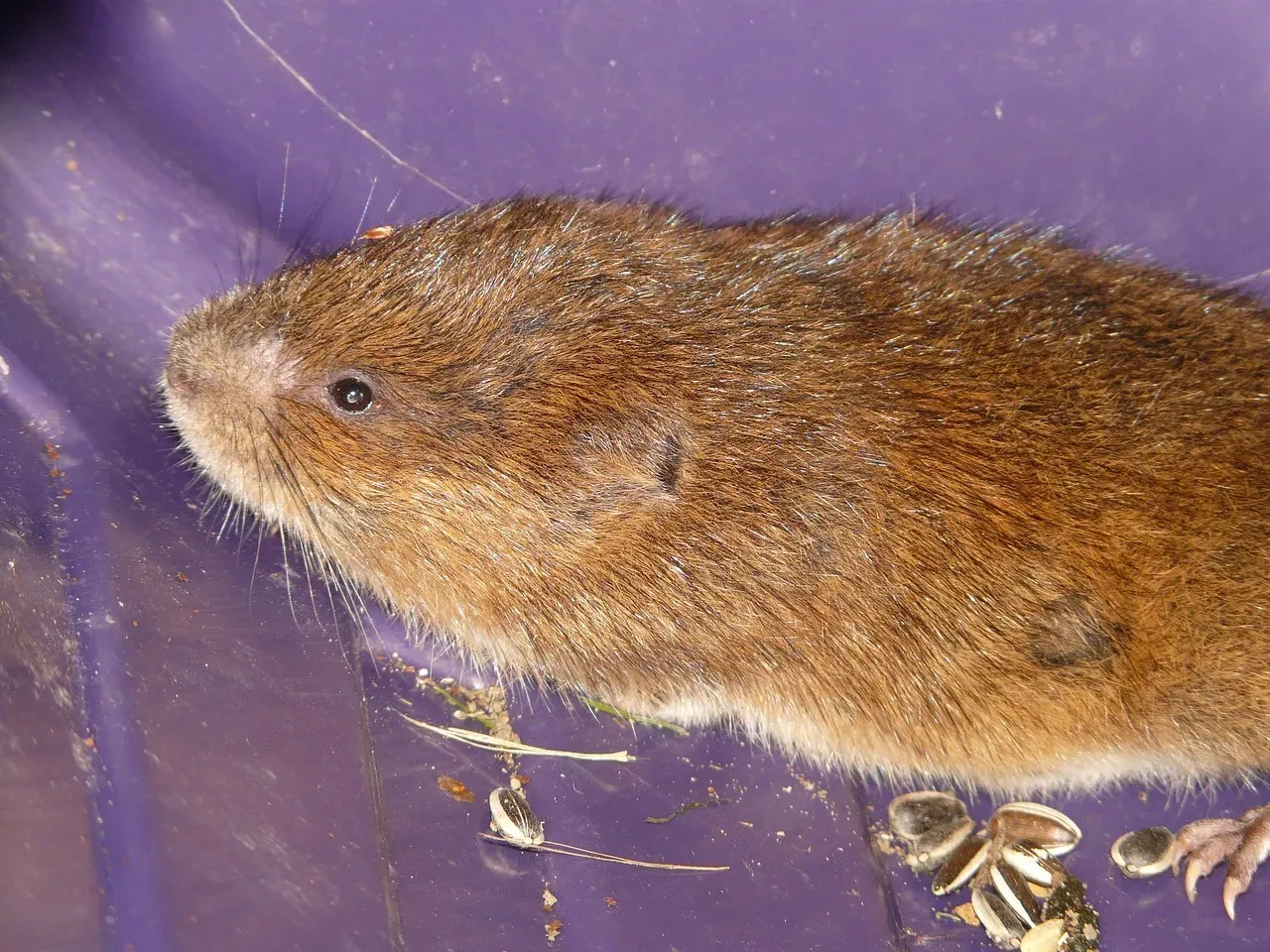
Voles are ferocious eaters of bark, and during winter especially, it is not uncommon to find many inches of bark missing from the base of small trees and shrubs. These small rodents cause serious root damage beneath the snow, creating extensive tunnel networks that you won’t even notice until spring. Moles create an extensive network of tunnels in your winter garden, and since their daily food intake equals 60 to 100 percent of their body weight, they sometimes dig up to 150 feet of new tunnels each day.
The damage they leave behind isn’t just surface level. Voles go after roots, bulbs, and the tender bark near ground level. When snow piles up, they tunnel right underneath it, protected from predators and the elements. Your plants become their personal buffet.
What makes voles particularly frustrating is how hidden their activity remains until it’s too late. You might not discover the devastation until the snow melts and you find your favorite shrubs looking suspiciously bare at the base. They’re stealthy, persistent, and honestly quite destructive for such tiny creatures.
Rabbits: The Bark Strippers
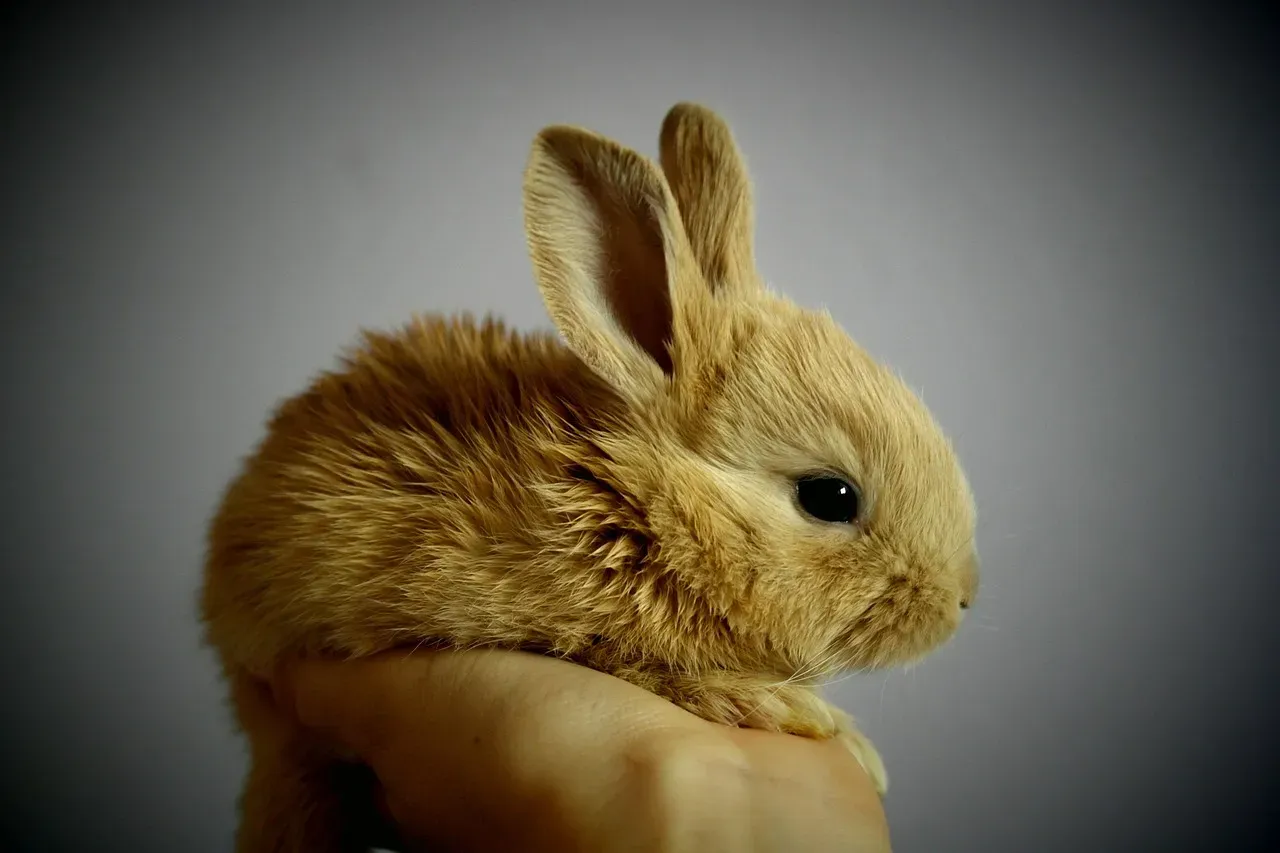
While deer are challenged by deep snow, rabbits benefit from it, being lightweight and able to sit on top of snow drifts and feed on twigs and buds, and they can also feed on plant stems, sometimes girdling the branches. Rabbits become especially bold during winter when vegetation is scarce. During prolonged periods of snow cover, your garden may be visited by rodents, rabbits, and deer in search for food, and mice and rabbits may strip the bark off the trunks of small trees, exposing them to pests and diseases.
That cute little cottontail hopping through your snowy garden? He’s surveying the menu. Rabbits don’t just nibble at leaves during winter. They’ll strip bark clean from young trees and shrubs when they’re desperate enough.
Mice and rabbits may girdle the trunks of small trees, effectively destroying them, while deer may devour the foliage on the lower branches of arborvitae, pines, and other evergreens. Girdling is when an animal chews through the bark all the way around a trunk or stem, cutting off the flow of nutrients. It’s often a death sentence for the plant. Deer and rabbits can do just as much, if not more, damage in the winter as they can in warmer months, and when there’s nothing green in the winter, they will resort to chewing on the bark of trees and shrubs.
Deer: The Hungry Wanderers
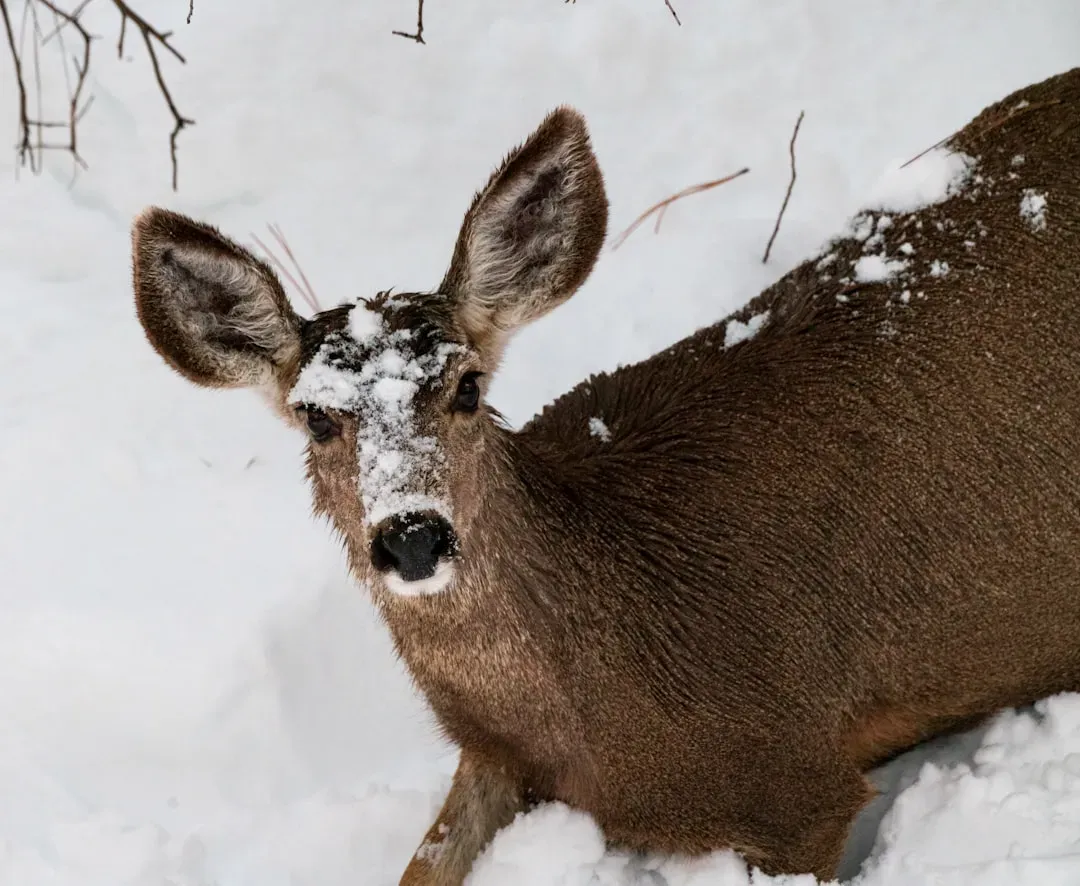
Reduced habitat and other stressors invite deer into our yards and gardens to feed on our plants, and mice, rabbits, voles and deer feed on twigs, bark, leaves and stems in winter. Let me tell you something: deer don’t stop being hungry just because it snows. If anything, they get more desperate. Deer spend a majority of their life feeding and they will eat anything if they are hungry, even plants labeled as deer resistant.
They’ll munch on evergreens, strip the lower branches of your ornamental trees, and leave your carefully tended shrubs looking like someone took hedge trimmers to them. Their damage is bold, obvious, and frankly infuriating when you discover it on a crisp winter morning.
Deer can cause two types of damage to plants: rubbing or battering by antlers and browsing, and browsing may occur throughout the entire year but becomes more noticeable during late fall and winter when other foods are less available, with one adult deer consuming up to four pounds of woody twigs a day. That’s not a typo. Four pounds. Every single day. Your ornamental garden doesn’t stand much of a chance against that kind of appetite. The worst part is they’re large enough that physical barriers need to be substantial to actually work.
Aphids: The Cold Weather Survivors
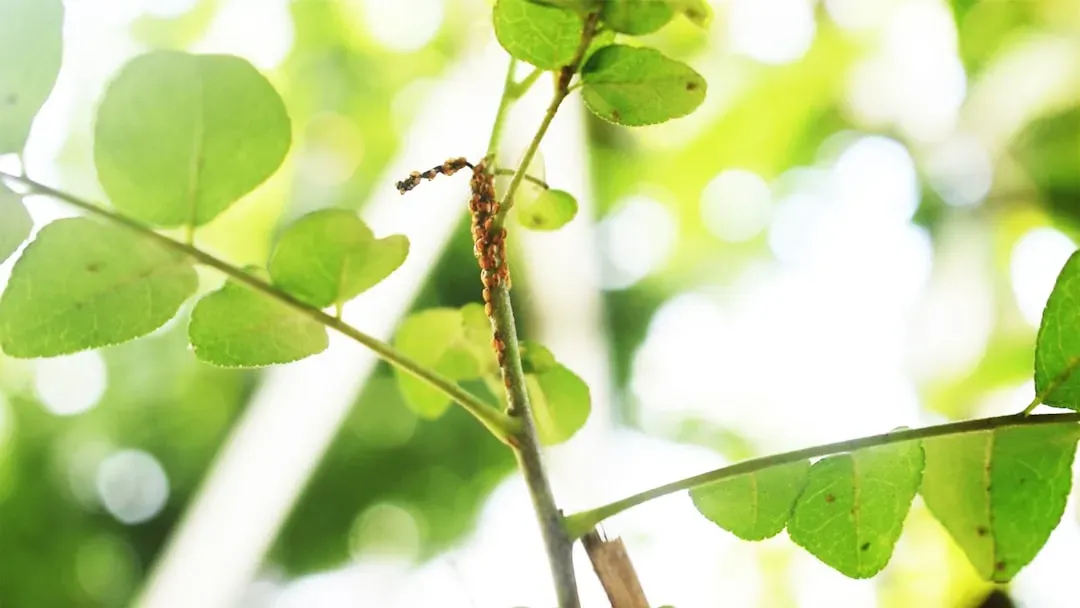
It might sound crazy, but aphids don’t always disappear when temperatures drop. Cool weather may slow you down, but aphids never hit the brakes in Florida gardens, and Florida’s mild temperatures give aphid populations free rein to feed, multiply, and spread without interruption. In milder climates or sheltered garden spots, these tiny pests keep right on feeding throughout winter.
They cluster on the undersides of leaves and on tender new growth, sucking the life out of your cool season crops. Some species of aphids are more active in cooler weather to avoid predation, since many common beneficial insects perform best during the summer months, and some of these aphid species will disappear when warmer weather persists but will return the following fall season as the cooler conditions develop again.
The sticky honeydew they leave behind attracts ants and encourages mold growth. You’ll notice leaves curling, yellowing, or becoming distorted. Aphids reproduce frighteningly fast, so even a small population in winter can explode into a full blown infestation by early spring. They’re small, but their impact is anything but insignificant.
Scale Insects: The Dormant Menace
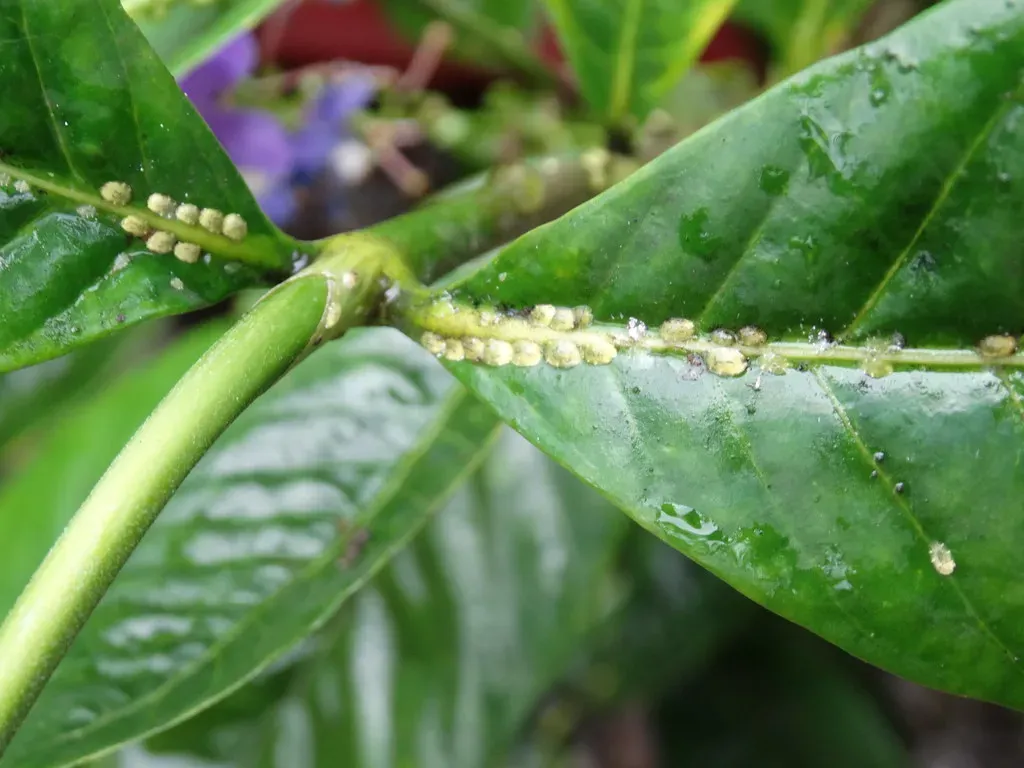
Scale insects overwinter as eggs or nymphs in tiny crevices like tree bark, and all suck the moisture and nutrients from plant leaves and stems, with hard-bodied scales overwintering as eggs, while soft-body scales cover themselves with protective waxy secretions. These armored little pests hunker down on branches and stems, waiting out the cold months. You might not even notice them at first because they look like small bumps or crusty spots on bark.
Scale insects feed by piercing plant tissue and sucking out fluids. This weakens trees and shrubs over time, reducing vigor and making them more susceptible to disease. Overwintering insects hatch out and feed on bark, leaves, and fruits, which can weaken the tree, reduce its vigor and growth, and result in less or lower quality fruit.
Their waxy coating protects them from harsh weather and even some pesticides. They’re sneaky survivors, essentially lying in wait until spring arrives and they can resume their assault with full force. Winter is when they’re most vulnerable, but only if you catch them before they settle in for the season.
Cabbage Loopers and Other Caterpillars
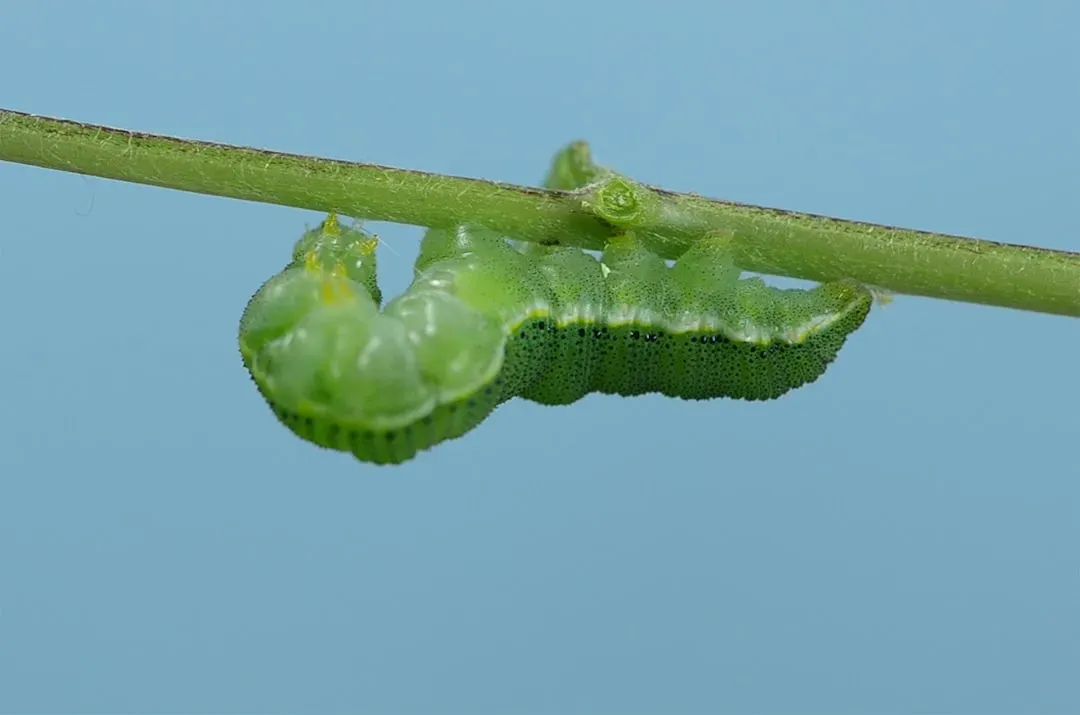
The pupae, known as cabbage loopers, survive winter by staying in the soil or in cocoons attached to host plants, and these damaging overwintering pests also migrate as adults to avoid the cold. Even when your garden looks dormant, these pests are tucked away beneath the soil surface or hidden in plant debris. Caterpillars, snails, wildlife, and other problematic insects remain active in the cooler weather, eating anything from leaves to seedlings and fruit, and caterpillars are a common occurrence in winter crops.
If you’re growing leafy greens, broccoli, or other cool season vegetables, you might find yourself battling caterpillars even when there’s frost on the ground. They emerge during warmer spells and chew through tender leaves with surprising speed.
Their damage is distinctive: ragged holes in foliage, frass (insect droppings) on leaves, and sometimes complete defoliation if the population gets out of hand. These moths do severe crop damage to a wide range of diverse fruit and vegetable crops yearly, and the pupae survive winter by staying in the soil or in cocoons attached to host plants. The key to controlling them is disrupting their lifecycle before they can complete it and come back stronger in spring. Tilling soil in late fall or early winter exposes overwintering pupae to predators and freezing temperatures.
Conclusion: Winter Vigilance Pays Off
The idea that winter means a break from garden pests is one of those myths that just won’t die. Sure, the pest pressure drops compared to the peak growing season, but trouble never completely vanishes. From bark stripping rabbits to tunneling voles, from persistent aphids to hidden scale insects, your garden faces threats even when snow blankets the ground.
The good news is that winter actually gives you a strategic advantage. Pest populations are lower, many are in vulnerable stages of their life cycles, and you can take preventative measures before spring chaos begins. Physical barriers, regular inspections, proper sanitation, and timely treatments all work better when you’re not fighting massive infestations.
Did you expect winter to be this eventful in the garden? Most people are surprised to learn how active some pests remain during the coldest months. What’s your experience been with winter garden pests?

- People Who Prefer Cats Over Dogs Often Carry This One Childhood Experience, According to Psychology - June 12, 2026
- 13 Dog Breeds That Flood Rescue Centers After the Holidays Every Single Year Without Exception - June 12, 2026
- The Great Migration: Why Millions of Monarchs Choose These US States - June 11, 2026