

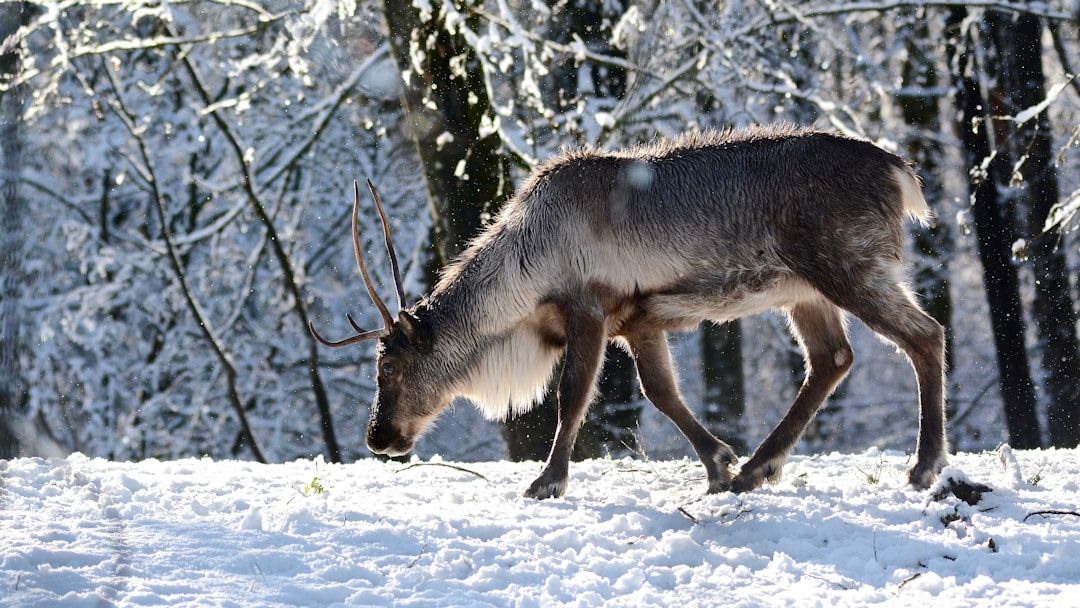
Caribou have roamed the vast northern landscapes of Canada for thousands of years. They’ve survived brutal winters, predators, and shifting terrain. So it might surprise you to learn that one of their biggest threats right now isn’t a wolf or a hunter – it’s the timing of snow.
Climate change is reshaping seasonal weather patterns in ways that hit migratory caribou especially hard. The consequences are quietly devastating, and most people have no idea it’s happening. Let’s dive in.
A Centuries-Old Migration Under Pressure
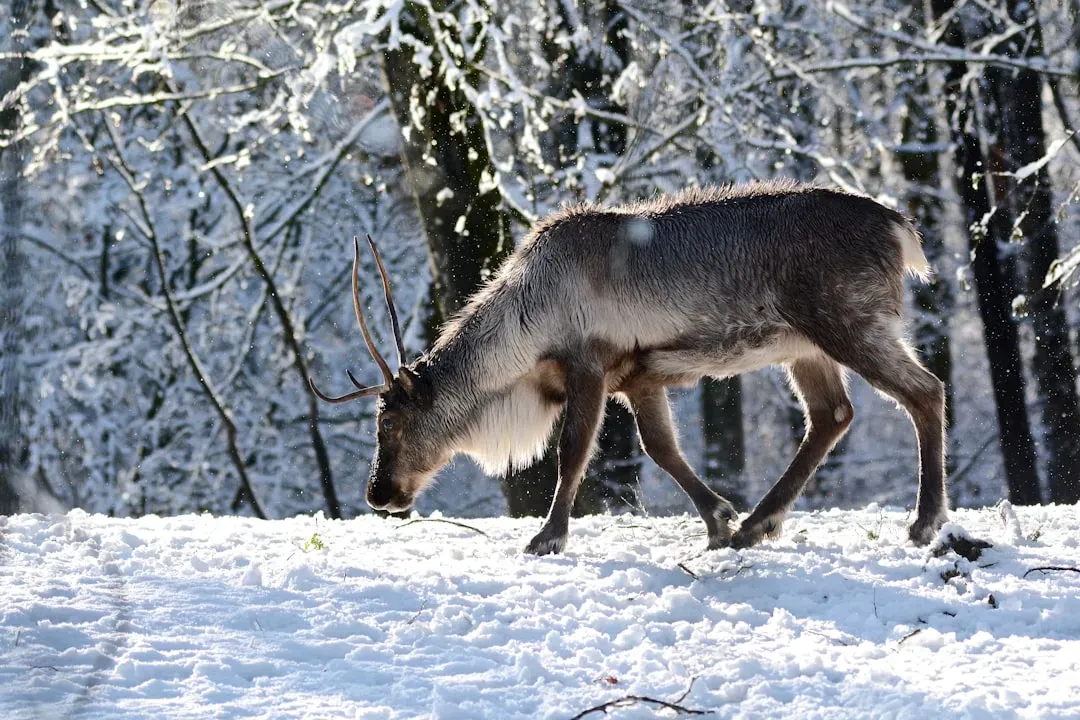
Migratory caribou herds in Canada undertake some of the longest land migrations of any animal on Earth. Some herds travel thousands of kilometers each year between their winter and summer ranges, following ancient routes shaped by instinct and ecology. It’s genuinely one of nature’s most breathtaking spectacles.
The problem is that these migrations are timed with extraordinary biological precision. Caribou calves are born to coincide with the spring green-up, when nutritious vegetation is at its peak. When environmental conditions shift even slightly out of sync, the ripple effects on survival can be severe.
What “Late-Season Snow” Actually Means for These Animals
Here’s the thing – when people hear “late-season snow,” they probably picture a mild inconvenience. A bit of unexpected cold in April, maybe some slippery roads. For caribou, it’s a completely different story.
Late-season snowfall events, occurring after the animals have already begun their spring migration northward, can bury the vegetation they desperately need. Pregnant females especially rely on early access to high-quality forage to sustain pregnancies and recover body condition after a brutal winter. When that food source gets blanketed under a fresh layer of snow at the wrong moment, calves are born weaker, and calf survival rates drop sharply.
The Calving Ground Crisis
Calving grounds are essentially sacred ecological real estate for caribou populations. These are the specific locations where females give birth and where calves take their first steps. The energy demands on mothers during this period are enormous.
Research has shown that late-season snow events on or near calving grounds can be catastrophic. Newborn calves have almost no fat reserves and cannot tolerate prolonged cold exposure combined with limited food availability for their mothers. Even a short but intense late snowstorm arriving at the wrong week can translate into devastating calf mortality across an entire herd for that season.
Climate Change Is Shifting the Risk Window
Honestly, the climate picture here is a bit paradoxical, and that’s what makes it so tricky. While overall Arctic temperatures are warming faster than almost anywhere else on the planet, warming doesn’t mean a smooth, linear end to harsh weather. In fact, it can increase weather volatility.
Warmer average temperatures can actually drive more intense precipitation events, including heavy late-season snowfalls that wouldn’t have historically occurred so far into spring. It’s like turning up the dial on atmospheric chaos. The caribou’s finely tuned biological calendar, shaped over millennia, simply wasn’t built to handle this kind of erratic variability, and it cannot adapt fast enough to keep pace.
Population Declines Already Underway
Several of Canada’s major migratory caribou herds have already experienced significant population declines over recent decades. The Bathurst herd, for example, has seen its numbers collapse dramatically from historical highs. Other herds across the country’s northern regions tell similarly troubling stories.
It’s hard to say for sure how much of the decline is directly attributable to late-season snow events versus other pressures like industrial development, predation, and habitat disturbance. Most researchers agree it’s a combination of stressors stacking on top of each other. Late-season snow is essentially one more weight placed on a scale that was already tipping in the wrong direction.
Indigenous Communities Feel the Impact Too
Caribou aren’t just an ecological concern in northern Canada – they are central to the culture, food security, and identity of many Indigenous communities across the region. For groups like the Dene and Inuit peoples, caribou represent a lifeline that goes far beyond nutrition.
When herds struggle, entire ways of life are affected. Hunting seasons become unpredictable, traditional knowledge about migration patterns becomes harder to apply, and communities that have depended on these animals for generations face very real food insecurity. The human dimension of this ecological crisis is something that deserves far more attention than it typically receives in mainstream conversations about wildlife decline.
What Researchers and Conservationists Are Watching
Scientists studying migratory caribou are increasingly focused on what are called “phenological mismatches” – essentially, the growing gap between when caribou arrive on their calving grounds and when the vegetation they need actually becomes available. Late-season snow is a direct driver of this mismatch.
Monitoring programs are tracking herd movements, snowpack timing, and vegetation green-up dates with growing sophistication. Satellite technology and GPS collar data are giving researchers unprecedented insight into how individual herds respond to these shifting conditions. The data emerging from these studies paints a picture that is, to put it plainly, concerning. The next decade will likely be critical in determining whether conservation interventions can keep pace with the speed of environmental change.
A Final Thought Worth Sitting With
There’s something uniquely humbling about realizing that an animal tough enough to survive Arctic winters for thousands of years is now being destabilized by a shift in the timing of snowfall. Not a dramatic catastrophe. Just a calendar slipping slightly out of alignment.
Caribou don’t have the ability to adapt their internal biological clocks in a generation or two. The environment is changing faster than evolution can keep up. What happens to these herds over the next few decades will say a great deal about our willingness to take ecological early warning signs seriously – before the silence left behind becomes impossible to ignore.
What do you think we owe to species whose survival is being disrupted by changes they had no part in creating? Share your thoughts in the comments below.

- Urban Coyotes Show Remarkable Adaptability, Learning to Thrive in City Environments - July 22, 2026
- Beavers Are Nature’s Engineers, Creating Vital Habitats for Other Wildlife Species - July 21, 2026
- The Recovery of the California Condor Offers Hope for Other Critically Endangered Birds - July 21, 2026