
Worried about unexpected vet bills?
Pet insurance can cover thousands in unexpected vet costs. Get a free quote from Lemonade in under 2 minutes.
Get My Free Quote →Sponsored · Opens Lemonade.com
Among Australia’s diverse and often dangerous wildlife, few creatures evoke as much fear as the funnel-web spider. Known scientifically as members of the Atracidae family, these arachnids have earned a reputation as some of the most venomous spiders in the world. Their aggressive nature, powerful venom, and proximity to human settlements make them particularly concerning for Australians, especially those living along the eastern coast. The Sydney funnel-web spider (Atrax robustus) is the most infamous species, responsible for all 13 recorded human deaths before antivenom became available in 1981.
What makes these spiders particularly dangerous is not just their venom potency but their habit of wandering into human dwellings, especially after heavy rains or during the male’s breeding season. Unlike many dangerous creatures that prefer to avoid human contact, funnel-web spiders seem almost fearless when confronted, rearing up on their hind legs, displaying their fangs, and striking repeatedly with remarkable speed and precision. This article explores these fascinating yet frightening arachnids and explains why their bite is one you definitely want to avoid.
Physical Characteristics That Set Them Apart

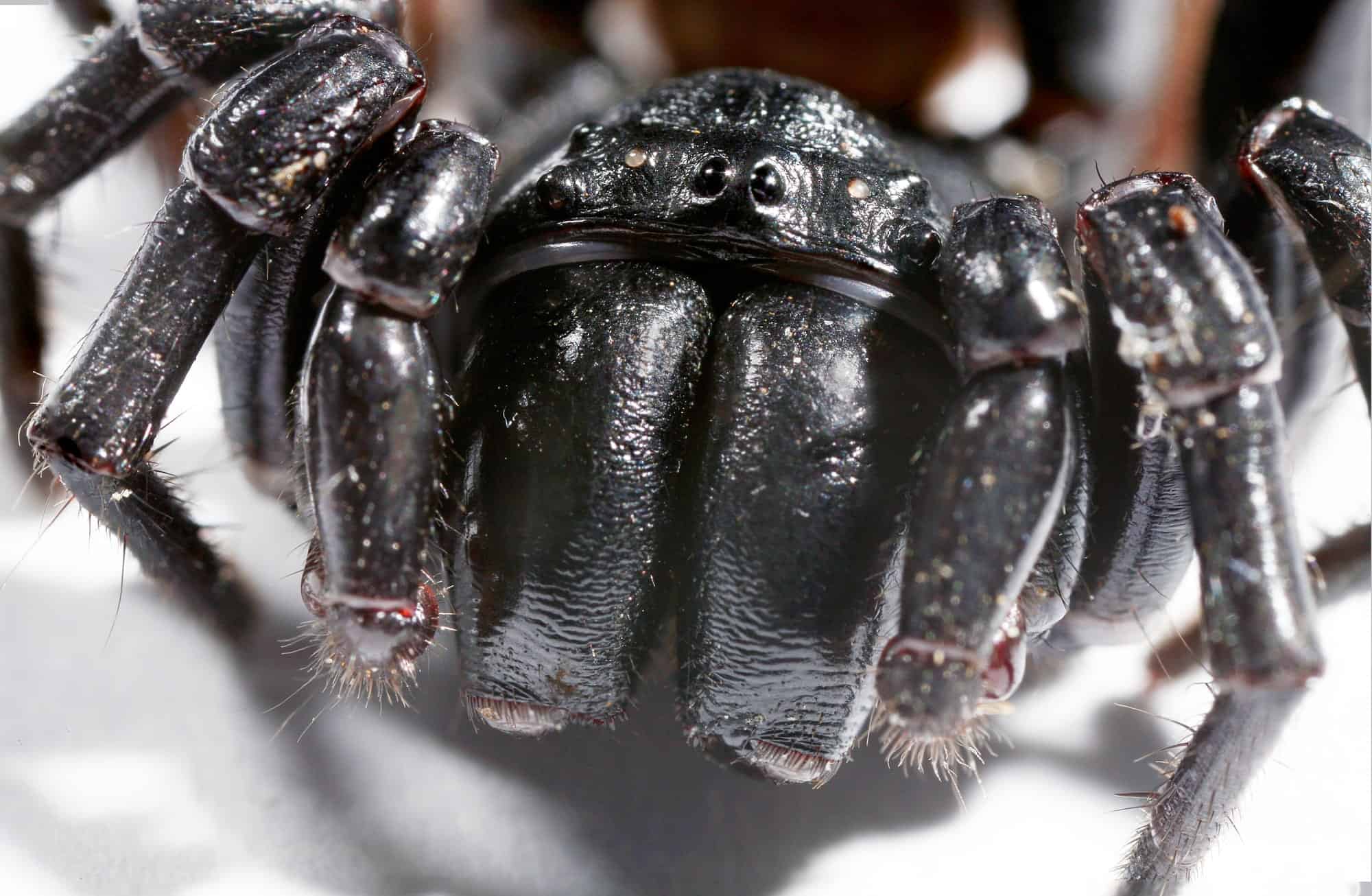
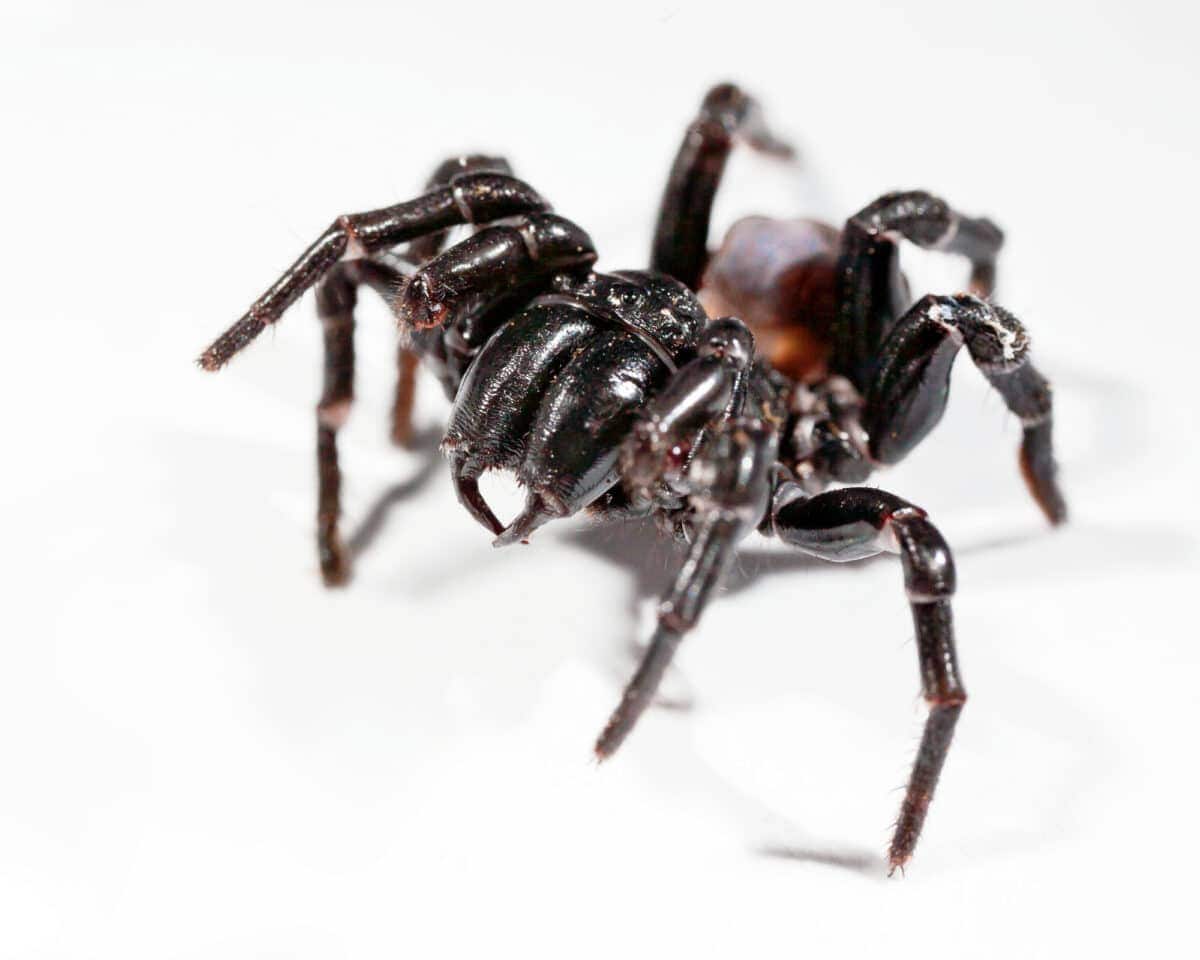
Funnel-web spiders are instantly recognizable to those familiar with them. They feature a glossy, dark-colored body ranging from black to dark blue-black or brown, giving them a somewhat sinister appearance. Their size is impressive for a spider, with females reaching body lengths of up to 35mm and males slightly smaller at around 25mm. However, when including their leg span, these spiders can stretch to an intimidating 7cm across. One of their most distinctive features is their massive, powerful fangs – longer than those of some small snakes, capable of penetrating fingernails and even soft shoes.
What truly distinguishes funnel-web spiders is their behavior when threatened. Unlike most spiders that retreat when faced with danger, funnel-webs adopt an aggressive defensive posture. They rise up on their hind legs, revealing a distinctive stance with front legs and fangs raised, ready to strike. Their body is heavily armored with a hard carapace, and they possess remarkable strength for their size. Even experts approach these spiders with extreme caution, as their lightning-fast strikes and ability to deliver multiple bites in quick succession make them exceptionally dangerous to handle.
Distribution and Habitat: Where They Lurk

Funnel-web spiders are primarily found along Australia’s eastern coast, from Tasmania to Queensland, with the highest concentration in New South Wales. The Sydney funnel-web, considered the most dangerous species, is found within a 100km radius of Sydney, making it a particularly relevant concern for Australia’s most populous city. Different species occupy various ecological niches, from forests to urban gardens, but all share a preference for moist, sheltered environments where they can construct their characteristic funnel-shaped webs.
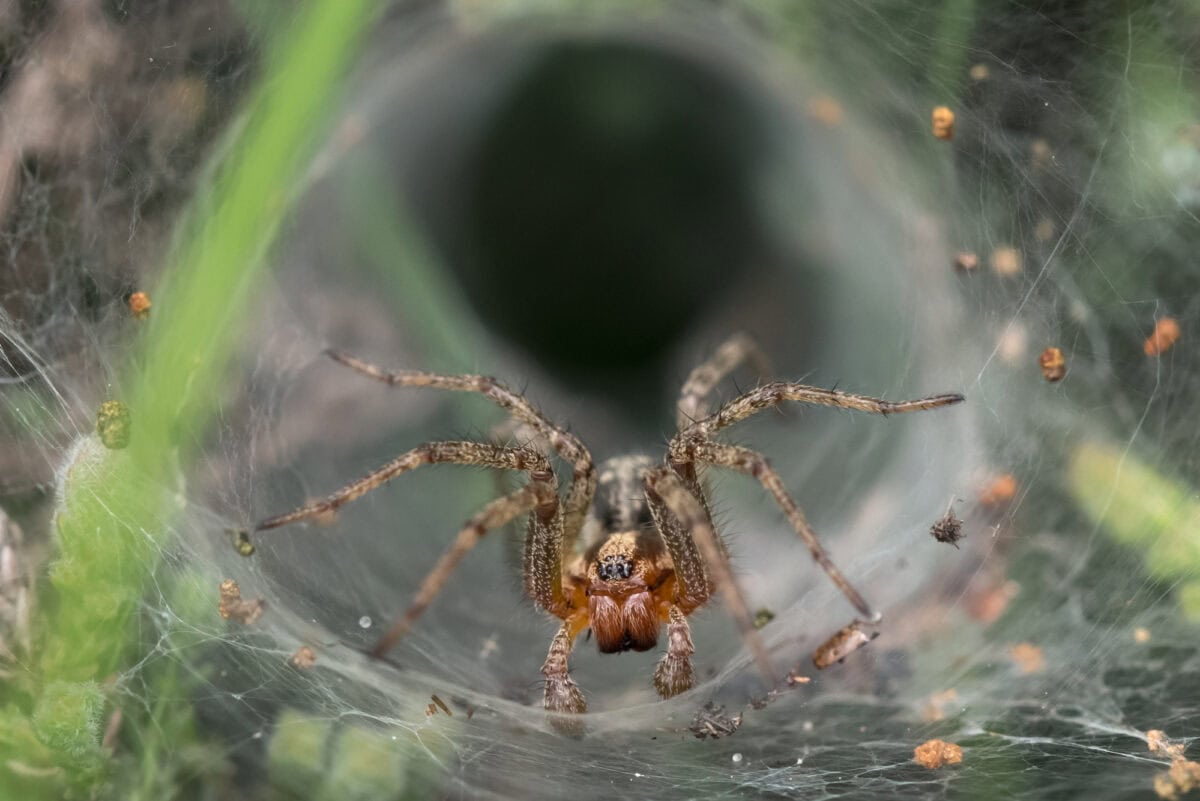
These spiders typically make their homes in burrows in the ground, beneath rocks, fallen logs, or in rotting wood. The entrance to their burrow features the distinctive funnel-shaped web that gives them their name, with trip lines radiating outward to alert the spider when prey approaches. During dry periods, they tend to stay deep in their burrows, but after heavy rainfall, especially during summer, males often become wanderers in search of females, which is when most human encounters occur. They frequently find their way into swimming pools, garages, and homes – particularly shoes, clothing, and bedding – creating potentially dangerous situations for unsuspecting humans.
The Deadly Venom Composition

What makes the funnel-web spider’s bite so feared is its exceptionally potent venom, particularly that of the male Sydney funnel-web. The venom contains a complex mixture of compounds, but the primary toxic component is a peptide called delta-atracotoxin. This neurotoxin attacks the human nervous system in a particularly insidious way – it prevents nerve cells from being able to “switch off,” causing them to fire repeatedly. This leads to the severe symptoms associated with envenomation, including excessive salivation, muscle spasms, difficulty breathing, and potentially fatal respiratory failure.
Interestingly, this venom appears specifically evolved to affect primates, as it’s far less toxic to most other mammals like cats and dogs. Scientists believe this could be an evolutionary coincidence rather than specific adaptation, as the spiders evolved in isolation from primates for millions of years. The venom is delivered through large fangs capable of penetrating deep into tissue, and the aggressive spider often delivers multiple doses in a single attack. What’s particularly concerning is how quickly the venom acts – symptoms can begin within minutes, and death from respiratory failure has occurred in as little as 15 minutes in severe cases, though the average time to death before antivenom was available was about 3 hours.
Why Male Spiders Are More Dangerous

In an unusual twist of nature, it’s the male funnel-web spider that poses the greatest threat to humans, with venom up to six times more toxic than that of females. This runs counter to most venomous spider species, where females typically possess more potent venom. The reason lies in the male’s life cycle and specific venom composition. Male Sydney funnel-webs produce a compound called delta-atracotoxin-Ar1 (previously known as robustoxin) in higher concentrations, which is particularly toxic to primates, including humans. Female venom lacks this specific component in the same quantities.
Additionally, male funnel-webs lead a more wandering lifestyle once they reach maturity, leaving their burrows to search for females during breeding season, typically in summer and autumn. This nomadic behavior significantly increases their chances of encountering humans. Males can survive for several weeks away from their burrows, often seeking shelter in shoes, clothing, or bedding during the day, creating perfect conditions for accidental encounters. They’re also more aggressive than females when disturbed, more likely to deliver multiple bites, and inject larger volumes of venom per bite. All these factors combine to make the male funnel-web spider responsible for the vast majority of serious envenomations.
Symptoms of Envenomation: A Cascading Crisis

A bite from a funnel-web spider triggers a rapid and alarming progression of symptoms that constitutes a true medical emergency. Initially, the bite itself is quite painful due to the large fangs and acidic venom, causing immediate local sharp pain, swelling, and goosebumps around the bite site. Within minutes, the victim begins experiencing the first systemic symptoms, including tingling around the mouth, tongue spasms, excessive salivation, profuse sweating, watery eyes, and nausea. These early symptoms signal the beginning of what medical professionals call the “autonomic storm.”
As the venom continues circulating through the body, more severe symptoms develop rapidly. These include muscle fasciculation (uncontrollable twitching), elevated heart rate and blood pressure, difficulty breathing, confusion, and in severe cases, pulmonary edema (fluid in the lungs). The most dangerous stage involves the onset of hypotension (dangerously low blood pressure), followed by unconsciousness and potentially respiratory failure. Before antivenom became available, this progression could lead to death within hours. Children are particularly vulnerable due to their smaller body mass, with symptoms progressing more rapidly and with greater severity. What makes funnel-web envenomation particularly treacherous is the speed at which these symptoms can develop, necessitating immediate medical intervention.
The Development of Life-Saving Antivenom

The development of funnel-web spider antivenom stands as one of Australia’s most significant medical achievements. Prior to 1981, a bite from a Sydney funnel-web spider could be a death sentence, with 13 confirmed fatalities recorded. The breakthrough came through the dedicated work of Struan Sutherland and his team at the Commonwealth Serum Laboratories (now CSL Limited). The process began with the establishment of a spider milking program, where brave volunteers carefully extracted venom from live funnel-web spiders – an exceptionally dangerous task given the spiders’ aggressive nature and lightning-fast strikes.
The collected venom was then used to immunize rabbits, which produced antibodies against the toxins. From these antibodies, scientists developed an effective antivenom that could neutralize the venom’s effects if administered promptly. Since the antivenom became widely available in 1981, there have been no recorded deaths from funnel-web spider bites – a remarkable testament to its efficacy. Today, the Australian Reptile Park on the Central Coast of New South Wales continues to run a spider venom milking program that provides venom for antivenom production, with brave keepers extracting venom from hundreds of funnel-web spiders donated by the public. This ongoing program ensures a continuous supply of this life-saving treatment remains available throughout Australia.
First Aid Response: Critical Actions
Knowing the correct first aid response for a funnel-web spider bite can mean the difference between life and death. If a bite is suspected, the priority is to immobilize the venom and seek urgent medical attention. The Australian Resuscitation Council recommends applying a pressure immobilization bandage: wrap a broad elasticized bandage firmly (but not too tightly) around the affected limb, starting at the bite site and covering as much of the limb as possible. Then apply a splint to restrict movement. This technique helps slow venom movement through the lymphatic system. Keep the victim as still as possible – preferably lying down – and call emergency services (000 in Australia) immediately.
Equally important is knowing what NOT to do. Never cut the bite site, attempt to suck out the venom, apply a tourniquet, wash the area (as venom residue can help identify the spider), or allow the victim to walk if avoidable. If possible, capture or photograph the spider for identification, but only if this can be done safely without risk of additional bites. Time is critical – the sooner antivenom can be administered at a hospital, the better the outcome. Even suspected bites should be treated as emergencies, as early symptoms may be subtle but can progress rapidly. All potential funnel-web spider bites should be treated as medical emergencies until proven otherwise by healthcare professionals.
Identifying Funnel-Web Spiders: Look-alikes and Confusion
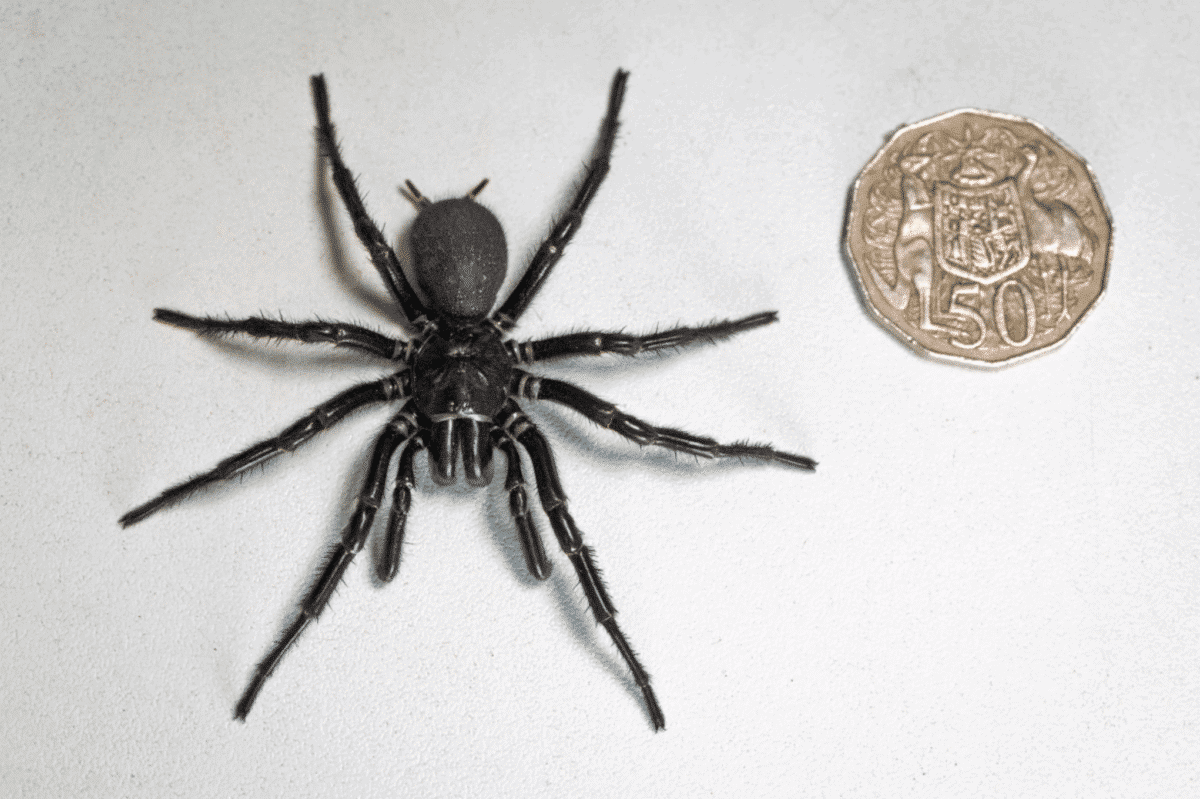
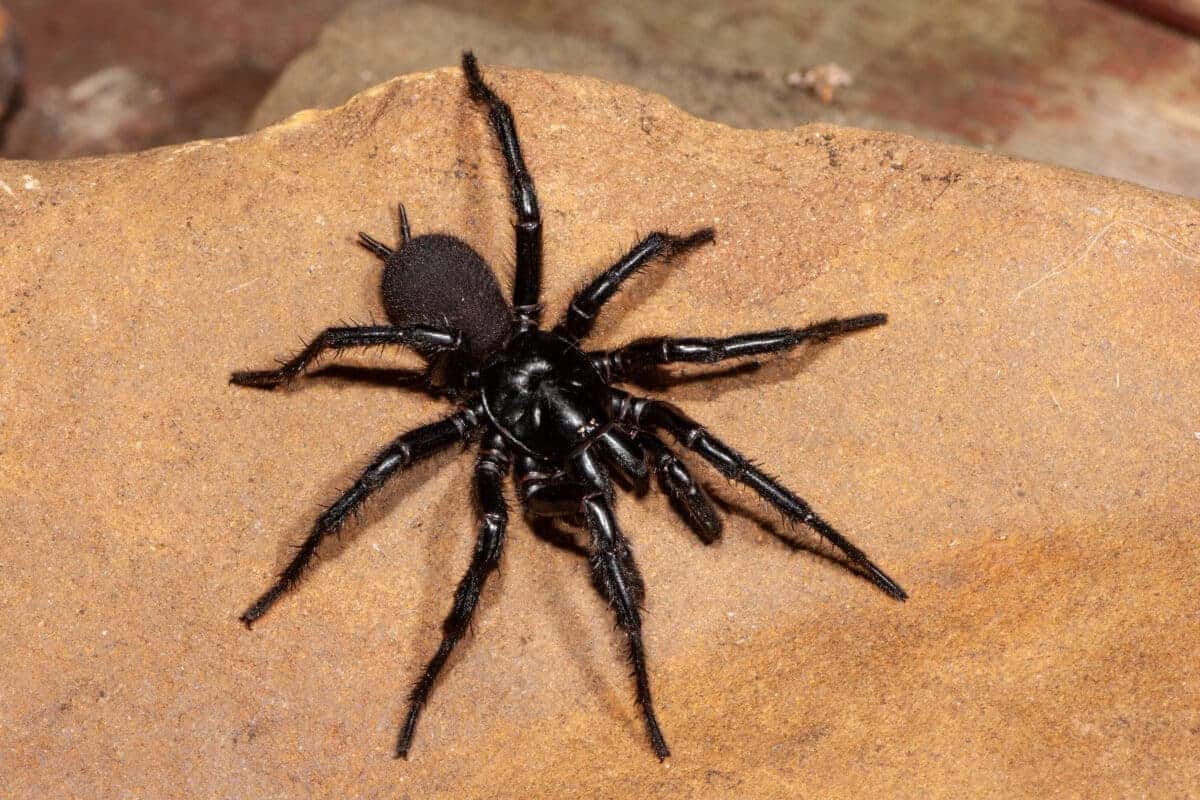
Accurately identifying funnel-web spiders is crucial for risk assessment, but several less dangerous species are frequently mistaken for them. The true funnel-web can be recognized by its glossy, dark body (usually black to dark brown), large size (2-5cm body length), massive, downward-pointing fangs, and characteristic aggressive posture when threatened. Their carapace (front body section) is smooth and glossy rather than hairy, and they have spinnerets (silk-producing organs) clearly visible at the rear of their abdomen. Male funnel-webs can be distinguished by their longer legs and the presence of a spur on the second pair of legs used during mating.
Common look-alikes include the mouse spider (Missulena species), which has a similar appearance but typically a red head and thorax with a bluish-black abdomen; trapdoor spiders, which are generally less glossy and lack the aggressive display behavior; and black house spiders, which are smaller and have a distinctly different web structure. While some of these spiders can deliver painful bites, none possess venom as dangerous as the funnel-web. If in doubt about identification, it’s safest to treat any large, dark spider as potentially dangerous, especially in areas known to have funnel-web populations. The Australian Museum and various state wildlife authorities offer identification services that can help distinguish these species, either through submitted photos or specimens.
Preventing Encounters in Homes and Gardens
Preventing unwanted encounters with funnel-web spiders begins with making your home and garden less hospitable to these arachnids. Regular yard maintenance is essential – keep grass short, remove leaf litter, fallen branches, and debris piles where spiders might establish burrows. Consider removing dense ground-covering plants close to the house, particularly in areas where children play. Wear gloves and closed shoes when gardening, and shake out gardening gloves before putting them on. Seal cracks and gaps in home foundations, walls, and around windows and doors to prevent spiders from entering. Window screens can also help keep wandering males out during mating season.
Inside the home, establish good habits that reduce risk. Never walk barefoot outside at night, especially after rain when male spiders are most active. Shake out shoes, clothing, and bedding before use, particularly items that have been left on the floor. Be cautious when reaching into dark spaces like firewood piles, storage boxes, or under outdoor furniture. Swimming pools attract wandering funnel-webs seeking water, so check them before swimming and remove spiders using pool nets (never with hands). Consider using surface spray pesticides around doors and windows as a deterrent, though these won’t kill funnel-webs immediately. If you live in an area known for funnel-web spiders, consider teaching children about the risks and establishing clear rules about handling unknown spiders. These preventative measures significantly reduce the chances of dangerous encounters.
Ecological Role: The Spider’s Place in Nature

Despite their fearsome reputation, funnel-web spiders play an important ecological role in Australia’s ecosystems. As predators, they help control populations of insects and other invertebrates that might otherwise reach pest proportions. Their hunting strategy involves waiting at the entrance of their funnel-shaped webs for prey to disturb the trip-lines, then rushing out to capture it with remarkable speed. Their diet typically includes beetles, cockroaches, small lizards, and even other spiders, making them valuable contributors to the ecological balance of their habitats.
The venom that makes funnel-web spiders so dangerous to humans has also become valuable for scientific research and potential medical applications. Researchers have discovered components in funnel-web venom that show promise for treating certain medical conditions, including stroke, epilepsy, and certain types of pain. One peptide derived from funnel-web venom has been found to protect heart cells during heart attacks by preventing the death of cells deprived of oxygen. Another compound shows potential as an environmentally friendly insecticide. These discoveries highlight the ecological and scientific importance of preserving these spiders, despite their dangerous nature. Conservation efforts focus on habitat preservation and public education about their ecological significance, encouraging coexistence through awareness rather than eradication.
Conservation Status and Research Importance
While funnel-web spiders might not immediately seem like creatures in need of conservation, some species face habitat challenges as urban development encroaches on their natural environments. Though not currently listed as endangered, certain localized populations of funnel-web spiders are monitored by conservation authorities due to their restricted geographical distributions. The Blue Mountains funnel-web (Hadronyche versuta), for instance, inhabits specific ecological niches that can be disrupted by human activities and climate change. Conservation efforts focus on habitat protection and monitoring population trends rather than direct intervention.
Beyond conservation, these spiders have become increasingly important in scientific research. Their venom contains a complex cocktail of compounds that scientists are just beginning to fully explore. Research institutions and pharmaceutical companies are investigating various peptides isolated from funnel-web venom for potential applications in medicine. Programs like the Australian Reptile Park’s spider venom-milking initiative serve dual purposes – providing venom for life-saving antivenom production while also supplying samples for scientific research. This research not only helps us understand these fascinating creatures better but may lead to the development of novel treatments for conditions ranging from chronic pain to cardiac damage. The economic and medical potential of these discoveries adds another dimension to the importance of protecting these spiders and their habitats, despite the fear they often inspire.
Conclusion: Respect, Not Just Fear

The funnel-web spider represents one of Australia’s most formidable natural dangers, possessing venom potent enough to kill a human in hours without proper medical intervention. Their aggressive defensive behavior, powerful fangs, and the male’s tendency to wander into human dwellings create a legitimate cause for caution in areas where these spiders are prevalent. The development of antivenom in 1981 marked a turning point, eliminating fatalities from what was once considered one of the world’s deadliest spider bites.
Yet beyond the fear they inspire, funnel-web spiders deserve our respect as remarkable evolutionary creations with important ecological roles and scientific value. Their venom, while dangerous,
Worried about unexpected vet bills?
Pet insurance can cover thousands in unexpected vet costs. Get a free quote from Lemonade in under 2 minutes.
Get My Free Quote →Sponsored · Opens Lemonade.com

- How Fast Can a Bear Run? It’s Faster Than You Think - June 10, 2026
- 10 “Lazarus Species” That We Thought Were Gone Forever - June 10, 2026
- How Male Seahorses Carry and Birth Their Young - June 10, 2026
Leave a comment
You must be logged in to post a comment.