
Worried about unexpected vet bills?
Pet insurance can cover thousands in unexpected vet costs. Get a free quote from Lemonade in under 2 minutes.
Get My Free Quote →Sponsored · Opens Lemonade.com
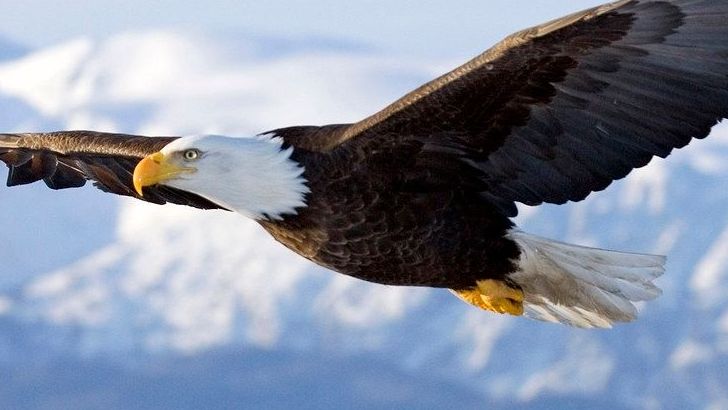
Picture this: soaring majestically above frozen rivers and snow-covered landscapes, America’s national bird is making one of the most remarkable comebacks in conservation history. The bald eagle’s return to the Midwest isn’t just a feel-good story. It’s a testament to what happens when dedicated conservation efforts meet the incredible resilience of nature.
What once seemed impossible is now breathtakingly real. States across the heartland are witnessing eagle populations that would have been unthinkable just decades ago. Honestly, the numbers are staggering when you consider that these magnificent birds were teetering on the brink of extinction not too long ago.
The Stunning Numbers Behind the Recovery
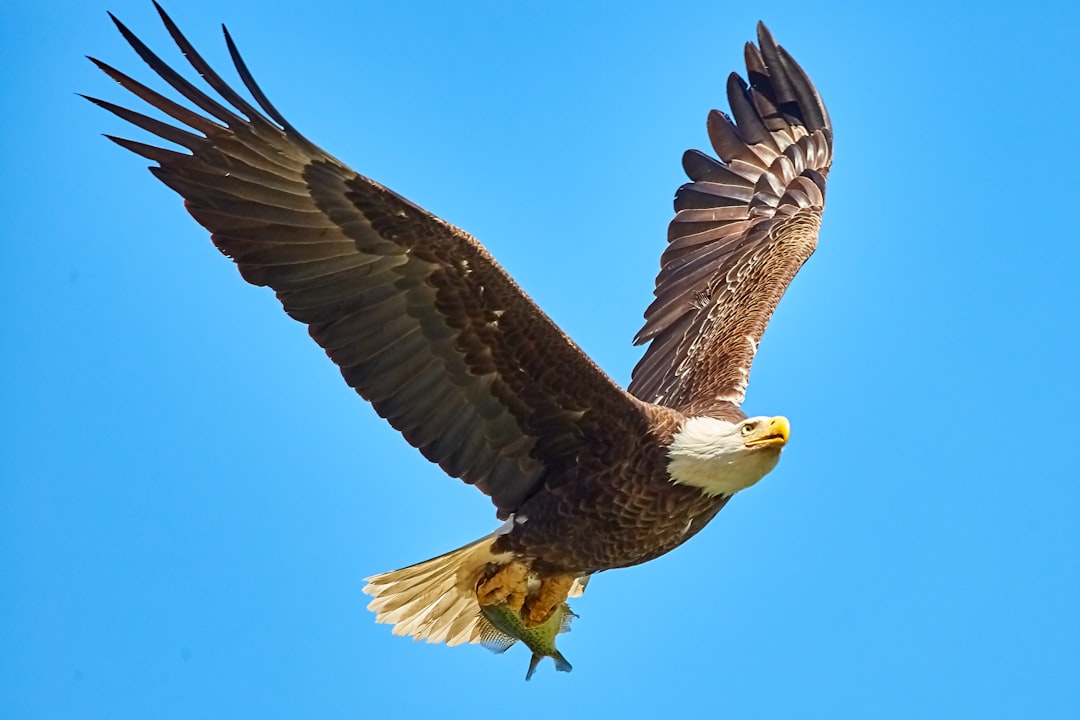
The current bald eagle population has climbed to an estimated 316,700 individual bald eagles, including 71,400 nesting pairs. This estimate indicates that the bald eagle population has quadrupled since the last set of data was collected in 2009. Yet the story becomes even more impressive when you focus specifically on Midwest states.
Minnesota follows closely behind Alaska with approximately 9,800 bald eagles, showcasing the species’ thriving presence in the region. Minnesota follows closely behind with approximately 9,800 bald eagles, showcasing the species’ thriving presence in the region. Think about that for a moment. Nearly ten thousand of these incredible birds call Minnesota home today.
Wisconsin’s Remarkable Transformation
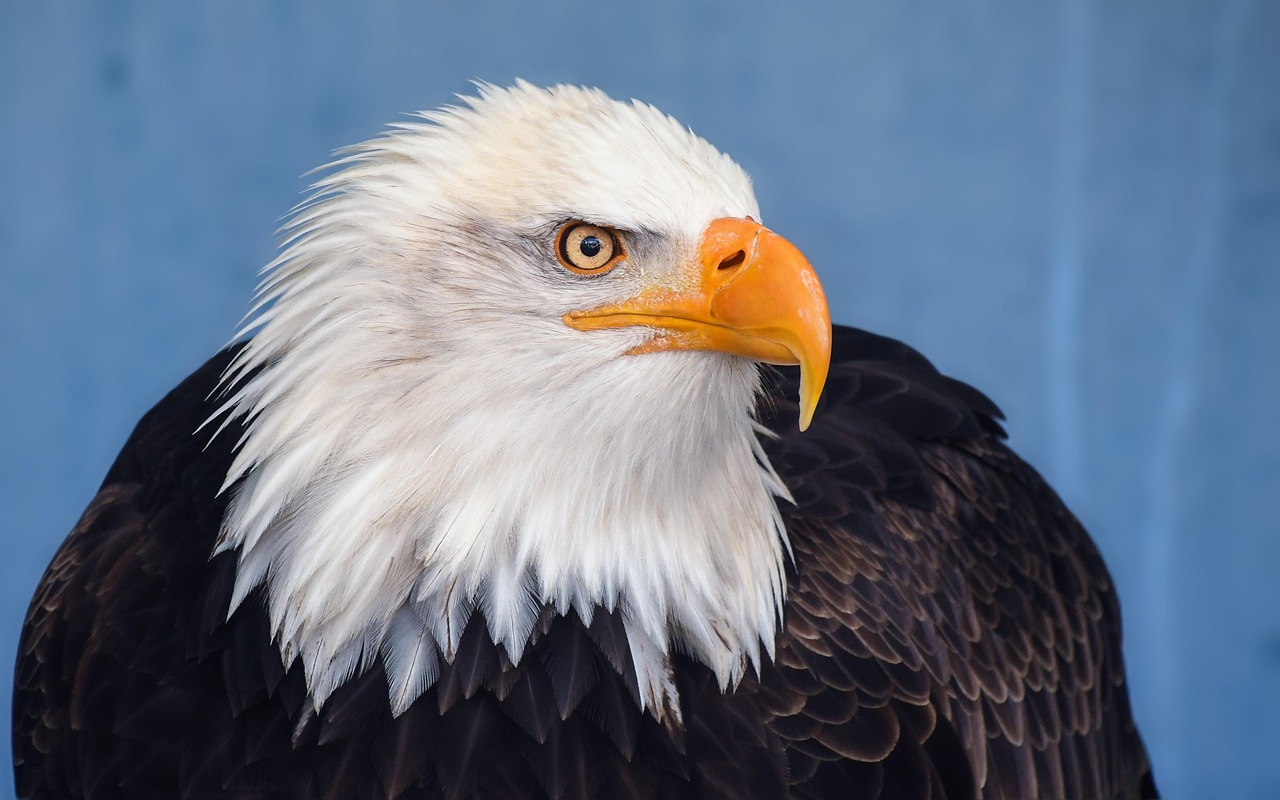
DNR aerial nest surveys in 2019 found 1,684 occupied nests, up from 108 in the 1970s. Wisconsin’s story reads like something out of a conservation fairy tale. The state now boasts active eagle nests in every single county.
Wisconsin’s wildlife officials say there are bald eagle nesting sites in all but one of the state’s 72 counties. The transformation is so complete that volunteers across more than half the state’s counties now help monitor these remarkable birds through dedicated eagle watch programs.
Ohio’s Incredible Eagle Renaissance

In 1979, there were just four nesting pairs of bald eagles in the entire state of Ohio. Today there are more than 900 pairs spread throughout all but three of Ohio’s 88 counties, not including the immature birds that still appear mottled with brown and white because haven’t yet developed white plumage on their heads.
The 2024 annual spring survey showed a robust estimate of 841 active bald eagle nests, according to the Ohio Division of Wildlife. Although the number of estimated nests is lower in 2024, key indicators suggest that Ohio’s bald eagle population is resilient and continues to thrive. The slight dip in nest numbers doesn’t tell the full story though. Success rates for nesting are actually improving dramatically.
Iowa’s Winter Eagle Haven

Like other states, Iowa sees a huge increase in its bald eagle population in the winter months. The annual migration of about 3,000 birds makes it one of the best places to see visiting birds. Iowa has become something of an eagle superhighway during the colder months.
Iowa brags with one of the largest populations of bald eagles in America after Alaska. In fact, the estimated population counts around 6,000 individuals. The state’s rivers and lakes provide perfect wintering habitat, making it a critical stopover point for eagles heading south.
Illinois’ Hidden Eagle Success Story

Illinois has around 40 breeding pairs of bald eagles, but the state’s bald eagle population increases to more than 3,000 in the winter. This is the largest wintering population in the U.S. outside of Alaska.
While Illinois might not have the breeding numbers of its neighbors, the winter spectacle is truly something to behold. The state hosts yearly eagle-watching events called Bald Eagle Days during the winter months. These gatherings have become major draws for wildlife enthusiasts from across the region.
The Science Behind the Stunning Recovery
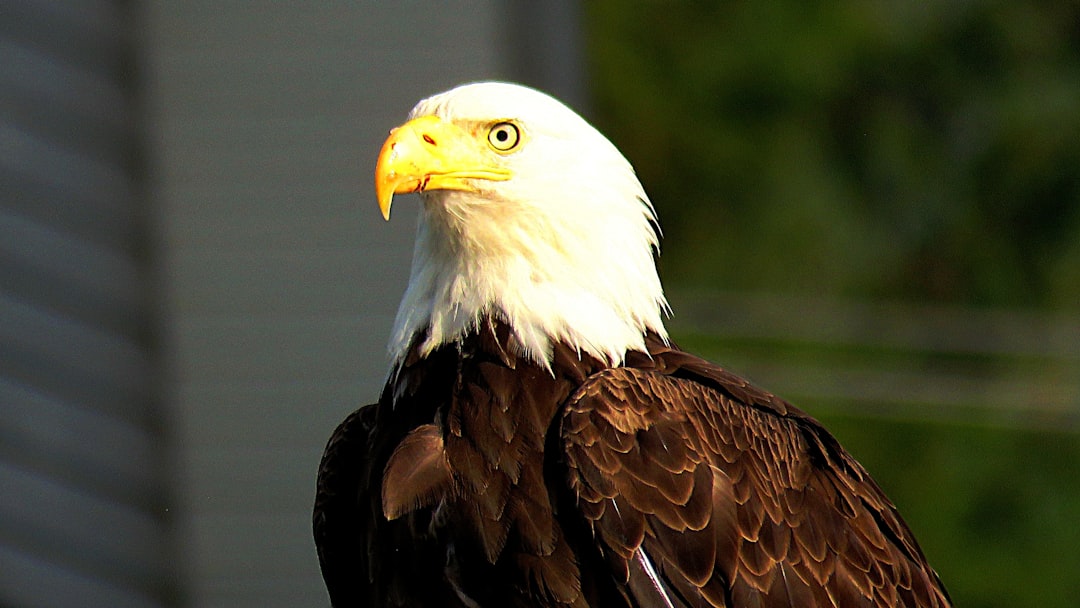
Raptor populations severely declined between 1870 and 1970 due to habitat loss, hunting and use of the pesticide DDT during World War II. In 1967, bald eagles were placed on the threatened and endangered species list. Decades of protection through the Endangered Species Act enacted in 1973 and banned usage of DDT in 1972 allowed eagle populations to flourish.
The turnaround wasn’t accidental. It required coordinated efforts across multiple fronts. Approximately 15 states have released Bald Eagles from artificial nests in hack towers to restore natural nesting. The principle behind eagle hacking programs is that eagles tend to return with approximately 75 miles of their maiden flights to nest after they reach sexual maturity at 4 to 5 years of age.
How Eagles Are Adapting to Modern Life
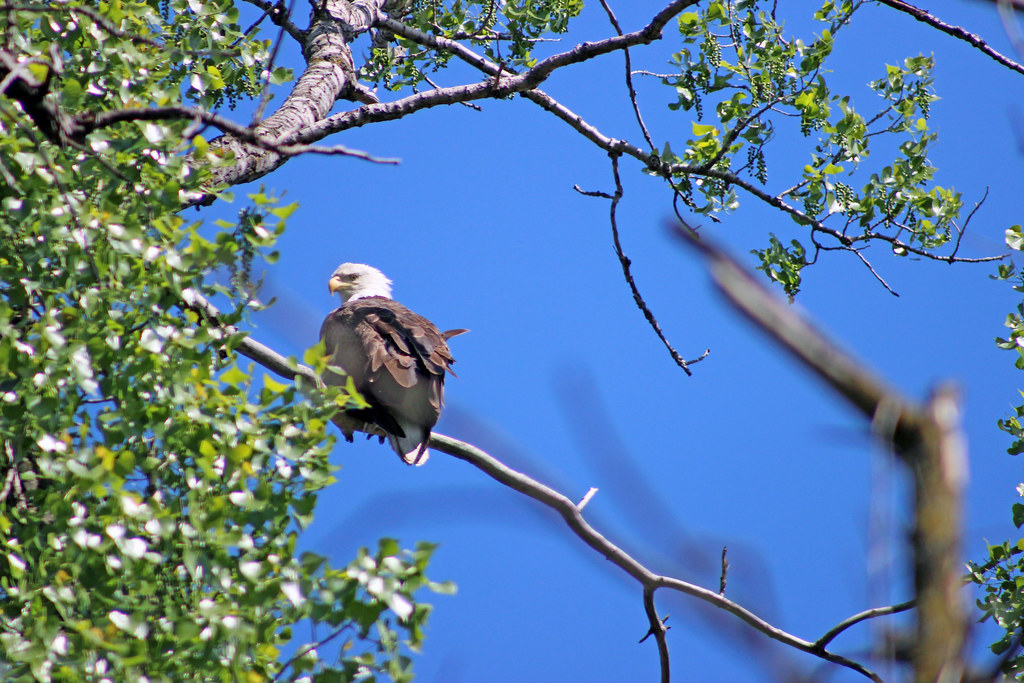
Something fascinating is happening with these recovering populations. Laura Kearns, an ODNR biologist who studies and helps keep tabs on the state’s population said eagles seem to be more and more comfortable in areas with more and more people recently. Now we’re now seeing more nests in urban areas and eagles building nests in peoples’ back yards.
This adaptability represents a major shift from historical patterns. With more eagles on the landscape there’s more competition for suitable habitat and they’re adjusting and adapting, they’re really evolving to live in closer contact with people. It’s remarkable to witness evolution in real-time as these birds learn to navigate our increasingly developed landscapes.
Ongoing Challenges Eagles Still Face
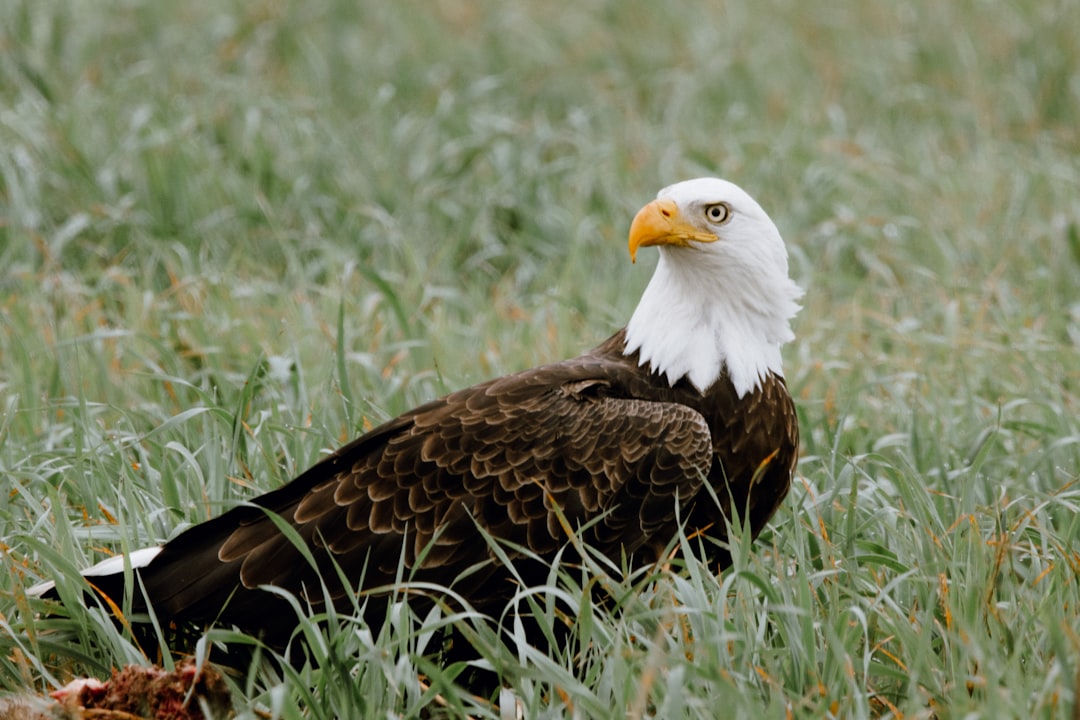
Despite the incredible success story, modern eagles face new threats. Lead is a toxic heavy metal that can cause severe neurological issues, and even a small amount is enough to kill an adult Bald Eagle. The main source of lead poisoning is the remains of animals left in the field by hunters using lead ammunition; lead bullets fragment on impact, and when eagles scavenge these remains, they unknowingly consume very small pieces of lead.
Vehicle collisions are a concern because they do feed on carrion, especially immature eagles feeding on roadkill and they just aren’t aware of vehicles and so unfortunately a lot of eagles get hit on the road. These modern hazards require new conservation approaches and public awareness campaigns.
The incredible return of bald eagles to America’s heartland stands as one of our most inspiring conservation victories. From fewer than five hundred nesting pairs nationwide in the 1960s to hundreds of thousands today, these magnificent birds prove that dedicated effort can bring species back from the brink.
The sight of a bald eagle soaring over a Midwestern lake or river isn’t just beautiful anymore. It’s a living symbol of hope, showing us what’s possible when we refuse to give up on the natural world around us. What do you think about this remarkable comeback story? Have you spotted any bald eagles in your area lately?
Worried about unexpected vet bills?
Pet insurance can cover thousands in unexpected vet costs. Get a free quote from Lemonade in under 2 minutes.
Get My Free Quote →Sponsored · Opens Lemonade.com

- How Muskrat Behavior Can Indicate Climate Change in The Carolinas - June 6, 2026
- What Ancient Animal Symbolizes Prosperity for Your Zodiac Sign? - June 6, 2026
- The US States With the Most Elk - June 6, 2026