
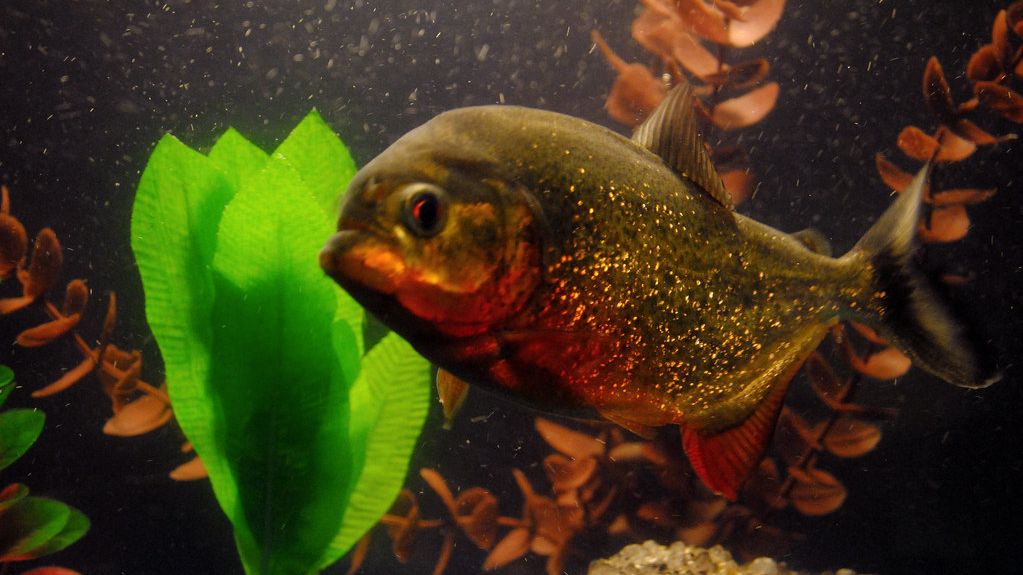
They’re bloodthirsty monsters that devour anything in their path, right? Hollywood has convinced us that piranhas are nature’s perfect killing machines, stripping flesh from bone in seconds. But here’s the thing: nearly everything you believe about these South American fish is rooted in exaggeration, staged demonstrations, and decades of sensational storytelling. The truth is far more fascinating than fiction.
Theodore Roosevelt’s Theatrical Mistake That Fooled the World
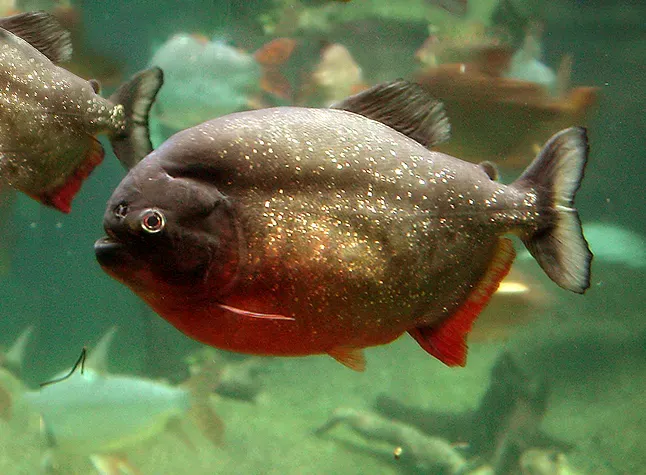
Let’s be real, one former president is largely responsible for the piranha’s terrifying reputation. In 1913, Theodore Roosevelt made a trip to Brazil where locals took him deep into rainforest and allowed him to “discover” a river there, having stocked the waters with unfed piranhas before throwing a cow into water filled with starving piranhas. What Roosevelt witnessed was essentially a staged performance, not natural behavior.
The Brazilians had isolated a hundred yards of that river with nets, and for weeks fishermen caught piranha with hook and line, throwing the fish into this netted off area. The resulting feeding frenzy was spectacular but completely artificial. Roosevelt wrote about this experience in his 1914 book, spreading the myth worldwide. Roosevelt’s tale is largely credited with dispersing the myth that continues today.
They’re Not Actually Hunting You in Packs
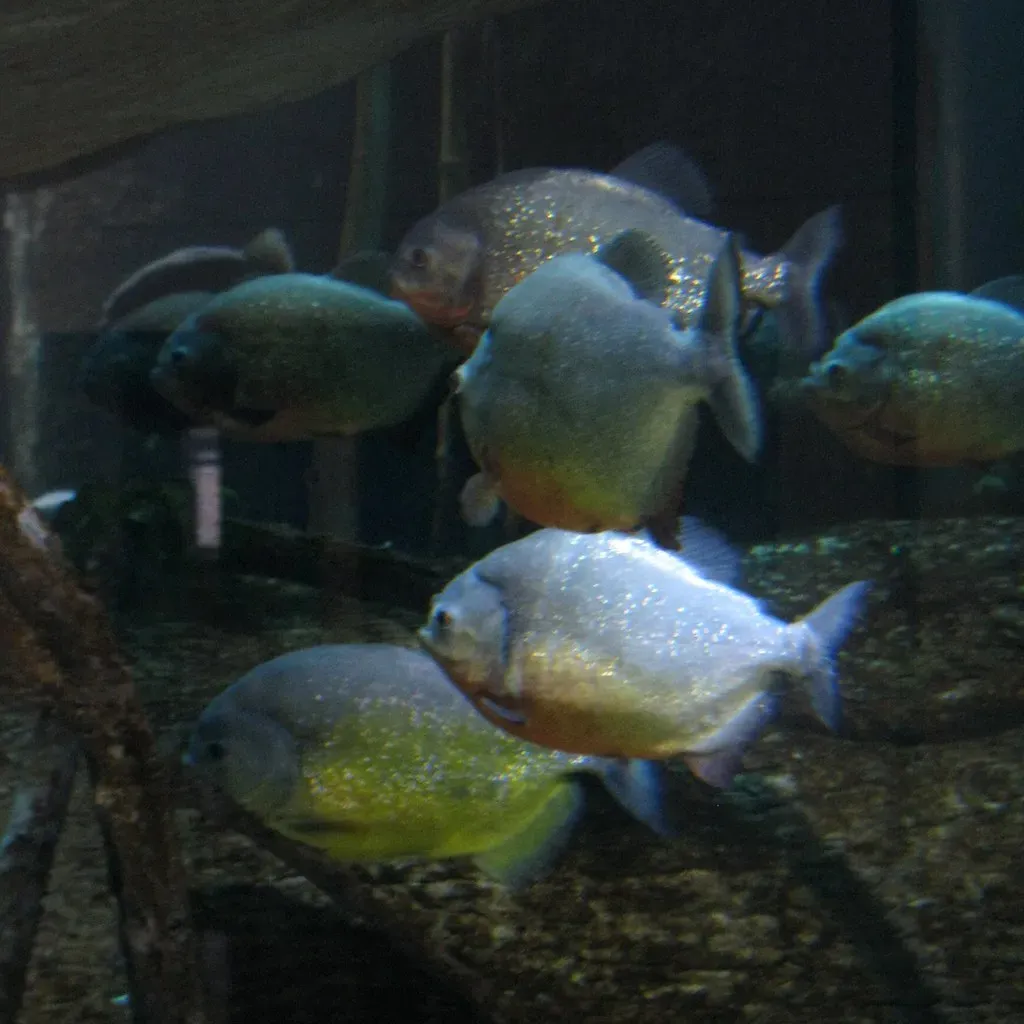
You’ve probably seen images of piranhas swarming in massive groups, supposedly hunting cooperatively like underwater wolves. Here’s where it gets interesting: Recent research, which “started off with the premise that they school as a means of cooperative hunting”, discovered they are timid fish that schooled for protection from their own predators, such as cormorants, caimans, and dolphins.
Piranhas travel in schools for defense, not offense. Piranhas are “basically like regular fish with large teeth”. They’re actually quite shy creatures. When you see them grouped together, they’re essentially trying to avoid becoming someone else’s dinner. It’s hard to say for sure, but this completely flips the narrative we’ve been sold for over a century.
Most Piranhas Are Basically Vegetarians
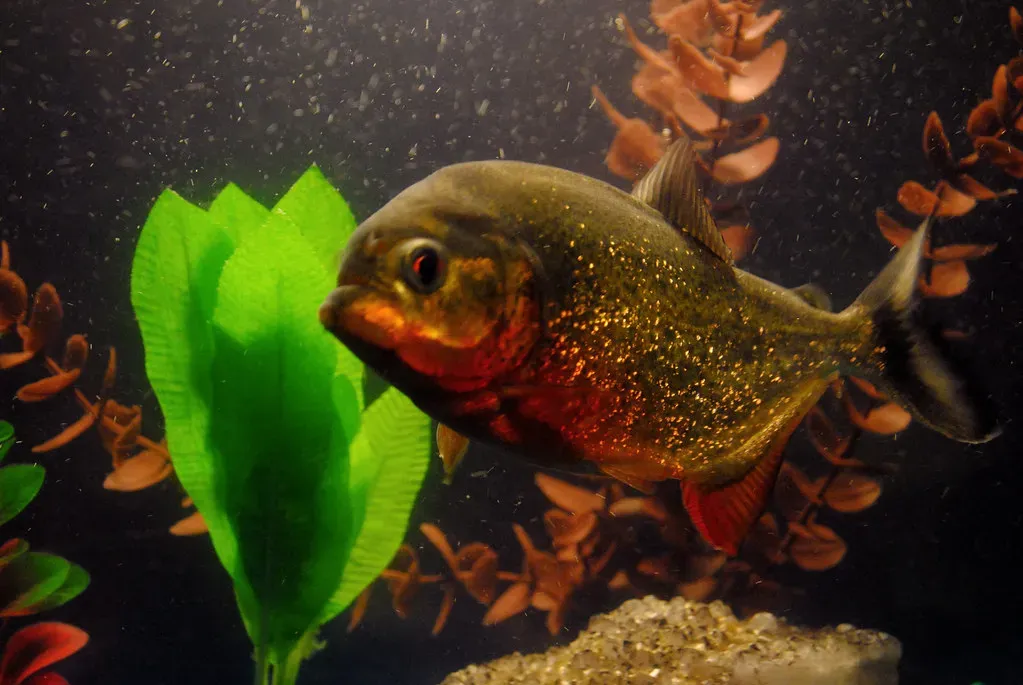
This might sound crazy, but not all piranhas are carnivores. Some piranhas do not even eat meat at all – they are herbivores. Several species prefer seeds, fruits, and aquatic plants over flesh. The Tometes camunani species that inhabit the rocky rapids of the Brazilian Amazon is strictly vegetarian, dining almost entirely on delicious aquatic herbs.
Even the supposedly vicious red-bellied piranha has a surprisingly varied diet. Piranhas in the wild are generalists, feeding on fish, crustaceans, insects, plants, fruits, nuts and seeds. They’re opportunistic eaters who consume whatever’s available. The remainder of the species feed on fruit, seeds, fins and scales of fish. Some species even specialize in scraping scales off other fish rather than consuming flesh at all.
Humans Eat More Piranhas Than Piranhas Eat Humans
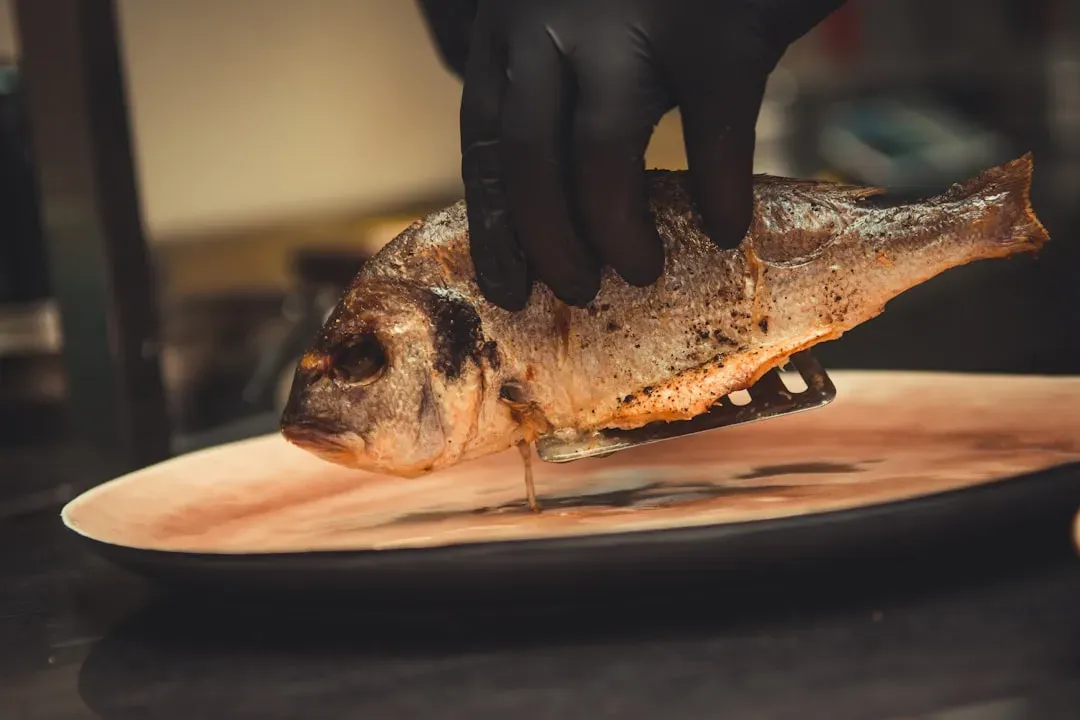
They all say the same thing, piranhas do not habitually attack humans, in fact humans eat more piranhas than the other way around! This reversal is shocking when you consider the piranha’s reputation. In South America, piranhas are considered a delicacy and food source. Piranha soup is popular in the Pantanal region of Brazil, but many choose to serve the fish grilled on a banana leaf with tomatoes and limes for garnish.
There are many tales describing ferocious schools of piranha attacking humans, but there are few scientific data supporting such behavior, and the very few documented instances of humans attacked and eaten by piranha schools include 3 that occurred after death by other causes (eg, heart failure and drowning). Most documented cases involve piranhas scavenging bodies that were already deceased. Most piranha attacks on humans only result in minor injuries, typically to the feet or hands, but they are occasionally more serious and very rarely can be fatal.
The Real Danger Is Completely Different From What You’d Expect
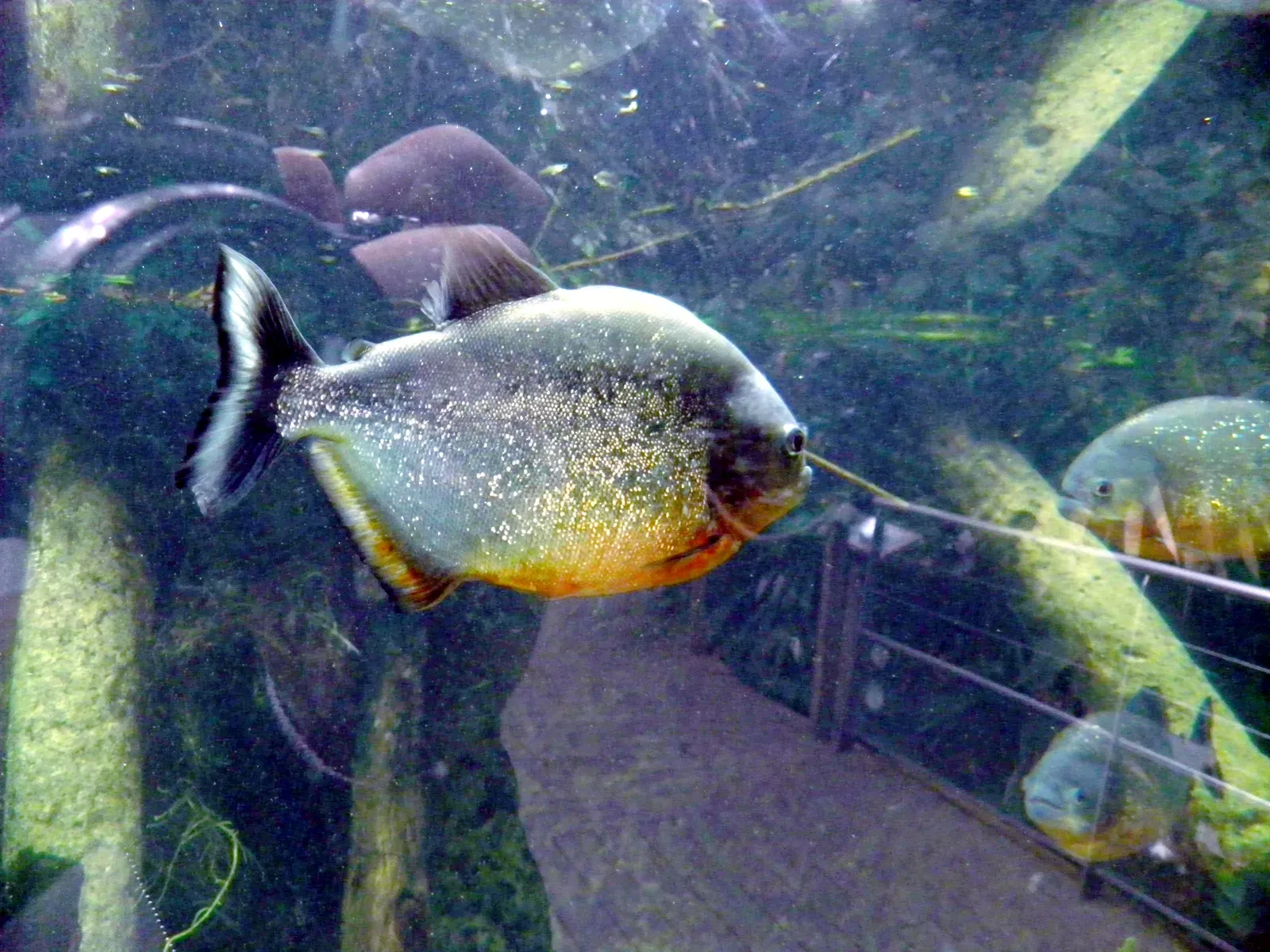
When piranha attacks do happen, they’re nothing like the movies. The characteristic profile of most injuries is a single bite per victim, generally related to the fish defending its brood. They’re usually defensive, not predatory. Scientists who work with piranhas regularly swim in waters containing these fish without incident.
Dr. Herbert Axelrod was a tropical fish expert who conducted a few experiments involving piranhas and used himself as bait, filling a pool with piranhas and entering the pool with nothing but his swimming trunks, and the piranhas left him alone and he exited the pool without a single bite. When conditions are extreme, such as during severe droughts when piranhas become concentrated in small pools with limited food, they can become more aggressive. Otherwise, they avoid large animals including humans.
Conclusion
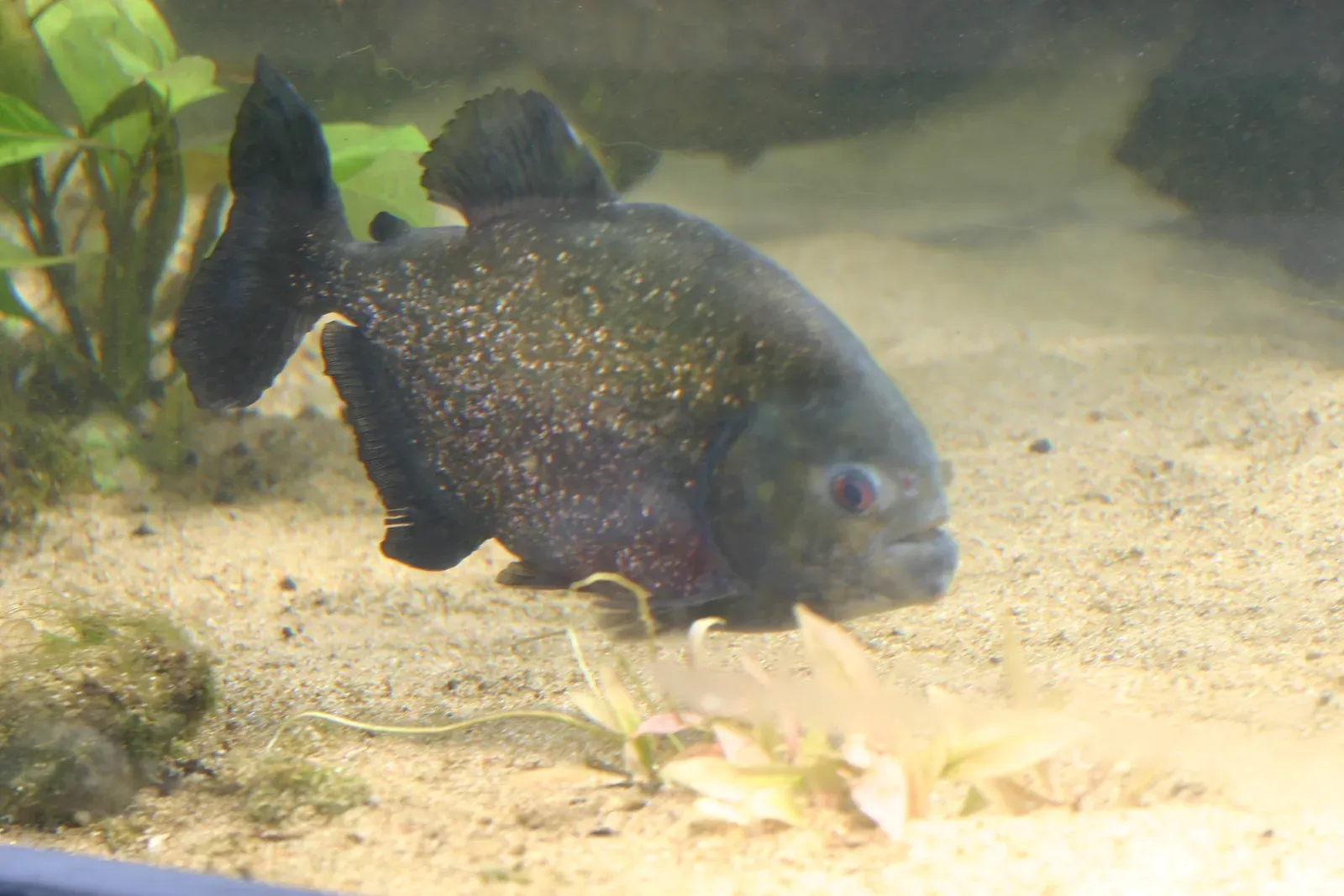
The piranha’s fearsome reputation is built almost entirely on a manufactured spectacle from over a century ago and perpetuated by sensational media. These fish are predominantly shy omnivores that swim in groups for protection, not predation. They’re more likely to flee from you than attack you, and you’re far more likely to eat one than be eaten by one.
The next time you see a piranha portrayed as a mindless killing machine in a movie, remember that reality tells a completely different story. These fascinating fish deserve recognition for what they actually are: complex creatures with varied diets and defensive behaviors, not the monsters we’ve made them out to be. What other animals do you think have gotten the Hollywood treatment? Tell us in the comments.
