

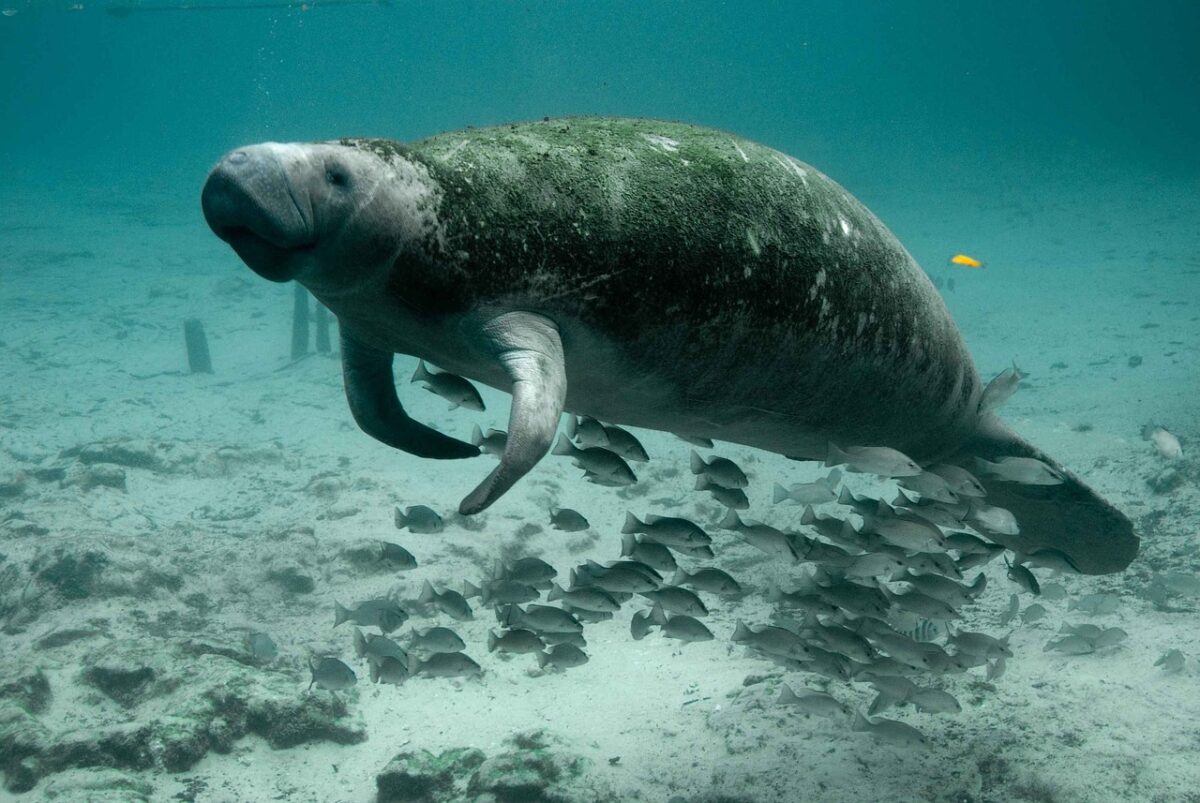
The gentle giants of Florida’s waterways have weathered some incredibly tough times. These beloved sea cows, which can grow to over ten feet long and weigh more than 1,000 pounds, captured hearts worldwide when devastating images of starving manatees made headlines just a few years back. Yet today, these remarkable marine mammals are proving their resilience in ways that continue to surprise scientists and conservationists alike.
What started as one of the most heartbreaking wildlife crises in recent memory has slowly transformed into something far more hopeful. Though challenges remain, the story unfolding across Florida’s waterways shows just how powerful coordinated conservation efforts can be when communities, scientists, and government agencies unite behind a common cause.
Population Numbers Tell an Encouraging Story
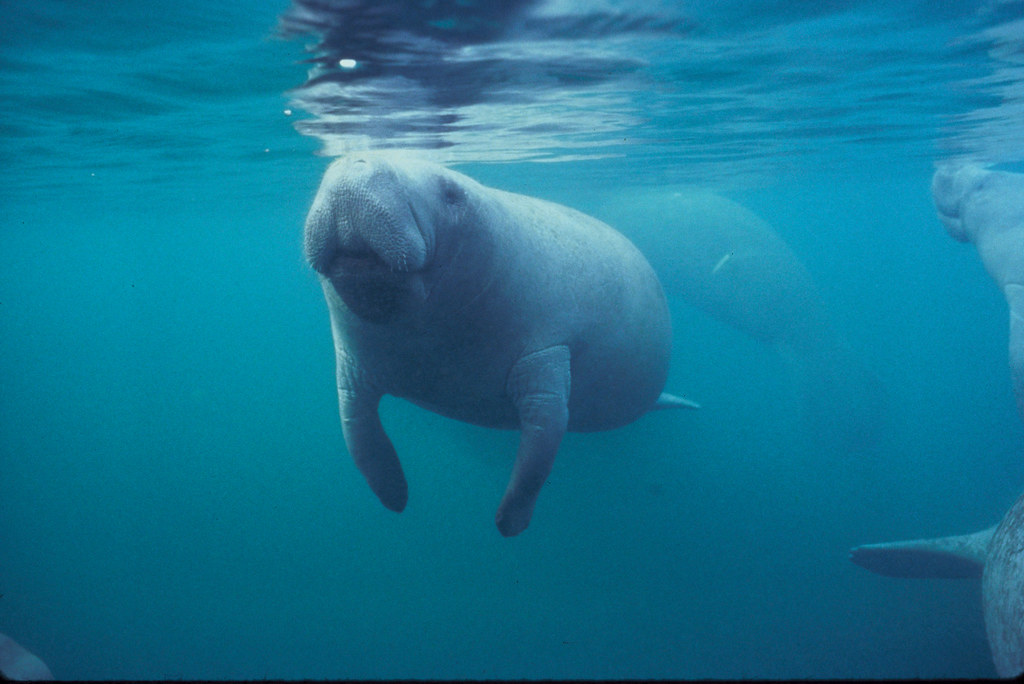
The Florida population has stabilized at between 8,350 and 11,730 animals, according to recent federal assessments. This represents a remarkable turnaround from earlier population estimates that had conservation experts deeply concerned.
Though these numbers might seem modest for such an iconic species, they represent something much more significant than raw totals. The bounds of the 95% credible interval for the 2021-2022 survey (8,350–11,730) are higher than those from the 2015-2016 survey (7,520–10,280), suggesting the population has maintained its size even through recent challenges.
Record Breaking Warm Water Habitat Restoration
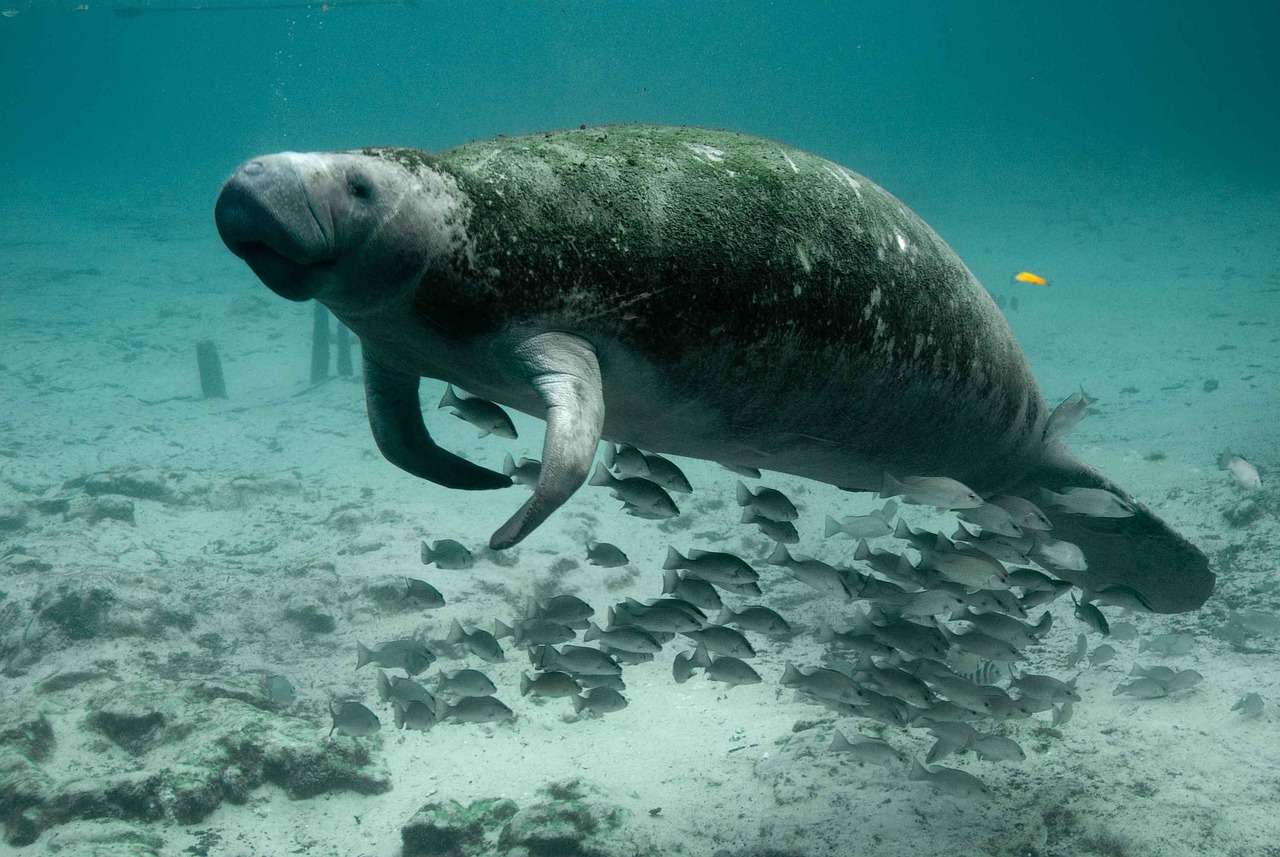
Since 2019, Governor DeSantis has reportedly approved more than $50 million for manatee protection, expanding and enhancing manatee rescue and rehabilitation efforts and providing habitat restoration for areas where manatees are highly concentrated. This unprecedented investment has transformed how Florida approaches manatee conservation.
Additionally, Florida has invested significant funding to restore Florida’s world-renowned springs which serve as an important manatee habitat when the animals seek warmer waters in the wintertime. These warm water refuges are absolutely critical for manatees, who need temperatures above 68 degrees Fahrenheit to survive.
It is anticipated that manatees will return to this enhanced warm-water site this winter. Projects like the restoration of Warm Mineral Springs in Sarasota County have created safe havens where manatees can gather without the dangers of boat traffic.
Innovative Rescue Programs Save Lives Daily
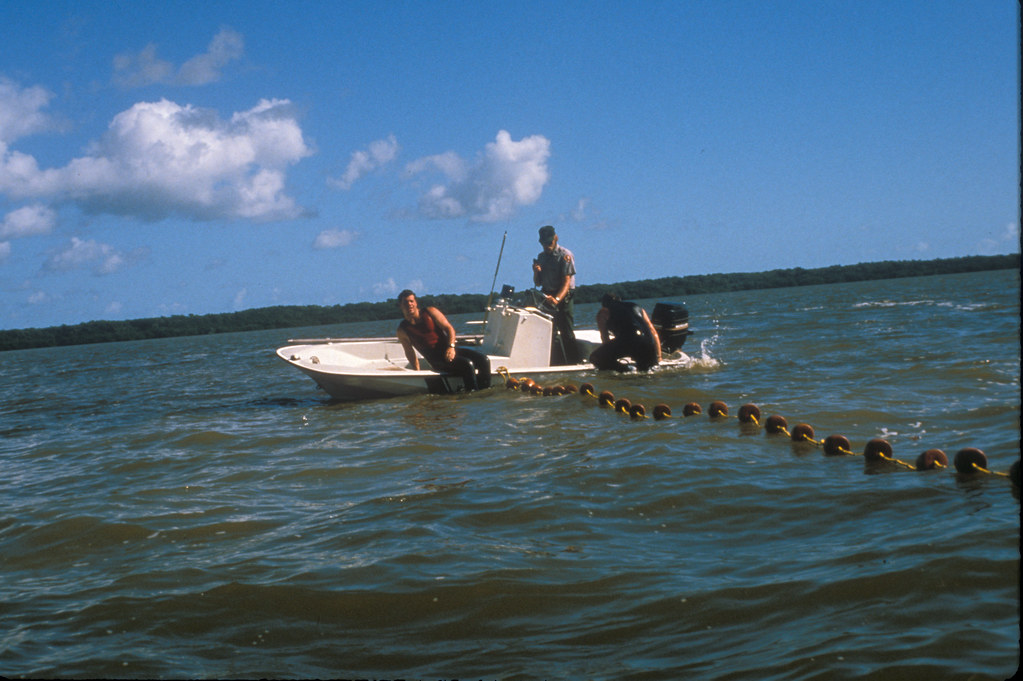
All told, the total manatee rescue, rehabilitation, supplemental feeding trial, and other response efforts for just the Atlantic Coast UME have involved over 700 people from more than 50 organizations. This massive collaboration represents one of the most comprehensive wildlife rescue networks ever assembled.
All animals will wear GPS tracking devices to allow researchers the ability to monitor manatee movement and ensure their acclimation to their natural habitat for the next year. This high tech approach helps scientists understand how rescued manatees adapt back to wild conditions.
The rehabilitation efforts have reached remarkable scales. Over the course of the two winters that the supplemental feeding trial took place, manatees were provided with more than 600,000 pounds of lettuce, primarily romaine, from mid-December through the end of March.
Seagrass Recovery Shows Real Progress
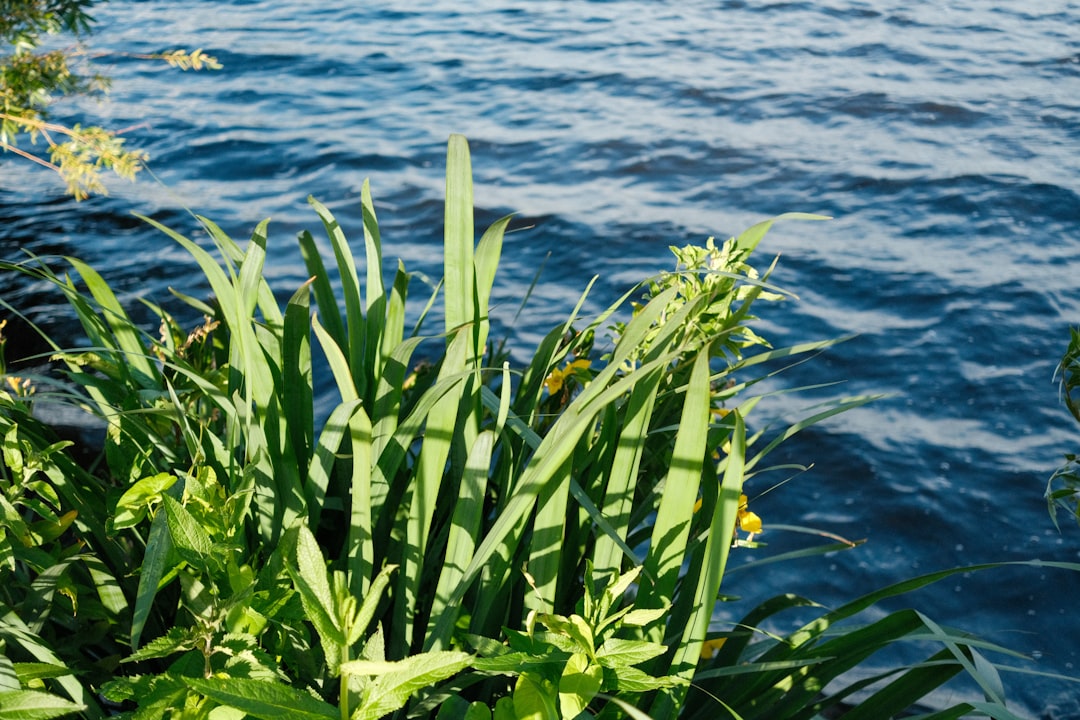
The federal agency said seagrasses in the Indian River Lagoon are rebounding, marking a crucial milestone in habitat recovery. Seagrass beds form the foundation of manatee survival, serving as their primary food source throughout much of the year.
Major restoration initiatives are showing impressive results. Sea & Shoreline announced the unveiling of a new seagrass nursery in Melbourne Beach, Fla., with the sole intent of growing over one million seagrass plants annually to plant in the Indian River Lagoon, demonstrating the scale of restoration efforts underway.
The Mosquito Basin in th North Indian River Lagoon basins saw better seagrass coverage last year, 2024, compared to the year before. These improvements represent years of coordinated water quality improvements and active restoration work finally paying off.
Community Partnerships Drive Success
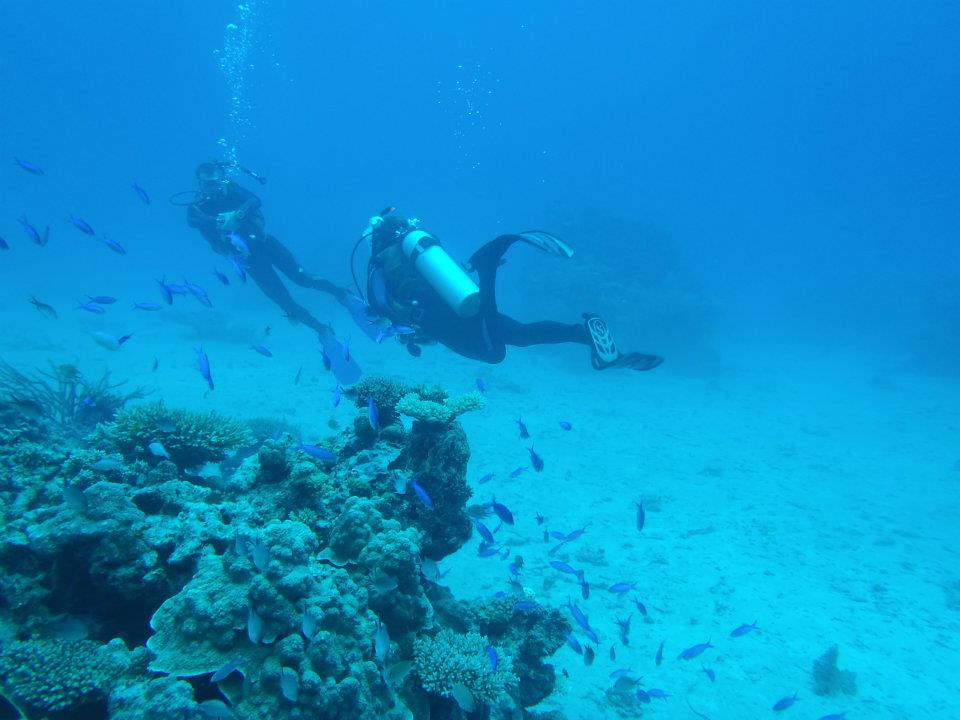
The restoration success story in Crystal River perfectly illustrates how community action can create lasting change. The project eventually became the Kings Bay Restoration Project, which reportedly raised substantial funding and has restored significant acreage of algae-covered waters into lush eelgrass.
The recovery of the bay’s eelgrass is one of the reasons why Florida’s west coast manatees are thriving. What began with one concerned resident using a garden rake has transformed an entire ecosystem and serves as a model for restoration efforts statewide.
When we call organizations and volunteers to help manatees, nobody says no. The response is usually, ‘Just where and when do you need us’, explains Terri Calleson, Florida’s manatee recovery coordinator.
Federal Protection Status Provides Ongoing Security
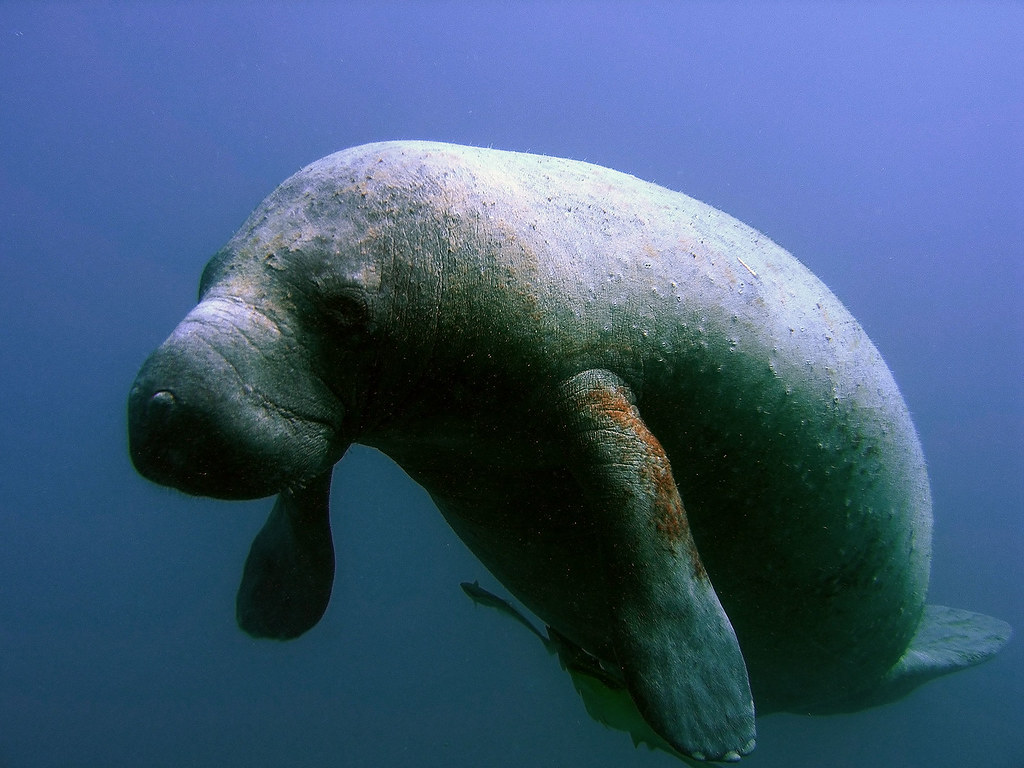
Federal officials said recent counts of the manatee population in Florida show that their numbers have stabilized and don’t warrant upgrading their status to endangered – at least for now. While some conservation groups had pushed for endangered status, the current threatened classification maintains all the same legal protections.
Protections are the same regardless of classification, and the Florida manatee recovery program will continue undiminished, according to federal biologists. This means rescue operations, habitat restoration, and monitoring programs will continue at current levels.
The rule proposes to retain the threatened status for the Florida manatee and uplist the Antillean manatee to endangered. This dual approach recognizes that different populations face varying levels of risk while maintaining strong protections across the board.
Conclusion
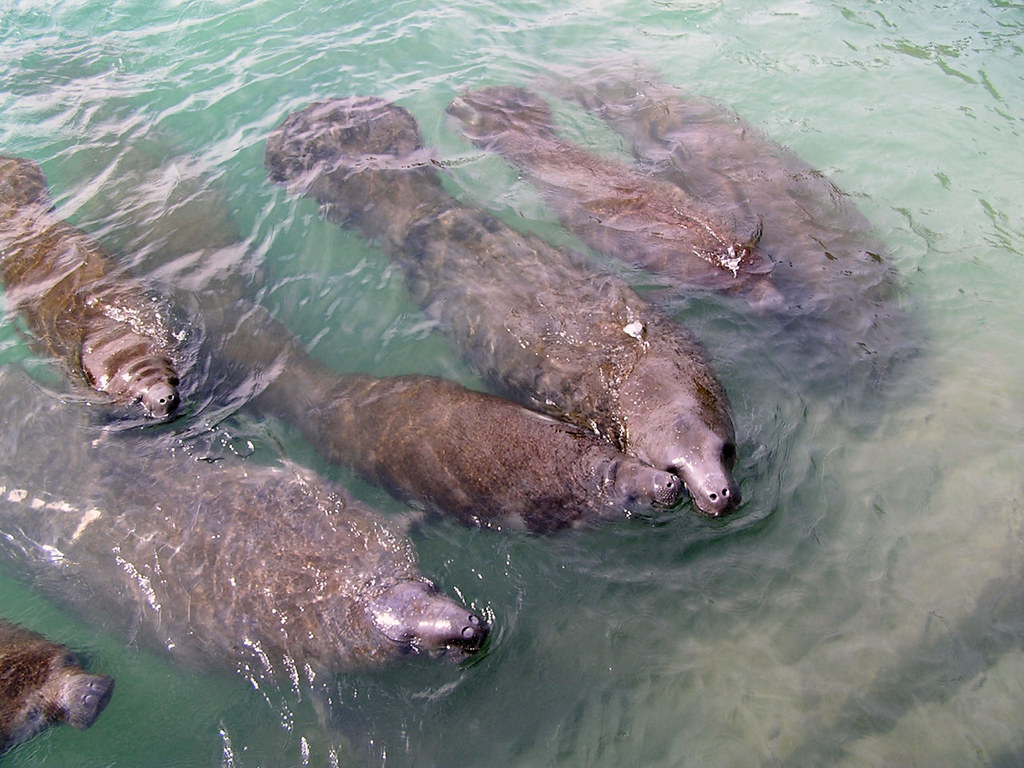
Florida’s manatees have shown us something remarkable about resilience and the power of coordinated conservation action. While these gentle giants still face real challenges from boat strikes, habitat loss, and water quality issues, the progress made over recent years offers genuine hope for the future.
The combination of unprecedented funding, innovative restoration techniques, community partnerships, and scientific monitoring has created a comprehensive approach that’s actually working. From the millions spent on warm water habitat restoration to the volunteers helping plant seagrass one fragment at a time, this success story belongs to everyone who refused to give up on Florida’s beloved sea cows.
What do you think about this remarkable conservation success story? Tell us in the comments.

- Which Animals Inspired the Design of Real Robots - June 3, 2026
- 12 Calm, Low-Maintenance Dogs Ideal for Retirement Years - June 3, 2026
- The Wild Cat That Best Represents Each Zodiac Sign - June 3, 2026