
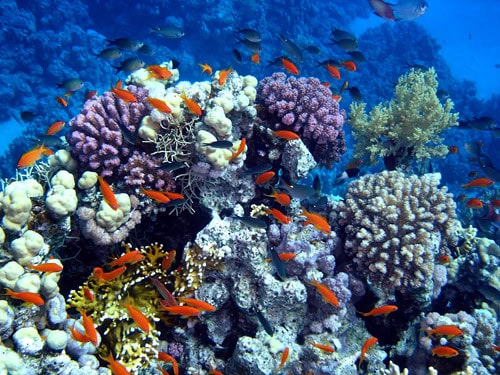
Beneath the ocean’s surface lies one of Earth’s most spectacular and vital ecosystems – coral reefs. Often called “rainforests of the sea,” these vibrant underwater structures support approximately 25% of all marine species while covering less than 1% of the ocean floor. Yet today, these magnificent ecosystems face an unprecedented crisis. From the Great Barrier Reef to the coral gardens of the Caribbean, reefs worldwide are experiencing mass bleaching events, disease outbreaks, and widespread mortality at alarming rates. The decline of coral reefs represents not just an ecological tragedy but threatens food security, coastal protection, and the livelihoods of millions of people. This article explores the complex factors driving coral reef decline and examines the innovative solutions being deployed globally to save these precious ecosystems before it’s too late.
The Vital Importance of Coral Reefs
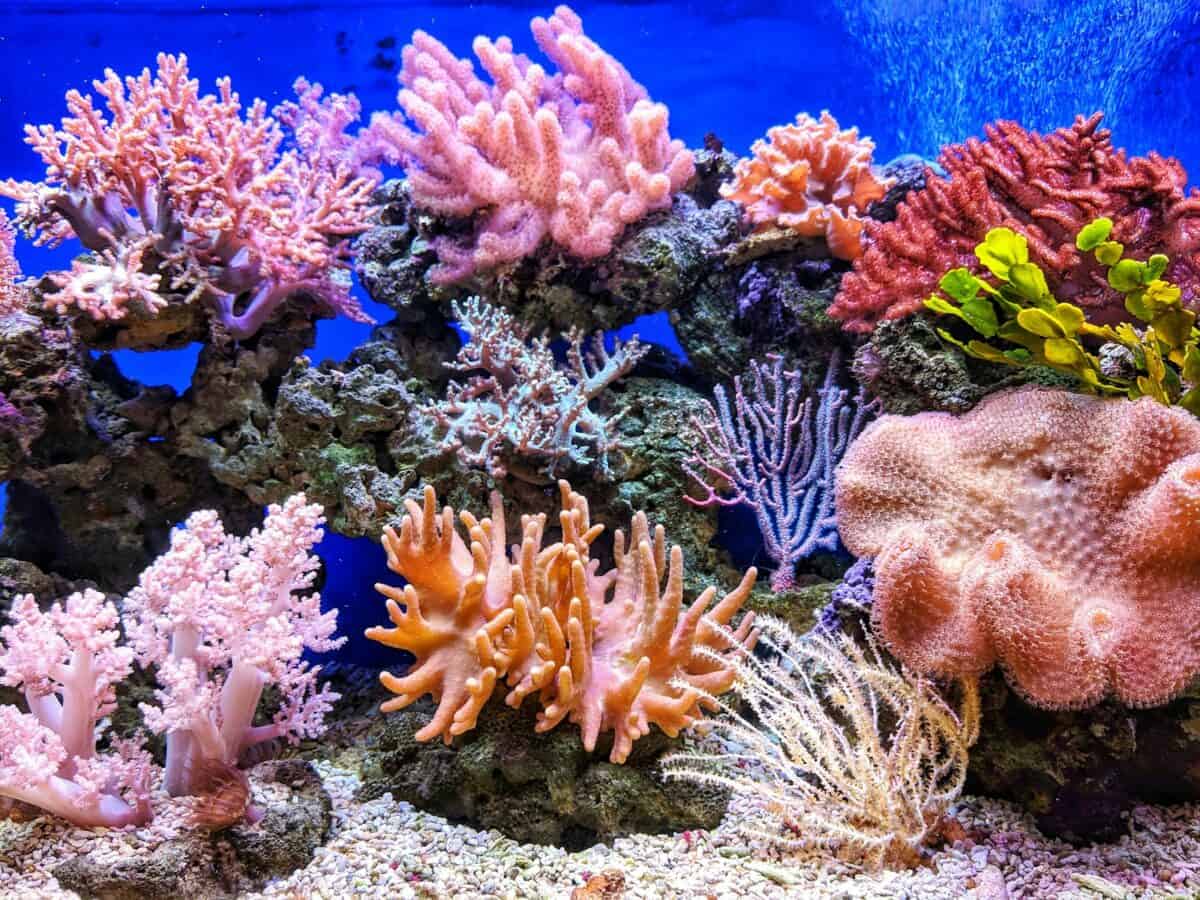
Coral reefs are among the most valuable ecosystems on our planet, providing services estimated at $375 billion annually. Despite covering just 0.1% of the ocean floor, they harbor extraordinary biodiversity, supporting over 4,000 species of fish and countless other marine organisms. Beyond their ecological significance, coral reefs serve as natural barriers that protect coastlines from storm surges and erosion, potentially preventing $94 billion in flood damages annually. For coastal communities, particularly in developing nations, reefs provide critical food security – reef fisheries feed an estimated 500 million people worldwide. Additionally, reef tourism generates billions in revenue and supports millions of jobs globally. Perhaps most promising, coral reef organisms contain compounds being developed into life-saving medications, including treatments for cancer, arthritis, and bacterial infections. The cascading consequences of reef loss extend far beyond the marine environment, affecting human communities and economies worldwide.
Understanding Coral Bleaching: The Primary Threat

Coral bleaching represents the most visible and widespread symptom of reef decline. This phenomenon occurs when corals expel their symbiotic algae (zooxanthellae) in response to stress, causing them to turn stark white. While many people misunderstand bleaching as simply an aesthetic change, it actually represents a critical health crisis for corals. Without their algal partners, which provide up to 90% of corals’ energy through photosynthesis, bleached corals essentially begin to starve. The primary driver of mass bleaching events is elevated ocean temperatures caused by climate change. When water temperatures exceed corals’ tolerance threshold by just 1-2°C for extended periods, the symbiotic relationship breaks down. While bleached corals can recover if conditions improve quickly, prolonged or repeated bleaching leads to mortality. The frequency of global bleaching events has increased dramatically – while such events were once rare, they occurred in 1998, 2010, 2014-2017, and 2020, with the 2014-2017 event affecting 75% of global reefs. Without significant climate action, scientists project annual severe bleaching for most reef regions by mid-century.
Ocean Acidification: The “Other CO2 Problem”

Beyond warming temperatures, the ocean’s chemistry itself is changing in ways that threaten coral reefs. Ocean acidification, sometimes called climate change’s “evil twin,” occurs as the ocean absorbs approximately 30% of atmospheric carbon dioxide emissions. When CO2 dissolves in seawater, it forms carbonic acid, lowering the water’s pH and reducing carbonate ions that corals need to build their calcium carbonate skeletons. Since the Industrial Revolution, ocean surface pH has declined by 0.1 units, representing a 30% increase in acidity. This chemical shift forces corals to expend more energy building their skeletons, slowing growth rates by 15-45% in some species. Laboratory studies show that if current emission trends continue, many reefs may reach a tipping point where erosion exceeds coral growth by mid-century. The combined threats of warming and acidification create a particularly dangerous scenario for reefs, as acidification can lower the temperature threshold at which bleaching occurs, making corals more vulnerable to heat stress. Unfortunately, even if atmospheric CO2 stabilized today, the ocean would continue acidifying for decades due to the lengthy residence time of carbon dioxide in seawater.
Pollution and Sedimentation: Local Killers

While global climate stressors receive significant attention, land-based pollution represents an immediate and severe threat to many reef systems. Agricultural runoff containing nitrogen and phosphorus fertilizers causes harmful algal blooms that smother corals and block essential sunlight. In areas near large agricultural operations, these nutrients can increase algal growth by 30-100%, dramatically shifting reef ecosystems from coral to algal dominance. Urban and industrial wastewater introduces additional pollutants, including pharmaceuticals, heavy metals, and untreated sewage. Particularly concerning is the impact of sunscreen chemicals like oxybenzone and octinoxate, which can damage coral DNA and disrupt reproduction at concentrations as low as one drop in six Olympic-sized swimming pools. Coastal development and deforestation significantly increase sedimentation, with eroded soil particles washing into coastal waters. These sediments physically smother corals, reduce light penetration by up to 80% in heavily impacted areas, and force corals to expend valuable energy clearing debris. The combined impact is devastating – studies in Southeast Asia have documented 30-60% coral mortality in reefs exposed to chronic sedimentation from nearby land clearing activities.
Destructive Fishing Practices and Overfishing
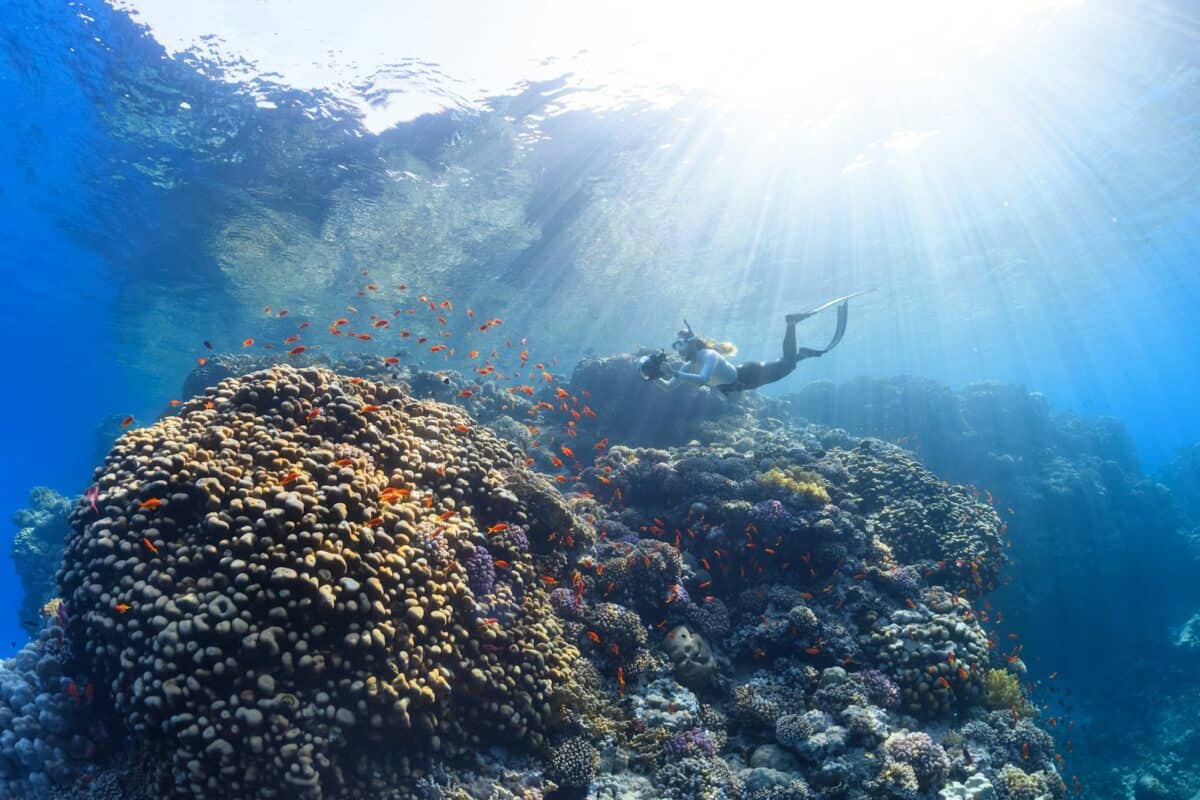
Human fishing activities have directly damaged and destabilized reef ecosystems worldwide. Destructive practices like dynamite fishing, which uses explosives to stun or kill fish for easy collection, can destroy centuries of coral growth in seconds and leave behind rubble fields that may never recover. Similarly, cyanide fishing, which involves spraying sodium cyanide to stun ornamental fish for the aquarium trade, kills corals and countless non-target species. Bottom trawling, where heavy nets are dragged across the seafloor, can devastate reef structures and associated communities. Beyond physical damage, overfishing removes key herbivorous species like parrotfish and surgeonfish that control algal growth. When these “reef gardeners” are removed, algae can quickly outcompete and smother corals, potentially triggering ecosystem phase shifts. Research from the Caribbean shows that reefs with healthy parrotfish populations have coral cover approximately 50% higher than overfished reefs. The scope of the problem is vast – an estimated 55% of global reef fisheries are unsustainably harvested, with particularly severe impacts in Southeast Asia and the Coral Triangle, where population density and dependency on reef resources are highest.
Coral Disease: An Emerging Crisis

Coral disease outbreaks have emerged as a significant and growing threat to reef ecosystems worldwide. Over 20 major coral diseases have been identified, caused by bacteria, viruses, fungi, and other pathogens. Disease prevalence has increased dramatically since the 1980s, with some regions experiencing 500-900% increases in disease incidence over recent decades. The current outbreak of Stony Coral Tissue Loss Disease (SCTLD) in the Caribbean represents one of the most destructive coral disease events ever recorded, affecting over 20 coral species with mortality rates reaching 40-100% for susceptible species. Environmental stressors like elevated temperatures and pollution appear to compromise coral immune systems, making them more vulnerable to pathogens. Research indicates that disease outbreaks often follow bleaching events, with studies in the Great Barrier Reef showing 15-fold increases in disease prevalence after thermal stress events. Ocean warming may also benefit pathogens directly – laboratory studies demonstrate that some coral disease-causing bacteria grow 30-40% faster and become more virulent at elevated temperatures. The global nature of shipping and water movement further complicates the problem, with ballast water and marine debris potentially transporting pathogens between reef systems thousands of miles apart.
Climate Solutions: Addressing the Root Cause

Since climate change represents the most pervasive threat to coral reefs globally, meaningful reef conservation must include significant climate action. The Paris Climate Agreement’s goal of limiting warming to 1.5°C above pre-industrial levels would preserve 10-30% of remaining reefs, while a 2°C scenario would likely result in 99% reef loss globally. Consequently, climate advocacy has become central to coral conservation strategy. Major conservation organizations like the International Coral Reef Society have issued policy statements emphasizing that “addressing climate change is the foremost solution to the coral reef crisis.” Beyond advocacy, practical initiatives link reef conservation with climate mitigation. Blue carbon projects protect and restore coastal ecosystems like mangroves and seagrasses that sequester carbon while buffering adjacent reefs from runoff and providing nursery habitat. Carbon offset programs specifically targeting reef conservation are emerging, allowing businesses and individuals to support both emissions reduction and reef resilience activities. Additionally, the renewable energy transition presents opportunities – offshore wind installations, when properly sited, can create de facto marine protected areas by limiting fishing access, potentially benefiting nearby reef ecosystems. While these efforts are promising, scientists emphasize that only rapid, global-scale emissions reductions can ensure long-term reef survival.
Marine Protected Areas: Creating Safe Havens

Marine Protected Areas (MPAs) represent a cornerstone strategy for reef conservation, creating managed zones where destructive activities are limited or prohibited. Well-designed and enforced MPAs have demonstrated remarkable effectiveness – a global analysis of 87 MPAs found that fully protected areas had, on average, twice the number of fish species, six times the biomass, and significantly higher coral growth rates compared to unprotected areas. The size and connectivity of protected areas matter greatly; research from the Great Barrier Reef Marine Park shows that networks of protected reefs can enhance recovery after disturbances by up to 40% through larval dispersal to damaged areas. Critically, protection must be coupled with enforcement – studies indicate that MPAs with adequate staffing and budgets achieve conservation outcomes up to three times greater than under-resourced “paper parks.” The global protected area network has grown substantially, with reef MPAs increasing from approximately 1,000 in 2000 to over 3,000 today. Ambitious initiatives like the Micronesia Challenge and Caribbean Challenge have mobilized regional commitments to protect 30% or more of marine resources. However, significant gaps remain – currently only about 6.8% of coral reefs lie within highly protected MPAs, far short of the 30% protection target established by international conservation frameworks.
Reef Restoration: Rebuilding Damaged Ecosystems

Reef restoration efforts have accelerated dramatically in response to coral decline, evolving from small-scale projects to ambitious ecosystem-level interventions. Traditional coral gardening approaches involve growing coral fragments in underwater nurseries before outplanting them to degraded reefs. This technique has become increasingly sophisticated, with large-scale operations like the Coral Restoration Foundation in Florida maintaining nurseries that have produced over 150,000 outplanted corals. Technological innovations are enhancing efficiency – 3D-printed reef structures provide optimal settlement surfaces, while underwater drones now assist with monitoring and maintenance. Genetic approaches represent the cutting edge of restoration science; researchers are identifying naturally heat-resistant coral strains and selectively breeding “super corals” with enhanced climate tolerance. The Reef Restoration and Adaptation Program in Australia is pioneering assisted evolution techniques that could potentially accelerate coral adaptation to warming conditions. While promising, restoration faces significant challenges – current global restoration efforts cover less than 0.1% of reef area, and outplanted corals remain vulnerable to the same stressors that caused initial degradation. Consequently, scientists emphasize that restoration must complement, not replace, efforts to address underlying threats. The most successful projects integrate restoration with water quality improvements, fisheries management, and community engagement to create conditions where transplanted corals can thrive.
Reducing Local Stressors: A Critical Complement

Reducing local pressures on reef ecosystems represents one of the most immediate and effective strategies for enhancing coral resilience against global threats. Watershed management initiatives that control agricultural runoff and improve wastewater treatment have demonstrated dramatic benefits for adjacent reefs. In West Maui, Hawaii, a comprehensive watershed restoration project reduced sediment reaching reefs by 64%, contributing to increased coral cover and fish abundance within five years. Similarly, upgrades to wastewater treatment in Guánica Bay, Puerto Rico led to 60% reductions in nutrient loading and subsequent increases in coral recruitment. Sustainable fishing practices, including gear restrictions, seasonal closures, and catch limits, help maintain reef herbivores that control algal growth. Particularly promising are efforts to create alternative livelihoods for fishing communities – in Indonesia’s Coral Triangle, initiatives training former fishers as dive guides and reef monitors have reduced destructive fishing by 90% in some regions while providing higher and more stable incomes. Tourism management represents another critical component; visitor education programs, mooring buoy installations, and capacity limits at popular reef sites significantly reduce physical damage from anchors and divers. Research indicates that reefs with reduced local stressors can withstand and recover from climate impacts up to 50% better than those facing multiple pressures, making local action an essential complement to global climate efforts.
Innovative Technologies in Reef Conservation

Technological innovation is revolutionizing both our understanding of reef ecosystems and our capacity to protect them. Advanced imaging systems, including satellite monitoring, aerial drones, and underwater ROVs equipped with high-resolution cameras, now enable near real-time monitoring of vast reef areas. The Allen Coral Atlas, which combines satellite imagery with machine learning algorithms, has mapped the world’s shallow coral reefs at unprecedented 4-meter resolution, allowing conservationists to identify priority areas and track changes over time. Acoustic monitoring systems detect sounds produced by fish and invertebrates, providing insights into ecosystem health that visual surveys might miss. In the field of restoration, 3D printing technology is being deployed to create artificial reef structures perfectly tailored to specific species’ requirements, with some designs demonstrating coral settlement rates 30% higher than traditional concrete structures. Perhaps most promising are early warning systems for coral bleaching – the NOAA Coral Reef Watch program uses satellite data and climate models to forecast potential bleaching events months in advance, allowing managers to implement protective measures like temporary fishing closures or visitor restrictions. Genetic technologies hold particular promise for understanding and enhancing coral resilience. Scientists are now using genomic tools to identify the specific genes associated with heat tolerance, disease resistance, and recovery capacity, potentially enabling the development of more resilient coral strains for restoration projects.
Community-Based Conservation: Engaging Local Stakeholders

Successful reef conservation increasingly recognizes that local communities must be central to protection efforts rather than peripheral. Community-based approaches integrate traditional ecological knowledge with scientific management, creating solutions that are both environmentally sound and socially sustainable. In Fiji, the Locally-Managed Marine Area Network has established over 400 community-protected areas covering more than 25,000 square kilometers, governed by traditional leaders and supported by scientific advisors. These areas have demonstrated fish biomass increases of 20-100% while maintaining or improving local food security. The effectiveness of community management stems partly from compliance – locally-developed rules typically achieve 80-95% compliance rates compared to 40-60% for externally imposed regulations. Economic incentives have proven particularly effective in engaging communities. In the Philippines, the Tubbataha Reefs Natural Park allocates 10% of tourism fees directly to local communities, creating a direct financial link between reef health and community prosperity. Similarly, the RARE Fish Forever program has established managed access areas where local fishers receive exclusive harvest rights in exchange for sustainability commitments, resulting in income increases of 20-50% in participating communities. Beyond economic benefits, successful programs emphasize cultural connections to reefs – in Hawaii, the revival of traditional ahupua’a management systems connects reef conservation to Native Hawaiian cultural identity and values, strengthening community commitment to protection efforts.
The Road Ahead: Hope for Coral Reef Ecosystems

Despite the dire state of many coral reefs worldwide, there are genuine reasons for optimism about their future. The remarkable diversity of corals themselves offers hope – among the world’s 800+ coral species, researchers have identified individuals and populations with natural resilience to higher temperatures, acidification, and disease. Some “bright spot” reefs have maintained health despite challenging conditions; studying these exceptional systems provides valuable insights for broader conservation. Recent large-scale commitments also inspire hope – the Global Fund for Coral Reefs, launched in 2020, aims to mobilize $625 million for reef conservation, while the newly established International Coral Reef Initiative’s Global Coral Reef Monitoring Network is harmonizing reef assessment methods across 73 countries. Public awareness and engagement have risen dramatically, with coral reef conservation now featured prominently in global environmental discourse. Importantly, we now understand that reef futures are not binary – while some degradation is inevitable given existing climate commitments, every fraction of a degree of warming avoided preserves additional reef ecosystems. This creates

- The Comeback of the Bald Eagle: What Made It Work - June 3, 2026
- Top 10 Animals and Wildlife in Oklahoma - June 3, 2026
- Do Conservation Efforts Favor ‘Cute’ Animals Over Ecologically Important Ones? - June 3, 2026