
Worried about unexpected vet bills?
Pet insurance can cover thousands in unexpected vet costs. Get a free quote from Lemonade in under 2 minutes.
Get My Free Quote →Sponsored · Opens Lemonade.com
When you think about wildlife diversity, your mind might drift toward the Amazon rainforest or the African savanna. Yet right here on North American soil, an astonishing variety of mammals thrive in conditions so extreme they’d make most creatures pack up and leave. From scorching deserts where temperatures soar well past comfort level to tundra regions frozen solid for most of the year, these animals have carved out niches that showcase evolution at its finest. Let’s be real, the United States alone hosts roughly about 490 species of mammals, each one adapted to landscapes that couldn’t be more different if they tried. So how do these creatures survive, and what makes them so remarkably unique?
The Sun-Scorched Desert: Where Only the Toughest Survive
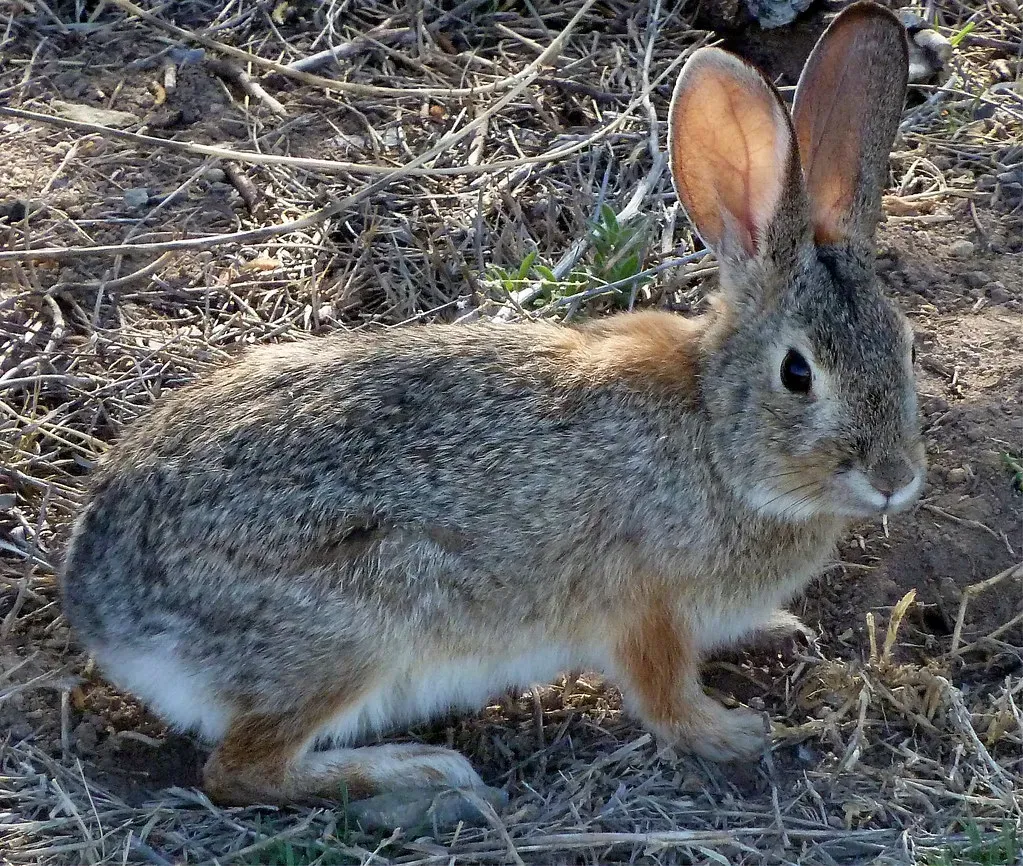
Desert ecosystems push life to its absolute limits. Water is scarce, temperatures swing wildly between day and night, and food sources can disappear faster than morning dew. Still, mammals here have developed jaw-dropping adaptations that allow them not just to survive but to flourish.
The pronghorn is the fastest mammal found in North America, having been clocked running at more than 53 mph across the arid landscape. Its speed is a survival tool, allowing it to outpace predators with ease. Meanwhile, Desert Bighorn Sheep are some of the largest mammals found in the North American deserts, favoring the dry, desert mountains found throughout the region.
These sheep navigate rocky cliffs with a grace that seems almost impossible for animals of their size. Then there’s the American badger, a small but ferocious predator of the North American deserts that dines on a diet primarily made up of desert rodents, insects, lizards, squirrels, birds and their eggs. Don’t let its compact frame fool you. This carnivore is built for digging and hunting with relentless determination.
The Frozen North: Life in the Tundra’s Grip
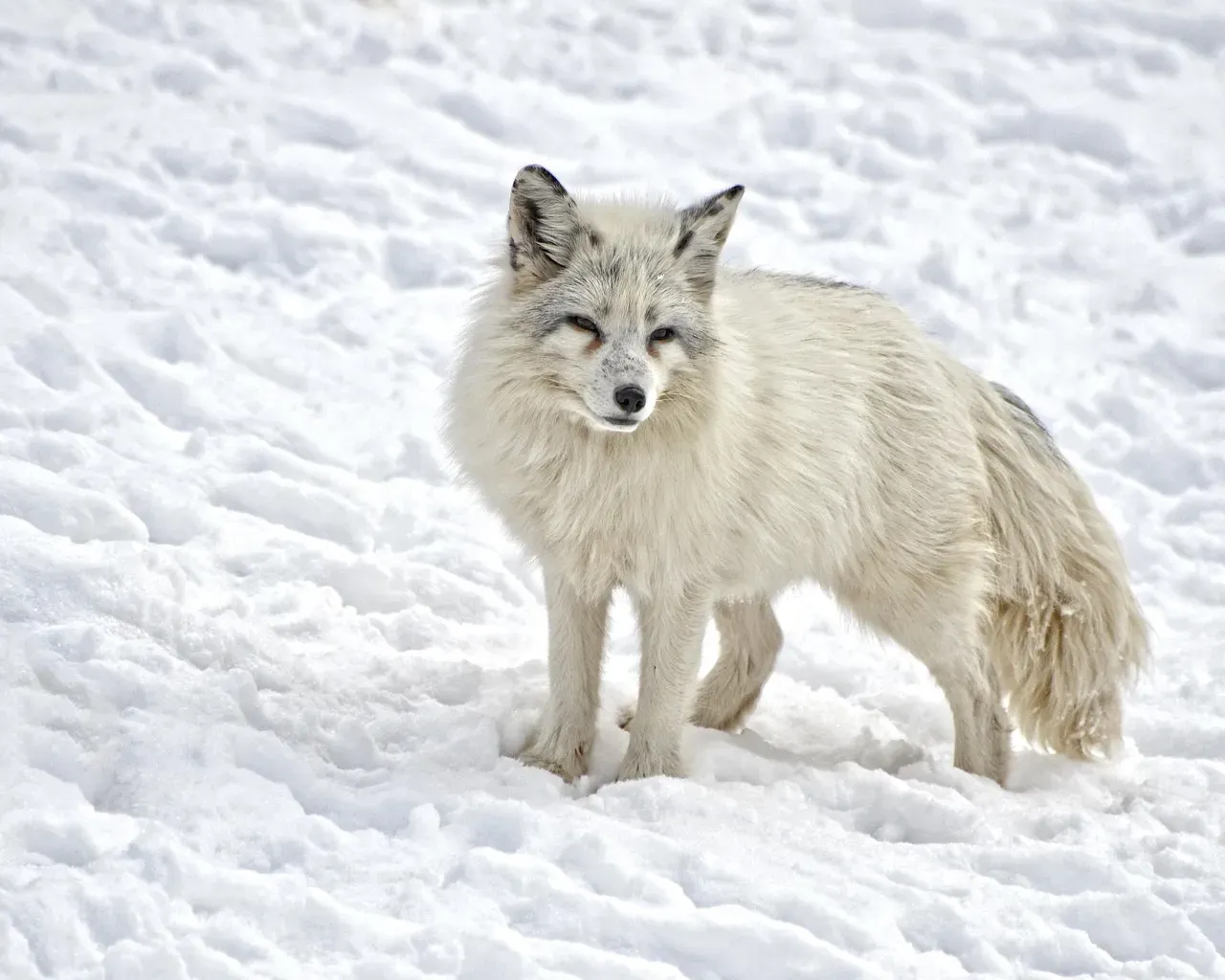
If deserts test endurance through heat, the tundra does so through brutal cold. Here’s the thing about tundra ecosystems: they’re among the harshest environments on Earth. Winters stretch on for months, temperatures plummet to bone-chilling lows, and tundra regions typically get less than 25 centimeters (10 inches) of precipitation annually, making them technically deserts despite all that snow.
Tundra wildlife includes small mammals such as Norway lemmings, arctic hares and arctic ground squirrels, and large mammals, such as caribou. These animals have evolved thick coats of fur, layers of insulating fat, and behavioral strategies like hibernation or migration to cope with the relentless cold.
The Arctic Ground Squirrel is a small rodent known for its remarkable adaptation to the extreme cold of the Arctic tundra, exhibiting hibernation where it can lower its body temperature to just above freezing. That’s the lowest body temperature recorded in any mammal. The sheer ingenuity required to survive here is staggering, and these creatures have mastered it over countless generations.
Mountain Peaks and Alpine Zones: Living on the Edge
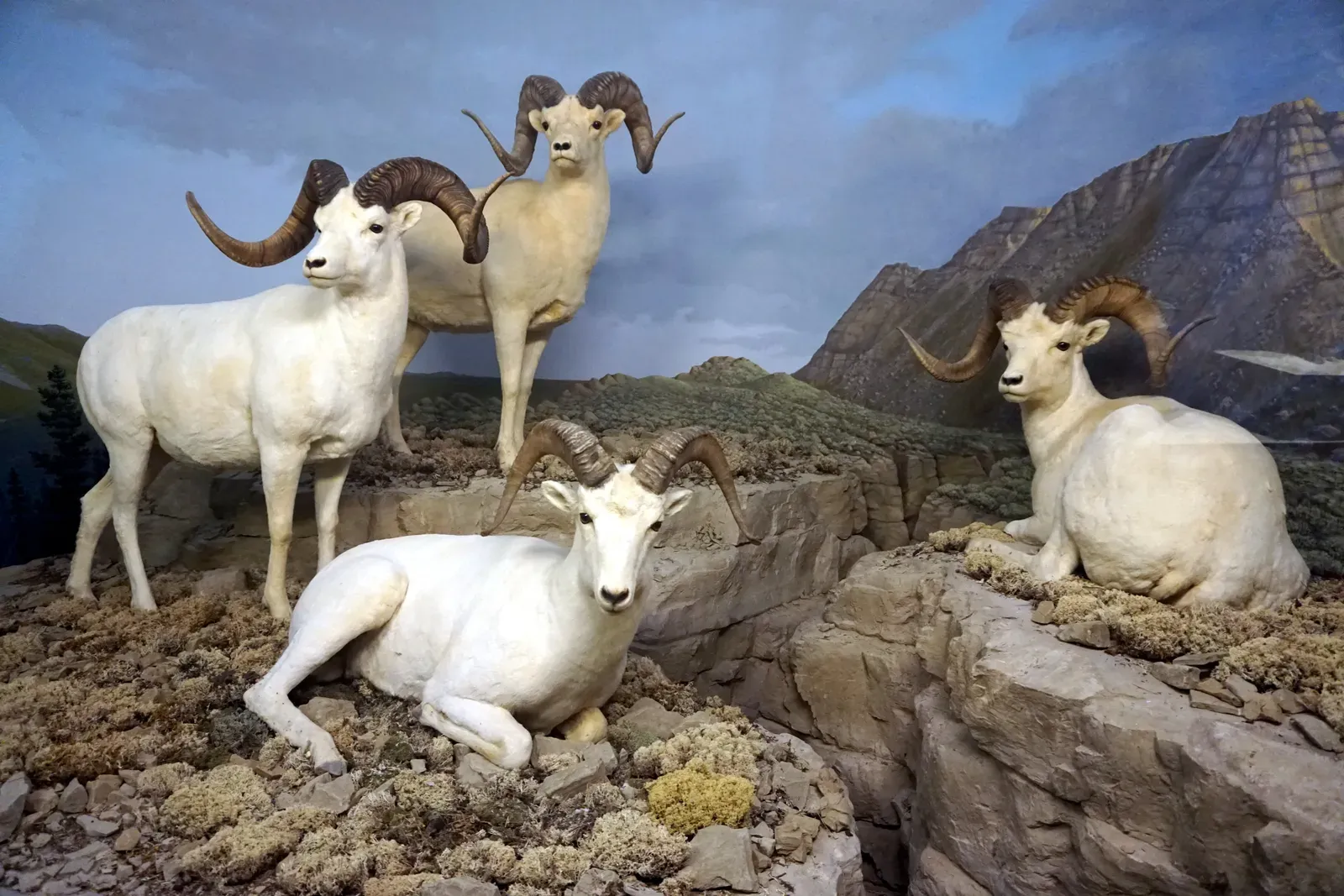
Alpine tundra exists in a strange in-between space, where mountains reach so high that trees simply give up trying to grow. The conditions mirror Arctic tundra in many ways, though these habitats are scattered across high elevations rather than stretching across northern latitudes.
Mountain goats live in the alpine tundra of northwestern North America, including high elevations of the Rockies, the Cascades, and coastal mountain ranges, built for steep, exposed terrain with muscular bodies, specialized hooves, and dense white coats. They spend summers grazing above the tree line where oxygen is thin and winds are fierce.
Pikas are small alpine mammals that live in talus slopes above the tree line, gathering grasses and wildflowers into “haypiles” that serve as their winter food, because they do not hibernate. These little rock-dwelling mammals are incredibly sensitive to temperature changes, making them vulnerable as climates shift. Their survival depends on the delicate balance of cold conditions that high mountains provide.
Predators and Prey: The Dance of Survival Across Biomes

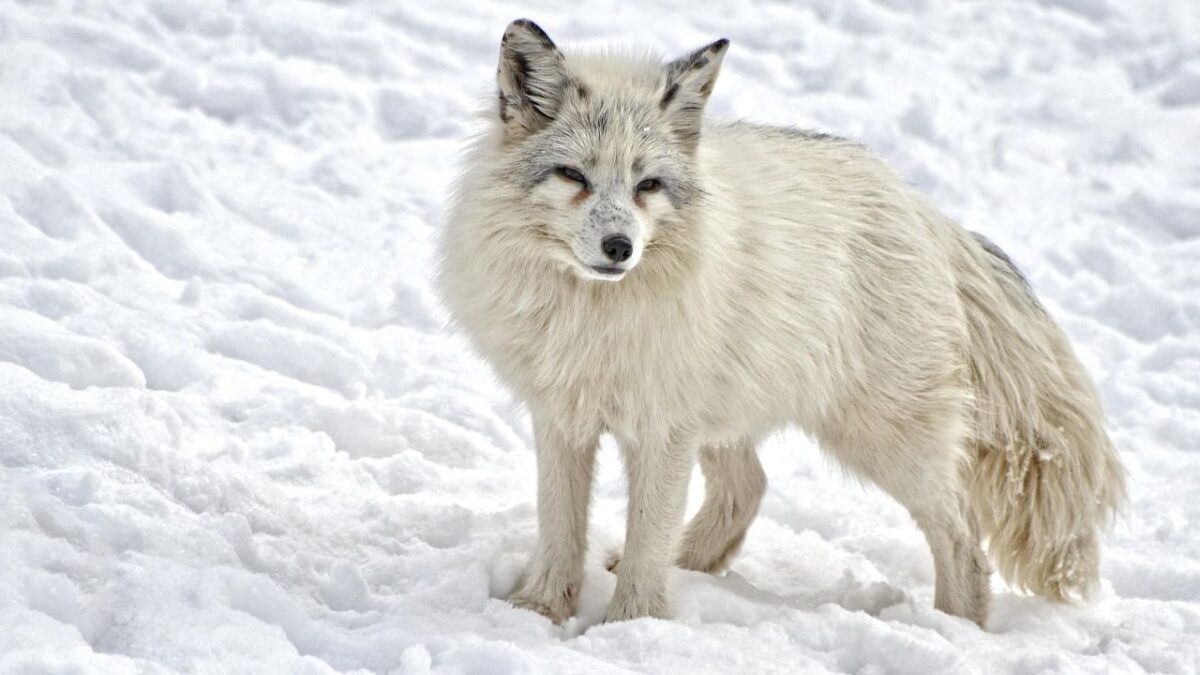
Every ecosystem needs its hunters and its hunted, and America’s varied landscapes support an impressive cast of predators. The main predators of the tundra are the polar bear, the Arctic wolf, and the Arctic fox, all having thick white coats that help them blend into their environment and stalk prey.
In desert regions, predators face different challenges. Small mammals of the Arctic tundra have high reproductive rates, with lemmings being most notable, reaching a population peak every three to five years in some regions and remaining active all winter under the snow. This boom-and-bust cycle of prey populations directly impacts predator numbers, creating a fascinating rhythm of abundance and scarcity.
It’s hard to say for sure, but the interconnection between predator and prey populations might be one of nature’s most elegant balancing acts. When prey thrives, predators follow suit. When food becomes scarce, both populations contract, waiting for conditions to improve once again.
Endemic Treasures: Species Found Nowhere Else

Some of America’s most fascinating mammals exist only within specific regions, making them irreplaceable pieces of biological heritage. The Olympic marmot is a rodent in the squirrel family that occurs only in the U.S. state of Washington, on the middle elevations of the Olympic Peninsula, and in 2009, it was declared the official endemic mammal of Washington.
The Florida mouse is a species of rodent that is the only mammal genus endemic to Florida, found only in a limited area in central peninsular Florida and in one small area in the Florida panhandle. These unique creatures highlight just how specialized evolution can become when populations are isolated geographically.
The salt marsh harvest mouse, also known as the red-bellied harvest mouse, is an endangered rodent endemic to the San Francisco Bay Area salt marshes in California, with both distinct subspecies being endangered. The loss of even one of these species would represent an irreversible gap in the continent’s biodiversity, a reminder of how fragile these ecosystems truly are.
Conclusion: A Continent of Contrasts and Resilience
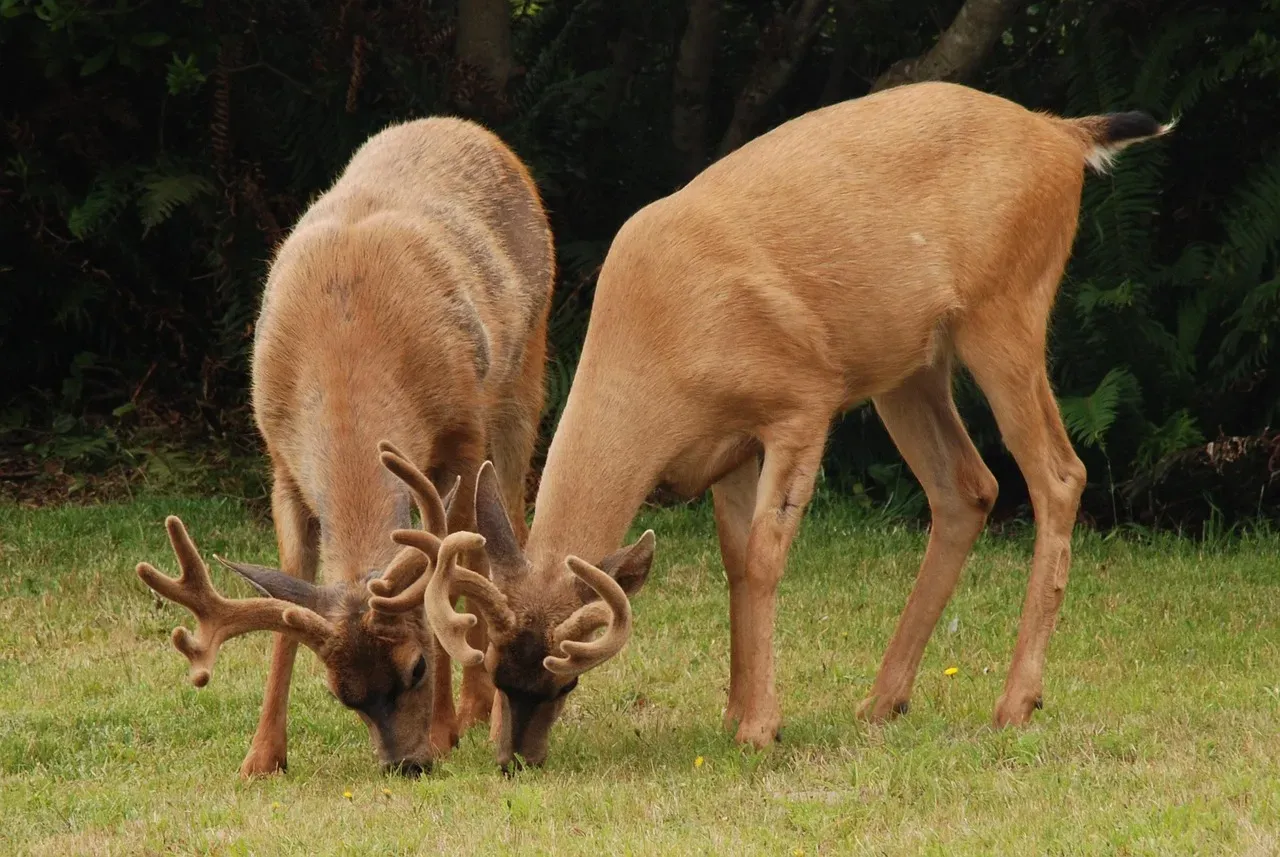
From the blazing heat of southwestern deserts to the frozen expanse of Arctic tundra, North America’s mammals have proven themselves masters of adaptation. They’ve evolved specialized bodies, clever behaviors, and intricate survival strategies that allow them to thrive in places most life forms would find utterly inhospitable.
Whether it’s the lightning-fast pronghorn racing across desert flats or the tiny pika stashing vegetation for winter survival high in the mountains, each species tells a story of resilience and ingenuity. These animals aren’t just surviving. They’re thriving in their chosen niches, maintaining the delicate balance of ecosystems that stretch from one climatic extreme to another.
What’s truly remarkable is how interconnected these systems remain despite their vast differences. The diversity we see today is the result of millions of years of evolution, adaptation, and natural selection working across an incredibly varied landscape. Did you expect that so many unique mammals call these extreme environments home? What surprises you most about their survival strategies?
Worried about unexpected vet bills?
Pet insurance can cover thousands in unexpected vet costs. Get a free quote from Lemonade in under 2 minutes.
Get My Free Quote →Sponsored · Opens Lemonade.com

- 13 Things You’ll Only Understand About Your Dog Differently After They’re Gone - June 11, 2026
- 13 Horse Breeds Rescue Centers Say Are Breaking Their Hearts to Take In Because Nobody Wants Them - June 11, 2026
- 16 Ways Dogs Show They Still Know You on the Days It Seems Like They Don’t Remember - June 11, 2026