
Worried about unexpected vet bills?
Pet insurance can cover thousands in unexpected vet costs. Get a free quote from Lemonade in under 2 minutes.
Get My Free Quote →Sponsored · Opens Lemonade.com
Picture a landscape where tens of millions of massive, shaggy beasts thundered across the plains, their hooves shaking the earth. Now imagine that same scene reduced to a few hundred survivors huddled in remote valleys, their extinction nearly complete. The story of the American bison is not just about wildlife. It’s about destruction, resilience, and the power of people coming together to fix something that once seemed irreversibly broken.
This iconic animal faced one of the most dramatic population crashes in recorded history. Yet today, bison once again roam grasslands from Montana to South Dakota, from tribal lands to national parks. Their return represents far more than numbers on a conservation chart. It’s a remarkable testament to what humans can achieve when we recognize our mistakes and fight to correct them.
From Sixty Million to Barely Surviving
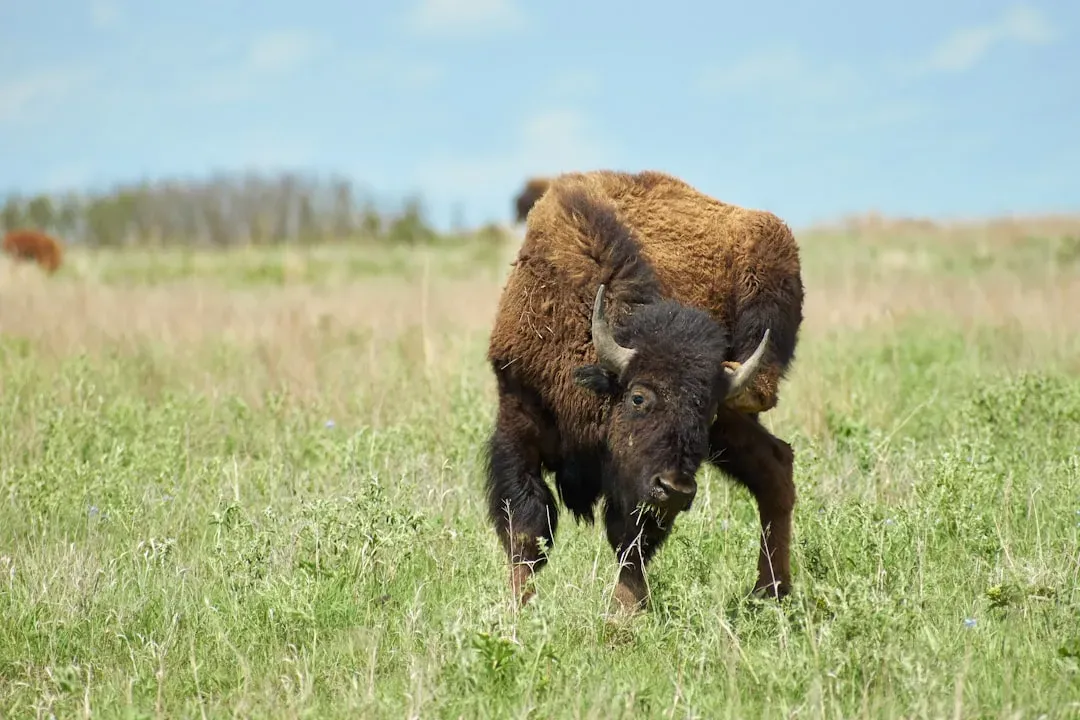
The historical scale of bison abundance is almost impossible to comprehend. American bison once numbered 60 million in North America, creating a living sea of brown that stretched across the continent. These magnificent creatures were the ecological heartbeat of the Great Plains, shaping everything from plant communities to fire patterns.
By 1889, the species was culled down to just 541 animals, a staggering decline that happened in mere decades. This wasn’t simply overhunting for food or hides. In the 19th century, bison were nearly driven to extinction through uncontrolled hunting and a U.S. policy of eradication tied to intentional harm against and control of Tribes.
The motivation was chillingly strategic. Indigenous peoples depended entirely on bison for sustenance, shelter, clothing, and cultural practices. Eliminating the bison meant eliminating their way of life. The near extinction of the species during the 19th century unraveled fundamental ties between bison, grassland ecosystems, and indigenous peoples’ cultures and livelihoods.
The Yellowstone Miracle and Early Recovery Efforts
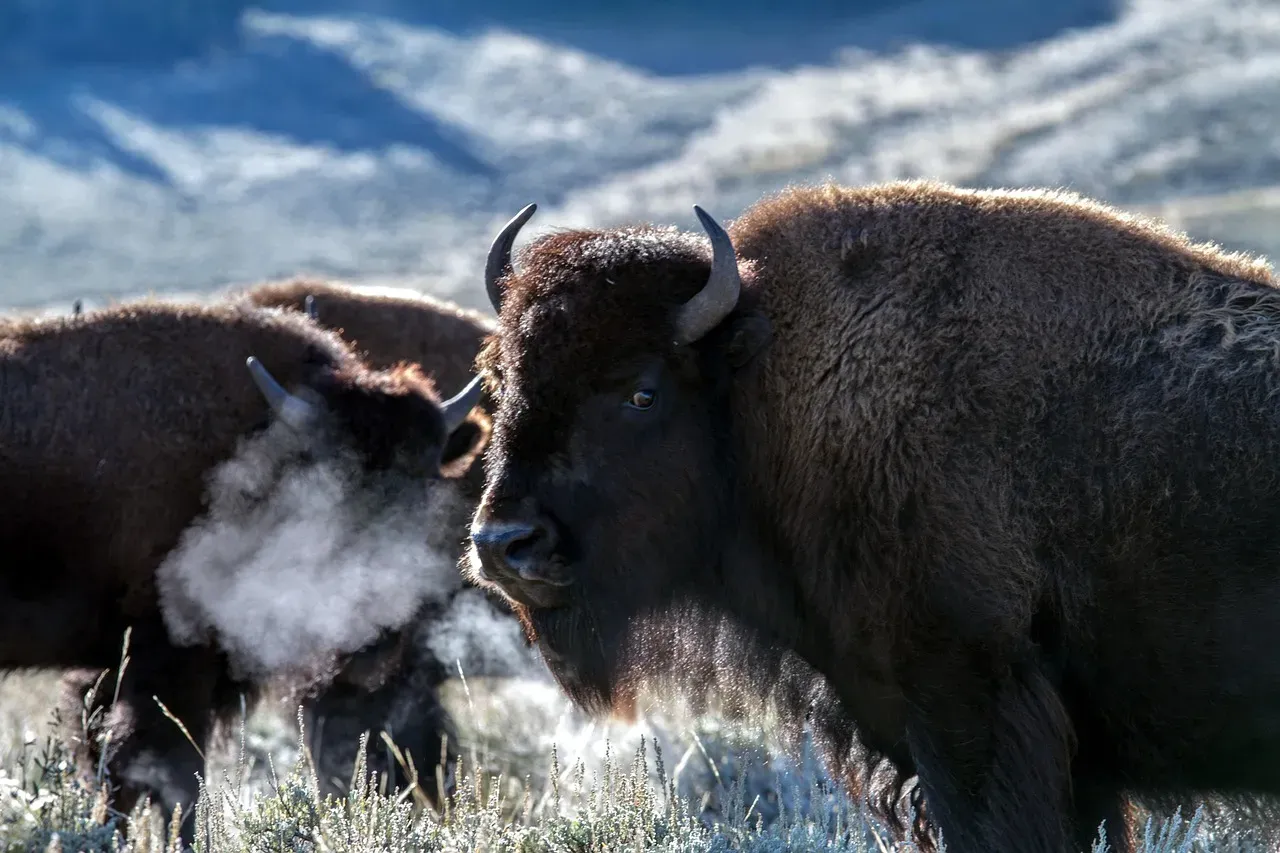
A small herd of buffalo escaped the slaughter and found refuge in the newly established Yellowstone National Park. This small remnant of two dozen individuals marked the starting point for a monumental conservation journey. Think about that for a moment. Nearly everything we see today descended from those few animals that found sanctuary in Yellowstone’s remote valleys.
Beginning in the early 20th century with the support of President Theodore Roosevelt, conservationists and scientists made a collective effort to restore the American bison. Since then, careful conservation and restoration efforts have increased the number of wild bison in the United States from fewer than 500 to more than 15,000. Roosevelt’s involvement was pivotal, honestly. Without political backing at the highest levels, the species might have slipped into oblivion.
The recovery wasn’t just about protecting what remained. In 1902, they purchased 21 bison from private owners and raised them at the historic Lamar Buffalo Ranch. Eventually, these animals began to mix with the park’s free-roaming population and by 1954, their numbers had grown to roughly 1,300 animals.
Modern Conservation Success Takes Shape
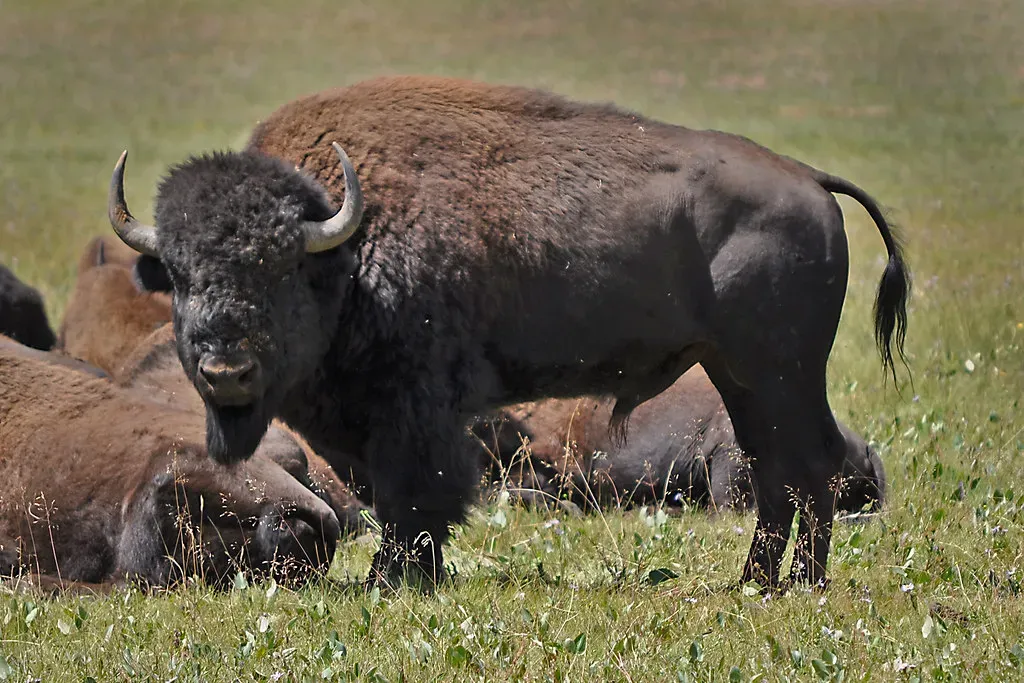
Today’s bison population tells a much brighter story. While most bison (with numbers around 360,000) in North America are raised as livestock for meat, leather and other commercial uses, only about 11% (31,000) of all bison are managed for ecological and conservation goals. That percentage may seem small, yet it represents a remarkable turnaround from near extinction.
The Interior Department currently manages 11,000 bison in herds across 4.6 million acres of U.S. public lands. These aren’t just numbers in a database. They’re living, breathing populations that have regained genetic health and ecological function. The Yellowstone bison population appears to be functioning as a single and genetically healthy population that fluctuates between 4,000 and 6,000 individuals.
Perhaps most encouraging is the shift in management philosophy. The plan includes a projected population range between 3,500 and 6,000 bison. Those bison will have the opportunity to expand into National Forest lands outside of the park and be made available to benefit Native Nations. Conservation isn’t just about preserving animals in isolated pockets anymore. It’s about letting them migrate, breed, and behave naturally across broader landscapes.
Indigenous Leadership in Restoration
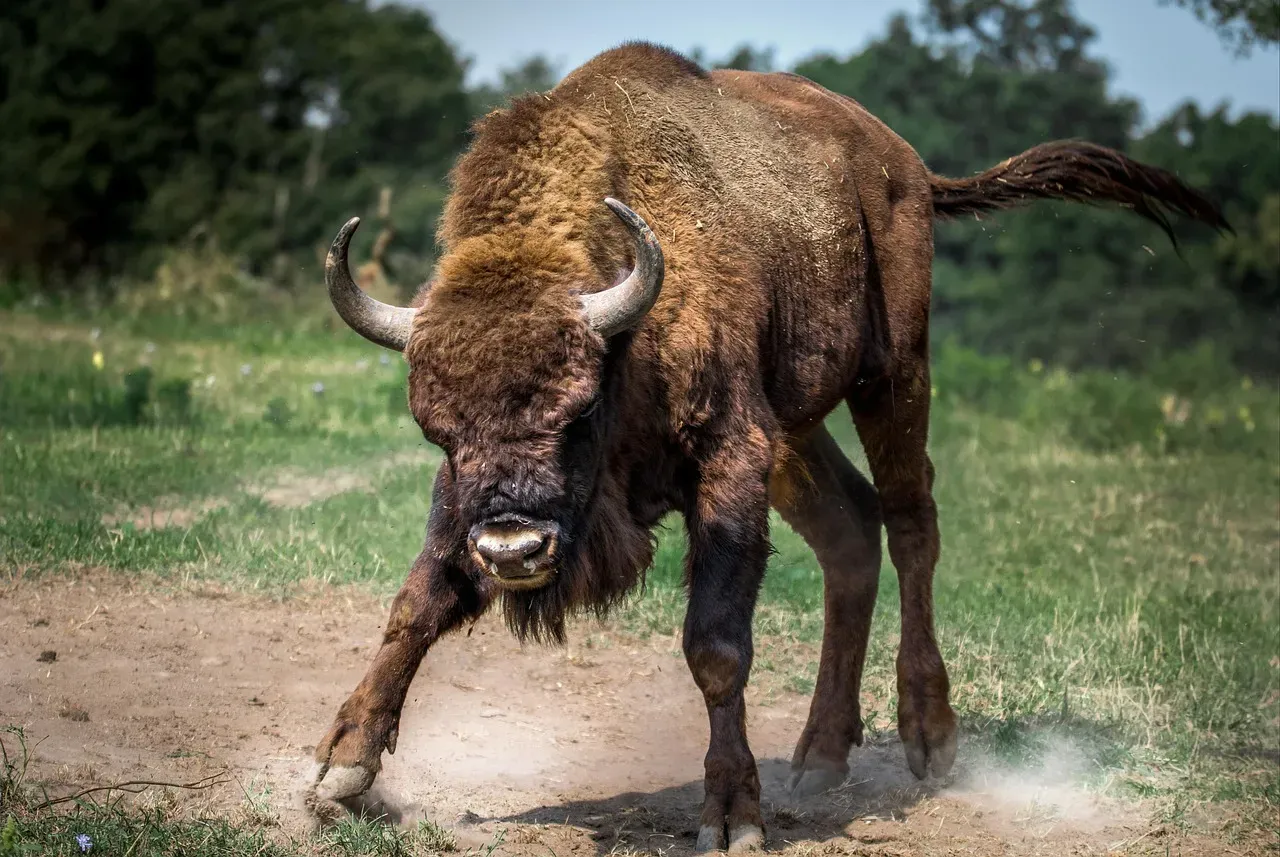
The most meaningful aspect of bison recovery might be who’s leading the charge. Over 60 tribes are actively involved in reintroducing buffalo to their lands. This initiative reinforces the deep-rooted connection between the bison and Indigenous ways of life. For these communities, bison restoration is about cultural healing as much as ecological restoration.
The Bison Conservation and Transfer Program has been overwhelmingly successful, transferring the largest number of Yellowstone bison to Tribes in history. Since 2019, a total of 414 Yellowstone bison have been transferred to the Assiniboine and Sioux Tribes at Fort Peck. These animals carry some of the purest genetics available, making them invaluable for establishing healthy tribal herds.
Today, there are approximately 350,000 bison in private sector herds, over 30,000 in public sector and non-governmental organization herds and 20,000 on Tribal lands. Tribal programs aren’t just managing bison as livestock. They’re restoring the spiritual and cultural connections that sustained Indigenous peoples for millennia.
Ecological Engineers Transforming Landscapes
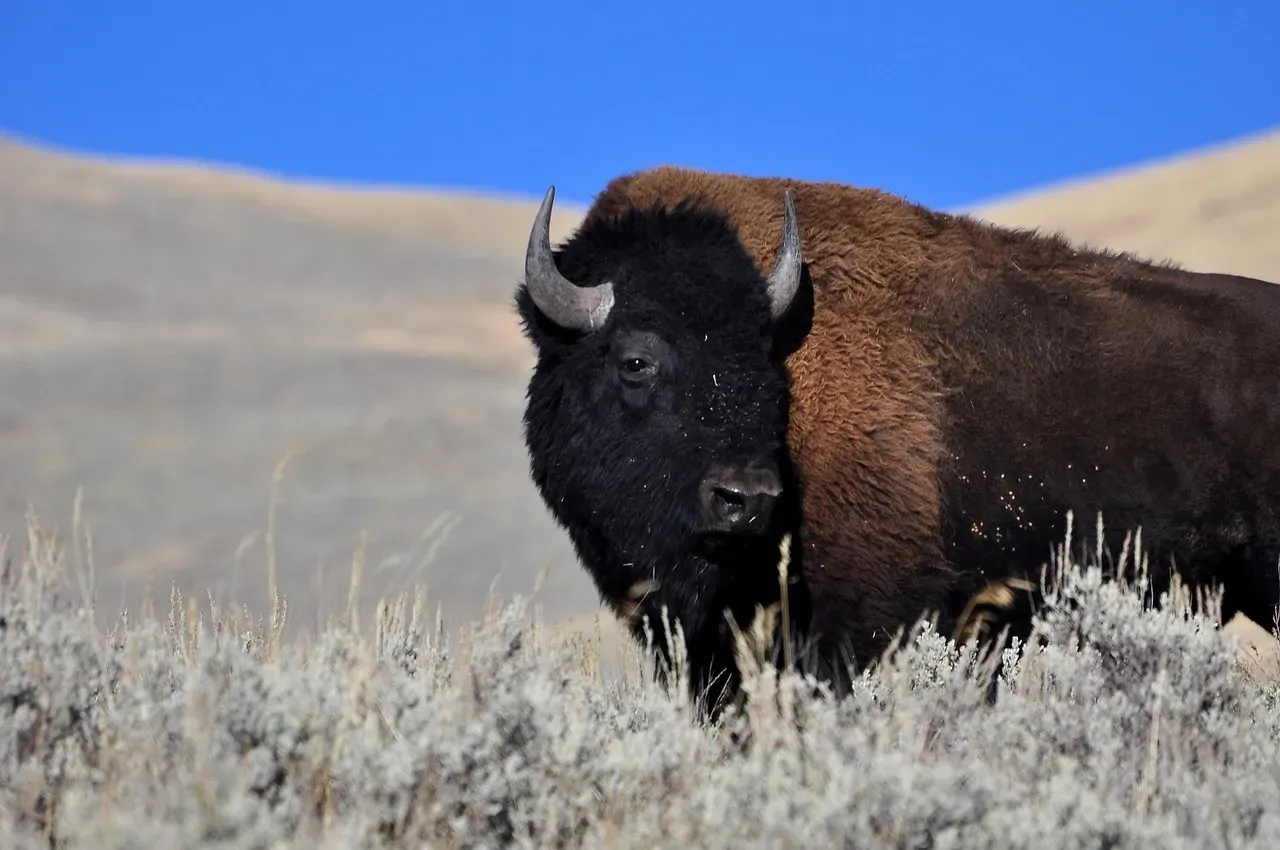
Here’s something that gets overlooked in conservation discussions. Bison aren’t just animals we’re trying to save because they’re majestic or historically significant. They’re ecological powerhouses that fundamentally reshape their environments. Reintroducing bison doubles plant diversity in a tallgrass prairie, according to scientific research.
Their impact goes far beyond simple grazing. By grazing and wallowing, bison break the soil’s surface to allow rainfall to be absorbed into the grassland roots. As bison graze, their vigorous munching spurs the growth of new, nutritious plant shoots, sending roots deeper into the soil, which promotes carbon sequestration. They’re essentially gardening the prairie, creating habitat diversity that benefits hundreds of other species.
When bison are restored to the landscape, it has been shown that plant species diversity increases, more pollinators are present, and grassland bird numbers increase. The ripple effects extend throughout entire ecosystems. Every bison herd restored means healthier soil, more diverse plant communities, and more resilient landscapes capable of withstanding drought and climate extremes.
The American bison’s journey from the brink of extinction to thriving populations across multiple states stands as one of conservation’s greatest achievements. What makes this success particularly remarkable is how it required cooperation across groups that don’t always see eye to eye: federal agencies, state governments, tribal nations, private ranchers, and conservation organizations.
The work isn’t finished, of course. Challenges remain around habitat connectivity, genetic diversity, and conflicts with agriculture. Still, when you see bison herds thundering across restored prairies, when Indigenous children grow up with buffalo as part of their daily reality again, when grassland ecosystems regain their ecological balance, you can’t help but feel something profound has been reclaimed.
This story proves that even our most devastating environmental mistakes can be corrected with sustained effort, scientific understanding, and genuine partnership. The thunder has returned to the plains. What do you think the next chapter of this conservation story should look like?
Worried about unexpected vet bills?
Pet insurance can cover thousands in unexpected vet costs. Get a free quote from Lemonade in under 2 minutes.
Get My Free Quote →Sponsored · Opens Lemonade.com
