

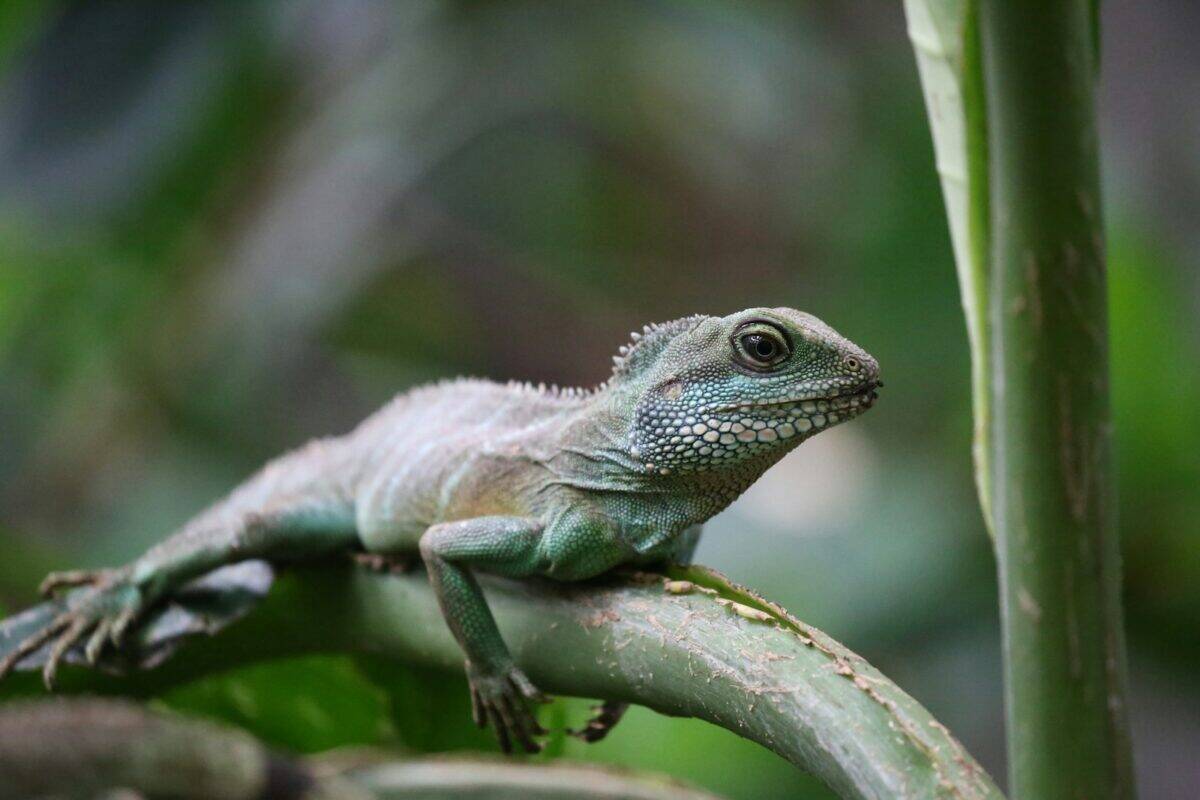
Nestled within the carefully cultivated landscapes of public gardens lies a secret world teeming with wildlife that often goes unnoticed by casual visitors. Beyond the manicured lawns and meticulously arranged flower beds, these green sanctuaries harbor an astonishing variety of creatures that have adapted to life alongside human activity. From the tiniest insects pollinating flowers to the nocturnal mammals that emerge after closing hours, public gardens serve as vital urban ecosystems supporting biodiversity in our increasingly developed world. This article explores the hidden wildlife that makes its home in these public spaces, offering insights into the fascinating creatures you might encounter during your next garden visit if you know where to look and when to listen.
The Miniature World Beneath Your Feet
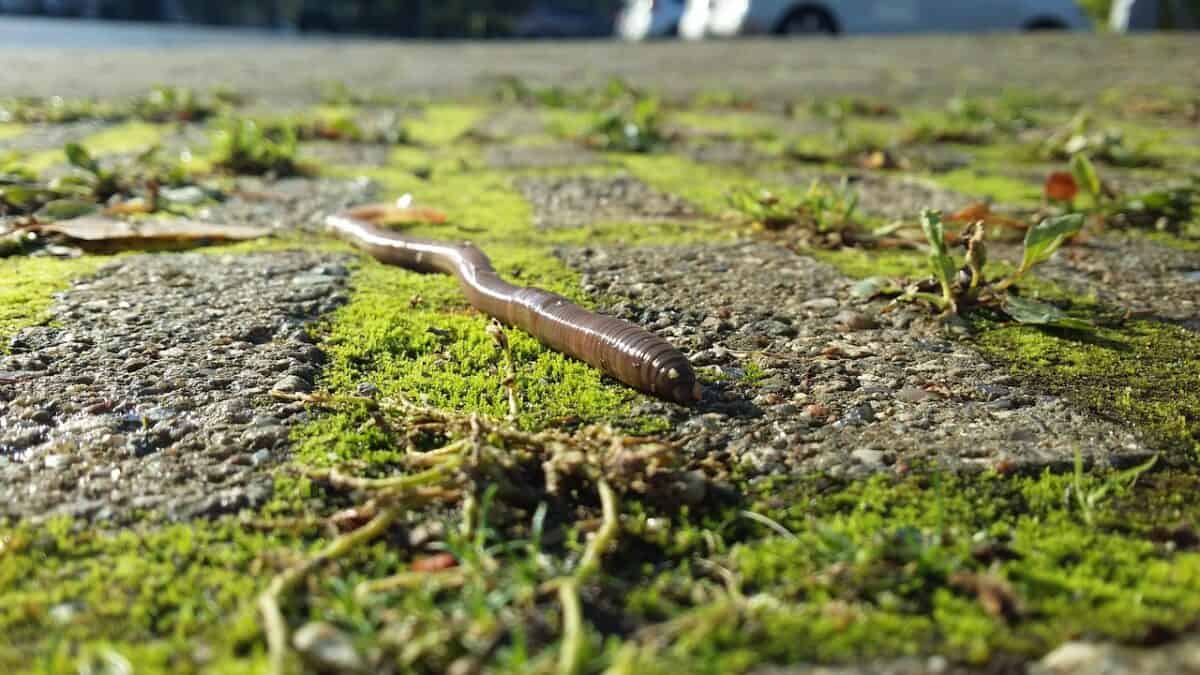
While visitors admire towering trees and colorful blooms, an entire universe exists at ground level in public gardens. Soil organisms form the foundation of garden ecosystems, with a single teaspoon of healthy garden soil containing more microorganisms than there are people on Earth. Earthworms—nature’s plows—aerate the soil and break down organic matter, improving soil structure and fertility. Their constant movement creates channels that allow water and oxygen to reach plant roots. Alongside them, soil-dwelling arthropods like millipedes and woodlice process fallen leaves and plant debris, accelerating decomposition and nutrient cycling. These humble creatures rarely receive attention but play crucial roles in maintaining the garden’s health and beauty.
Pollinators: The Garden’s Essential Workers

Public gardens serve as critical havens for pollinators, whose populations face challenges from habitat loss and pesticide use in the broader landscape. While honeybees and butterflies often steal the spotlight, native bees are the unsung heroes of garden pollination. North America alone hosts over 4,000 native bee species, including tiny sweat bees, metallic green carpenter bees, and fuzzy bumblebees, each with unique pollination abilities. Many specialize in particular flowers, having co-evolved with native plants for millennia. Hoverflies, which often mimic bees with their yellow and black coloration, are another essential pollinator group frequently overlooked. These beneficial insects not only pollinate flowers but their larvae often consume aphids and other garden pests, providing natural pest control services. To spot these garden helpers, focus on sunny flower patches during midday when pollinator activity typically peaks.
Reptiles and Amphibians: The Cold-Blooded Garden Residents
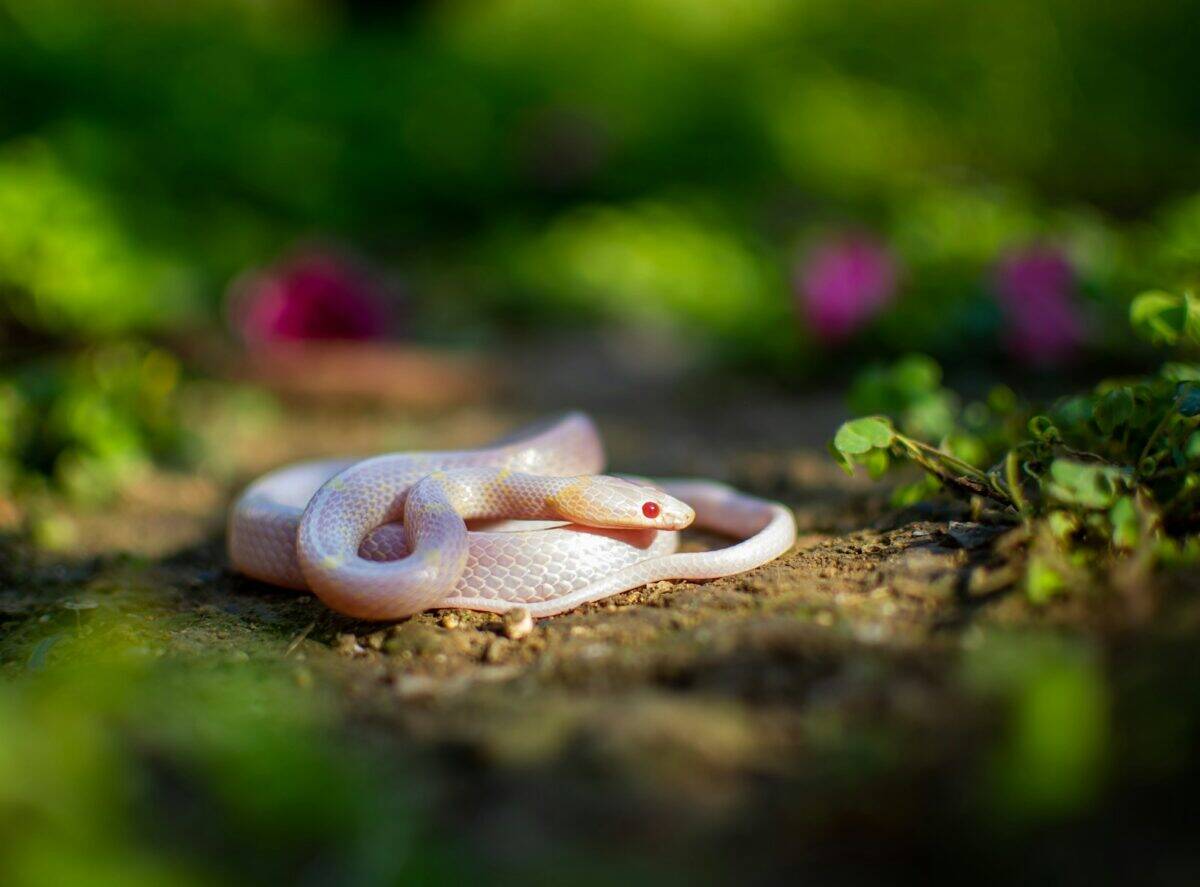
Reptiles and amphibians constitute some of the most secretive garden inhabitants, often remaining hidden except to the most observant visitors. Garden ponds and water features attract frogs and toads, whose evening choruses provide natural soundscapes while their appetites for insects help control mosquito populations. Common frog species like American bullfrogs or European common frogs may establish breeding populations in garden ponds, while tree frogs might be discovered clinging to plant stems or broad leaves. Meanwhile, lizards like skinks and anoles can be glimpsed sunning themselves on rocks or walls during warmer months. In suitable regions, harmless garden snakes like garter snakes patrol for slugs and rodents, though their shy nature means most visitors never spot them. These ectothermic animals are particularly active during transitional periods—early morning and late afternoon—when temperatures are moderate and human foot traffic is often reduced.
The Secret Lives of Garden Birds

While birds are among the most visible wildlife in public gardens, their behaviors and diversity often remain underappreciated. Beyond the common species that boldly approach visitors hoping for crumbs, numerous specialized birds utilize garden habitats in less obvious ways. Tiny kinglets and warblers glean insects from the undersides of leaves high in the canopy, while woodpeckers probe for beetle larvae beneath tree bark, leaving distinctive holes as evidence of their feeding. Many bird species also establish territories within garden boundaries, with males singing from concealed perches to defend resources and attract mates. Dawn visitors to public gardens during spring might witness the “dawn chorus”—an extraordinary symphony of birdsong as multiple species announce their presence in the predawn light. Botanical gardens with diverse plantings often attract migratory species as well, making them excellent locations for seasonal birding. Even in winter, resident birds form mixed-species foraging flocks that move through gardens searching for seeds and dormant insects.
Nocturnal Garden Visitors

After closing hours, public gardens transform into bustling wildlife highways as nocturnal creatures emerge from daytime hiding spots. Urban-adapted mammals like raccoons and opossums visit garden ponds for water and search for fallen fruit or insects. Their nimble paws and omnivorous diets make them excellent opportunists in cultivated landscapes. Depending on the garden’s location, foxes may establish dens in quiet corners, while bats swoop overhead catching mosquitoes and moths. These flying mammals can consume thousands of insects nightly, providing natural pest control for the garden. Evidence of these nighttime visitors often remains visible to daytime guests who know what to look for: pawprints in soft soil, scat on pathways, or partially eaten fruits under trees. Some public gardens now offer special nighttime tours or install wildlife cameras that reveal this hidden nocturnal world to interested visitors, showcasing the garden’s ecological significance beyond its daylight hours.
Small Mammals: The Garden’s Furtive Residents
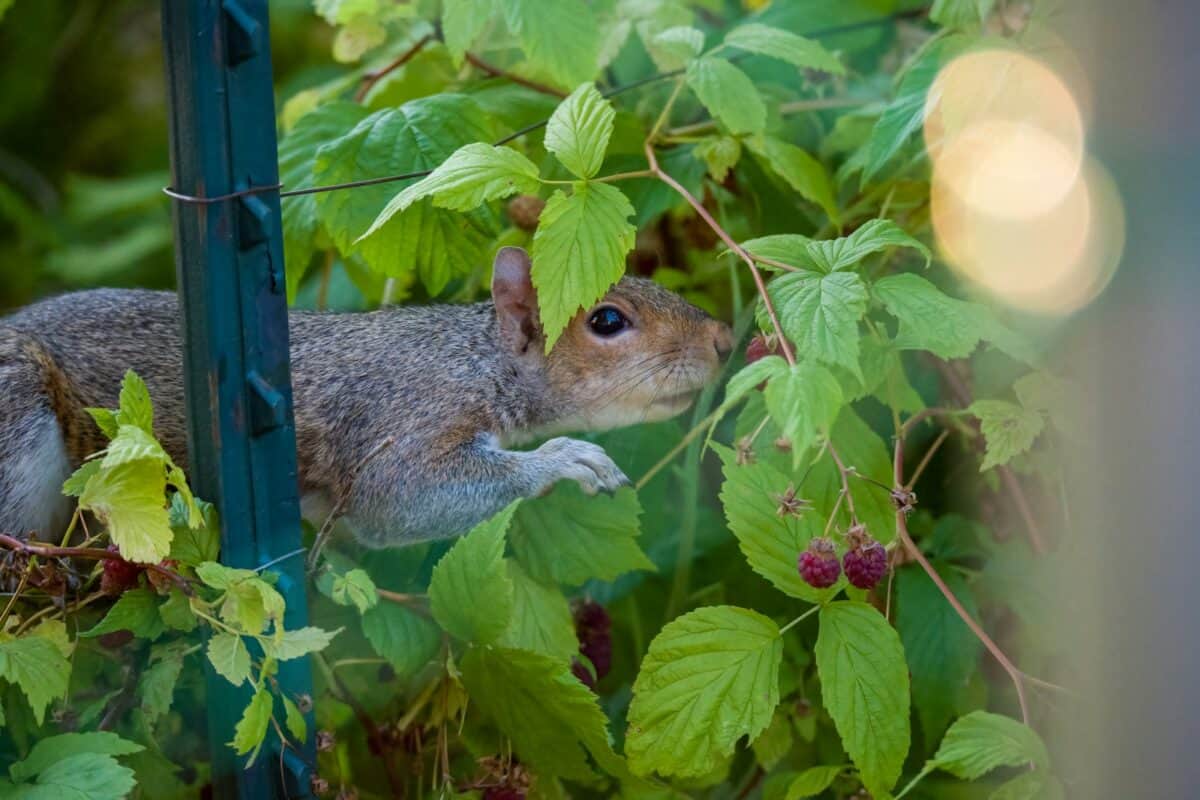
Public gardens host numerous small mammal species that have adapted to human-modified environments. Eastern chipmunks, ground squirrels, and voles establish burrow systems beneath shrubs and along garden edges, occasionally emerging to gather seeds or fruits. These rodents play important ecological roles despite sometimes causing gardener frustration; they disperse seeds, aerate soil through burrowing, and provide food for predatory animals higher in the food chain. Shrews—tiny insectivorous mammals with voracious appetites—patrol the leaf litter hunting for invertebrates, consuming nearly their body weight daily in insects and worms. These diminutive predators help regulate garden pest populations but remain mostly unseen due to their secretive nature and small size. Hedgehogs, where native or introduced, visit gardens after dusk to feed on slugs, caterpillars, and other invertebrates. To increase your chances of spotting these elusive mammals, move quietly, watch for movement along garden edges, and check for burrow entrances near structural features like walls or large rocks.
Aquatic Ecosystems in Garden Water Features
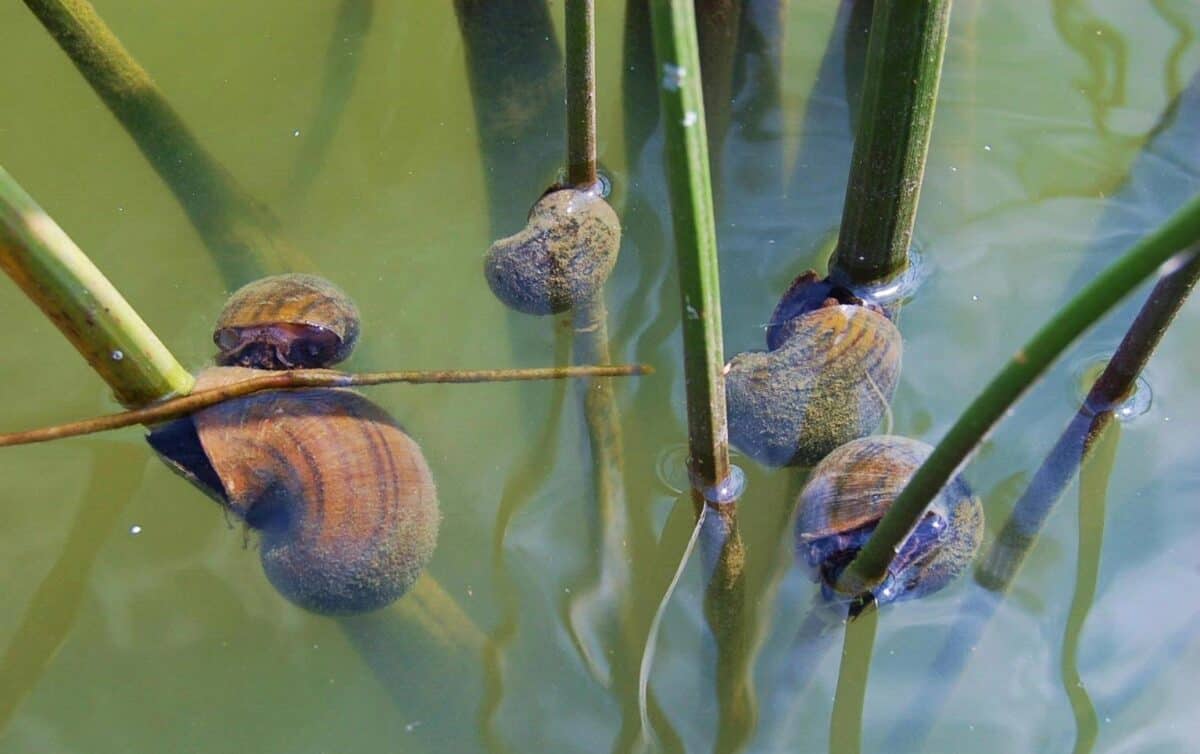
Garden ponds, streams, and fountains create microhabitats that support surprising biodiversity. Beneath the water’s surface, freshwater invertebrates like dragonfly nymphs, water beetles, and freshwater snails create complex food webs. Dragonfly and damselfly larvae spend months or years as aquatic predators before emerging as the aerial adults that visitors admire. Water boatmen row through the water column on specialized leg pairs, while whirligig beetles trace erratic patterns on the surface. In established garden ponds, native fish species might be introduced intentionally, while amphibian eggs develop into tadpoles in seasonal cycles. Even small water features attract specialized wildlife—water striders (Gerridae) can colonize fountain basins, using surface tension to “walk on water” while hunting for fallen insects. These aquatic ecosystems add ecological complexity to garden landscapes and provide educational opportunities for visitors to observe life cycles and predator-prey relationships in accessible settings.
Beneficial Predatory Insects and Arachnids
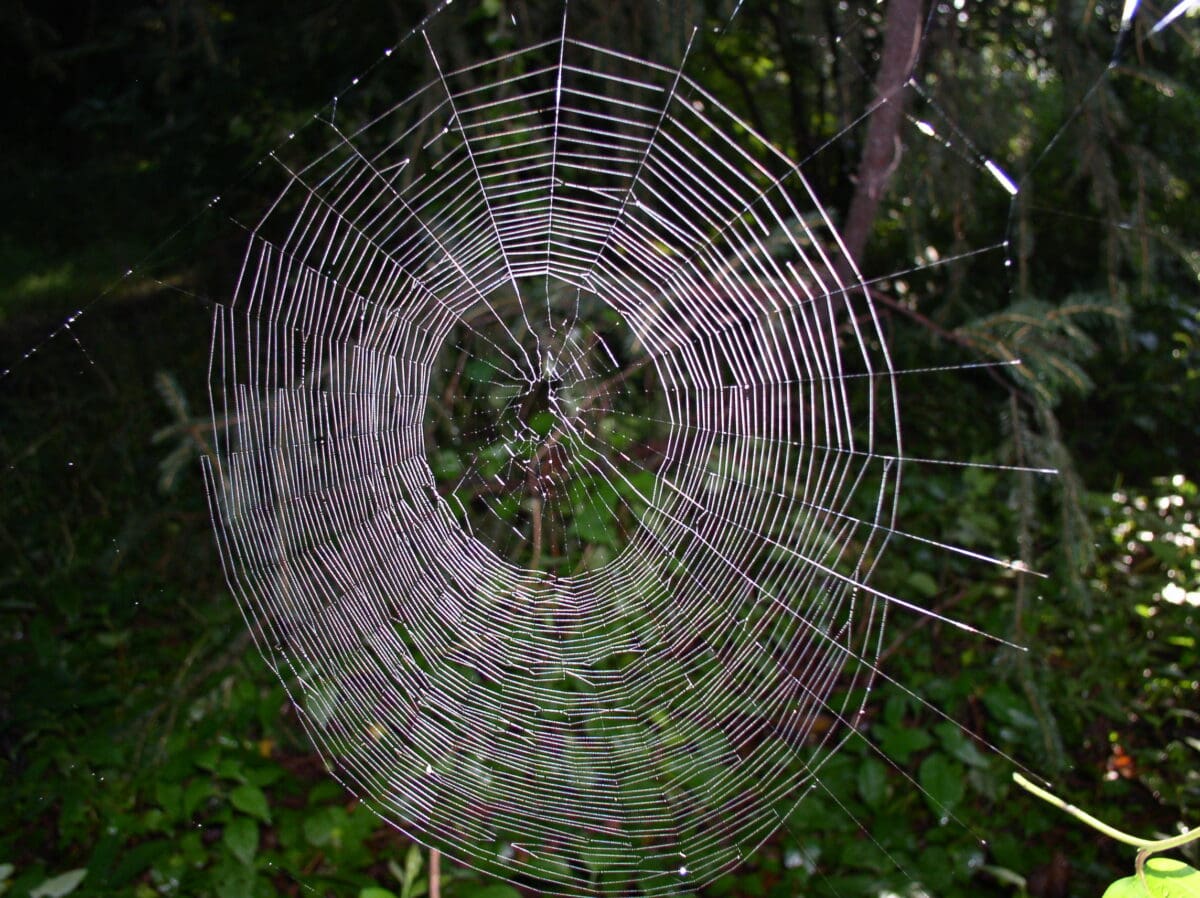
While many garden visitors recoil at the sight of spiders or wasps, these predatory arthropods provide essential ecological services by controlling potentially damaging insect populations. Orb-weaving spiders construct elaborate webs between plants to capture flying insects, while hunting spiders like wolf spiders and jumping spiders actively patrol for prey on the ground and vegetation. Predatory insects such as lacewings, mantids, and assassin bugs target aphids and caterpillars that might otherwise damage garden plants. Ground beetles hunt by night, controlling slugs and soil-dwelling pests. Even certain wasp species benefit gardens—parasitoid wasps lay eggs on or in specific host insects, providing targeted pest control as their larvae develop. These beneficial predators collectively maintain the ecological balance of public gardens, reducing the need for chemical interventions. Gardens with integrated pest management approaches often encourage these natural enemies by providing habitat features like insect hotels, unmulched areas, and diverse plantings that offer shelter and alternative food sources.
Fungi: The Hidden Network Beneath Gardens

Though technically neither plants nor animals, fungi constitute a fascinating kingdom of organisms essential to garden ecosystems. Beyond the occasional mushroom that appears after rain—merely the fruiting body of a much larger organism—fungi form extensive underground networks throughout garden soils. Mycorrhizal fungi establish symbiotic relationships with plant roots, effectively extending the plant’s reach to access water and nutrients in exchange for carbohydrates. Some plants cannot survive without these fungal partners. Decomposer fungi break down woody material and plant matter too tough for bacteria, recycling nutrients and preventing the buildup of organic debris. After autumn rains, observant garden visitors might spot diverse mushroom species emerging from mulch, lawns, or tree bases—from tiny Mycena with their bell-shaped caps to large bracket fungi growing on decaying logs. Though often overlooked, these fungal fruiting bodies offer clues to the invisible but vital fungal networks operating beneath the garden’s surface, connecting plants and cycling nutrients through the ecosystem.
Invasive Species: Unwelcome Garden Wildlife
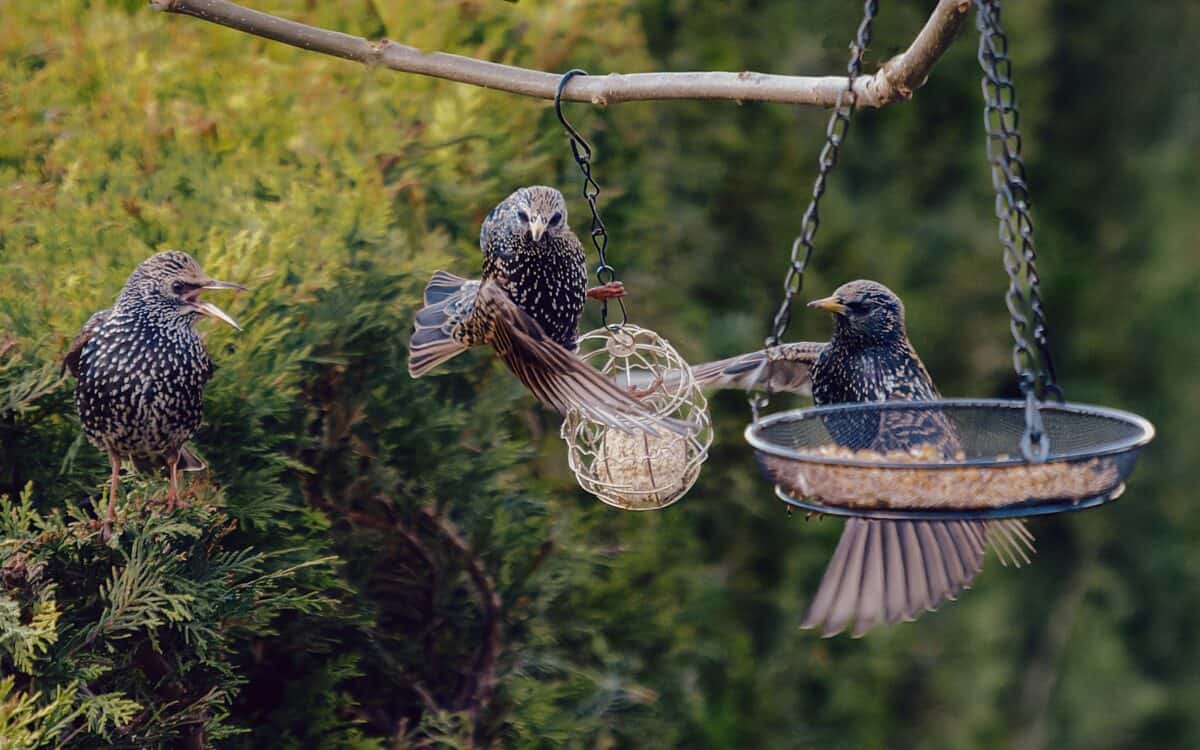
Not all wildlife found in public gardens contributes positively to the ecosystem. Invasive species—non-native organisms that spread aggressively and harm native biodiversity—present significant management challenges for garden staff. European starlings might dominate bird feeders and nesting cavities, outcompeting native bird species. Introduced red-eared slider turtles released by former pet owners can displace native turtle species from garden ponds. At the invertebrate level, non-native earthworms can actually damage forest floor ecosystems by consuming leaf litter too quickly, while introduced insects like Japanese beetles defoliate ornamental plants without natural predators to control their populations. Even seemingly harmless wildlife like eastern gray squirrels can become problematic outside their native range, as evidenced in the United Kingdom where they threaten native red squirrel populations. Public gardens often serve as educational centers about these invasive threats, implementing control measures while teaching visitors about responsible gardening practices that prevent new introductions.
Wildlife Gardening: How Public Gardens Attract Biodiversity
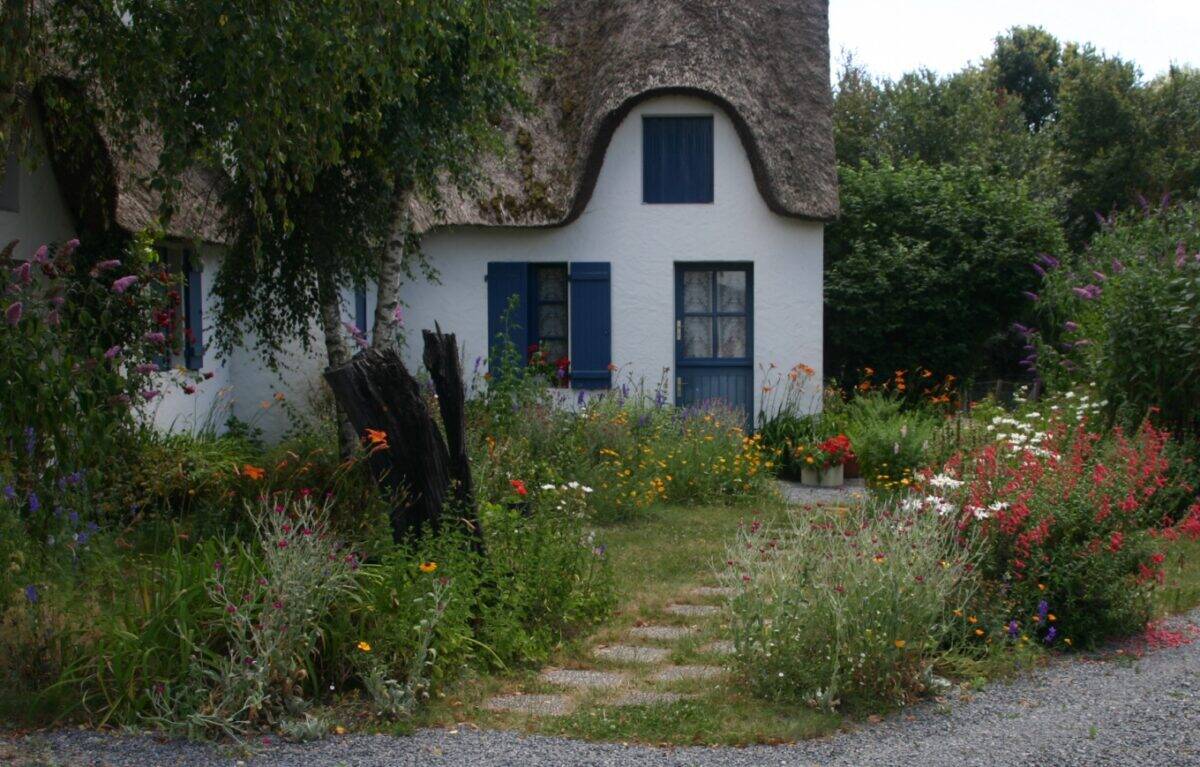
The rich wildlife diversity in many public gardens isn’t merely coincidental—it often results from intentional design and management practices that create wildlife-friendly environments. Forward-thinking public gardens implement features specifically to attract and support native fauna: installing bird and bat boxes, maintaining brush piles for shelter, preserving dead trees (snags) for cavity-nesting species, and establishing wildflower meadows for pollinators. Water features designed with gently sloping edges allow safe access for drinking and bathing, while native plant collections provide the food sources that local wildlife evolved to utilize. Many botanical gardens now maintain specialized “wildlife gardens” that demonstrate these principles to home gardeners. Some institutions have adopted certification programs like Bee City USA designations or wildlife habitat certifications that formalize their commitment to biodiversity support. These demonstration areas provide valuable models for enhancing urban ecology while offering superior wildlife viewing opportunities for visitors.
Public gardens offer far more than aesthetic displays of plants—they provide vibrant ecosystems where countless wildlife species find food, shelter, and breeding opportunities within urban and suburban landscapes. These living museums serve as biodiversity hotspots, supporting complex ecological relationships from soil microbes to top predators in environments accessible to the public. By slowing down, observing carefully, and visiting at different times of day and seasons, garden visitors can discover this hidden dimension of wildlife activity occurring alongside human appreciation of botanical beauty. The next time you visit a public garden, consider the myriad unseen lives that contribute to the ecosystem’s function—the pollinators ensuring future flowers, the decomposers recycling nutrients, and the predators maintaining balance. Understanding these ecological connections transforms a simple garden visit into an exploration of nature’s intricate web of relationships, deepening appreciation for the complete living system that makes public gardens truly extraordinary places.

- 21 Scary Creatures You Might Run Into While Hiking In The U.S - June 3, 2026
- The Difference Between Turtles and Tortoises—Explained - June 3, 2026
- What Makes Owls the Silent Predators of the Night? - June 3, 2026