

Hidden beneath America’s heartland lies one of the most dangerous geological features on the continent. The New Madrid Seismic Zone spans across five states, but unlike the famous San Andreas Fault in California, this massive fault system operates in near silence. Every few seconds, tiny tremors ripple through the bedrock, reminders of the sleeping giant that once terrorized an entire nation over two centuries ago.
Recent earthquake activity has scientists and emergency planners on edge. Recent small earthquakes have occurred in the region, with monitoring continuing to track seismic activity. Yet even these small movements spark heated debates about timing. Are we witnessing the buildup to something catastrophic, or just the normal breathing of an ancient geological system?
The Sleeping Giant Awakens Every 500 Years
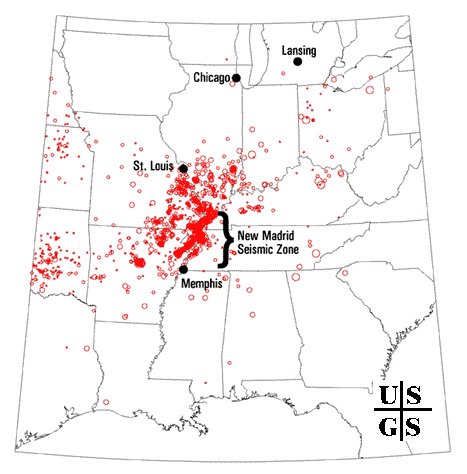
Large (M7) earthquakes occur about every 200-300 to 1,000 years in the New Madrid seismic zone, but there is a lot of variability in the timing, so they could come much sooner. This irregular pattern makes prediction nearly impossible, leaving millions of people living under constant uncertainty.
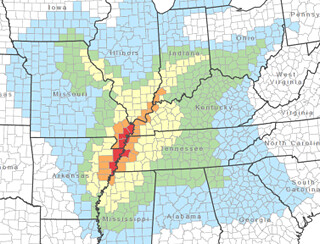
The fault system stretches roughly 150 miles through the Mississippi River Valley, crossing state lines like an underground highway of destruction. The 150-mile (240 km)-long seismic zone, which extends into five states, stretches southward from Cairo, Illinois; through Hayti, Caruthersville, and New Madrid in Missouri; through Blytheville into Marked Tree in Arkansas. Think of it as a massive zipper beneath America’s agricultural heartland, one that occasionally decides to open with devastating force.
The 1811-1812 Catastrophe That Changed America Forever
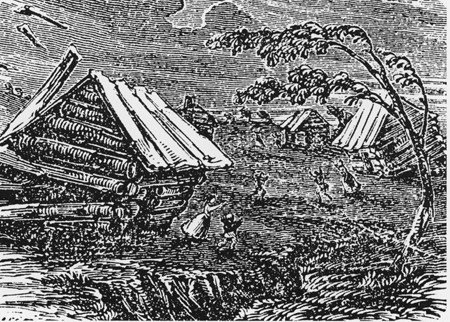
Picture waking up at dawn on December 16, 1811, to the ground rolling like ocean waves beneath your feet. 400 terrified residents in the town of New Madrid, Missouri were abruptly awakened by violent shaking and a tremendous roar. It was December 16, 1811, and it was the first of at least three very large (M7 or greater) earthquakes and thousands of aftershocks to rock the region that winter, with the last occurring on February 7, 1812.
The destruction was biblical in scale. The town of New Madrid was destroyed. In St. Louis, Missouri, many houses were severely damaged and their chimneys were toppled. Witnesses reported the Mississippi River flowing backward, creating temporary waterfalls and forming new lakes overnight. Survivors reported that the earthquakes caused cracks to open in the earth’s surface, the ground to roll in visible waves, and large areas of land to sink or rise.
These weren’t just local tremors. The New Madrid earthquakes of 1811-12 were felt as far away as Connecticut – more than 1,000 miles away. Imagine an earthquake in Missouri causing church bells to ring in Boston.
Modern Seismic Surveillance Networks Detect Every Whisper

Today’s monitoring technology would seem like magic to those 1811 survivors. A network of seismometers and ground sensors detect even the faintest rumblings beneath the surface. Researchers use this data to better understand the fault’s activity and develop early warning systems that could provide life-saving seconds in the event of a major quake.
On average, the New Madrid Seismic Zone records 10 times more earthquakes in a year than tornadoes, for example. Arkansas experiences about 33 tornadoes on average annually compared to the New Madrid zone’s average of 150 to 200 detectable earthquakes, many of those in northeast Arkansas. Most of these micro-earthquakes go unnoticed by residents, but each one tells scientists something about the stress building deep underground.
The constant monitoring reveals patterns that would have been invisible to earlier generations. Scientists can now track how energy builds and releases along different fault segments, though predicting exactly when the next big one will strike remains impossible.
Infrastructure Vulnerability Creates Catastrophic Potential
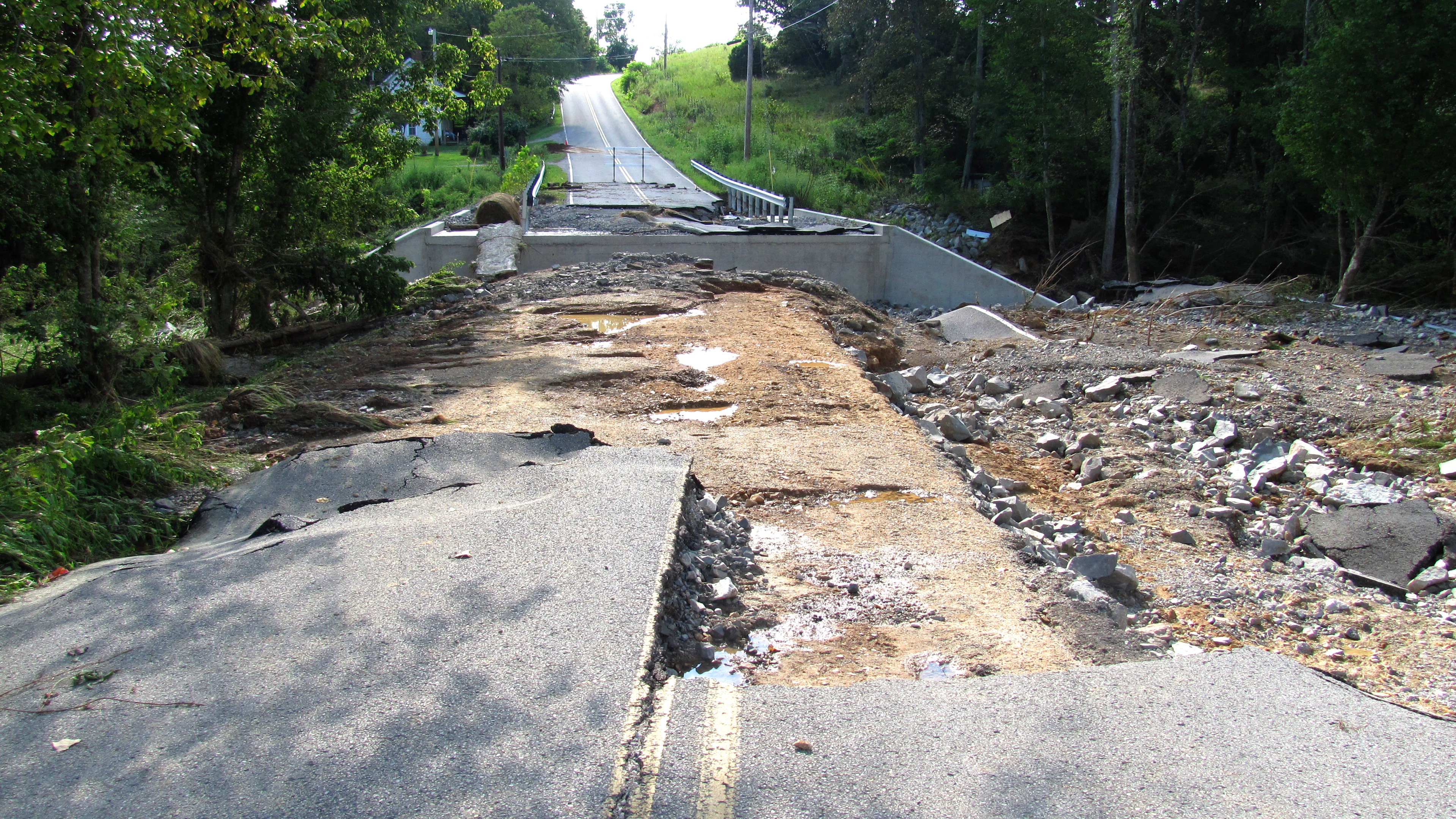
Here’s the terrifying reality: Unlike the faults you hear about in California, the New Madrid Fault lies in a region where buildings, bridges, and infrastructure were never designed with earthquakes in mind. Most structures in the central United States were built assuming the ground would remain stable forever.
A magnitude 7.6 earthquake in the NMSZ could cause losses exceeding $43 billion (adjusted for 2024 inflation). This staggering figure only captures direct property damage, not the cascading economic effects that would ripple across the nation. The region it affects is home to major transportation arteries: highways, railroads, and pipelines that keep goods flowing across the country. If a major earthquake struck, these vital supply lines could be severed, causing disruptions that ripple far beyond the Midwest. Food, fuel, and materials wouldn’t just stop moving – they’d vanish from store shelves faster than toilet paper in 2020.
The geological setting makes everything worse. It’s located within the Mississippi Embayment, a trough filled with soft sediment that amplifies seismic waves. As a result, shaking from even moderate quakes can be intensified and felt across vast distances. The flat terrain and soil makeup also allow tremors to travel farther, potentially impacting a larger swath of the country than a similar quake on the West Coast would.
Scientific Probability Models Point to Inevitable Disaster
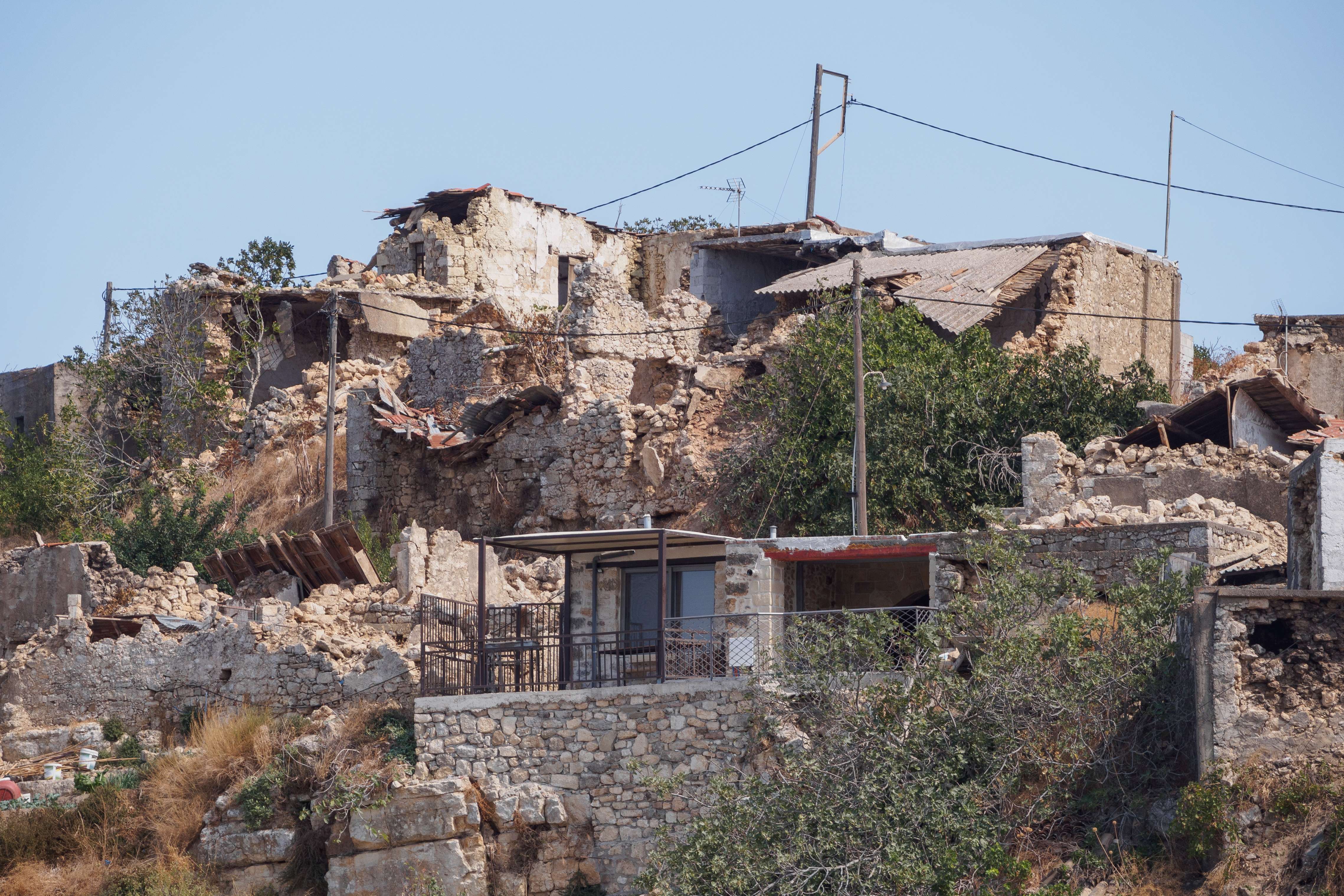
The numbers are sobering, though they come with significant uncertainty. The U.S. Geological Survey predicts that there’s a 7% to 10% chance of a 6.0-magnitude earthquake along the seismic zone within the next 50 years. Meanwhile, According to Dr. Thomas Pratt, a research geophysicist at the U.S. Geological Survey, they only predict a seven percent chance of a magnitude 7 earthquake within the next 50 years.
These percentages might seem reassuring until you realize what they actually mean. A magnitude 6.0 earthquake would cause significant damage across multiple states. Booth said it wouldn’t even take a magnitude 6.0 to cause significant damage. “You get into like the fours, and you start to get damage,” she said. Even smaller earthquakes can topple unreinforced masonry buildings and damage critical infrastructure.
Arkansas State Geologist Scott Ausbrooks said “It’s not if, but when,” Ausbrooks said of the possibility of a large temblor in the area. This stark assessment reflects the scientific consensus that another major earthquake is inevitable, even if its timing remains unpredictable.
Emergency Response Planning Reveals Daunting Challenges
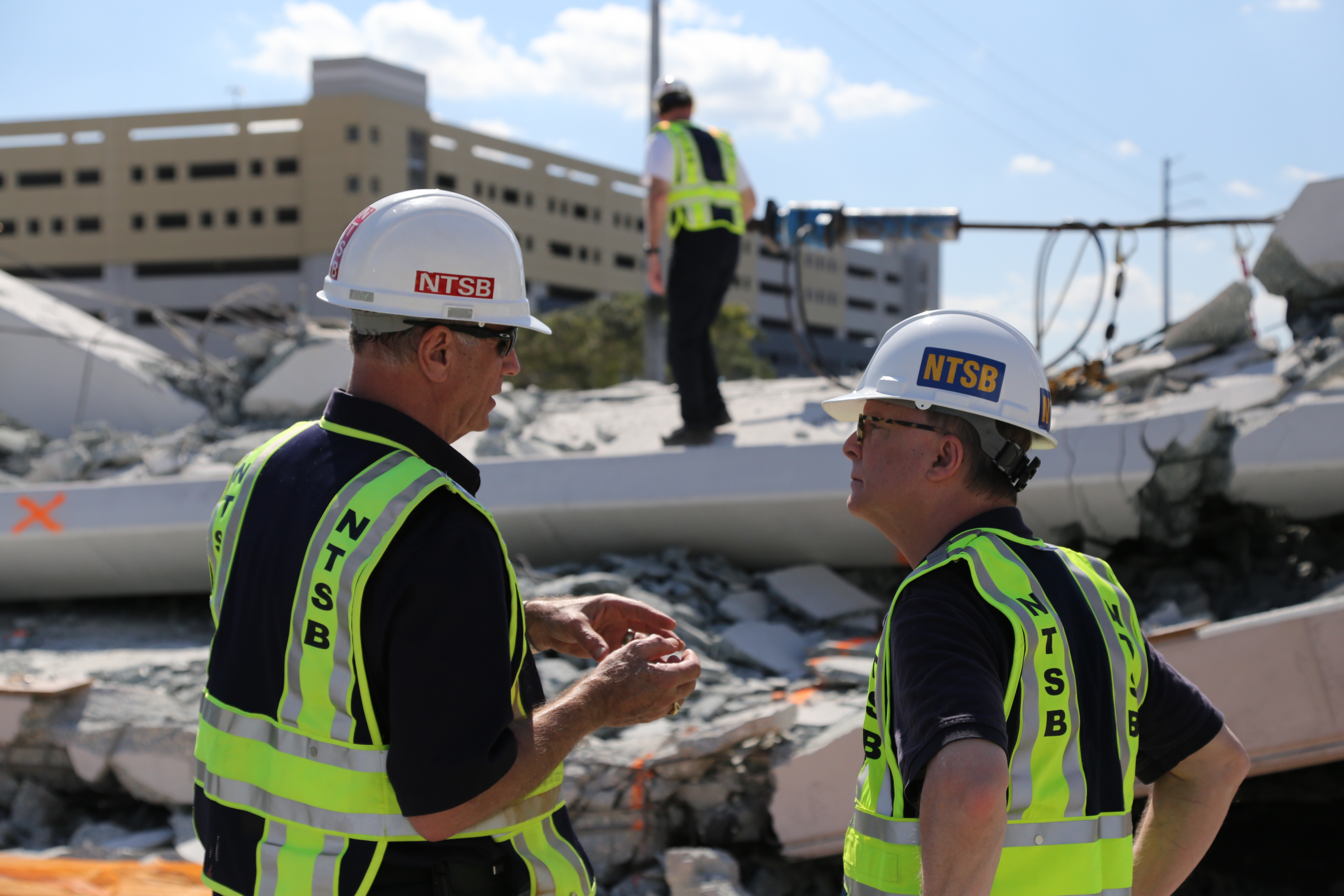
Emergency planners have conducted extensive studies of what would happen during a repeat of the 1811-1812 sequence. The earthquakes of 1811-12 were estimated to be between a M7.0-8.0 and occurred in an area that was sparsely populated. Were these earthquakes to occur today, their effects would be considered catastrophic, directly affecting several million people across eight states and indirectly affecting millions of others.
We don’t know what highways would be accessible, what bridges are going to be accessible. We expect everything east of the Mississippi to be cut off from us,” she said. Help could also be cut off. “We likely won’t have cell service, phones, so communication is going to be a huge problem. Imagine trying to coordinate rescue efforts across multiple states without functioning communication networks.
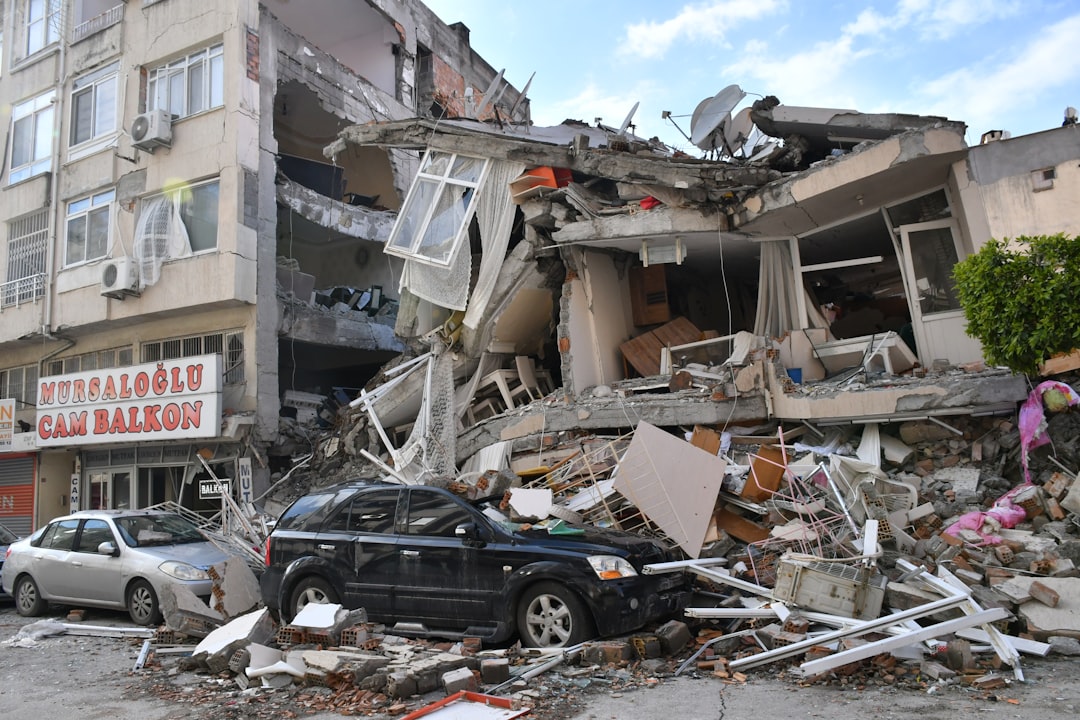
The region’s geography compounds these challenges. Lifelines crossing the region, including highways, bridges, and oil and gas pipelines leading to the northeastern United States., would be severely damaged, particularly in the Mississippi Valley. If the earthquakes were to occur when the Ohio and Mississippi Rivers were high, loss of levees would be likely, along with flooding of low-lying communities.
Community Preparedness Efforts Race Against Time
Despite the overwhelming challenges, communities across the New Madrid region are taking action. Booth said everyone should be “two-weeks ready” for the next big earthquake. This means stockpiling food, water, medications, and other essentials for extended periods without outside help.
Community involvement and education are crucial components of preparedness efforts surrounding the New Madrid Fault Line. Raising public awareness about the potential threat and teaching individuals how to respond during an earthquake can save lives. Schools, businesses, and local governments play a vital role in disseminating information and conducting drills to ensure readiness. By fostering a culture of preparedness, communities can bolster their resilience and reduce the impact of future seismic events.
The challenge lies in maintaining vigilance over decades or even centuries of waiting. Every so often, we’ll get an earthquake [in the seismic zone], and people will get excited again,” said Lacey Kanipe, the public information officer for the state’s department of safety. “Once they realize that we can have earthquakes here, peoples’ interest increases and they want to get involved. Sustaining this interest when nothing dramatic happens for years requires constant effort.
The Verdict: Historical Precedent Demands Urgent Action
The question isn’t whether the New Madrid Fault will produce another historical disaster, but when. So, we don’t ‘expect’ a major earthquake in the next 50 years, but there is a chance there could be one. This uncertainty creates a challenging situation for millions of residents who must balance normal life with disaster preparedness.
Not all natural hazards have to be a natural disaster, and there’s a lot we can do to mitigate the risk,” says Dr. Sherrill. Any potential earthquake can be scary, but a doomsday scenario is highly unlikely. Yet the potential for widespread devastation remains very real, especially given the region’s vulnerability.
The New Madrid Fault represents a unique challenge in American disaster preparedness. Unlike hurricanes or tornadoes, which provide some warning, earthquakes strike without notice. Unlike California’s well-prepared earthquake regions, the Midwest lacks both the infrastructure and cultural awareness needed for major seismic events.
History tells us that the New Madrid Fault produces devastating earthquakes roughly every 500 to 600 years. The last sequence ended in 1812, meaning we’re already well into the window when the next major event could occur. Whether it happens tomorrow or in another century, the impact on modern America would be profound and lasting.
What do you think about living with this geological uncertainty? Should we be doing more to prepare for an earthquake that might not happen in our lifetimes, or is the current level of planning sufficient? Tell us in the comments.
