


When we think of animal families, we often picture harmonious scenes of parents caring for their young or siblings playing together peacefully. However, just like human families, animal families experience conflicts and require methods of discipline to maintain order and ensure survival. From insects to primates, various animal species have developed fascinating strategies to handle disagreements and enforce behavioral standards within their family units. These mechanisms not only help maintain peace but also serve as crucial teaching moments for young animals learning to navigate their social environments. This article explores the diverse ways animal families across the animal kingdom handle conflict resolution and discipline, revealing surprising parallels—and differences—to human family dynamics.
The Evolutionary Purpose of Conflict and Discipline

Conflict and discipline within animal families serve essential evolutionary functions. Rather than being signs of dysfunction, these interactions help prepare offspring for survival and establish necessary social hierarchies. According to evolutionary biologists, disciplinary actions from parents or dominant family members help young animals develop appropriate behaviors that will benefit them throughout their lives. For instance, when a mother wolf growls at her pup for wandering too far from the den, she’s not simply expressing anger but teaching a vital safety lesson. Similarly, siblings competing for resources learn important skills for future resource acquisition and defense. Dr. Sarah Benson-Amram, animal cognition researcher, explains: “What might look like unnecessary aggression to human observers is often a sophisticated teaching method that has evolved over millions of years to prepare young animals for the challenges of adulthood.” These conflicts create opportunities for learning social boundaries, developing problem-solving skills, and understanding one’s place within the group—all critical for survival in complex social species.
Maternal Discipline in Mammals
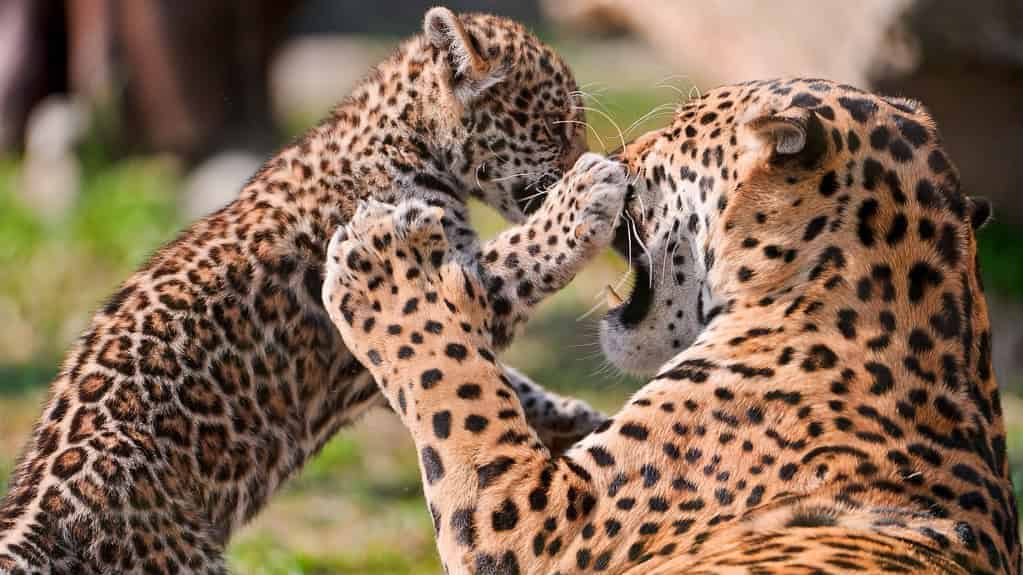
Mammalian mothers employ a range of disciplinary techniques that balance firmness with nurturing care. Female lions, for example, use gentle bites and swats to correct their cubs’ behavior, particularly when cubs become too rough during play or approach dangerous situations. Similarly, chimpanzee mothers have been observed using a graduated approach to discipline: first attempting to distract an errant youngster, then escalating to physical interventions like pulling, pushing, or swatting if the undesired behavior continues. Elephant matriarchs demonstrate complex disciplinary systems where the entire family may participate in correcting a juvenile’s behavior. Dr. Joyce Poole, who has studied elephant behavior for decades, notes that elephant mothers will use their trunks to guide calves away from danger or give a gentle push to indicate disapproval. Notably, mammalian mothers rarely discipline through food deprivation, as nutrition remains a separate priority from behavioral correction. This maternal discipline is typically proportional to the situation, with more dangerous behaviors receiving stronger corrections, showing a sophisticated risk assessment capability across mammalian species.
Paternal Roles in Family Discipline
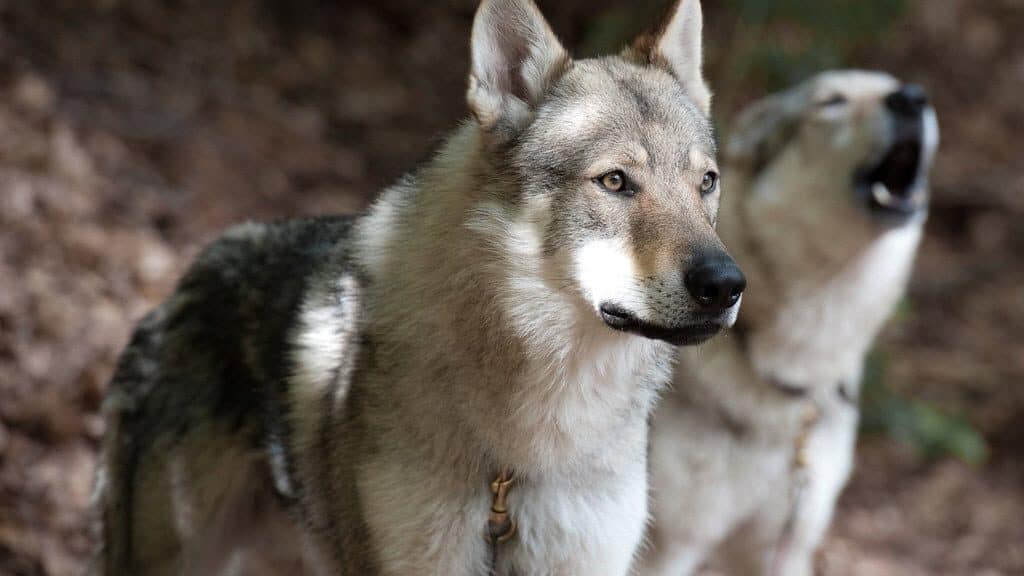
While maternal discipline is common across species, paternal involvement in family discipline varies dramatically based on the species’ mating and parental care systems. In species with significant paternal investment, males often play distinct disciplinary roles. Wolf packs provide a striking example, where fathers actively participate in teaching proper hunting behavior and pack etiquette. Male wolves will use body blocking, growling, and sometimes physical corrections to guide pups toward appropriate behaviors. In marmoset families, fathers who carry infants for significant periods develop strong disciplinary bonds, using vocalizations to warn youngsters of danger or inappropriate behavior. Conversely, in species like lions, where males may be newcomers to a pride, paternal discipline is minimal or even potentially dangerous to cubs. Marine species offer interesting examples as well—male seahorses, who carry and birth the young, use water jets and body movements to keep their newly released offspring in safe areas. The variability in paternal discipline across species highlights how evolutionary pressures shape family dynamics and disciplinary approaches based on each species’ unique ecological and social constraints.
Sibling Conflict Resolution
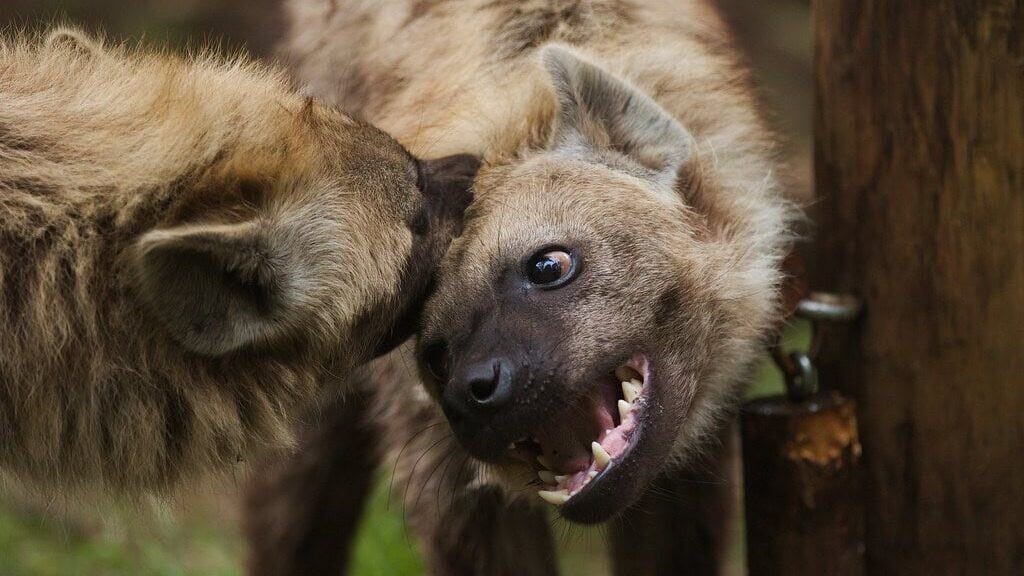
Siblings in animal families frequently engage in conflicts that serve as important training grounds for developing social skills and establishing hierarchies. These interactions range from seemingly rough play to serious competitions for resources. Spotted hyena cubs, for example, begin fighting within hours of birth, establishing dominance relationships that may last a lifetime. This early conflict, while appearing brutal to human observers, creates clear social structures that ultimately reduce more serious aggression later in life. Among bird species like eagles and egrets, sibling aggression can be intense during food shortages, sometimes resulting in siblicide—the killing of weaker siblings. While harsh, this behavior ensures that at least some offspring survive when resources cannot support the entire brood. More cooperative species like meerkats show fascinating conflict resolution mechanisms where siblings learn to take turns, share resources, and engage in reconciliation behaviors after disputes. Researchers from the University of Cambridge have documented that young ravens who fight will often engage in friendly contact afterward, suggesting primitive forms of conflict resolution. These sibling interactions create a natural laboratory for developing the social intelligence needed to navigate complex group dynamics in adulthood.
Primate Conflict Management Strategies
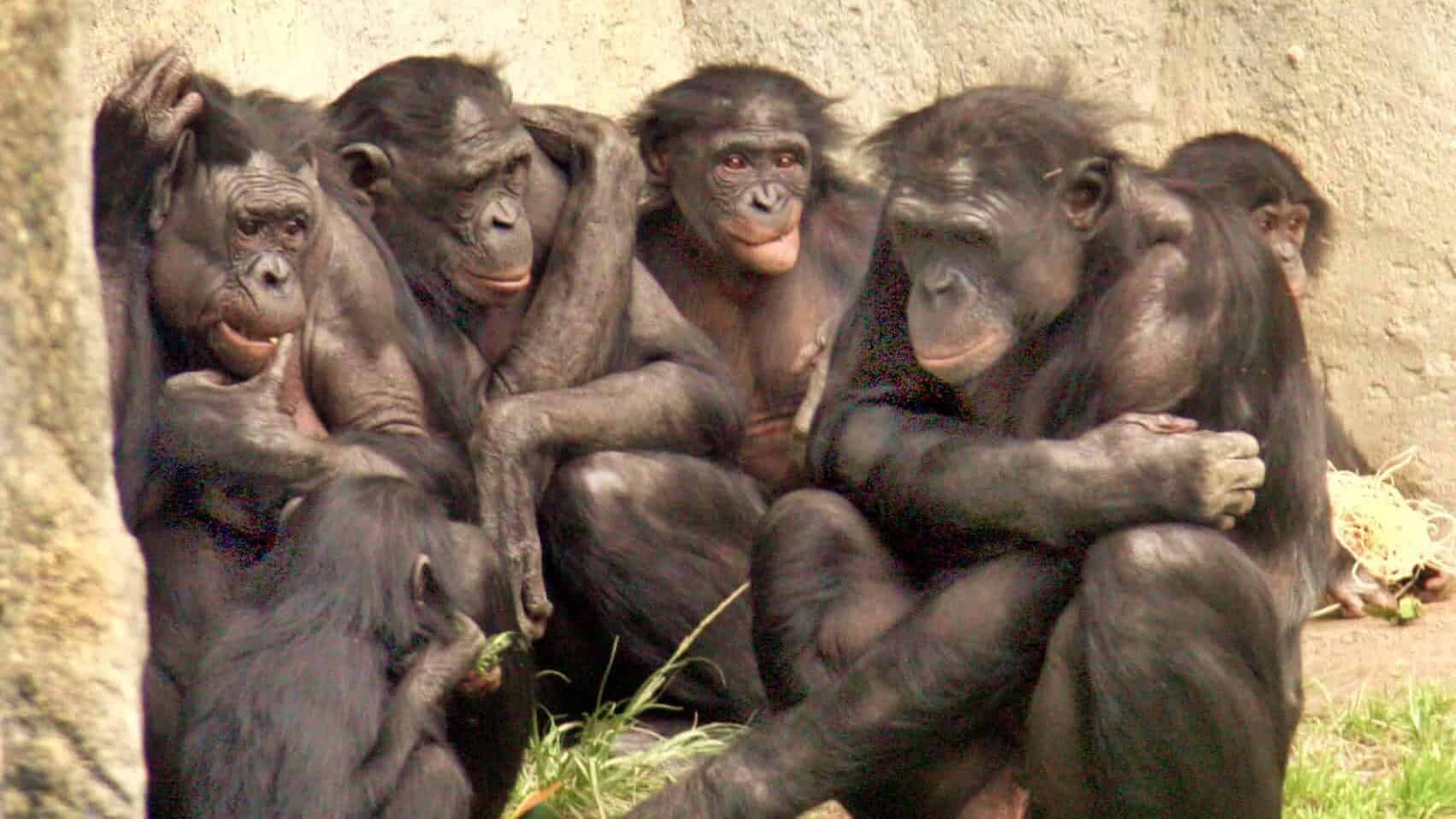
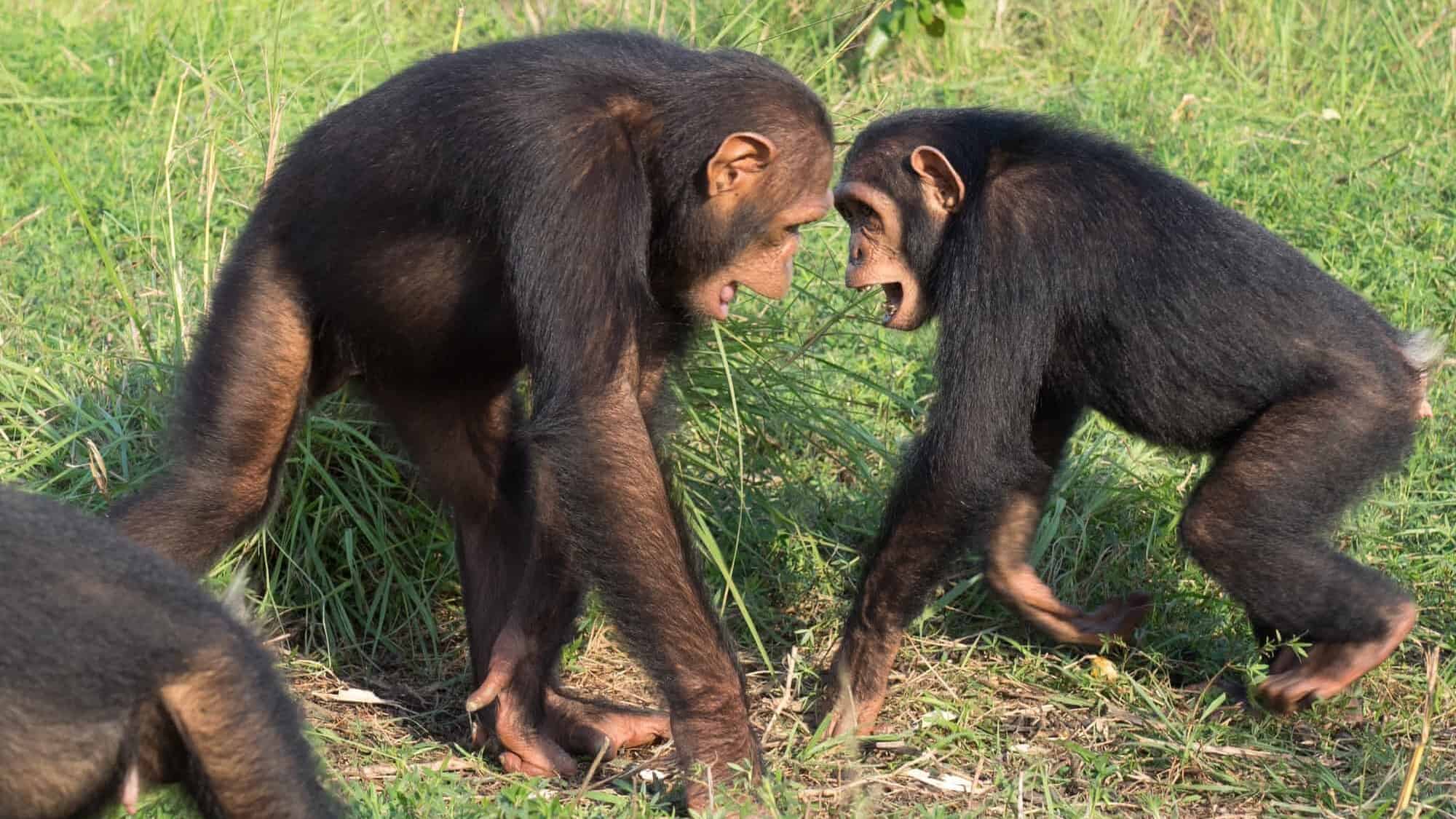
Our closest evolutionary relatives, the primates, demonstrate some of the most sophisticated conflict management and disciplinary systems in the animal kingdom. Primatologists have documented varied approaches across different primate species. Chimpanzees maintain complex social hierarchies where dominant individuals enforce rules through displays of aggression, but also engage in reconciliation through grooming and embracing after conflicts. Japanese macaques teach their young social rules through a combination of gentle guidance and temporary social isolation when norms are violated. Particularly fascinating is the role of third-party peacekeepers in some primate societies. Bonobo groups, known for their relatively peaceful social structures, have been observed having older, respected females intervene in conflicts between younger members, physically separating fighting individuals and calming tensions. Dr. Frans de Waal, renowned primatologist, has documented numerous cases of empathy and fairness in primate discipline, noting that “punishment in primate societies isn’t merely about dominance, but about maintaining social cohesion.” This balance between enforcement and reconciliation creates stable primate societies where rules are maintained without permanently damaging important social bonds—a sophisticated approach that hints at the evolutionary roots of human conflict resolution.
Insect Colonies: Collective Discipline

Insect societies represent a fundamentally different approach to family discipline, with collective enforcement of behavioral norms rather than individual correction. In honeybee colonies, workers will physically remove individuals that threaten hive health, such as infected bees or unproductive males after mating season. This isn’t personal discipline but rather a collective immune response prioritizing colony survival over individual welfare. Ant colonies show remarkable systems where specialized “police” workers prevent unauthorized reproduction by worker ants, maintaining the reproductive monopoly of the queen. When worker ants attempt to lay eggs, these police ants will destroy the eggs or sometimes physically restrain the reproductive workers. Research from Arizona State University has revealed that in some ant species, minor workers will actually physically restrain larger soldiers who attempt to leave the nest during dangerous conditions. Termite societies implement strict caste systems where each individual’s role is biochemically determined and enforced through pheromone signals rather than physical discipline. These insect societies demonstrate how discipline can evolve as a distributed function rather than a parental responsibility, creating highly efficient systems where individual behavior is regulated for collective benefit through chemical signals, resource allocation, and sometimes physical enforcement.
Avian Parenting: Teaching Through Consequences
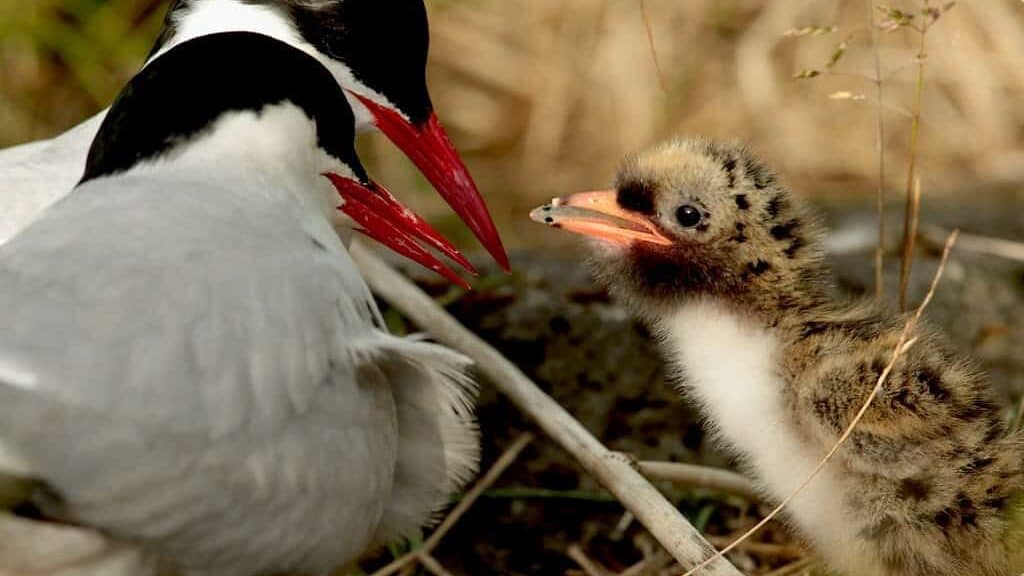
Birds demonstrate fascinating approaches to family discipline, often employing natural consequences as teaching tools. Rather than direct physical correction, many bird species allow their young to experience the results of their actions within a protected context. Seabird parents like gulls and terns will gradually reduce food delivery as chicks mature, encouraging them to develop hunting skills independently. Young birds who fail to practice these skills face hunger—a natural consequence that motivates learning without parental aggression. Crow families employ sophisticated teaching methods where parents demonstrate tool use and problem-solving, then allow juveniles to attempt tasks with decreasing assistance. Researchers from the University of Washington have documented crow parents creating increasingly difficult challenges for their young, intervening only when necessary. In colonial nesting species like herons and egrets, parents enforce nest territory boundaries by allowing neighboring adults to peck at wandering chicks, teaching them spatial boundaries through natural social consequences. This approach of guided natural consequences creates resilient young birds who learn from experience while still benefiting from parental protection during the most dangerous learning phases. The avian approach demonstrates how discipline can be embedded within the learning process itself rather than imposed as a separate corrective measure.
Marine Mammals: Discipline Through Play
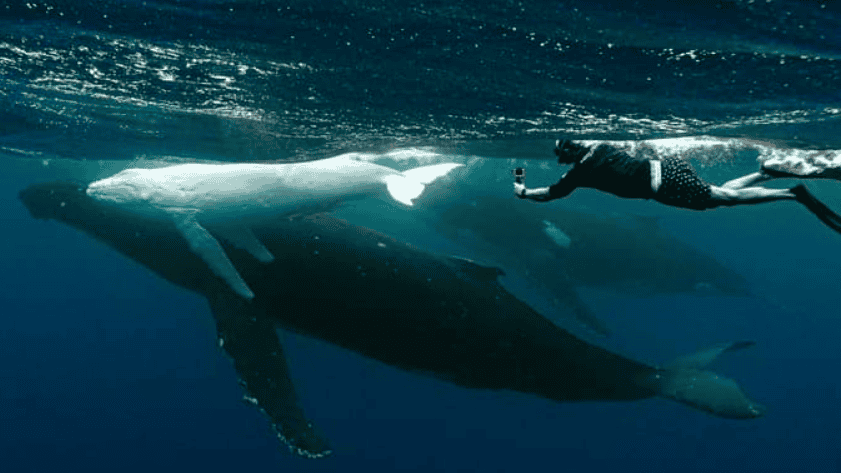
Marine mammals like dolphins, orcas, and sea lions have developed disciplinary systems deeply integrated with play behaviors, creating learning environments that blend fun with firm boundaries. Dolphin mothers use a technique researchers call “disciplinary play,” where they deliberately create challenging situations for their calves within the safety of supervised play. For example, mothers might swim away quickly, encouraging calves to keep pace, or gently push calves through more turbulent waters to build swimming skills. When calves behave dangerously, like swimming too far from the pod, dolphin mothers use body blocking or may even hold the calf briefly with their mouths to prevent wandering. Orca pods demonstrate remarkable coordination in discipline, with multiple adults participating in correcting a juvenile’s behavior. According to marine biologist Dr. Ingrid Visser, orcas use a graduated system where mild infractions receive gentle guidance, while more serious violations might result in temporary social isolation where the juvenile is ignored by the pod for short periods. Sea lion colonies show interesting “babysitting” arrangements where certain adults supervise groups of pups, enforcing behavioral boundaries through barking vocalizations and body positioning. These marine mammals demonstrate how discipline can be woven into natural play behaviors, creating positive learning environments while still maintaining clear boundaries.
Hierarchical Discipline in Pack Animals
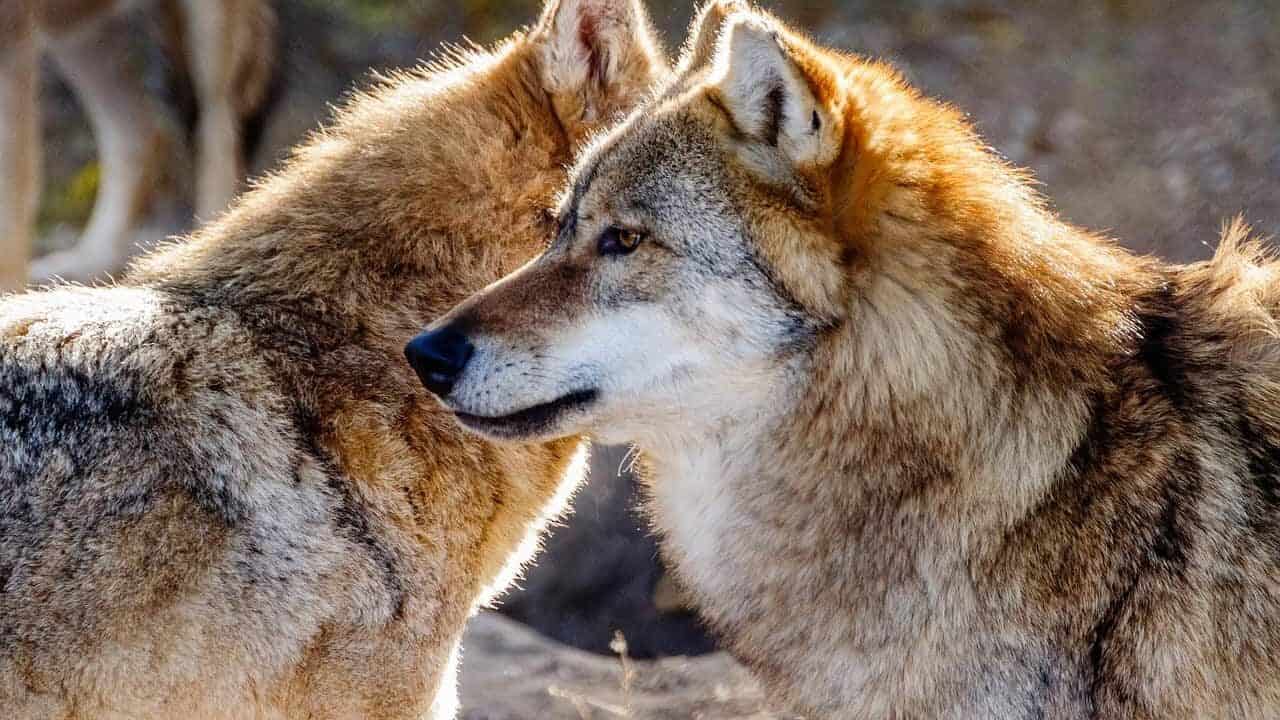
Pack animals like wolves, wild dogs, and hyenas implement disciplinary systems based on clear hierarchical structures, creating ordered societies where each member understands their position and responsibilities. In wolf packs, the alpha pair maintains order through a sophisticated language of body postures, vocalizations, and occasional physical corrections. Rather than frequent aggression, wolf hierarchy is maintained primarily through subtle signals—a stare, a growl, or a dominant posture often suffices to correct behavior without escalation to violence. Dr. David Mech, who has studied wolves for over 60 years, notes that functioning wolf packs operate less through dominance fights and more through a family structure where younger members naturally defer to experienced leaders. African wild dogs employ a more democratic approach, where the entire pack participates in disciplining members who violate important norms, such as taking food before vulnerable pack members have eaten. Spotted hyena clans present a fascinating case where rank is inherited maternally, with even the lowest-ranking female dominant over males from outside the clan. Discipline in hyena society follows this strict hierarchy, with higher-ranking individuals having correction privileges over those below them. These highly social carnivores demonstrate how well-defined hierarchical systems can create stable social orders where discipline follows clear, predictable patterns that all members understand from an early age.
Herd Animals: Safety Through Conformity
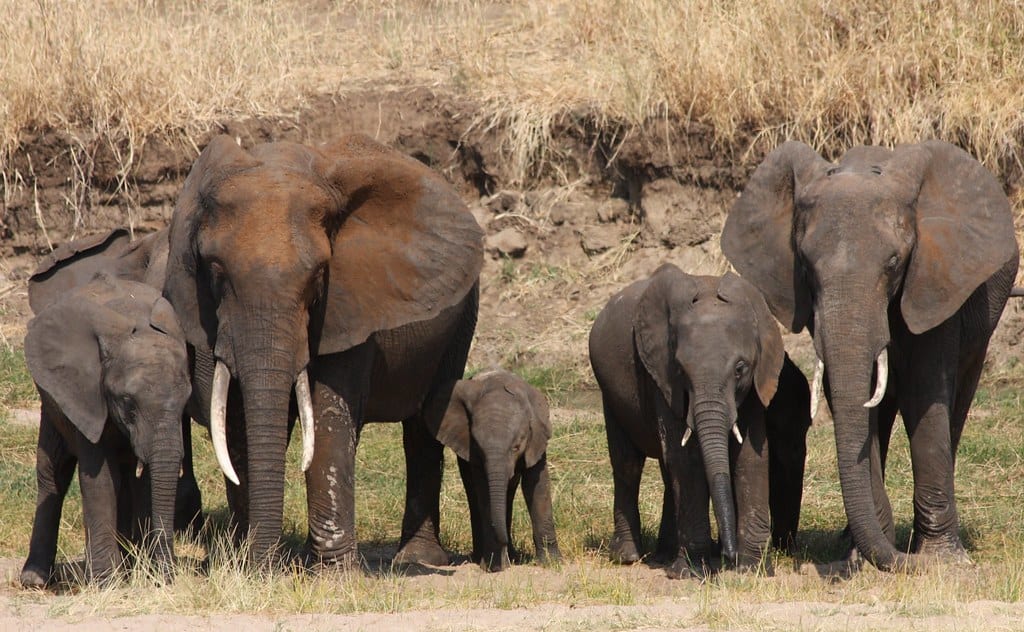
Herd animals like elephants, bison, and various antelope species enforce discipline through mechanisms that prioritize group cohesion and safety. In these species, conformity to group movement and behavior isn’t merely preferred—it’s essential for survival. Elephant herds, led by experienced matriarchs, maintain discipline through a combination of vocal communications and physical guidance. Young elephants who stray too far from the herd might receive a trunk slap or be physically guided back to safety by older females. The communal nature of elephant child-rearing means that all adult females participate in disciplining calves, creating consistent standards across the herd. Bison herds show interesting disciplinary patterns during migrations, where adults will deliberately slow their pace when calves fall behind, but use head butts and charges to keep juveniles moving during dangerous situations like river crossings. Research from Utah State University revealed that in pronghorn antelope, mothers initially respond to predator threats by fleeing with their young, but if fawns don’t follow quickly enough, mothers return and forcefully push them into motion—a harsh but potentially life-saving form of discipline. Across these herd species, discipline focuses primarily on maintaining group cohesion and movement patterns, with violations that threaten group safety receiving the swiftest and most decisive corrections from multiple adult members.
The Role of Play in Establishing Boundaries
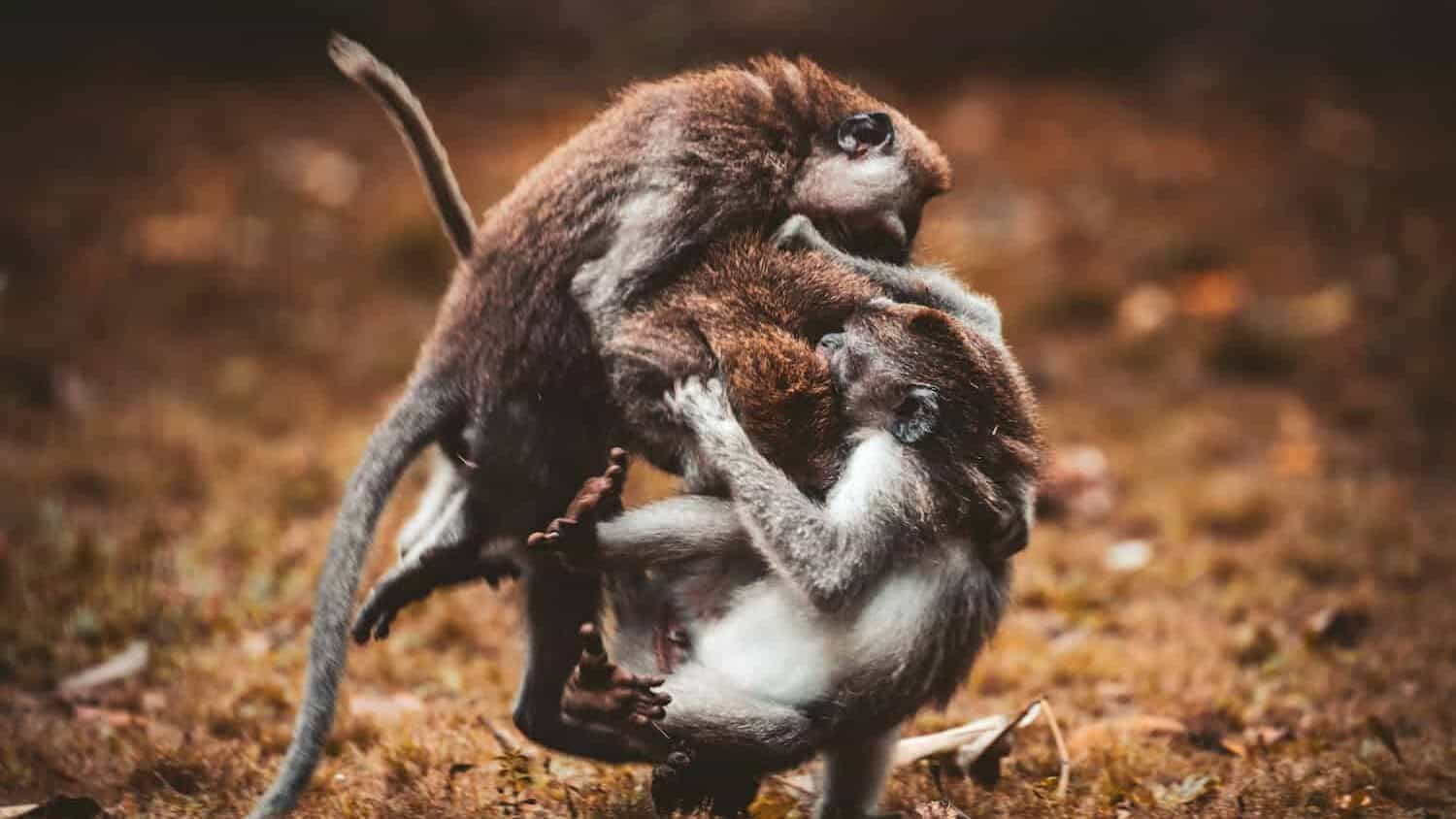
Play serves as a crucial context for teaching appropriate boundaries and social rules across numerous animal species, functioning as a natural disciplinary classroom. When young animals play, they test limits and learn the consequences of different behaviors in a relatively safe environment. Canid species like wolves, foxes, and domestic dogs use play sessions to establish what researchers call a “play morality,” where certain behaviors are accepted while others result in play termination or correction. Juvenile wolves who bite too hard or fail to respect submission signals from playmates quickly find themselves excluded from future play—a natural consequence that teaches appropriate bite inhibition and response to social cues. Primates like macaques and chimpanzees use play fighting to establish hierarchies and boundaries without the risks of actual aggression. Young bears engage in wrestling matches that appear rough to human observers but actually involve sophisticated self-handicapping by stronger participants. Dr. Marc Bekoff, pioneer in animal play research, has documented that many species maintain “play signals” (like the canid play bow) that establish a context where rough behaviors are understood as non-threatening. When these signals are violated, discipline occurs naturally through play termination. This play-based learning system allows young animals to internalize complex social rules through direct experience rather than explicit teaching, creating natural opportunities for discipline that feels like fun rather than punishment.
Cross-Species Variations in Disciplinary Approaches
The diversity of disciplinary approaches across the animal kingdom reveals fascinating adaptations to each species’ ecological niche and social structure. Solitary predators like tigers employ fundamentally different teaching methods than highly social species like meerkats. Tiger mothers create graduated learning experiences where cubs initially observe hunts from hiding, then participate in increasingly challenging stages, with mothers using growls and swats to correct dangerous mistakes. This highly individualized approach contrasts sharply with meerkat family discipline, where the entire group participates in teaching young foraging skills and predator avoidance. Species facing high predation risk, like Thomson’s gazelles, typically employ immediate, intense corrections with little room for trial and error. Conversely, species in safer environments, like ravens in protected territories, can afford more exploratory learning with gentler corrections. Species with extended developmental periods, such as great apes, show more sophisticated and varied disciplinary approaches than those with rapid development like rodents. These cross-species variations highlight how disciplinary systems evolve to address each species’ particular challenges and opportunities. Dr. Katherine Cronin of the Max Planck Institute notes: “When we examine disciplinary patterns across species, we’re really seeing different solutions to the universal challenge of preparing offspring for their specific ecological and social realities.” This diversity of approaches demonstrates the remarkable adaptability of parental behavior to meet the unique demands of each species’ lifestyle and environment.
As we survey the remarkable diversity of conflict resolution and disciplinary strategies across the animal kingdom, certain universal patterns emerge that transcend species boundaries. Whether through a lioness’s gentle correction of her cubs, a wolf pack’s hierarchical enforcement of rules, or an ant colony’s collective regulation of behavior, animal families have evolved sophisticated systems to maintain order and teach essential skills to the next generation. These varied approaches all serve the same fundamental purposes: ensuring survival, promoting group cohesion, and preparing young animals for the challenges of adult life. What appears initially as simple aggression or dominance often reveals itself, upon closer examination, to be a nuanced teaching method developed over evolutionary time to address specific ecological and social needs. For human observers, understanding these animal disciplinary systems provides valuable perspective on our own approaches to family conflict resolution, reminding us that discipline, at its evolutionary core, is not about punishment but about teaching and protection. As we continue to study how animal families navigate the universal challenges of raising competent offspring, we gain not only scientific knowledge but also potential wisdom for our own family dynamics.

- The Animal Kingdom’s Greatest Detectives: Nature’s Sleuths - July 18, 2026
- 10 Snakes You Should Be Aware of in the US (and 4 You Don’t) - July 18, 2026
- Why Killer Whales Are Suddenly Attacking Boats - July 18, 2026