

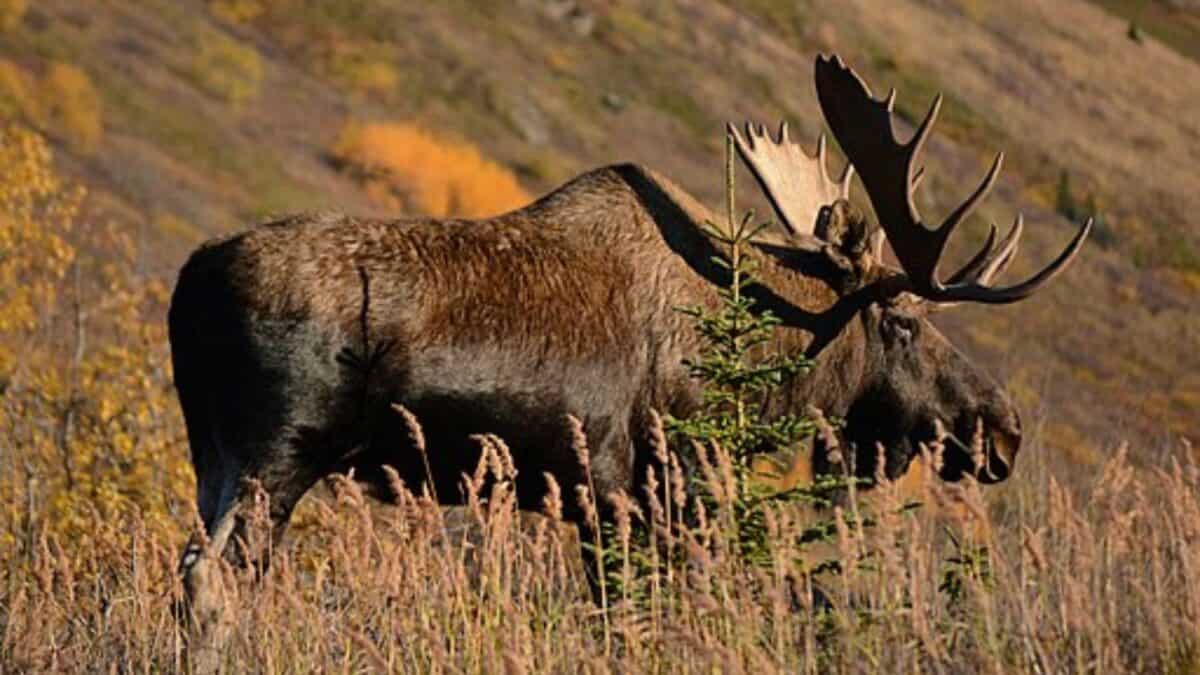
The moose is an iconic symbol of the Canadian wilderness, and New Brunswick is no exception. Standing up to 6 feet tall at the shoulder, the moose is the largest member of the deer family. These majestic creatures are often found in mixed forest regions and wetlands, where they feed on aquatic plants and shrubs. During the summer, they are quite common in areas like Fundy National Park and the forests surrounding the St. John River. Sightings are most frequent during dawn and dusk, especially in areas near water sources. Not only are moose crucial to the ecosystem as browsers, but they also hold significant cultural and economic value for eco-tourism.
Black Bear

Black bears are another prominent feature of New Brunswick’s wildlife. Though generally shy and elusive, these bears can occasionally be spotted foraging for berries, nuts, and insects. They are particularly active in the autumn as they prepare for hibernation. Black bears play a vital role in their habitat by helping to disperse seeds and maintain the health of the forests. Human encounters are rare but can be safely navigated with proper bear-aware practices. Understanding their habitat and eating habits offers an intriguing glimpse into the adaptability of mammals in a temperate climate.
White-tailed Deer
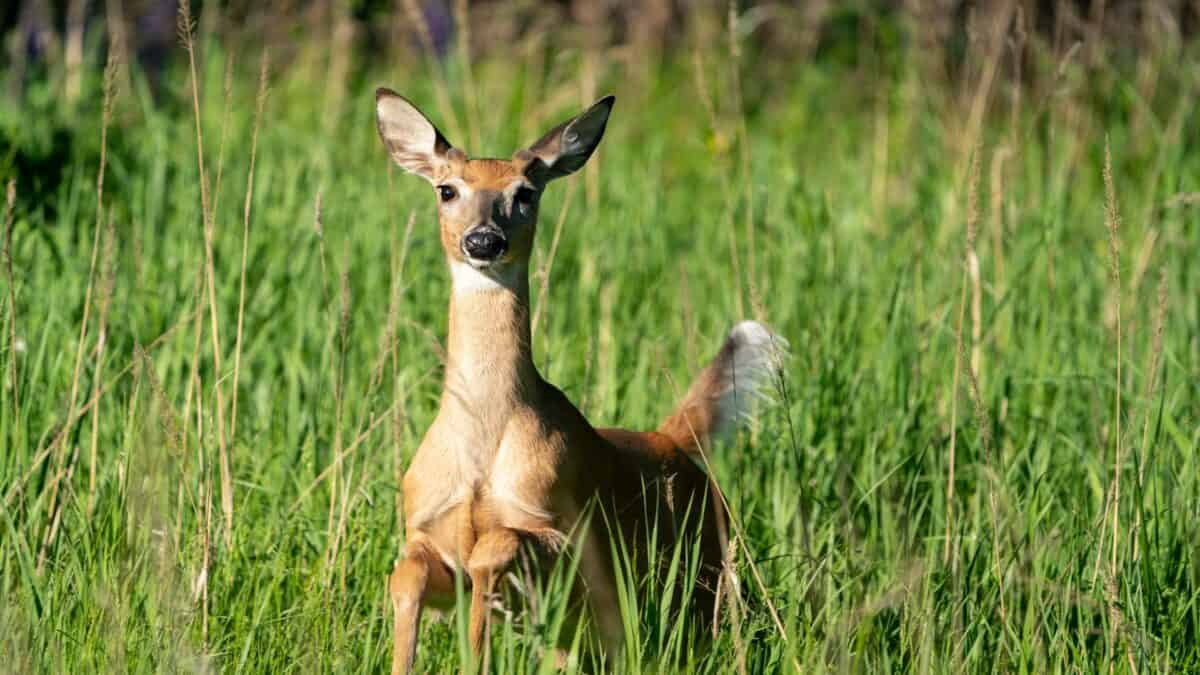
Widely distributed across southern New Brunswick, the white-tailed deer is known for its resilience and adaptability. These sociable mammals are often seen in mixed forests, grasslands, and even suburban areas. During the winter months, deer congregate in “deer yards,” where food is more accessible, and the snow is less daunting. Recognizable by their characteristic white underside of the tail, these animals are essential prey for a variety of carnivores, thus holding a pivotal position in the food chain.
Pine Marten

Although less commonly observed, the pine marten is an important member of the forest ecosystem. This agile carnivore, part of the weasel family, is known for its glossy fur and playful nature. Found primarily in coniferous forests, pine martens play a crucial role in controlling rodent populations. Their presence is a good indicator of forest health, making conservation efforts vital to their preservation. Observers lucky enough to spot one will appreciate their sleek movements and curious behavior.
Atlantic Salmon

The rivers of New Brunswick are famed for their Atlantic salmon, renowned among anglers for their strength and agility. The Miramichi River, in particular, is world-famous for its abundant salmon run. This species undertakes epic migratory journeys from the ocean back to their freshwater natal rivers to spawn. Conservation efforts are ongoing to protect their habitats from overfishing and environmental changes. The presence of Atlantic salmon not only boosts local economies through recreational fishing but also highlights the province’s commitment to preserving its natural heritage.
Beaver
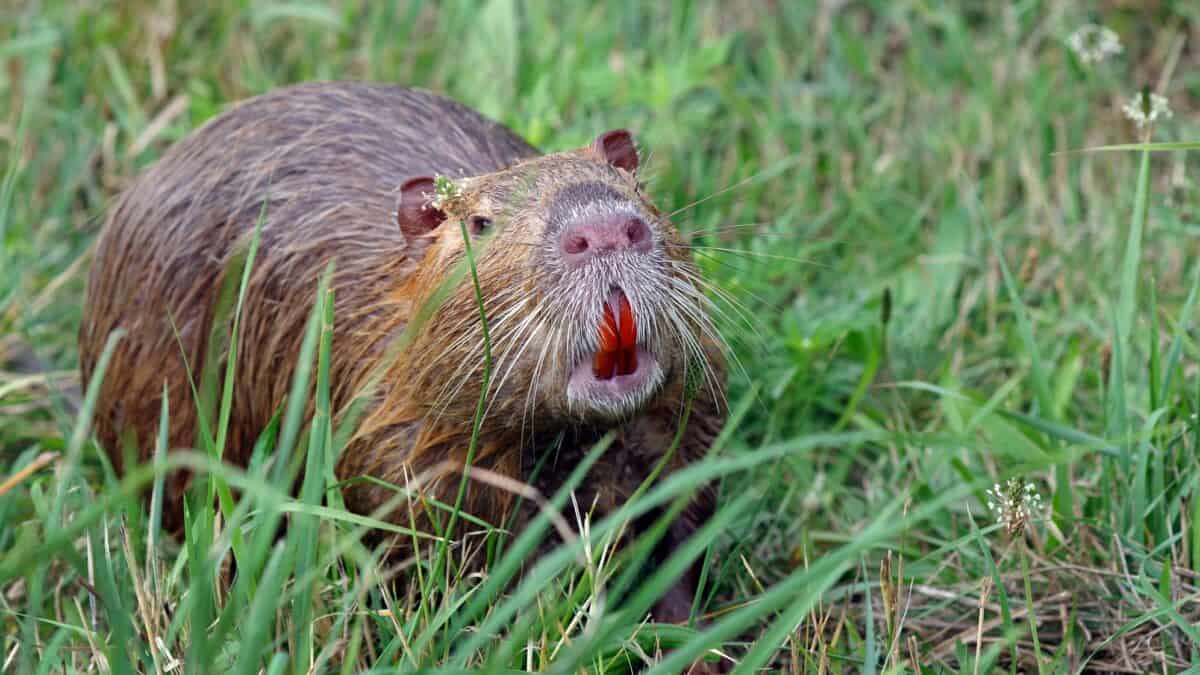
The industrious beaver is another keystone species in New Brunswick. Found in lakes, rivers, and streams, beavers are master builders, creating dams that significantly alter their environments. These structures provide essential wetland habitats for a multitude of other species. Beavers are also widely recognized for their contribution to water management and flood prevention. Watching them at work offers a fascinating insight into their engineering prowess and displays the interconnectedness of wetland ecosystems.
Peregrine Falcon

The peregrine falcon is a magnificent bird species found in New Brunswick. It is known for its remarkable speed and hunting prowess. Following successful conservation efforts, its populations have rebounded from near extinction in the mid-20th century. These falcons are often spotted along coastal cliffs and in urban areas, where they nest on tall buildings. They are the fastest animals on the planet, capable of reaching speeds over 240 mph during a dive. They capture prey in mid-air with stunning precision.
Porcupine

The North American porcupine is a widespread mammal found throughout the forests of New Brunswick. These solitary creatures are easily recognized by their quills, which provide a formidable means of defense. Porcupines feed on leaves, wood, and bark, and while they are generally nocturnal, they can also be seen during the day in search of food. Their unique adaptation and behavior make them an interesting study for wildlife enthusiasts.
Loons

Common loons are an emblematic feature of the freshwater lakes and rivers in New Brunswick. These birds are admired for their haunting calls, which echo across waters. Their striking plumage and red eyes make them easy to identify, and they are expert divers capable of catching fish at impressive depths. Loons are an indicator species for aquatic ecosystems’ health, and their presence signifies a well-balanced ecological community.
Ruffed Grouse
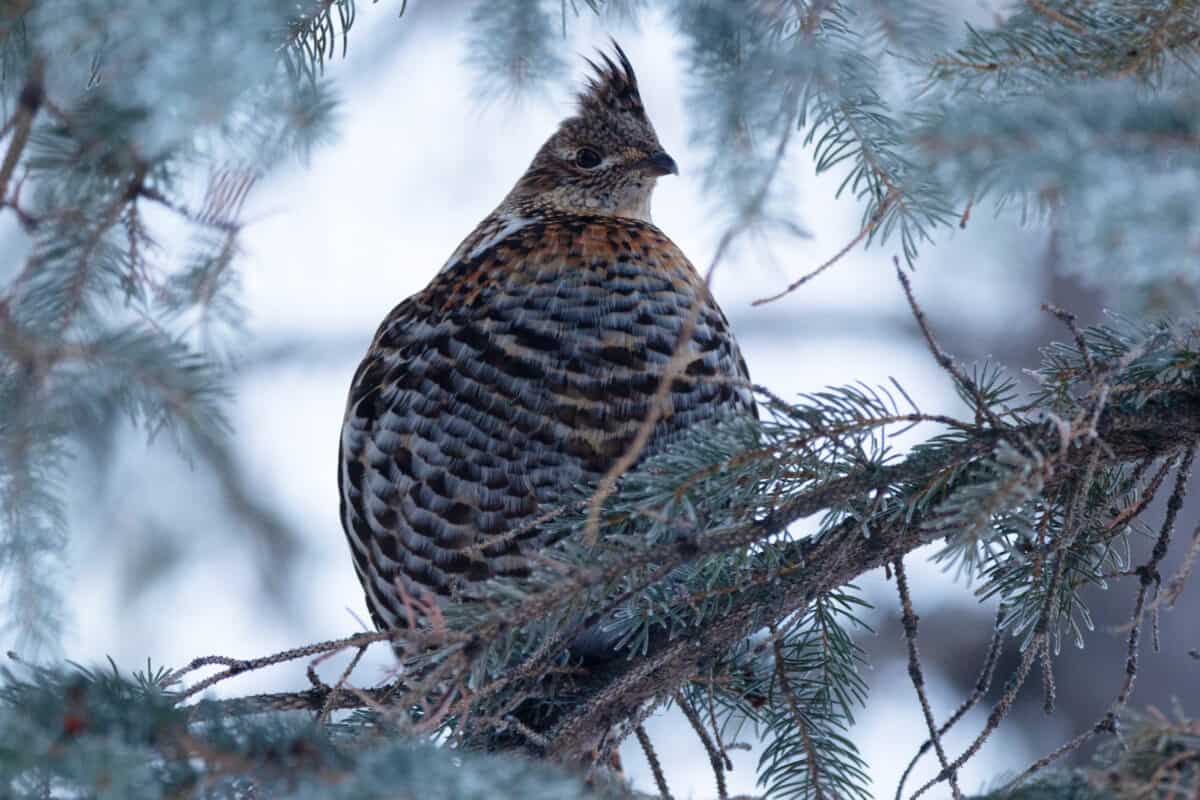
Capping off our top ten is the ruffed grouse, a bird synonymous with the forests of New Brunswick. Often found in mixed and deciduous forests, these birds are renowned for their camouflaged plumage and the male’s distinctive drumming display during the breeding season. Ruffed grouse contribute to the control of insect populations and are a valued game species. Their presence in a forest can suggest a healthy undergrowth and diverse plant life.

As a little kid, I fell in love with nature, wildlife, and animals. Living in the USA, South Africa, Italy, China and Germany gave me the opportunity to discover the world's Wildlife. My favorite animals are Mountain Gorillas, Siberian Tigers, and Great White Sharks.
I'm a certified PADI Open Water Diver, went to Everest Base Camp and Trekked Gorillas in Uganda. I hold a Master of Science in Economics and Finance.
Please send any feedback to feedback@animalsaroundtheglobe.com
- 13 Creatures With Built In Armor - July 18, 2026
- 15 Things Vets Wish You Would Stop Doing To Attract Hummingbirds To Your Garden - July 18, 2026
- What Really Killed the Largest Shark That Ever Lived? - July 18, 2026