

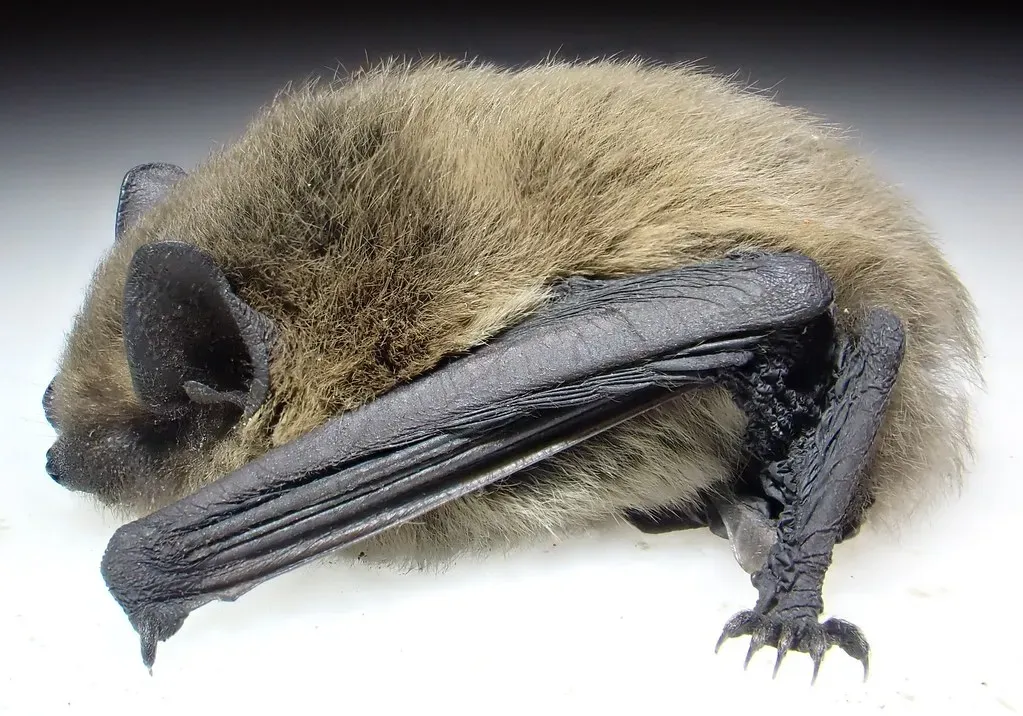
Bats are genuinely one of the most fascinating creatures on the planet, and honestly, we barely give them enough credit. They navigate in total darkness, hunt with sound waves, and have been doing it for millions of years. That alone should make them extraordinary.
What’s even more surprising is that the secrets of how echolocation evolved might have been hiding in plain sight all along – locked inside the shape of their skulls. New research is now cracking that code open in a way that changes what we thought we knew. Let’s dive in.
The Big Question Behind Bat Evolution
Here’s the thing about echolocation: scientists have long debated whether bats developed it before or after they developed flight. It sounds like a chicken-and-egg problem, and in many ways, it is. The order of those two abilities has huge implications for how we understand early bat evolution.
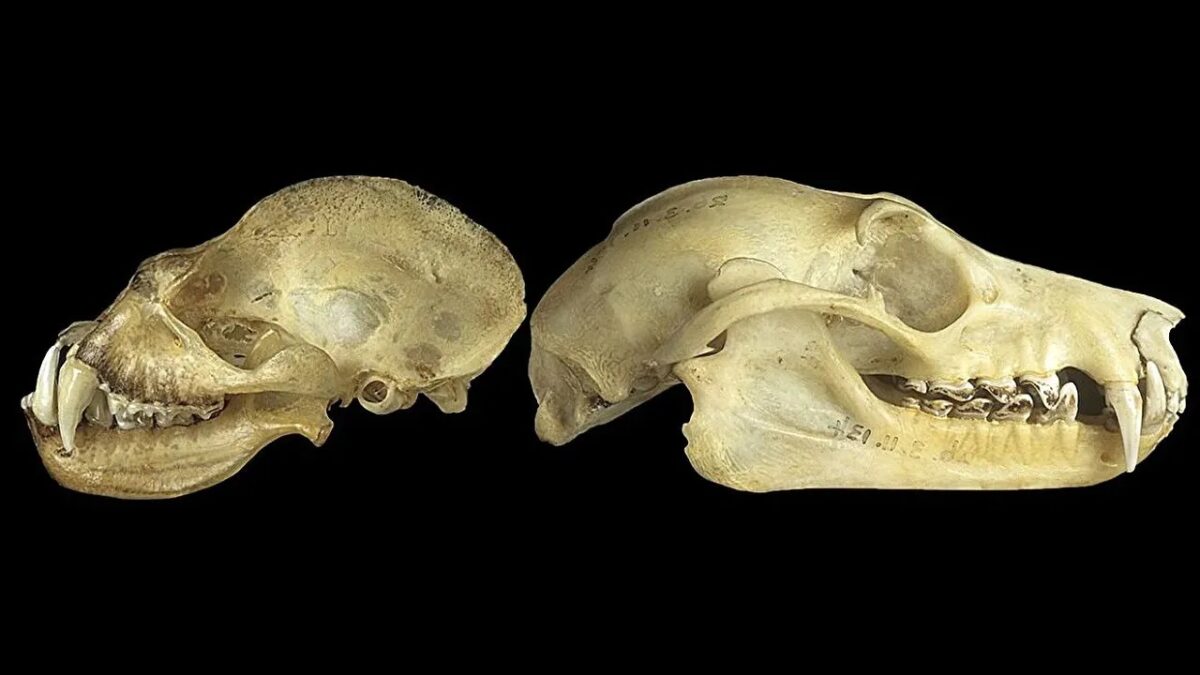
Researchers have now turned to skull morphology, meaning the physical shape and structure of bat skulls, to find new answers. The idea is elegant in its simplicity. If echolocation leaves behind structural traces in bone, then fossils and modern specimens alike become a kind of evolutionary diary. That’s a powerful concept.
Reading the Skull Like a Map
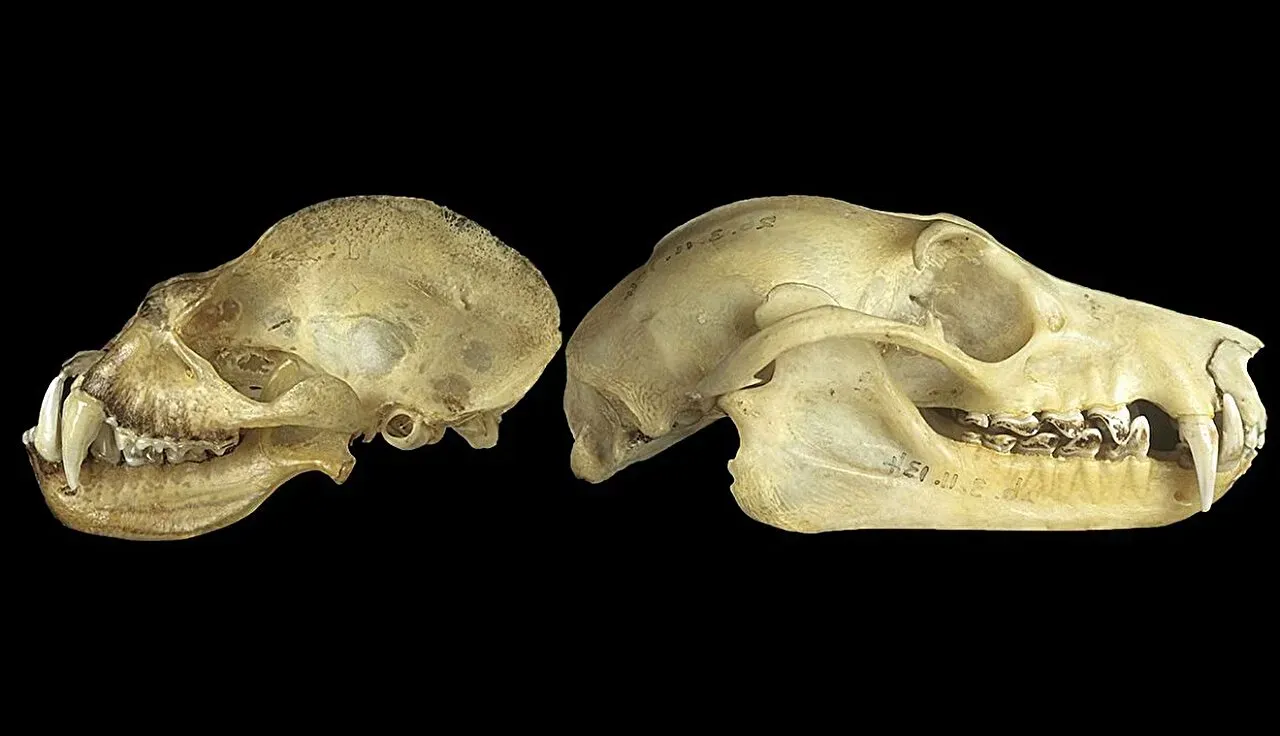
The skull of a bat that uses echolocation isn’t just a skull. It’s a finely tuned acoustic instrument. Certain bony features, particularly around the cochlea and the inner ear region, show dramatic differences between echolocating and non-echolocating species.
Scientists used detailed geometric morphometrics, which is essentially a highly precise method of measuring and comparing biological shapes in 3D, to analyze dozens of bat skulls. What they found was that echolocating bats share a recognizable skull “signature” that non-echolocating bats simply don’t have. Think of it like how a violin and a drum both look different because they do fundamentally different things.
Two Types of Echolocation, Two Different Stories
Not all bat echolocation is the same, and this is where it gets genuinely fascinating. There are bats that echolocate through their mouths and others that do it through their noses. These two groups, called laryngeal and nasal echolocators, have noticeably different skull shapes.
The nasal echolocators, which include species with those wild-looking leaf-shaped noses, show structural adaptations clustered heavily around the facial bones. Laryngeal echolocators, on the other hand, show more changes concentrated near the jaw and lower cranial regions. Two solutions to the same problem, shaped by millions of years of evolution going in slightly different directions. I think that’s one of the most compelling examples of convergent evolution you’ll find anywhere in the animal kingdom.
What Fossil Evidence Adds to the Picture
Modern skull analysis is useful, but the real test of any evolutionary theory is whether it holds up when you push it back into deep time. Fossil bats, some dating back roughly fifty million years, have been brought into this research framework to see whether ancient skulls match the patterns seen today.
Early fossil bats like Icaronycteris, one of the oldest known bat species, already show inner ear structures consistent with some capacity for echolocation. This suggests the ability emerged very early in bat history, possibly in tandem with flight rather than long after it. It’s hard to say for sure, but the skull geometry strongly hints at a much older origin than some researchers had previously estimated.
The Cochlea as the Star of the Show
If one structure keeps appearing in this research like a recurring character, it’s the cochlea. This spiral-shaped bone in the inner ear is extraordinarily sensitive to sound frequency, and in echolocating bats it tends to be proportionally larger and more elaborately coiled than in non-echolocating mammals.
The degree of cochlear coiling actually correlates with the frequency range a bat uses for navigation. High-frequency echolocators, which are able to detect very fine details in their environment, tend to have tighter, more complex cochlear spirals. It’s almost like comparing the resolution settings on a camera sensor. More coiling, sharper acoustic image.
Why This Matters Beyond Bats
Let’s be real, this isn’t just a story about bats. The methodology developed here has implications for understanding sensory evolution across a much broader range of animals. Dolphins, shrews, and even some birds use forms of echolocation, and the question of how those abilities evolved is just as fascinating.
By demonstrating that echolocation leaves a reliable structural signature in skull bones, researchers have essentially built a new diagnostic tool. Applied to fossils of other species, it could reveal whether ancient animals had sensory abilities we never would have guessed from soft tissue evidence alone. That’s a genuinely exciting frontier in paleontology and evolutionary biology.
What This Changes in Our Understanding
This research reframes bat evolution in a meaningful way. Rather than treating echolocation as a kind of mysterious add-on that appeared at some uncertain point in bat history, the skull evidence supports a more integrated picture where acoustic ability and physical form co-evolved tightly over time.
It also reinforces that the skeleton is far more than structural scaffolding. Bones record function. They record behavior. In some cases, they even record the sensory world an animal lived in. Bats have been telling us this story all along through the geometry of their skulls. We just needed the tools to listen.
Conclusion
The idea that a bat’s skull could hold the answer to one of evolutionary biology’s more stubborn questions is, honestly, the kind of thing that makes science feel exciting again. No high-tech brain scans, no genetic sequencing drama. Just careful measurement, comparison, and a willingness to let bones do the talking.
What strikes me most about this research is its quiet confidence. It doesn’t overreach. It lays out the evidence methodically and lets the shapes speak for themselves. In a world of flashy scientific claims, there’s something genuinely refreshing about that approach. What do you think: could something as ancient as a skull shape really rewrite what we thought we knew about one of nature’s most remarkable survival tools? Drop your thoughts in the comments.

- Urban Coyotes Show Remarkable Adaptability, Learning to Thrive in City Environments - July 22, 2026
- Beavers Are Nature’s Engineers, Creating Vital Habitats for Other Wildlife Species - July 21, 2026
- The Recovery of the California Condor Offers Hope for Other Critically Endangered Birds - July 21, 2026