
Worried about unexpected vet bills?
Pet insurance can cover thousands in unexpected vet costs. Get a free quote from Lemonade in under 2 minutes.
Get My Free Quote →Sponsored · Opens Lemonade.com
Few places on Earth stop people cold the way the Grand Canyon does. Standing at the rim, you’re not just looking at a hole in the ground. You’re looking at time itself, stacked in colored layers that stretch more than a mile beneath your feet. The scale is almost too large to process.
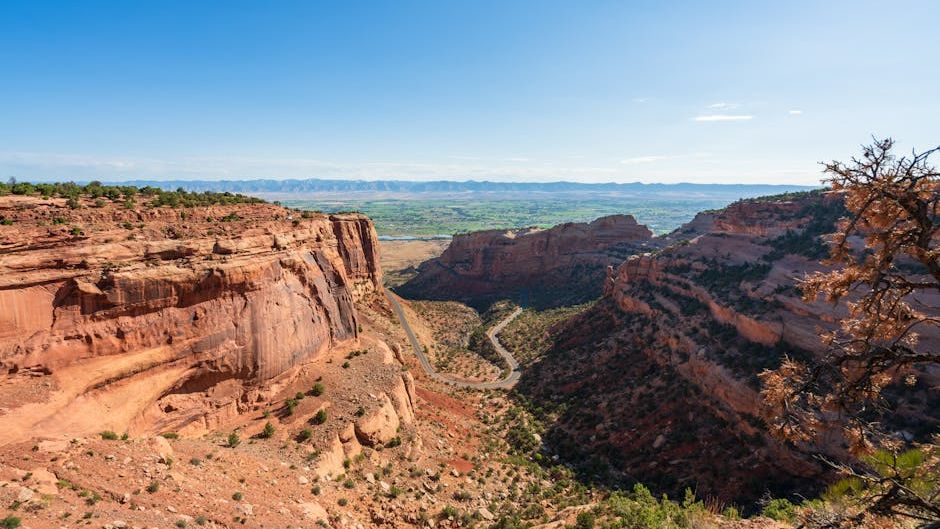
The Grand Canyon formed over millions of years through a combination of Colorado River erosion, tectonic uplift, and weathering, revealing nearly two billion years of Earth’s geological history. What makes it genuinely remarkable is the distinction between the rocks themselves and the canyon that cuts through them. The canyon has formed much more recently than the deposition of rock layers, only about five million years ago, as opposed to the rocks, the youngest of which are a little less than 300 million years old.
The Ancient Foundation: Rocks Older Than Most Life on Earth
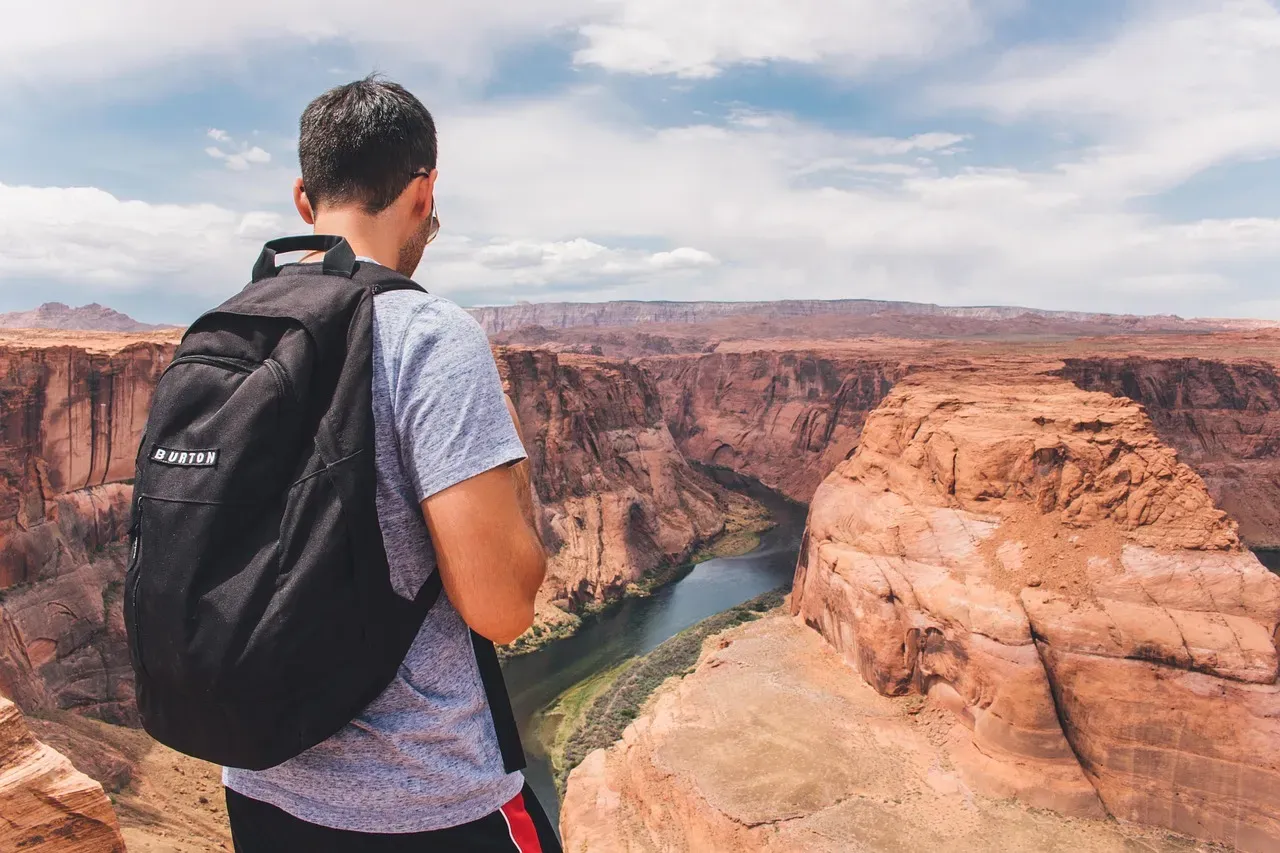
The story begins far deeper in time than most people expect. The oldest rocks in the Grand Canyon, found at the bottom, are primarily metamorphic with igneous intrusions. The intrusive igneous rocks there are called Zoroaster granite, and together with the metamorphic schist they form what is known as the Vishnu Basement Rocks, which are about 1.7 billion years old, from an era early in Earth history known as the Proterozoic.
At about 2.5 and 1.8 billion years ago in Precambrian time, sand, mud, silt, and ash were laid down in a marine basin. From 1.8 to 1.6 billion years ago, at least two island arcs collided with the proto-North American continent. This process of plate tectonics compressed and grafted marine sediments onto the mainland and uplifted them. Later, these rocks were buried nearly twelve miles under the surface and pressure-cooked into metamorphic rock.
The resulting Grand Canyon Supergroup of sedimentary units is composed of nine varied geologic formations that were laid down between 1.2 billion and 740 million years ago in an ancient sea. These layers, visible in the canyon’s inner gorge, represent some of the oldest exposed rock sequences anywhere on the planet. They are the foundation upon which everything else was eventually built.
Layers Upon Layers: How the Canyon’s Walls Were Built
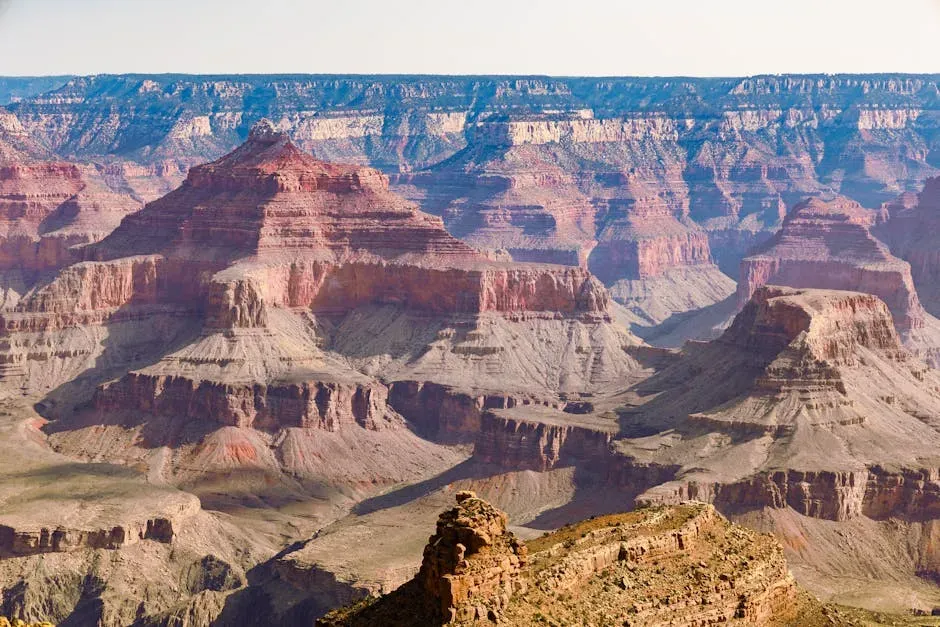
The geology of the Grand Canyon area includes one of the most complete and studied sequences of rock on Earth. The nearly 40 major sedimentary rock layers exposed there range in age from about 200 million to nearly 2 billion years old. Most were deposited in warm, shallow seas and near ancient, long-gone sea shores in western North America.
Over the next several hundreds of millions of years, ocean-fed sediments continued to pile up. The rocks that form the upper two-thirds of the canyon walls, the limestones and shales and sandstones of different shimmering colors, belong to a period between roughly 508 million and 270 million years ago.
Stratigraphy, the study of rock layering, reveals a wealth of information about what Earth was like when each layer formed. In the Grand Canyon, clear horizontal layers of different rocks provide information about where, when, and how they were deposited, long before the canyon was even carved. Think of it as a geological archive, each stratum its own chapter, each color shift a change in climate, sea level, or environment. There are at least 14 known unconformities, or gaps, in the geologic record found in the Grand Canyon.
The Colorado Plateau Rises: Setting the Stage for Erosion
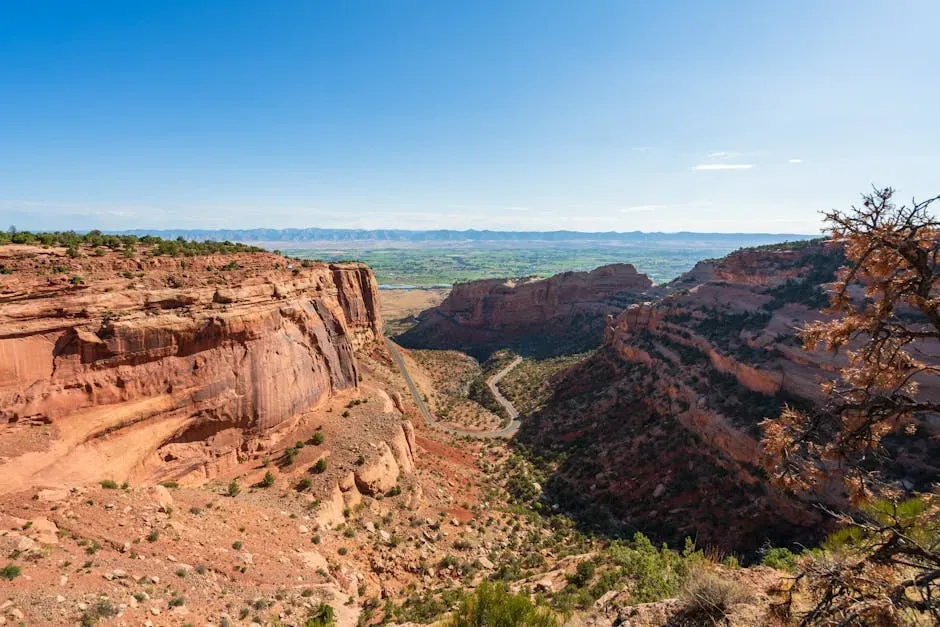
Uplift of the region started about 75 million years ago during the Laramide orogeny, a mountain-building event largely responsible for creating the Rocky Mountains to the east. In total, the Colorado Plateau was uplifted an estimated two miles. That rise was not dramatic in human terms, but in geological terms it was decisive.
The uplift of the Colorado Plateau was a key factor in the canyon’s formation. This geological event steepened the river’s path, allowing it to cut deeper into the earth. The uplift enabled the river to carve the canyon to its current depth of more than a mile in some places.
As the plateau rose, the Colorado River cut its way downward, creating the mile-deep chasm of the Grand Canyon. This extraordinary depth resulted from the powerful erosion of the river, whose power to erode was a consequence of its steep drop combined with the rapid uplift of the plateau. Without that uplift, the river would simply have meandered. The elevation change gave it teeth.
The Colorado River Carves Through: Five to Six Million Years of Work
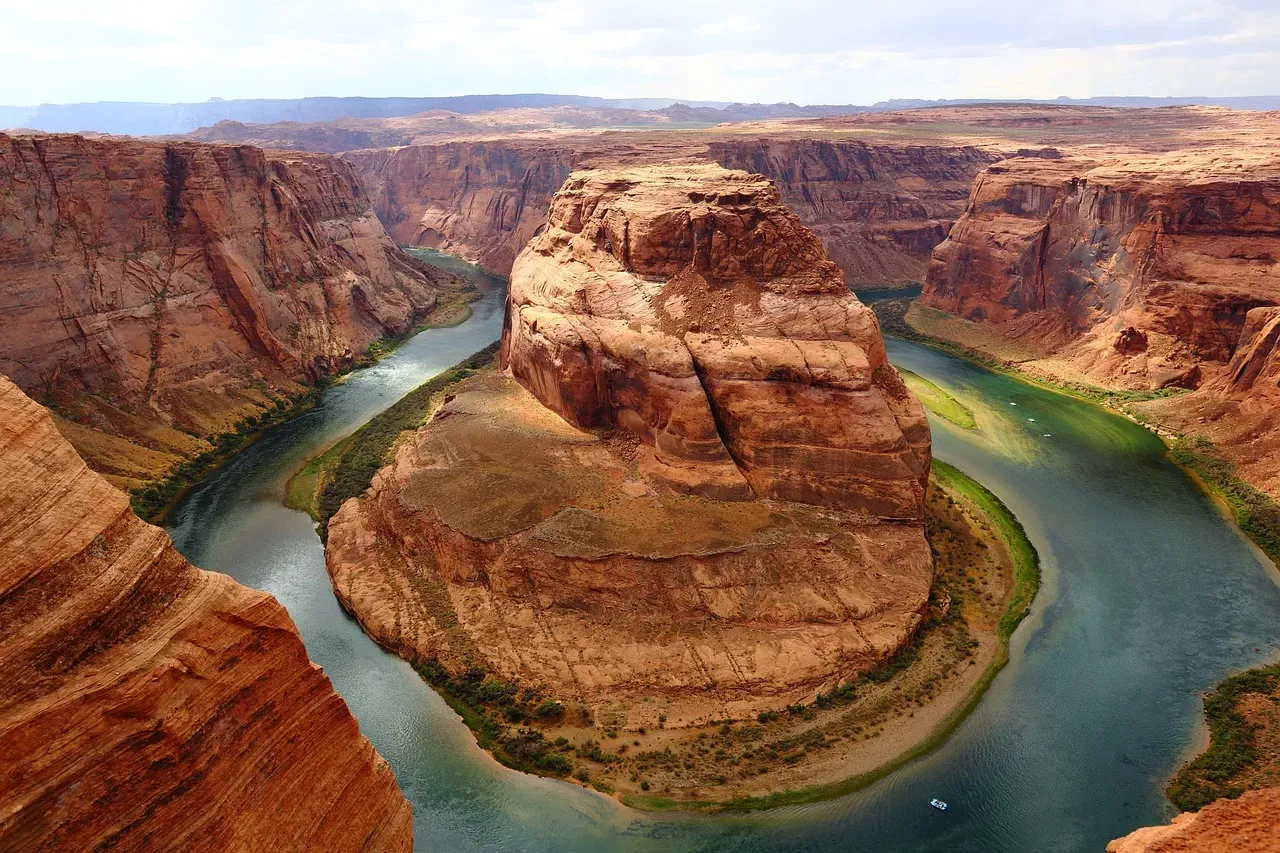
The base level and course of the Colorado River changed about 5.3 million years ago when the Gulf of California opened and lowered the river’s base level. This increased the rate of erosion and cut nearly all of the Grand Canyon’s current depth by 1.2 million years ago.
About six million years ago, the river began carving its way through the rock layers of the Colorado Plateau. The river’s rapid flow, combined with its load of mud, sand, and gravel, cut deep into the earth. Before the construction of Glen Canyon Dam was completed in 1966, the river carried an impressive average of 500,000 tons of sediment per day, showcasing its incredible erosive power.
Several recent studies support the hypothesis that the Colorado River established its course through the area about 5 to 6 million years ago. Since that time, the Colorado River has driven the down-cutting of the tributaries and retreat of the cliffs, simultaneously deepening and widening the canyon. Rain, wind, and frost also played their part. As water froze and expanded in cracks, it broke apart rocks, widening and deepening the canyon over millions of years.
Volcanic Episodes, Ongoing Change, and a Canyon Still in Motion
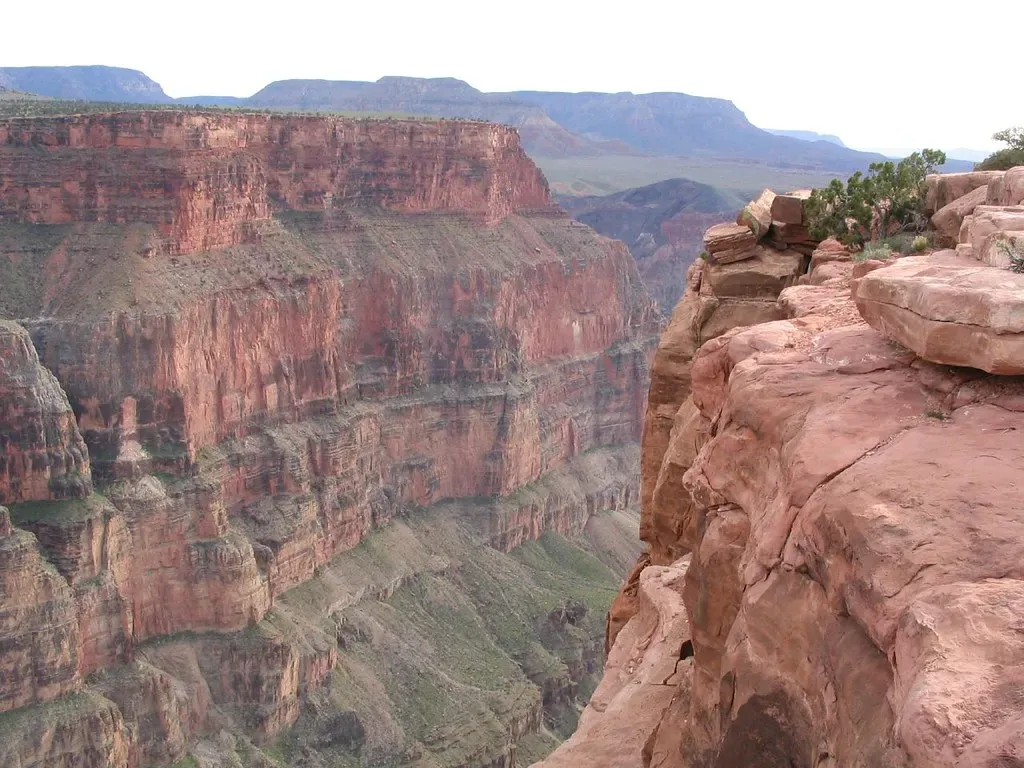
Between 100,000 and 3 million years ago, volcanic activity deposited ash and lava over the area, which at times completely obstructed the river. These volcanic rocks are the youngest in the canyon. The image of lava temporarily damming the Colorado River is striking. The river eventually won every time, cutting through the volcanic blockages and resuming its slow excavation.
The canyon has been forming at varying rates, with periods of intense erosion carving it both deep and wide. The river must have had periods of quick movement, carving deep, not only wide. Scientists continue to refine their understanding of those fluctuations. For more than 150 years, scientists have gathered data, proposed new ideas, and debated sometimes contentious theories about the geologic origins of the Grand Canyon and the Colorado River. Formation of the Grand Canyon may involve a complex history in which multiple factors and geologic processes have interacted over time and in different locations.
The river continues to be an agent of change, reshaping the canyon over time. The canyon isn’t fully formed as long as there is water flowing. There is ongoing research about river flow, sediments, and geomorphology. The Grand Canyon, in other words, is not a finished product. It is still being written.
Conclusion
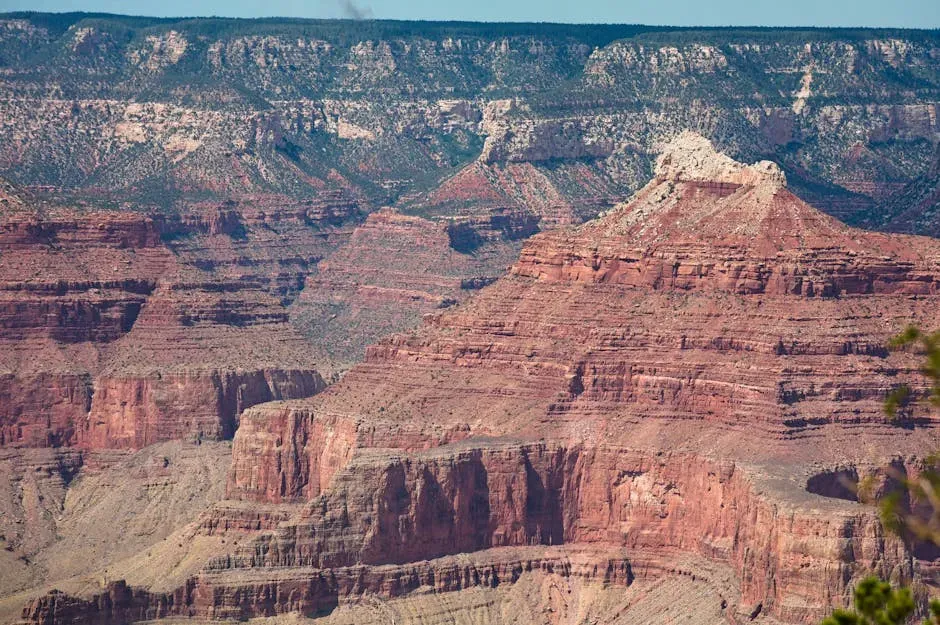
The Grand Canyon did not emerge from a single dramatic event. It is the cumulative result of ancient seafloors, colliding tectonic plates, a rising plateau, a persistent river, and the slow but relentless work of water, wind, and ice across incomprehensible stretches of time. The Grand Canyon’s uniqueness lies in its immense size, depth, and the sheer range of visible rock layers, some nearly two billion years old. It provides one of the most complete geological records on Earth, allowing scientists to study the planet’s ancient history layer by layer.
What’s worth sitting with is this: the rocks at the canyon floor were already ancient when the dinosaurs appeared. The canyon itself, by comparison, is almost brand new. That contrast, between the age of the stone and the relative youth of the chasm, is perhaps the most quietly astonishing fact the Grand Canyon has to offer.
Worried about unexpected vet bills?
Pet insurance can cover thousands in unexpected vet costs. Get a free quote from Lemonade in under 2 minutes.
Get My Free Quote →Sponsored · Opens Lemonade.com

- How Muskrat Behavior Can Indicate Climate Change in The Carolinas - June 6, 2026
- What Ancient Animal Symbolizes Prosperity for Your Zodiac Sign? - June 6, 2026
- The US States With the Most Elk - June 6, 2026