

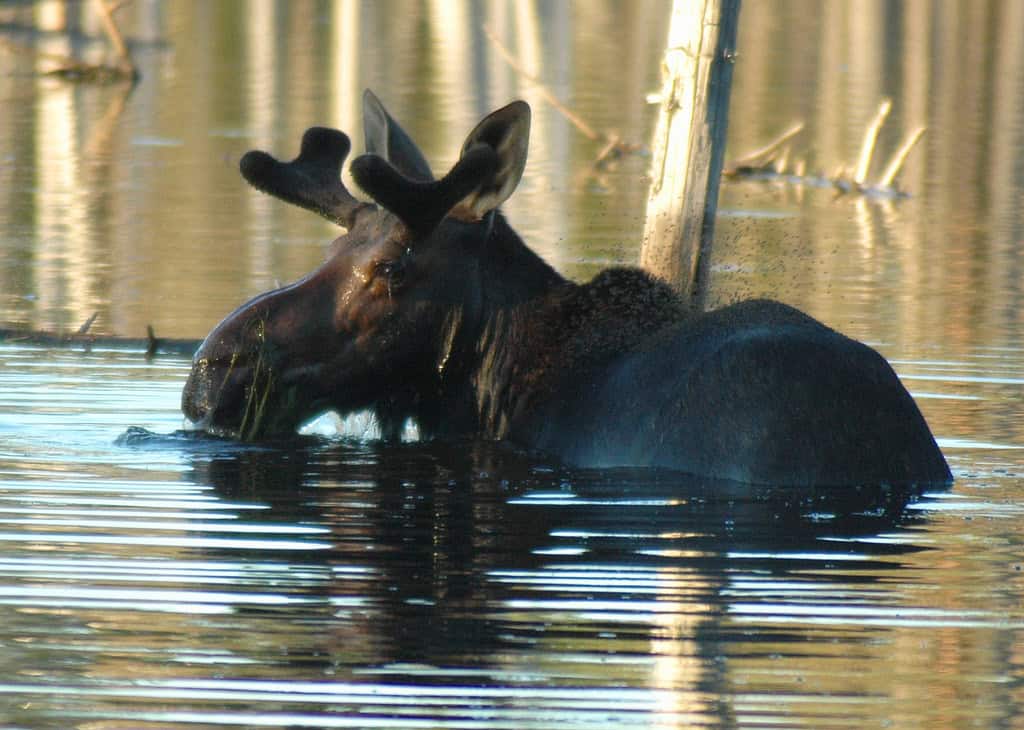
Moose (Alces alces) are the largest members of the deer family, typically known for their imposing stature and distinctive antlers. While many people picture these magnificent creatures browsing on terrestrial vegetation in forests and meadows, moose have a fascinating and lesser-known feeding behavior: they dive underwater to feast on aquatic plants. This remarkable adaptation allows moose to access nutrient-rich vegetation that grows beneath the surface of lakes, ponds, and rivers, providing them with essential minerals and nutrients that may be lacking in their terrestrial diet.
Underwater foraging is particularly common during summer months when aquatic vegetation is abundant. Moose can submerge completely, holding their breath for up to 50 seconds while they use their lips and tongue to grasp and tear plants from the bottom. This behavior has been documented across their range in North America and Eurasia, demonstrating the importance of aquatic habitats to moose ecology. Understanding this unique feeding strategy provides valuable insights into moose biology, habitat requirements, and evolutionary adaptations.
Anatomical Adaptations for Underwater Feeding
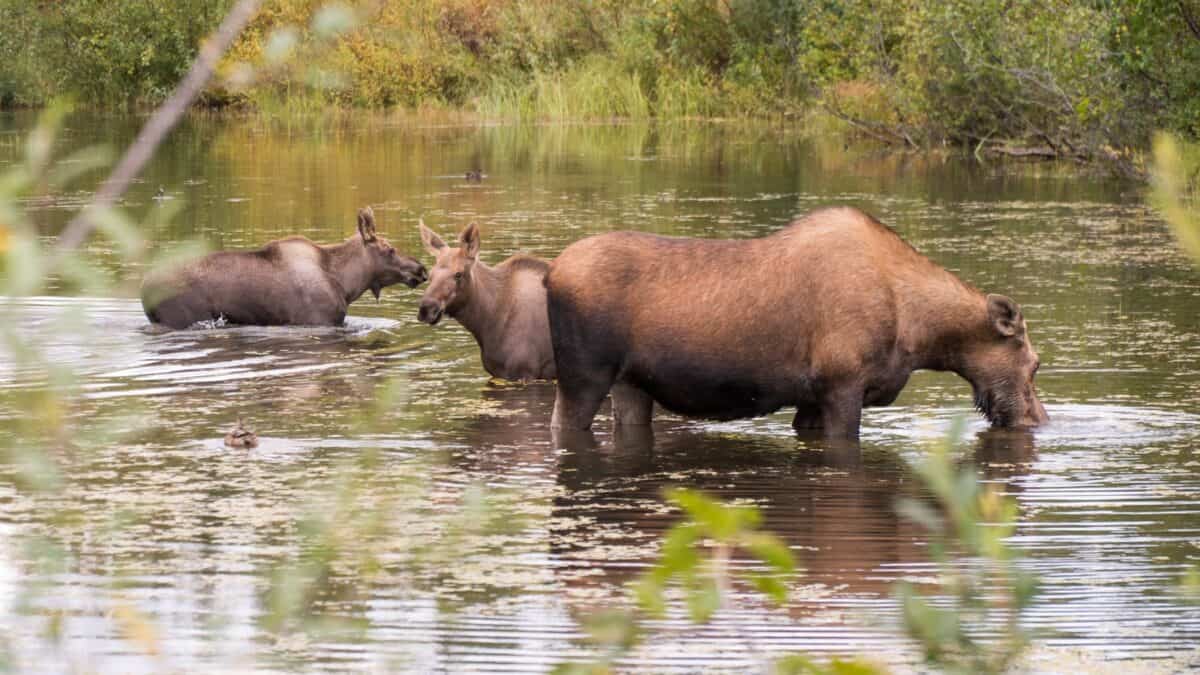
Moose possess several specialized anatomical features that enable their underwater feeding behavior. Most notably, they have large, flexible nostrils that can close tightly when submerged, preventing water from entering their respiratory system. This adaptation is crucial for their diving capability, allowing them to feed underwater without the risk of inhaling water. Additionally, moose have developed specialized muscles around their nostrils that facilitate this closure mechanism, a feature not as pronounced in other deer species that don’t engage in aquatic feeding.
Another key adaptation is their elongated head and upper lip structure. Moose have a prehensile upper lip and specialized mouth anatomy that allows them to efficiently grasp and pull aquatic vegetation while submerged. Their long legs also play an important role, enabling them to wade into deeper water while keeping their head within reach of the bottom. These physical adaptations collectively demonstrate how moose have evolved to exploit an ecological niche that few other large herbivores can access.
The Diving Process Explained

When a moose prepares to dive for aquatic plants, it follows a methodical process. First, the animal wades into the water until it reaches a suitable depth, typically between 1-3 meters (3-10 feet). Before submerging, the moose will often pause briefly, appearing to survey the area. It then takes a deep breath, closes its nostrils, and dips its head beneath the surface. Using its strong neck muscles, the moose extends its head downward toward the lake or pond bottom where aquatic plants grow. The animal maintains contact with the substrate using its hooves, which provides stability during feeding.
During the dive, the moose’s body may remain partially above water, or in deeper areas, it may submerge completely with only the highest part of its back visible. The moose uses its specialized upper lip and teeth to grasp and tear plants from their roots. After collecting a mouthful of vegetation or when it needs to breathe, the moose raises its head above the surface, often with water streaming from its face, and chews the collected plants before repeating the process. This cycle continues until the moose has satisfied its nutritional needs or moves to another feeding area.
Nutritional Benefits of Aquatic Plants
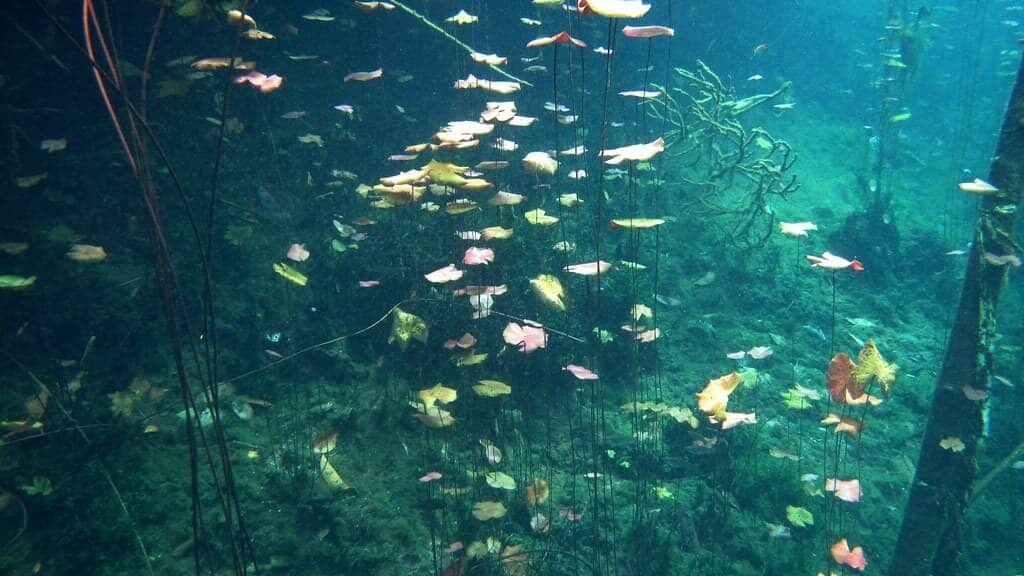
Aquatic plants provide moose with a nutritional goldmine that significantly complements their terrestrial diet. These underwater vegetables are particularly rich in sodium, calcium, phosphorus, and other minerals that may be limited in terrestrial vegetation, especially in regions with sodium-poor soils. Research has shown that aquatic plants can contain up to 10-100 times more sodium than terrestrial plants, making them critically important for moose nutrition. Sodium is essential for nerve function, muscle contraction, and maintaining proper fluid balance in the body.
Beyond minerals, aquatic plants also offer high levels of protein and energy during the growing season when moose need to replenish body condition after winter. Species such as water lilies, pondweed, and bladderwort are particularly favored by moose due to their nutritional content. For pregnant and lactating females, the additional nutrients from aquatic plants can be especially valuable, supporting milk production and helping ensure healthy calf development. This dietary strategy represents an important evolutionary adaptation that allows moose to thrive in environments where terrestrial vegetation alone might not meet all their nutritional requirements.
Preferred Aquatic Plant Species
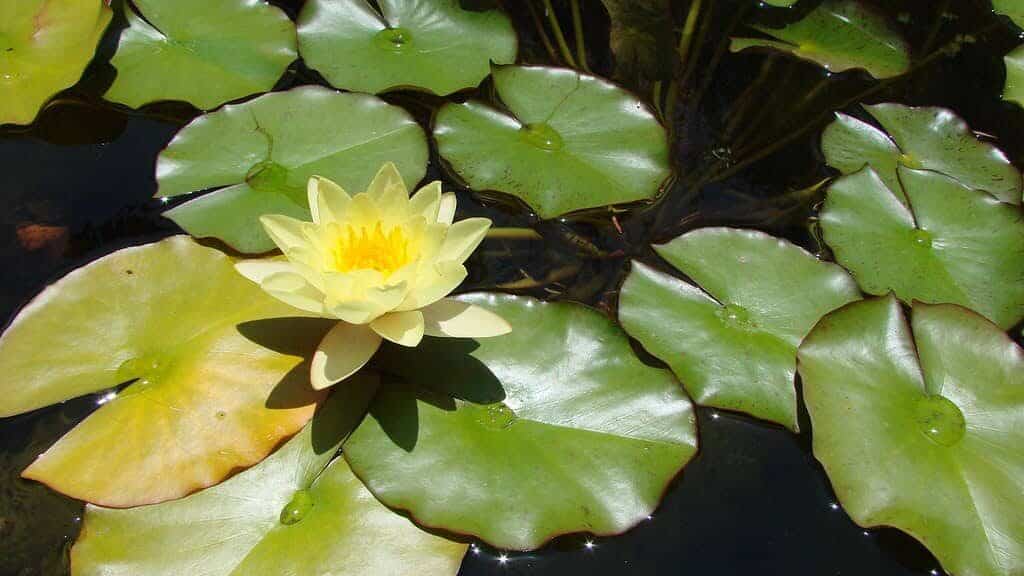
Moose demonstrate clear preferences for certain aquatic plant species when diving. Yellow water lilies (Nuphar spp.) rank among their most favored foods, with moose consuming both the floating leaves and underwater rhizomes. Pondweeds (Potamogeton spp.) are another highly sought-after group, prized for their nutrient-rich stems and leaves. Moose also readily consume bladderwort (Utricularia spp.), water shield (Brasenia schreberi), and various submerged grasses. These preferences vary somewhat by region and season, reflecting local availability and nutritional needs.
Interestingly, moose appear to be selective even within their preferred species, often targeting younger, more tender plants with higher nutritional value. Research in Alaska has shown that moose will bypass certain areas of a lake to reach patches with preferred species, suggesting they can identify valuable food sources from above the water. This selective foraging behavior highlights the sophistication of moose feeding strategies and their intimate knowledge of their environment. By targeting specific aquatic plants, moose maximize their nutritional intake while minimizing energy expenditure, demonstrating the evolutionary refinement of their underwater feeding behavior.
Seasonal Patterns in Underwater Feeding

Moose diving behavior follows distinct seasonal patterns tied closely to the life cycles of aquatic plants. This behavior peaks during summer months, typically from June through September, when aquatic vegetation reaches its maximum growth and nutritional value. During this period, moose may spend several hours each day feeding in water bodies, with the most intensive underwater foraging occurring during early morning and evening hours. Studies in boreal regions have documented individual moose spending up to 60% of their summer feeding time in aquatic habitats, highlighting the importance of this behavior.
As fall approaches and aquatic plants begin to die back, underwater feeding gradually decreases. By winter, ice cover prevents access to underwater vegetation, forcing moose to rely entirely on terrestrial browse. This seasonal shift in feeding behavior corresponds with changes in the moose’s nutritional needs and environmental conditions. In spring, as ice melts and new aquatic growth begins, moose gradually resume their underwater foraging activities. This cyclical pattern demonstrates how deeply integrated aquatic feeding is in the annual life cycle of moose populations, particularly in regions where sodium-rich aquatic plants represent a crucial dietary component.
Adaptations for Cold Water Immersion
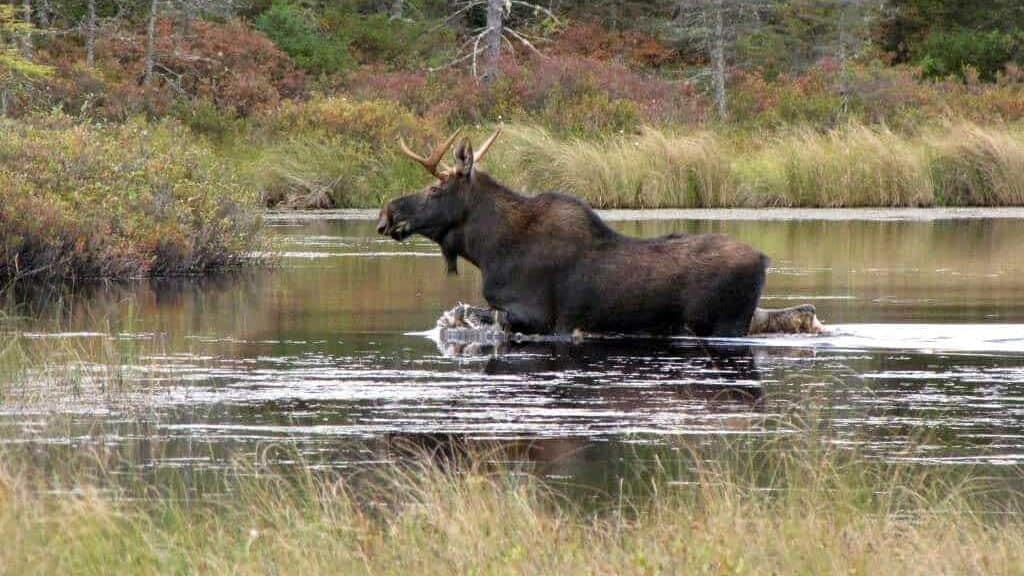
Moose have developed remarkable adaptations that allow them to feed in cold water environments that would induce hypothermia in many other mammals. Their large body size provides a favorable surface-to-volume ratio that minimizes heat loss, while their thick coat contains hollow hairs that trap air and provide excellent insulation even when partially wet. This specialized fur structure allows only the outer layer to become saturated while keeping the skin and inner coat relatively dry. Additionally, moose possess a complex circulatory system with countercurrent heat exchange mechanisms that help conserve core body temperature while extremities are immersed in cold water.
Physiologically, moose can also restrict blood flow to peripheral areas during cold water immersion, directing more blood to vital organs to maintain core temperature. This vascular adaptation, combined with a thick layer of subcutaneous fat, enables moose to feed in water temperatures as low as 4°C (39°F) without experiencing dangerous cooling effects. Early spring and late fall diving, when water temperatures are particularly cold, tend to be shorter in duration than summer dives, suggesting that moose regulate their exposure based on thermal conditions. These cold-water adaptations extend the seasonal window during which moose can access aquatic vegetation, providing a significant evolutionary advantage.
Respiratory Adaptations for Diving
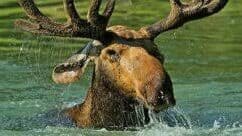
While moose aren’t specialized diving mammals like seals or whales, they have developed modest but effective respiratory adaptations for their underwater feeding behavior. When preparing to dive, moose can increase their oxygen storage by taking deeper breaths, temporarily expanding their lung capacity. They also exhibit bradycardia—a slowing of the heart rate—during dives, which conserves oxygen and extends underwater feeding time. Although not as pronounced as in true aquatic mammals, these physiological responses help moose remain submerged for the 30-50 seconds typically required to gather aquatic plants.
Another key respiratory adaptation is their ability to efficiently expel carbon dioxide upon surfacing. Moose often emerge from dives with forceful exhalations, quickly clearing respiratory passages before taking fresh breaths. This pattern allows them to minimize surface time between dives when feeding intensively. Researchers have observed that experienced adult moose appear to manage their breathing more efficiently than younger individuals, suggesting that optimal diving behavior may be partially learned rather than entirely instinctual. These respiratory adaptations, while modest compared to specialized aquatic mammals, represent important evolutionary refinements that enable moose to effectively exploit underwater food resources.
The Role of Underwater Plants in Moose Population Health
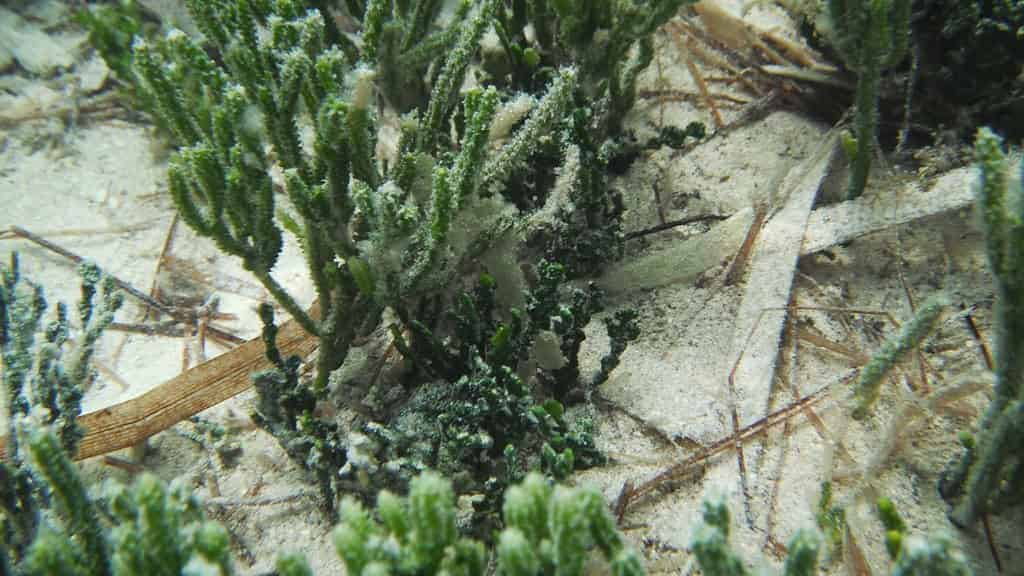
Access to aquatic feeding habitats can significantly influence moose population dynamics and overall health. In regions where sodium-rich aquatic plants are abundant, moose typically show better body condition, higher reproductive rates, and improved calf survival compared to areas lacking these resources. Research in Ontario, Canada, found that female moose with regular access to aquatic feeding areas produced calves with higher birth weights and better survival prospects than those with limited access. Similarly, studies in Minnesota demonstrated correlations between aquatic habitat availability and antler size in males, suggesting nutritional benefits that extend beyond basic survival.
The importance of underwater plants becomes especially evident during environmental stress periods. During droughts or following forest fires when terrestrial vegetation is limited, aquatic plants can serve as crucial dietary buffers. Conservation biologists increasingly recognize that protecting wetland feeding areas is essential for sustainable moose management, particularly as climate change alters habitat conditions. In some regions, the loss of aquatic feeding sites due to development, pollution, or invasive species has been linked to localized declines in moose health and abundance, highlighting the ecological significance of these specialized feeding areas.
Predation Risk During Aquatic Feeding

While underwater feeding provides nutritional benefits, it also creates unique vulnerability for moose. When submerged or focused on feeding, moose experience temporarily reduced awareness of their surroundings, potentially increasing predation risk. This is particularly true for females with calves, as young moose are more susceptible to predators like wolves and bears while their mothers are diving. Researchers have observed that moose employ various strategies to mitigate this risk, including selecting feeding sites with good visibility, diving in shallow areas where they can quickly regain solid footing, and taking frequent breaks to scan for threats.
Interestingly, some studies suggest that moose may actually use aquatic environments as predator refuges in certain circumstances, particularly against wolves, which are generally reluctant to pursue prey into deep water. This creates a complex risk-benefit calculation that varies seasonally and geographically. For instance, during wolf denning seasons when predation pressure is reduced, moose may engage in longer, more frequent dives. Conversely, in areas with high predator densities, moose might limit underwater feeding to safer times of day or select aquatic habitats that offer escape routes. This behavioral flexibility demonstrates the sophisticated way moose balance nutritional needs against predation risks.
Human Impacts on Moose Aquatic Feeding Habitats
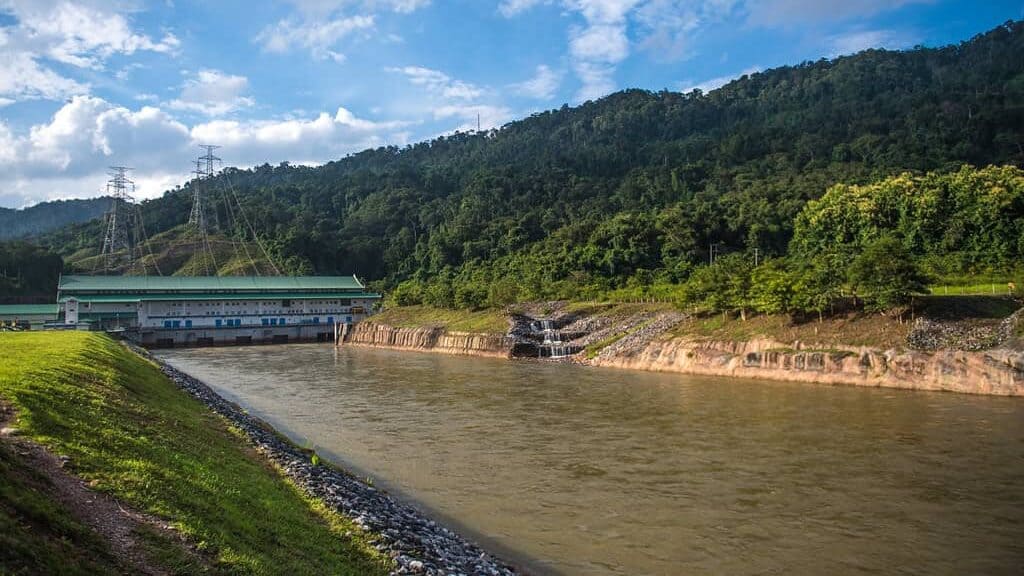
Human activities increasingly threaten the aquatic habitats critical for moose underwater feeding. Shoreline development, water level manipulation for hydroelectric projects, and recreational activities can directly disturb feeding areas or alter aquatic plant communities. Chemical contaminants from agricultural runoff and industrial sources may accumulate in aquatic plants, potentially exposing moose to harmful substances. Climate change presents additional challenges, as warming waters favor invasive aquatic species that can displace the native plants moose rely on, while also potentially extending the range of parasites that affect moose health.
Conservation efforts focusing on moose increasingly recognize the need to protect aquatic feeding habitats. Some wildlife management agencies have implemented shoreline buffer zones, seasonal restrictions on watercraft in key feeding areas, and invasive species control programs to preserve these critical resources. Research suggests that successful moose conservation requires an integrated approach that considers both terrestrial and aquatic habitat components. As human pressures on natural landscapes intensify, maintaining the quality and accessibility of underwater feeding sites will be essential for ensuring the continued health of moose populations across their range.
The ability of moose to dive underwater for aquatic plants represents one of the most fascinating behavioral adaptations in large North American mammals. This specialized feeding strategy allows moose to access nutrient-rich food sources unavailable to most other terrestrial herbivores, providing critical minerals and nutrients that support their health and reproduction. Through a combination of anatomical, physiological, and behavioral adaptations, moose have successfully exploited an ecological niche that bridges terrestrial and aquatic environments, demonstrating the remarkable plasticity that has enabled them to thrive across diverse northern landscapes.
As we continue to study this behavior, we gain valuable insights not only into moose ecology but also into the complex interdependence between terrestrial wildlife and aquatic ecosystems. The underwater feeding behavior of moose reminds us that wildlife conservation must consider the full spectrum of habitats that species utilize throughout their lives. By protecting both the forests where moose browse and the wetlands where they dive, we can help ensure these magnificent animals continue to thrive for generations to come. The moose’s ability to “go submarine” stands as a powerful example of the often surprising and ingenious ways wildlife adapts to meet life’s fundamental challenges.

- Why Some Fish Can Walk Across Dry Land - June 26, 2026
- What Makes Pufferfish Inflate? - June 26, 2026
- The World’s Most Expensive Dog Breeds - June 26, 2026