


Deep in the misty bamboo forests of China, one of nature’s most challenging reproductive dramas unfolds. Giant pandas, with their iconic black-and-white markings and endearing demeanor, are notoriously difficult breeders. Their breeding challenges have contributed significantly to their endangered status and have puzzled scientists for decades. The rarity of successful panda mating isn’t merely a matter of chance but involves a complex interplay of biological, behavioral, and environmental factors. From the female’s incredibly brief fertility window to specific mate selection criteria, the process of panda reproduction represents one of wildlife conservation’s greatest challenges. This article explores the intricate dance of panda courtship, revealing why these beloved bears struggle so significantly to produce offspring in both wild and captive environments.
The Incredibly Narrow Mating Window

Perhaps the most significant obstacle to panda reproduction is the extraordinarily brief fertility window of female pandas. Unlike many mammals that cycle multiple times per year, female giant pandas enter estrus only once annually, typically in the spring between March and May. Even more challenging is the brevity of this window—a female is receptive to mating for just 24-72 hours per year. This remarkably short timeframe means that male pandas must detect fertility cues and successfully court the female within this fleeting opportunity.
The biological constraints of this narrow window are compounded in the wild, where pandas are solitary creatures that roam across large territories. Finding a mate during this precise time requires extraordinary timing and communication through scent marking. Females signal their readiness by marking trees with urine and secretions, while males may travel miles following these chemical trails. The precision required for two solitary animals to find each other during this exact window partially explains why panda reproduction is so infrequent in wild populations.
Chemical Communication and Mate Selection

While pandas appear cuddly and docile to human observers, they engage in sophisticated chemical communication to find and select appropriate mates. Female pandas produce specific compounds in their urine when they enter estrus, creating what scientists call a “scent billboard” that advertises their reproductive status. These chemical signals contain information not only about fertility but potentially about genetic compatibility and overall health, allowing males to assess potential mates before physical encounters.
Males, meanwhile, respond to these signals by increasing their own scent-marking behaviors, often rubbing their anogenital regions against trees and rocks to leave their chemical signature. They may also perform “handstands” against vertical surfaces to mark higher locations with secretions from a gland near their tail. This elaborate chemical conversation helps pandas locate one another in their vast forest habitats and make preliminary assessments about mate suitability, representing the crucial first stage in their rare mating process.
Vocal Performances and Courtship Calls

Beyond chemical communication, pandas use a remarkable repertoire of vocalizations during courtship. The typically silent creatures become surprisingly vocal when mating season arrives. Female pandas in estrus emit distinctive high-pitched bleats and chirps that can travel long distances through the forest, functioning as auditory beacons for potential mates. These calls contain acoustic information that may signal the female’s size, condition, and receptivity.
Males respond with their own vocal performances, including barks, roars, and a unique “bleat-moan” that appears specifically evolved for courtship. The vocal exchanges intensify as pandas draw closer to one another, with males often increasing the rate and volume of their calls. Researchers believe these vocalizations help synchronize the pandas’ physiological states and play a crucial role in female mate choice. The complexity of this vocal courtship represents another factor that must align perfectly for successful mating to occur.
The Competition Factor: Male Rivalry
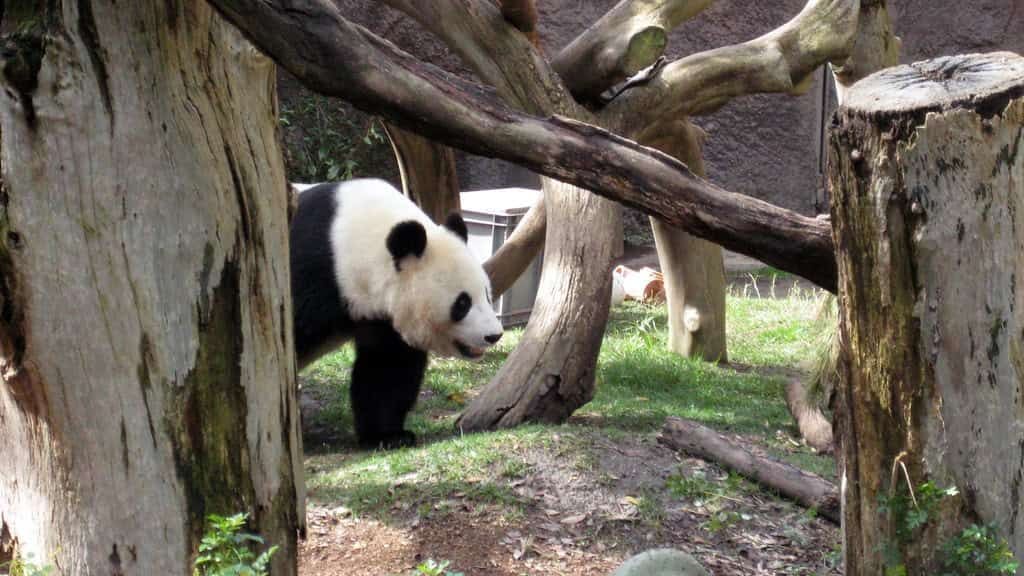
When multiple males detect a fertile female, the typically placid pandas transform into fierce competitors. Despite their generally solitary nature, male pandas will gather around a receptive female, creating a rare social dynamic in the species. This competition can involve intimidation displays where males assess each other’s size and strength before deciding whether to escalate to physical confrontation. Younger or smaller males often retreat when challenged by a more dominant rival.
If intimidation fails to resolve the competition, male pandas engage in surprisingly aggressive physical contests. They may wrestle, bite, and claw at each other, with confrontations potentially lasting hours until one male establishes dominance. These battles can result in injuries, demonstrating the high reproductive stakes. The female typically observes these competitions and may use the outcome to inform her mate selection, generally favoring the victorious male. This competitive phase adds another layer of complexity to the already challenging mating process.
Female Choice and Mate Rejection
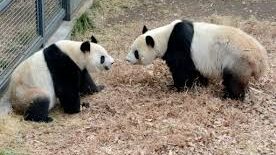
Despite all the effort males exert to find and compete for a fertile female, the final decision rests firmly with the female panda. Female choice is a powerful force in panda reproduction, and females are notoriously selective about their mates. Even after successful chemical communication, vocal exchanges, and male competition, a female may ultimately reject a suitor she deems unsuitable. This selectivity appears to transcend mere dominance, suggesting females assess qualities beyond physical strength.
When a female rejects a male, she may display aggressive behaviors including growling, swatting, and even biting. These rejections can appear sudden and puzzling to human observers, particularly in captive breeding programs where all biological conditions seem perfect for mating. Researchers hypothesize that females may be assessing genetic compatibility, experience, or subtle behavioral cues that indicate male quality. This choosiness, while evolutionarily advantageous for producing high-quality offspring, significantly reduces mating opportunities and contributes to the rarity of successful panda reproduction.
The Physical Challenges of Mating

When a pair of pandas finally overcomes all previous obstacles and proceeds to mating, they face additional physical challenges. The mating process itself is complex and requires precise positioning and timing. Male pandas must navigate the female’s specific anatomical requirements, and both animals must coordinate their movements despite having little practice due to their solitary lifestyles. Successful copulation typically lasts between 30 seconds and five minutes, a relatively brief window that must be executed correctly.
Adding to these challenges is the phenomenon of “pseudopregnancy” in female pandas. After mating, a female panda’s body may show all the hormonal and behavioral signs of pregnancy even when no fertilization has occurred. This biological quirk makes confirming actual pregnancies extremely difficult for both wild researchers and captive breeding specialists. The physical aspects of panda mating represent yet another hurdle in their reproductive journey, explaining why even when pandas appear to mate successfully, offspring don’t always result.
Habitat Fragmentation and Finding Mates

In the wild, giant pandas face an additional modern challenge that further complicates their already difficult breeding process: habitat fragmentation. As human development has carved up China’s bamboo forests, wild panda populations have become increasingly isolated in disconnected habitat patches. This fragmentation means that even when a female enters her brief fertility window, there may simply be no males within traveling distance, effectively eliminating any chance of reproduction regardless of biological readiness.
Conservation research shows that pandas in fragmented habitats show signs of genetic isolation, with some subpopulations becoming dangerously inbred. Road networks, villages, and agricultural areas create barriers that pandas rarely cross, essentially trapping them in forest islands. This man-made obstacle compounds the natural reproductive challenges pandas already face and represents a significant threat to wild panda genetic diversity. Conservation efforts now include creating “bamboo corridors” to reconnect isolated populations, aiming to increase the chances of pandas finding mates during their critical fertility windows.
Captive Breeding Complications

Recognizing the reproductive challenges wild pandas face, conservation programs established captive breeding initiatives to help sustain the species. However, captive breeding introduced its own set of complications. Early attempts at panda breeding in zoos were notoriously unsuccessful, with many pandas showing no interest in mating despite optimal conditions. Scientists discovered that pandas raised in captivity often lack the social learning experiences necessary for successful mating behavior, essentially missing the “education” wild pandas receive through observation and experience.
To overcome these challenges, breeding centers in China developed innovative approaches including panda “dating” programs where multiple potential mates are introduced, artificial insemination techniques, and even panda pornography—showing reluctant pandas videos of successful mating pairs. These efforts have significantly improved captive breeding success rates, with China’s breeding centers now producing dozens of cubs annually. However, the need for such extensive human intervention underscores just how challenging panda reproduction naturally is, even when environmental obstacles are removed.
The Mystery of Delayed Implantation
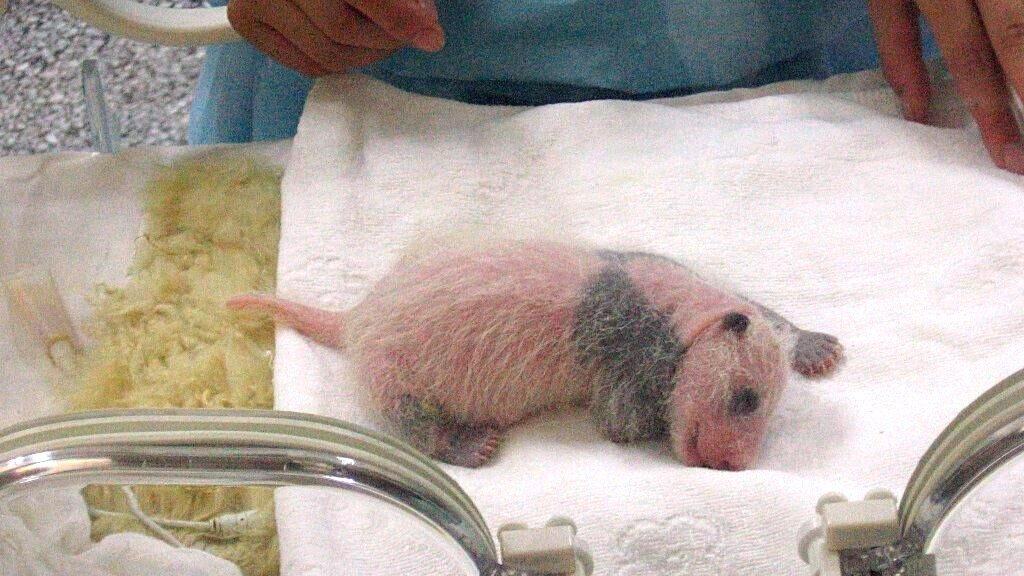
Even after successful mating, pandas employ a reproductive strategy that further complicates their breeding process: delayed implantation. Following fertilization, the panda embryo floats freely in the mother’s uterus rather than immediately implanting in the uterine wall. This suspended development can last for months, with the tiny embryo (approximately the size of a pencil eraser) remaining dormant until environmental conditions trigger implantation and continued development.
This adaptation likely evolved to allow female pandas to time the birth of their cubs to coincide with optimal bamboo conditions, as cubs are born extremely underdeveloped and require intensive maternal care. However, it adds another variable to the already precarious reproductive process, as various stress factors can cause the embryo to reabsorb rather than implant. The delayed implantation phenomenon makes pregnancy detection extremely difficult and contributes to the uncertainty surrounding panda reproduction, both in the wild and in captivity.
The Role of Diet in Reproductive Success

The giant panda’s specialized bamboo diet plays a surprisingly significant role in their reproductive challenges. Despite being members of the order Carnivora, pandas derive approximately 99% of their nutrition from various bamboo species—a diet that provides minimal energy. This dietary specialization forces pandas to operate on an extremely tight energy budget, with females needing to accumulate sufficient fat reserves before they can successfully reproduce.
Research indicates that female pandas closely track bamboo flowering cycles, timing their reproduction to coincide with periods of maximum bamboo nutritional value. If bamboo quality is poor during a particular year, females may simply skip reproduction entirely, conserving energy rather than investing in the demanding process of pregnancy and cub-rearing. This nutritional constraint adds another layer of limitation to panda reproduction, helping explain why wild pandas reproduce so infrequently—typically every two to three years at most—even when other conditions are favorable.
Evolutionary Perspective: Are Pandas Evolutionarily Designed to Be Rare?

The numerous challenges in panda reproduction raise a fascinating evolutionary question: Are pandas naturally designed to be rare? Some biologists propose that pandas evolved as a low-density species, with their reproductive limitations representing adaptations rather than flaws. In this view, the narrow estrus window, female selectivity, and delayed implantation evolved as strategies to ensure that pandas only reproduce under optimal conditions, producing fewer but higher-quality offspring that have better survival chances.
This “quality over quantity” reproductive strategy may have served pandas well for millions of years when their bamboo forest habitat was continuous and abundant. However, this evolutionary approach becomes problematic when faced with modern human-caused threats like habitat destruction and fragmentation. What evolved as adaptive reproductive restraint now contributes to the species’ vulnerability. This perspective helps explain why pandas have such difficulty adapting to rapidly changing environments and why conservation efforts must work with, rather than against, their unique reproductive biology.
The intricate and challenging nature of panda reproduction has profound implications for conservation efforts. Understanding these reproductive constraints has transformed how conservation programs approach panda protection, shifting from simple habitat preservation to sophisticated breeding programs that account for the species’ unique biological needs. The success of China’s breeding centers, which have increased the captive panda population from just a few dozen in the 1980s to over 600 today, demonstrates how knowledge of reproductive biology can translate into conservation success.
Looking forward, panda conservation faces new challenges as programs begin reintroducing captive-born pandas to the wild. These reintroduction efforts must consider not just habitat quality but also population density and distribution to ensure reintroduced pandas can find mates during their brief fertility windows. Genetic management has become increasingly important, with breeding programs carefully tracking lineages to prevent inbreeding. While pandas remain vulnerable, their population has stabilized enough for the International Union for Conservation of Nature to downgrade their status from “endangered” to “vulnerable” in 2016—a testament to how understanding and working with their unique reproductive biology can help save a species that, by all natural measures, seems designed to be rare.

- 21 Scary Creatures You Might Run Into While Hiking In The U.S - June 3, 2026
- The Difference Between Turtles and Tortoises—Explained - June 3, 2026
- What Makes Owls the Silent Predators of the Night? - June 3, 2026