
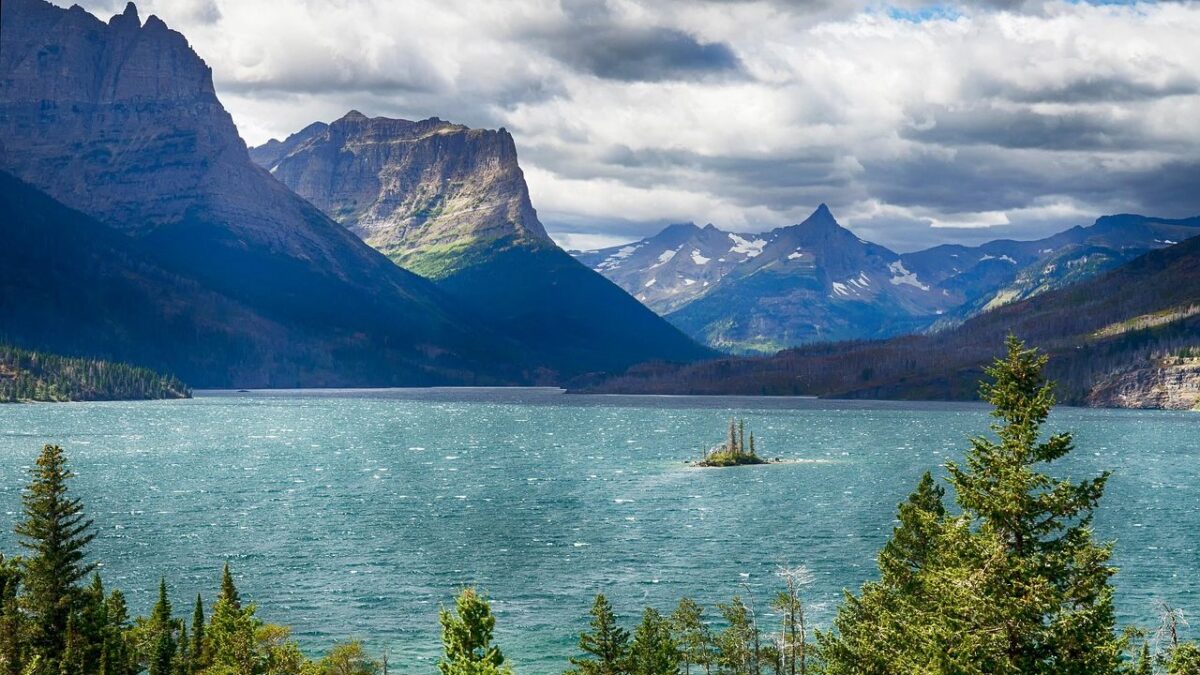
You might assume Minnesota deserves the crown. After all, license plates don’t lie, right? The Land of 10,000 Lakes sounds like a champion declaration. There’s just one problem with that assumption, though. Minnesota isn’t even close to holding the record for in America.
The truth might surprise you. Honestly, when you look at the numbers, it’s not even a fair fight. One state absolutely dwarfs every other competitor, and it’s a place where vast wilderness meets impossible remoteness.
Alaska: The Unrivaled Lake Champion
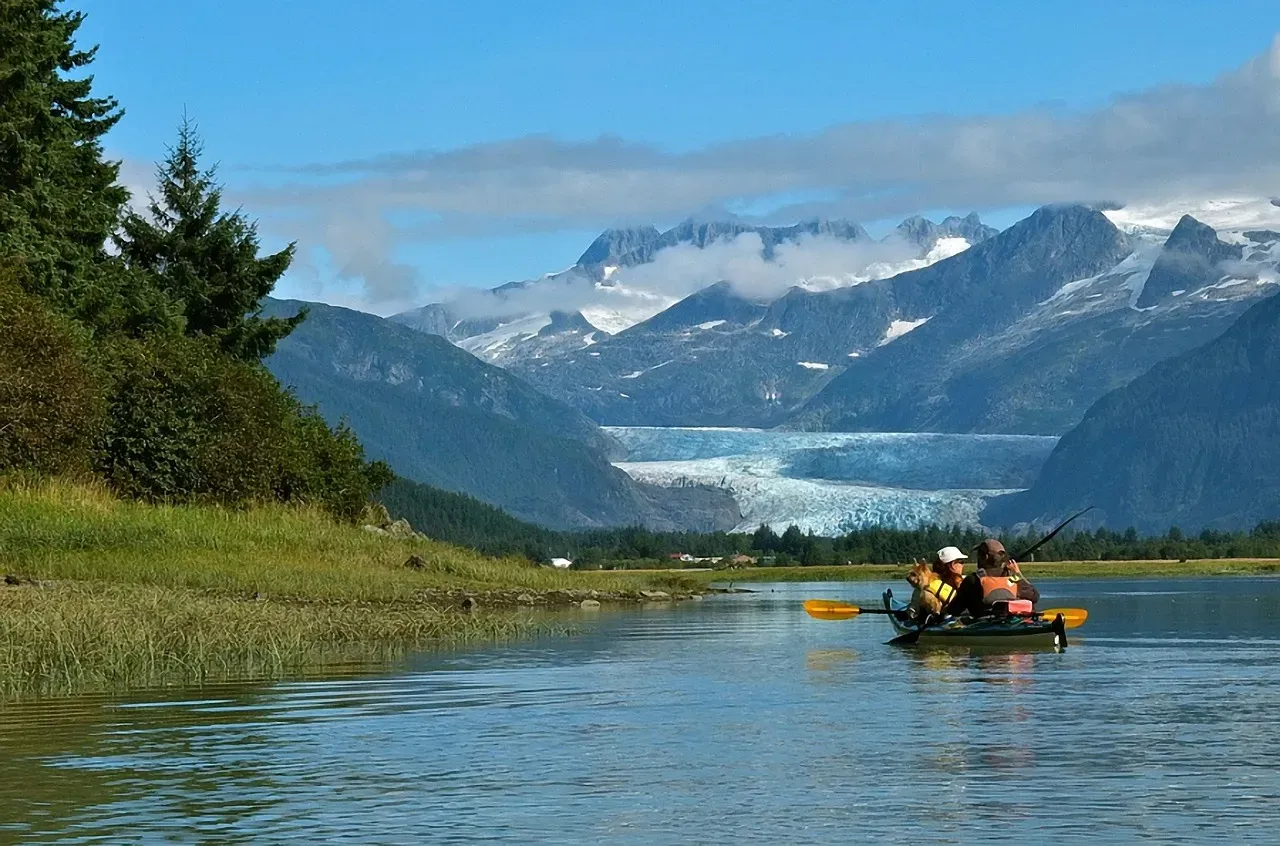
Alaska towers over all the other states with around 3.2 million lakes in total. Let that sink in for a second. Not thousands. Millions. This includes 3,197 officially named lakes and millions of unnamed ones, scattered across a landscape so massive that it defies comprehension.
Why does Alaska have so many lakes? Its vast size and unique geography, with glaciers, permafrost and abundant rainfall, contribute to this impressive figure. When glaciers retreated thousands of years ago, they left behind countless depressions that filled with water. Many of these lakes remain untouched by human activity, existing in wilderness areas so remote that reaching them requires floatplanes or multi-day expeditions on foot.
Alaska has more than 40% of the nation’s surface water resources including over 12,000 rivers, 3 millions lakes greater than 5 acres and numerous creeks and ponds. Think about that percentage. Nearly half of all the surface water in the entire United States sits within one state’s borders. Lake Iliamna, the state’s largest freshwater lake, covers 1,012 square miles, making it larger than the state of Rhode Island.
The sheer inaccessibility of many Alaskan lakes adds to their mystique. Alaska contains an estimated 3 million unnamed lakes that are greater than five acres, many of which are difficult to access on foot. Some have never been visited by humans. Others see maybe one adventurer per decade. The remoteness preserves their pristine condition while simultaneously making them statistical curiosities that few people will ever experience firsthand.
Alaska’s lakes are not only a vital part of its ecosystem, but also serve as critical resources for fishing, transportation and indigenous subsistence living. They’re not just pretty scenery or recreational playgrounds. For many Alaskans, especially those living in rural communities, these lakes are highways during winter and food sources year-round.
Minnesota: The Marketing Champion
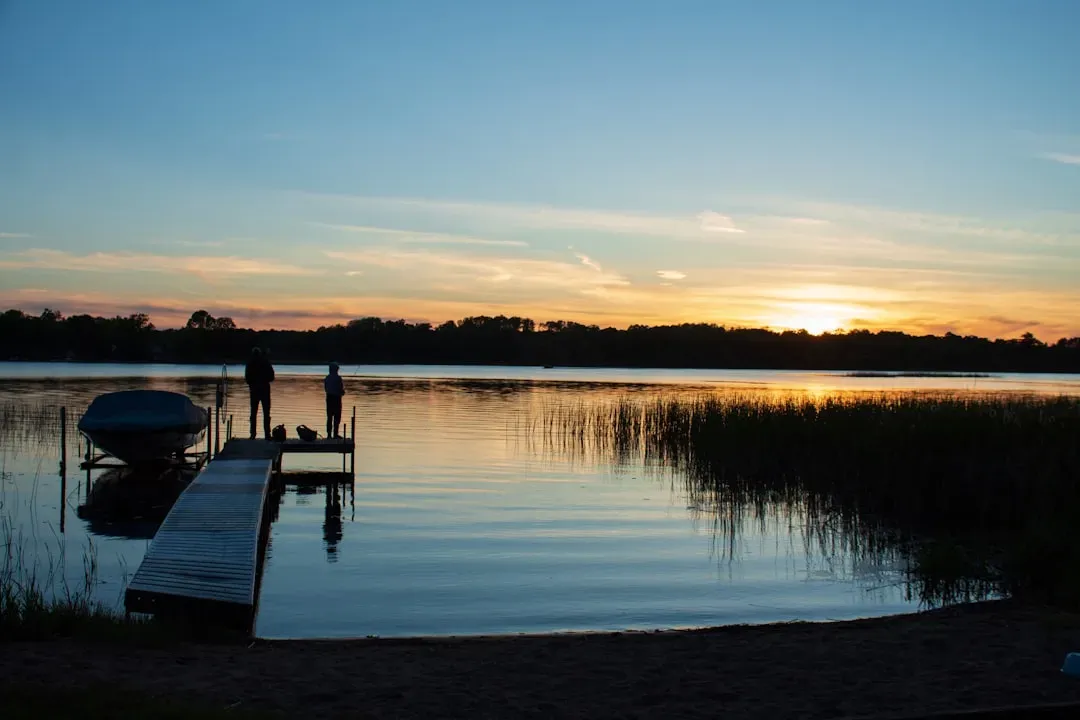
Known as the “land of 10,000 lakes,” Minnesota actually has 14,380 lakes of over 10 acres. So the license plate slogan actually undersells the reality by several thousand. Minnesota, however, has the most named lakes in the country, which gives it a different kind of bragging right even if it can’t compete with Alaska’s total numbers.
Minnesota’s lakes provide 44,926 miles of shoreline, more than the combined lake and coastal shorelines of California. That’s a staggering amount of waterfront property. The economic implications alone are enormous. People build cabins, resorts, and entire livelihoods around those shorelines.
Here’s the thing about Minnesota’s lakes, though. For example, there are more than 200 Mud Lakes, 150 Long Lakes, and 120 Rice Lakes. With so many bodies of water, naming creativity apparently ran dry. Still, each lake has its own character, its own ecosystem, and its own loyal defenders who’ll swear theirs is the best.
The state’s lake culture runs deep. Generations of families return to the same cabin on the same lake every summer. Ice fishing houses dot frozen surfaces every winter. Notable examples include Lake Minnetonka and Mille Lacs Lake, beloved for their scenic beauty and recreational activity. These aren’t just geographic features; they’re woven into the state’s identity in ways that transcend mere statistics.
Minnesota’s lakes were carved by glaciers during the last Ice Age, leaving behind a landscape pockmarked with water-filled basins. The state counts its lakes using specific criteria, which creates endless debates with neighboring Wisconsin about who really has more. Depending on how you measure, different states can claim victory, which tells you that lake counting is surprisingly political.
The Definition Dilemma
What even counts as a lake? Scientists and government agencies differ on which bodies of water count as big enough to be considered a lake, and some don’t include human-made reservoirs. This seemingly simple question creates enormous differences in state rankings.
The DNR’s criteria for what counts as a lake is any body of water over 10 acres in Minnesota. Wisconsin uses a different standard. There, “lakes” are 2.2 acres or larger, giving the state some 15,000 lakes. See how the numbers game works? Change the definition, change the rankings.
The 1968 state survey found 15,291 lake basins, of which 3,257 were dry. If all basins over 2.5 acres were counted, Minnesota would have 21,871 lakes. Suddenly Minnesota’s numbers more than double. Should we count dry basins that fill during wet years? What about seasonal ponds? Where’s the line between a large pond and a small lake?
Traditionally, the distinction between ponds and lakes is made in regards to the sun: If sunlight can penetrate to the bottom of all areas of an inland body of water, it is a pond. Deeper bodies of water that cannot be fully penetrated by sunlight are lakes. However, the state has decided that if the body of water is over 10 acres large, then it is legally a “great pond” in Maine. Confused yet? You should be. Lake classification is surprisingly messy.
The measurement inconsistencies mean interstate lake competitions are essentially meaningless without agreed-upon standards. Each state uses its own criteria, making direct comparisons difficult. Alaska wins regardless of how you count, but the battles for second through tenth place depend entirely on how you define a lake in the first place.
Other Lake-Rich States Worth Mentioning
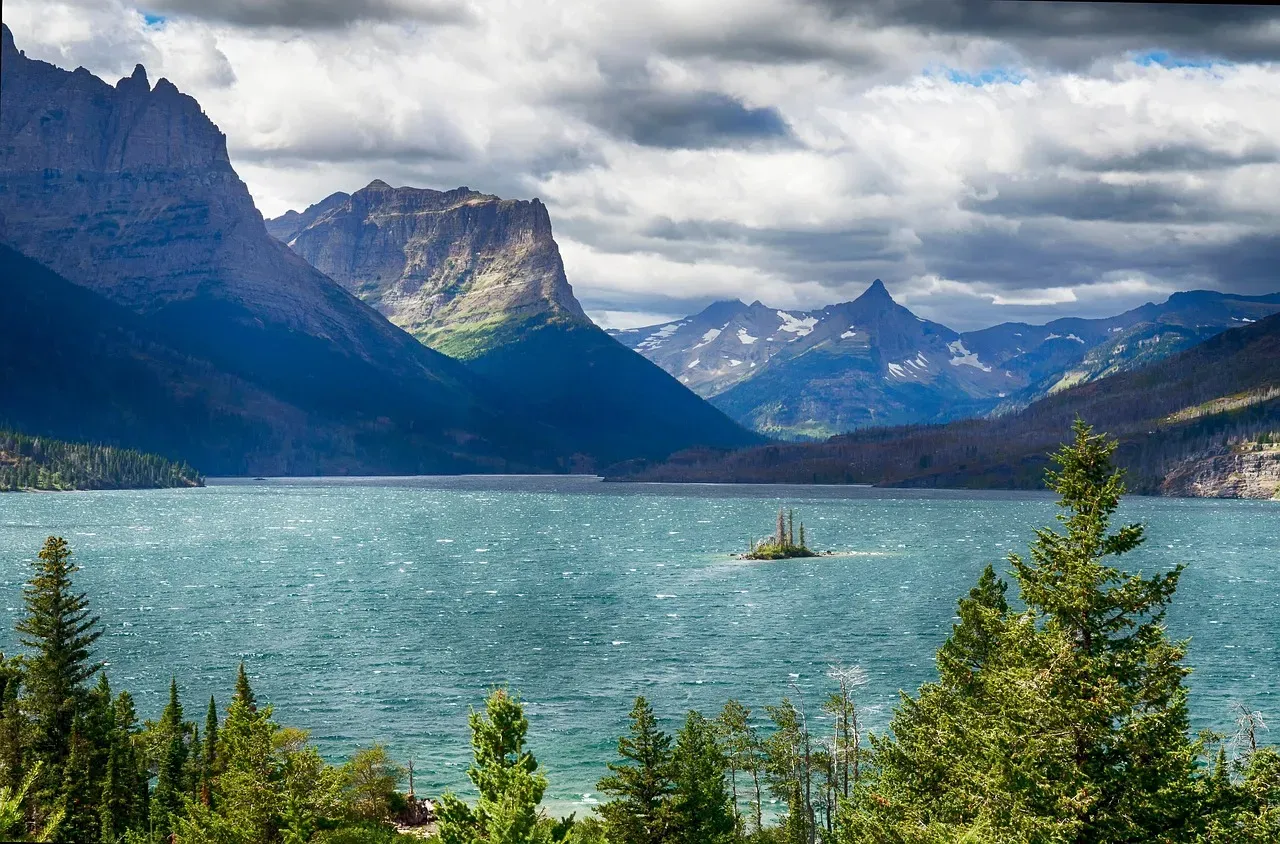
Coming in close behind Minnesota, Wisconsin boasts 15,074 lakes, although only about 6,044 of them are officially named. The Wisconsin-Minnesota rivalry over lake supremacy is legendary among Midwesterners. Both states take their water seriously, and the debate rages on at bars and family gatherings throughout the region.
Michigan has over 11,000 lakes, which makes sense given its location surrounded by the Great Lakes. The glacial activity that shaped the Great Lakes also left smaller lakes scattered throughout both peninsulas. Michigan’s lakes range from tiny woodland ponds to substantial bodies of water popular with boaters and anglers.
Florida’s 30,000 lakes cover over 3 million acres, with many serving as popular tourist attractions and habitats for diverse wildlife. Florida’s lake formation is different, though. While some of these lakes are naturally occurring, many of them are human-made. These human-made lakes are often a result of building infrastructure, particularly in residential areas to assist in flood control. So should manufactured lakes count the same as natural ones? The debate continues.
Each lake-rich state has its own character and lake culture. The northern states owe their abundance to glacial activity during the Ice Age. Southern states often feature different types of lakes formed through different geological processes. Some states have mostly natural lakes; others rely heavily on reservoirs and man-made bodies of water. The variety is actually quite remarkable when you start paying attention.
Conclusion: Alaska Wins By A Landslide
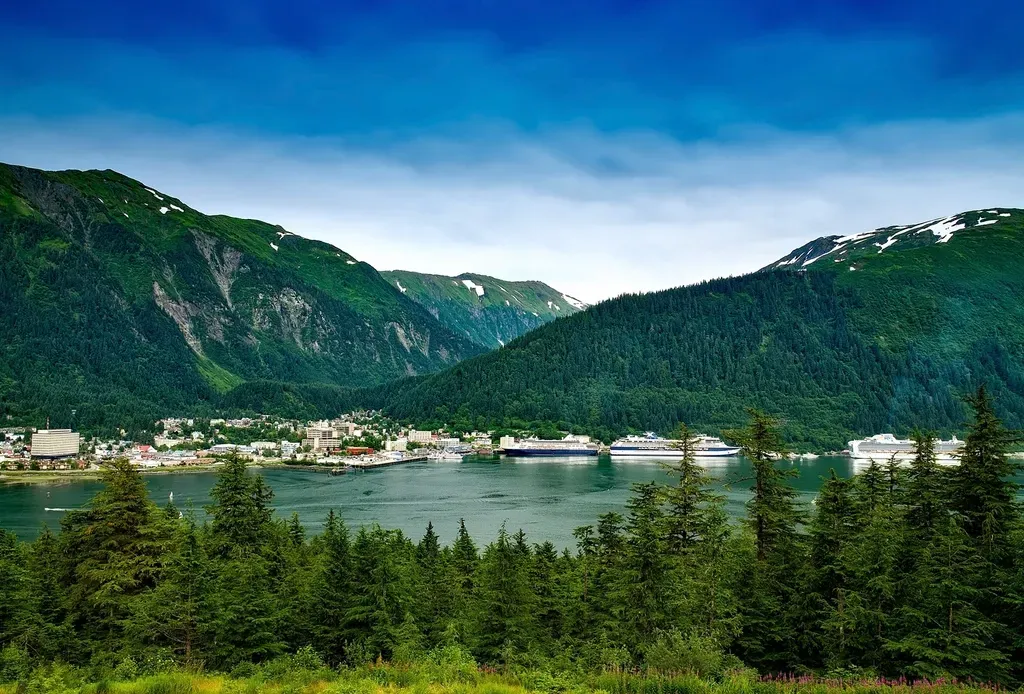
Alaska is the , and honestly, it’s not even remotely close. With roughly three million lakes compared to Minnesota’s approximate fifteen thousand, Alaska has two hundred times more lakes than its nearest competitor. The comparison is almost absurd.
Minnesota deserves credit for its marketing prowess and for creating a cultural identity around its lakes. Wisconsin, Michigan, and Florida all boast impressive lake counts that support vibrant recreational economies and ecological systems. Lakes matter. They provide drinking water, support fisheries, create habitats for wildlife, and offer places for humans to relax and reconnect with nature.
The next time someone claims Minnesota has the most lakes in America, you can gently correct them. Alaska’s three million lakes sit mostly unnamed and unexplored in one of the last true wilderness areas left on Earth. Many will never see a boat, a fishing line, or a human footprint. They exist in pure, frozen silence, outnumbering the lakes of every other state combined.
So what’s your take on this? Did Alaska’s dominance surprise you, or did you already know the Last Frontier held this particular record? Share your thoughts below.
