


The African savanna falls silent as the king of beasts prepares to announce his presence. Drawing a deep breath, the male lion unleashes a roar so powerful it reverberates across the grasslands, carrying up to five miles away through the still morning air. This remarkable acoustic achievement isn’t just impressive—it’s a critical evolutionary adaptation that helps lions communicate, establish territory, and maintain their social structures. Unlike other big cats whose vocalizations might travel a few hundred yards, the lion’s roar stands apart as one of nature’s most impressive sound productions. But what exactly makes this thunderous vocalization carry such an extraordinary distance? The answer lies in a fascinating combination of specialized anatomy, acoustic physics, and evolutionary biology that has perfected the lion’s roar over millions of years.
The Anatomy Behind the Mighty Roar

The lion’s remarkable roaring ability begins with specialized vocal anatomy that sets it apart from other big cats and mammals. At the heart of this system is the lion’s unique hyoid apparatus—a series of small bones that connect the tongue to the skull. Unlike most mammals whose hyoid bones are fully ossified (hardened into bone), lions and other roaring cats (tigers, jaguars, and leopards) possess a hyoid apparatus that’s partially connected by an elastic ligament rather than rigid bone. This flexible connection allows for greater movement and vibration of the vocal folds, contributing significantly to the lion’s roaring capability.
Additionally, lions have exceptionally long vocal folds (vocal cords) measuring approximately 50 centimeters in adult males. These lengthy vocal folds can vibrate at lower frequencies than shorter vocal cords, creating the deep, resonant qualities that characterize a lion’s roar. The lion’s vocal tract and larynx are also proportionally larger than would be expected for a mammal of its size, functioning as powerful amplification chambers that boost the sound’s volume and projection capabilities.
The Physics of Sound Propagation

The extraordinary distance that a lion’s roar can travel—up to five miles—is a testament to both the animal’s vocal power and the physics of sound propagation. Sound waves travel differently depending on their frequency, with low-frequency sounds generally traveling farther than high-frequency ones. A lion’s roar contains significant low-frequency components, typically ranging between 40 Hz and 200 Hz. These low frequencies are less susceptible to atmospheric absorption and can penetrate through vegetation and around obstacles more effectively than higher-pitched sounds.
Environmental conditions also play a crucial role in how far a lion’s roar can travel. Sound travels farther in cool, still air, which is why lions often roar in the early morning or evening when atmospheric conditions are more favorable for sound propagation. The flat, open terrain of the African savanna further aids sound transmission, with fewer obstacles to absorb or deflect the sound waves. Under ideal conditions—cool air, low wind, and open terrain—a lion’s roar can indeed reach the often-cited distance of five miles.
The Incredible Volume of a Lion’s Roar
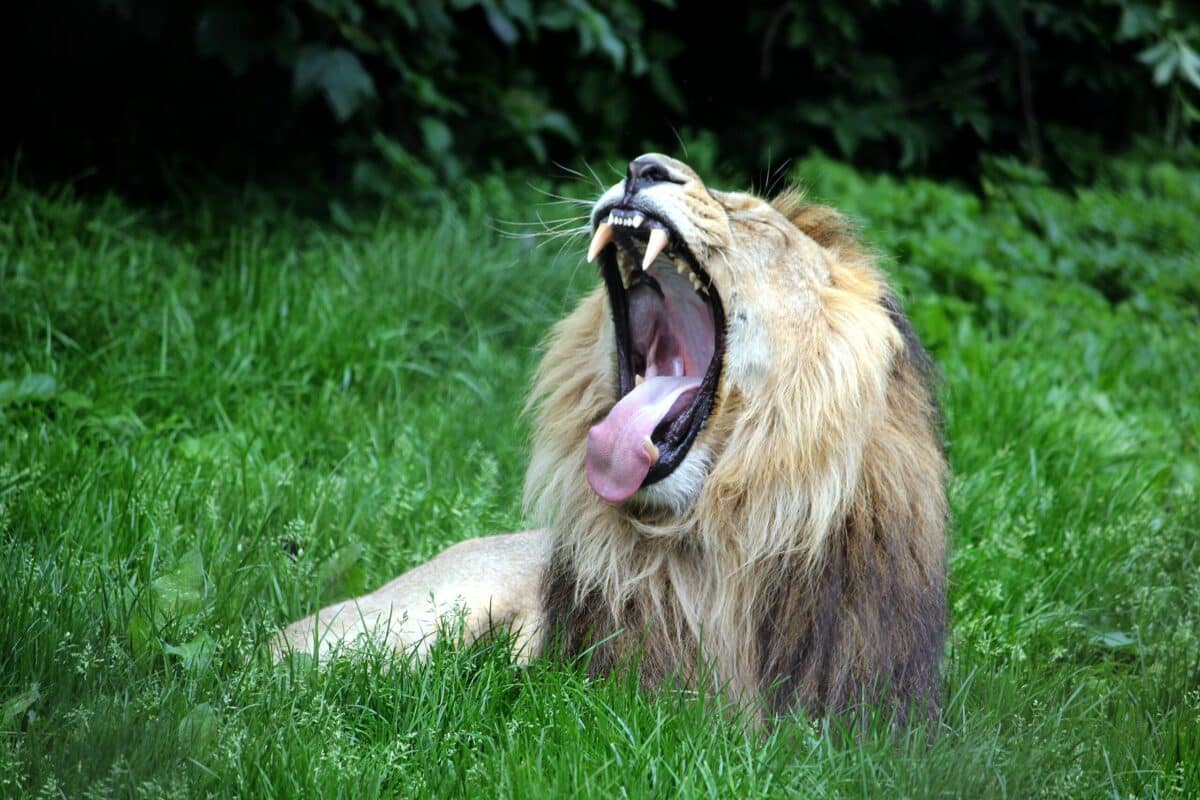
When measured at the source, a lion’s roar can reach an astonishing 114 decibels—comparable to standing near a jet engine or attending a rock concert. This extreme volume is a fundamental factor in the roar’s ability to travel such impressive distances. To put this in perspective, normal human conversation occurs at about 60 decibels, while a motorcycle engine registers around 95 decibels. The lion’s roar is exponentially louder than both.
The volume of a lion’s roar is generated through remarkable muscular control. Lions can contract and relax their vocal muscles with precision, creating the powerful air pressure needed to produce their thunderous vocalizations. The structure of the lion’s chest and lungs also contributes to this capability, with powerful respiratory muscles providing the air support necessary for sustained roaring. A male lion can maintain a continuous roar for up to 40 seconds, using specialized breathing techniques that allow it to inhale and exhale while continuing to vocalize—another adaptation that enhances the carrying power of its roar.
The Frequency Profile of a Lion’s Roar

The acoustic characteristics of a lion’s roar are essential to its long-distance carrying capacity. While humans perceive the roar as primarily a deep, rumbling sound, acoustic analysis reveals a complex frequency structure that optimizes sound transmission. The fundamental frequency of a male lion’s roar typically ranges from 40 to 200 Hz, which is notably lower than the frequency range most effectively heard by humans (approximately 2,000 to 5,000 Hz).
Interestingly, a lion’s roar also contains infrasonic components—frequencies below the threshold of human hearing (20 Hz). These extremely low frequencies can travel even greater distances than audible sound and may serve communication purposes that scientists are still working to fully understand. The presence of these infrasonic elements suggests that lions may be able to communicate over distances even greater than the five miles that human observers can detect. The roar also contains harmonic overtones that give it its distinctive quality and help other lions recognize the specific individual doing the roaring.
Male vs. Female Roaring Capabilities
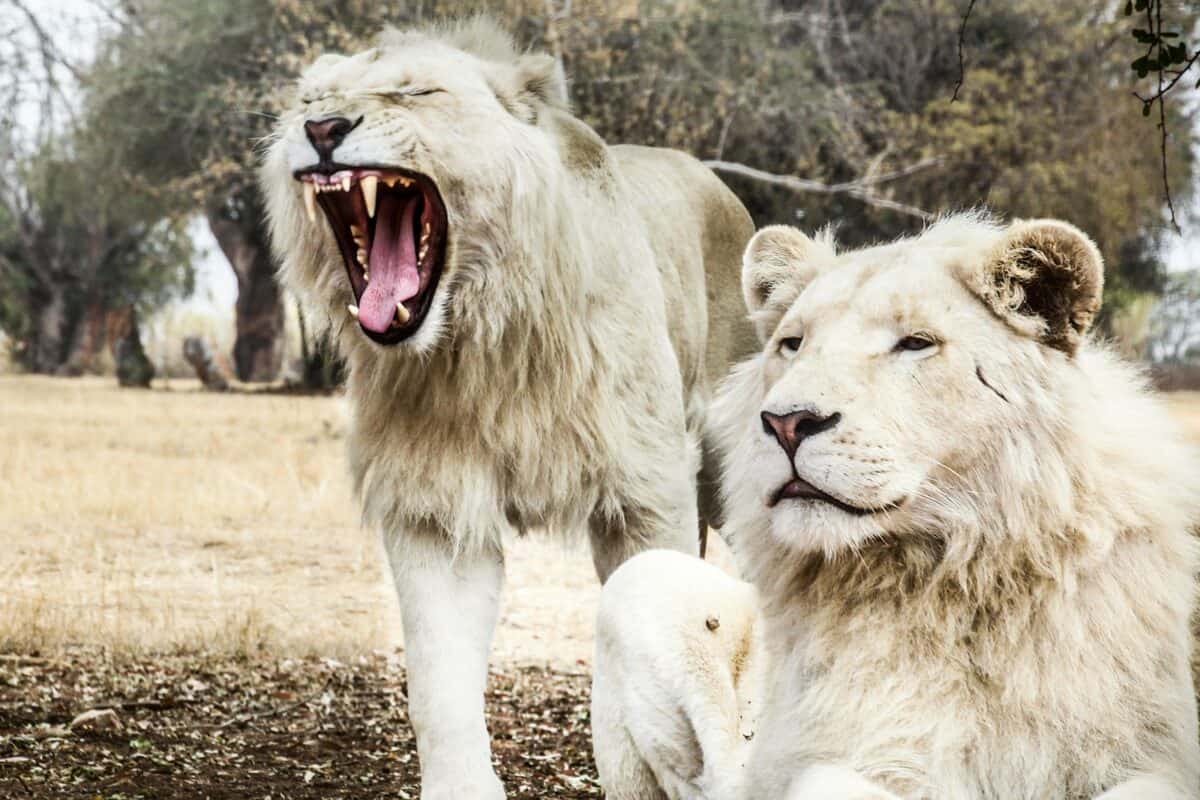
While both male and female lions can roar, there are significant differences in their roaring capabilities. Male lions typically produce louder, deeper roars that can travel the full five-mile distance. This difference is primarily due to sexual dimorphism—male lions are considerably larger than females, with more developed chest muscles, larger lungs, and longer vocal folds. The average adult male lion weighs between 330 and 550 pounds, compared to 265 to 395 pounds for females, providing males with greater physical resources to power their vocalizations.
Female lions, however, roar more frequently than males in many prides. Their roars, while not quite as powerful as those of males, still carry impressive distances of several miles. Female roaring serves different social functions, often related to coordination during hunting, maintaining pride cohesion, and communicating with cubs. The acoustical differences between male and female roars also allow lions to easily identify the sex of a distant roaring individual, which has important implications for territorial behavior and social responses.
The Social Function of Long-Distance Roaring

The lion’s ability to project its roar over vast distances serves crucial social functions that have directly contributed to the species’ evolutionary success. For male lions, long-distance roaring serves as a territorial advertisement, warning rival males to stay away while simultaneously announcing their presence to females. A strong, resonant roar signals genetic fitness and physical prowess—important qualities that influence mate selection and territorial dominance.
For pride members separated across the savanna, roaring functions as a long-distance communication system. Lions can recognize the voices of specific pride members, allowing them to coordinate movements and reunite after separations. This vocal recognition system is particularly important given that lions may range over territories spanning up to 100 square miles. The five-mile carrying capacity of a lion’s roar means that pride members can maintain acoustic contact even when visually separated by significant distances, enhancing the pride’s social cohesion and cooperative hunting effectiveness.
Roaring Patterns and Territorial Displays
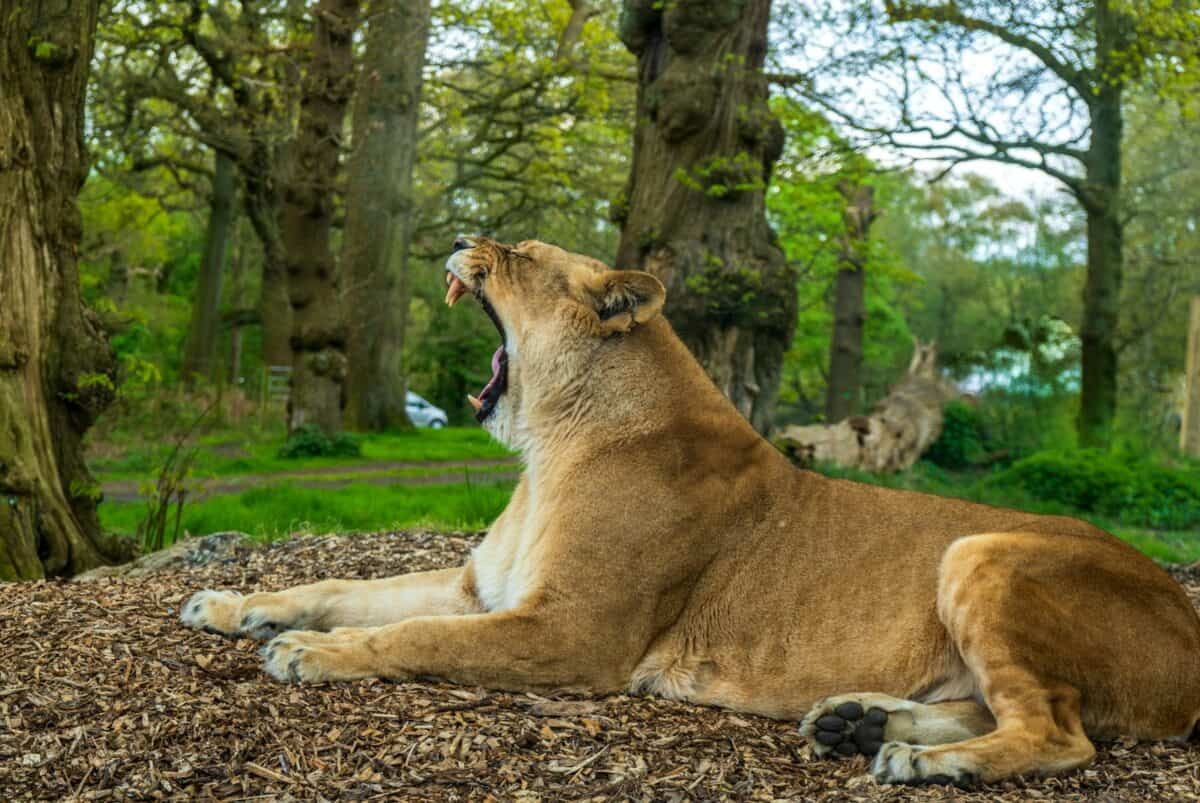
Lions don’t roar randomly but follow distinct patterns that maximize the vocalization’s territorial impact. Male lions often engage in coordinated roaring sessions, particularly in the early morning and evening hours when atmospheric conditions favor sound propagation. These sessions typically begin with deep moans that transition into full-throated roars, followed by a series of shorter grunts as the sequence concludes.
A territorial male may roar up to 50 times per night during active periods, creating an acoustic perimeter around his territory. Research has shown that neighboring prides can gauge the number of males in a group based on their roaring patterns. This acoustic information influences territorial decisions, as male coalitions avoid confrontations with larger groups that could potentially defeat them. The five-mile range of a lion’s roar means that a single male can acoustically defend a territory of approximately 78 square miles—an extraordinary efficiency that reduces the need for constant physical patrolling and potentially dangerous confrontations.
Evolutionary Development of the Lion’s Roar
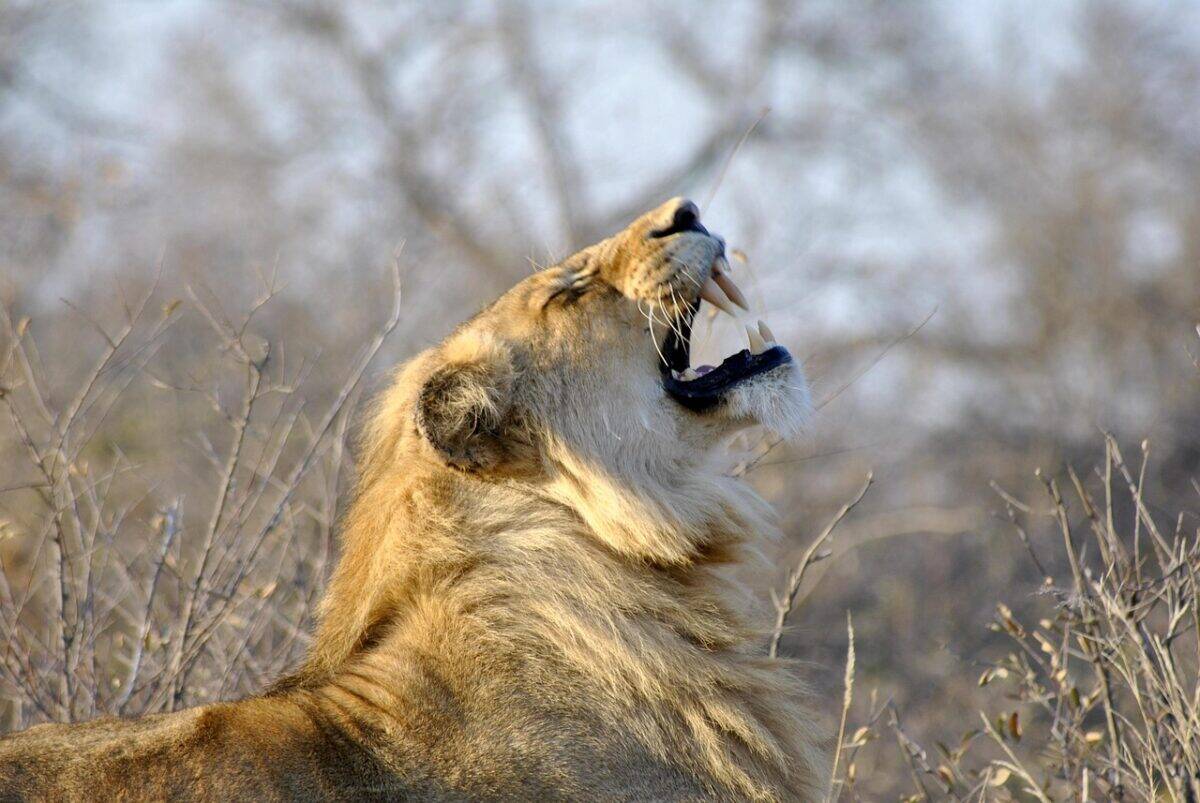
The remarkable carrying power of the lion’s roar is the product of millions of years of evolutionary refinement. The Panthera genus, which includes lions, tigers, jaguars, and leopards, diverged from other cat lineages approximately 10.8 million years ago. One of the defining characteristics of this evolutionary branch was the development of the specialized hyoid apparatus that enables roaring. This adaptation likely evolved in response to the selective pressures of territorial competition and the advantages of long-distance communication in open habitats.
Lions specifically evolved in open grassland environments where visibility is often limited by tall grasses and gentle terrain undulations. In such environments, the ability to communicate over long distances provided significant adaptive advantages for territorial control and pride coordination. The evolution of the five-mile roar represents a perfect example of adaptation to ecological niche—a vocal solution to the challenges presented by the lion’s natural habitat and social structure. Modern lions (Panthera leo) have continued to refine these adaptations since they emerged as a distinct species approximately 1 million years ago.
How Scientists Study Lion Vocalizations

Understanding the remarkable five-mile reach of a lion’s roar has required innovative research methodologies. Field biologists use specialized acoustic monitoring equipment to record and analyze lion vocalizations across their natural habitat. Modern recording equipment can capture the full frequency spectrum of lion roars, including the infrasonic components that human ears cannot detect. These recordings are then analyzed using advanced acoustic software that can measure precise frequency components, volume, and other characteristics.
To measure exactly how far lion roars travel, researchers typically position multiple recording stations at measured distances from known lion territories. By comparing the strength of recordings at different distances, scientists can create propagation models that account for environmental factors like temperature, humidity, and terrain. Some studies have used playback experiments, broadcasting recorded roars through calibrated speakers to observe how other lions react at different distances. These methods have confirmed that under ideal conditions, other lions can detect and respond to roars from distances of approximately five miles, with some evidence suggesting that certain infrasonic components may travel even farther.
The Impact of Habitat Loss on Roaring Communication

The effectiveness of the lion’s five-mile roar is increasingly threatened by habitat fragmentation and human encroachment. As natural lion habitats become divided by roads, settlements, and agricultural development, the acoustic environment changes dramatically. Anthropogenic noise from vehicles, machinery, and human activities creates a form of “acoustic pollution” that can mask lion vocalizations and reduce their effective communication range.
Additionally, habitat fragmentation means that even if a roar could theoretically travel five miles, there might not be five miles of continuous lion habitat for it to travel through. Conservation biologists are increasingly concerned about how these changes affect lion social dynamics and territorial behaviors. Some research suggests that lions in areas with higher human activity roar less frequently and at different times, potentially disrupting normal social and reproductive patterns. As lion populations become more isolated in fragmented habitats, their ability to communicate over long distances—one of their evolutionary advantages—may become increasingly compromised, adding another challenge to conservation efforts for this vulnerable species.
Comparing the Lion’s Roar to Other Animals
The lion’s ability to project its roar up to five miles places it among the most acoustically impressive animals on land, but how does it compare to other vocal champions in the animal kingdom? While impressive, the lion’s roar doesn’t travel as far as the low-frequency vocalizations of elephants, which can carry up to 6 miles through ground vibrations. In aquatic environments, the blue whale’s calls can travel hundreds of miles through oceanic sound channels, making them the undisputed long-distance communication champions.
Among the big cats, tigers can also roar with comparable volume to lions, but studies suggest their vocalizations don’t travel quite as far in most environments. Jaguars and leopards, the other roaring cats of the Panthera genus, produce less powerful roars that typically carry only 1-2 miles. Outside the cat family, howler monkeys produce vocalizations that can travel up to 3 miles through dense rainforest—remarkable given their small size but still falling short of the lion’s acoustic reach. What makes the lion’s five-mile roar particularly impressive is not just the distance it travels but the combination of volume, distinctive character, and the open environment in which it functions as a key social and territorial signal.
The Lion’s Roar in Human Culture and History

The impressive carrying power of the lion’s roar has made a profound impact on human cultures throughout history, particularly in Africa where people have lived alongside these magnificent predators for thousands of years. Many African cultures incorporated the sound of the lion’s roar into their mythology and folklore, often associating it with power, royalty, and divine strength. The ability to hear a lion’s roar from up to five miles away meant that human settlements were acutely aware of lion presence, shaping cultural practices and beliefs around these acoustic encounters.
In modern times, the lion’s roar remains one of the most recognizable animal sounds worldwide, even for people who have never encountered a lion in the wild. The MGM lion’s roar, which has introduced countless films since 1924, has become an iconic sound in cinema history. However, interestingly, what most people recognize as a “lion’s roar” from media is often a modified tiger vocalization, as tigers produce more consistent roars that record better for entertainment purposes. Nevertheless, the cultural fascination with the lion’s roar continues to reflect humanity’s enduring respect for an animal whose voice can dominate the landscape for miles around, embodying power in sound form.
The Magnificent Voice of the Savanna:
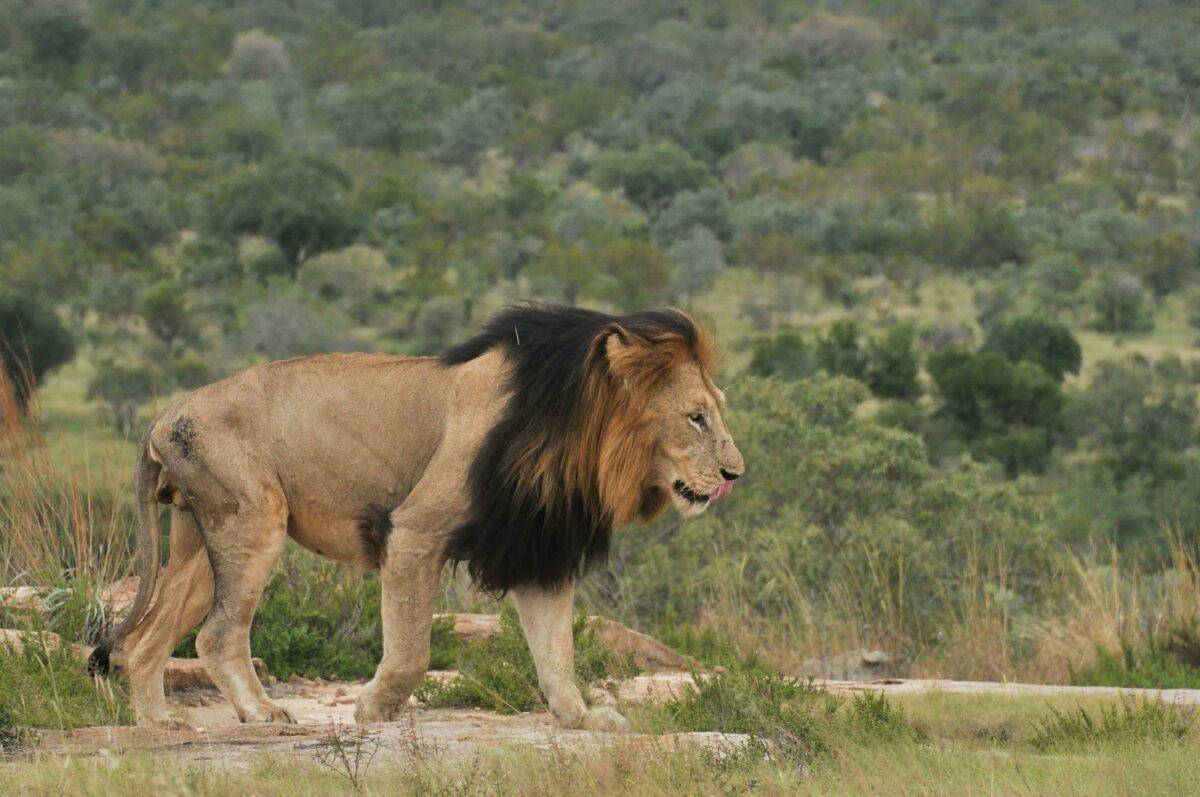
The lion’s ability to project its roar up to five miles represents one of nature’s most remarkable acoustic achievements—a perfect marriage of specialized anatomy, physics, and evolutionary adaptation. This extraordinary vocal capability serves multiple crucial functions, from territorial defense and mate attraction to pride coordination and social bonding. The distinctive sound, characterized by its low frequency, extreme volume, and complex acoustic structure, has evolved precisely to maximize transmission across the open savannas that lions call home.
As we continue to study and understand the mechanics and purposes of the lion’s far-reaching roar, we gain not only scientific knowledge but also a deeper appreciation for the sophisticated communication strategies that have evolved in the natural world. For the lion, the ability to make its presence known across five miles of territory represents an efficient use of energy that reduces the need for constant physical patrolling while maximizing social coordination within its complex family groups.
The Echo of the Wild: Preserving the Lion’s Roar in a Changing World
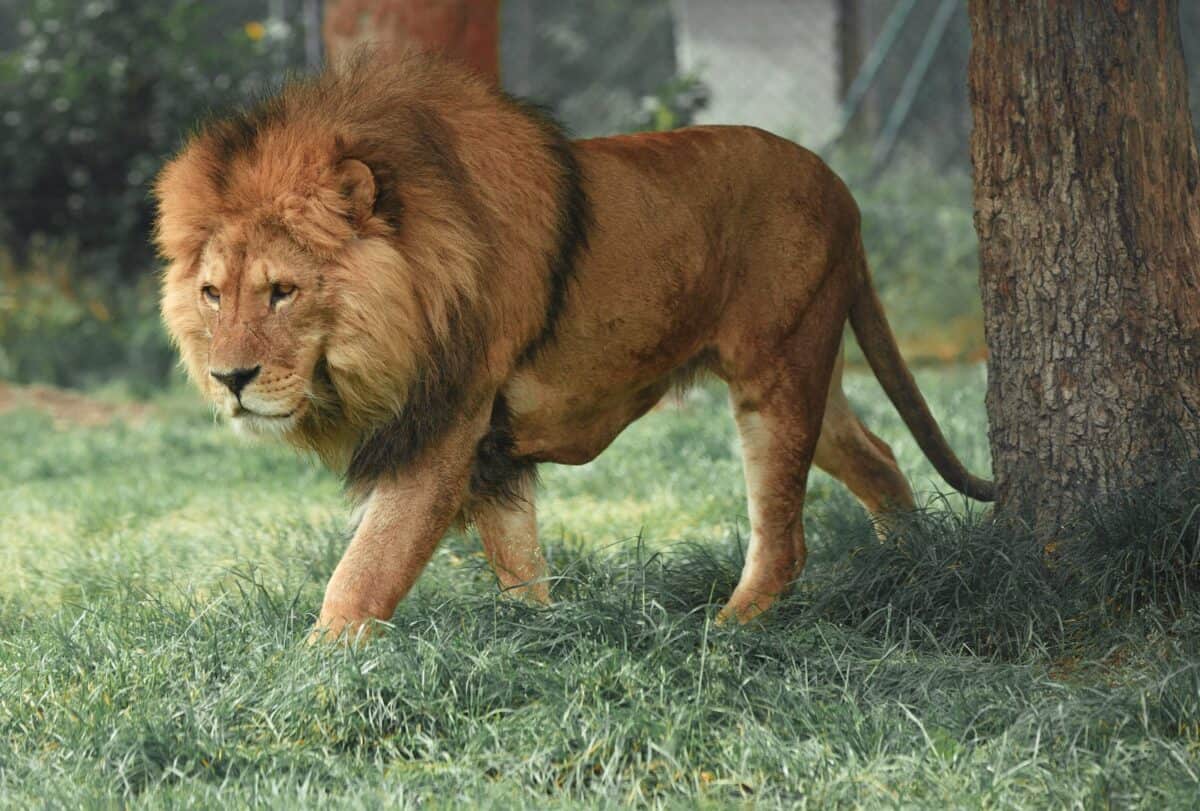
Unfortunately, habitat fragmentation, acoustic pollution, and declining lion populations threaten this impressive vocal ecology. Conservation efforts must consider not just the physical space lions need but also the acoustic environment necessary for their traditional communication patterns to function effectively. In protecting lions and their habitats, we preserve not just the animals themselves but also one of nature’s most impressive acoustic marvels—the mighty roar that rolls across the savanna, announcing the presence of the king of beasts for miles around.
The next time you hear a lion’s roar, whether in a wildlife documentary or perhaps fortunately at a safe distance on safari, remember that you’re experiencing a vocalization perfected over millions of years—a sound powerful enough to command respect across an entire ecosystem and still captivate the human imagination in the 21st century.

- 21 Scary Creatures You Might Run Into While Hiking In The U.S - June 3, 2026
- The Difference Between Turtles and Tortoises—Explained - June 3, 2026
- What Makes Owls the Silent Predators of the Night? - June 3, 2026