
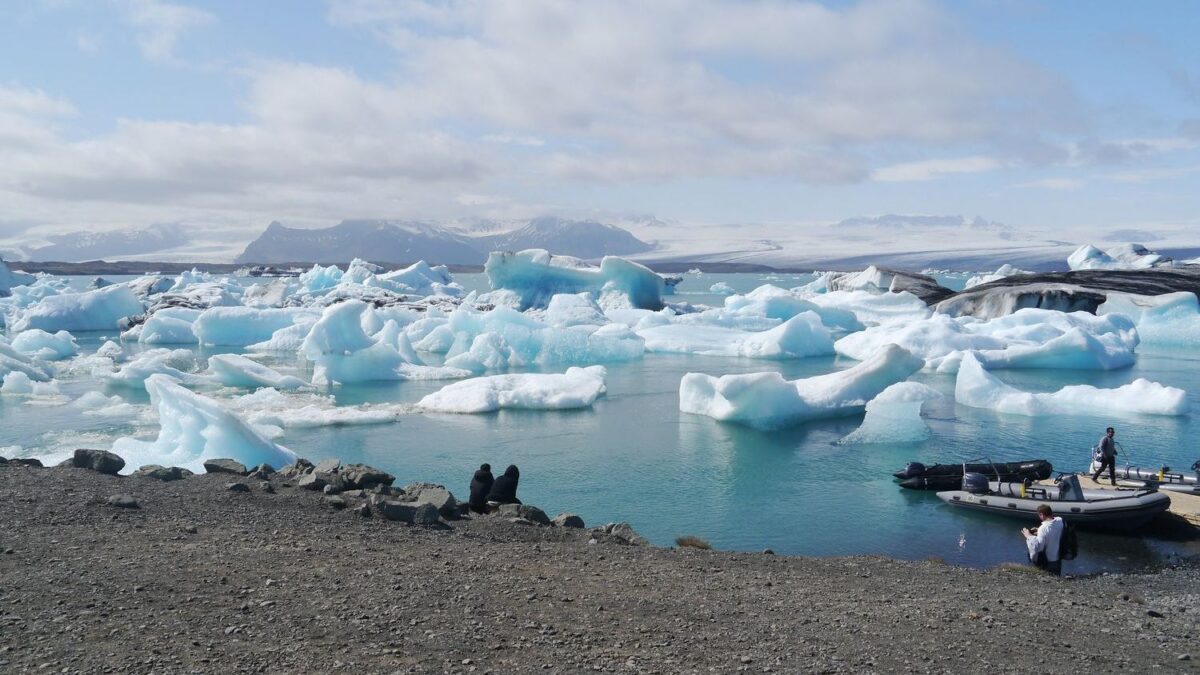
Picture this: You’re standing on rugged coastal rocks, watching massive ice giants drift past in brilliant shades of white and turquoise blue. These frozen sculptures have traveled thousands of miles from Greenland, some as old as 10,000 years, and you’re about to witness them up close. It sounds like an Arctic expedition requiring weeks of planning, yet this incredible spectacle is surprisingly accessible from New York City. Ready to chase icebergs? Let’s dive into how you can make this bucket-list journey happen.
Understanding Your Destination: Twillingate, Newfoundland
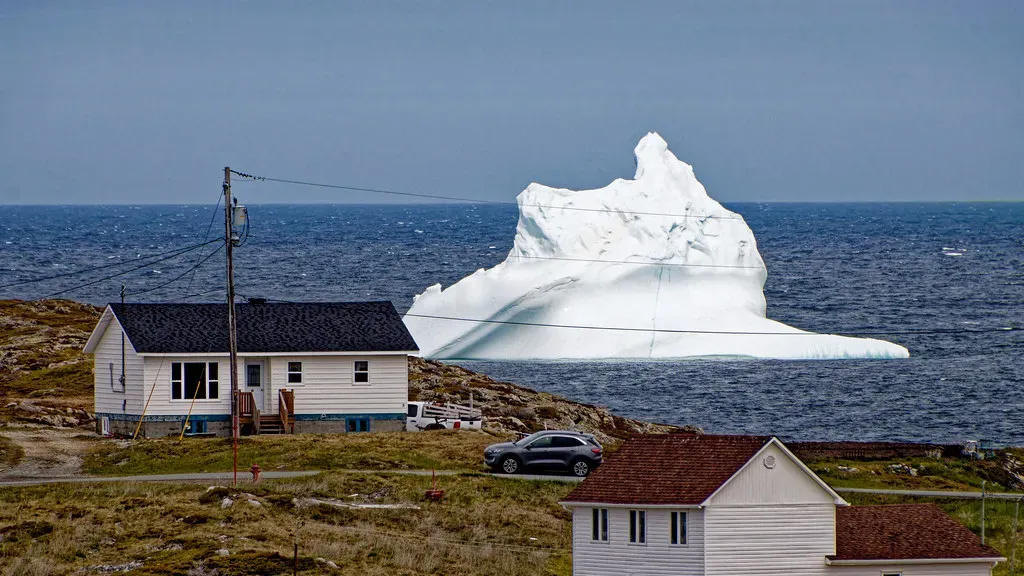
The town is known as the “Iceberg Capital of the World” because of the scenery and icebergs that are seen in the spring months. Known as the Iceberg Capital of the World, Twillingate is one of Newfoundland’s best locations for admiring these giants of nature that break off the ice cap in Baffin Island, Greenland. This charming coastal town sits on an archipelago of islands along Newfoundland’s northeastern coast, perfectly positioned along what locals call Iceberg Alley.
Twillingate is a town of 2,121 people located on the Twillingate Islands (“Toulinquet”) in Notre Dame Bay, off the north eastern shore of the island of Newfoundland in the province of Newfoundland and Labrador, Canada. The town is about 100 kilometres (62 mi) north of Lewisporte and Gander. The town itself is a picture-perfect maritime village with colorful houses, friendly locals, and a rich fishing heritage that stretches back centuries.
Flying From New York To Newfoundland
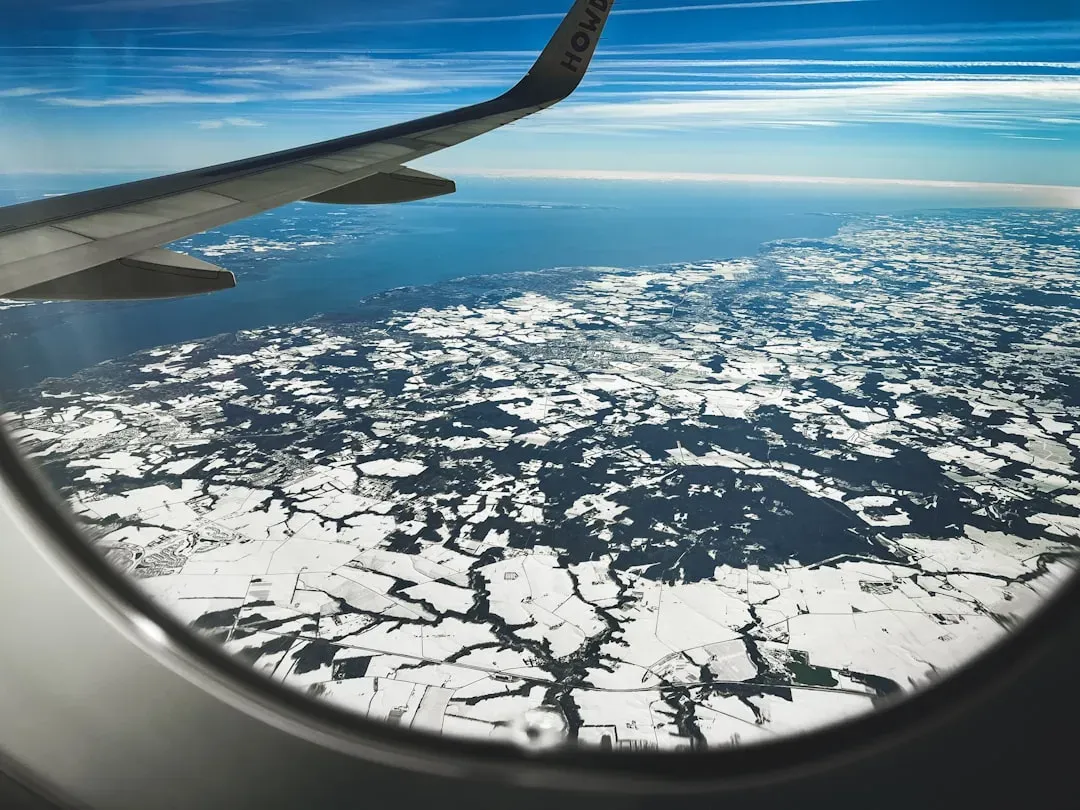
Getting to Newfoundland from New York City is easier than most people realize. Fly from New York on Air Canada, Porter Airlines and more. The fastest way to get from New York to Newfoundland is to fly which takes 7h 39m and costs $410 – $1,300. Several airlines offer routes, though you’ll typically need to make at least one connection.
The most common route involves flying into St. John’s International Airport, the capital city of Newfoundland and Labrador. The cheapest airlines for a one-way flight from New York to Newfoundland and Labrador are Porter Airlines ($189), Air Canada ($205), and Delta ($450). You can depart from JFK, Newark, or LaGuardia, giving you flexibility depending on where you’re coming from in the New York metropolitan area. Honestly, booking a few weeks in advance usually gets you the best deals.
Alternative Airport: Flying Into Gander

Here’s a pro tip that many travelers overlook: The nearest major airport is Gander International Airport (YQX), approximately (1.5 hours) from Twillingate. While St. John’s is larger and has more flight options, Gander cuts your driving time significantly. If you can find a reasonable connection through Gander, you’ll save yourself several hours on the road.
You can rent a car from the airport to reach your destination in Twillingate. Alternatively, you can fly into St John’s, rent a car from the airport, and then drive to Twillingate. The drive from Gander is straightforward and scenic, taking you through quintessential Newfoundland landscapes. From St. John’s, the journey is longer but equally beautiful, clocking in at around five hours depending on how many photo stops you make along the way.
The Scenic Drive To Twillingate

If you’re travelling from St. John’s, the capital city of Newfoundland and Labrador, Twillingate is about a 5-hour drive away. This drive is an adventure in itself, winding through coastal villages, past rocky shores, and through forests that open up to stunning bay views. You’ll want to rent a vehicle with good visibility because the scenery demands attention.
Twillingate Island is connected to mainland Newfoundland via the Walter B. Elliott causeway as part of Route 340. The route is well-marked and easy to navigate, though cell service can be spotty in certain areas, so downloading offline maps is smart. Pack some snacks and your favorite road trip playlist. The landscape changes dramatically as you head north, with each coastal town offering its own unique character and possibly a reason to stop for photos or fresh seafood.
Timing Your Visit For Maximum Iceberg Viewing
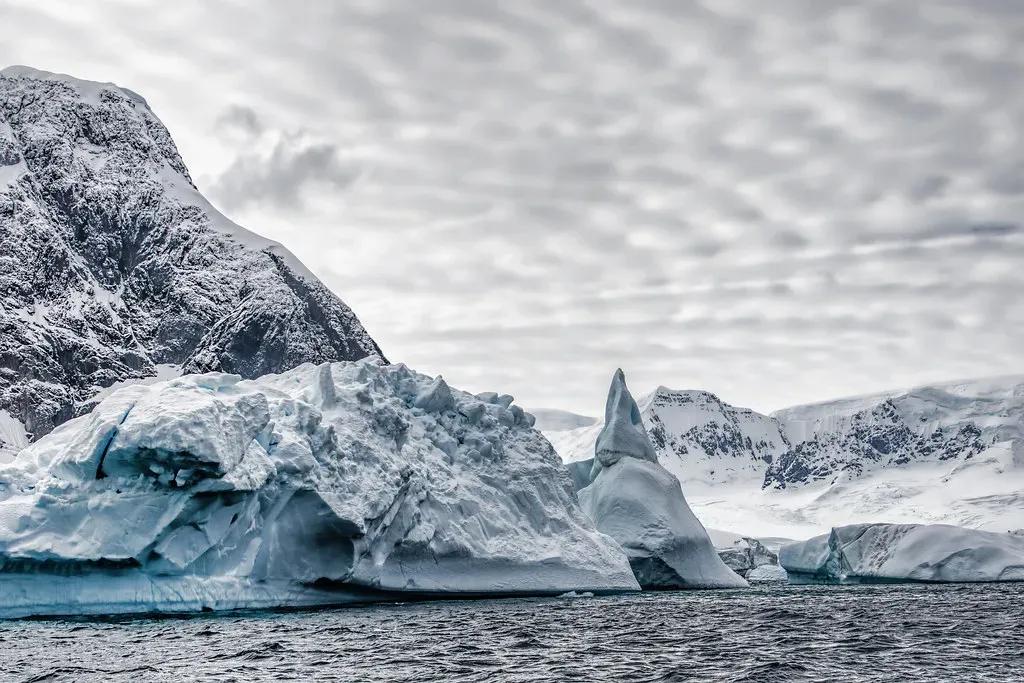
Timing matters immensely when chasing icebergs. The best time to see icebergs in Twillingate is from late May to early June. During these months, the icebergs are most abundant and visible as they travel down Iceberg Alley. April and May are the months when bergs are most plentiful, but they may be locked up in sea ice, so we suggest late May and early June for best viewing.
Let’s be real, nature doesn’t follow a precise schedule. However, depending on weather conditions and iceberg flow, sightings can still occur from April to July. I’d recommend booking your trip for the last week of May or the first two weeks of June to maximize your chances. Check the Iceberg Finder website or local Facebook groups before you travel for real-time iceberg reports. Some years are better than others, which adds an element of unpredictability that honestly makes spotting one even more thrilling.
Experiencing The Icebergs Once You Arrive
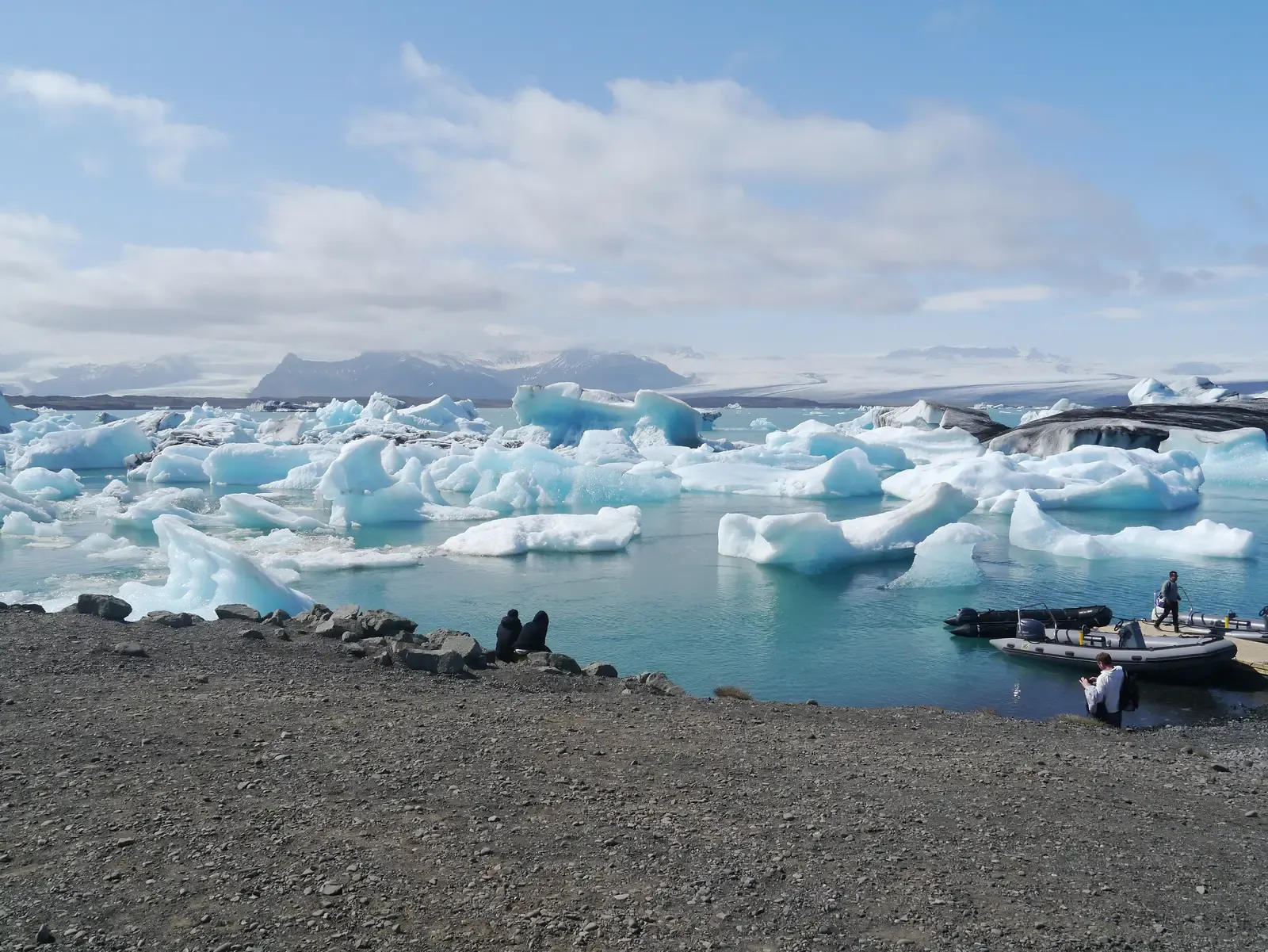
Once you’re in Twillingate, several options exist for getting close to these frozen giants. Take one of the three daily cruises offered by Twillingate Island Boat Tours, based at the Iceberg Shop (50 Main St., 709/884-2242 or 800/611-2374, adult $55, child $35), on the south side of the harbor. Tours operate May-September, although the best iceberg viewing is late May-mid-June. Departures are daily at 9:30am, 1pm, and 4pm, and tours last two hours.
If you prefer land-based viewing, head to Long Point. Head for Long Point, the high rocky promontory that juts into the Atlantic Ocean beside Notre Dame Bay. To get there, take Main Street around the harbor (past the museum and Harbour Lights Inn) and follow the road all the way to Long Point for the best land-based iceberg viewing in the area. The lighthouse there provides a stunning vantage point, and you might even witness an iceberg calving, which is absolutely unforgettable. Bring binoculars, layers of clothing regardless of the season, and patience. Sometimes the bergs are right offshore, other times you’ll spot them in the distance.
What Else To Know Before You Go
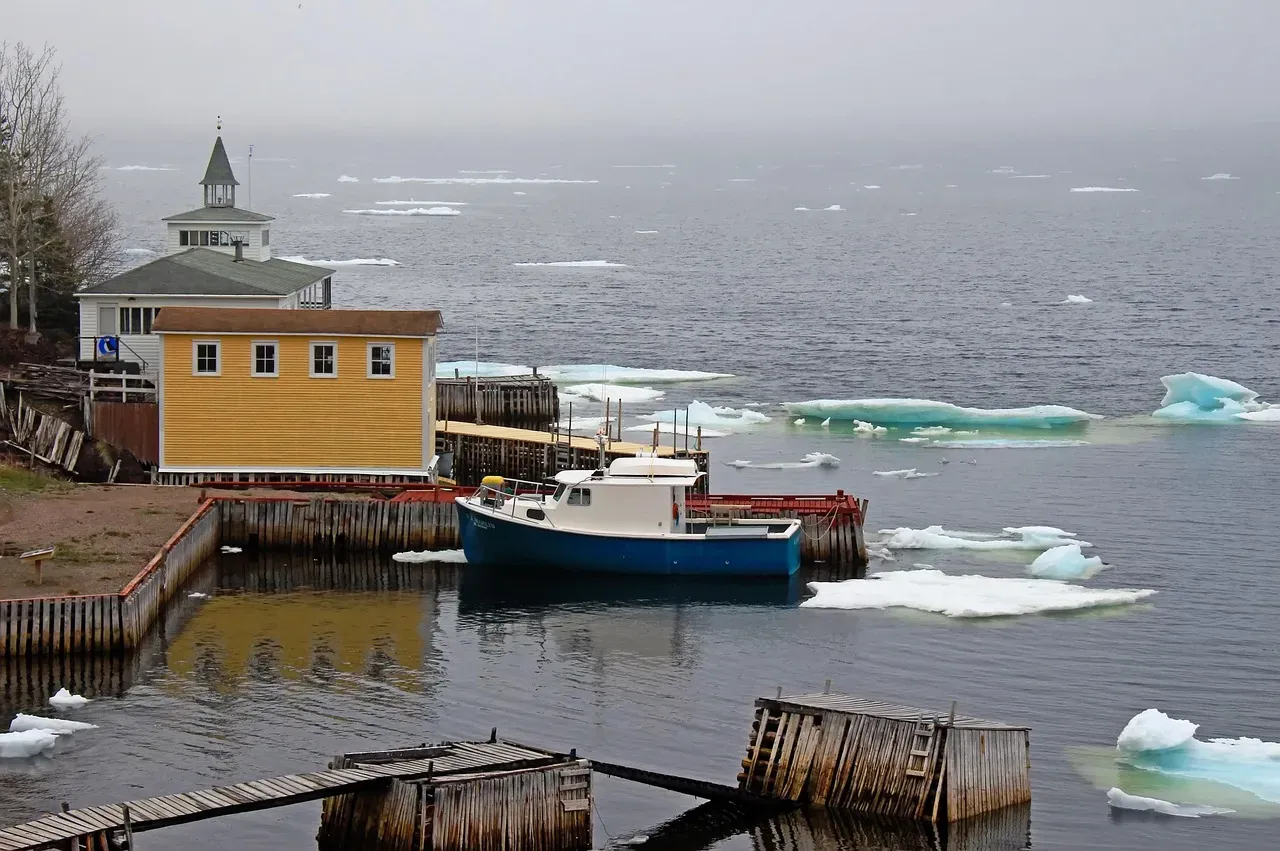
Newfoundland’s weather is notoriously unpredictable. You might experience sun, rain, fog, and wind all in one day, so pack accordingly. Layering is essential, and waterproof gear is your friend. The locals are incredibly welcoming and love sharing stories about their town and the icebergs. Strike up conversations and don’t be surprised if someone invites you to try a piece of iceberg in your drink – yes, people actually collect small pieces that wash ashore.
Roughly 90% of icebergs seen off Newfoundland and Labrador come from the glaciers of western Greenland, while the rest come from glaciers in Canada’s Arctic. These ancient ice formations have been traveling for years to reach your viewing point. Beyond icebergs, Twillingate offers whale watching, hiking trails, local museums, and some of the freshest seafood you’ll ever taste. It’s worth spending at least two or three days here to fully appreciate everything the area offers. The journey from New York might seem long, but standing face-to-face with a 10,000-year-old iceberg makes every mile worthwhile.
Conclusion
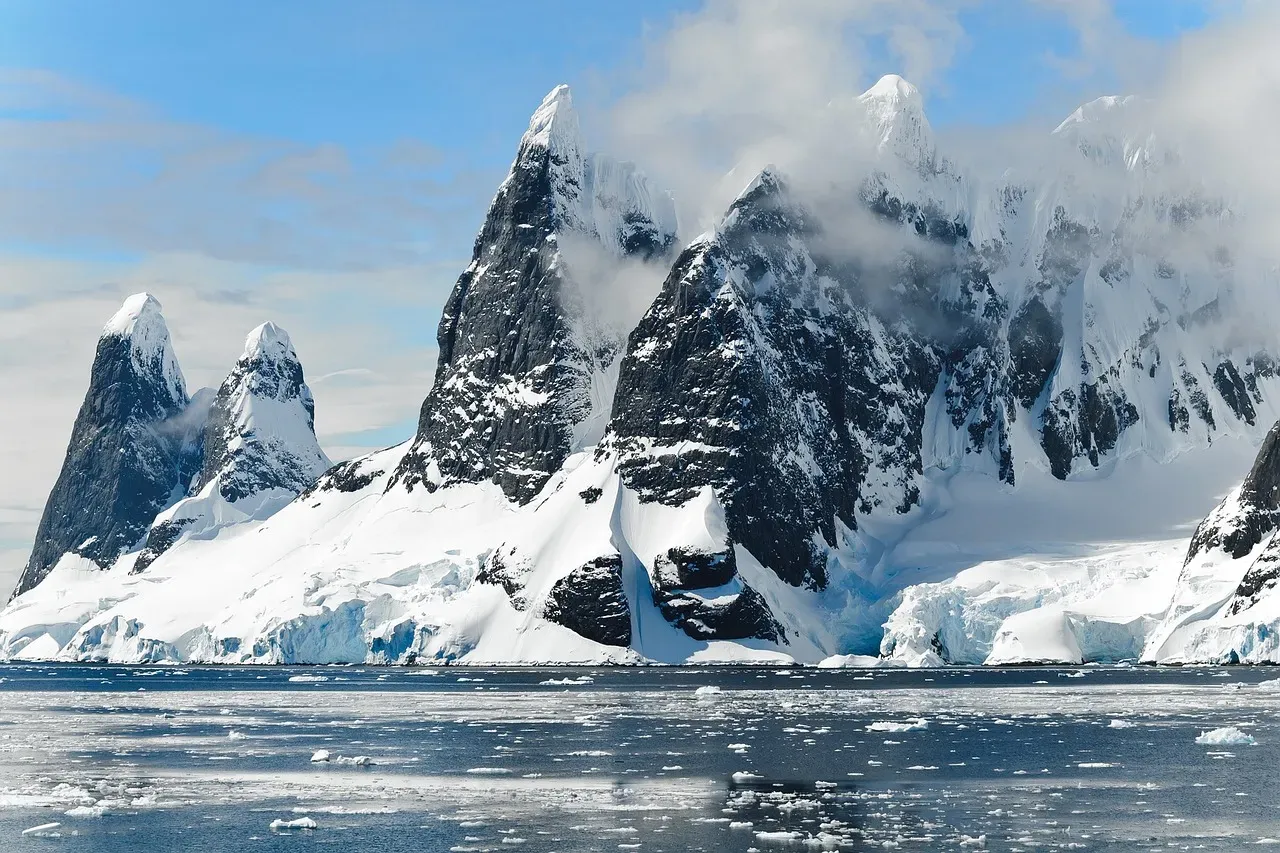
Getting is entirely achievable with a bit of planning and a spirit of adventure. The combination of accessible flights, scenic drives, and the sheer magnificence of witnessing ancient ice sculptures drifting through pristine waters creates an experience that few destinations can match. Twillingate isn’t just about icebergs either – it’s about connecting with a unique culture, exploring untouched landscapes, and experiencing nature at its most dramatic.
Whether you’re watching from a boat as massive bergs tower above you or standing on windswept cliffs scanning the horizon, the memory stays with you long after you’ve returned home. Have you ever seen an iceberg in person, or is Twillingate calling your name for the first time? What would you do first – take a boat tour or explore from land?
