



Humans in Argentina may have survived 20,000 years ago by hunting giant armadillos, according to a recent study. This discovery adds to the growing evidence that people arrived in the Americas earlier than previously thought. The study sheds light on ancient survival strategies during the Late Pleistocene, offering a glimpse into the life and challenges of early humans in South America.
Early Human Presence
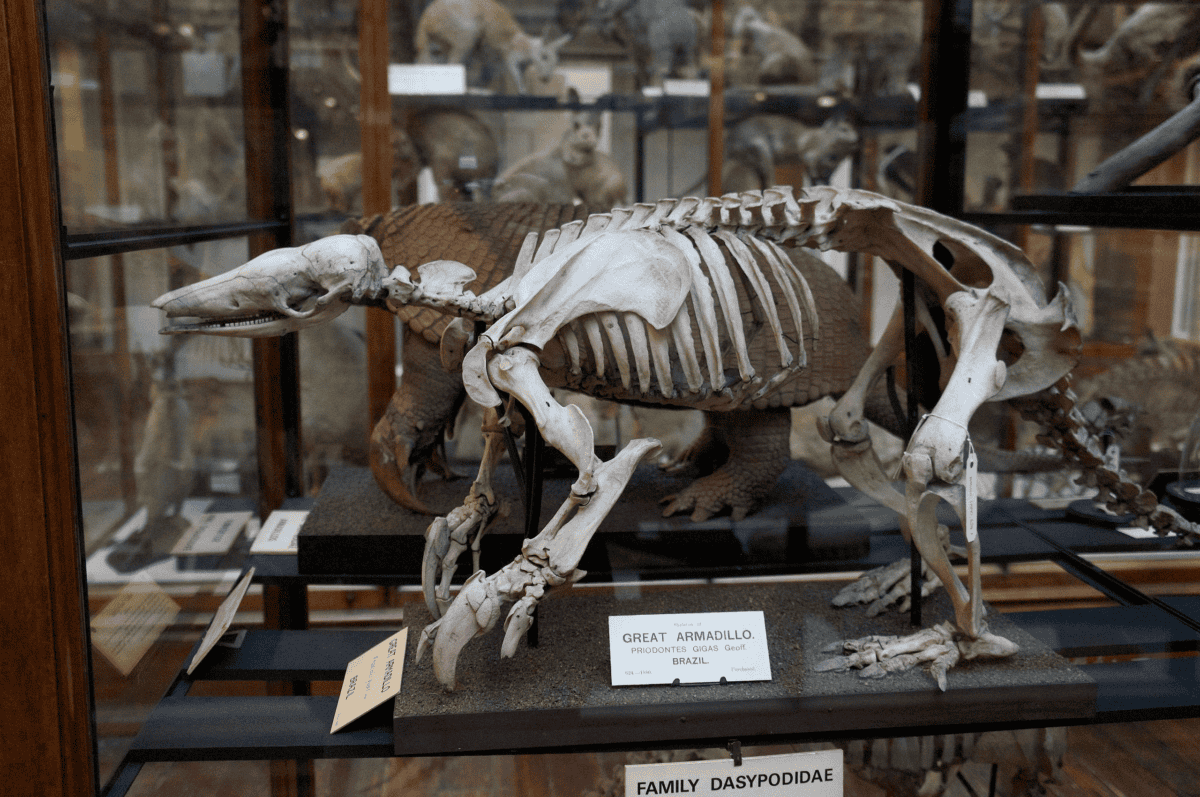
The discovery of butchered bones in Argentina suggests that humans were present in South America around 20,000 years ago. This predates the widely accepted timeline of human migration into the Americas. The finding supports the theory that people spread throughout the continent earlier than assumed, challenging the long-held belief of a later arrival.
Glyptodonts: The Giant Armadillos
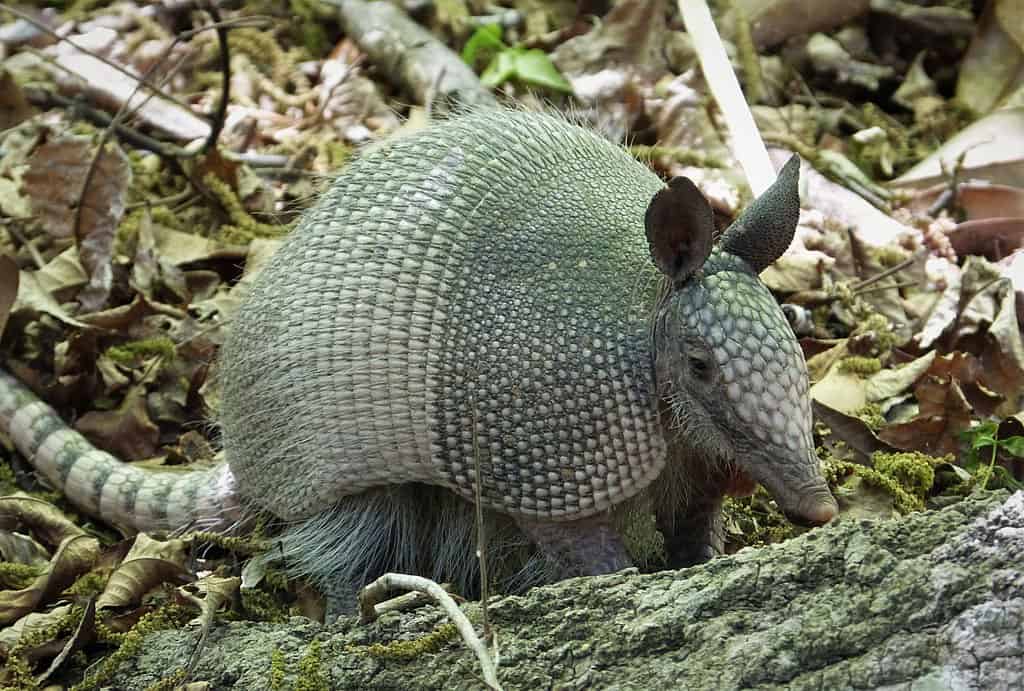
The study focused on the remains of a glyptodont, a giant armadillo-like creature. These animals were part of the megafauna that roamed the Americas during the Late Pleistocene. Glyptodonts were large, armored creatures, weighing around 660 pounds, making them a valuable source of meat for early humans. The study highlights the significance of these creatures in the survival strategies of ancient people.
Evidence of Human Interaction

Researchers found cut marks on the bones of a glyptodont, indicating that humans butchered the animal. The marks, which were likely made by stone tools, provide evidence of human interaction with megafauna in South America. This interaction likely involved hunting and butchering these large animals, which would have provided substantial food resources for early human communities.
The Butchering Process

The location and pattern of the cut marks suggest a systematic butchering process. Researchers identified 32 cut marks on various parts of the glyptodont’s body, particularly on the pelvis and tail. These marks indicate that ancient humans targeted specific muscles for meat. The evidence suggests that early humans had developed techniques for efficiently processing large animals.

Portable Dog Water Bottle Foldable Dog Travel Water Bottle
Check Price on AmazonAs an Amazon Associate, we earn from qualifying purchases.
10/7/2026 1:29 pm GMTi

Halloween Cat Costume Cloak Witch Hat Pet Accessories
Check Price on AmazonAs an Amazon Associate, we earn from qualifying purchases.
10/9/2026 2:44 pm GMTi

Professional 7 in 1 Dog Paw Cleaner for Dogs & Cats - Includes 1 Portable Paw Washer, 1 Bath Brush
Check Price on AmazonAs an Amazon Associate, we earn from qualifying purchases.
10/7/2026 1:26 pm GMTi

Halloween Dog Collar with Bow, Orange Cute Ghost Collar,
Check Price on AmazonAs an Amazon Associate, we earn from qualifying purchases.
10/9/2026 2:43 pm GMTi

Glass Hummingbird Feeder for Outdoors Hanging, 16 oz Leak-Proof Nectar Feeder with Bee Guards & Ant Moat
Check Price on AmazonAs an Amazon Associate, we earn from qualifying purchases.
10/7/2026 1:22 pm GMTi
Implications for Human Migration

The study’s findings push back the timeline of human presence in South America by nearly 6,000 years. This challenges the traditional view that humans arrived in the Americas via a land bridge from Siberia to Alaska around 13,000 years ago. The discovery in Argentina suggests that people may have migrated to South America earlier, possibly through coastal routes.
Challenges in Proving Human Presence

While the study provides compelling evidence of human interaction with glyptodonts, it also highlights the challenges in proving early human presence. No human-made tools were found at the site, which leaves some uncertainty. The researchers acknowledge the need for more evidence, such as the discovery of tools, to strengthen their claims.
Advanced Research Techniques

The study employed advanced techniques to analyze the cut marks on the glyptodont bones. Researchers used 3D scans and statistical methods to classify the marks and rule out natural causes. This meticulous approach increases the reliability of the findings, although the absence of tools at the site remains a point of debate among experts.
The Importance of Megafauna

Megafauna like glyptodonts played a crucial role in the survival of early humans in South America. The large size of these animals made them valuable targets for hunting, providing significant amounts of meat. The study highlights the importance of these creatures in understanding the diet and survival strategies of ancient human populations.

Hand Blown Glass Hummingbird Feeders for Outdoors Hanging, 24oz Wild Bird Nectar Feeder
Check Price on AmazonAs an Amazon Associate, we earn from qualifying purchases.
10/7/2026 1:23 pm GMTi

Air Purifiers for Home Pets Large Room Up to 3000 Ft²,HEPA Air Cleaner with Washable Double-Side Filter, PM2.5 Air Quality Monitor,15dB Sleep Mode for Bedroom Odor Dust Pollen,White
Check Price on AmazonAs an Amazon Associate, we earn from qualifying purchases.
10/8/2026 8:23 am GMTi

Glass Hummingbird Feeder for Outdoors Hanging
Check Price on AmazonAs an Amazon Associate, we earn from qualifying purchases.
10/7/2026 1:21 pm GMTi

2 Pcs Halloween Pet Hat Bandana Set, Witch Pumpkin Costumes for Dogs
Check Price on AmazonAs an Amazon Associate, we earn from qualifying purchases.
10/9/2026 2:45 pm GMTi

PetSafe Oasys Pet Fountain, 1/2 Gallon (64 oz), Small Dogs & Cats
Check Price on AmazonAs an Amazon Associate, we earn from qualifying purchases.
10/8/2026 8:14 am GMTi
The Role of Climate

The study also sheds light on the role of climate during the Late Pleistocene. The Last Glacial Maximum, a period of intense cold, coincided with the time when humans were likely hunting glyptodonts in Argentina. The harsh climate would have made survival challenging, and hunting large animals would have been a critical strategy for obtaining food.
Future Research Directions

The researchers plan to continue excavating the site to find more evidence of human activity. They hope to discover tools or other artifacts that can confirm the presence of early humans in the region. This ongoing research may provide further insights into the migration patterns and survival strategies of ancient people in South America.

Orthopedic Extra Large Dog Bed, Waterproof Washable XL Pet Bed 44"
Check Price on AmazonAs an Amazon Associate, we earn from qualifying purchases.
10/7/2026 1:32 pm GMTi

Smart Bird Feeder with Camera Solar Powered, 2K HD Live Video, 10,000+ Bird Species AI Identification
Check Price on AmazonAs an Amazon Associate, we earn from qualifying purchases.
10/7/2026 1:22 pm GMTi

Earth Rated XL Dog & Puppy Pee Pads, Discreet Top, Max Absorbency
Check Price on AmazonAs an Amazon Associate, we earn from qualifying purchases.
10/7/2026 1:28 pm GMTi

Dog Stairs for Bed 18" H, 4-Step Dog Steps for High Bed
Check Price on AmazonAs an Amazon Associate, we earn from qualifying purchases.
10/9/2026 2:42 pm GMTi
Conclusion

The discovery of butchered glyptodont bones in Argentina offers a glimpse into the lives of early humans in South America. These findings suggest that people arrived in the Americas earlier than previously thought and that they survived by hunting large animals like glyptodonts. While more evidence is needed, this study adds to our understanding of human history in the region.

For any feedback please message Feedback@animalsaroundtheglobe.com
- Ocicat - November 11, 2026
- Do Spiders Remember? Insights into Arachnid Memory - November 10, 2026
- Cute Frogs - November 9, 2026