


Florida’s weather is unpredictable—one minute it’s a postcard-perfect beach day, the next you’ve got a reptile dropping out of the sky. That’s exactly what happened to a man in Key Biscayne during a sudden cold snap.
He was taking a walk just after sunset when he heard a rustle above him. Before he could react, a massive green iguana—about 1.5 meters (5 feet) long—fell from a tree and landed directly on his face. He hit the ground, flailing, while the lizard flopped motionless on his chest like a scaly weighted blanket.
According to paramedics, the man suffered some scratches to his face, a few bruises, and what they politely referred to as “reptile shock.” The iguana? Still frozen stiff.
“Iguana Rain” Is a Real Weather Alert
It may sound like a joke, but “falling iguanas” are now an official part of Florida’s winter weather forecast. When temperatures drop below 7°C (45°F), cold-blooded reptiles like green iguanas enter a torpor-like state—basically, temporary paralysis. Their muscles stop working, and if they’re up in a tree? Gravity takes over.
The National Weather Service in Miami even tweeted a warning that week, alerting residents to watch for falling reptiles. Not ice. Not hail. Iguanas. And in some areas, dozens were found littering sidewalks, patios, and parked cars.
These Iguanas Are No Joke
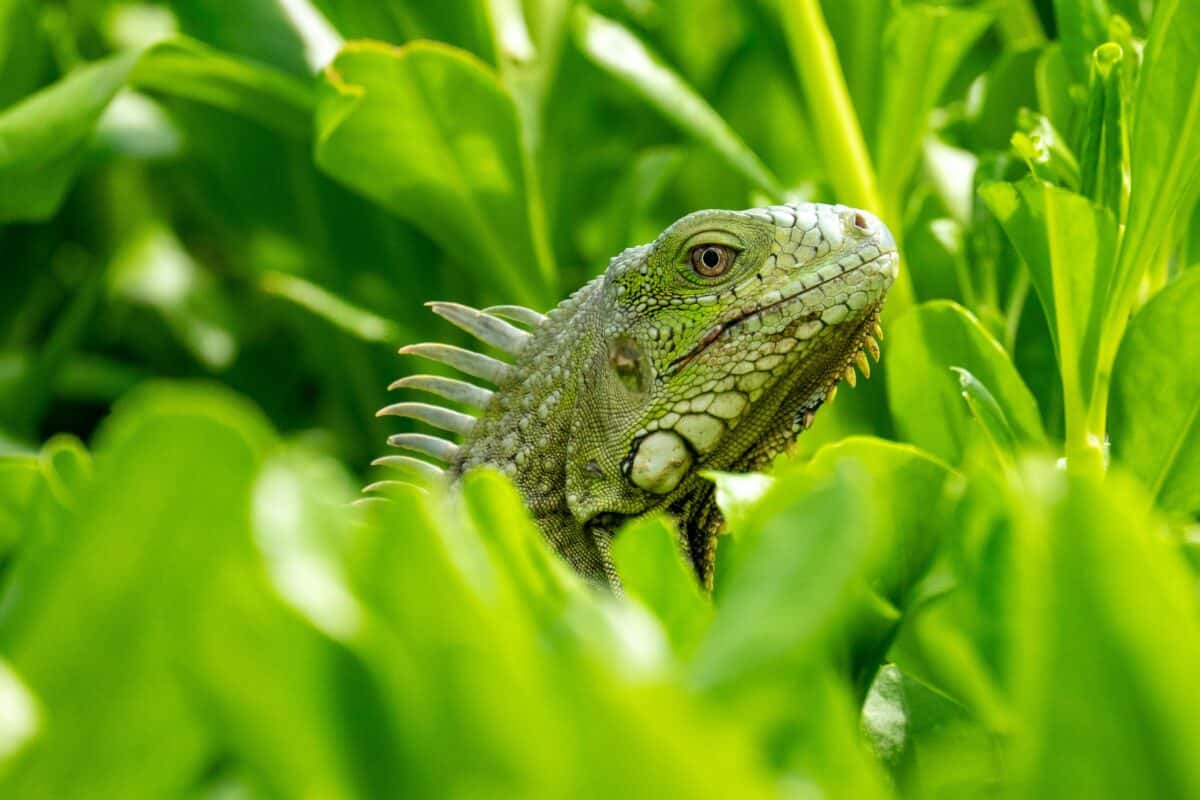
The iguana that hit the man weighed around 4.5 kilograms (10 pounds)—about the size of a small bowling ball with claws. Green iguanas are herbivores, but they’ve got powerful tails, sharp claws, and aren’t afraid to use them when startled (like, say, after falling 3 meters [10 feet] and waking up on a stranger’s chest).
Originally from Central and South America, green iguanas were brought to Florida through the pet trade and have exploded in number across the state. They thrive in warm, humid environments and are often seen sunbathing on sidewalks, rooftops, and tree limbs, until the temperature dips.
What To Do If One Drops In

Wildlife officials say not to touch frozen iguanas, even if they appear dead. Many “wake up” once the sun returns and temperatures rise. Trying to move or handle them can result in bites or tail lashes, especially if the animal panics mid-thaw.
It’s also illegal in some parts of Florida to release non-native wildlife once captured, so if you do collect a cold iguana, know the law—or better yet, leave it alone and let nature take care of the reboot.
From Weather Joke to Wildlife Hazard
The man involved in the Key Biscayne incident says he’ll never walk under trees the same way again. He’s recovered and now tells the story like a Florida badge of honor—“I survived the iguana drop.” He also bought a new hat, just in case.
While most falling iguanas won’t seriously injure you, a big one from a high branch can absolutely ruin your evening. So next time Florida dips below 10°C (50°F), maybe keep one eye on the skies—and one hand on your umbrella.

- Stray Cat Escapes Shelter, Walks Home in Florida - July 29, 2026
- Crowned Crane Escapes Zoo in Washington - July 27, 2026
- Jawless Alligator Shocks Everglades Visitors - July 27, 2026