
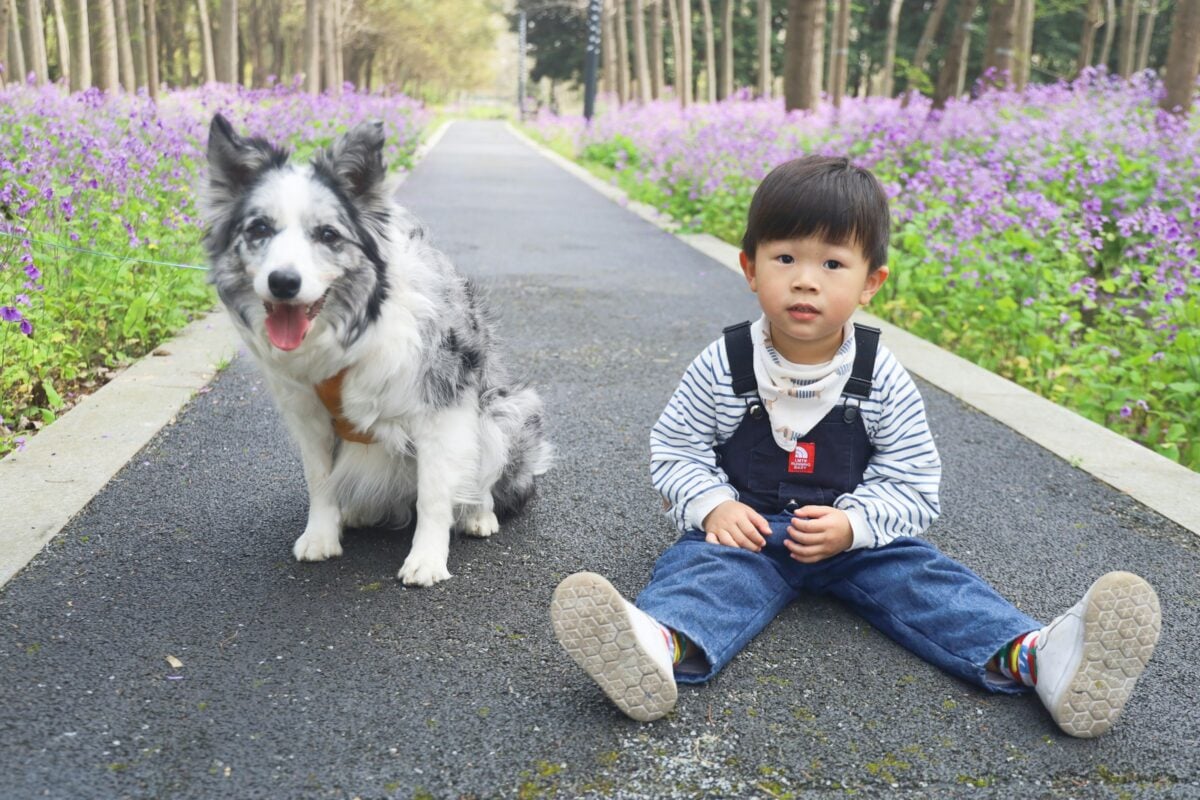


Here’s the twist most families learn too late: the dog that looks calm in an adoption photo and the dog that stays calm when a toddler grabs its tail are not always the same dog. A well-trained dog can still be a poor match for a loud, unpredictable house. Patience is partly built, but a lot of it is inherited.
This ranking sorts 15 breeds by the traits that count when a kid is mid-meltdown: steady nerves, low reactivity, soft mouths, and a long history of working alongside people. A couple of the giants are gentler than the small dogs. One famous favorite comes with a catch, and the top spot probably isn’t the breed you expect to be arguing about.
#15 – Basset Hound: The Low-Energy Listener
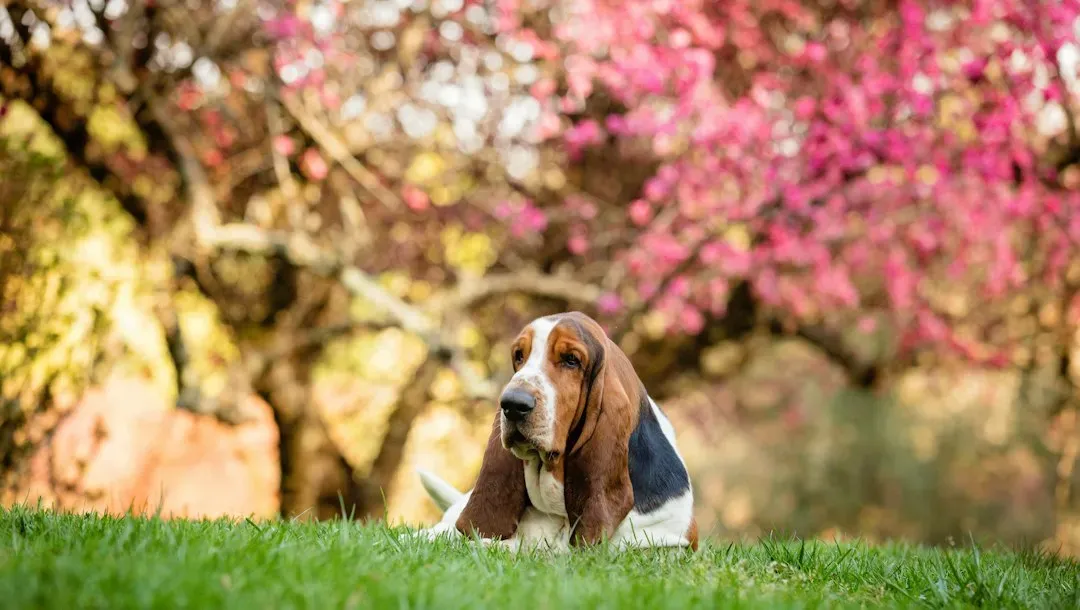
Nobody puts the Basset Hound on a family-dog poster, which is exactly why it earns a place here. Picture a four-year-old draped across its back like a sofa cushion while the dog simply sighs and keeps snoozing. That’s the Basset in its natural habitat.
Bassets were bred to trail scent at a slow, steady pace, and that rhythm carries into family life. They rarely startle at sudden movement, they don’t launch into wild zoomies, and they tend to shrug off clumsy hugs and ear tugs. Low energy also means fewer toddler collisions.
Under the droopy face is a quietly affectionate dog that likes being part of the pile. The tradeoff is stubbornness. Once a smell drifts by, that nose overrules every command you know.
- Great for apartments and less active homes.
- Needs patient, consistent training to manage the stubborn streak.
Did You Know: The Basset’s nose is often described as second only to the Bloodhound’s, which is why “sit” loses to “sniff” nearly every time.
#14 – Bulldog: The Unflappable Couch Companion
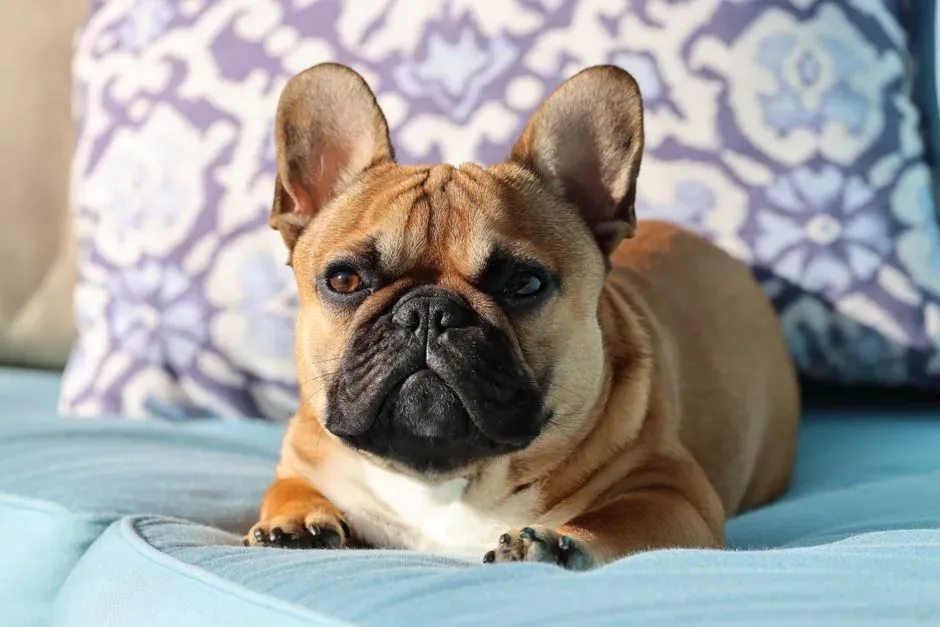
The Bulldog’s ancestors were bred for the brutal sport of bull-baiting. Modern Bulldogs are about as far from that past as a dog can get. Generations of selective breeding have produced a mellow, people-loving homebody.
That sturdy, low-slung build handles rough-and-tumble kid play without complaint. Bulldogs will put up with being a pillow, a dress-up model, or the villain in a pretend game, and they rarely turn a small annoyance into a big problem.
The catch is stamina. Bulldogs want short walks and long naps, not hiking partners. Their flat faces also make breathing harder in heat, so summer play needs shade and breaks.
- Best for families who value couch time over trail time.
- Watch closely for overheating and breathing trouble.
Why It Works: A naturally low-key temperament means fewer chase-and-grab moments around running kids.
#13 – Cavalier King Charles Spaniel: The Affectionate Shadow
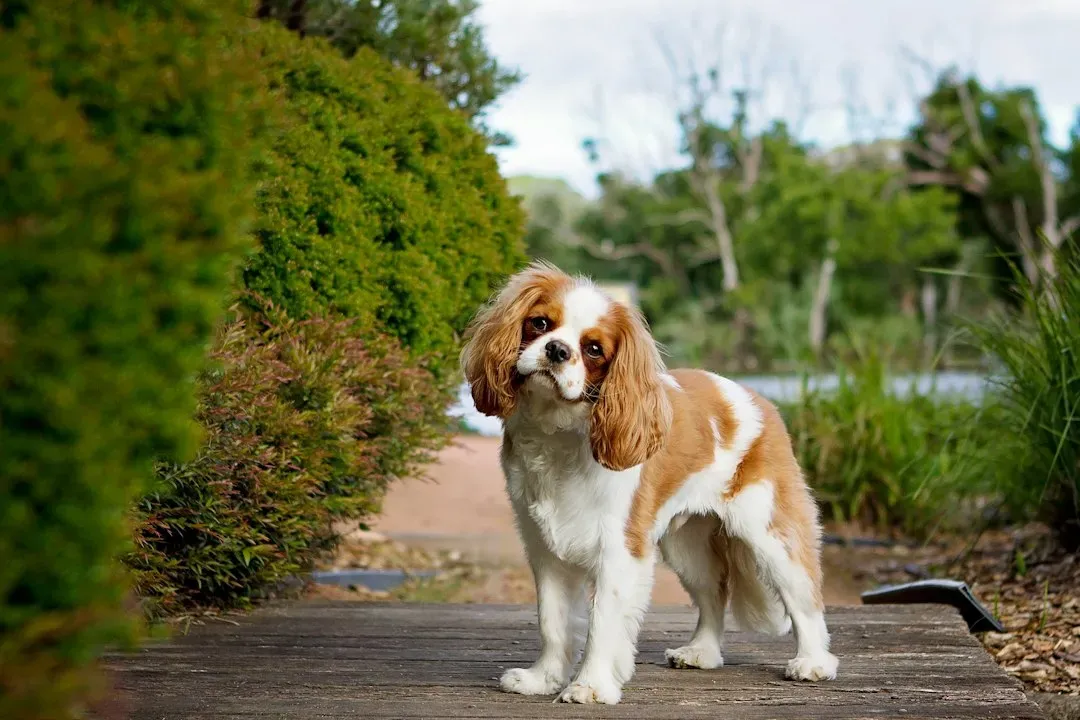
Cavaliers were bred to be royal lap companions, and that job description never really changed. They want to be wherever their people are, and they read a child’s attention as a gift, not a threat.
Their size is a sweet spot. They’re small enough to feel less intimidating to a nervous kid, yet sturdy enough for real play. They’re eager to please and respond beautifully to positive, treat-based training.
Fast Facts
- Typical weight: about 13 to 18 pounds.
- Typical height: roughly 12 to 13 inches at the shoulder.
- Typical lifespan: around 9 to 14 years.
- Biggest health watch-out: mitral valve disease.
The heartbreak is health. Cavaliers are prone to mitral valve disease, a heart condition, so a reputable breeder and regular vet checks are essential. Ask about heart screening of the parents before you fall for those eyes.
- Great for first-time owners and smaller homes.
- Plan on regular cardiac checkups throughout life.
The Psychology Behind This: Generations of breeding for closeness mean a Cavalier tends to treat toddler affection as bonding, not stress.
#12 – Beagle: The Cheerful Explorer
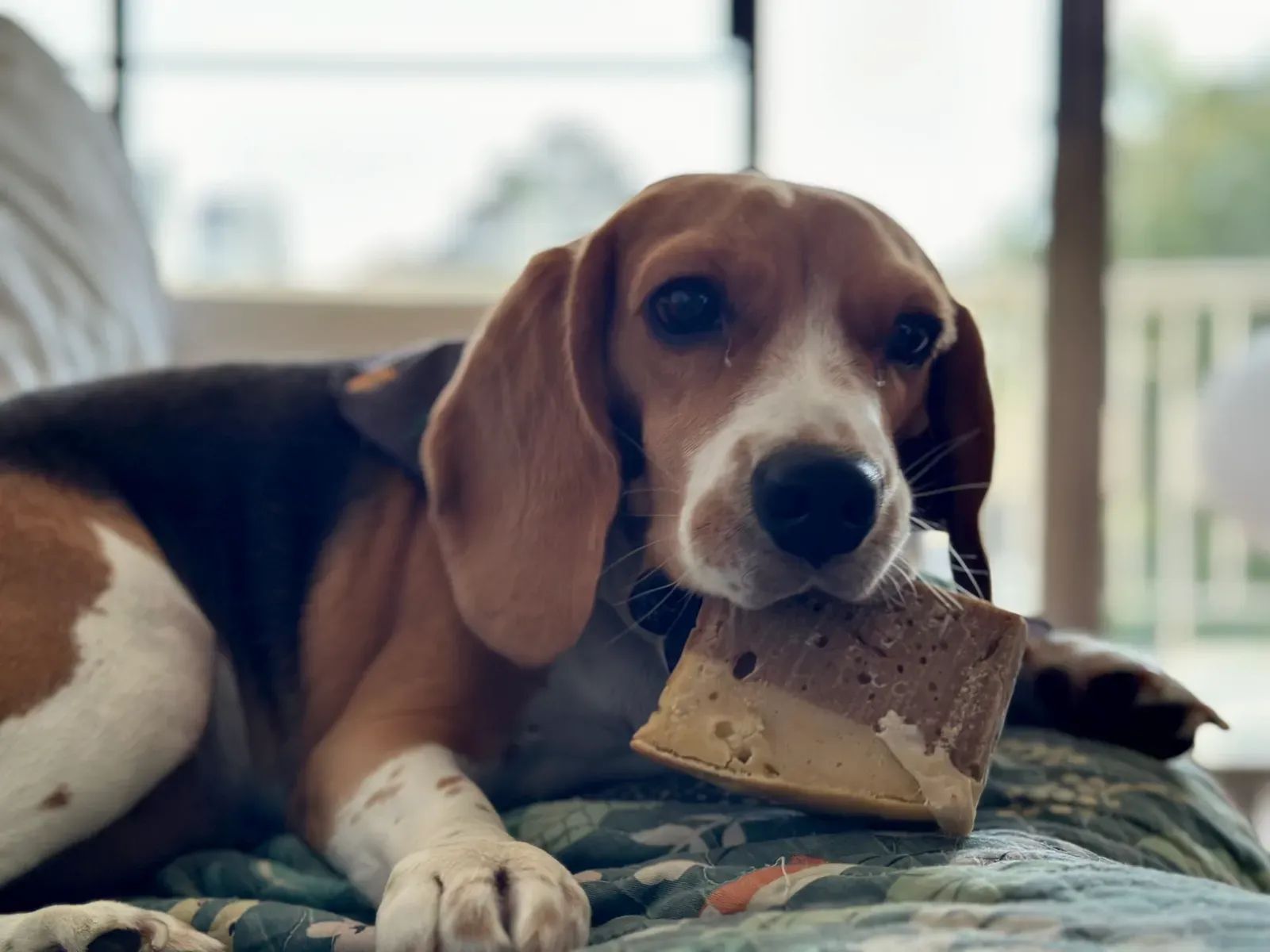
A Beagle in a backyard with a child is basically two explorers on the same mission. Both want to sniff, dig, chase, and investigate every corner. The dog’s good humor makes the whole adventure feel safe.
Beagles are pack hounds, bred to work alongside other dogs, so they naturally treat family members as part of their crew. That social wiring makes them forgiving and rarely moody. They’ll play fetch or hide-and-seek, then flop down when the kids wind down.
Now the honest part: Beagles are loud. That famous bay can rattle noise-sensitive households, and their nose can carry them straight through an unlatched gate.
- Secure fencing is a must.
- Very food-motivated, which makes training easier.
By The Numbers: One dog, one nose, and a scent drive that can outvote your recall command every time. Fence accordingly.
#11 – Collie: The Gentle Lookout
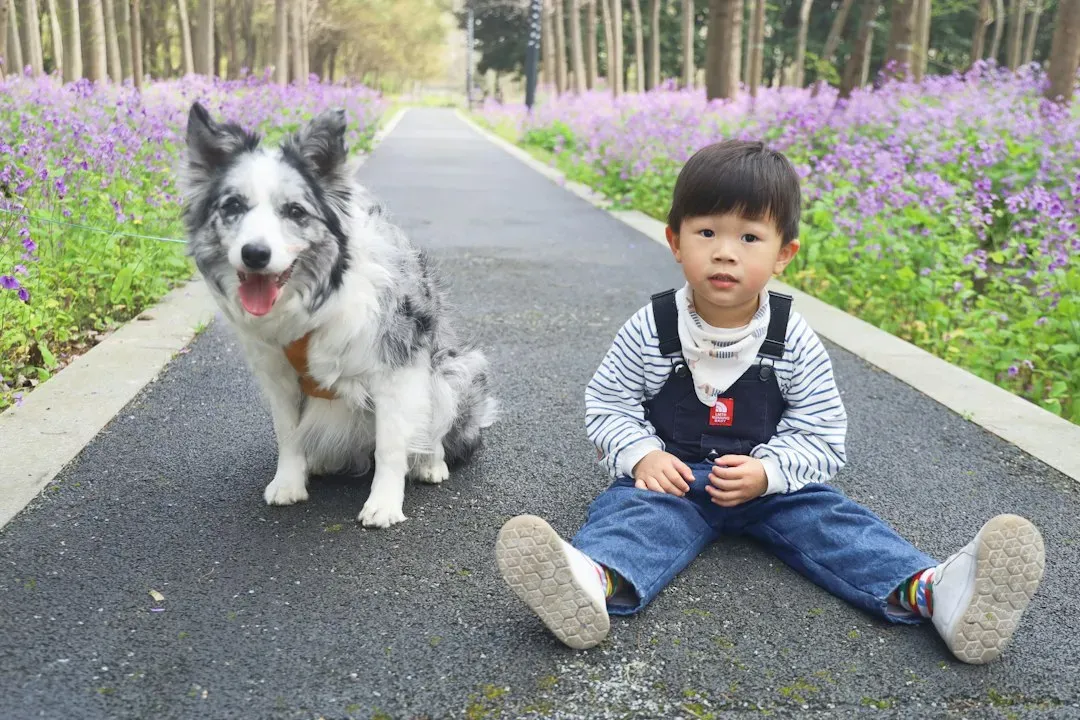
Thanks to Lassie, the Collie has been the screen’s idea of a perfect kid-friendly dog for generations. The real breed deserves some of that reputation. Collies were bred to watch over flocks, and many seem to quietly count the children in the house.
They’re intelligent and eager to please, which helps them stay patient through story time, dress-up, and backyard games. They pick up household rules quickly and don’t tend to push boundaries.
Their sensitivity is the flip side. Collies do best in homes that aren’t constantly chaotic, and harsh handling can rattle them. Give them a warm, steady routine and they repay it with loyalty.
- Rough and smooth coats offer different grooming needs.
- Needs daily mental stimulation to avoid boredom.
Insider Tip: Early, gentle socialization with children turns a Collie’s natural patience into lifelong reliability.
#10 – Boxer: The Clown With a Soft Spot

Boxers look like athletes and act like class clowns. They bounce, wiggle, and lean their whole body into you, and many stay puppyish well into adulthood. If your kids want a dog that’s always up for something, this is it.
Under the goofiness is a devoted, protective-but-friendly dog that tends to bond closely with its family. Their bodies are tough enough to handle enthusiastic play, and their expressive faces make mood easy to read, which helps kids learn when to give space.
The challenge is exuberance. A Boxer’s joy can knock over a small child by accident, so supervision and clear rules matter, especially in the early years.
- Needs real daily exercise to stay balanced.
- Cancer risk is a known concern, so ask breeders about health screening.
Editor’s Note: That exuberance can feel overwhelming at first, but consistent boundaries turn it into a family strength.
#9 – Standard Poodle: The Brainy Surprise
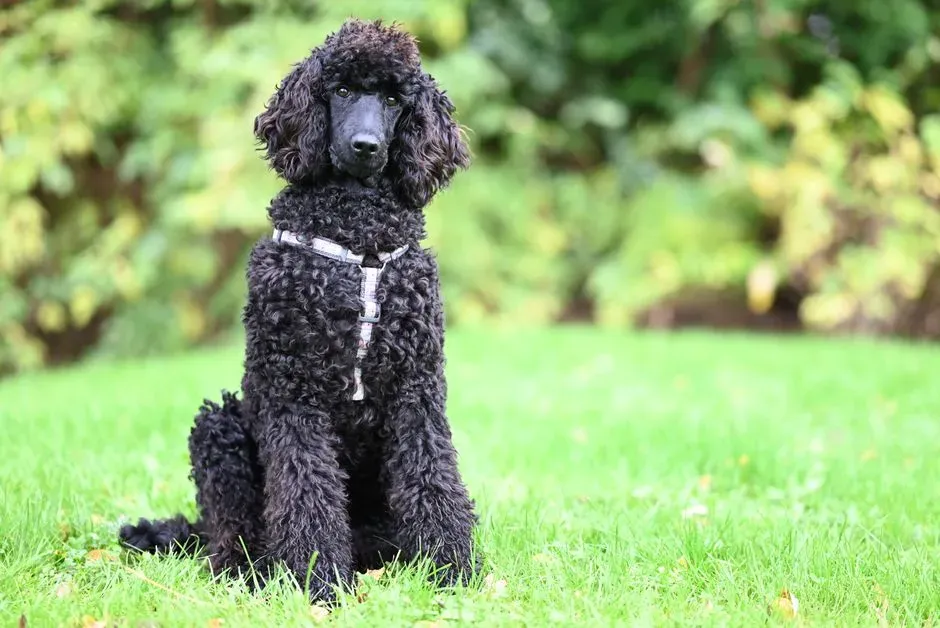
Forget the fancy haircut stereotype. The Standard Poodle began as a water retriever, and it’s still an athletic, sharp-minded working dog in a curly coat.
That intelligence is the secret to its patience. Poodles read cues quickly, learn commands in a flash, and tolerate handling well. They can match a family’s mood, playful during backyard games and relaxed during homework time.
Many families also like that Poodles shed very little. No dog is truly allergy-proof, but the low-shedding coat can be easier for some households. The tradeoff is a steady grooming schedule and a dog that gets bored if its brain isn’t busy.
- Low-shedding coat, but regular professional grooming.
- Needs daily mental challenges like puzzles and training games.
The Science Behind This: High trainability helps a dog learn what kid behavior means, which can lower the odds of reactive surprises.
#8 – Great Dane: The Gentle Giant Babysitter
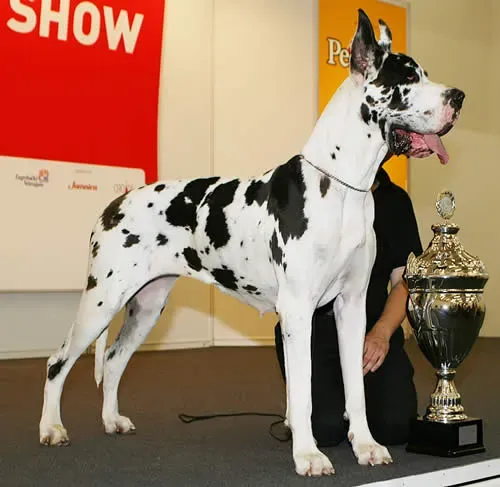
It sounds backwards: one of the biggest dogs on Earth shows up on a list of patient family pets. But that’s the Great Dane’s reputation. Many act like enormous, lanky lap dogs that have no idea how large they are.
Despite a history that includes hunting, today’s Danes are known for a calm, friendly, people-focused temperament. They tend to move deliberately around small children and accept cuddles with a kind of quiet dignity.
Orthopedic Extra Large Dog Bed, Waterproof Washable XL Pet Bed 44"
Check Price on AmazonAs an Amazon Associate, we earn from qualifying purchases.
10/7/2026 1:32 pm GMTi
Earth Rated XL Dog & Puppy Pee Pads, Discreet Top, Max Absorbency
Check Price on AmazonAs an Amazon Associate, we earn from qualifying purchases.
10/7/2026 1:28 pm GMTi

Smart Bird Feeder with Camera Solar Powered, 2K HD Live Video, 10,000+ Bird Species AI Identification
Check Price on AmazonAs an Amazon Associate, we earn from qualifying purchases.
10/7/2026 1:22 pm GMTi

2 Pcs Halloween Pet Hat Bandana Set, Witch Pumpkin Costumes for Dogs
Check Price on AmazonAs an Amazon Associate, we earn from qualifying purchases.
10/9/2026 2:45 pm GMTi
Halloween Dog Collar with Bow, Orange Cute Ghost Collar,
Check Price on AmazonAs an Amazon Associate, we earn from qualifying purchases.
10/9/2026 2:43 pm GMTi
At a Glance
- Height: roughly 28 to 32 inches at the shoulder.
- Weight: commonly around 110 to 175 pounds.
- Lifespan: typically about 7 to 10 years.
- Personality: calm, affectionate, surprisingly sensitive.
The challenge is logistics. A Dane’s tail can clear a coffee table, food costs add up, and lifespans are often under a decade. That’s a lot of love in a short window, so it’s worth planning for it.
- Needs significant indoor and outdoor space.
- Shorter lifespan is typical of giant breeds.
Did You Know: Great Danes lean on people they love, often using their whole body as an affection tool.
#7 – Saint Bernard: The Rescue Hero
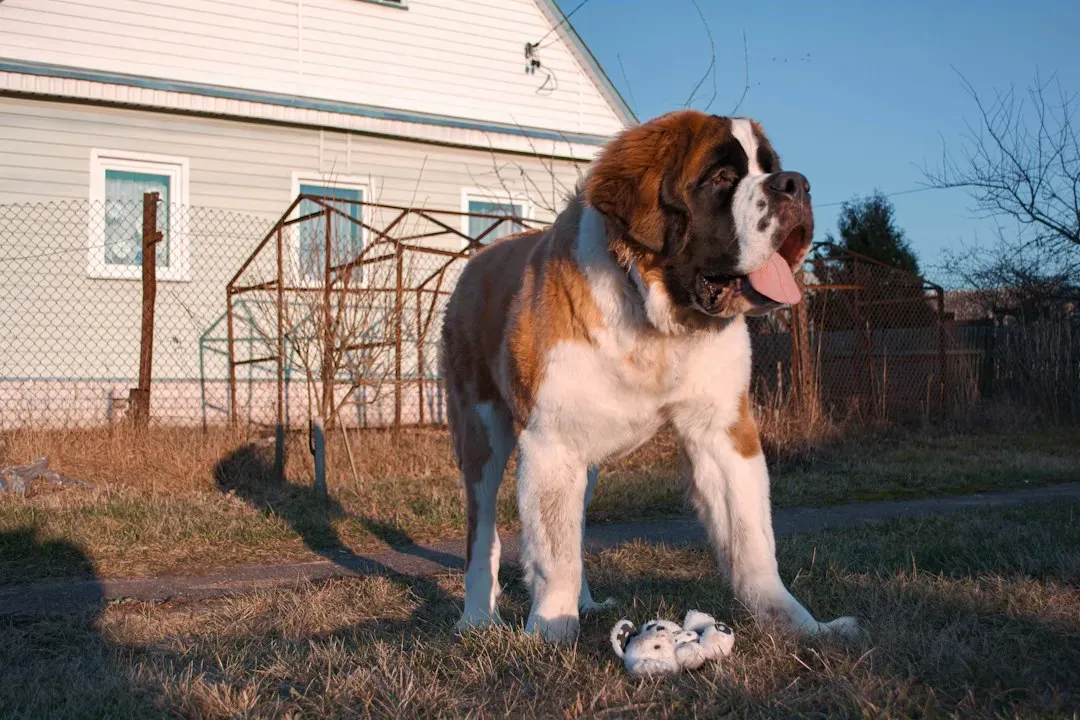
Saint Bernards carry one of the best origin stories in the dog world. They worked at the Great St. Bernard Hospice in the Swiss Alps, helping find travelers lost in snow. The most famous of them, Barry, became a legend.
That history shaped a dog that stays composed in chaos. A Saint Bernard will usually tolerate being climbed on, hugged, and used as a footrest. Its size is huge, but its movement around vulnerable family members tends to be careful.
One myth worth busting: the tiny brandy barrel around the neck was a painter’s invention, not a real rescue tool. The real catch is drool, shedding, and heat sensitivity. Be ready for mops.
- Calm indoors, with watchful instincts.
- Prone to overheating, so keep summer activity gentle.
Why It Works: A rescue heritage rewards careful, steady movement around people who can’t protect themselves.
#6 – Shetland Sheepdog: The Pocket-Size Herder
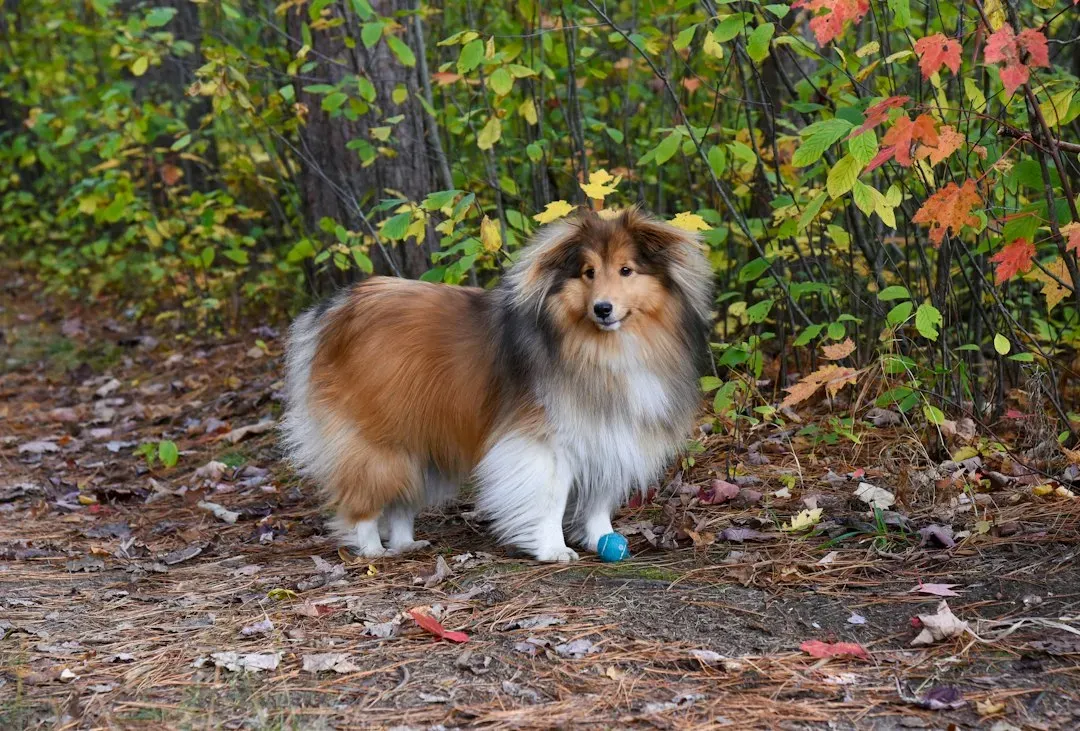
Think of a Sheltie as a Collie in a smaller package, minus the heavy footprint. Smart, attentive, and eager, Shelties tend to bond closely with every member of the family, kids included.
Their herding background makes them watchful without being pushy. They learn boundaries quickly and often stay gentle during play. A well-socialized Sheltie can be remarkably tuned in to a child’s mood.
The quirk to watch is that herding instinct. A bored Sheltie may try to round up running kids, sometimes with nipping at heels. Plenty of exercise and structured activities solve most of it.
- Highly trainable for tricks and obedience games.
- May herd children if not given a job.
Try This: Use puzzle toys and short training sessions to channel a Sheltie’s brainpower away from herding the kids.
#5 – Bernese Mountain Dog: The Farm-Raised Sweetheart

Bernese Mountain Dogs come from Swiss farms, where they drove cattle and pulled carts for families. That job required calm, dependable, people-oriented dogs, and today’s Berners still carry it in their temperament.
They’re famously affectionate and tend to be gentle around kids. They enjoy family hikes and backyard games but settle calmly afterward. The tri-color coat and soulful eyes don’t hurt their popularity either.
Quick Compare
- Bernese Mountain Dog: about 7 to 10 years.
- Great Dane: about 7 to 10 years.
- Saint Bernard: about 8 to 10 years.
- Newfoundland: about 9 to 10 years.
The heartbreak is lifespan. Berners often live only 7 to 10 years, and they shed heavily, so families should go in clear-eyed about both. Many owners say those years are worth it.
- Needs space, grooming, and cooler climates.
- Shorter lifespan means choosing a health-focused breeder.
The Psychology Behind This: A working background builds acceptance of busy household routines, including a child’s noise and energy.
#4 – Great Pyrenees: The Calm Night Watchman
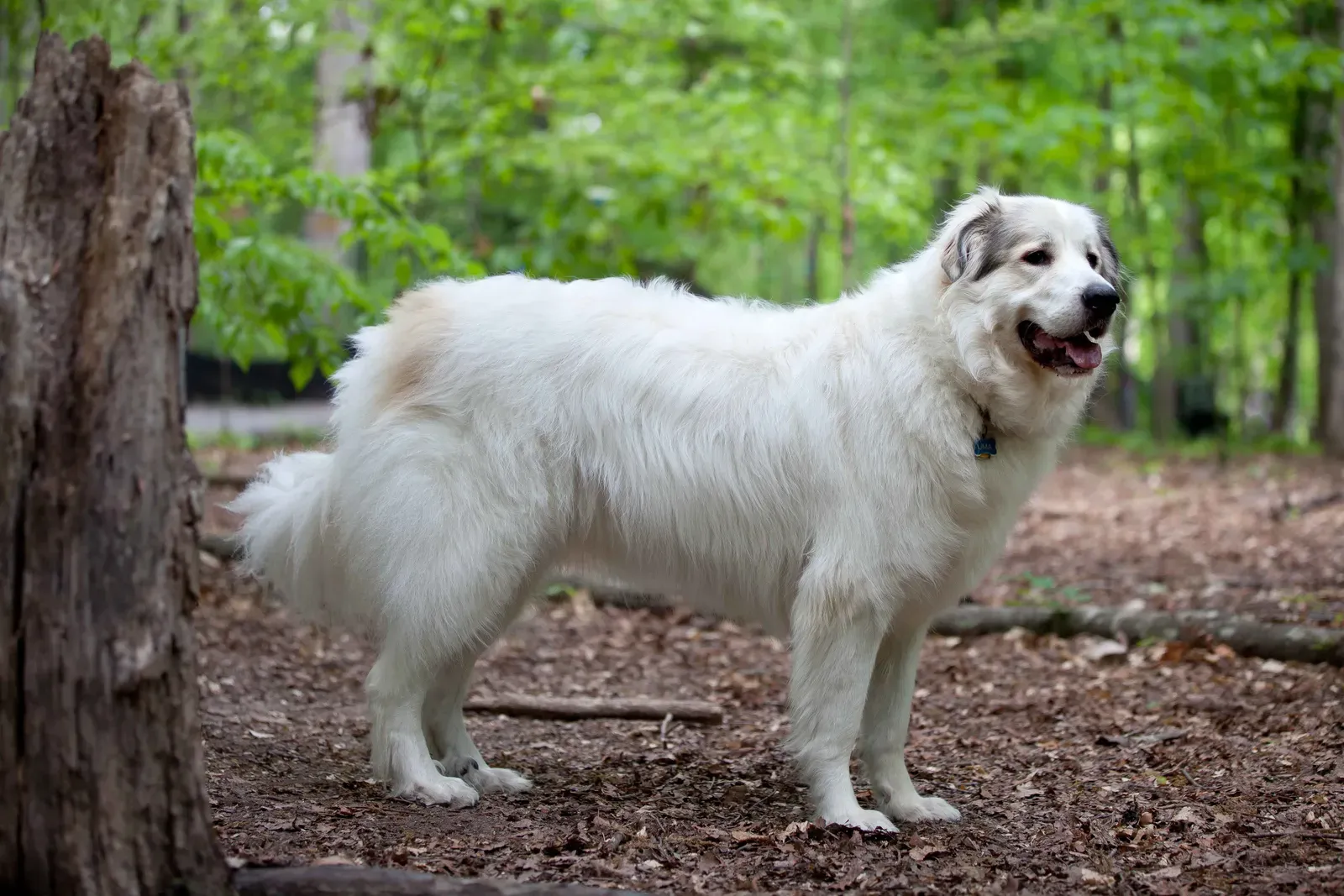
The Great Pyrenees was bred to guard livestock on mountain slopes, often alone and for long stretches. That job built a dog that stays composed, thinks before acting, and protects without picking fights.
Around children, that translates into a quiet, watchful presence. These big white dogs often move carefully around smaller humans and tend to be gentle with the family they bond with. Many become unusually affectionate once they trust you.
The flip side is independence. A Great Pyrenees may decide it knows better than you do, and some wander if a fence has gaps. Strong fencing and steady training are a must, as is tolerance for barking at night.
- Needs a secure property, since roaming is common.
- Thick coat suits colder climates better than hot ones.
Insider Tip: Early exposure to children helps turn a Pyrenees’ guardian calm into dependable family protection.

Halloween Cat Costume Cloak Witch Hat Pet Accessories
Check Price on AmazonAs an Amazon Associate, we earn from qualifying purchases.
10/9/2026 2:44 pm GMTi
Air Purifiers for Home Pets Large Room Up to 3000 Ft²,HEPA Air Cleaner with Washable Double-Side Filter, PM2.5 Air Quality Monitor,15dB Sleep Mode for Bedroom Odor Dust Pollen,White
Check Price on AmazonAs an Amazon Associate, we earn from qualifying purchases.
10/8/2026 8:23 am GMTi
PetSafe Oasys Pet Fountain, 1/2 Gallon (64 oz), Small Dogs & Cats
Check Price on AmazonAs an Amazon Associate, we earn from qualifying purchases.
10/8/2026 8:14 am GMTi
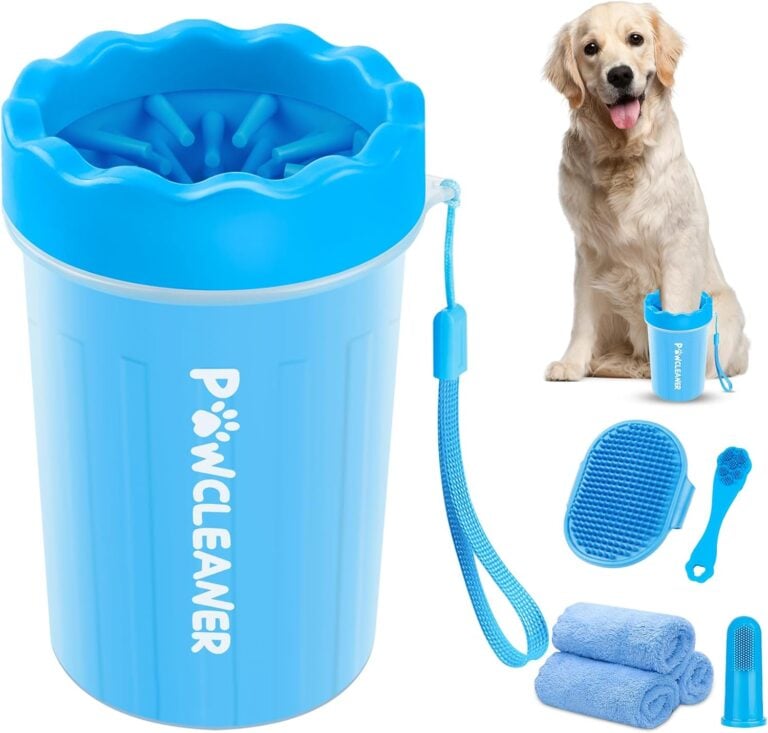
Professional 7 in 1 Dog Paw Cleaner for Dogs & Cats - Includes 1 Portable Paw Washer, 1 Bath Brush
Check Price on AmazonAs an Amazon Associate, we earn from qualifying purchases.
10/7/2026 1:26 pm GMTi
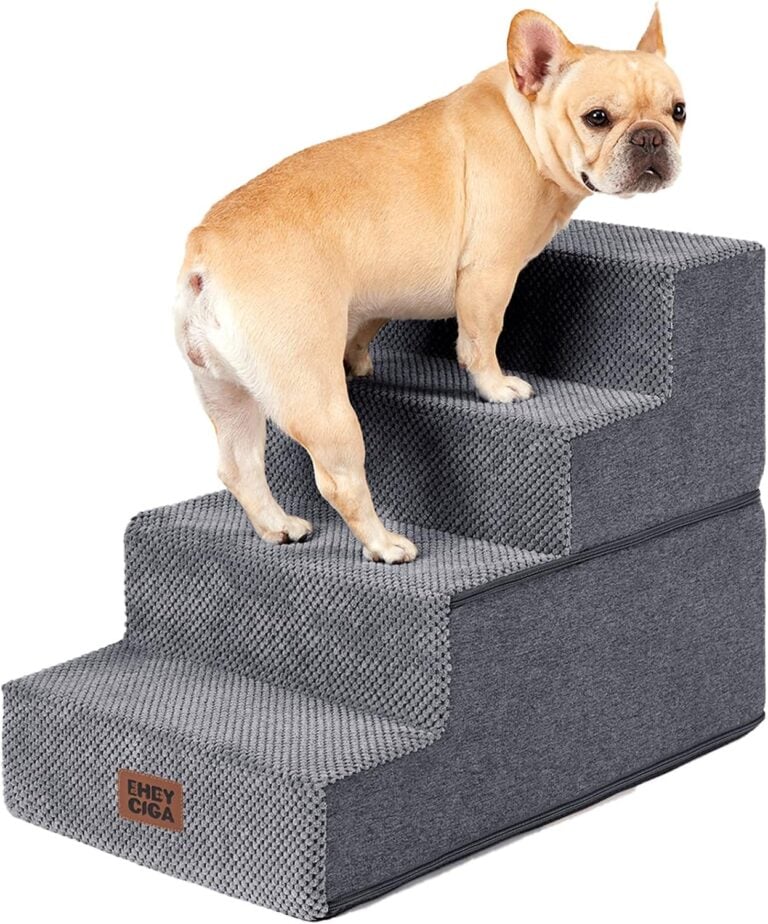
Dog Stairs for Bed 18" H, 4-Step Dog Steps for High Bed
Check Price on AmazonAs an Amazon Associate, we earn from qualifying purchases.
10/9/2026 2:42 pm GMTi
#3 – Newfoundland: The Original Nanny Dog
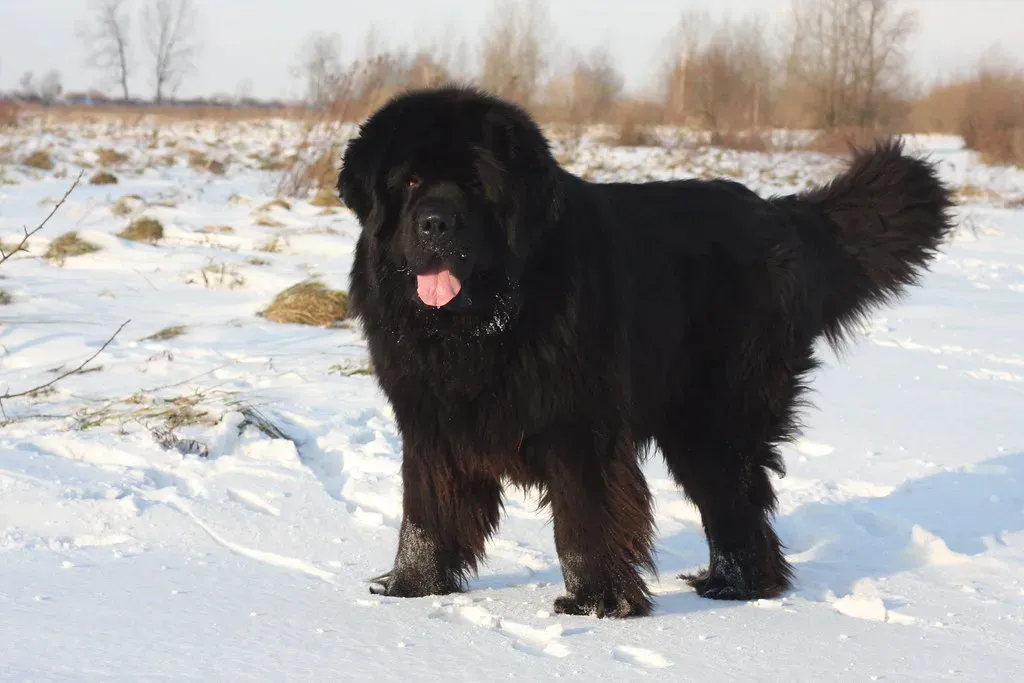
Even storybooks noticed it: in Peter Pan, the Darling children’s nursemaid, Nana, is a Newfoundland. The breed’s reputation for gentle patience around kids goes back a long way.
Newfoundlands were bred as water rescue and fishing dogs, work that rewards calm, deliberate, cooperative behavior. They tend to have soft mouths, low reactivity, and a tolerance for rough kid play that few breeds match. A Newf will often just lean in and take it.
All that sweetness comes with serious upkeep. Expect big drool, heavy grooming, and a dog that loves water almost too much. If your house has a pool or a pond, a Newf will find it.
- Significant drool and grooming commitment.
- Thrives with access to water and cooler weather.
By The Numbers: Few breeds match the Newfoundland’s sweet, steady reputation, and it earns this spot with one of the strongest track records in the dog world.
#2 – Golden Retriever: The Forgiving Family Favorite
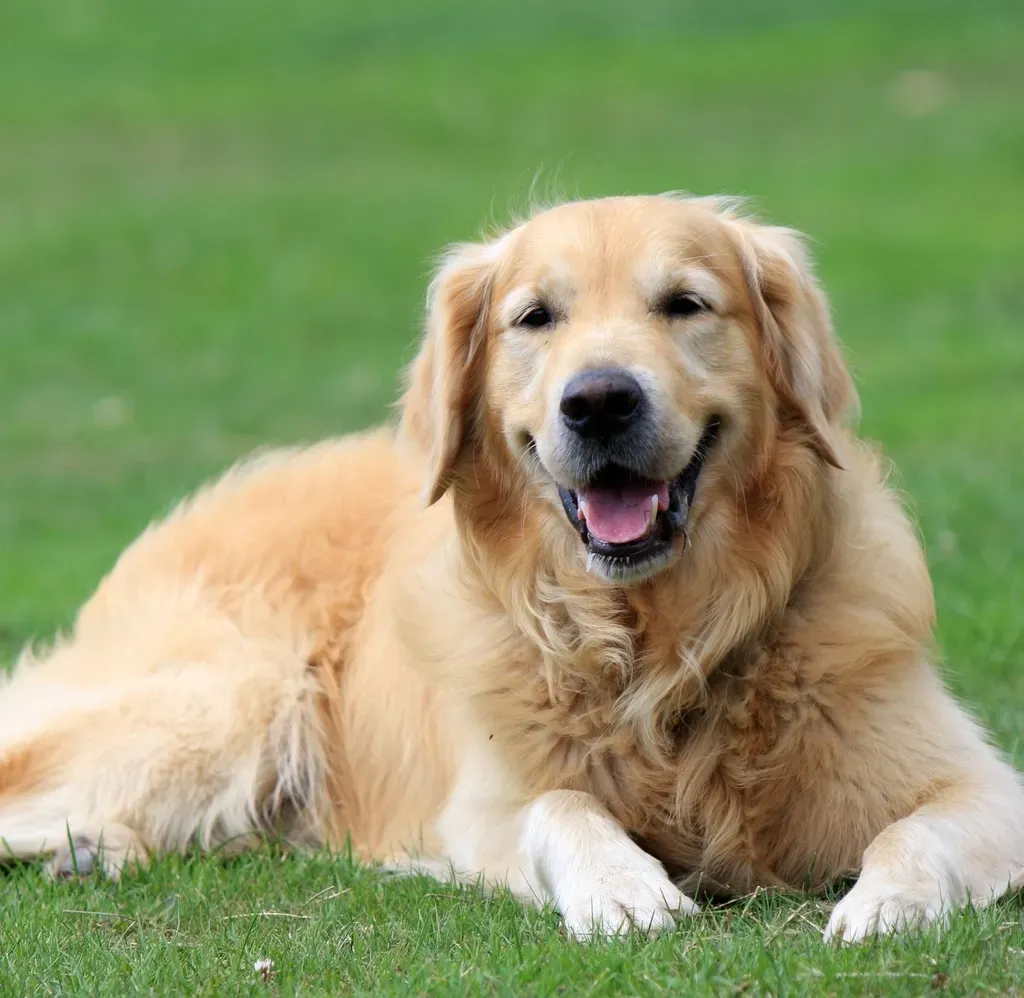
The Golden Retriever was developed in Scotland to retrieve game without damaging it, a skill that requires a truly soft mouth. That gentleness is a big part of why Goldens are so patient when a toddler pokes, pulls, or hugs too tightly.
They’re famous as therapy and assistance dogs because they combine friendliness, eagerness to please, and a forgiving nature. Moderate energy lets them play hard, then settle into calm cuddles. Costume parties and tail tugs rarely faze them.
There’s a catch, though. Their popularity has led to careless breeding, which can affect health and temperament. A reputable breeder with health clearances is the best protection, and a thoughtful rescue can also be a great choice.
- Heavy shedders that need regular brushing.
- Prone to hip, elbow, and heart concerns, so ask for health screening.
Why It Works: Retriever instincts emphasize gentle carrying and close bonding with people, not guarding or aggression.
Glass Hummingbird Feeder for Outdoors Hanging
Check Price on AmazonAs an Amazon Associate, we earn from qualifying purchases.
10/7/2026 1:21 pm GMTi

Hand Blown Glass Hummingbird Feeders for Outdoors Hanging, 24oz Wild Bird Nectar Feeder
Check Price on AmazonAs an Amazon Associate, we earn from qualifying purchases.
10/7/2026 1:23 pm GMTi
Glass Hummingbird Feeder for Outdoors Hanging, 16 oz Leak-Proof Nectar Feeder with Bee Guards & Ant Moat
Check Price on AmazonAs an Amazon Associate, we earn from qualifying purchases.
10/7/2026 1:22 pm GMTi

Portable Dog Water Bottle Foldable Dog Travel Water Bottle
Check Price on AmazonAs an Amazon Associate, we earn from qualifying purchases.
10/7/2026 1:29 pm GMTi
#1 – Labrador Retriever: The Gold Standard
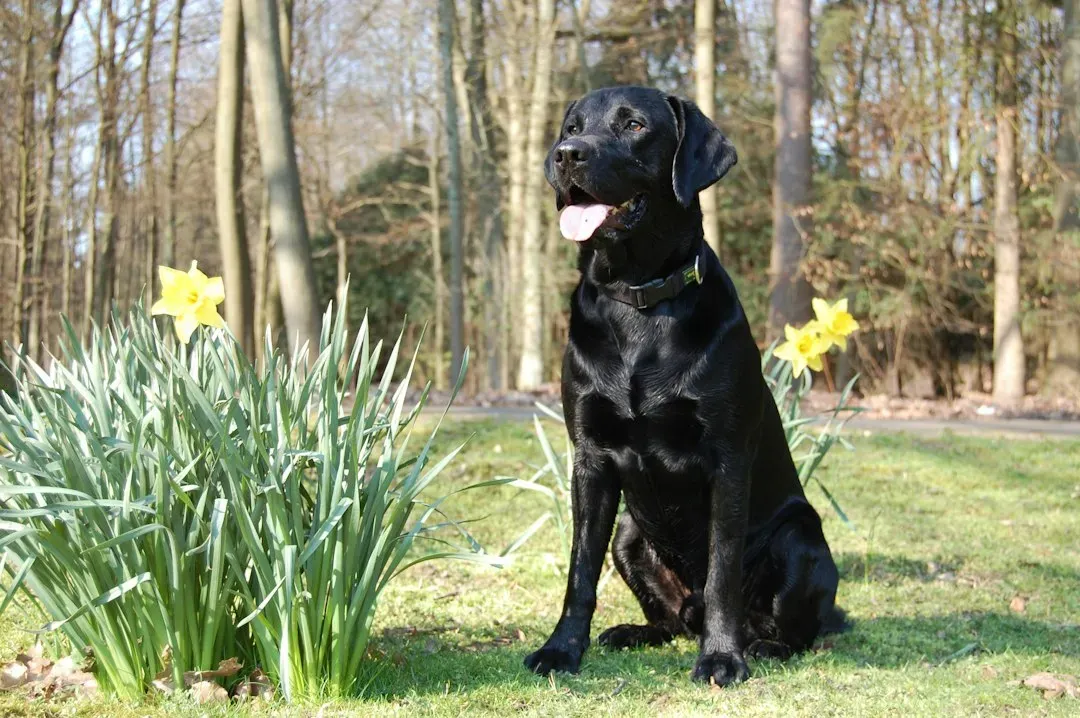
It’s not a surprising winner, but it’s earned. For decades, the Labrador Retriever held the top spot in American Kennel Club registrations, and it’s easy to see why families keep choosing it. A Lab greets children like long-lost best friends.
Labs were bred to work closely with people, which created dogs that read human cues well and rarely treat kids as stressors. They’re patient through endless fetch, ear tugs, and household noise. They’re sturdy for active families and adaptable across energy levels and living situations.
Worth Knowing
- Labs ranked No. 1 in AKC popularity for 31 straight years, from 1991 through 2021.
- The French Bulldog took over the top spot in 2022.
- Typical adult weight: roughly 55 to 80 pounds.
- Typical lifespan: about 10 to 12 years.
The catch is energy. A bored young Lab can chew, jump, and bowl over small children with pure joy. Daily exercise, early training, and verified health clearances are what turn that reputation into a real family dog.
- Needs ample daily exercise to prevent boredom behaviors.
- Popular status means health and temperament checks matter.
The Science Behind This: Decades of breeding for service and family roles have reinforced calm, cooperative responses to the unpredictability of people.
Here’s my honest take. The Lab and Golden deserve their fame, but the most underrated picks on this list are the Newfoundland and the Cavalier. One is a gentle giant that shrugs off chaos, and the other is a small dog that treats every child like family.
Patience with kids is built from breed history, but it also needs good breeding, early socialization, and a family that teaches children to respect a dog’s space. No breed replaces supervision, and no list can promise how a specific dog will act. Choose the dog that fits your home, not the one that wins the poll.