
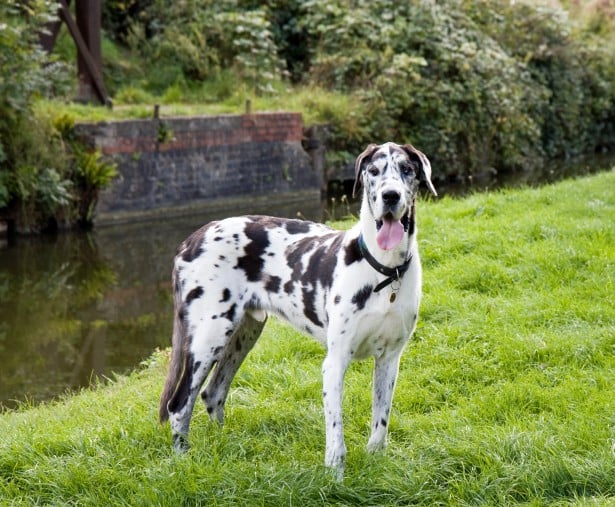


Picture a 75-pound dog curled up in a fourth-floor walk-up, silent for hours. Now picture a 9-pound dog next door that erupts at every footstep in the hallway. Which one would you rather live beside? Plenty of renters guess wrong, which is why this ranking looks nothing like the usual parade of tiny lapdogs.
Yes, the title is true: some big dogs really do make the Top 10, and they earn their spots. Square footage turns out to be a weak predictor of apartment success. Energy level, barking habits, and how well a dog settles into a quiet routine matter far more. A few famously small breeds flunk that test, two giants ace it, and the dog at #1 may already live on your block.
#10 – Pug: The Classic Lapdog That Rarely Complains

Walk into a Pug household at 3 p.m. and you will probably find the dog exactly where you left it: on the couch, looking deeply satisfied. Pugs have been companion animals for centuries, and it shows. They would rather be near you than explore, patrol, or guard anything.
That low-drive personality is a gift in an apartment. Two short walks usually cover their exercise needs, and they tend to stay quieter than most terrier types. Their build also limits how much indoor zooming they can sustain, so downstairs neighbors are rarely bothered by thundering paws.
The catch is that flat face. Pugs struggle in heat and humidity, so a stuffy unit with no air conditioning is a real concern. They also snort, wheeze, and snore, which is cute until you share a thin wall with them.
- 20–30 minutes of daily walking meets most needs.
- Grooming is mostly regular wrinkle cleaning.
- Watch breathing closely in warm weather.
Why It Works: Their companion-bred genetics make them prioritize human closeness over wandering, which reduces pacing and vocalizing when you step out briefly.
Next up is a dog whose voice is far bigger than its energy level.
#9 – Basset Hound: The Slow-Moving Scent Detective

Basset Hounds look like they were designed by someone who wanted a dog to spend its life horizontal. They were bred to trail scent at a steady, unhurried pace rather than sprint, and that history makes them surprisingly relaxed indoors. After one deliberate, sniff-heavy walk, most are happy to flop for hours.
Then there is the voice. A Basset’s bay is deep, carrying, and impossible to ignore. They are not constant barkers, but a scent drifting up from the street or a delivery person in the hall can set off an occasional howl that travels straight through drywall.
Their other quirks are stubbornness and drool. Training takes patience and treats, because a Basset’s nose will always have better ideas than you do. Once they learn the routine, they settle in as easygoing roommates who ask very little of your floor plan.
- Best for owners who like relaxed strolls over fetch sessions.
- Indoor scent games give that famous nose a job.
- Expect some drooling and a few opinions about the hallway.
The Science Behind This: Their physiology favors steady endurance over explosive bursts, so indoor activity stays naturally low even in tight spaces.
#8 – Boston Terrier: The Tuxedo-Clad Urban Companion

Boston Terriers are what happens when a terrier gets a gentler job description. They have enough spark to make you laugh, but they usually dial it down once the play session ends. That balance makes them a favorite with city dwellers who want personality without chaos.
Most need about 30–45 minutes of daily activity, a mix of walking and indoor play. They tend to bark less than many terrier relatives, and they bond closely with their people, which can help with separation stress when training is done right. Their short coat also keeps grooming simple in a small space.
At a Glance
- Typical weight: roughly 12–25 pounds, depending on the dog.
- Height: about 15–17 inches at the shoulder.
- Coat: short and smooth, so a quick wipe-down often does the job.
- Best fit: active-but-tidy owners who want a playful, portable roommate.
Their popularity does come with a downside. Poorly socialized Bostons can become noisy and reactive, so early exposure to hallways, elevators, strangers, and other dogs makes a big difference. Like other flat-faced breeds, they also dislike heat, so midday summer walks are out.
- Playful, but usually able to settle after short sessions.
- Short coat means easy upkeep.
- Early socialization is what keeps barking in check.
Did You Know: Boston Terriers are an American-born breed, and their tuxedo markings have long made them a city-dog icon.
#7 – English Bulldog: The Low-Motion Muscle Breed

If apartment living had a mascot, the English Bulldog would be in the running. This is a dog that treats a trip to the end of the block as a major athletic event. Low stamina means low demands, so brief outdoor breaks and a lot of napping suit them fine.
Noise is rarely a barking problem. Bulldogs conserve energy rather than announcing every sound, though their snoring can rival a small power tool. In a thin-walled building, that is the habit your neighbors are most likely to notice.
They are sturdy, heavy, and attached to their people, so they do not need a big territory to feel secure. The trade-off is health. Breathing limits and weight gain are real concerns, and a non-air-conditioned unit in July can become dangerous. A lot of trainers now note that Bulldogs ask for far less of your time than high-drive small breeds ever will.
- Great for calm, low-activity households.
- Short coat that is easy to maintain.
- Needs cool rooms and careful weight control.
Insider Tip: Schedule walks for the coolest hours of the day and keep a cooling mat indoors to offset the breed’s breathing limits.
#6 – Bichon Frise: The Cheerful, Low-Shed Apartment Favorite

Bichon Frises look like walking cotton balls, but their real selling point is attitude. They are cheerful, people-focused, and adaptable, which makes them easy to slot into a routine. A solid walk plus some indoor play usually keeps them satisfied.
Their coat is another draw for renters. Bichons shed very little and are often a good fit for people sensitive to dander, though no dog is truly allergy-proof. Their size, typically 12–18 pounds, also keeps them under most building pet-weight limits and makes elevators a non-event.
The real cost is grooming. That fluffy coat needs regular brushing and professional trims, which adds up over time. They can also be vocal if bored or left alone too long, so early alone-time training is worth the effort. Puzzle toys help a lot here.
- Friendly with building visitors and neighbors.
- Low shedding, but high grooming commitment.
- Needs mental games as much as walks.
By The Numbers: Typical adult weight stays between 12–18 pounds, which keeps them under most building pet limits.
Orthopedic Extra Large Dog Bed, Waterproof Washable XL Pet Bed 44"
Check Price on AmazonAs an Amazon Associate, we earn from qualifying purchases.
10/7/2026 1:32 pm GMTi
Air Purifiers for Home Pets Large Room Up to 3000 Ft²,HEPA Air Cleaner with Washable Double-Side Filter, PM2.5 Air Quality Monitor,15dB Sleep Mode for Bedroom Odor Dust Pollen,White
Check Price on AmazonAs an Amazon Associate, we earn from qualifying purchases.
10/8/2026 8:23 am GMTi

Glass Hummingbird Feeder for Outdoors Hanging, 16 oz Leak-Proof Nectar Feeder with Bee Guards & Ant Moat
Check Price on AmazonAs an Amazon Associate, we earn from qualifying purchases.
10/7/2026 1:22 pm GMTi

Portable Dog Water Bottle Foldable Dog Travel Water Bottle
Check Price on AmazonAs an Amazon Associate, we earn from qualifying purchases.
10/7/2026 1:29 pm GMTi

Professional 7 in 1 Dog Paw Cleaner for Dogs & Cats - Includes 1 Portable Paw Washer, 1 Bath Brush
Check Price on AmazonAs an Amazon Associate, we earn from qualifying purchases.
10/7/2026 1:26 pm GMTi
#5 – Shih Tzu: The Regal, Low-Exercise Companion

Shih Tzus were bred as indoor companions for Chinese royalty, so a modern apartment is practically their ancestral habitat. They do not need acreage or a job. They need a lap, a warm spot, and someone to follow around the house.
Exercise demands are modest. Short strolls and a little play cover it, and barking tends to stay restrained unless something truly worries them. Their easygoing nature also lets them cope with changing schedules better than a lot of small dogs.
Worth Knowing
- Typical adult weight: about 9–16 pounds, small enough for nearly any building.
- Flat-faced build means heat and humidity call for extra caution.
- Long coats can be kept short with a “puppy clip” if daily brushing sounds like too much.
- Many are happiest with a person nearby, so plan for company or gradual alone-time practice.
The long coat is the commitment. Daily brushing, or a short clip, keeps mats and tangles away. Quality matters too. Dogs from careless breeding can be anxious and noisier, so health-tested lines from reputable breeders are worth the wait. Ask about eye and breathing issues before you buy.
- A natural lap warmer during remote work days.
- Fits both solo and family apartments.
- Coat care is the main ongoing chore.
Editor’s Note: Prioritize breeders who screen for common eye and respiratory issues to avoid future apartment disruptions.
Now the list takes a turn, and the dogs get a lot bigger.
#4 – Greyhound: The Surprising Large-Breed Apartment Star
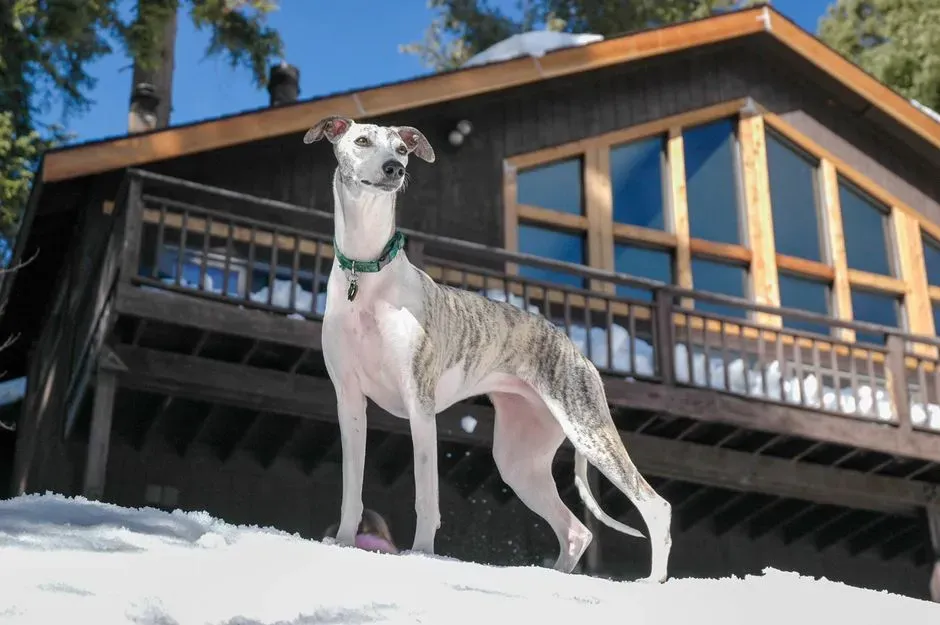
Here is the dog that wrecks the size myth. A Greyhound can weigh 60–85 pounds and rank among the fastest dogs on earth, yet many retired racers spend most of the day asleep. Owners often joke that they are less dog and more furniture that occasionally sighs.
They are also remarkably quiet. Greyhounds rarely bark, which makes them calmer neighbors than plenty of toy breeds. Two focused walks, or an occasional safe sprint in a fenced area, are usually enough to keep them content indoors.
Those long legs fold into surprisingly small spaces, and many ex-racers come already crate-trained. There are quirks to prepare for. Prey drive means a secure leash at all times, thin coats mean sweaters in winter, and dogs who have only known the track may need help learning stairs and slippery floors.
- Often sleeps up to 18–20 hours a day.
- Needs a leash or fenced area, since prey drive is real.
- Minimal grooming beyond occasional brushing.
The Psychology Behind This: Their independent sighthound temperament lets them self-settle without constant interaction, which lowers separation stress.
#3 – Great Dane: The Gentle Giant That Defies Expectations
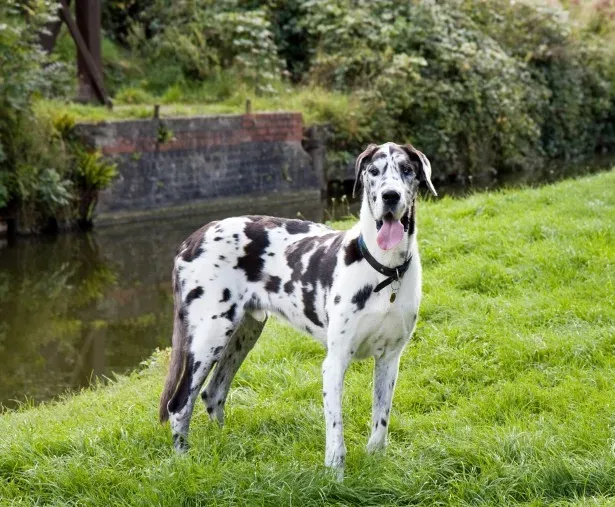
At 110–175 pounds, a Great Dane looks like the worst possible apartment dog. In reality, once past the lanky adolescent phase, many are mellow, low-energy housemates who simply want to lean on you. Size is not the same as demand.
Moderate daily walks and plenty of lounging room usually cover their needs. Barking tends to stay minimal, and their devoted, shadow-following nature encourages calm companionship rather than chaos. A relaxed Dane may make less floor noise than a hyperactive terrier doing laps around the living room.
Quick Compare: The Two Giants
- Greyhound: 60–85 pounds, rarely barks, needs a secure leash because of prey drive.
- Great Dane: 110–175 pounds, mellow indoors, needs bloat awareness and wide doorways.
- Shared trait: both do best with regular, moderate walks and a spot to stretch out.
The hurdles are practical. Check your building’s weight limits, make sure you can get through doorways and elevators, and invest in a big, sturdy bed. Great Danes also face bloat risk and have shorter lifespans than smaller breeds, so know the warning signs and talk to a vet early. Their short coat keeps grooming simple.
- Needs space to stretch out, not space to run.
- Requires sturdy bedding and easy access to the unit.
- Short coat, short grooming routine.
Try This: Measure doorways and stair access before committing, then set a consistent short-walk schedule to prevent restlessness.

PetSafe Oasys Pet Fountain, 1/2 Gallon (64 oz), Small Dogs & Cats
Check Price on AmazonAs an Amazon Associate, we earn from qualifying purchases.
10/8/2026 8:14 am GMTi
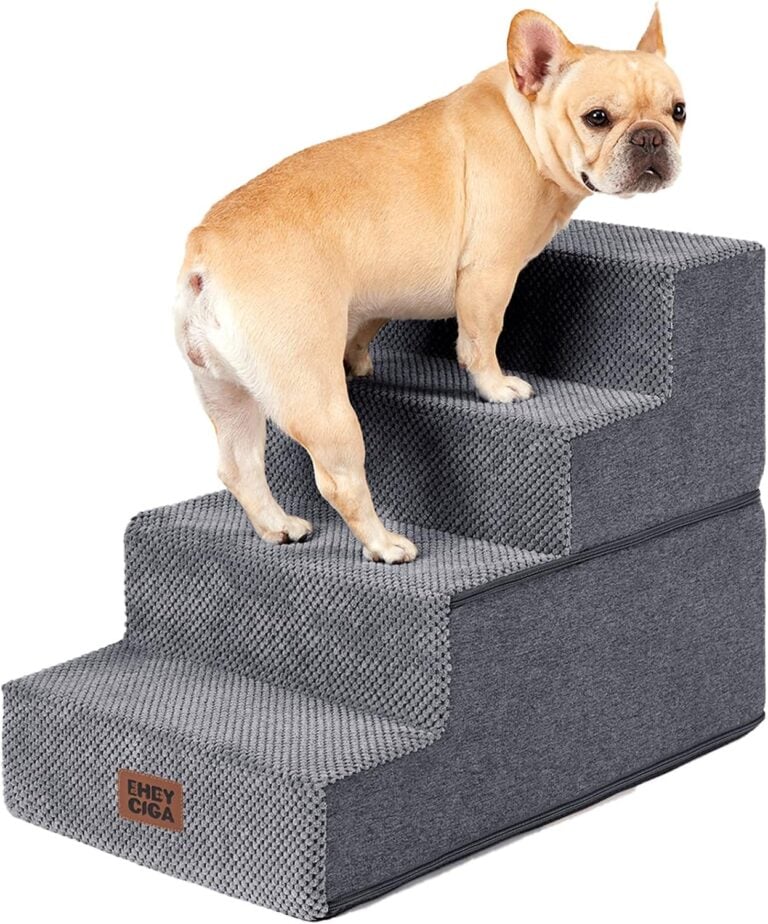
Dog Stairs for Bed 18" H, 4-Step Dog Steps for High Bed
Check Price on AmazonAs an Amazon Associate, we earn from qualifying purchases.
10/9/2026 2:42 pm GMTi

Halloween Dog Collar with Bow, Orange Cute Ghost Collar,
Check Price on AmazonAs an Amazon Associate, we earn from qualifying purchases.
10/9/2026 2:43 pm GMTi

Hand Blown Glass Hummingbird Feeders for Outdoors Hanging, 24oz Wild Bird Nectar Feeder
Check Price on AmazonAs an Amazon Associate, we earn from qualifying purchases.
10/7/2026 1:23 pm GMTi

Earth Rated XL Dog & Puppy Pee Pads, Discreet Top, Max Absorbency
Check Price on AmazonAs an Amazon Associate, we earn from qualifying purchases.
10/7/2026 1:28 pm GMTi
#2 – Cavalier King Charles Spaniel: The Gold-Standard Lapdog

If a dog could be designed for apartment living, it might look a lot like a Cavalier. These spaniels were bred for human companionship, and that single purpose shapes everything about them. They settle into almost any space with minimal fuss and rarely bark without reason.
Daily exercise needs are gentle, often around 30–45 minutes of walking and play. They do well in studios and multi-room apartments alike, and they are known for reading their owner’s mood and matching it. When you are stressed, they tend to stay composed.
The big caveat is heart health. Cavaliers are prone to heart disease, so responsible breeders and regular vet checks are essential. Grooming is moderate, with weekly brushing for their silky coat, and they are trainable enough to learn quiet cues quickly.
- Highly trainable for quiet behavior.
- Weekly brushing handles moderate shedding.
- Choose breeders who screen for heart issues.
Why It Works: Their empathy-driven temperament keeps them attuned to household rhythms, which reduces disruptive behavior in close quarters.
So who beats a dog this agreeable? The answer is probably wheezing on a couch near you.
#1 – French Bulldog: The Ultimate Apartment Champion
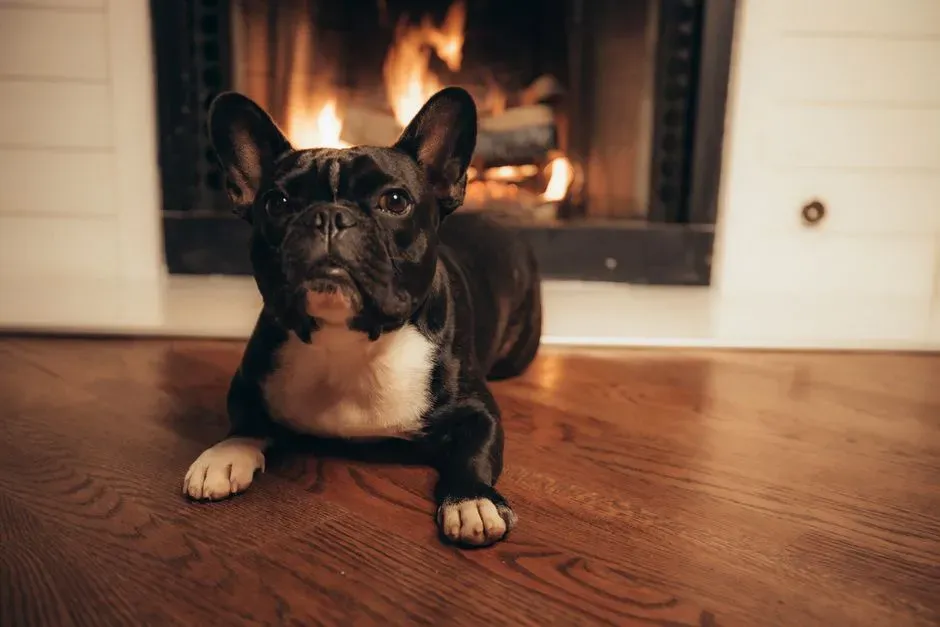
French Bulldogs take the top spot because they check nearly every apartment box at once. They are small enough for any building, quiet enough for thin walls, and content enough to be happy with a short walk and some company. Their playful streak is real, but it comes in short bursts.
They also adapt well to noise, limited space, and varying schedules when properly socialized. Frenchies tend to bark less than many small breeds, and their affectionate, people-first loyalty makes them easy to live with. In practical terms, they minimize the three biggest apartment headaches: noise, exercise demands, and space.
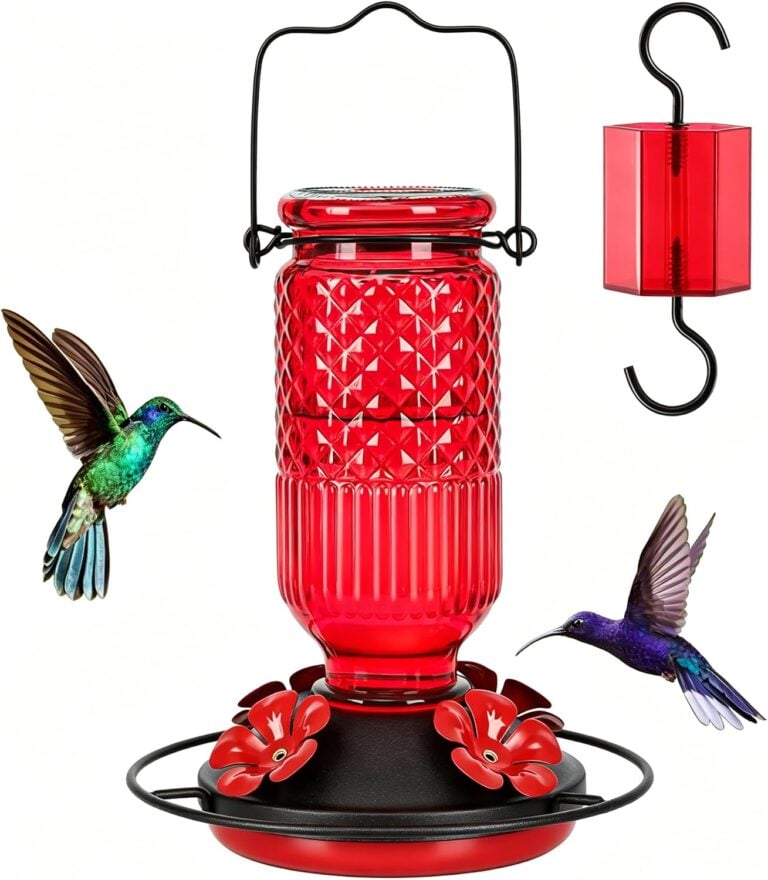
Glass Hummingbird Feeder for Outdoors Hanging
Check Price on AmazonAs an Amazon Associate, we earn from qualifying purchases.
10/7/2026 1:21 pm GMTi

Halloween Cat Costume Cloak Witch Hat Pet Accessories
Check Price on AmazonAs an Amazon Associate, we earn from qualifying purchases.
10/9/2026 2:44 pm GMTi

2 Pcs Halloween Pet Hat Bandana Set, Witch Pumpkin Costumes for Dogs
Check Price on AmazonAs an Amazon Associate, we earn from qualifying purchases.
10/9/2026 2:45 pm GMTi

Smart Bird Feeder with Camera Solar Powered, 2K HD Live Video, 10,000+ Bird Species AI Identification
Check Price on AmazonAs an Amazon Associate, we earn from qualifying purchases.
10/7/2026 1:22 pm GMTi
Fast Facts
- Weight: the breed standard caps adults at under 28 pounds.
- Height: roughly 11–13 inches at the shoulder.
- Coat: short and smooth, with minimal brushing needed.
- Biggest watch-out: heat and exertion, thanks to that flat face.
Their popularity is not an accident. The French Bulldog has topped the American Kennel Club’s popularity rankings since 2022, and plenty of that rise comes from city living. But the flat face is a serious responsibility. Heat, stress, and exertion can cause breathing trouble, so owners need to stay alert and avoid overheating. First-time owners can do well here, as long as they commit to training and preventive vet care.
- Short walks and indoor play meet most needs.
- Minimal coat care.
- Needs cool rooms and close attention to breathing.
Did You Know: French Bulldogs have ranked #1 in American Kennel Club popularity since 2022, largely thanks to their fit with city life.
Here is my honest take: the best apartment dog is not the smallest one. It is the one that sleeps well, speaks rarely, and does not need a backyard to feel whole. By that standard, Greyhounds and Great Danes deserve every bit of their spots, and the “tiny dog for tiny home” rule deserves to retire.
Health testing, early socialization, and an honest look at your own schedule will decide how any of these dogs does in the long run. Pick for temperament, not for size, and you will likely end up with a neighbor-friendly companion who is thrilled to be home. Pick for looks alone, and the walls will let you know.