

The blue whale holds the distinction of being the largest animal ever known to have existed, surpassing even the largest dinosaurs. Adult blue whales can reach lengths of up to 100 feet and weigh as much as 200 tons. Their enormous size is awe-inspiring and makes them a marvel of the animal kingdom. Remarkably, these majestic creatures achieve such colossal dimensions while subsisting almost exclusively on tiny marine organisms.
A Unique Blue Hue

Despite being called “blue whales,” their skin color is more accurately described as grayish-blue. However, they often appear true blue underwater, thanks to the ocean’s reflection and the sunlight filtering through the water. This unique coloration, combined with their mottled skin pattern, helps them blend into their deep ocean habitat, providing a degree of camouflage from potential threats.
Kings of Communication

Blue whales are known for their impressive vocalizations, which are among the loudest sounds produced by any animal on the planet. Their calls can reach 188 decibels, comparable to the noise level of a jet engine. These sounds can travel incredible distances underwater, allowing blue whales to communicate with each other over hundreds, sometimes thousands, of miles, a crucial feature for navigation and mating.
Feeding Frenzy
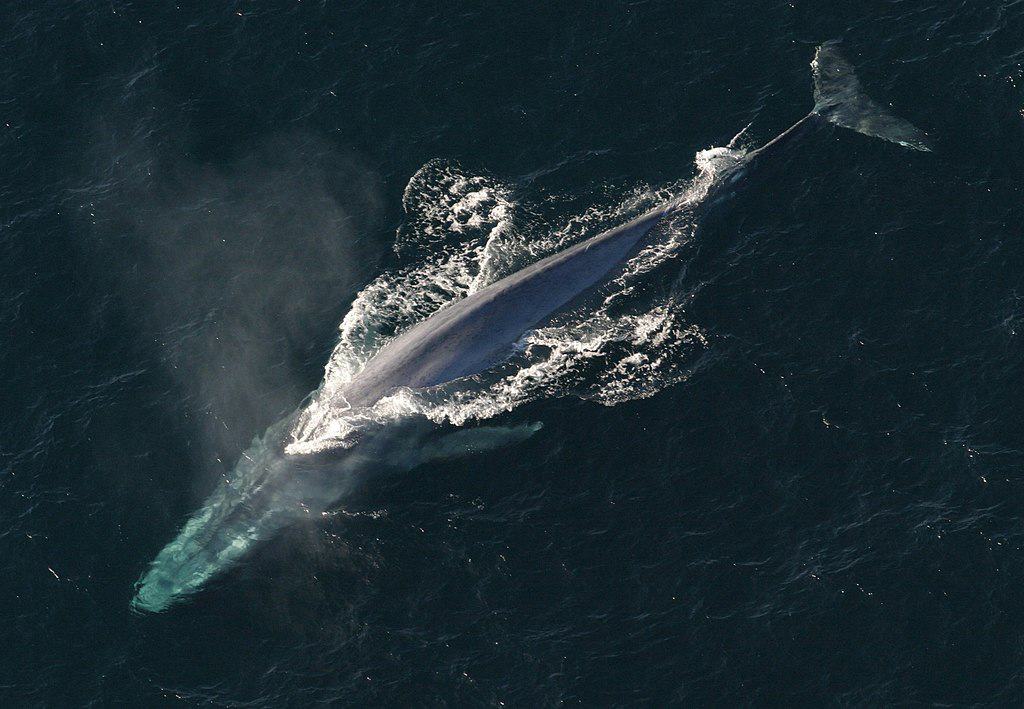
Despite their massive size, blue whales have a surprisingly specific diet. They consume tiny krill, a small crustacean, in vast quantities. A single adult blue whale can consume up to 4 tons of krill in a day during the feeding season. They employ a feeding technique known as lunge feeding, where they accelerate toward a swarm of krill, open their massive mouths, and engulf both water and prey before expelling the water through their baleen plates.
Impressive Migration Journeys
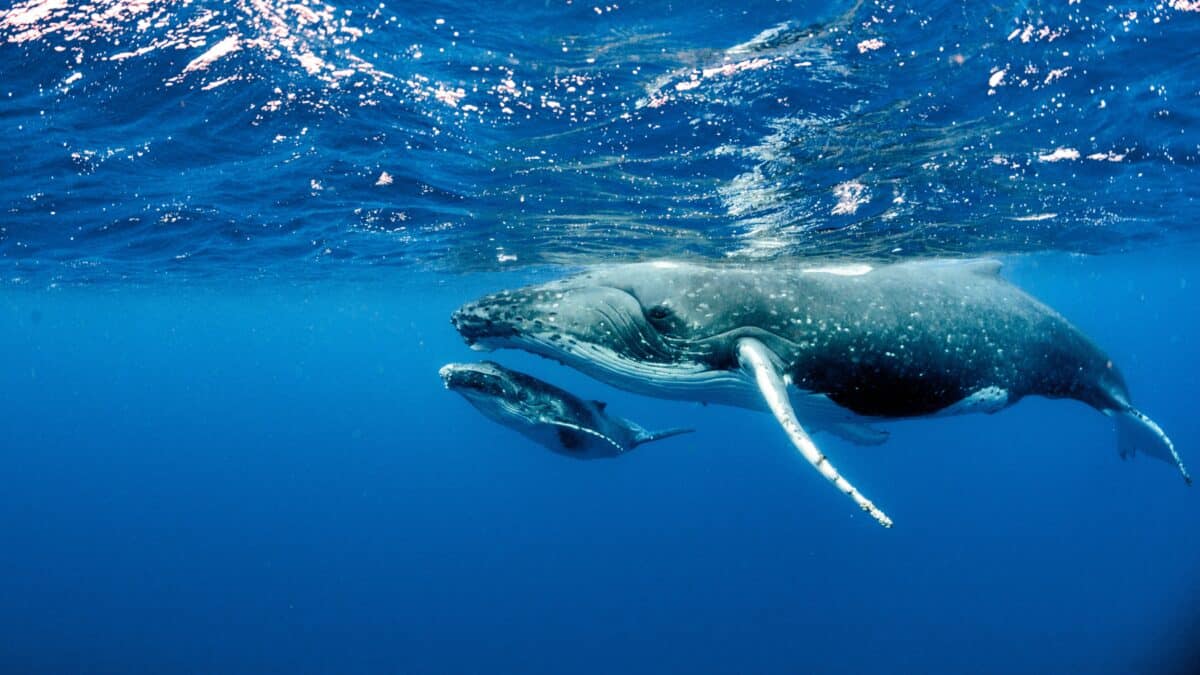
Blue whales are known for their lengthy migrations, traveling thousands of miles annually between their cold-water feeding grounds and warm-water breeding areas. During these migrations, they travel at speeds of 5 mph on average, but they can reach speeds up to 20 mph when alarmed. This incredible journey is one of the longest migrations undertaken by any mammal and is vital for their survival, allowing them to exploit different environments for feeding and reproduction.
Heart of a Giant
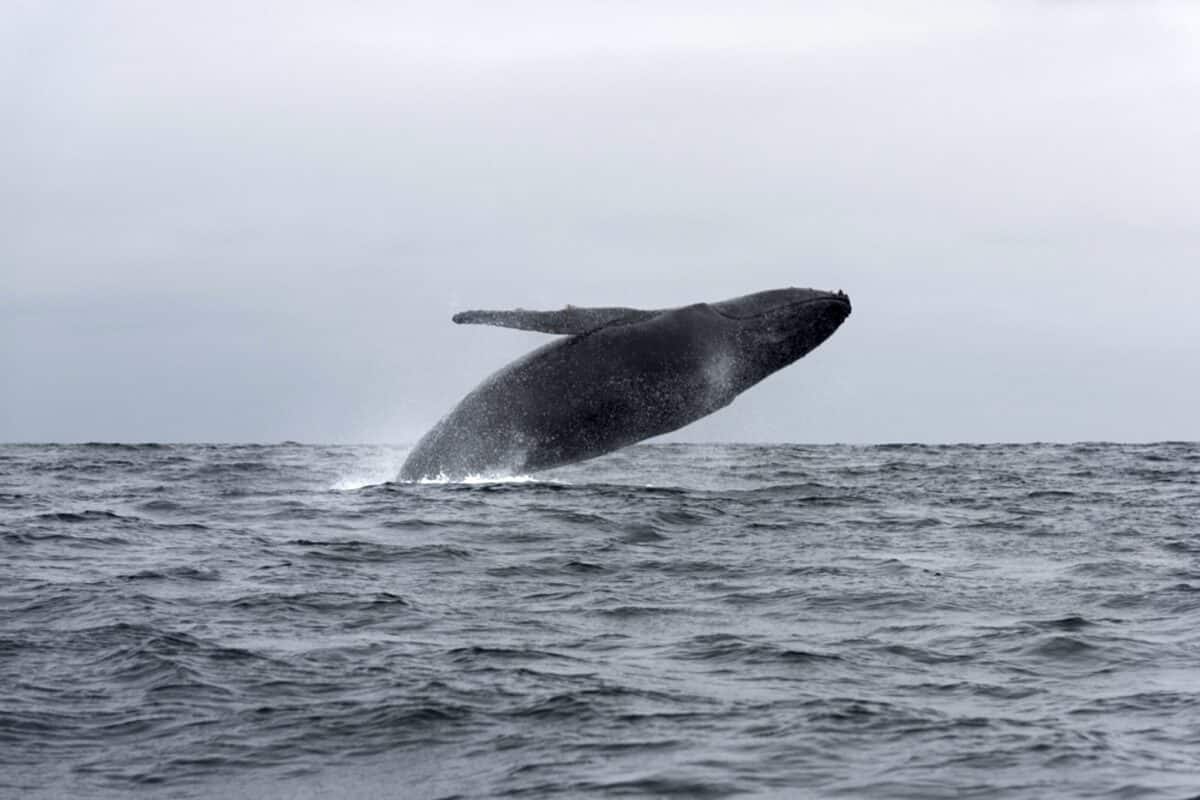
The blue whale’s heart is as extraordinary as the rest of its body. Weighing approximately 400 pounds, it is the largest heart of any animal, capable of pumping nearly 60 gallons of blood per beat. During deep dives, a blue whale’s heart rate can slow to as few as 2 beats per minute, conserving oxygen and demonstrating the remarkable adaptations these animals have evolved for life in the ocean’s depths.
Unique Reproduction

The life cycle of blue whales includes a long gestation period of about 11-12 months, after which a single calf is born. At birth, calves are already immense, measuring around 23 feet in length and weighing as much as 3 tons. The young grow rapidly, sustained by their mother’s rich milk, gaining up to 200 pounds a day in their first year. This significant investment in a single offspring underscores the importance of each new generation to the species’ survival.
Conservation Challenges
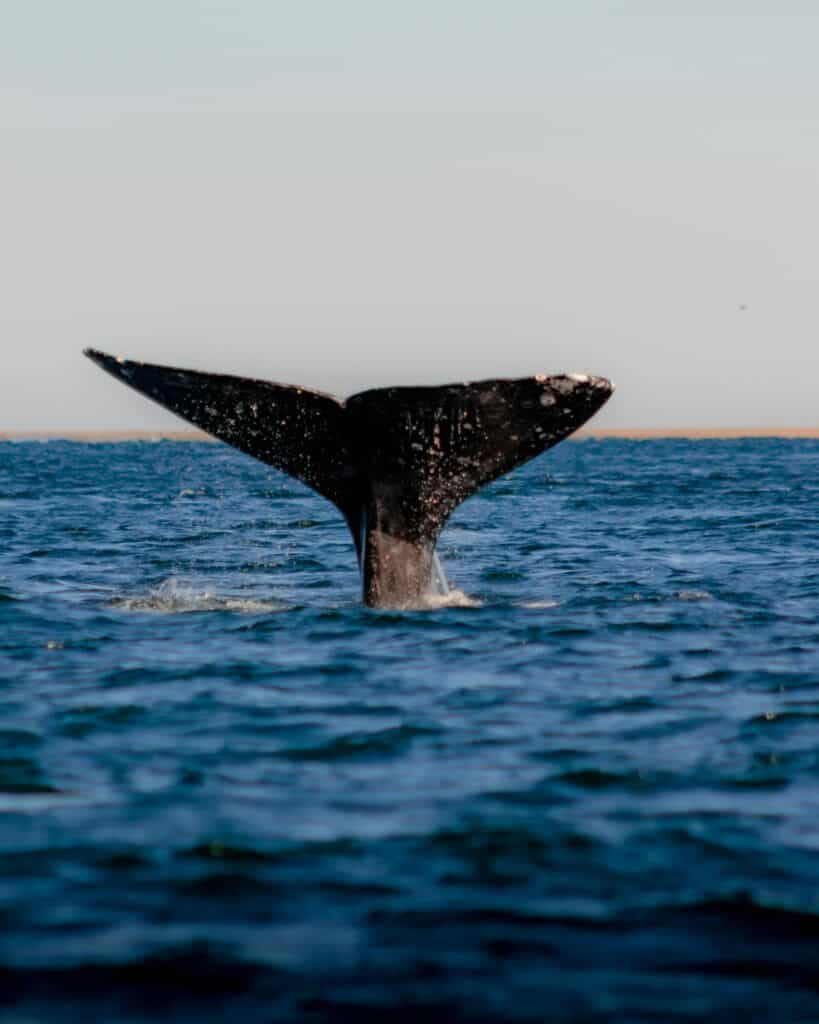
Despite their size, blue whales face numerous threats from human activity. Historically, they were hunted to near extinction during the whaling era. Although international protections have been in place since the mid-20th century, they continue to be threatened by issues such as ship strikes, entanglement in fishing gear, and climate change, which affects krill populations. Conservation efforts are critical to ensure that these magnificent creatures continue to roam the oceans for generations to come.

- How the Leafcutter Ant is One of the Strongest Creatures Relative to Size - June 3, 2026
- 20 Surprising Animals You Didn’t Know Were Endangered - June 3, 2026
- 20 Facts About Cats That Will Surprise Even Cat Owners - June 3, 2026