

Worried about unexpected vet bills?
Pet insurance can cover thousands in unexpected vet costs. Get a free quote from Lemonade in under 2 minutes.
Get My Free Quote →Sponsored · Opens Lemonade.com
In the shadows of Africa’s savannah and Asia’s dense forests, a war rages that most people never see. It’s a battle between dedicated conservationists and well-organized criminal networks – all centered around one of Earth’s most magnificent creatures: the rhinoceros. Rhino populations have plummeted over the past century, with some species teetering on the brink of extinction. The primary threat? Poaching driven by the illegal wildlife trade. Despite international bans and protection efforts, rhino horn continues to fetch astronomical prices on black markets, primarily in Vietnam and China, where it’s falsely believed to have medicinal properties. Against this backdrop, anti-poaching teams stand as the front-line defenders in rhino conservation, facing dangers and challenges that most people can scarcely imagine. These brave men and women risk their lives daily, battling not just armed poachers but also navigating complex social, economic, and political landscapes. This article explores the multi-faceted challenges these conservation heroes face and the innovative solutions being deployed in the race to save rhinos from extinction.
The Dire State of Rhino Populations
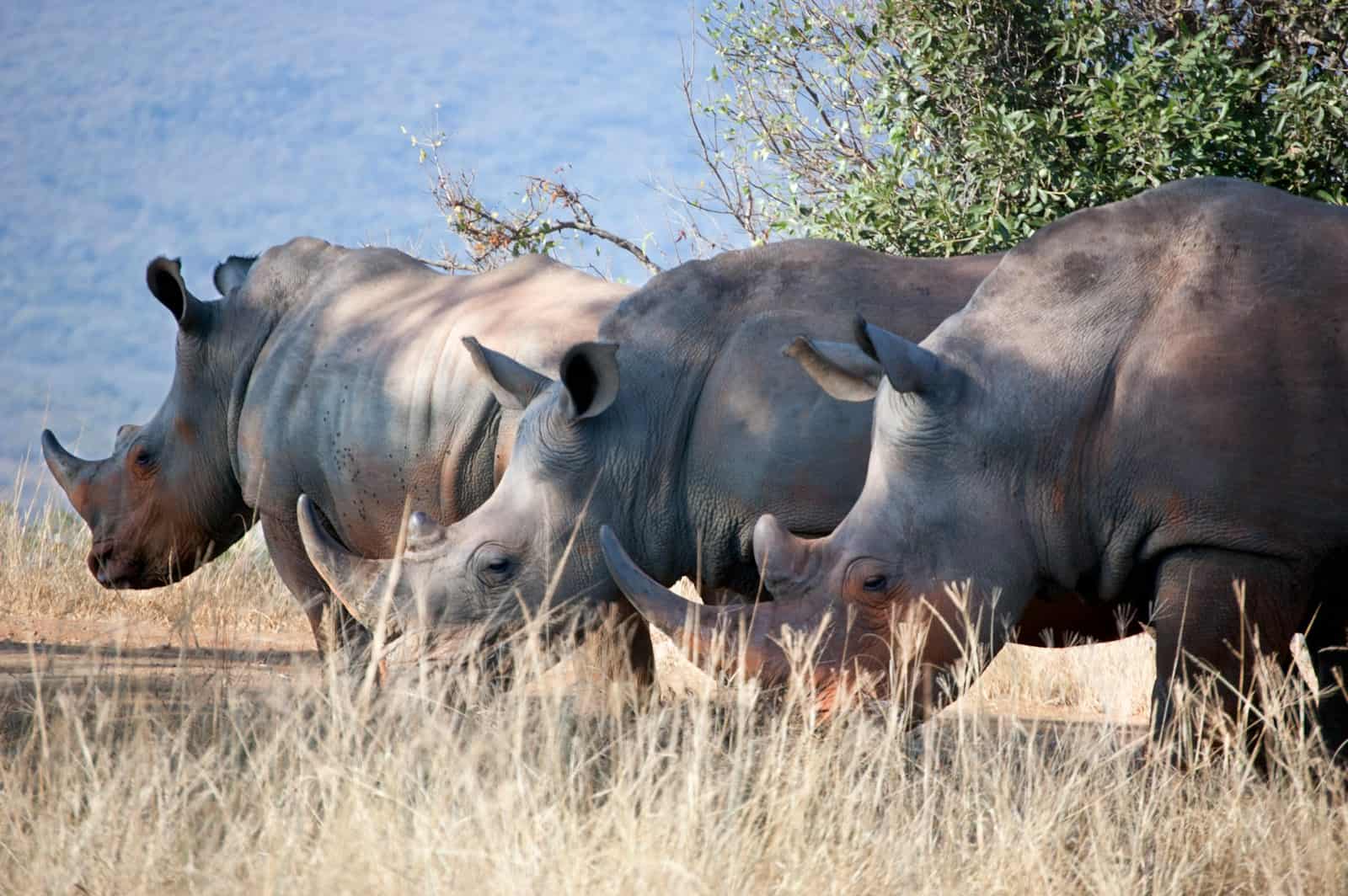
The numbers tell a devastating story. At the beginning of the 20th century, an estimated 500,000 rhinos roamed across Africa and Asia. Today, fewer than 27,000 remain in the wild. The Western black rhino was declared extinct in 2011, and the Northern white rhino has been functionally extinct since 2018 with only two females remaining. The Javan rhino population has dwindled to around 74 individuals confined to a single national park in Indonesia. The Sumatran rhino fares barely better with fewer than 80 individuals. Even southern white rhinos, once considered a conservation success story after rebounding from near extinction, have seen poaching surge since 2008. Black rhino populations across Africa have decreased by 97% since 1960. These statistics aren’t just numbers—they represent a biological emergency, with entire evolutionary lineages dating back 50 million years facing obliteration within our lifetime. The pressure on anti-poaching teams is immense; they are literally fighting against time to prevent further irreversible losses.
The Economics of Rhino Horn: Why Poaching Persists

Understanding the economic drivers behind rhino poaching is crucial to grasping what anti-poaching teams are up against. Rhino horn can fetch up to $65,000 per kilogram on black markets—making it more valuable by weight than gold, diamonds, or cocaine. This astronomical value stems from persistent beliefs in traditional Asian medicine that rhino horn can cure ailments ranging from hangovers to cancer, despite having no proven medical benefits (rhino horn is primarily composed of keratin, the same protein found in human fingernails). Additionally, in some cultures, rhino horn objects serve as status symbols for the ultra-wealthy. The financial incentives are so high that international criminal syndicates have become deeply involved, transforming poaching from opportunistic subsistence crime to sophisticated operations with military-grade weapons and technology. Local poachers might receive only $1,500-5,000 per horn, but in communities with high unemployment and poverty rates where the average annual income might be just $200-300, this represents life-changing money. Anti-poaching teams are therefore battling not just individual poachers but entrenched economic disparities and powerful criminal networks with vast resources at their disposal.
The Militarization of Poaching: Advanced Weapons and Tactics
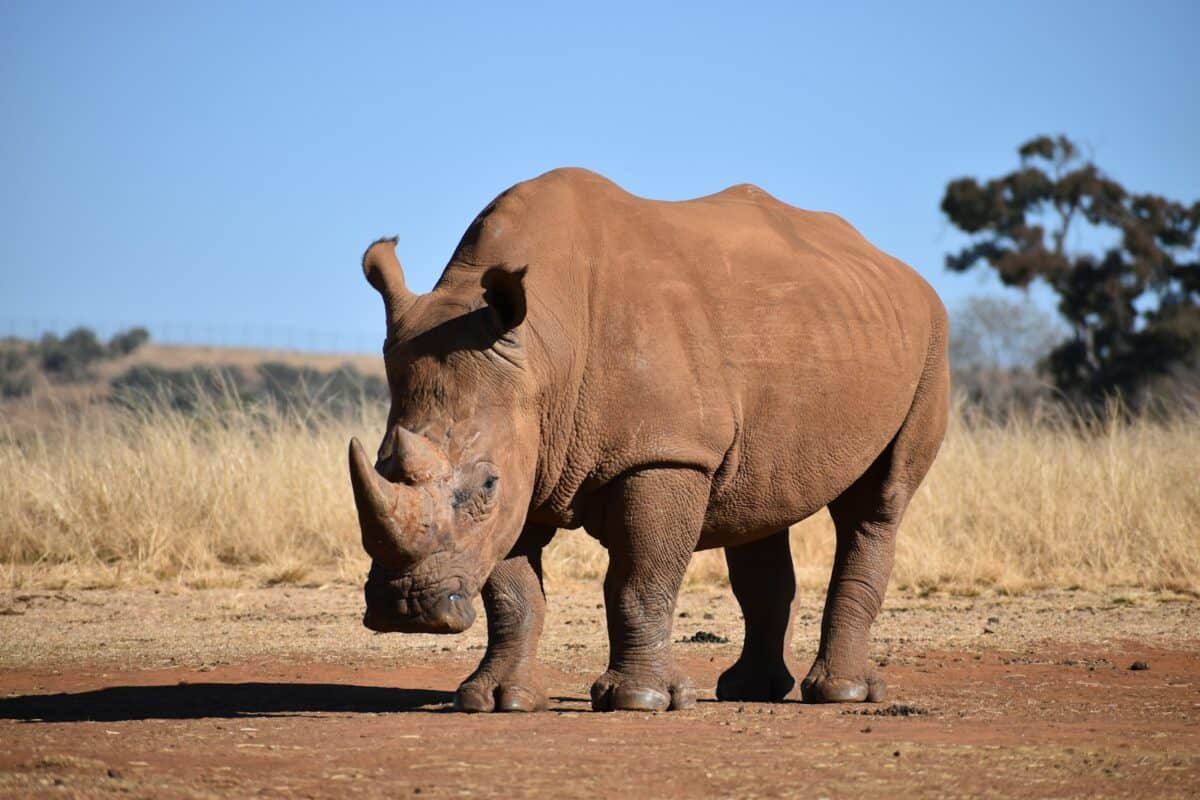
Anti-poaching units today face adversaries armed with military-grade weapons and employing sophisticated tactics. Gone are the days when poachers used primarily snares and basic firearms. Modern poaching operations frequently utilize AK-47s, silenced weapons, night vision equipment, and even helicopters. Some poaching groups are led by individuals with military backgrounds, bringing tactical expertise to their illegal operations. They conduct reconnaissance missions, employ counter-tracking measures, and sometimes maintain communications networks with informants inside parks and reserves. In South Africa’s Kruger National Park, rangers have reported poaching teams using veterinary tranquilizers to silently take down rhinos, allowing them to remove horns without gunshots alerting security forces. The increasing militarization of poaching has forced a corresponding militarization of anti-poaching efforts, with rangers receiving tactical training, carrying automatic weapons, and employing military-style patrol strategies. This escalation has turned conservation areas into virtual war zones, with anti-poaching teams regularly engaging in armed confrontations. Between 2009 and 2019, over 1,000 rangers were killed worldwide in the line of duty, many while protecting rhinos and other high-value wildlife, highlighting the extreme dangers these conservation professionals face daily.
Corruption: The Enemy Within

Perhaps one of the most insidious challenges facing anti-poaching efforts is corruption within the very systems designed to protect rhinos. Criminal syndicates have demonstrated both the willingness and financial capacity to bribe officials at all levels—from park rangers who might provide intelligence about rhino locations or patrol schedules, to customs officials who look the other way as horns cross borders, to high-ranking government officials who may obstruct investigations or prosecutions. In some documented cases, law enforcement officers have directly participated in poaching operations. Corruption extends beyond government officials to private sector actors involved in transportation and shipping. The problem is particularly acute in regions where conservation personnel are poorly paid, making them vulnerable to financial incentives that may exceed several years’ salary. Anti-poaching teams must therefore operate in environments where they can’t always trust their colleagues, supervisors, or the judicial systems meant to support their work. Vetting procedures, counter-intelligence operations, and internal affairs investigations have become necessary components of rhino protection efforts. This internal threat multiplies the difficulty of the already challenging mission, requiring resources to be diverted from field operations to address these institutional vulnerabilities.
Community Tensions and Social Challenges

Anti-poaching teams often find themselves caught between wildlife protection mandates and complex social dynamics in communities surrounding conservation areas. In many regions, local populations have historical grievances related to land displacement for park creation, restricted access to traditional resources, and perceived prioritization of wildlife over human needs. When impoverished communities see millions of dollars spent protecting animals while they lack basic services like healthcare, education, and clean water, resentment can build. These tensions are exploited by poaching syndicates, who recruit from local communities and sometimes portray themselves as Robin Hood figures challenging unfair conservation regimes. Rangers from local communities may face ostracism or threats from their own families and neighbors. In some areas, successful rhino conservation depends on building positive relationships with surrounding communities, requiring anti-poaching teams to serve as diplomats and development partners, not just enforcement agents. Progressive conservation models now incorporate community benefit-sharing, employment opportunities, and collaborative decision-making. Teams must balance firm enforcement against poachers with sensitivity to legitimate community concerns, adding layers of complexity to their already demanding role as rhino protectors.
Technological Arms Race

Anti-poaching efforts have evolved into a sophisticated technological arms race between conservationists and poachers. On one side, conservation teams deploy an impressive array of technologies: aerial surveillance drones with thermal imaging capabilities that can detect human movement at night; gunshot detection systems that triangulate the location of weapons fire within seconds; DNA analysis to trace seized rhino horn to specific poaching incidents; and predictive analytics software that uses historical data to forecast likely poaching attempts. Some rhinos are fitted with GPS tracking devices embedded in their horns or implanted under their skin, allowing real-time monitoring. Camera traps with artificial intelligence can distinguish between animals and humans, triggering alerts when potential poachers enter protected areas. However, poaching syndicates continually adapt to these technological defenses. They employ signal jammers to disable tracking devices, use counter-surveillance techniques to avoid camera detection, and exploit technological vulnerabilities in security systems. They increasingly use social media and encrypted messaging apps to coordinate operations and evade detection. The financial resources of criminal networks often allow them to acquire new technologies faster than cash-strapped conservation organizations. This technological chess game requires anti-poaching teams to constantly innovate while managing the significant costs of acquiring and maintaining advanced equipment in remote and challenging environments.
Psychological and Physical Toll on Rangers

The men and women serving on anti-poaching teams endure extraordinary psychological and physical challenges that often go unrecognized. Rangers typically spend weeks at a time on patrol in remote wilderness, separated from families and enduring harsh conditions including extreme temperatures, dangerous wildlife encounters, and limited access to clean water or medical care. They carry heavy equipment while covering vast distances on foot in difficult terrain. The constant threat of violent confrontation with armed poachers creates chronic stress, with many rangers developing symptoms of post-traumatic stress disorder. Those who have engaged in firefights or discovered mutilated rhino carcasses suffer particular psychological impacts. A 2016 study of rangers across 40 countries found that 75% had faced life-threatening situations, yet only 15% received adequate mental health support. The emotional burden extends beyond danger to include moral challenges, particularly when local community members are involved in poaching. Rangers often receive lower compensation than the risks of their job would warrant, with some earning as little as $150 monthly despite the hazardous nature of their work. Conservation organizations increasingly recognize the need for better support systems, including appropriate compensation, psychological services, proper equipment, and family support programs, but resources remain limited in many regions.
Legal System Failures

Even when anti-poaching teams successfully apprehend suspects, they often face frustration in the legal arena. In many rhino range states, wildlife crime legislation remains inadequate, with penalties too lenient to serve as effective deterrents compared to the potential profits. Cases frequently collapse due to evidence mishandling, procedural errors, or witness intimidation. Conviction rates for rhino poaching and trafficking remain disturbingly low in many countries. In South Africa, which has experienced the highest levels of rhino poaching, a 2018 analysis showed that only about 15% of arrests resulted in successful prosecutions. Even when convictions are secured, sentences may be minimal compared to the severity of the crime and its conservation impact. Legal systems in many countries are already overburdened, and wildlife crimes may not receive priority attention from prosecutors. Organized crime syndicates exploit jurisdictional boundaries and differences in national laws, operating across borders while enforcement remains largely constrained by national boundaries. International cooperation mechanisms exist through bodies like Interpol and the UN Office on Drugs and Crime, but implementation gaps persist. Anti-poaching units must therefore not only catch poachers but also meticulously document evidence, sometimes serve as expert witnesses, and navigate complex legal systems—tasks for which they often receive minimal training or support.
Resource Limitations

Chronic underfunding represents one of the most persistent challenges for anti-poaching efforts worldwide. The scale of resources required to effectively protect rhino populations is enormous—experts estimate that adequate rhino protection costs between $1,500-$2,000 per square kilometer annually in high-risk areas. For large reserves spanning thousands of square kilometers, this translates to millions of dollars yearly. Yet many protected areas operate on budgets covering less than 30% of this optimal funding level. Resource constraints manifest in multiple ways: insufficient staffing (with some rangers responsible for patrolling areas exceeding 50 square kilometers alone); inadequate equipment including vehicles, communications devices, and basic gear like boots and raincoats; limited training opportunities; and minimal technological resources. The COVID-19 pandemic exacerbated these challenges by drastically reducing tourism revenue that many conservation areas depend on for operational funding. Facing budget shortfalls, managers must make difficult decisions about allocation of limited resources across various conservation priorities. International donors and NGOs provide critical support, but funding often comes with restrictions or shifts according to donor priorities rather than on-the-ground needs. The resource gap creates a fundamental disadvantage for anti-poaching teams facing well-financed criminal networks, forcing them to accomplish their mission with creativity and determination despite material constraints.
Climate Change Complications

Climate change has emerged as an increasingly significant factor complicating anti-poaching efforts. Extended drought periods in rhino habitats concentrate both wildlife and poaching activity around dwindling water sources, making patrol strategies more challenging. Extreme weather events damage infrastructure including roads, fences, and communication towers essential for effective anti-poaching operations. Higher temperatures affect working conditions for rangers, who must patrol in increasingly harsh conditions with greater risk of heat-related illness. Climate impacts on local communities surrounding protected areas can intensify poaching pressure as traditional livelihoods like farming become less viable, pushing more people toward illegal activities for survival. Rising sea levels threaten coastal reserves, particularly in Southeast Asia where Javan rhinos have their last stronghold. Changing rainfall patterns alter vegetation, potentially affecting rhino distribution and creating new vulnerable areas that require protection. The carbon footprint of anti-poaching operations themselves—including vehicle patrols, helicopter surveillance, and electronic monitoring systems—raises questions about sustainability. Forward-thinking conservation organizations are now developing climate adaptation strategies for anti-poaching, including modified patrol schedules to avoid extreme heat, installation of renewable energy sources for operations, and integration of climate resilience into protection planning. As climate impacts intensify, anti-poaching teams must adapt their approaches while managing these additional layers of complexity.
International Wildlife Trafficking Networks

Anti-poaching teams on the ground represent just one component of a much larger struggle against sophisticated international criminal networks. Rhino horn trafficking has evolved into a highly organized global enterprise with striking similarities to drug cartels and arms dealers. These networks employ complex smuggling routes that frequently change to evade detection, utilizing everything from diplomatic pouches and commercial shipping containers to tourist luggage and postal services. Recent investigations have revealed that trafficking organizations maintain specialists at each stage: poachers who acquire the horn, transporters who move it across borders, document forgers who create false permits or certificates, corrupt officials who facilitate passage, wholesalers who distribute to markets, and retailers who sell to end consumers. Many of these networks engage in multiple forms of trafficking, moving wildlife products alongside narcotics, counterfeit goods, weapons, and even humans. They employ money laundering techniques to conceal illicit proceeds, including cryptocurrency transactions and front companies. The transnational nature of these networks creates jurisdictional challenges—an operation might involve poaching in South Africa, primary processing in Mozambique, export through Kenya, transit through Malaysia, and final sale in Vietnam, requiring coordination across multiple law enforcement agencies with different priorities, resources, and legal frameworks. International bodies like the Convention on International Trade in Endangered Species (CITES) provide frameworks for cooperation, but implementation remains challenging, leaving field-level anti-poaching teams feeling like they’re fighting just one battle in a much larger war they cannot directly influence.
Innovative Solutions and Success Stories

Despite the formidable challenges, conservation organizations and anti-poaching teams have developed innovative approaches that demonstrate the potential for success. The Black Mambas Anti-Poaching Unit in South Africa—comprised primarily of women from local communities—has dramatically reduced snaring and poaching in their patrol area through visible policing techniques that emphasize prevention over confrontation. Their community connections provide valuable intelligence while changing local attitudes about conservation. Technological innovations show particular promise: the Real-time Anti-Poaching Intelligence Device (RAPID) combines heart-rate monitors implanted in rhinos with horn-mounted cameras, allowing immediate response when animals are threatened. In Namibia, community conservancies where local people receive direct benefits from wildlife have seen rhino populations increase while poaching has decreased. DNA forensic techniques like RhODIS (Rhino DNA Index System) have enabled successful prosecutions by conclusively linking seized horns to specific poaching crime scenes, sometimes years after the incidents. Kenya has reformed its wildlife crime legislation, introducing much stricter penalties that serve as genuine deterrents. Public-private partnerships have mobilized additional resources, with some reserves supplementing government efforts through specialized private anti-poaching units. International cooperation has improved through initiatives like the Wildlife Enforcement Networks and INTERPOL’s Wildlife Crime Working Group. In South Africa’s Kruger National Park, intensive protection zones where security resources are concentrated have proven effective in reducing poaching in high-risk areas. These success stories demonstrate that with adequate resources, innovation, and commitment, the tide can be turned against poaching.
The Future of Rhino Protection

The battle to save rhinos from extinction represents one of conservation’s most complex challenges, requiring anti-poaching teams to evolve continuously in response to persistent threats. Looking forward, successful rhino protection will likely depend on integrated approaches that address root causes while maintaining robust security measures. Demand reduction campaigns in consumer countries show promising results, with recent surveys indicating declining interest in rhino horn among younger generations in Vietnam and China. Synthetic alternatives to rhino horn using 3D printing technology may help satisfy traditional medicine markets without threatening wild populations. Community-based conservation models that deliver tangible benefits to people living alongside rhinos will remain crucial for sustainable protection. Advanced technologies including artificial intelligence, predictive analytics, and autonomous monitoring systems will enhance the effectiveness of anti-poaching operations while potentially reducing risks to human rangers.
Worried about unexpected vet bills?
Pet insurance can cover thousands in unexpected vet costs. Get a free quote from Lemonade in under 2 minutes.
Get My Free Quote →Sponsored · Opens Lemonade.com

- The Relationship Between Polar Explorers and Their Dogs - June 4, 2026
- Animal-Friendly Destinations for Your Summer Adventure - June 4, 2026
- This 1.8-Billion-Year-Old Rock in Michigan Tells Earth’s History - June 4, 2026