


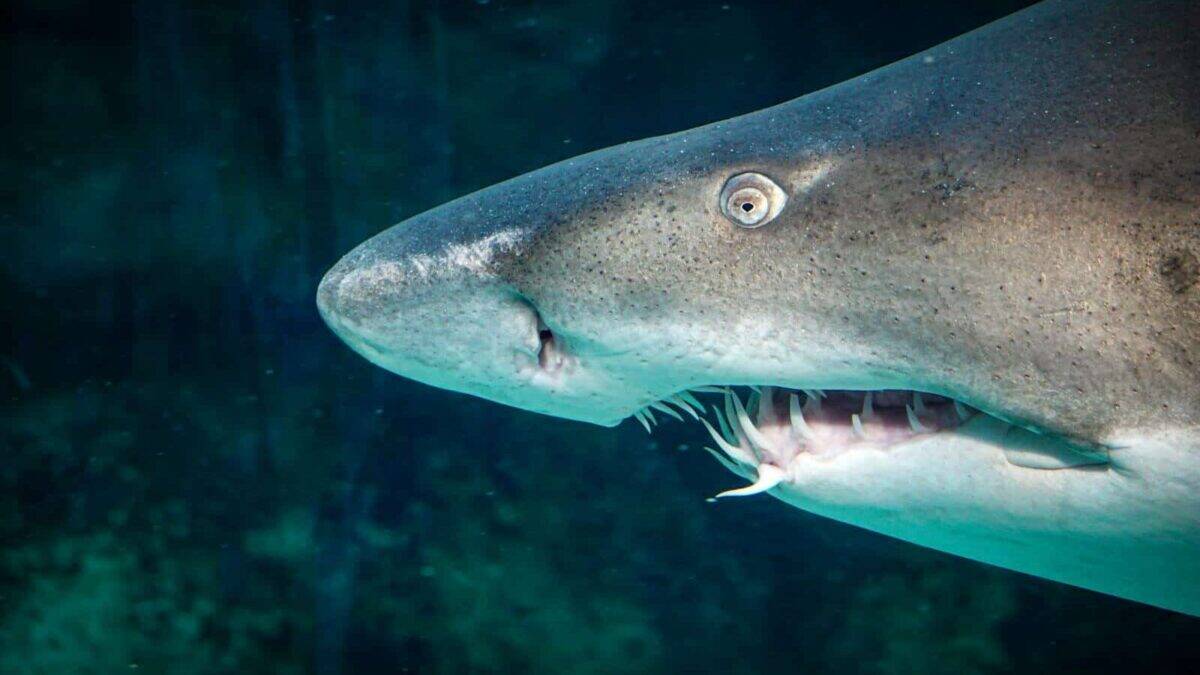
For decades, sharks have been portrayed as mindless killers with an insatiable appetite for human flesh. From the iconic “Jaws” theme music to sensationalized media coverage of shark incidents, these marine predators have been unfairly demonized in popular culture. This misrepresentation has had devastating consequences for shark populations worldwide, with many species now facing extinction. However, a growing movement of scientists, conservationists, and ocean advocates is working to transform public perception of sharks from feared monsters to essential guardians of marine ecosystems. By changing how people see sharks, we can inspire greater conservation efforts and protect these magnificent creatures for generations to come.
The Misrepresentation Crisis

The 1975 blockbuster film “Jaws” created a watershed moment in how the public perceived sharks. Director Steven Spielberg’s thriller portrayed a great white shark as a calculating, vengeful killer deliberately hunting humans. This fictional portrayal, coupled with the film’s massive success, dramatically shaped public perception and sparked an era of widespread shark fear. Peter Benchley, the author of the novel on which the film was based, later became a shark conservationist and expressed regret about his role in demonizing these animals.
Modern media continues to perpetuate this negative image through sensationalized reporting of shark incidents, often using terms like “attack” and “man-eater” that frame natural shark behavior in predatory terms. Studies have shown that news coverage of shark encounters is disproportionate to actual risk, creating a perception of danger that far exceeds reality. According to the International Shark Attack File, the annual risk of death from a shark incident is approximately one in 3.7 million, making it statistically less likely than being struck by lightning or dying from a falling coconut.
The Ecological Importance of Sharks
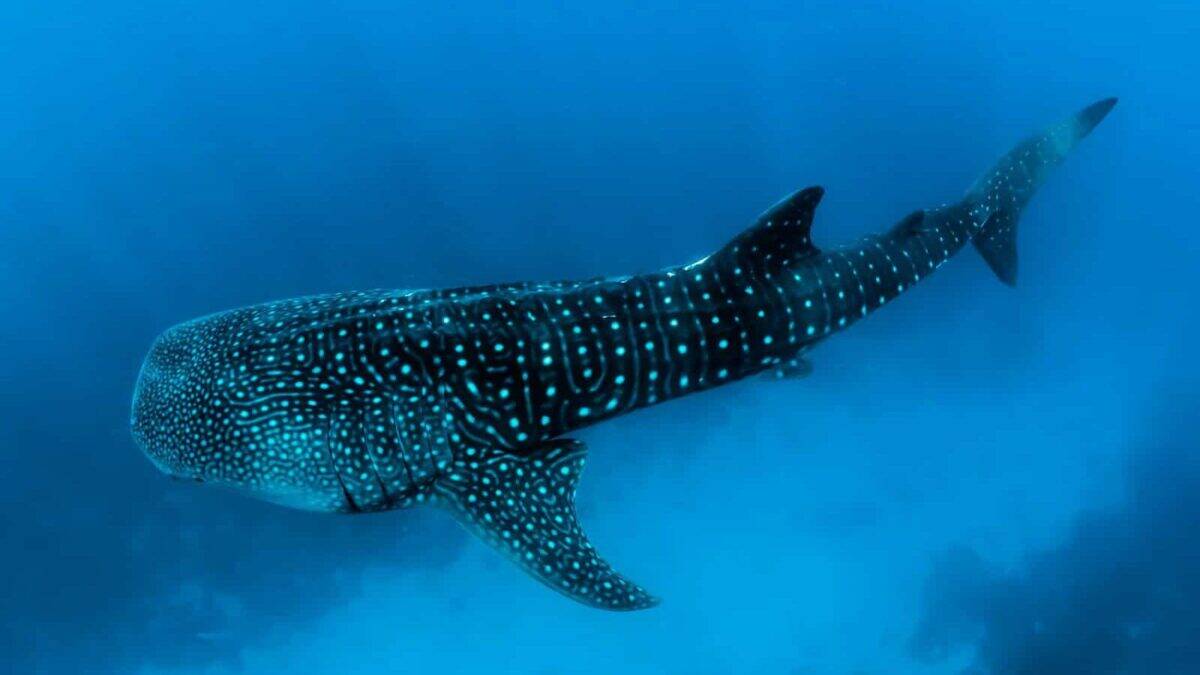
Sharks play a vital role as apex predators in marine ecosystems, maintaining the delicate balance of ocean food webs. Their predatory behavior controls the population of mesopredators (mid-level predators) and influences the distribution and behavior of prey species throughout the ecosystem. This regulatory function creates what ecologists call a “trophic cascade” – where changes at the top of the food chain affect all levels below it. In areas where shark populations have declined, scientists have observed disruptions in ecosystem structure and function.
A landmark study in the Northwest Atlantic showed that the decline of large sharks led to an explosion in the ray population, which in turn decimated bay scallop fisheries. Similarly, research on coral reefs has demonstrated that the presence of sharks contributes to reef health by preventing herbivorous fish from overgrazing certain areas. As “ecosystem engineers,” sharks help maintain marine biodiversity and resilience, making them indispensable components of healthy oceans rather than threats to be eliminated.
The Devastating Impact of Fear
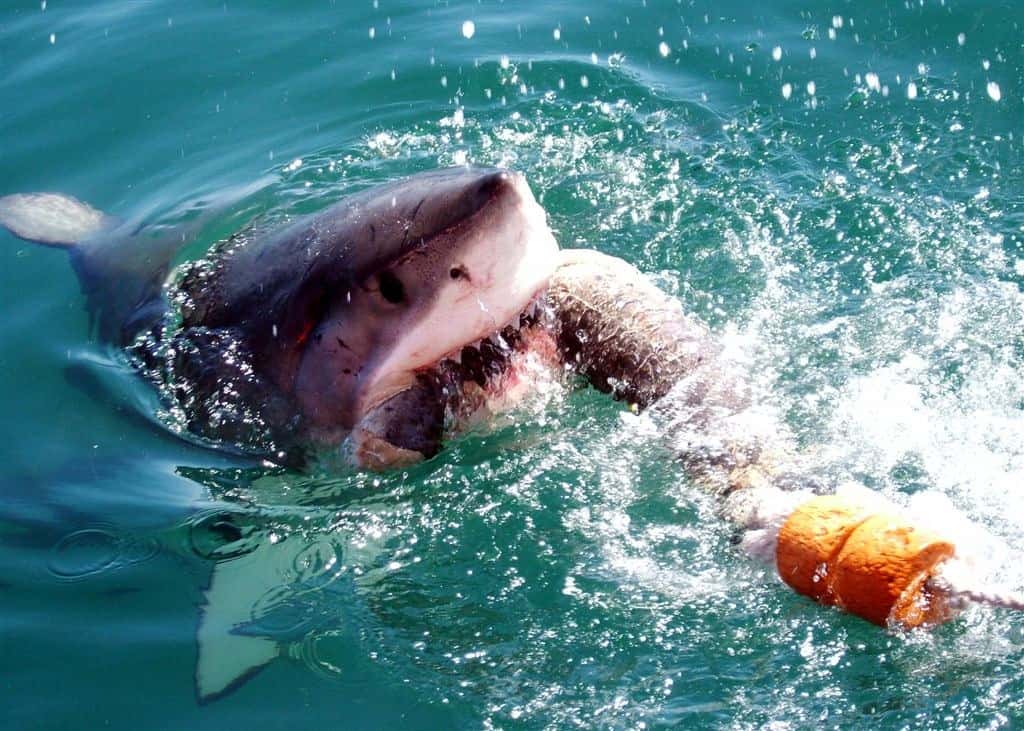
The consequences of shark fear manifest in multiple destructive ways. Beach culling programs, which involve the systematic killing of sharks near populated areas, have been implemented in locations like Australia and South Africa under the guise of public safety. These programs typically use baited drum lines or nets that indiscriminately kill sharks and other marine life, including endangered species and non-target animals. Studies have repeatedly shown that culling is ineffective at reducing shark incidents while causing significant environmental harm.
Fear also drives demand for shark products in markets worldwide. Shark fin soup, considered a delicacy in some Asian cultures, drives the brutal practice of finning, where sharks have their fins cut off before being thrown back into the ocean to die. An estimated 73 million sharks are killed annually for their fins alone. Additionally, public fear creates political obstacles to shark conservation measures, as politicians often face pressure to prioritize perceived public safety over environmental protection, regardless of scientific evidence.
The Reality of Shark Behavior

Understanding shark behavior is crucial to dispelling misconceptions. Contrary to popular belief, sharks do not hunt humans as prey. Most incidents involving sharks and humans result from mistaken identity, investigatory behavior, or defensive reactions. Sharks primarily use their sense of smell, electroreception, and other senses to identify suitable prey, and humans simply don’t match their natural food profile. When sharks do bite humans, they typically release immediately upon realizing their mistake, which is why many incidents are not fatal.
Different shark species exhibit vastly different behaviors and pose varying levels of risk to humans. Of the more than 500 shark species, only about a dozen have been associated with unprovoked incidents involving humans. Species like the whale shark and basking shark—the largest fish in the ocean—feed exclusively on plankton and pose no threat to people. Even species involved in incidents with humans, such as bull sharks, tiger sharks, and great whites, overwhelmingly ignore the millions of people who enter their habitat each year.
The Conservation Crisis

Sharks face an unprecedented conservation crisis driven largely by human activities. A 2021 study published in Nature found that global oceanic shark and ray populations have declined by more than 70% over the past 50 years, with over one-third of all shark species now threatened with extinction. The primary threats include overfishing, bycatch (accidental capture in fishing gear targeting other species), habitat degradation, climate change, and direct targeting for fins and other products.
Sharks are particularly vulnerable to population decline due to their biological characteristics. Most species grow slowly, mature late, and produce relatively few offspring compared to other fish. For example, the great white shark doesn’t reach sexual maturity until about 26 years of age and may only produce 2-10 pups every 2-3 years. This low reproductive rate means shark populations recover very slowly from depletion, making conservation efforts all the more urgent. Without significant intervention, many shark species may disappear from our oceans within decades.
The Power of Education
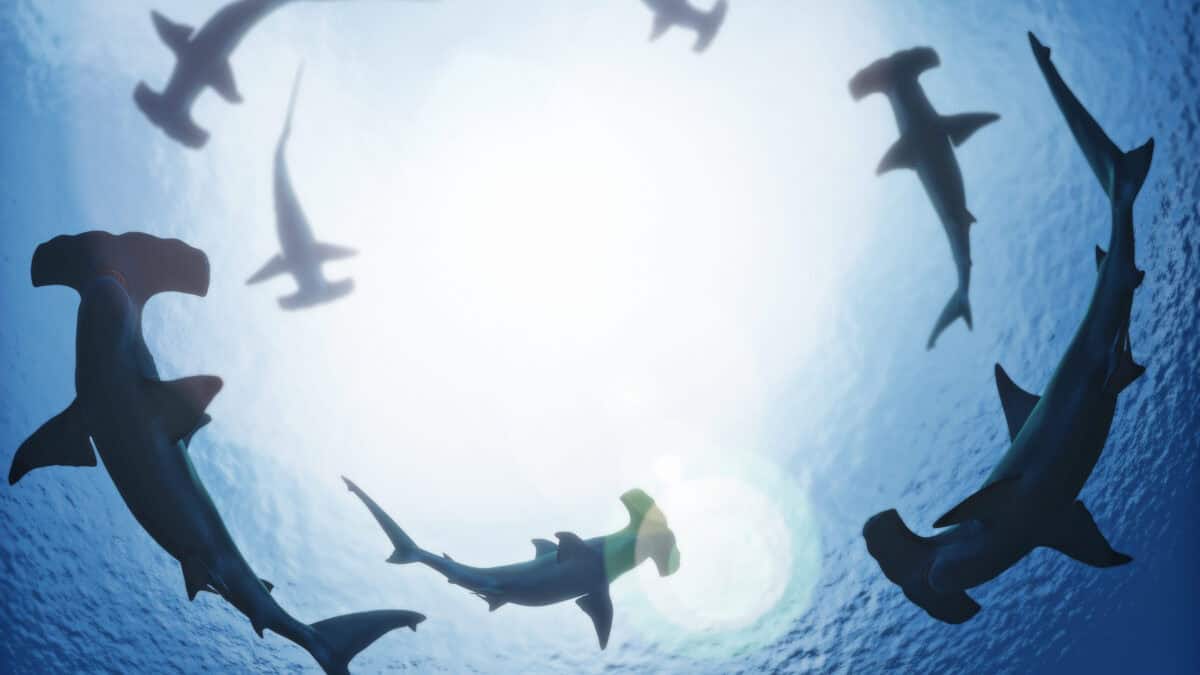
Education represents one of the most powerful tools for changing public perception of sharks. School programs that incorporate accurate information about shark biology, ecology, and conservation can help shape positive attitudes from an early age. Organizations like Sharks4Kids provide educational resources and virtual classroom experiences that connect students with shark researchers and conservationists. These programs help children develop an appreciation for sharks based on facts rather than fear.
Public aquariums and marine education centers also play a crucial role in shark perception change. Facilities that feature shark exhibits provide visitors with the opportunity to observe these animals up close, learning about their behaviors and ecological importance. Interactive experiences like the Georgia Aquarium’s “Swim with Whale Sharks” program or the Florida Aquarium’s “Dive with the Sharks” create powerful personal connections that can transform fear into fascination. Studies show that direct exposure to living sharks in controlled environments significantly improves attitudes toward these animals.
Media Responsibility and Representation
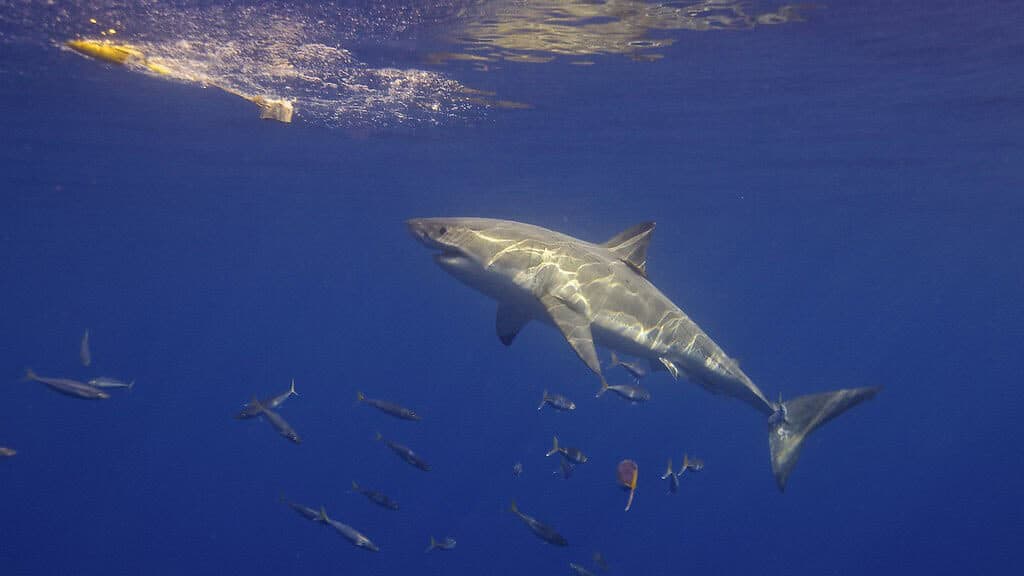
The media wields enormous influence over public perception of sharks, making responsible reporting essential to conservation efforts. Journalists and news organizations can contribute to perception change by avoiding sensationalist language when covering shark incidents. Guidelines developed by shark researchers recommend using terms like “bite” or “encounter” rather than “attack,” and avoiding phrases like “man-eater” or “shark-infested waters” that reinforce negative stereotypes. Context is also crucial – reports should include information about the rarity of such incidents and the conservation status of the species involved.
Documentary filmmakers and content creators are helping reshape the shark narrative through compelling visual storytelling. Award-winning productions like BBC’s “Blue Planet II,” National Geographic’s “SharkFest,” and independent films such as “Sharkwater” and “Racing Extinction” present sharks in their true ecological context. Social media platforms have also become powerful tools for shark perception change, with marine biologists and conservationists using Instagram, TikTok, and YouTube to share accurate, engaging content about sharks with millions of followers worldwide.
Ecotourism as a Perception Changer

Shark-focused ecotourism has emerged as both a powerful conservation tool and an effective way to change public perception. Destinations like Palau, the Bahamas, and South Africa offer supervised shark diving experiences that allow tourists to observe sharks in their natural habitat. These encounters typically transform participants’ views of sharks from fear to respect and admiration. A study of divers in the Bahamas found that 71% reported more positive attitudes toward sharks after their experience, with many becoming active advocates for shark conservation.
Beyond changing individual perspectives, shark ecotourism creates economic incentives for conservation. In locations where shark tourism flourishes, live sharks generate significantly more revenue than dead ones. In Palau, a single reef shark is estimated to contribute $1.9 million to the local economy over its lifetime through tourism revenue, compared to a one-time value of about $108 if killed for its fins. This economic reality has motivated several nations to establish shark sanctuaries and ban shark fishing in their waters, demonstrating how perception change can translate into concrete conservation action.
The Science Communication Challenge

Effective shark conservation requires bridging the gap between scientific knowledge and public understanding. Scientists and researchers face the challenge of communicating complex ecological concepts in accessible ways that resonate with non-specialists. Social media has become an invaluable platform for this purpose, with researchers like Dr. David Shiffman (@WhySharksMatter) and organizations like the Atlantic White Shark Conservancy using Twitter, Instagram, and other platforms to share shark science with broad audiences.
Citizen science initiatives offer another promising approach to shark perception change. Projects like OCEARCH’s Global Shark Tracker allow the public to follow tagged sharks in real-time as they migrate across oceans, creating personal connections to individual animals. Shark spotting programs in South Africa and Australia train volunteers to monitor beaches for shark presence, providing safer beach experiences while also educating participants about shark behavior. These participatory approaches transform the public from passive receivers of information to active participants in shark research and conservation.
Policy and Legal Protection

Changing public perception ultimately must translate into stronger legal protections for sharks. International agreements like the Convention on International Trade in Endangered Species of Wild Fauna and Flora (CITES) have increasingly listed threatened shark species, regulating their international trade. Regional fisheries management organizations (RFMOs) have implemented measures such as fins-attached policies, which require sharks to be landed with their fins naturally attached to their bodies, helping to prevent finning.
At national levels, several countries have established shark sanctuaries where commercial shark fishing is prohibited. Palau created the world’s first shark sanctuary in 2009, and since then, nations including the Bahamas, Maldives, and Marshall Islands have followed suit. Some jurisdictions have banned particularly harmful practices, such as Florida’s prohibition on shark feeding in state waters. However, enforcement remains a significant challenge, and many shark populations continue to decline despite these protections. Public support for stronger shark conservation measures depends largely on perception change efforts that help people value sharks as essential components of healthy oceans.
The Role of Language and Terminology
The language we use to describe shark-human interactions profoundly influences public perception. In 2021, a team of researchers proposed replacing the term “shark attack” with more nuanced categories that better reflect the nature of these encounters. These include “sightings” (where sharks are observed but no physical contact occurs), “encounters” (where physical contact occurs but no injury results), “bites” (where injuries result from a bite), and “fatal bites” (where the incident results in human death). This classification system provides context that the blanket term “attack” obscures.
Some media outlets and government agencies have begun adopting this more precise terminology. In Australia, which historically has had one of the highest rates of shark incidents globally, Queensland’s Department of Agriculture and Fisheries now refers to “negative encounters” rather than “attacks.” Sydney’s Taronga Conservation Society has revised its Australian Shark Incident Database to use more neutral language. These shifts in terminology represent important steps toward a more accurate public understanding of shark behavior and risks.
Conclusion: A Future Where Sharks and Humans Coexist

Changing how people perceive sharks represents our best hope for saving these ancient and magnificent creatures from extinction. By replacing fear with understanding, we can build public support for the conservation measures needed to protect shark populations worldwide. This transformation is already underway, driven by scientific research, educational initiatives, responsible media coverage, and the powerful personal connections formed through ecotourism and other direct experiences with sharks.
The stakes could not be higher – both for sharks and for the marine ecosystems that depend on them. Without healthy shark populations, ocean food webs risk collapse, with potentially catastrophic consequences for fisheries, coral reefs, and other marine resources that support human communities around the world. Conservation success stories like the recovery of white shark populations along the U.S. East Coast demonstrate that when protected, these resilient animals can rebound.
The path forward requires sustained effort from scientists, educators, policymakers, media professionals, and concerned citizens working together to reshape the shark narrative. By emphasizing the true nature of these sophisticated predators – their ecological importance, complex behaviors, and limited threat to humans – we can replace the “Jaws” stereotype with a more accurate image of sharks as essential guardians of ocean health. In doing so, we not only secure a future for sharks but also for the blue planet we all share.

From exploring the marine wonders in the Azores and witnessing the vast savannas of Kenya, to delving deep into the rich biodiversity of South Africa and traversing iconic landscapes in Australia and the US like Yellowstone, Chris's experiences are vast.
With a penchant for diving alongside sharks, the ocean holds a special place in his heart.
Through his academic insights, he champions wildlife conservation, striving with 'Animals Around The Globe' to cultivate a profound connection between humans and animals, enhancing our mutual appreciation.
Connect with him at Feedback@animalsaroundtheglobe.com.
- Scientists Discovered a Giant Bat Off the Coast of Oregon - July 16, 2026
- Saving Sharks by Changing How People See Them - July 16, 2026
- What’s Happening to Animals in Conflict Zones Like Ukraine and Gaza? - July 16, 2026
Leave a comment
You must be logged in to post a comment.