


Most dog owners assume their pets light up at the sound of an upbeat voice, no matter the actual words. Yet research shows something more nuanced at work inside those furry heads. Dogs do not just catch the melody of speech. They weigh the specific words too, and only when both line up does their brain register a true reward.
This overlap between meaning and delivery shapes how dogs experience everyday praise. It also hints at deeper similarities between canine and human communication than many people expect. Understanding the details can change the way conversations with dogs unfold at home or in training sessions.
The Surprising Way Dogs Decode Our Voices
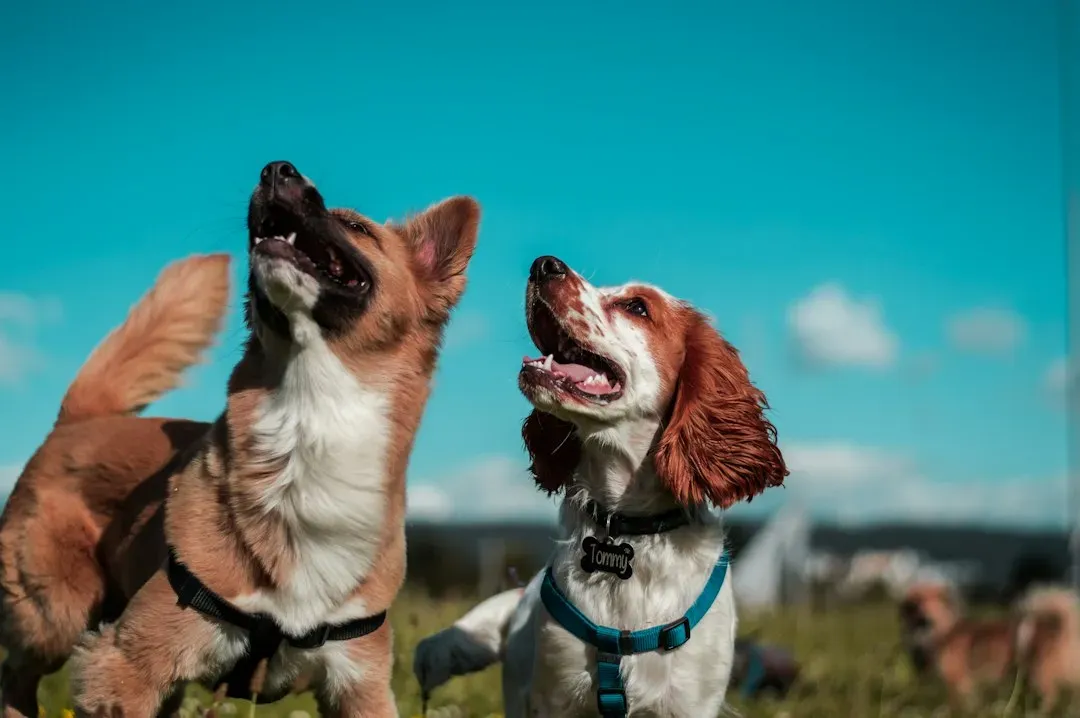
Dogs listen to human speech with a level of detail that goes beyond simple emotional cues. Their brains separate the content of words from the rise and fall of tone, much like people do during conversation. This division happens in distinct regions, allowing them to build a fuller picture of what is being communicated.
Early assumptions held that dogs responded mainly to pitch and volume. Brain imaging has overturned that view by showing clear responses to familiar praise terms even when delivered flatly. The result is a more complete form of listening that combines two channels of information at once.
Separating Words from Tone in the Canine Mind
Meaningful words trigger activity mainly in the left side of a dog’s brain, regardless of how they sound. Neutral or unfamiliar words produce less of this response, suggesting dogs recognize and value specific terms they have learned through experience. Intonation, by contrast, engages areas on the right side that handle emotional shading and sound patterns.
This split processing means a dog can register that a word like “clever” carries positive weight even in a neutral voice. At the same time, an enthusiastic tone on a nonsense word fails to activate the same pathways. The two streams remain distinct until they meet in reward centers.
Air Purifiers for Home Pets Large Room Up to 3000 Ft²,HEPA Air Cleaner with Washable Double-Side Filter, PM2.5 Air Quality Monitor,15dB Sleep Mode for Bedroom Odor Dust Pollen,White
Check Price on AmazonAs an Amazon Associate, we earn from qualifying purchases.
10/8/2026 8:23 am GMTi
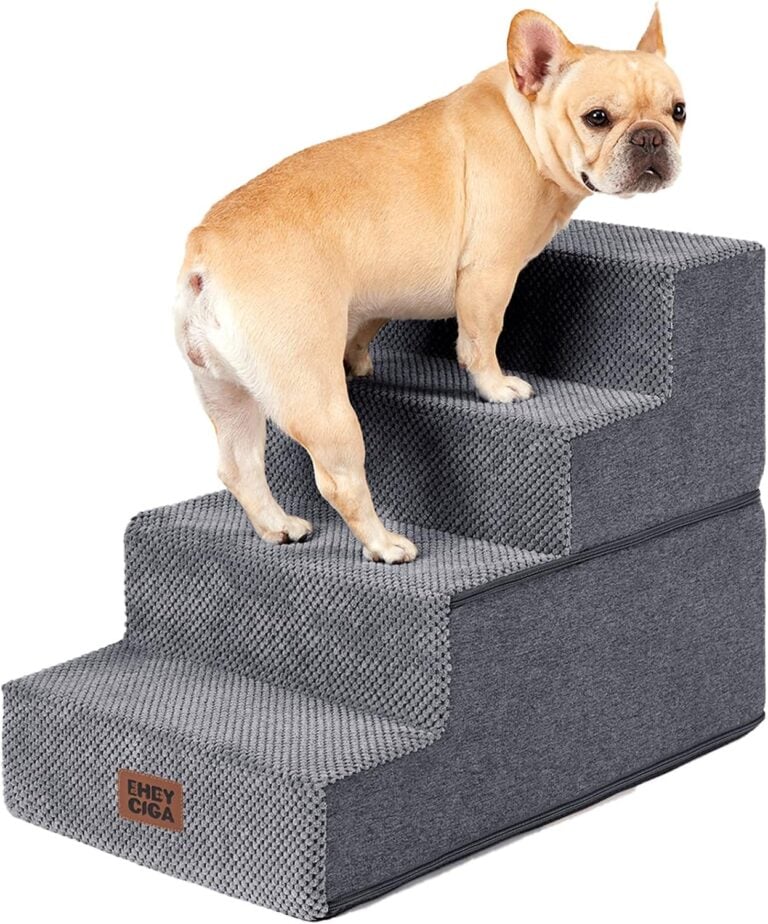
Dog Stairs for Bed 18" H, 4-Step Dog Steps for High Bed
Check Price on AmazonAs an Amazon Associate, we earn from qualifying purchases.
10/9/2026 2:42 pm GMTi
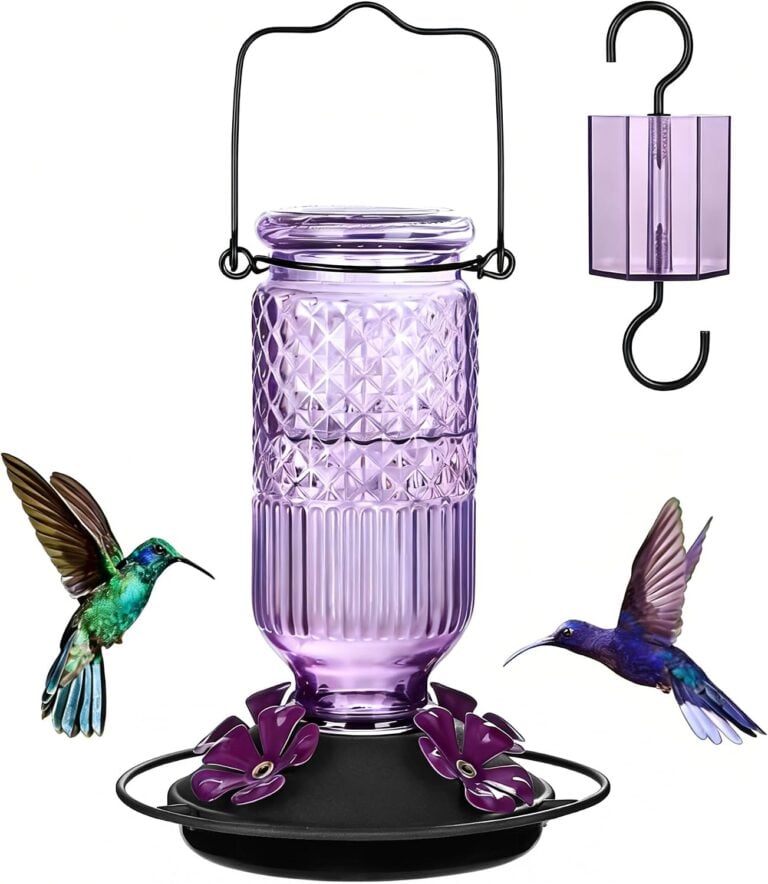
Glass Hummingbird Feeder for Outdoors Hanging, 16 oz Leak-Proof Nectar Feeder with Bee Guards & Ant Moat
Check Price on AmazonAs an Amazon Associate, we earn from qualifying purchases.
10/7/2026 1:22 pm GMTi
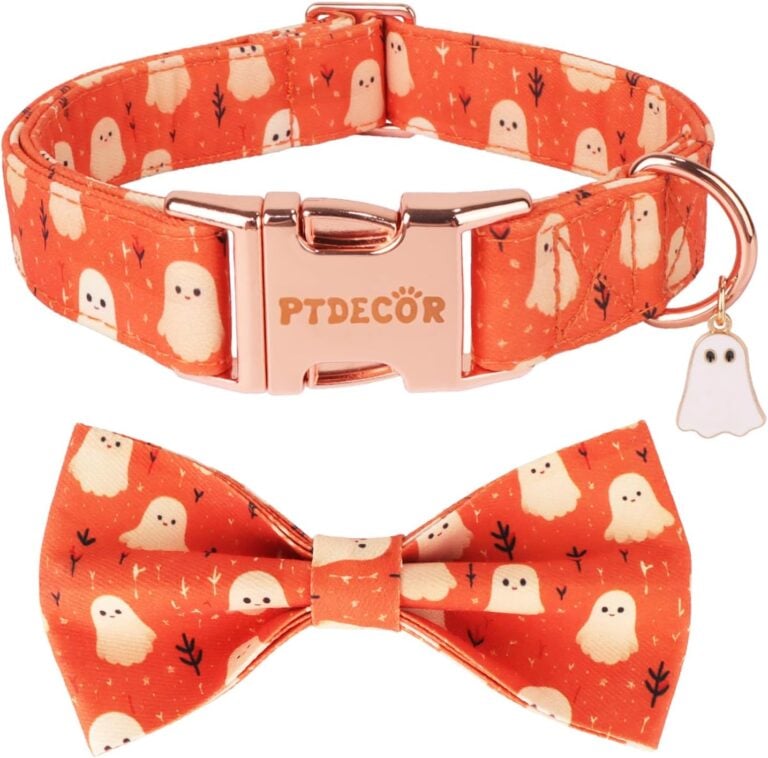
Halloween Dog Collar with Bow, Orange Cute Ghost Collar,
Check Price on AmazonAs an Amazon Associate, we earn from qualifying purchases.
10/9/2026 2:43 pm GMTi

Orthopedic Extra Large Dog Bed, Waterproof Washable XL Pet Bed 44"
Check Price on AmazonAs an Amazon Associate, we earn from qualifying purchases.
10/7/2026 1:32 pm GMTi
What Brain Scans Reveal About Praise
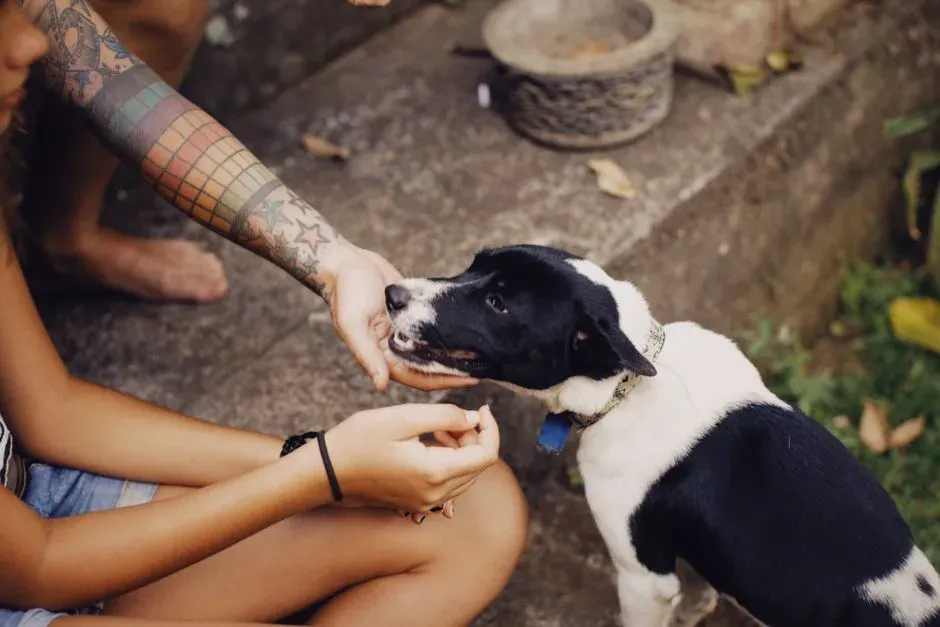
Functional magnetic resonance imaging studies trained dogs to stay still while listening to recordings of their trainers. Praise words spoken with matching upbeat intonation produced the strongest signals in areas linked to pleasure and motivation. Other combinations, such as praise words in flat tones or neutral words in happy voices, did not reach the same level.
The pattern mirrors how human brains integrate vocabulary and prosody to judge sincerity. Dogs appear to expect both elements to agree before they treat the message as genuinely rewarding. Repetition of the same stimuli also showed how quickly different brain regions adapt, with intonation effects fading faster than word recognition in some cases.
Why Matching Matters for Real Reward
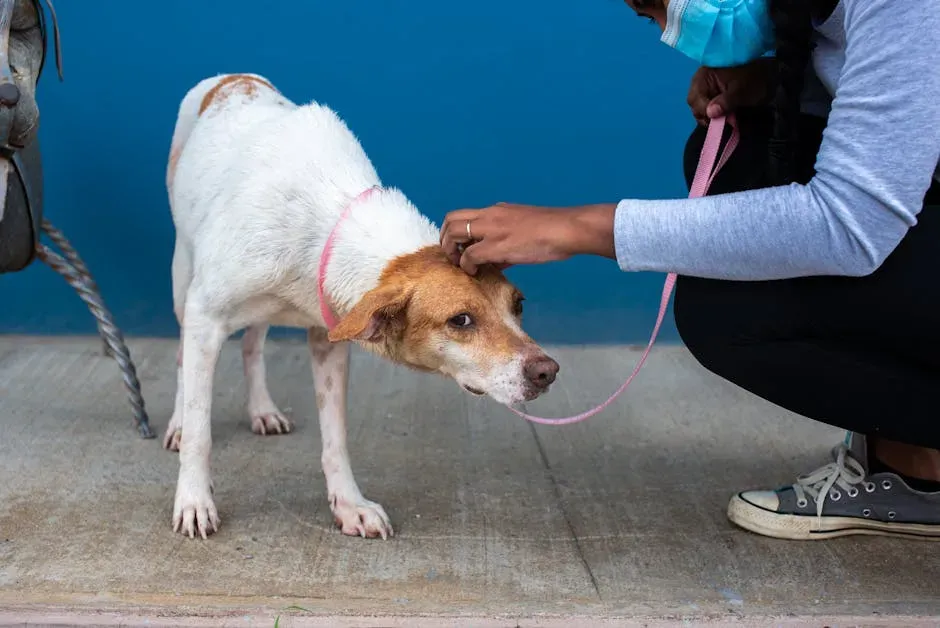
When the lexical content and the emotional delivery align, dogs experience praise as a meaningful event rather than background noise. This alignment activates primary reward pathways that respond to food, touch, or play in similar ways. Without the match, the brain treats the utterance as less salient overall.
Owners sometimes rely on tone alone during quick interactions, yet the evidence indicates that consistent word choice strengthens the effect. Over time, dogs build associations between particular phrases and positive outcomes only when those phrases arrive in the expected manner. The combination creates a clearer signal that stands out from ordinary speech.

Hand Blown Glass Hummingbird Feeders for Outdoors Hanging, 24oz Wild Bird Nectar Feeder
Check Price on AmazonAs an Amazon Associate, we earn from qualifying purchases.
10/7/2026 1:23 pm GMTi
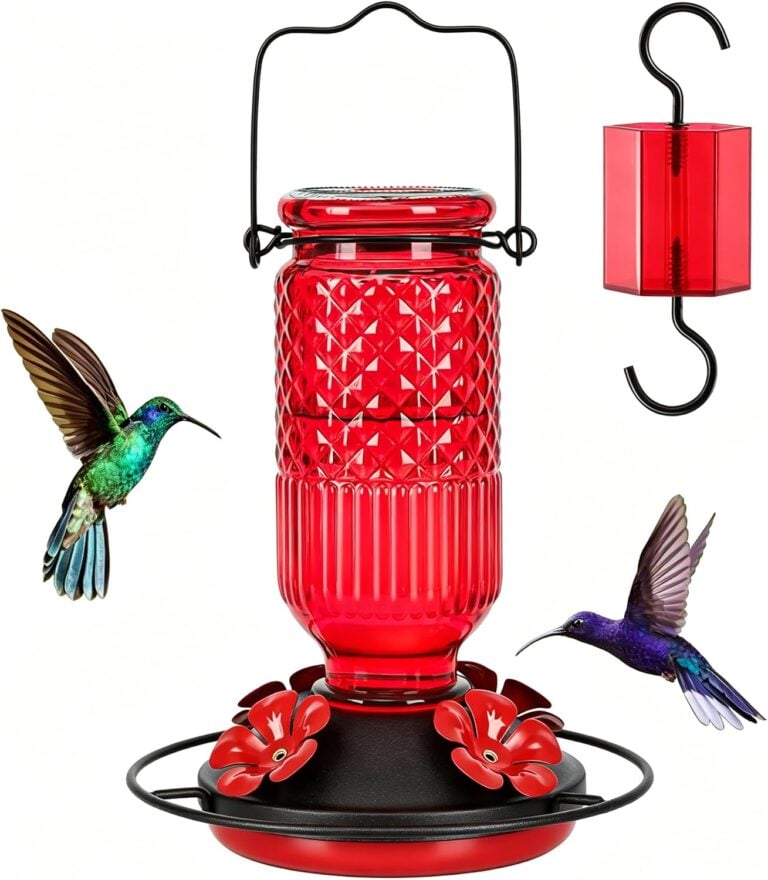
Glass Hummingbird Feeder for Outdoors Hanging
Check Price on AmazonAs an Amazon Associate, we earn from qualifying purchases.
10/7/2026 1:21 pm GMTi

Halloween Cat Costume Cloak Witch Hat Pet Accessories
Check Price on AmazonAs an Amazon Associate, we earn from qualifying purchases.
10/9/2026 2:44 pm GMTi

Smart Bird Feeder with Camera Solar Powered, 2K HD Live Video, 10,000+ Bird Species AI Identification
Check Price on AmazonAs an Amazon Associate, we earn from qualifying purchases.
10/7/2026 1:22 pm GMTi
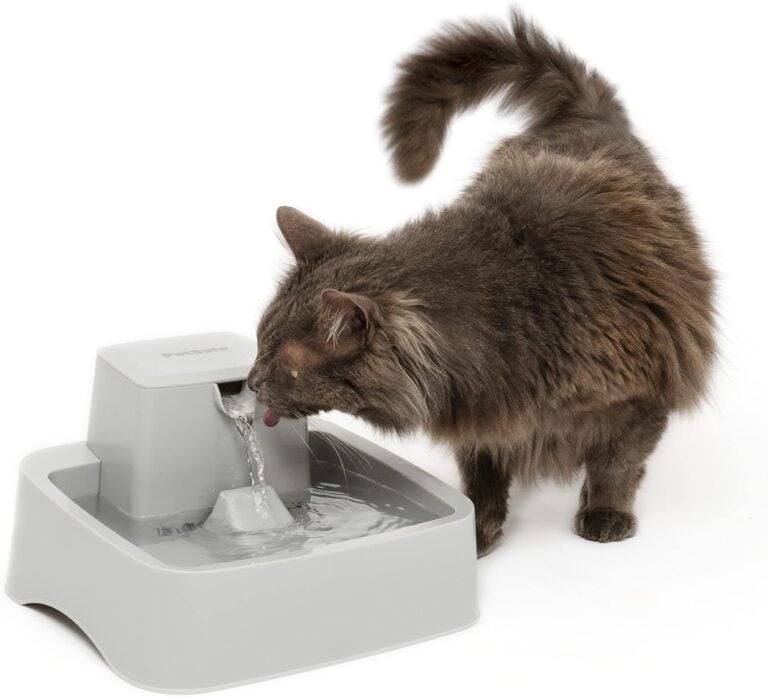
PetSafe Oasys Pet Fountain, 1/2 Gallon (64 oz), Small Dogs & Cats
Check Price on AmazonAs an Amazon Associate, we earn from qualifying purchases.
10/8/2026 8:14 am GMTi
Lessons for Everyday Interactions with Dogs
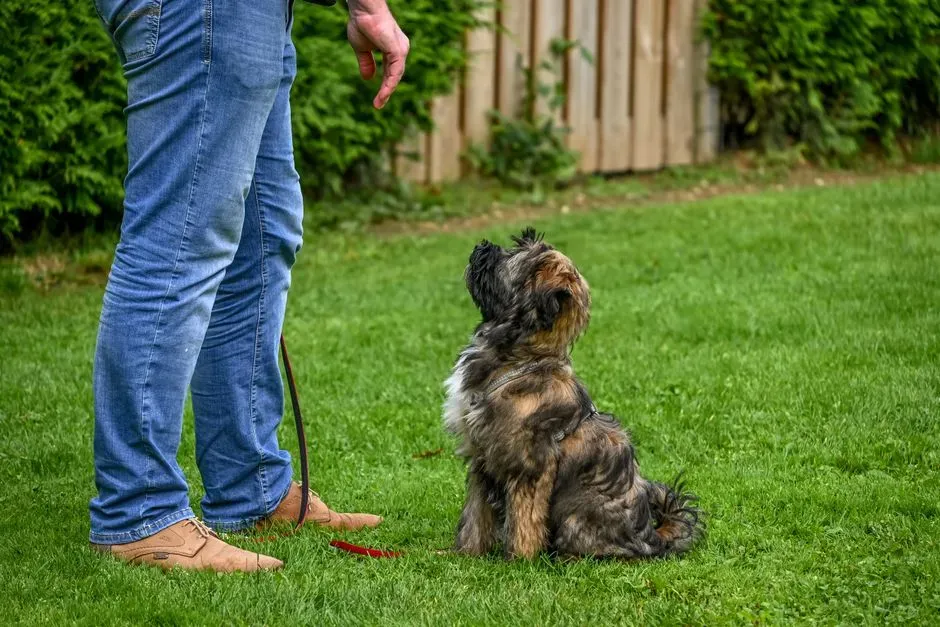
Training sessions benefit when praise includes both familiar positive words and an enthusiastic delivery. Simple adjustments, such as pairing “good boy” with a warm tone rather than a distracted one, can make the feedback more effective. Dogs also show sensitivity to consistency across different speakers and situations.
Older dogs may process word distinctions more slowly than younger ones, which suggests patience and repetition remain useful. Everyday talk around the house still registers, but deliberate praise moments gain extra impact when both channels work together. These patterns hold across various breeds tested in controlled settings.

Professional 7 in 1 Dog Paw Cleaner for Dogs & Cats - Includes 1 Portable Paw Washer, 1 Bath Brush
Check Price on AmazonAs an Amazon Associate, we earn from qualifying purchases.
10/7/2026 1:26 pm GMTi

Portable Dog Water Bottle Foldable Dog Travel Water Bottle
Check Price on AmazonAs an Amazon Associate, we earn from qualifying purchases.
10/7/2026 1:29 pm GMTi

Earth Rated XL Dog & Puppy Pee Pads, Discreet Top, Max Absorbency
Check Price on AmazonAs an Amazon Associate, we earn from qualifying purchases.
10/7/2026 1:28 pm GMTi

2 Pcs Halloween Pet Hat Bandana Set, Witch Pumpkin Costumes for Dogs
Check Price on AmazonAs an Amazon Associate, we earn from qualifying purchases.
10/9/2026 2:45 pm GMTi
Putting the Findings into Practice

Paying attention to both elements does not require special equipment or dramatic changes. It simply means choosing words that already carry meaning for the dog and delivering them with genuine warmth. Small shifts like this can improve communication without extra effort or cost.
The research underscores that dogs are active interpreters rather than passive reactors to sound. Their brains perform a quick cross-check that rewards authenticity in human speech. This capacity likely developed through long shared history and continues to shape daily life for millions of pets and their people.