



Most people believe a small dog is a guaranteed long-lived dog. The truth is messier. Small breeds do tend to outlive big ones, but some breeds at the top of “longest-living” lists look very different once you check real-world veterinary data.
This countdown ranks 16 breeds that have a real shot at the late teens, and it also shows where the glossy numbers fall apart. The breed most lists crown first has a hidden number that most owners never see. The one with the strongest real-world record might not be the dog you’d guess.
#16 – Border Collie: The Brainy Overachiever

The smartest dog on this list is also the least likely to hit its late teens.
Border Collies are commonly listed at 12 to 15 years. One roundup also names them among the longest-lived medium breeds, alongside the Australian Cattle Dog, Shiba Inu and Whippet.
That’s a strong result for their size. Medium breeds typically live 10 to 13 years, so a Border Collie at 12 to 15 is quietly beating its entire weight class.
Here’s our slightly controversial take: promising a 17-year Border Collie is wishful thinking. Experts rarely do it, and neither should breeders. A dog built to herd all day has a remarkable engine, but even the best engine has limits.
- Common health watch-list items: hip problems, epilepsy and inherited eye conditions
- Best protector: a lean body and a job to do
But the next breed proves a beard can be deceiving…
#15 – Miniature Schnauzer: The Bearded Contender

Everyone loves the eyebrows, but almost nobody asks about the pancreas.
The Miniature Schnauzer is known for its distinctive beard and folded ears. One breed roundup gives it an average life expectancy of 12 to 14 years.
That makes it a solid performer, but not a late-teens favorite. Reaching 15 or 16 is possible, yet it’s the exception.
Vets often flag Miniature Schnauzers for pancreatitis, and fatty table scraps are a classic trigger. The breed also has a reputation for high blood fat levels and bladder stones, which is why diet matters more here than with many other small dogs.
Worth Knowing
- Pancreatitis often shows up as vomiting, a hunched or tender belly and a sudden lack of appetite
- Fatty meals, such as bacon, sausage or skin from the roast, are a common trigger
- Bladder stones can cause straining, frequent trips outside or blood in the urine
- Any of these signs deserves a prompt call to your vet, not a wait-and-see weekend
That “just one bite of bacon” habit can quietly shorten a Schnauzer’s good years. The cute begging face is doing more damage than it looks.
- Skip greasy leftovers
- Ask your vet about routine bloodwork as your dog ages
Still, the next breed has a lifespan so tightly packed it’s almost suspicious…
#14 – Bichon Frise: The Consistent Cotton Ball

If consistency were a trophy, this fluffball would win it.
The Bichon Frise stands 9.5 to 11.5 inches tall and weighs 12 to 18 pounds. Its listed life expectancy is 14 to 15 years.
That narrow band is the story. Most breeds have a spread of four or five years between their low and high ends, while the Bichon’s published range is just one year wide.
That tight range may reflect how Bichons are usually kept. They’re mostly indoor, closely supervised companions, and that setting avoids many of the accidents and hazards that cut dogs short.
The cloud-like coat comes with a price, though. Skip professional grooming and you invite mats, skin trouble and hidden infections.
- Typical watch-list: dental disease, skin allergies and kneecap problems
- Best habit: regular coat checks and brushing
The next breed has a bigger reputation than the numbers might support…
#13 – Beagle: The Nose With a Long Lease

Beagles are built like marathon runners, but they eat like they’re training for a buffet.
One roundup puts the average Beagle lifespan at about 15 years. Other sources run lower, with many breed guides listing roughly 12 to 15, so treat the top end as the best case.
Either way, this is a sturdy, mid-sized hound. And it has one enemy that owners can actually beat.
The Beagle’s greatest lifespan threat is probably the pantry, not its genes. Beagles are famously food-driven, and extra pounds can shorten any dog’s life.
That’s the uncomfortable truth many Beagle owners dodge. A chubby Beagle gets plenty of sympathy and not enough measuring cups.
- Measure meals instead of free-feeding
- Use part of the daily ration for training treats
Next up is a breed that makes lifespan math a lot more complicated…
#12 – Cockapoo: The Designer Wildcard

The Cockapoo has the widest lifespan range on this list, and that tells you something.
This is a hybrid breed that takes traits from the Cocker Spaniel and the Poodle. Its average lifespan is listed as anywhere between 12 and 18 years.
A six-year spread is huge. It suggests there’s no tidy “Cockapoo average,” because each dog’s health depends heavily on the parents and how far back the mix goes.
Many owners assume crossbreeds are automatically healthier. The data say it’s more nuanced. In one large UK dataset, mongrels had the highest life expectancy and purebreds the lowest. But another analysis notes the benefit shows up mainly when compared with breeds prone to severe hereditary conditions.
Crossbred dogs in the UK life tables had an expected lifespan at birth of 11.8 years, against 11.2 for all dogs. That’s a real edge, but a modest one.
The next breed is famous for a quirk that has nothing to do with age…
#11 – Maltese: The Velcro Dog

The Maltese may live longer than you expect, but it will also resent every minute you’re gone.
Breed guides put the Maltese at 12 to 15 years, weighing up to 7 pounds. One source goes further, saying the average lifespan is 15 years, and females tend to live about a year longer than males.
That one-year female advantage is a claim from a single roundup, so treat it as a trend rather than a rule. Still, it matches the broader pattern that sex and size shape lifespan.
The same source warns that this very affectionate lap dog might suffer from separation anxiety if left alone for too long.
Here’s the opinion that gets people arguing: a Maltese that panics when alone isn’t “devoted.” It’s a stressed dog, and chronic stress is not a longevity plan.
The next breed has ears that practically need their own fan club…
#10 – Papillon: The Butterfly With Staying Power

Don’t let the delicate ears fool you: this is one of the sturdiest toys around.
Breed guides describe the Papillon as having bat-like ears. They put its life expectancy at around 14 to 16 years. Another roundup lists a wider 12 to 16.
“Papillon” is French for “butterfly,” a nod to the fringed ears that spread like wings. The name fits, because these dogs are quick, alert and surprisingly athletic for something so small.
At a Glance
- Size: a true toy, usually well under 10 pounds
- Two ear styles: upright “butterfly” ears, or drooping ears in the variety called the Phalène (French for “moth”)
- Personality: alert, quick to learn and happiest with a daily game
- Coat: long and silky, but with no thick undercoat to fight
Experts generally link that active streak with healthier aging. A dog that’s still jumping, trotting and playing at 12 is usually keeping muscle and weight in check.
Toy breeds like this often carry one inherited risk: kneecaps that slip out of place. It’s worth asking a vet to check for it early.
- Typical lifespan: 12 to 16 years depending on the source
- Key habit: daily play and light exercise
Next is a breed whose name literally means “lion”…
#9 – Shih Tzu: The Little Lion With a Catch

Here’s the first breed on this list where the truth comes with a footnote.
Shih Tzu translates to “lion” in Chinese, and the breed weighs just 9 to 16 pounds. Listed life expectancy is 10 to 16 years, so late teens are a long shot.
The footnote is the face. Shih Tzus are a short-nosed breed, though far less extreme than Pugs or bulldogs. Those flat-faced breeds fare worst in UK data, where life expectancy at birth was 4.5 years for French Bulldogs and 7.7 for Pugs.
Researchers stress that the study doesn’t prove a direct link between welfare issues and shorter lives. But they do urge buyers to pick on health rather than looks.
Experts now argue many “easy” lap dogs are being chosen for face shape first and health second. That’s a hot take, but the UK numbers back up the concern.
The next breed is built nothing like these lap dogs, yet it shows up on almost every list…

Earth Rated XL Dog & Puppy Pee Pads, Discreet Top, Max Absorbency
Check Price on AmazonAs an Amazon Associate, we earn from qualifying purchases.
10/7/2026 1:28 pm GMTi

Glass Hummingbird Feeder for Outdoors Hanging, 16 oz Leak-Proof Nectar Feeder with Bee Guards & Ant Moat
Check Price on AmazonAs an Amazon Associate, we earn from qualifying purchases.
10/7/2026 1:22 pm GMTi

Portable Dog Water Bottle Foldable Dog Travel Water Bottle
Check Price on AmazonAs an Amazon Associate, we earn from qualifying purchases.
10/7/2026 1:29 pm GMTi

Air Purifiers for Home Pets Large Room Up to 3000 Ft²,HEPA Air Cleaner with Washable Double-Side Filter, PM2.5 Air Quality Monitor,15dB Sleep Mode for Bedroom Odor Dust Pollen,White
Check Price on AmazonAs an Amazon Associate, we earn from qualifying purchases.
10/8/2026 8:23 am GMTi
Dog Stairs for Bed 18" H, 4-Step Dog Steps for High Bed
Check Price on AmazonAs an Amazon Associate, we earn from qualifying purchases.
10/9/2026 2:42 pm GMTi
#8 – Dachshund: The Long Dog With a Weak Spot

This is the breed with the most dramatic gap between potential and risk.
Some rankings place dachshunds at the very top, with Chihuahuas and toy poodles at roughly 14 to 18 years. Many breed guides land a bit lower, typically around 12 to 16.
Either way, a healthy dachshund can easily reach the mid-teens. But its long spine makes it prone to intervertebral disc disease, a leading threat to quality of life.
Weight is the biggest factor owners control. The simple advice from WebMD is that extra pounds can shorten any dog’s life, and a heavy dachshund adds strain to an already vulnerable back.
Some owners swear ramps and stair gates are overkill. Many vets would disagree, especially for dogs that jump off the couch daily.
- Use ramps for sofas and beds
- Keep your dachshund lean and supervise stairs
Next is a breed that proves small size can mean serious drama…
#7 – Yorkshire Terrier: The Pocket-Sized Powerhouse

A Yorkie has the heart of a guard dog and the lifespan of a much calmer pet.
WebMD lists Yorkies at 14 to 16 years on average. That puts them near the top of the toy category, which tends to outlive everything bigger.
There’s biology behind it. One study found that oxidative DNA damage in puppies was higher in larger breeds with shorter lifespans. And giant breeds reach adulthood at around two years, compared with 13 to 15 months for most others.
In other words, big dogs grow so fast that their bodies may pay for it later. Yorkies sidestep that trade-off entirely.
Their tiny windpipes do need care, though. A harness is generally safer than a collar, especially for dogs that pull.
The next breed has one of the oddest looks in the dog world…
#6 – Chinese Crested: The Hairless Surprise

You’d guess a mostly hairless dog would be fragile. The numbers say otherwise.
Reader’s Digest lists the Chinese Crested at 13 to 18 years. Another source describes it as one of the longest-living dog breeds, with a lifespan of up to 18 years.
That 18-year ceiling puts a dog most people consider high-maintenance firmly in late-teens territory. It’s a strong result, though it reflects the best-case end of the range.
The hairless variety needs sun protection and moisturizing, and often has dental quirks. The “powderpuff” variety has a full coat instead. Both varieties are the same breed, and they can even be born in the same litter.
Quick Compare
- Hairless: bare skin on most of the body, with hair on the head, tail and feet. Sunscreen and moisturizer are routine.
- Powderpuff: a full, soft coat. It needs regular brushing to prevent tangles.
- Shared needs: dental care, warmth in cold weather and a close eye on the skin.
Here’s the opinion nobody wants to hear: if you won’t commit to skin and dental care, this isn’t your dog. Those habits are likely part of why well-kept Cresteds age so gracefully.
- Check skin regularly for sunburn and blackheads
- Schedule regular dental checkups
The next breed has the data to back up its reputation, and a twist…
#5 – Jack Russell Terrier: The Data Darling

This is where lists meet evidence, and the Jack Russell passes the test.
Breed guides say the Jack Russell commonly lives 13 to 16 years, and some have lived nearly two decades. The related Parson Russell is listed at 13 to 15 years.
The clinical data agree. In a large UK veterinary study, the Jack Russell had the highest life expectancy at birth of the breeds studied, at 12.7 years.
Why is that lower than the breed-guide range? Because life tables include every dog that dies young. They count puppies lost to accidents and illness, which brochure ranges don’t.
That makes 12.7 an honest, real-world number. And it still beat every other breed in the comparison.
The next breed is often called one of the healthiest in the world…

2 Pcs Halloween Pet Hat Bandana Set, Witch Pumpkin Costumes for Dogs
Check Price on AmazonAs an Amazon Associate, we earn from qualifying purchases.
10/9/2026 2:45 pm GMTi
Orthopedic Extra Large Dog Bed, Waterproof Washable XL Pet Bed 44"
Check Price on AmazonAs an Amazon Associate, we earn from qualifying purchases.
10/7/2026 1:32 pm GMTi

PetSafe Oasys Pet Fountain, 1/2 Gallon (64 oz), Small Dogs & Cats
Check Price on AmazonAs an Amazon Associate, we earn from qualifying purchases.
10/8/2026 8:14 am GMTi

Smart Bird Feeder with Camera Solar Powered, 2K HD Live Video, 10,000+ Bird Species AI Identification
Check Price on AmazonAs an Amazon Associate, we earn from qualifying purchases.
10/7/2026 1:22 pm GMTi

Halloween Cat Costume Cloak Witch Hat Pet Accessories
Check Price on AmazonAs an Amazon Associate, we earn from qualifying purchases.
10/9/2026 2:44 pm GMTi
#4 – Toy Poodle: The Brains and the Years
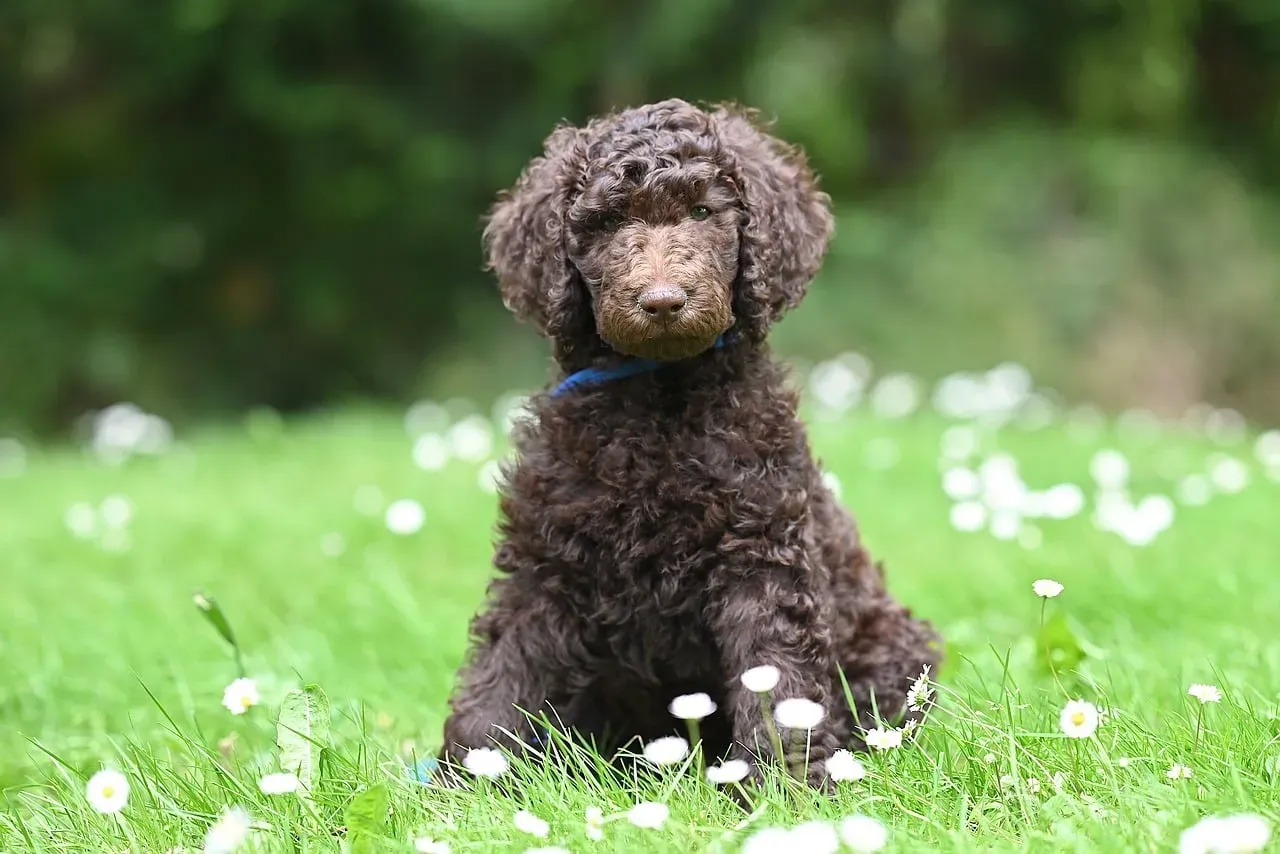
Poodles come in three sizes, and the smallest is the one that lasts.
Reader’s Digest lists poodles at 10 to 18 years across the varieties. It also credits them with lower genetic disease risks than other breeds.
Size matters here. Roundups put Toy Poodles in the top group at roughly 14 to 18 years, while the Standard Poodle is cited as one of the longest-lived large breeds.
Even the Standard Poodle, a large dog, ranks among the longest-lived of its size. That points to something in the breed’s genetics beyond small size alone.
Poodles aren’t problem-free. Toy varieties can have slipping kneecaps and inherited eye disease, so health testing matters more than the label “healthy breed.”
- Typical toy range: roughly 14 to 18 years in the top rankings
- Key habit: choose breeders who health-test
The next breed holds the most famous longevity record ever set…
#3 – Australian Cattle Dog: The Record Breaker

This is the breed behind the oldest verified dog in history.
Bluey, an Australian Cattle Dog, is the longest-living verified dog, who died at 29 years. Records show he lived 29 years and 160 days, from 1910 to 1939.
Breed guides list the typical lifespan at 12 to 16 years. Some roundups call it an impressively long lifespan for their size, and Cattle Dogs are one of the longest-lived medium breeds.
The world’s longest-lived dog was a hardworking farm dog, not a lap dog. Bluey spent his life working cattle.
Experts remain cautious about extrapolating from one dog, and rightly so. A record is an outlier, not a forecast.
The next breed has the highest published range of all, and a catch…
#2 – Coton de Tulear: The Quiet Champion

You’ve probably never heard of the breed with the highest published lifespan.
Reader’s Digest gives the Coton de Tulear an average lifespan of 15 to 19 years. It calls the breed the official dog of Madagascar.
That 19-year ceiling is the highest range on this list. If lifespans were awarded by brochure alone, the Coton would win.
Why It Stands Out
- The name nods to its soft, cotton-like coat
- It’s the official dog of Madagascar, a rare claim for any breed
- It’s a small, sturdy companion, usually well under 15 pounds
- It’s still uncommon outside its home country, which is why the data run thin
But here’s the honest caveat. It’s a rare breed, so large-scale clinical datasets are scarce. A high published range is not the same as proven real-world results.
That’s why it sits at #2, not #1. We’re not doubting the breed. We just prefer rankings built on more than a single source.
- Published range: 15 to 19 years
- Evidence level: promising, but thin
For the final pick, the numbers tell two completely different stories…
Glass Hummingbird Feeder for Outdoors Hanging
Check Price on AmazonAs an Amazon Associate, we earn from qualifying purchases.
10/7/2026 1:21 pm GMTi

Hand Blown Glass Hummingbird Feeders for Outdoors Hanging, 24oz Wild Bird Nectar Feeder
Check Price on AmazonAs an Amazon Associate, we earn from qualifying purchases.
10/7/2026 1:23 pm GMTi

Professional 7 in 1 Dog Paw Cleaner for Dogs & Cats - Includes 1 Portable Paw Washer, 1 Bath Brush
Check Price on AmazonAs an Amazon Associate, we earn from qualifying purchases.
10/7/2026 1:26 pm GMTi
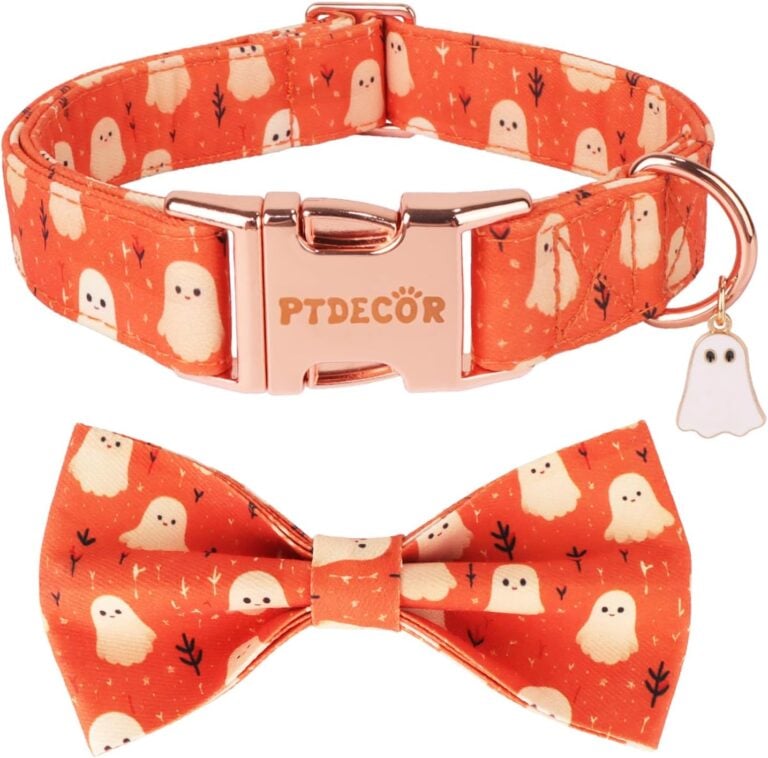
Halloween Dog Collar with Bow, Orange Cute Ghost Collar,
Check Price on AmazonAs an Amazon Associate, we earn from qualifying purchases.
10/9/2026 2:43 pm GMTi
#1 – Chihuahua: The Most Famous Number on Any List

The most-cited long-living breed has one of the most controversial numbers in the data.
Rankings consistently lead with the Chihuahua. One roundup says it’s most consistently ranked first for average lifespan, at roughly 14 to 18 years. Others quote 12 to 20 years, and the AKC figure is around 15 to 17 years.
A Chihuahua mix named Spike was celebrated as the world’s oldest dog in 2023.
Then comes the twist. In the UK veterinary life tables, the Chihuahua’s life expectancy at birth was just 7.9 years. That’s far below the brochure range.
The gap likely exists because life tables count every dog from birth, including those lost young. A Chihuahua that reaches adulthood safely may have a very long life ahead. But “Chihuahuas live 20 years” is a promise the data don’t make.
That gap between the headline and the data is the real lesson of this list.
Small size is the best predictor of a long life, but it’s not a guarantee. The Jack Russell has the strongest real-world numbers here. The Coton de Tulear has the highest brochure range. The Chihuahua is the most famous name, with the most confusing data.
Our opinion: stop choosing a dog for its lifespan range. A lean body, dental care, a health-tested breeder and an engaged owner will add more years than any breed label. Late teens are possible for these dogs. They’re not promised.
Which breed would you have put at #1, and what is your dog’s actual age?