


Have you ever caught your dog staring at you with those knowing eyes, as if they can read your every thought? Maybe you’ve had a rough day at work, and suddenly your furry friend is right there beside you, offering silent comfort without being asked. It’s easy to dismiss this as coincidence, but what if there’s something more profound happening? Recent scientific breakthroughs reveal that dogs possess an astonishing ability to tune into our emotional world in ways we’re only beginning to comprehend. What researchers have uncovered about the canine mind will transform how you see your relationship with your four-legged companion. Let’s dive in.
The Brain Connection Between Dogs and Humans

Scientists discovered that human and dog brain waves synchronize during social interactions, with this phenomenon known as interbrain coupling or neural synchrony being demonstrated to occur across species for the first time. This isn’t just about your dog being nearby when you’re feeling down. The research found that interbrain activity coupling increased from the first day to the fifth day in human-dog pairs, analogous to human-human interactions where interbrain coupling increases as two people become more comfortable with each other, and coupling was highest when mutual gazing and petting were simultaneously initiated.
Thousands of years of co-evolution have given dogs special ways to tune in to human voices, faces and brain chemistry, with dogs’ minds being hardwired to pick up on feelings through brain regions devoted to processing speech and the love hormone oxytocin that surges when we lock eyes. Think about what this means for a moment. Your dog isn’t just responding to surface-level cues. Their brain literally aligns with yours.
How Dogs Process Human Voices and Emotions

Dogs’ brains have dedicated areas sensitive to voice similar to those in humans, with a brain imaging study finding that dogs possess voice-processing regions in their temporal cortex that light up in response to vocal sounds, and brain scans revealing that emotionally charged sounds like a laugh, cry, or angry shout activate dogs’ auditory cortex and amygdala. It’s fascinating to realize they’re not just hearing sound waves. They’re decoding the emotional content embedded within them.
Dogs used the right brain more for negative sounds like fear and sadness and the left brain more for positive sounds like happiness, with their heart and behavior changes showing they’re genuinely sensitive to emotional cues in nonverbal human vocalizations, suggesting reading emotions comes naturally to canines. Here’s the thing: your dog knows when you’re pretending to be okay. They can hear it in your voice, even when your words say otherwise.
The Oxytocin Loop That Bonds Us

When dogs and humans make eye contact, both experience a surge of oxytocin, with this oxytocin feedback loop reinforcing bonding much like the gaze between a parent and infant, and astonishingly this effect is unique to domesticated dogs as hand-raised wolves did not respond the same way to human eye contact. Let’s be real, this explains why staring into your dog’s eyes feels so meaningful. It literally is.
That soulful gaze your pup gives you isn’t manipulation. Those soulful eyes are chemically binding you two together. Evolution has crafted dogs into the perfect companions for reading and responding to our emotional needs. Wolves don’t have this ability with humans, which tells us domestication fundamentally rewired the canine brain for connection.
Reading Facial Expressions and Body Language
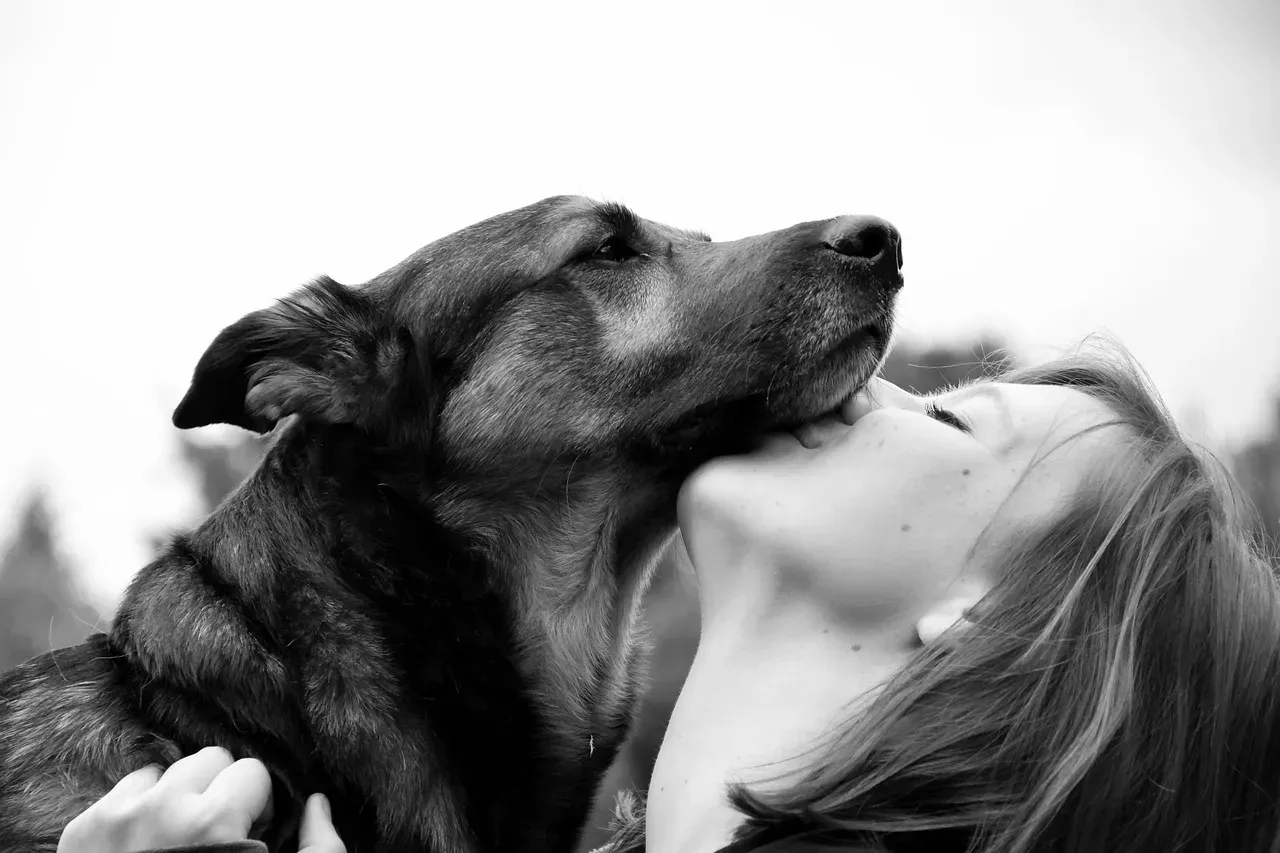
Dogs are surprisingly skilled at reading human body language and facial expressions, with experiments demonstrating that pet dogs can distinguish a smiling face from an angry face even in photos, and dogs show a subtle right-hemisphere bias when processing emotional cues. They watch us more carefully than we might realize. Dogs are highly skilled at reading human facial expressions and can differentiate between various emotions such as happiness, sadness, anger, and fear by observing our faces, with recent studies suggesting dogs may have a natural inclination to focus on the left side of the human face.
Studies have shown that dogs performed better at tests of social cognition when reading human body language cues than our closest primate relatives the chimpanzees, and even initially scored better than human toddlers. Think about that for a moment. Dogs outperformed chimps and young children in understanding what we’re communicating nonverbally. That’s not just impressive; it’s humbling.
The Scent of Emotion
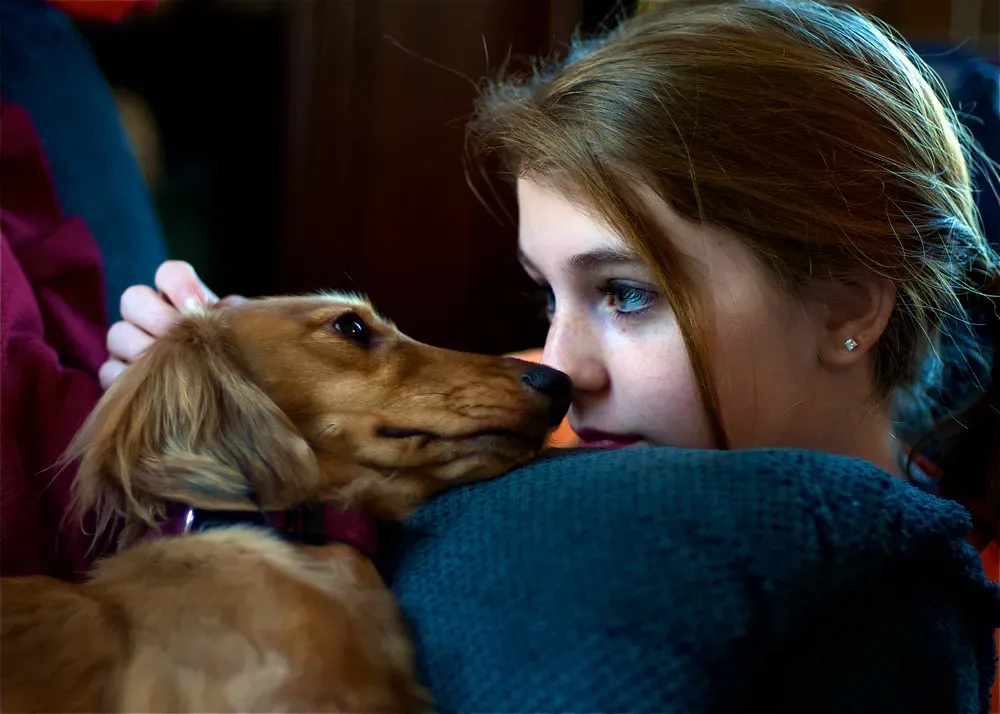
Dogs can even sniff out emotions, with a 2018 study showing that dogs exposed to sweat from scared people exhibited more stress than dogs that smelled happy sweat, meaning anxiety smells unpleasant to dogs whereas relaxed happiness can put them at ease. I know it sounds crazy, but your dog can literally smell your fear, sadness, or joy. They’re processing information through channels we can barely comprehend.
This goes beyond what we typically consider communication. Dogs rely on multiple senses to discern feelings, and remarkably they can even sniff out emotions. When you’re stressed before a big presentation or anxious about an upcoming appointment, your dog knows before you say a word. They’re detecting chemical changes in your body that you’re not even aware of.
What This Means for the Human-Dog Bond

Behavioral studies revealed that the dog-human relationship resembles the human mother-child bond, with research combining fMRI, eye-tracking, and behavioral preference tests showing that viewing the caregiver activated brain regions associated with emotion and attachment processing in humans. The science confirms what dog lovers have always known deep down. This isn’t just pet ownership. It’s a genuine, profound relationship.
Dogs can respond functionally to emotional expressions and use the emotional information they obtain from others during problem-solving, with acquiring information from faces and body postures allowing them to make decisions, and being able to read humans’ emotional expressions being tremendously advantageous and seen as a highly important adaptive feature. Your dog isn’t passively observing you. They’re actively using emotional intelligence to navigate their world, which largely revolves around you.
Conclusion

The research paints a picture far more complex and beautiful than we imagined. Dogs aren’t just loyal pets who happen to be around when we need them. They’re emotionally intelligent beings whose brains have evolved specifically to connect with ours on multiple levels, from synchronized brain waves to chemical bonding through oxytocin to reading our subtlest emotional cues.
Next time your dog seems to know exactly what you’re feeling, trust that instinct. Science has proven they really do understand. The bond you share isn’t one-sided wishful thinking but a genuine neurological and emotional connection forged over thousands of years of evolution. What makes you appreciate your dog’s emotional intelligence most? Share your thoughts in the comments.

- Which Animals Inspired the Design of Real Robots - June 3, 2026
- 12 Calm, Low-Maintenance Dogs Ideal for Retirement Years - June 3, 2026
- The Wild Cat That Best Represents Each Zodiac Sign - June 3, 2026