


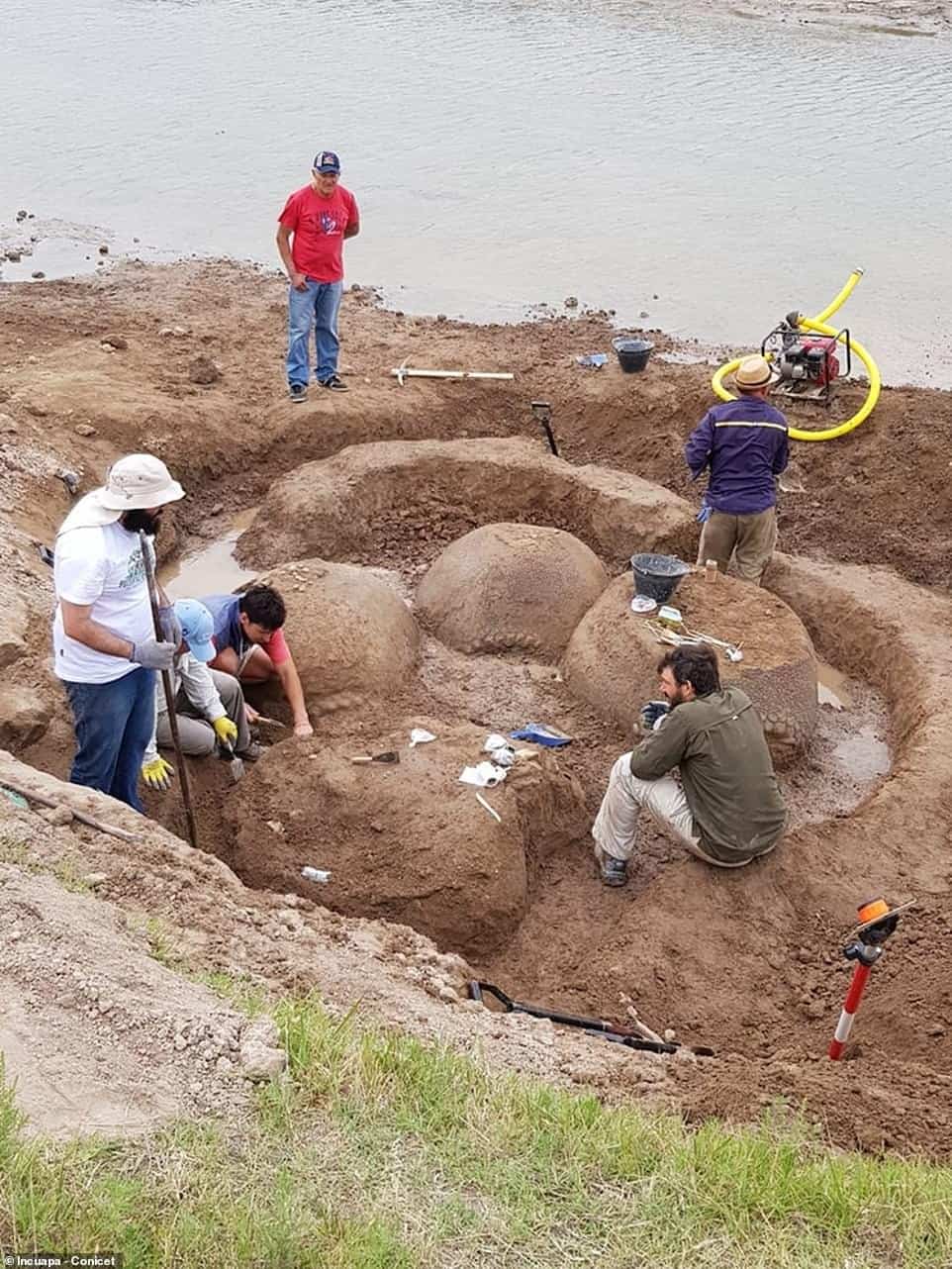
Imagine stumbling upon fossils so large they resemble Volkswagen Beetles. This was the reality for Argentinian farmer Juan de Dios Sota, who was simply tending to his cattle when he unearthed a prehistoric surprise—four massive Glyptodon fossils. These ancient, armored creatures roamed South America for millions of years before going extinct around 10,000 years ago. The discovery of four individuals in a single location is unprecedented and has sparked excitement among paleontologists. Could these fossils hold the key to understanding Glyptodon family structures and behaviors?
What Are Glyptodons?
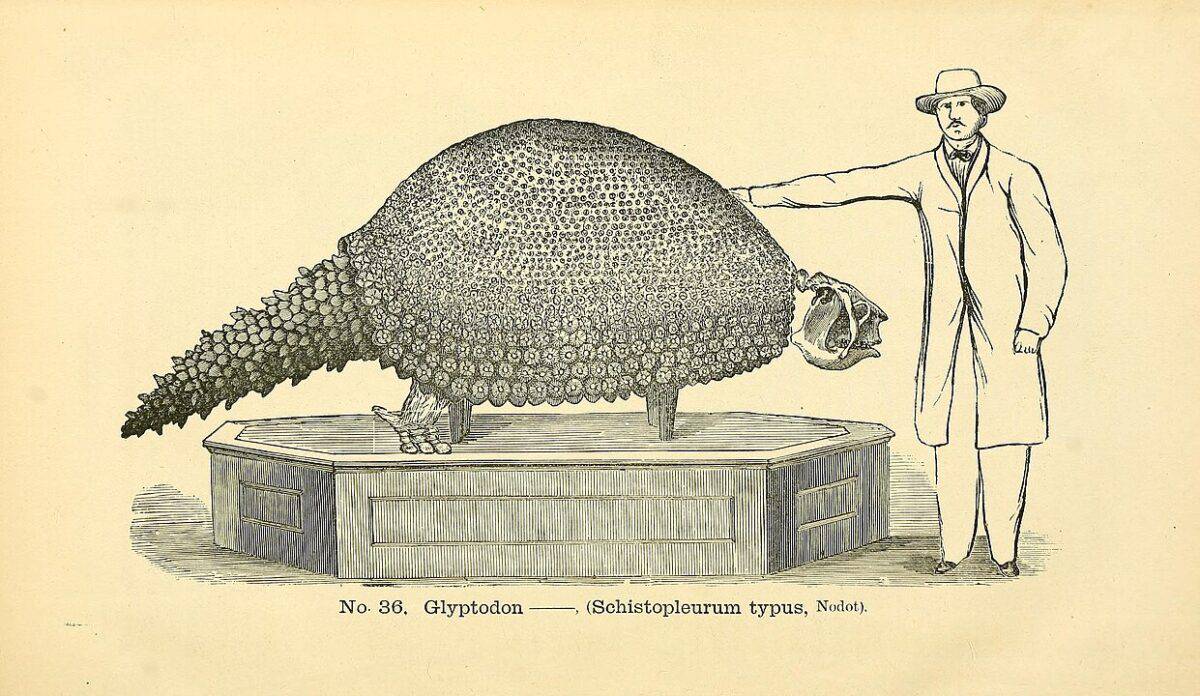
Glyptodons were enormous, prehistoric relatives of modern armadillos. These herbivorous mammals were covered in thick armor and had club-like tails that they likely used for defense.
Size: Up to 11 feet (3.3 meters) long and weighing over 2,000 pounds (900 kg).
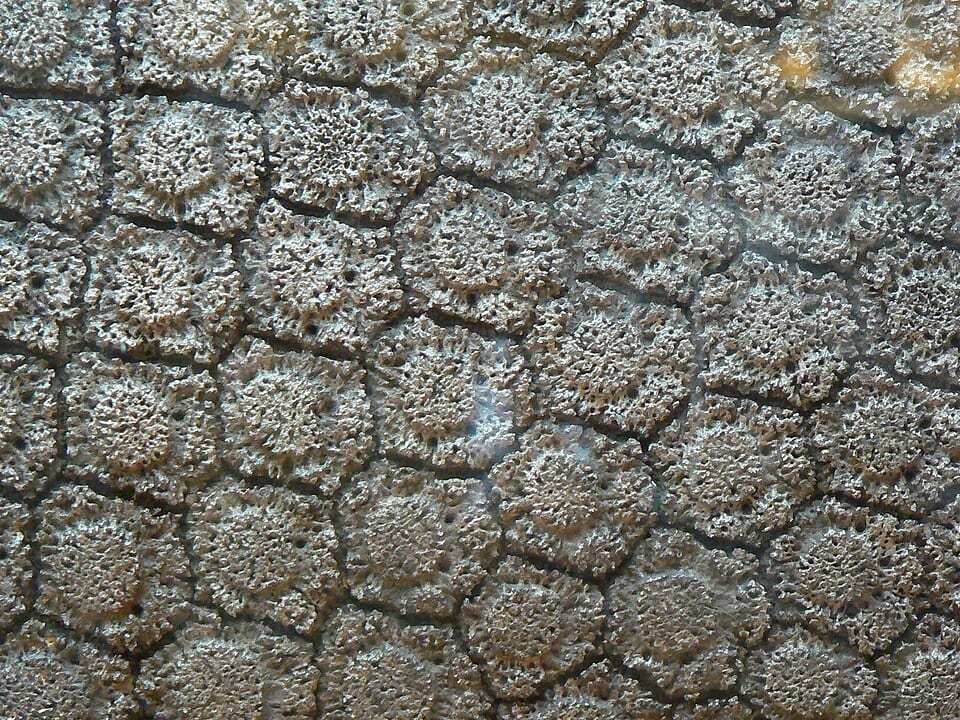
Armor: Their shells were composed of bony plates called osteoderms, making them nearly impenetrable.
Diet: Primarily herbivorous, feeding on tough plants and grasses.
How This Discovery Changes Our Understanding of Glyptodons

The remarkable discovery of four Glyptodon fossils in the same area challenges existing theories about these creatures. Previously, Glyptodons were thought to be solitary, but the proximity of these fossils suggests they may have lived in family groups or herds. If true, this could reshape our understanding of their social behaviors and survival strategies in prehistoric South America.
The Location: Argentina’s Prehistoric Graveyard
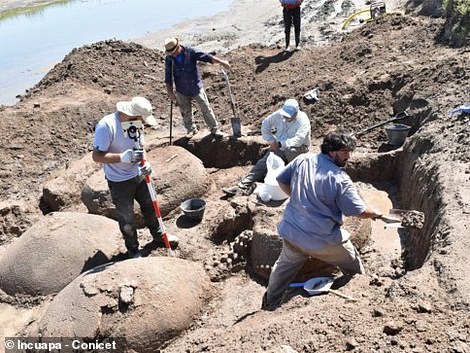
The fossils were found near the dried riverbed of the Vallimanca stream, in Buenos Aires province. This region has been a hotspot for paleontological discoveries due to its sedimentary deposits, which preserve fossils exceptionally well.
Why Was This Discovery Possible?
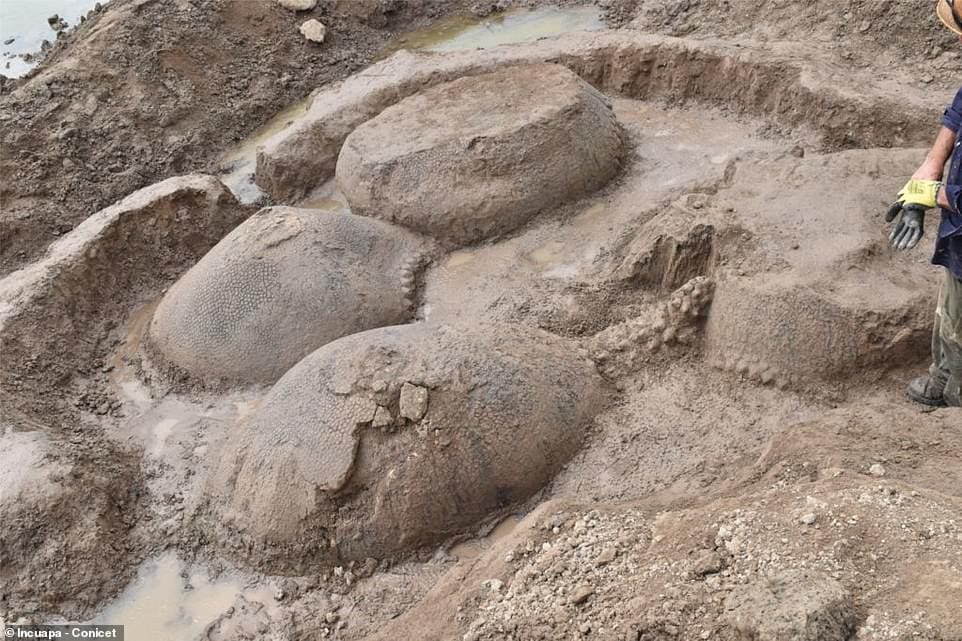
Drought Conditions: The ongoing drought exposed previously hidden fossilized remains.
Sedimentary Deposits: The riverbed’s soft sediments helped protect and preserve the fossils for thousands of years.
Historical Significance: Other major Glyptodon discoveries have occurred in Argentina, reinforcing its reputation as a fossil-rich region.
How Did These Glyptodons Die?
Paleontologists are eager to determine what caused the simultaneous deaths of these four massive creatures. Possible explanations include:
Environmental Catastrophe: A flood, drought, or other natural disaster could have wiped them out together.
Predation: Despite their armor, Glyptodons were not invincible. Did they fall prey to ancient predators?
Human Involvement: Early humans may have hunted these creatures for their meat and armor.
The Role of Early Humans in Glyptodon Extinction
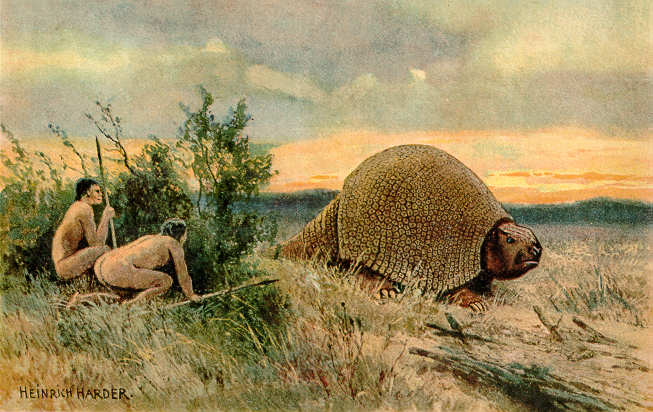
Glyptodons went extinct around 10,000 years ago, a period coinciding with the arrival of humans in South America. Some theories suggest that:
Early humans hunted Glyptodons for food and their thick shells, which may have been used as shelters.
Climate change at the end of the Ice Age contributed to habitat loss, further pressuring their survival.
The Science Behind the Fossilized Shells

The shells found in Argentina are remarkably well-preserved, providing invaluable data for scientists. These shells:
Are made up of over 1,000 osteoderms, creating a near-impenetrable shield.
Could indicate sexual dimorphism—a difference in size between males and females.
May hold clues about disease or injuries, helping researchers understand their natural threats.
How Glyptodons Defended Themselves

Despite their immense size, Glyptodons had predators, including massive prehistoric jaguars and terror birds. To defend themselves, they had:
Spiked tails capable of delivering bone-crushing blows.
Thick armor that could withstand bites and scratches.
A low center of gravity, making them difficult to topple over.
Comparison to Modern Armadillos

Glyptodons share a genetic lineage with today’s armadillos, but their differences are vast:
Size: Glyptodons were 100 times heavier than modern armadillos.
Defense: Modern armadillos rely on speed and burrowing, while Glyptodons relied on brute strength and armor.
Survival: Unlike their extinct ancestors, armadillos have adapted to modern environments by being highly versatile foragers.
Excavating the Fossils: A Race Against Time

Once fossils are exposed, they begin to degrade due to weather and erosion. The excavation team had to act quickly to:
Carefully remove the soil without damaging the fragile shells.
Map the site to understand the position of the fossils.
Preserve the remains for further study and museum displays.
What’s Next for These Ancient Giants?
The fossils are now being analyzed in specialized laboratories. Scientists hope to:
Date the remains precisely to establish their timeline.
Conduct DNA testing to confirm their relationship to modern armadillos.
Examine the cause of death using microscopic analysis of the bones.
Conclusion: A Window into the Prehistoric Past

The discovery of these four Glyptodon fossils in Argentina offers a rare glimpse into an ancient world where colossal, armor-clad mammals once roamed. This finding not only challenges existing theories about their behavior but also underscores the importance of continued paleontological research. As scientists work to uncover more details, we inch closer to understanding the true nature of these prehistoric giants and their place in Earth’s history.

For any feedback please message Feedback@animalsaroundtheglobe.com
- The Largest Hippopotamus on Record - August 17, 2026
- Masters of Camouflage: Torpedo Ray & Octopus - August 13, 2026
- Lion Feels Grass for the First Time - August 13, 2026