

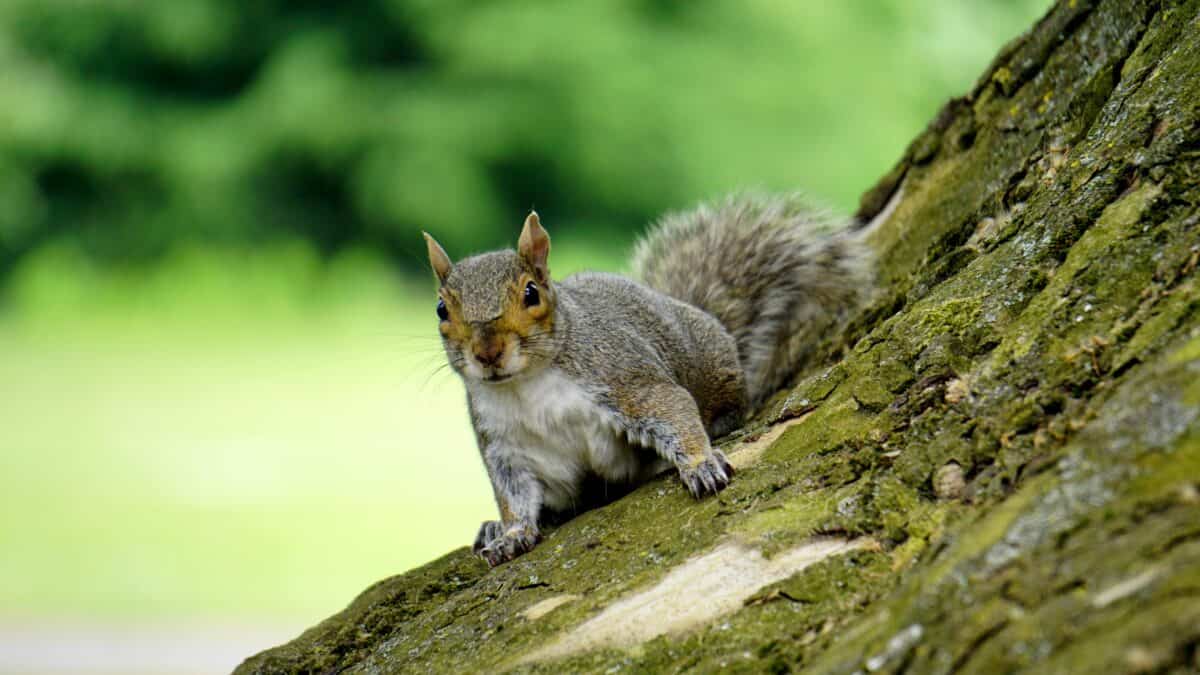
In the vast kingdom of animal behavior, some of the most heartwarming examples of compassion come from unexpected places. Squirrels, those ubiquitous backyard acrobats known primarily for their nut-gathering prowess, display a remarkable and touching behavior that often goes unnoticed by human observers: they sometimes adopt orphaned baby squirrels, caring for them as if they were their own offspring. This phenomenon, while not widely publicized, represents one of nature’s most beautiful examples of altruism and challenges our understanding of animal cognition and emotional capacity. Through a combination of instinct, opportunity, and what appears remarkably similar to empathy, mother squirrels occasionally expand their families to include babies who have lost their biological parents, offering them a second chance at life in the treetops.
The Natural Maternal Instinct of Squirrels

Squirrels are attentive and dedicated mothers by nature. Female squirrels typically raise between 2-8 babies (known as kittens or pups) per litter and may have 1-2 litters annually depending on the species and environmental conditions. The maternal investment is significant—mothers build insulated nests called dreys, produce nutrient-rich milk, and vigilantly protect their young from predators. This strong maternal drive creates the biological foundation that allows for adoption behavior. When a mother squirrel’s hormones are elevated during her own reproductive cycle, she becomes receptive to the distress calls of any baby squirrel, not just her own, triggering nurturing responses that can extend to orphans who happen to be encountered at the right time.
Documented Cases of Squirrel Adoption

While not extensively studied in scientific literature, wildlife rehabilitators and naturalists have documented numerous cases of squirrel adoption in the wild. In one notable observation recorded by researchers at the University of California, a female eastern gray squirrel was monitored taking in an orphaned baby from a neighboring territory after its mother was killed by a predator. The adoptive mother integrated the orphan into her existing litter, nursing and caring for it alongside her biological offspring until independence. Similar cases have been reported across North America and Europe, particularly in urban environments where squirrel populations are dense and human observation is more constant. These aren’t isolated incidents but rather recurring examples of a behavioral pattern that appears relatively common among certain squirrel species.
The Science Behind Cross-Fostering Behavior
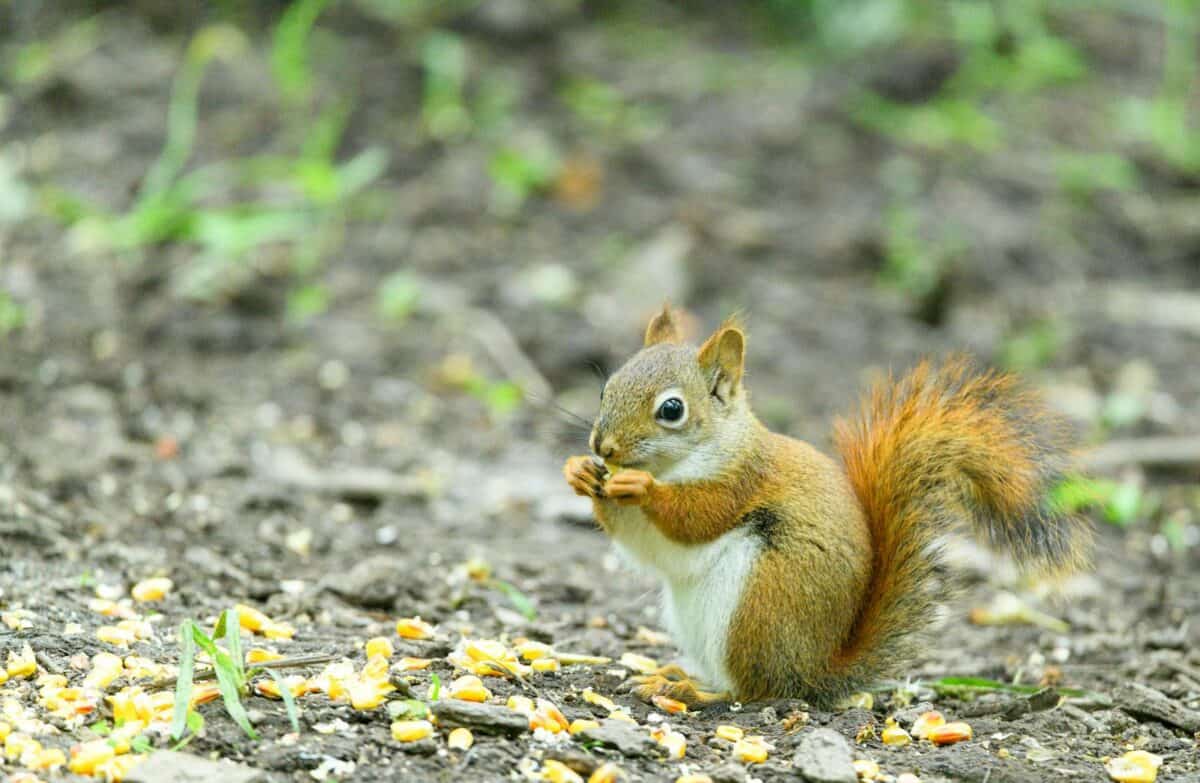
The phenomenon of one animal raising another’s offspring, known scientifically as “alloparenting” or “cross-fostering,” isn’t unique to squirrels but is relatively rare among mammals outside of highly social species. From an evolutionary perspective, adoption seems counterintuitive—why invest precious resources in genes that aren’t your own? Scientists theorize that several mechanisms might be at work in squirrel adoption cases. Hormonal influences during lactation can override the usual discrimination between one’s own offspring and others. Additionally, the close genetic relatedness of squirrels within a local area means that helping even non-direct offspring might still support the propagation of shared genes, a concept known as “kin selection.” Research using genetic analysis has shown that adoptive mother squirrels are sometimes related to the orphans they take in, supporting this theory.
How Mother Squirrels Identify and Accept Orphans
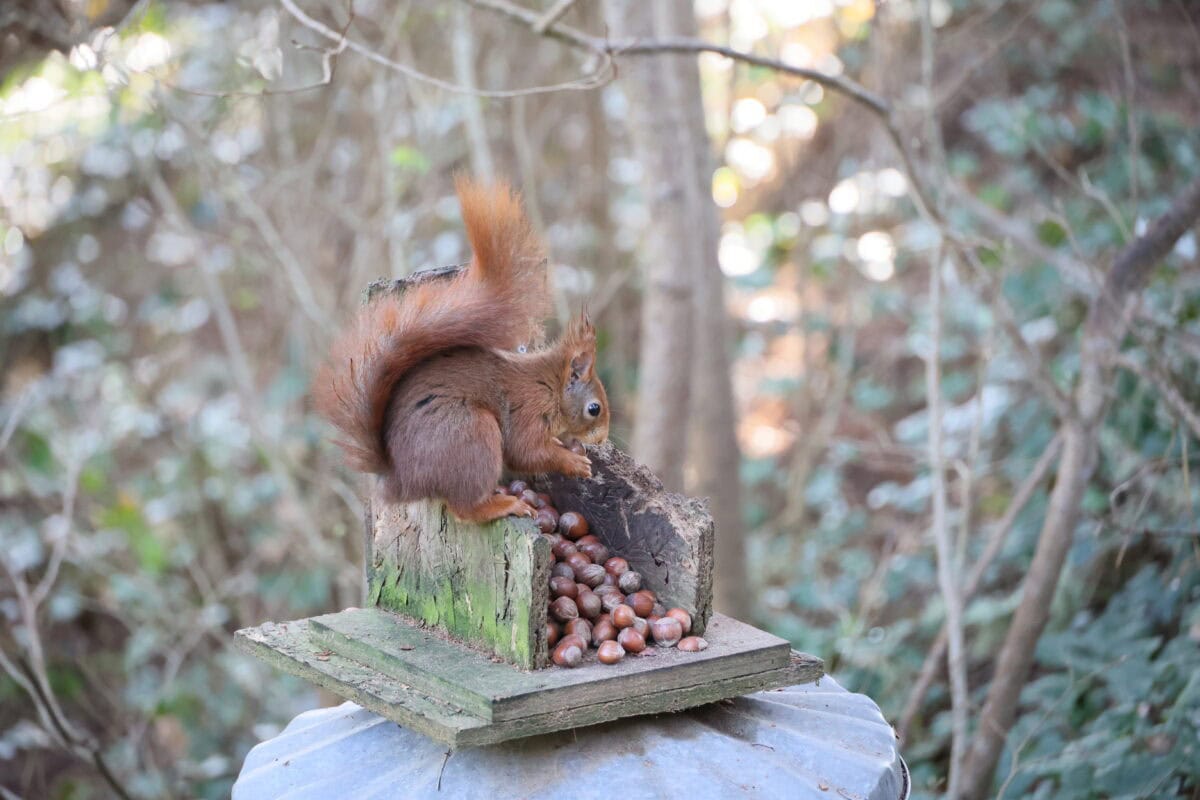
The process by which a female squirrel comes to accept an orphaned baby involves a complex interplay of sensory cues and timing. Baby squirrels emit distinctive ultrasonic distress calls when separated from their mothers, which can trigger investigative and nurturing responses in nearby lactating females. If the orphan is found during the adoptive mother’s lactation period, acceptance is more likely. Interestingly, unlike some mammal species that rely heavily on scent for offspring recognition, squirrels appear somewhat flexible in their acceptance criteria. Wildlife experts have observed that mother squirrels may initially show hesitation when encountering orphans but often proceed to groom them, effectively transferring their own scent and facilitating acceptance. This grooming ritual seems to be a crucial step in the adoption process, creating a familiar olfactory signature that helps integrate the newcomer into the family unit.
The Behavioral Differences Between Species
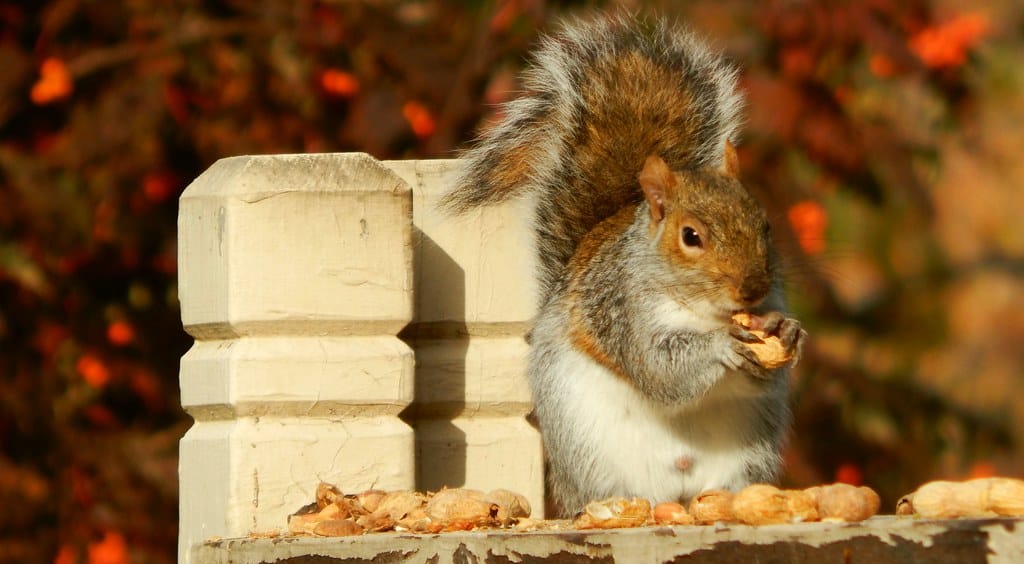
Not all squirrel species display the same propensity for adoption. Research indicates that tree squirrels such as eastern gray squirrels (Sciurus carolinensis) and fox squirrels (Sciurus niger) show more frequent adoption behaviors than ground squirrels or flying squirrels. This difference may relate to nesting habits, population density, and social structures. Eastern gray squirrels, being highly adaptable and often living in close proximity to others of their kind in urban environments, have provided the most documented cases of adoption. Red squirrels (Tamiasciurus hudsonicus), despite their reputation for territorial aggression, have also been observed adopting orphans under certain circumstances. The variation between species offers evolutionary biologists a fascinating window into how different ecological niches and social systems influence the development of altruistic behaviors.
The Role of Resource Availability
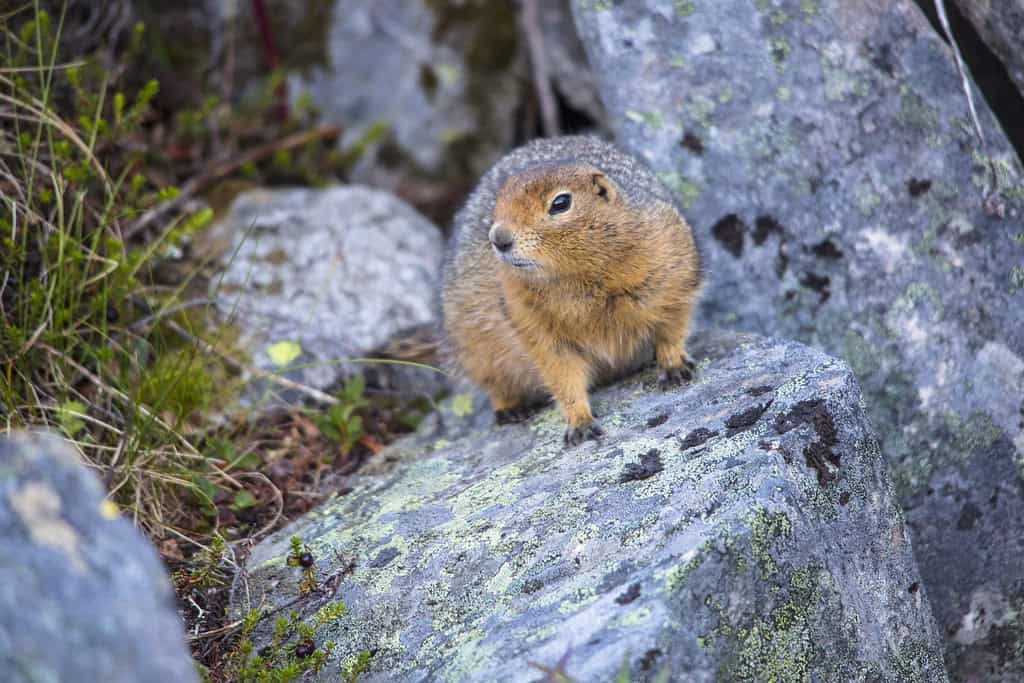
Environmental conditions play a crucial role in determining whether adoption occurs and succeeds. In times of abundant food and favorable weather, mother squirrels are more likely to take on the energetic burden of additional offspring. Studies tracking squirrel populations have found correlation between good mast years (when trees produce abundant nuts and seeds) and higher instances of successful adoptions. Conversely, during resource scarcity, mothers may reject even their own offspring if they cannot support them, making adoption extremely unlikely. This resource-dependency illustrates how seemingly altruistic behaviors remain grounded in ecological realities. Urban environments with reliable human-provided food sources like bird feeders may actually facilitate more adoption behavior than purely wild settings, creating an interesting intersection between human activity and natural squirrel behavior.
The Integration Process of Adopted Babies

When a mother squirrel adopts an orphan, the integration process unfolds through several stages. Initially, extensive grooming helps transfer the mother’s scent to the newcomer, reducing potential rejection by siblings. The orphan must then compete with biological offspring for nursing opportunities and nest position. Wildlife observers have documented that adoptive mothers don’t seem to discriminate between biological and adopted babies during nursing or grooming sessions, but the adopted babies sometimes face challenges establishing themselves within the existing family hierarchy. The age difference between the orphan and the biological litter becomes important—orphans closest in age to the existing litter integrate most successfully. Despite these challenges, many adopted squirrels successfully assimilate, eventually becoming indistinguishable from their adoptive siblings in terms of care received and developmental outcomes.
Survival Rates of Adopted Squirrels

The survival prospects for adopted squirrel orphans, while improved compared to being alone, typically remain somewhat lower than for biological offspring. Research tracking marked individuals suggests that adopted babies have approximately 60-70% the survival rate of biological offspring in the same litter. This differential stems from several factors: adopted babies may join the family in a weakened state after a period without care, may face competition from established siblings, and might not perfectly match the developmental stage of the existing litter. Nevertheless, adoption dramatically increases an orphan’s chances compared to the near-certain mortality of an unattended baby squirrel. Long-term studies show that those adopted squirrels that do survive to independence function normally in squirrel society and may reproduce successfully themselves, completing the ultimate measure of evolutionary success.
Human Intervention and Squirrel Adoption

Wildlife rehabilitators have developed techniques to facilitate adoption in cases where orphaned baby squirrels are found. The process typically involves carefully introducing the orphan to a known nest with a lactating female who has babies of similar age and size. Success rates for human-facilitated adoptions vary widely, from 30-80% depending on conditions and technique. Timing is crucial—introductions work best in warmer months when resources are plentiful and when the orphan closely matches the age of the adoptive mother’s existing litter. Rehabilitators have learned to rub the orphan with nesting material from the adoptive mother’s drey to transfer scent prior to introduction. This human-assisted process works with the squirrels’ natural inclinations rather than against them, and represents an innovative wildlife management approach that respects and utilizes natural behaviors rather than defaulting to captive raising.
The Cognitive Implications of Adoption Behavior

The willingness of squirrels to adopt unrelated young raises intriguing questions about their cognitive capabilities. While scientists are careful not to anthropomorphize, the behavior suggests levels of flexibility in squirrel cognition that exceed pure instinctual responses. Recent neurological studies on squirrels have revealed more complex brain structures than previously appreciated, particularly in areas associated with decision-making and social behavior. The adoption phenomenon indicates that squirrels possess sophisticated mechanisms for recognizing juvenile members of their species, assessing their needs, and modifying typical behavioral patterns in response. Some ethologists propose that this represents a primitive form of empathy, though others maintain that hormonal influences alone could explain the behavior. Regardless of the underlying mechanisms, adoption behavior challenges simplistic views of rodent cognition and suggests more nuanced emotional processing than traditionally attributed to squirrels.
Similar Adoption Behaviors Across Animal Kingdom

Squirrels aren’t alone in their willingness to adopt orphans. Comparable behaviors have been documented across the animal kingdom, offering intriguing evolutionary insights. Dolphins, elephants, primates, and certain birds regularly engage in adoption behaviors, particularly within closely related social groups. Among rodents, adoption has been observed in mice, beavers, and prairie dogs, though with varying frequency and success. What makes the squirrel case particularly interesting is that they are not considered highly social animals in the way that elephants or dolphins are, yet they still exhibit this seemingly altruistic behavior. Comparative studies suggest that adoption behaviors emerge independently across species when certain ecological and social conditions align, representing a fascinating case of convergent evolution. The squirrel example demonstrates that sophisticated social behaviors can exist even in species not traditionally considered social, challenging our categorizations of animal social complexity.
Witnessing and Documenting Adoptions

For wildlife enthusiasts hoping to observe squirrel adoptions, patience and careful observation are essential. The best opportunities occur in spring and summer when most squirrels are breeding. Urban parks with established squirrel populations provide good observation settings, as the animals are habituated to human presence and more visible than their forest-dwelling counterparts. Signs of potential adoption include a mother squirrel investigating distress calls, retrieving a baby from outside her nest, or carrying a baby that appears too large for its developmental stage (suggesting it was born earlier to another mother). Citizen science projects tracking squirrel behavior have created platforms for documenting and sharing such observations, contributing valuable data to our understanding of this phenomenon. Photographers and naturalists who have captured the adoption process describe it as one of the most moving wildlife interactions they’ve witnessed, highlighting the emotional impact these observations can have on human observers.
Conclusion: What Squirrel Adoption Teaches Us

The phenomenon of squirrels adopting orphaned babies offers profound insights that extend beyond the realm of rodent behavior. It challenges our understanding of what motivates animals, blurring the line between instinct and something that resembles compassion in these small, seemingly simple creatures. For scientists, these observations provide valuable data points in the ongoing exploration of animal cognition, social behavior, and the evolutionary basis for altruism. For wildlife management professionals, understanding this behavior creates opportunities for more natural interventions when orphaned squirrels are discovered. Perhaps most importantly, for the general public, these stories of squirrel adoption serve as powerful reminders that the natural world is filled with unexpected complexity and beauty, fostering a deeper appreciation for the rich emotional lives that may exist in the animals that share our environment.

From exploring the marine wonders in the Azores and witnessing the vast savannas of Kenya, to delving deep into the rich biodiversity of South Africa and traversing iconic landscapes in Australia and the US like Yellowstone, Chris's experiences are vast.
With a penchant for diving alongside sharks, the ocean holds a special place in his heart.
Through his academic insights, he champions wildlife conservation, striving with 'Animals Around The Globe' to cultivate a profound connection between humans and animals, enhancing our mutual appreciation.
Connect with him at Feedback@animalsaroundtheglobe.com.