


The United States is home to a diverse array of ecosystems, each boasting unique flora and fauna. Among the fascinating wildlife found across these landscapes, snakes often evoke a mix of fear and intrigue. While some visitors don’t mind crossing paths with these slithering creatures, others prefer to keep their distance. For those intrigued by snakes or seeking to avoid them, this article highlights the ten most snake-infested national parks in the United States. Understanding more about these habitats and their inhabitants can make visits safer and more rewarding.
Understanding Snake Habitats

Snakes thrive in a variety of environments, from arid deserts to lush forests. These cold-blooded reptiles seek out habitats that offer ample food supply, shelter, and suitable conditions for thermoregulation. National parks in the U.S. offer a variety of such habitats, making them ideal for exploring the diversity of snake species. Understanding the natural conditions conducive to snake populations can help visitors anticipate encounters and appreciate the role snakes play in these ecosystems.
Everglades National Park
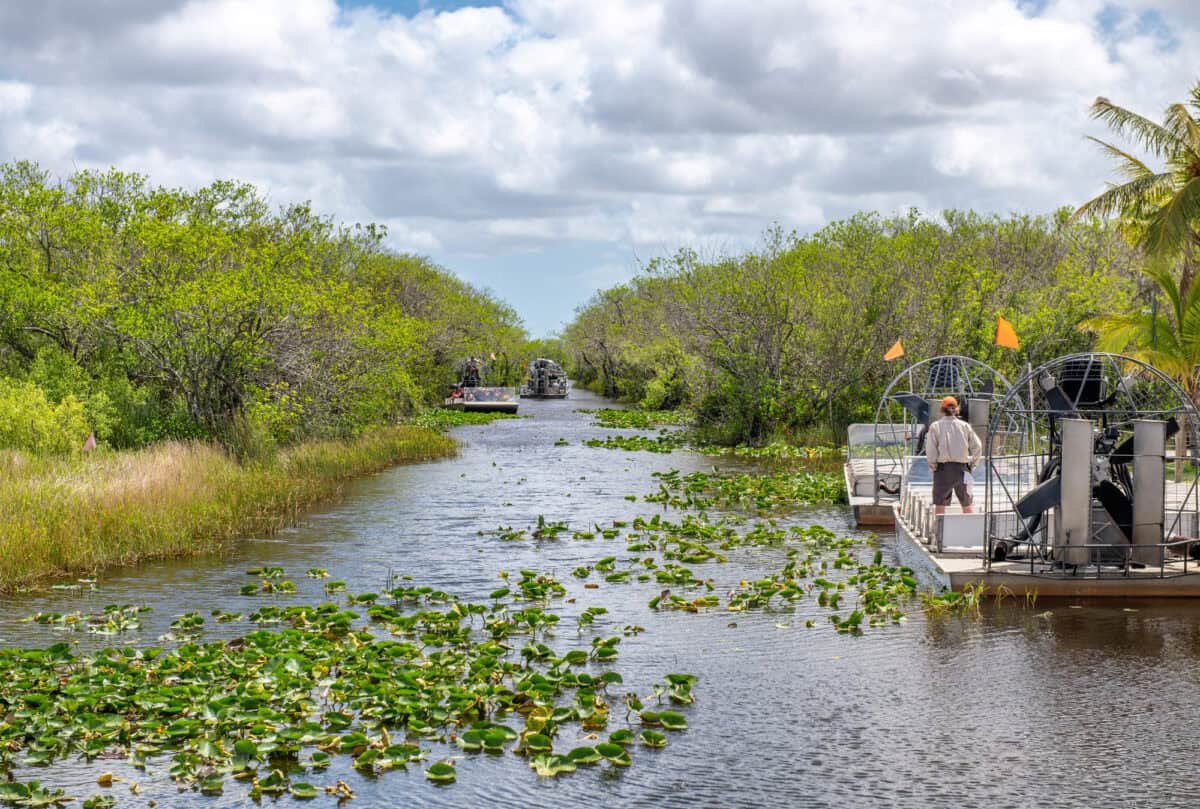
Everglades National Park in Florida ranks among the most snake-populated areas due to its subtropical climate and extensive wetlands. The park is home to many species, including the iconic Eastern Diamondback Rattlesnake and the invasive Burmese Python. These vast wetland habitats provide a rich environment for snakes to thrive, with abundant prey like rodents and birds. Visitors should remain alert, especially during warmer months when snakes are more active.
Great Smoky Mountains National Park

Straddling the border between North Carolina and Tennessee, Great Smoky Mountains National Park is renowned for its biodiversity, including a notable snake population. The park’s varied elevations support species such as the Timber Rattlesnake and the Northern Copperhead. Dense forests, humid climate, and a plethora of small mammals create perfect conditions for these snakes. Hikers should stay on trails and be cautious around logs and underbrush.
Grand Canyon National Park

Grand Canyon National Park in Arizona showcases a dramatic landscape that is also home to diverse snake species. The arid climate and rocky terrain harbor the Grand Canyon Rattlesnake, a unique species known for its pinkish hue that blends with the canyon’s walls. While the dry conditions might limit some activities, dawn and dusk are prime times to observe these reptiles. Visitors should be cautious near rocks and trails.
Joshua Tree National Park

In southern California, Joshua Tree National Park’s desert ecosystem hosts a variety of reptiles, including snakes like the Mojave Rattlesnake and the Desert Night Snake. The park’s unique combination of mountain and desert ecosystems provides diverse environments that support these snakes. When visiting, be aware that snakes often seek shelter under rocks or shade during the heat of the day.
Big Bend National Park
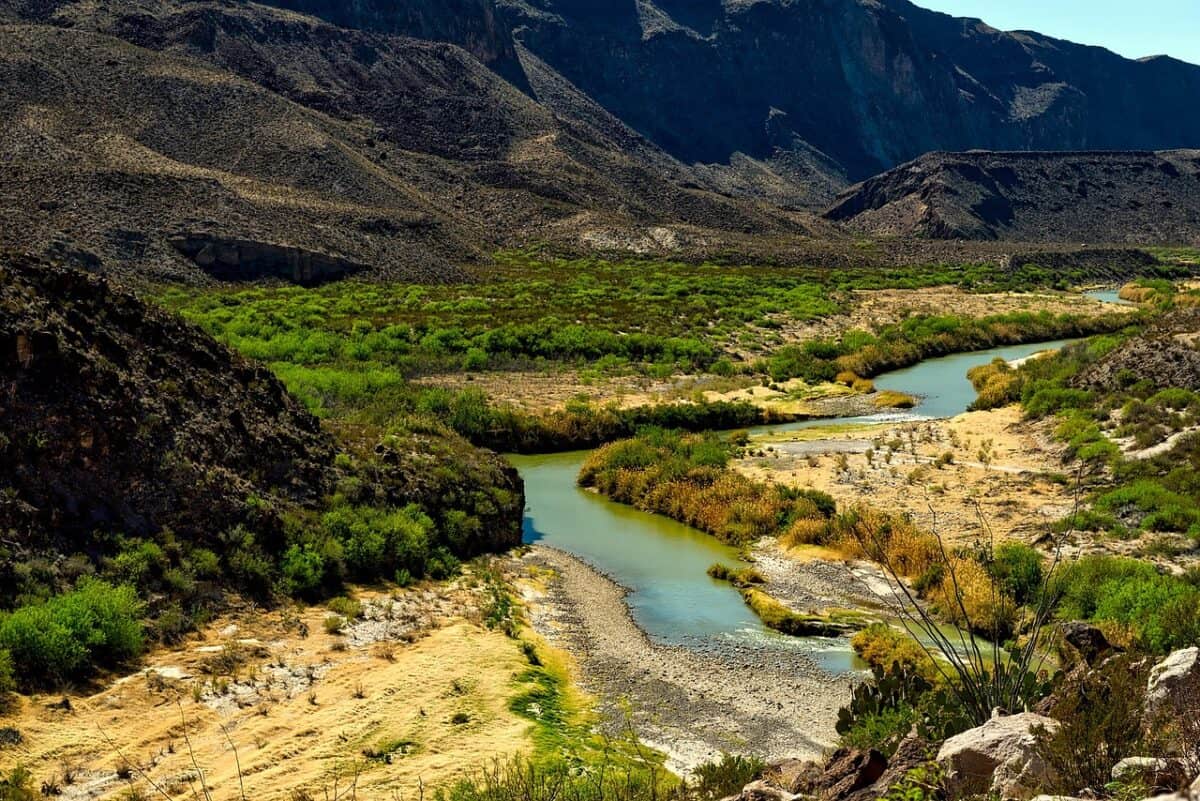
Nestled in west Texas, Big Bend National Park covers sprawling desert and mountainous landscapes, providing an ideal habitat for a variety of snake species. It is home to the Trans-Pecos Copperhead and Western Coachwhip. With temperatures often exceeding 100°F in summer, snakes may be more active in the cooler early mornings or evenings—times when park visitors might also be exploring.
Shenandoah National Park

Located along the Blue Ridge Mountains in Virginia, Shenandoah National Park is another hotspot for snake enthusiasts. Visitors might encounter the Timber Rattlesnake and Eastern Ratsnake while traversing its forested trails. The cooler, shaded environments of the park make mid-spring to early fall ideal times for snake activity, coinciding with the park’s hiking season.
Rocky Mountain National Park

Colorado’s Rocky Mountain National Park, with its immense altitude variations, supports a less diverse but notable snake population. Here, one might encounter the Western Terrestrial Garter Snake. The park’s cooler alpine environment results in a shorter season of activity for snakes, mainly in the spring and summer months when temperatures rise enough for them to be active.
Zion National Park

Utah’s Zion National Park is known for its stunning rock formations as well as its thriving snake community, which includes the Southwestern Speckled Rattlesnake. The park’s varied microclimates—ranging from arid desert to forested highlands—support a variety of species. Visitors should keep an eye out when treading through bushy areas or rock formations.
Yellowstone National Park
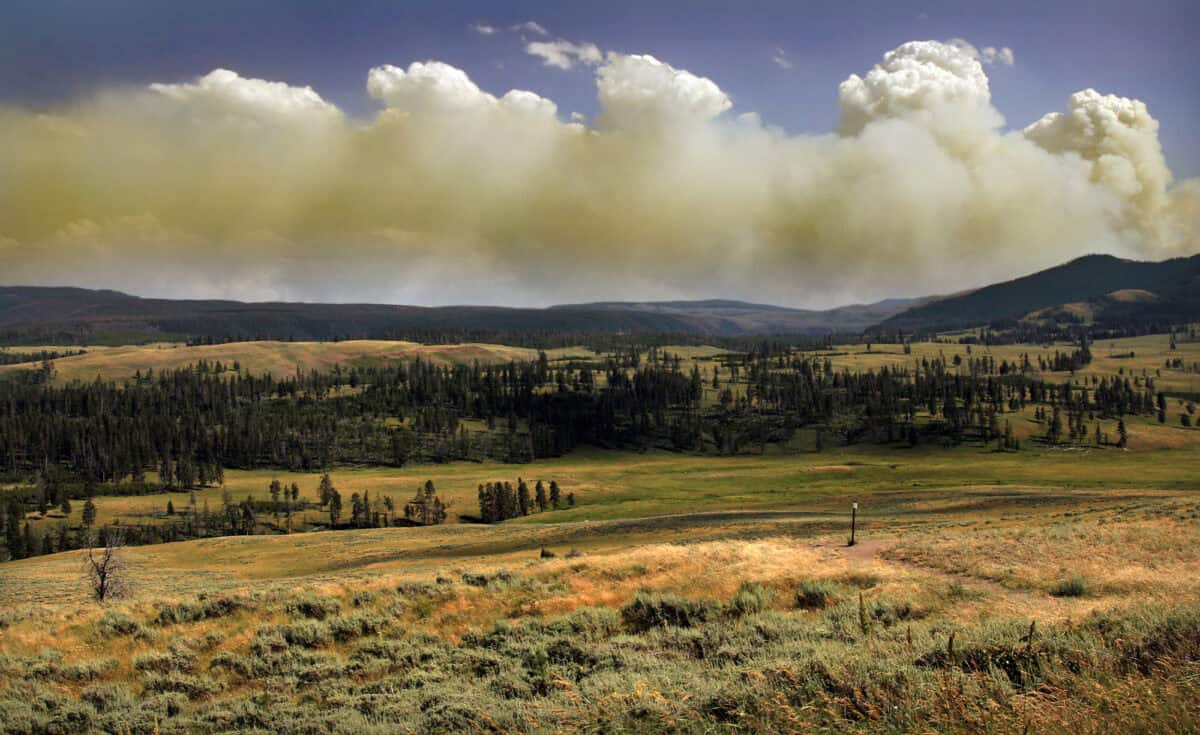
Yellowstone National Park, spanning Wyoming, Montana, and Idaho, might be famous for geysers, but it also hosts species such as the Wandering Garter Snake. The park’s geothermal features and extensive wilderness areas present a robust ecosystem for these reptiles. Observers might spot snakes near water bodies or relaxing on warm surfaces during sunny days.
Safety Tips for Park Visitors

Safety should always be a priority when visiting these snake-rich environments. It’s crucial to stay on marked trails, wear solid footwear, and use a walking stick to alert snakes of your presence. If you encounter a snake, remain calm and back away slowly. Educating yourself about the local snake species before your visit can also enhance both safety and experience.
Conclusion

While snakes are a fascinating part of the natural world, they can also pose risks if encountered unprepared. The national parks highlighted in this article offer incredible opportunities to observe diverse snake species in their natural habitats. By respecting these animals and following safety guidelines, visitors can enjoy parks with abundant snake populations while minimizing risk. Whether you’re eager to catch a glimpse of these reptiles or prefer to maintain a safe distance, understanding their habitats enhances any national park adventure.

As a little kid, I fell in love with nature, wildlife, and animals. Living in the USA, South Africa, Italy, China and Germany gave me the opportunity to discover the world's Wildlife. My favorite animals are Mountain Gorillas, Siberian Tigers, and Great White Sharks.
I'm a certified PADI Open Water Diver, went to Everest Base Camp and Trekked Gorillas in Uganda. I hold a Master of Science in Economics and Finance.
Please send any feedback to feedback@animalsaroundtheglobe.com
- Top 10 Endangered Animals in Scotland - June 4, 2026
- 10 Weird Things Dogs Do and What They Really Mean - June 4, 2026
- Top 10 Fiercest Animal Predators on the Planet - June 4, 2026