
Worried about unexpected vet bills?
Pet insurance can cover thousands in unexpected vet costs. Get a free quote from Lemonade in under 2 minutes.
Get My Free Quote →Sponsored · Opens Lemonade.com
Most dog owners think about food, vet costs, and exercise when they bring a new pet home. Rarely does anyone think to call their insurance agent first. Yet for millions of homeowners across the country, the breed sitting at their feet could be quietly affecting their coverage, raising their premiums, or in some cases, triggering a policy cancellation they never saw coming.
Dogs bite more than 4.5 million people in the United States every year, and the average cost per dog bite insurance claim reached $58,545 in 2023. Those are the numbers that keep underwriters up at night. By 2024, insurers paid out approximately $1.57 billion in dog bite-related claims across more than 22,600 incidents, with the average claim cost hitting $69,272. The financial pressure is real, and insurance companies have responded by creating restricted breed lists that surprise even the most responsible, well-informed pet owners.
Some of the breeds on those lists are expected. Others are genuinely shocking. Here are ten breeds that regularly appear under the insurance industry’s microscope.
1. Chow Chow

The Chow Chow looks like a living stuffed animal, dense fur, rounded ears, and an almost regal bearing. It’s not the breed most people picture when they imagine a liability risk.
The Chow Chow is a dog breed that originated in northern China and is one of the native dogs used as the model for the Foo dog, the traditional stone guardians found in front of Buddhist temples and palaces. They are also famous for being fiercely protective and resistant to training.
When Chows reach adolescence, they tend to reject authority from owners who failed to earn their admiration. Still, Chows are generally considered easy-going in nature, and some owners have attributed a cat-like personality to them. Owning a Chow Chow can raise the cost of homeowners insurance because some companies consider them high-risk dogs.
2. Alaskan Malamute

Gentle, loyal, and often mistaken for a husky, the Alaskan Malamute seems like a family-friendly giant. Insurance companies don’t always see it that way.
Sometimes mistaken for a Siberian Husky, Alaskan Malamutes are purebred dogs and one of the oldest breeds of sled dogs. Although the American Kennel Club describes them as affectionate, loyal, and playful, the native Mahlemut tribe primarily raised them to hunt seals and other animals.
Alaskan Malamutes, bred for hauling heavy sleds across frozen tundra, now face discrimination in suburban neighborhoods. Their powerful build and high energy levels can be intimidating to insurers. These dogs were designed to work in harsh conditions, and insurance companies often view this strength as a potential liability rather than recognizing the gentle nature most Malamutes display with proper training and socialization.
3. Great Dane
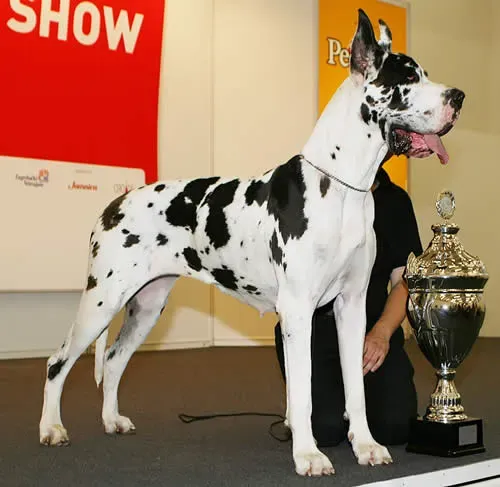
Great Danes are famously gentle. They’re couch dogs at heart, content to drape themselves across furniture and follow their owners from room to room. Their reputation for docility is well-earned.
One of the larger dog breeds, Great Danes are known for their gentleness and friendly nature. However, due to their giant size, they can cause damage if an incident does occur. Because of their size alone, insurance companies consider them a higher risk dog breed.
The most threatening thing about the even-tempered Great Dane is its imposing size. Great Danes stand up to 24 inches from the shoulder, which is the most likely reason why these gentle giants end up on an insurer’s list. There is a fear that they could destroy property simply by existing in their gargantuan state. It’s a fair point, actually. A tail wag alone can clear a coffee table.
4. Siberian Husky
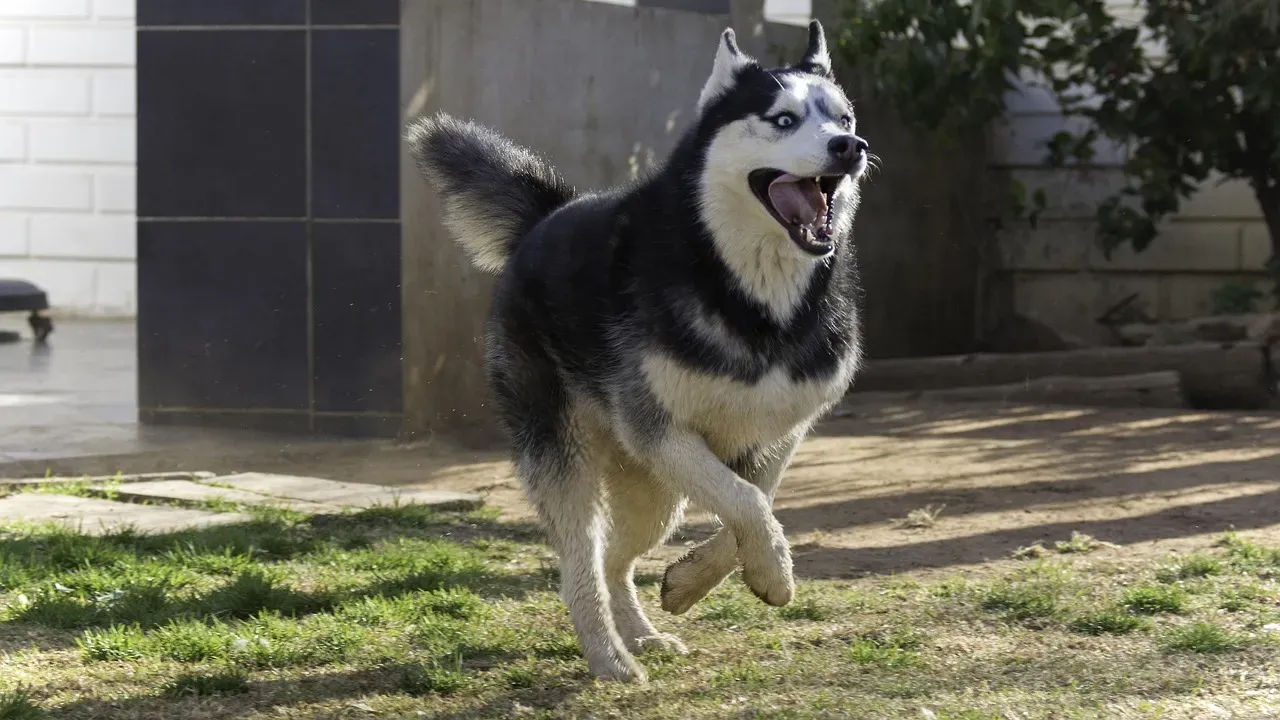
With those striking ice-blue eyes and a playful disposition, Huskies are one of the most beloved breeds on social media. They’re also one of the more surprising names to appear on insurer restriction lists.
Siberian Huskies, with their striking blue eyes and wolf-like appearance, often get lumped together with more restrictive breeds. The challenge with Huskies is their high energy level and escape artist tendencies. While they’re generally friendly dogs, their ability to jump fences and their strong prey drive can lead to situations that result in insurance claims.
Siberian Huskies appear on the restricted dog breed lists maintained by multiple major insurers. Their combination of athleticism, intelligence, and independent thinking makes them unpredictable in ways that underwriters take seriously, even when individual dogs are perfectly well-behaved.
5. Akita
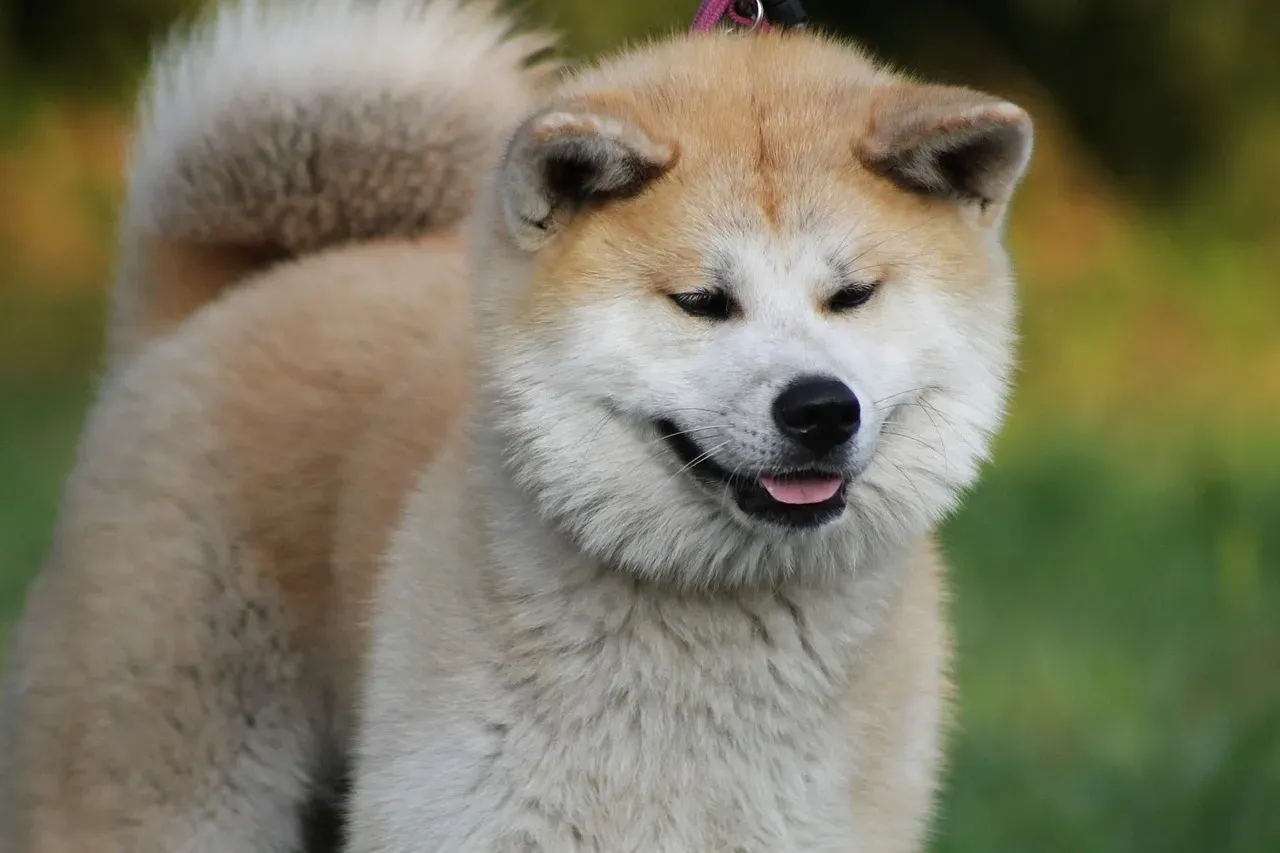
The Akita is a deeply loyal breed, fiercely devoted to its family. In Japan, the breed is considered a symbol of good health and long life. In the United States insurance market, it tells a different story.
Widely considered the national dog of Japan, Akitas’ ancestors were bred to hunt a variety of animals, including bears. Akitas are considered one of the most dominant dog breeds around.
Aside from being the target of insurance company bans, Akitas are also banned from certain geographic locations, such as Singapore. Their dominant temperament and strong prey drive create genuine concern for insurers, particularly around unfamiliar people and other animals. Akitas are among the most commonly restricted breeds in homeowners insurance policies across the country.
6. Bull Terrier

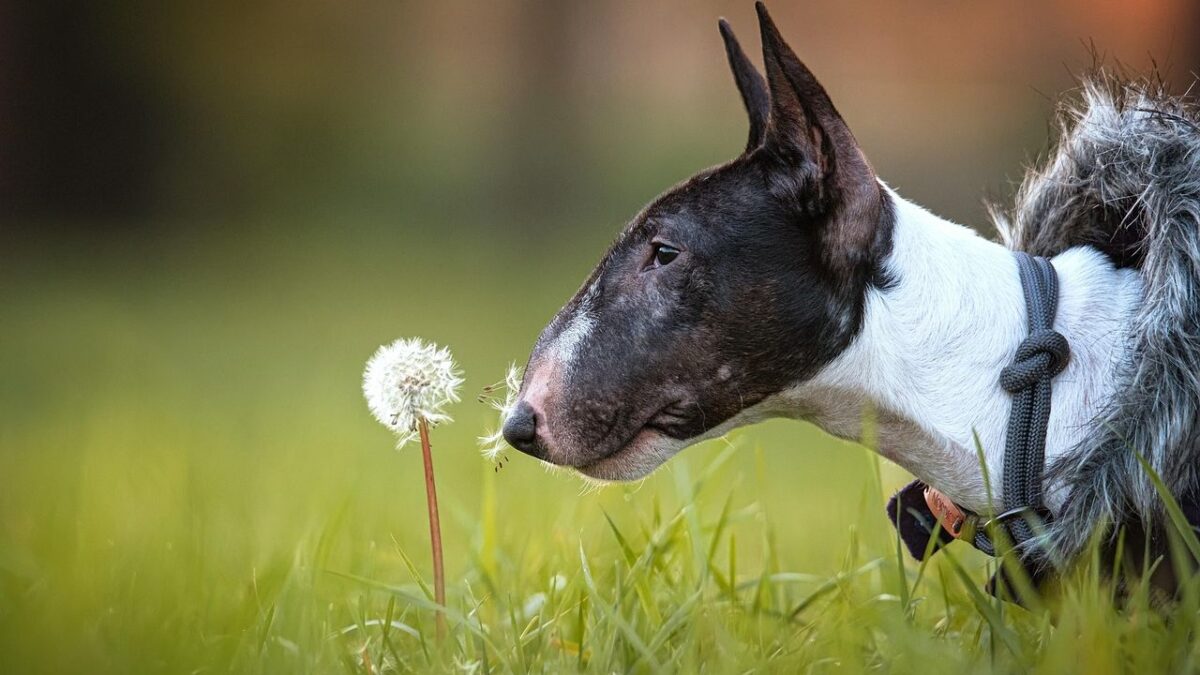
Bull Terriers are instantly recognizable for their egg-shaped heads and triangular eyes. Many people know the breed from its role as a popular retail mascot rather than from any association with aggression.
Bull Terriers are instantly identifiable to dog lovers. They have a unique appearance with a sloping head and narrow angled eyes. While they are recognizable due to their looks, they also exhibit the recognizable traits of tenacity and a strong will. Bull Terriers often form strong bonds with their families, but may cause concern with insurance companies due to their determined nature.
Their stocky build and stubborn personality can be a challenge without strong early training. That combination of physical capability and single-minded determination is enough for many insurers to place them on watch lists, even when individual dogs have no history of aggression whatsoever.
7. Wolf Hybrid
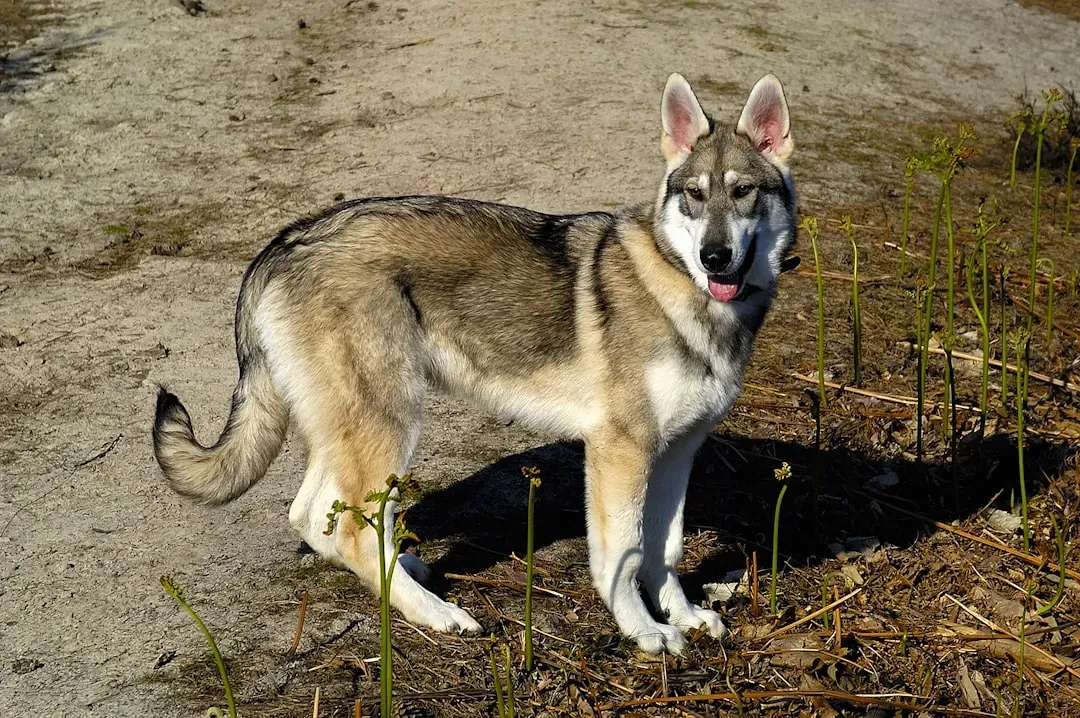
Perhaps no breed on this list makes as much logical sense to insurers as the wolf hybrid, a dog with literal wild animal genetics. The concern here isn’t perception; it’s biology.
A descendant of the wolf mixed with domesticated dogs, wolf hybrids exhibit a combination of domesticated and wild behaviors. This combination can result in the breed becoming unpredictable and exhibiting potentially dangerous behaviors, causing many insurance companies to restrict coverage for homeowners who have a wolf hybrid on the premises.
Wolf hybrids are any domestic dog that has been bred with a wolf, including a gray wolf, red wolf, Arctic wolf, and many others. Wolfdogs are extremely territorial animals and tend not to do well inside a house. They typically don’t interact well with people or animals they are unfamiliar with and also require a lot of care. Many insurers treat wolf hybrids as categorically uninsurable.
8. Presa Canario
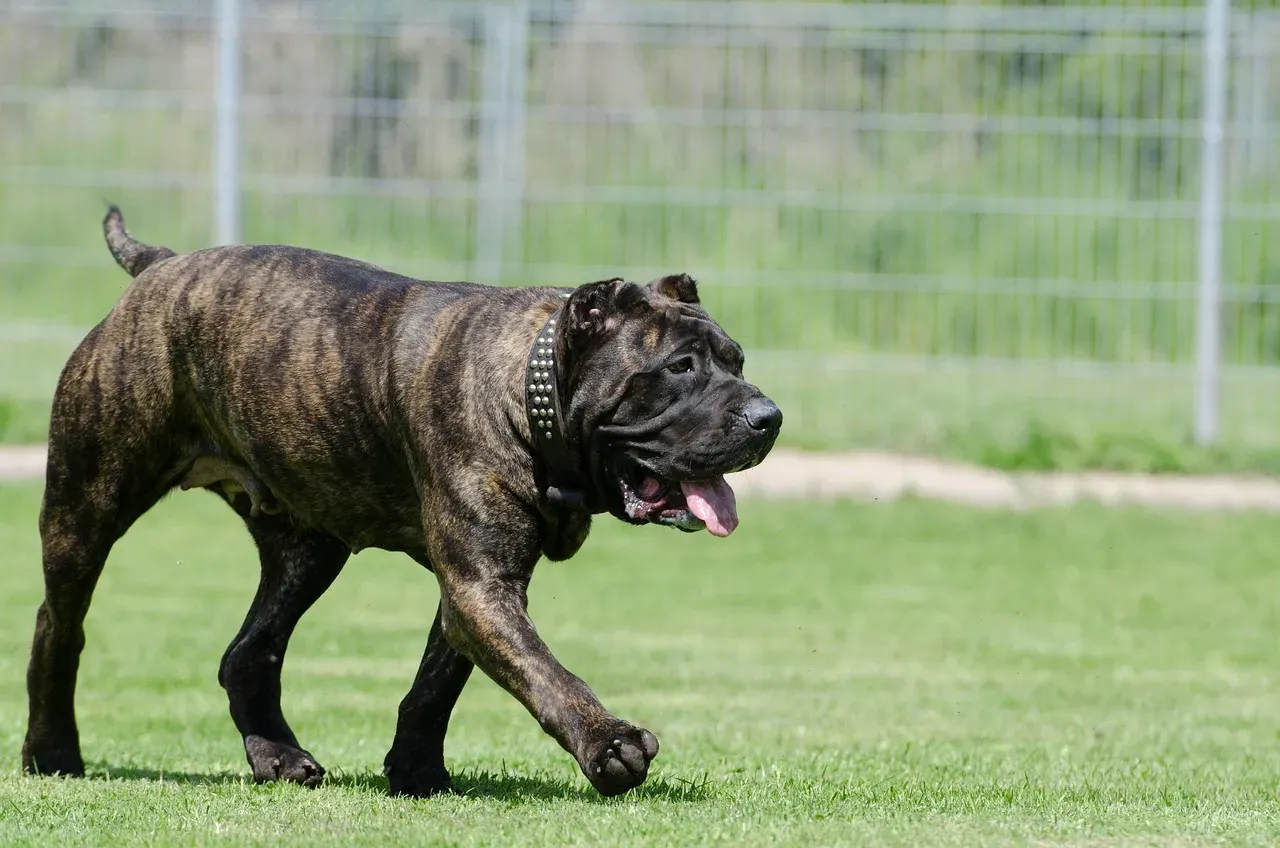
The Presa Canario, also known as the Canary Dog, is a large Molosser-type breed originally developed for working livestock on the Canary Islands. It’s not a breed most average homeowners are familiar with, but it routinely appears near the top of insurer restriction lists.
Insurer breed lists typically include the Presa Canario alongside pit bulls, mastiffs, German shepherds, Akitas, Chow Chows, Doberman pinschers, Great Danes, Siberian huskies, Rottweilers, and wolf hybrids. The Presa Canario’s size, territorial instincts, and powerful jaw make it one of the breeds that concern underwriters most.
Insurance carriers maintain restricted breed lists that typically include dog breeds more likely to cause serious injury in the event of a bite, either due to higher incidences of aggression in certain breeds or simply because of a breed’s strength and size. The Presa Canario checks both of those boxes. For owners who love the breed, the coverage gap can be a serious practical problem.
9. Staffordshire Bull Terrier
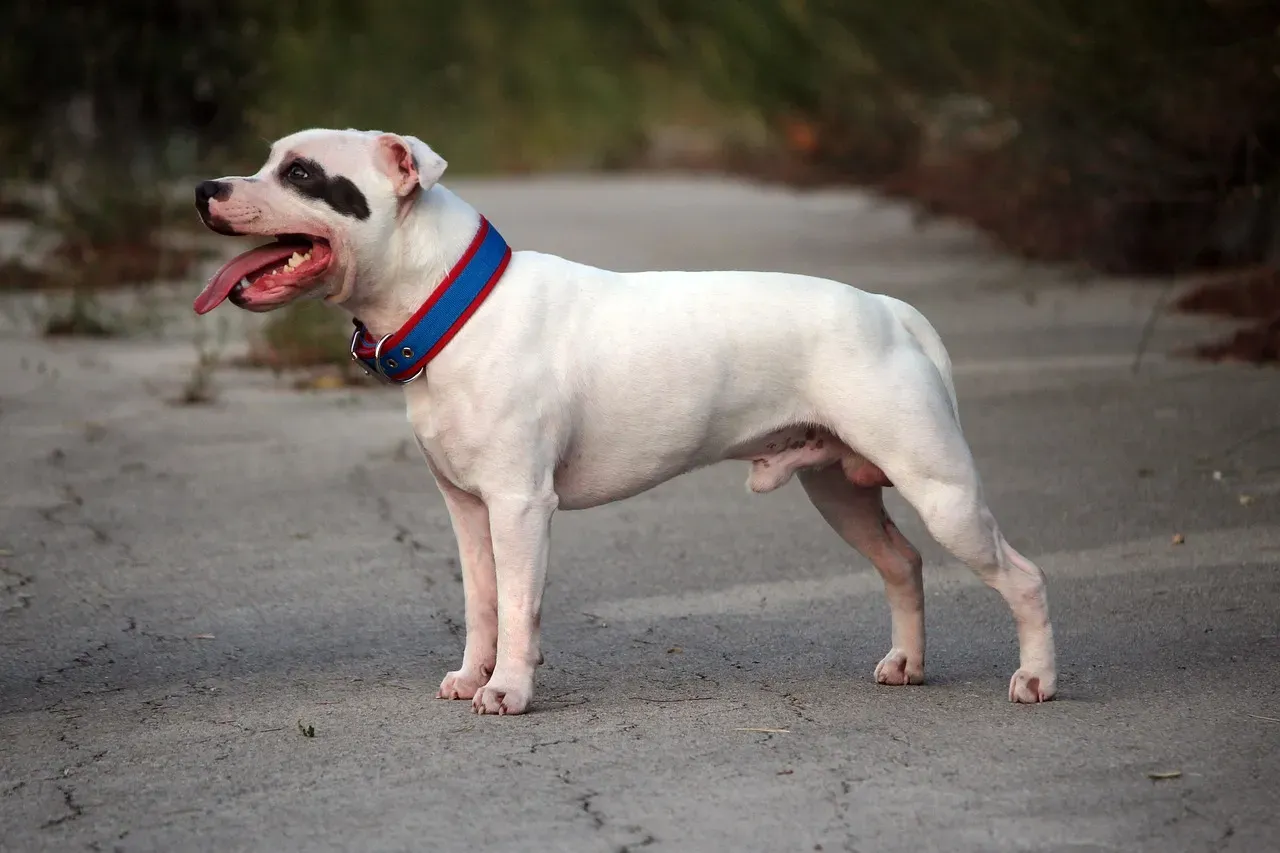
The Staffordshire Bull Terrier, often called a Staffie, is not the same breed as an American Pit Bull Terrier, though the two are frequently confused. That confusion, more than anything else, may be driving the insurance restrictions this breed faces.
Staffordshire Terriers are medium-sized, short-coated dogs considered to be within the pit bull type, and therefore carry a reputation for aggressiveness. Staffordshires are known to fight when challenged, especially when encountering unfamiliar dogs. The breed is also considered headstrong and stubborn. However, many experts have found that Staffies can be great dogs if they have a great owner who introduces proper socialization from a young age.
For clarification, pit bulls as defined by insurance companies generally include Staffordshire Bull Terriers, American Pit Bull Terriers, American Staffordshire Terriers, Bull Terriers, or any combination of these breeds. This broad definition catches many Staffie owners off guard when they first go shopping for homeowners coverage.
10. Mastiff (and Bullmastiff)

Mastiffs are among the oldest and most dignified dog breeds in existence. They’re also known for being affectionate and calm with families. Their sheer size, however, is enough to send insurance underwriters looking for the fine print.
Mastiffs are often called gentle giants, but their massive size alone is enough to put them on insurance blacklists. When a dog weighs over 200 pounds, even playful behavior can result in serious injuries.
Bullmastiffs were originally bred to be estate guardians, combining the strength of a Mastiff with the tenacity of a Bulldog. Despite their intimidating appearance, Bullmastiffs are typically calm, gentle dogs that are excellent with children. However, their size and guard dog heritage make insurance companies nervous. A well-socialized Bullmastiff is more likely to lean on you for attention than cause any problems, but convincing an insurance underwriter of this can be challenging.
What Owners Can Actually Do About It

Discovering your beloved dog is on a restricted list doesn’t necessarily mean you’re out of options. The insurance landscape is more varied than many people realize.
Some insurers don’t consider breed when determining whether to cover your dog; instead, they look at the dog’s personal history of aggression. State Farm does not consider dog breed at all when you get a quote for home insurance, requiring only answers about your dog’s bite history. Other companies that provide insurance to dog owners regardless of breed include USAA and Chubb.
Other states have already moved to ban breed-based discrimination by insurance companies, including Nevada, New York, and Illinois, with several other states having legislation currently pending. The policy landscape is shifting, slowly but meaningfully.
Insurance companies create breed lists without reliable actuarial data showing a difference in behavior, yet rely on them as if breed assumptions create a valid risk across the board. Consideration of a specific dog’s bite history or behavior is irrelevant if the dog’s breed appears on the list. That’s the tension at the heart of this issue, and it’s one that advocates, legislators, and responsible owners are continuing to push back against.
Conclusion

The breeds covered here range from ancient Japanese hunters to fluffy Chinese companions to literal wolf descendants. What they all share is a gap between how their owners experience them and how the insurance industry categorizes them.
Not all dogs display stereotypical aggressive behavior, even when considered a riskier breed, and socialization and proper training play important roles in developing a dog’s behaviors. Dog owners should know that it is unlikely that insurance providers will take an individual dog’s behavior into consideration when providing or denying liability insurance coverage.
The practical takeaway is simple: if you own one of these breeds or are thinking about adopting one, talk to your insurance agent before anything else. The conversation is worth having early, because the consequences of skipping it tend to surface at the worst possible moment. A dog’s character is shaped by its upbringing. An insurance policy, unfortunately, is shaped by a spreadsheet.
Worried about unexpected vet bills?
Pet insurance can cover thousands in unexpected vet costs. Get a free quote from Lemonade in under 2 minutes.
Get My Free Quote →Sponsored · Opens Lemonade.com
