


Across the vast northern territories of North America and Siberia, an ancient archetype emerges from the tapestry of indigenous mythologies—the bear as ancestor and kin. These powerful narratives reflect not merely cultural fascination with a formidable animal, but deep spiritual connections between humans and bears that have persisted for millennia. From the Tlingit of Alaska to the Nivkh of Russia’s Far East, indigenous peoples have woven complex cosmologies in which bears occupy a liminal space between the human and spirit worlds, often serving as progenitors of clans and tribes. These stories transcend mere folklore; they represent sophisticated ecological knowledge systems, ethical frameworks for human-animal relationships, and foundations of cultural identity that continue to resonate in contemporary indigenous communities despite centuries of colonial disruption.
Origins of Bear Ancestor Myths
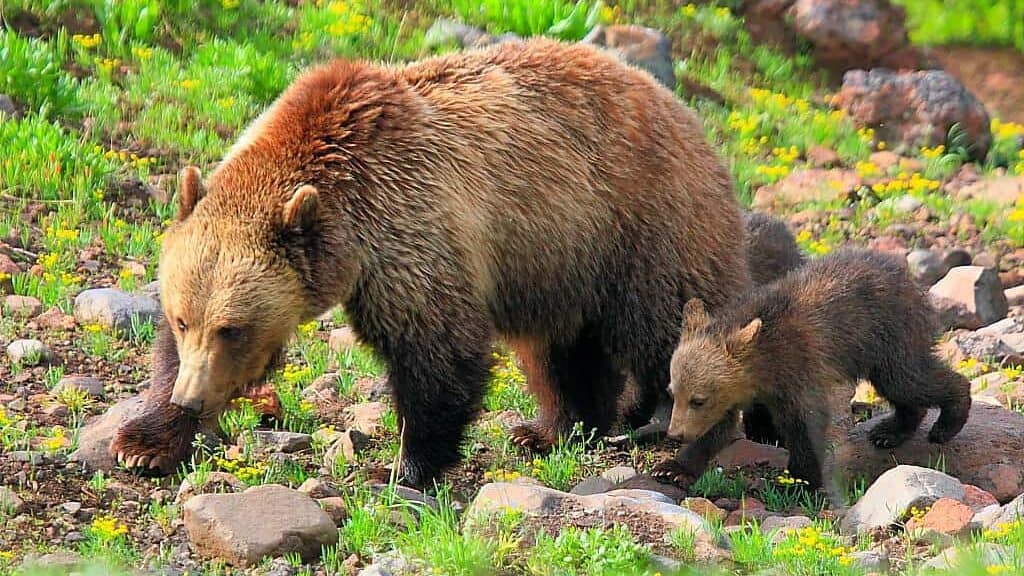
The veneration of bears as ancestors likely originated during the Paleolithic period when humans and bears competed for the same cave shelters and food resources. Archaeological evidence from sites across Eurasia and North America reveals ancient bear worship dating back at least 50,000 years, with bear skulls carefully arranged on stone altars and bear bones preserved in ceremonial contexts. The remarkable physiological similarities between bears and humans—their ability to stand upright, their omnivorous diet, their dexterous paws, and their protective parenting—made them natural candidates for anthropomorphization and kinship recognition among early hunter-gatherers.
The geographic distribution of bear ancestor myths follows the historical range of three main species: the brown bear (Ursus arctos) across Eurasia and northwestern North America, the American black bear (Ursus americanus) throughout North America, and the Asiatic black bear (Ursus thibetanus) in eastern Siberia. The parallel development of strikingly similar bear ceremonialism across cultures that had no direct contact with each other suggests that these myths emerged independently from direct observations of bear behavior and deep human-bear interactions in shared landscapes over thousands of years.
The Bear Woman Traditions of North America
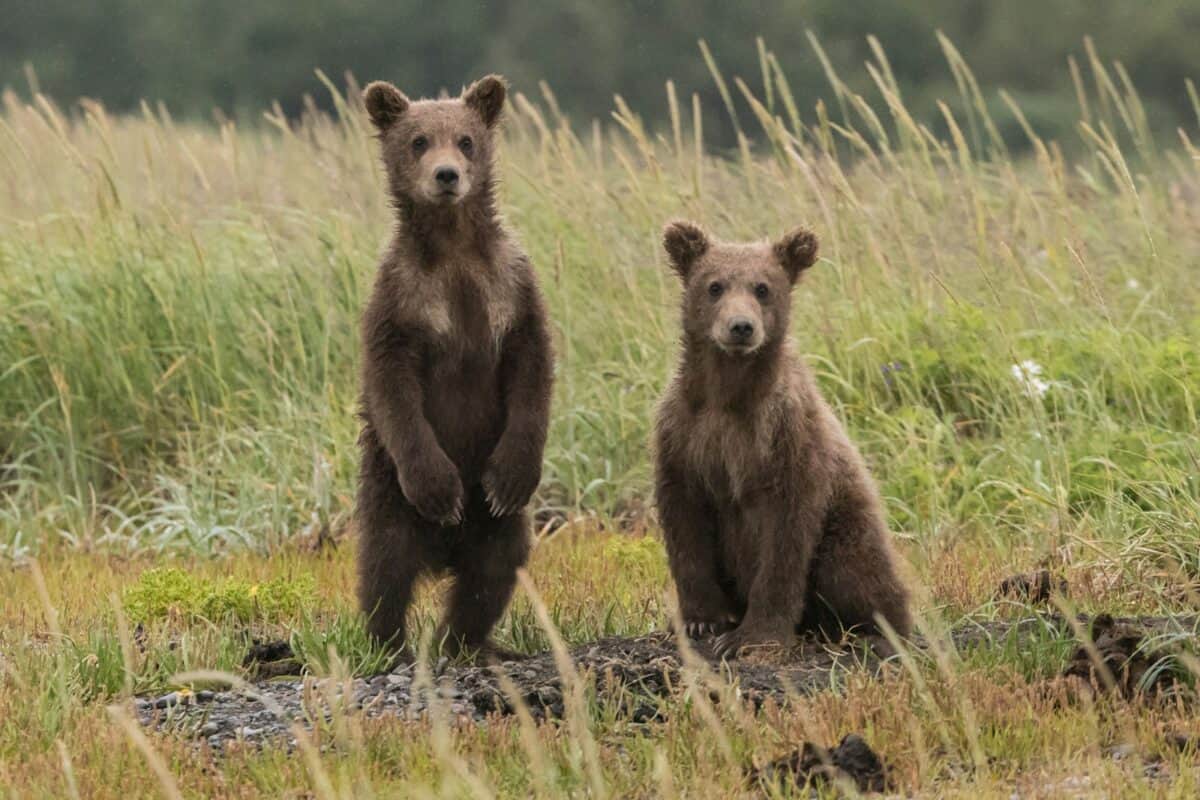
One of the most widespread indigenous narratives across North America centers on the “Bear Woman” or “Bear Mother” who marries a bear and gives birth to children who are part human and part bear. This story appears with remarkable consistency among the Haida, Tsimshian, Tlingit, and other Pacific Northwest coastal peoples, as well as among Athabaskan, Algonquian, and Iroquoian peoples further east. In these narratives, a young woman insults bears or violates a taboo and is subsequently abducted by a bear who takes her as his wife. She bears cubs who may appear as human children when inside their home but transform into bears when outside.
These narratives often conclude with the woman’s brothers or male relatives hunting and killing her bear husband, after which she returns to human society with her half-bear children who become founders of important clan lineages. Among the Haida and Tlingit, such stories legitimize the Bear clan’s position and special relationship with bears. Anthropologists interpret these myths as explaining kinship between humans and bears, establishing protocols for respectful hunting practices, and mediating the moral complexities of taking the life of a being recognized as kin. The stories also serve as metaphors for marriage customs, especially matrilocal residence patterns and cross-species adaptations.
Siberian Bear Ceremonialism
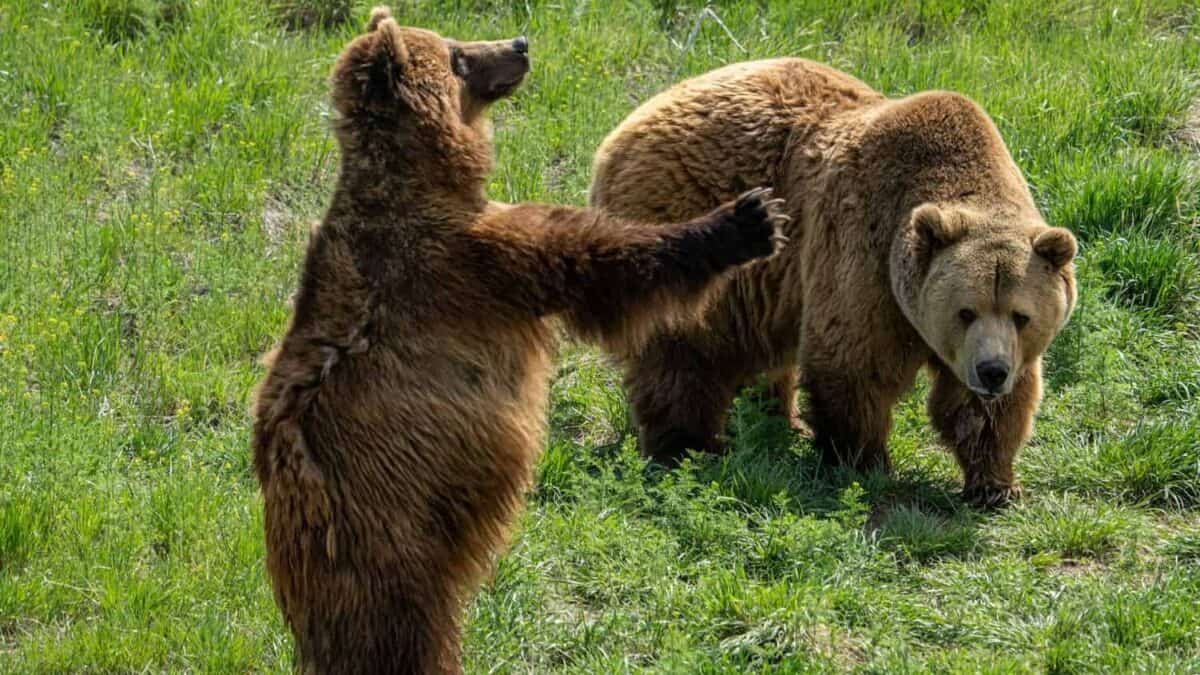
Among indigenous peoples of Siberia, particularly the Nivkh (Gilyak), Ainu, Evenki, Khanty, and Mansi, elaborate bear ceremonialism forms the cornerstone of religious and social life. The bear festival (known as iyomante among the Ainu) involves raising a bear cub in the human community for several years before a ceremonial sacrifice that serves to return the bear’s spirit to the forest gods. These rituals, documented extensively by ethnographers since the 19th century, involve elaborate preparations, specific prayers, songs, dances, and strict protocols for treating the bear’s remains with reverence.
Central to Siberian bear ceremonialism is the belief that bears are divine messengers who voluntarily sacrifice themselves to bring blessings to the human community. The Nivkh people of Sakhalin Island specifically consider bears to be transformed ancestors who visit the human world temporarily. During festivals, people address the bear using kinship terms like “grandfather” or “uncle.” The bear’s skull and bones receive special treatment, often placed on sacred platforms in trees to facilitate the bear’s return to the spirit world. These ceremonies create reciprocal relationships between humans and bears that balance the moral dilemma of killing an animal considered both divine and kin.
Transformation and Shapeshifting

A key element in bear ancestor myths across both continents is the concept of transformation—the ability of beings to shift between human and bear form. In many indigenous cosmologies, the distinction between human and animal is fluid rather than fixed. Stories often describe how bears can remove their skins to become human, or how humans can don bear skins to transform. This transformational capability reflects indigenous ontologies that view personhood as extending beyond the human species and recognize consciousness, intentionality, and social relations as qualities shared by humans and non-human beings alike.
The Kwakwaka’wakw people of British Columbia perform elaborate bear dances during potlatch ceremonies, where dancers wearing bear masks and furs embody the transformative power of the bear ancestor. Among the Evenki and other Tungusic peoples of Siberia, shamans are believed to transform into bears during spiritual journeys or draw upon bear power for healing. These transformation narratives serve multiple functions: they establish kinship between species, explain the origins of shamanic powers, provide ethical guidelines for human-animal interactions, and articulate indigenous understandings of consciousness that challenge Western nature-culture dualisms.
The Bear as Guardian of Ecological Knowledge
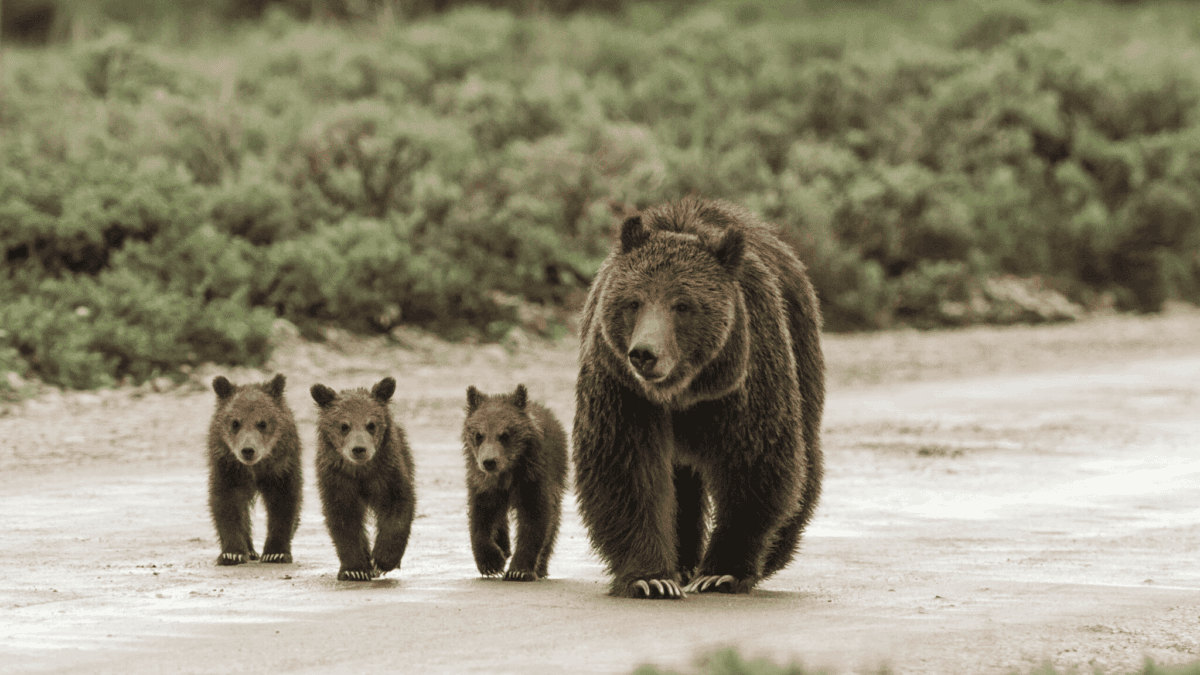
Indigenous bear myths encode sophisticated ecological knowledge about bear behavior, habitat, diet, and seasonal patterns. Among the Koyukon people of Alaska, bear stories teach about the animal’s diet of berries, roots, and salmon, its hibernation patterns, and its remarkable ability to find medicinal plants. The Haida and Tlingit peoples’ Bear Mother stories contain detailed observations about bear denning behavior, reproduction cycles, and cub-rearing practices. This traditional ecological knowledge, transmitted through oral narratives, has been repeatedly validated by contemporary wildlife biology research.
The bear’s omnivorous diet and medicinal plant-seeking behavior are particularly emphasized in indigenous narratives. Many stories describe bears teaching humans which plants are edible or medicinal. The Karuk people of northern California maintain that bears first showed humans which herbs could reduce fever and inflammation. Among several Siberian groups, bears are credited with revealing healing roots and berries to shamans. These narratives reflect real observations of bears selecting certain plants with medicinal properties, a behavior that has inspired ethnopharmacological research. Indigenous knowledge holders note that bears and humans share nearly identical digestive systems and nutritional needs, making bears reliable guides to human food and medicine.
Clan Identity and Kinship Systems
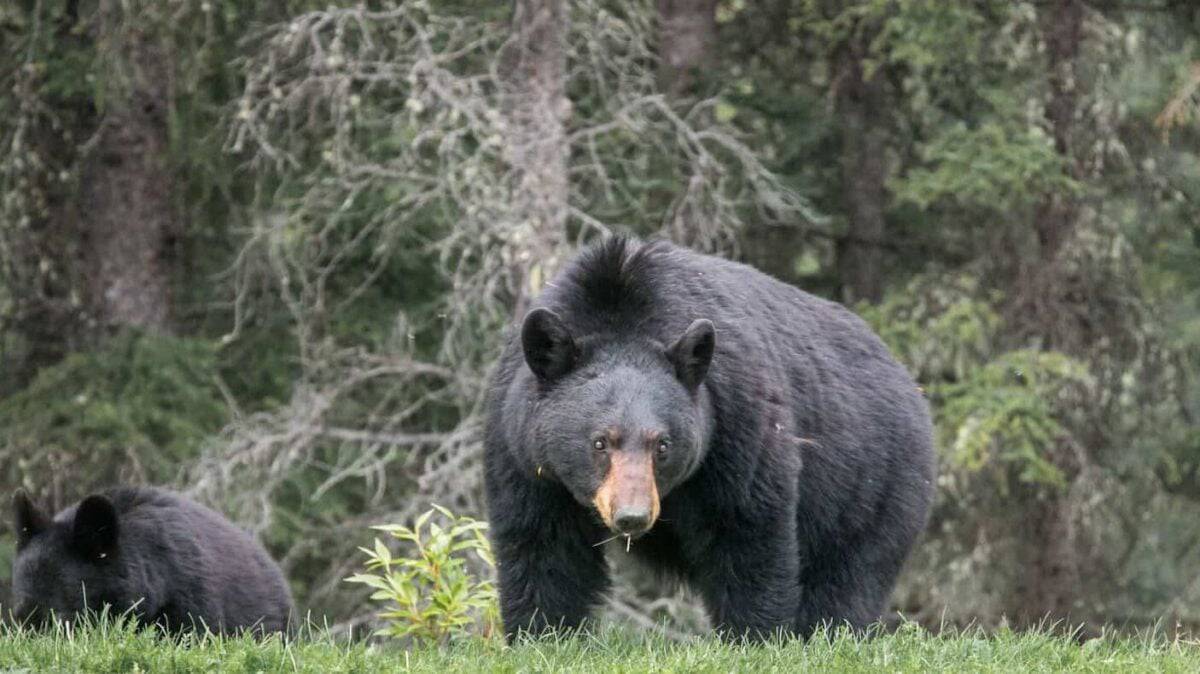
For many indigenous peoples, the bear serves as an emblematic ancestor of specific clans or moieties within their social organization. Among the Tlingit, Haida, and Tsimshian peoples of the Pacific Northwest Coast, the Bear constitutes one of the primary crests and clan identities. Tlingit Bear Clan members consider themselves direct descendants of the Bear Mother’s children and maintain specific protocols, taboos, and responsibilities regarding bears. Similar clan structures exist among the Hopi (Bear Clan), Ojibwe (Makwa doodem or Bear Clan), and numerous other North American indigenous nations.
In Siberia, clan-based bear relationships are equally prominent. The Nivkh recognize patrilineal clans descended from bears, while several Evenki clans claim bear ancestry. These kinship classifications are not merely symbolic but entail specific responsibilities, including ceremonial roles, hunting restrictions, and marriage rules. Bear clan members often have taboos against hunting bears or must follow specific purification rituals if they do. These kinship systems reinforce reciprocal relationships with bears and establish ethical frameworks that have regulated sustainable hunting practices for thousands of years before modern conservation concepts emerged in Western thought.
Sacred Geography and Bear Ceremonial Sites

Across the circumpolar north, indigenous peoples have maintained sacred sites associated with bear ancestors and ceremonies. In North America, numerous mountain caves and rock formations are identified as homes of ancestral bears or sites where transformation between bear and human form occurred. The Ktunaxa (Kootenai) people of the northern Rocky Mountains maintain sacred sites where the Bear Chief is said to have taught humans ceremonial knowledge. Similarly, the Nuu-chah-nulth of Vancouver Island preserve specific coastal locations where Bear Woman stories unfolded, often marked by distinctive rock formations.
Siberian sacred geography features even more elaborate bear ceremonial sites. The Khanty and Mansi peoples maintain sacred bear groves where ceremonially sacrificed bears’ skulls have accumulated over centuries, creating physical archives of human-bear relationships. The Nivkh designate specific mountains as the domain of the “Mountain Man” (their bear deity) and maintain shrines where offerings are made. Archaeological evidence confirms the ancient nature of these practices, with bear ceremonial sites in the Ural Mountains dating back thousands of years. These sacred geographies embed cultural memory in the landscape and serve as physical anchors for the continuation of bear ceremonies despite colonial disruptions and relocations of indigenous communities.
Ethical Dimensions of Human-Bear Relationships
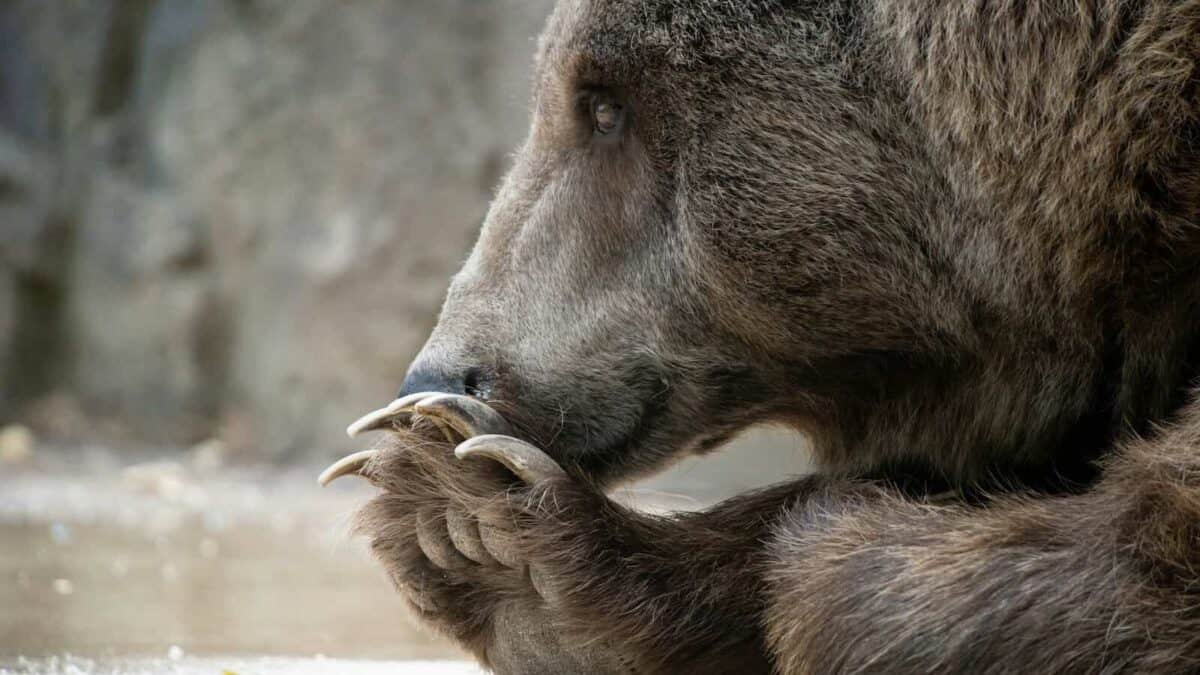
Perhaps the most profound aspect of bear ancestor myths is their ethical dimension—the moral frameworks they establish for human-bear interactions. Across indigenous narratives, bears are not resources to be exploited but relatives demanding respect and reciprocity. The myths establish specific protocols for honoring bears before, during, and after hunting. Among the Koyukon of Alaska, elaborate apologetic speeches must be made to a slain bear, explaining the necessity of the killing and expressing gratitude for the bear’s sacrifice. The bear’s remains must be treated with specific rituals to ensure the bear’s spirit returns safely to its kind.
Similar ethical protocols exist among Siberian peoples. The Nivkh perform elaborate ceremonies when a bear is killed, addressing it as a honored guest rather than prey. The bear’s meat is consumed in a communal feast where specific rules govern who may eat which parts of the animal. These ethical frameworks represent sophisticated systems for mediating the moral paradox inherent in killing an animal recognized as kin. They establish hunting not as exploitation but as a sacred covenant between species. Such ethical dimensions challenge Western utilitarian approaches to wildlife management and offer alternative frameworks for conservation ethics based on kinship and reciprocity rather than resource management.
Gender Dimensions in Bear Ancestor Stories
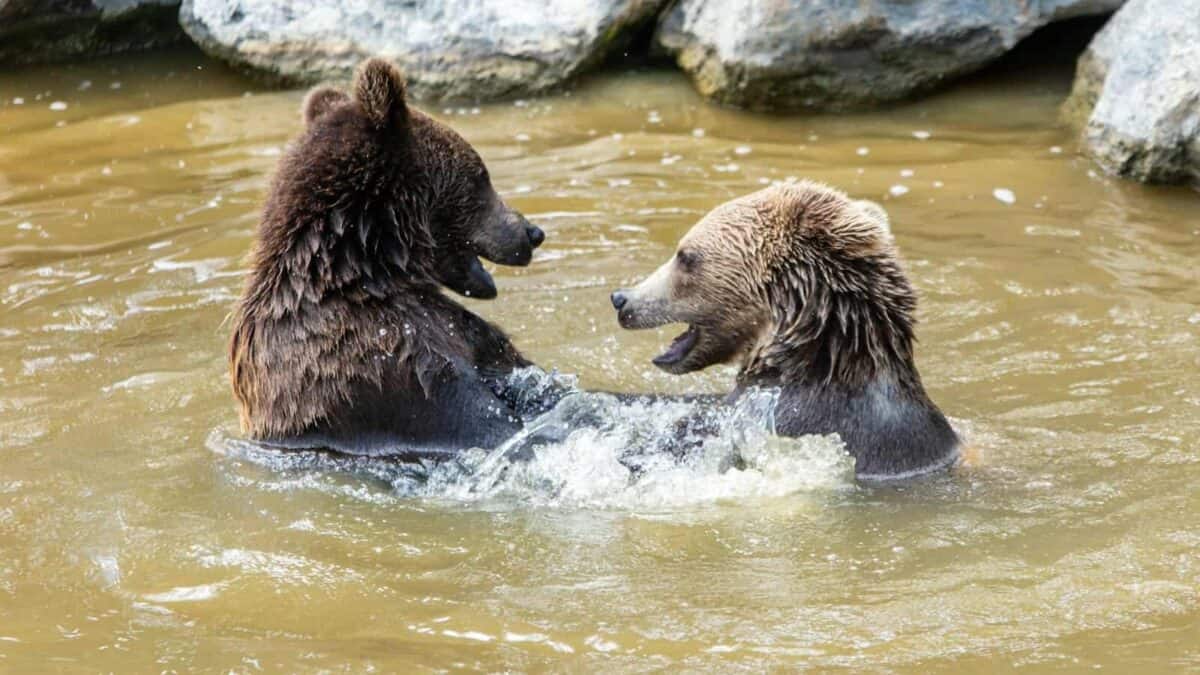
Bear ancestor narratives often encode significant gender dimensions that reflect and inform social relations within indigenous communities. The widespread Bear Woman or Bear Mother stories typically feature female protagonists who mediate between human and animal worlds. These narratives highlight women’s reproductive power and their role in establishing interspecies kinship. In many versions, the woman gains special knowledge from her bear husband—medicinal skills, ceremonial songs, or food-gathering techniques—which she then brings back to benefit her human community. These stories validate women’s knowledge systems and their role as cultural intermediaries.
In contrast, Siberian bear ceremonialism often emphasizes male hunting prowess and shamanic authority, though with significant variations. Among the Nivkh, women play essential roles in bear ceremonies but are excluded from certain aspects of the ritual killing. Among the Evenki, female shamans could acquire bear spirit helpers and participate fully in bear ceremonies. These gendered dimensions of bear narratives have evolved over time, responding to changing gender roles within indigenous societies and to colonial pressures that often imposed European gender hierarchies. Contemporary indigenous scholars, particularly indigenous feminist theorists, are reexamining these stories to recover women’s traditional roles in bear ceremonialism and kinship systems.
Colonial Disruptions and Cultural Resilience
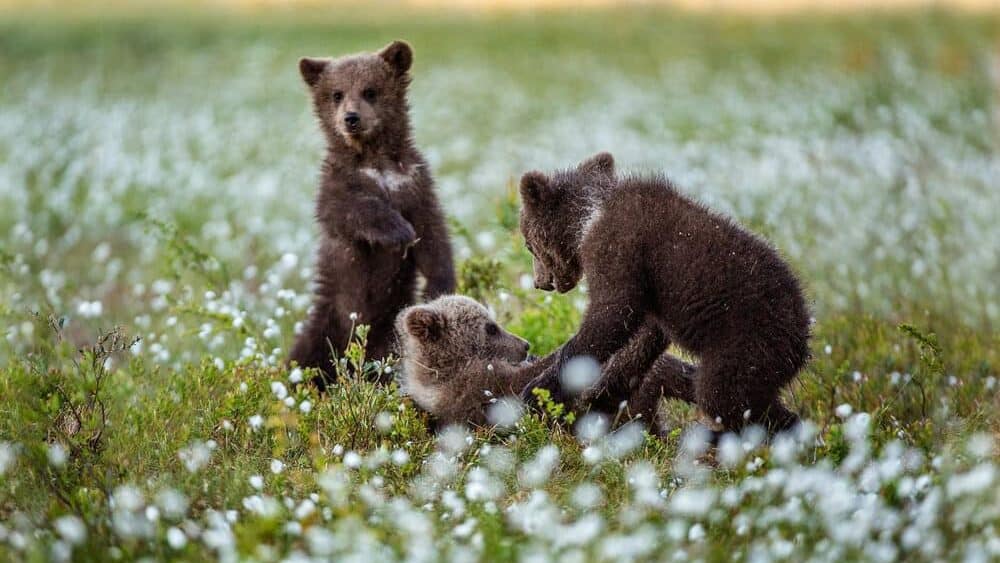
The relationship between indigenous peoples and bear ancestors faced severe disruption through colonial processes. Christian missionaries specifically targeted bear ceremonialism for elimination, viewing it as “devil worship” or “primitive superstition.” In both North America and Siberia, bear ceremonies were legally banned at various points—in Canada through the Potlatch Prohibition of 1884-1951, in the United States through various “civilization regulations,” and in Siberia through Soviet anti-religious campaigns. Commercial hunting by European settlers decimated bear populations, while forced relocations separated indigenous communities from traditional bear territories and ceremonial sites.
Despite these pressures, bear ceremonialism has demonstrated remarkable resilience. The Ainu continued bear ceremonies secretly during periods of Japanese prohibition. Nivkh communities maintained bear festivals throughout the Soviet era, adapting them to avoid government interference. In North America, bear clan identities remained strong even when ceremonies went underground. The late 20th and early 21st centuries have seen significant cultural revitalization, with bear ceremonies being publicly practiced again, bear clan structures being formalized in tribal governance, and bear stories being taught to new generations. This resilience testifies to the central importance of bear kinship to indigenous identities and to the adaptability of these ancient traditions in the face of colonial pressure.
Contemporary Relevance and Scientific Validation
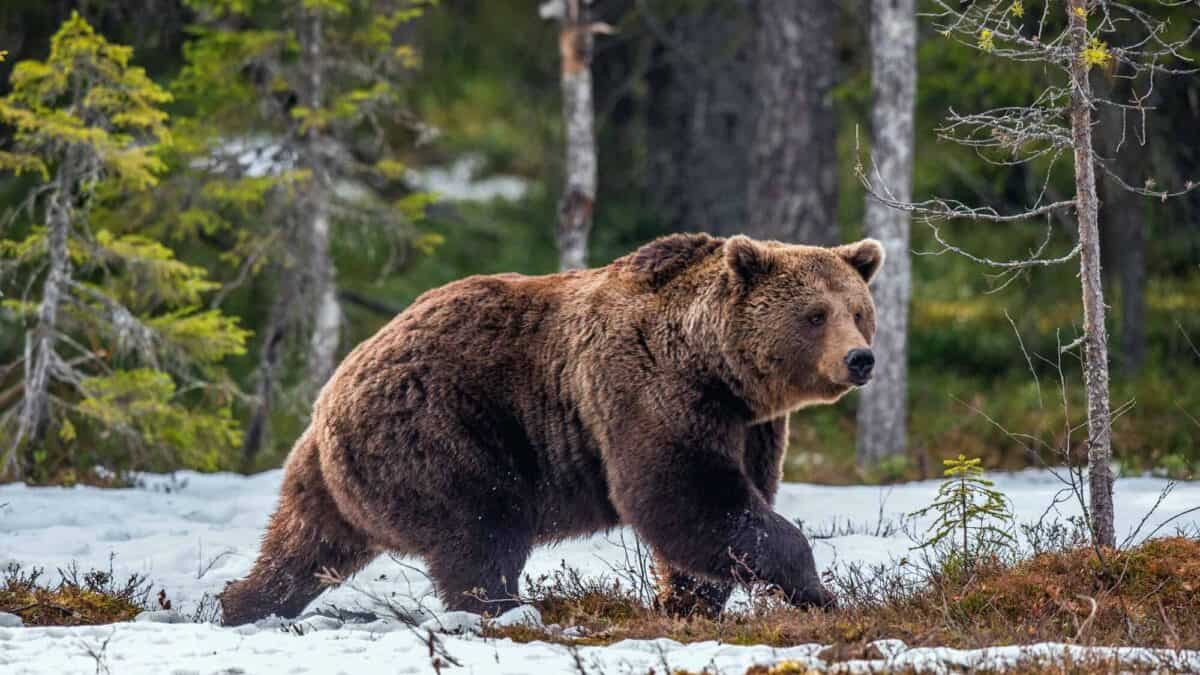
Far from being relegated to folklore or history, bear ancestor traditions maintain significant relevance in contemporary indigenous communities and increasingly find validation from scientific research. Modern wildlife biology has confirmed many indigenous observations about bear behavior, diet, intelligence, and social organization that were previously dismissed as mythological. Studies of bear cognition reveal problem-solving abilities and self-awareness that align with indigenous understandings of bears as conscious, intentional beings. Research on bear medicinal plant selection has validated traditional knowledge about bears’ self-medication behaviors. Conservation biologists increasingly recognize the value of indigenous hunting ethics for sustainable wildlife management.
In contemporary indigenous communities, bear ancestor traditions inform environmental activism, cultural revitalization efforts, and political sovereignty movements. The Standing Rock Sioux resistance to the Dakota Access Pipeline incorporated bear ceremonialism as protesters identified themselves as “protectors” rather than protesters, reflecting the traditional responsibility of bear clan members to protect community welfare. The Heiltsuk Nation of British Columbia has successfully integrated traditional bear knowledge into collaborative management agreements with the Canadian government. In Siberia, indigenous communities have invoked bear ancestor traditions in resistance to oil and gas development on traditional territories. These examples demonstrate how ancient bear-human kinship systems continue to evolve and adapt, providing ethical frameworks and cultural strength for contemporary indigenous challenges.
Conclusion: The Enduring Legacy of Bear Ancestorship

The bear as ancestor represents one of humanity’s oldest and most widespread mythological archetypes, yet these traditions are far more than myths—they constitute sophisticated knowledge systems that have guided human-animal relationships across millennia. Indigenous bear traditions from North America and Siberia reveal striking parallels that suggest universal human responses to close interactions with bears, while also displaying rich cultural variations that reflect diverse landscapes and social systems. These traditions challenge Western nature-culture dualisms by recognizing kinship across species boundaries and establishing ethical frameworks based on reciprocity rather than dominance. As contemporary indigenous communities navigate complex challenges of cultural revitalization and environmental protection, bear ancestor traditions provide both spiritual resources and practical ecological knowledge.
In an era of environmental crisis and species extinction, these ancient traditions offer alternative models for human relationships with the natural world—models based on kinship, respect, and reciprocal obligation rather than resource extraction. The persistence of bear ceremonialism despite centuries of colonial suppression testifies to its profound significance in indigenous worldviews and its ongoing relevance to contemporary challenges. As interdisciplinary research continues to validate traditional ecological knowledge, the bear ancestors continue to serve as powerful mediators—not only between human and animal worlds, but between ancient wisdom and modern environmental ethics, between indigenous sovereignty movements and ecological conservation efforts, and between diverse human cultures seeking sustainable ways of living on a shared planet.

From exploring the marine wonders in the Azores and witnessing the vast savannas of Kenya, to delving deep into the rich biodiversity of South Africa and traversing iconic landscapes in Australia and the US like Yellowstone, Chris's experiences are vast.
With a penchant for diving alongside sharks, the ocean holds a special place in his heart.
Through his academic insights, he champions wildlife conservation, striving with 'Animals Around The Globe' to cultivate a profound connection between humans and animals, enhancing our mutual appreciation.
Connect with him at Feedback@animalsaroundtheglobe.com.
- 10 Dangerous Animals You Can See in Yellowstone National Park - June 26, 2026
- The Fascinating World of Bioluminescence in Animals - June 26, 2026
- 10 Ancient Cat Breeds That Still Exist Today - June 26, 2026