


Maine’s diverse landscapes – from rugged coastlines to pristine forests and expansive wetlands – create perfect habitats for a remarkable variety of wildlife. For nature enthusiasts and animal lovers, the Pine Tree State offers some of the best wildlife viewing opportunities in the northeastern United States. With four distinct seasons presenting different animal behaviors and migrations, Maine provides year-round possibilities to connect with nature. Whether you’re hoping to spot majestic moose, elusive lynx, soaring bald eagles, or playful harbor seals, knowing where and when to look significantly enhances your chances of memorable wildlife encounters. This guide explores Maine’s premier wildlife watching destinations, highlighting the unique species you might encounter and the best times to visit each location.
Acadia National Park: Coastal Wildlife Haven

Acadia National Park, located primarily on Mount Desert Island, offers diverse ecosystems that support abundant wildlife viewing opportunities. The park’s rocky coastlines, forests, mountains, and wetlands create perfect habitats for various species. Visitors frequently spot white-tailed deer, red and gray foxes, and beaver, particularly in early morning or evening hours. The park’s position along the Atlantic Flyway makes it an excellent location for birding, with over 300 bird species recorded.
For marine wildlife enthusiasts, the park’s shorelines provide opportunities to observe harbor seals, porpoises, and occasionally whales from land-based vantage points like Schoodic Point or Otter Cliff. The park’s carriage roads and hiking trails, like the Jordan Pond Path and Witch Hole Pond Loop, offer peaceful settings for wildlife watching away from crowds. For optimal wildlife viewing, visit during spring migration (May-June) or fall (September-October) when animal activity increases and tourist numbers decrease compared to peak summer months.
Moosehead Lake Region: Maine’s Moose Country
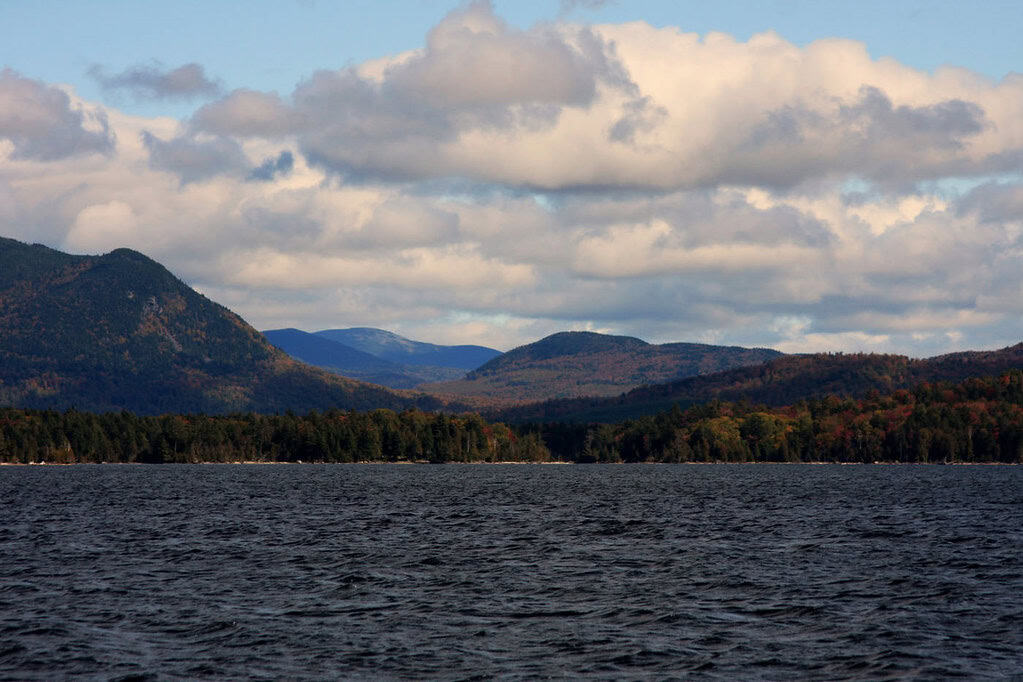
The Moosehead Lake region in northwestern Maine represents the state’s premier destination for moose watching. As the largest lake in Maine, Moosehead and its surrounding forests support an estimated 60,000+ moose, the highest concentration in the lower 48 states. The best viewing opportunities occur during early morning or evening hours when moose frequently visit shallow ponds and marshy areas to feed. Prime locations include the aptly named “Moose Alley” (Route 201 between The Forks and Jackman) and the roads around Kokadjo, particularly in spring and early summer.
Guided moose safaris offer the highest probability of sightings, with experienced guides knowing precisely where these magnificent animals gather. May through July presents peak viewing times, especially during the mating season when bulls are more active. Besides moose, this region supports abundant black bears, white-tailed deer, bobcats, and various bird species. Visitors should maintain safe distances from all wildlife, particularly moose, which can be unpredictable and potentially dangerous despite their seemingly docile appearance. Bring binoculars and a camera with a telephoto lens for the best wildlife viewing experience.
Scarborough Marsh: Birder’s Paradise
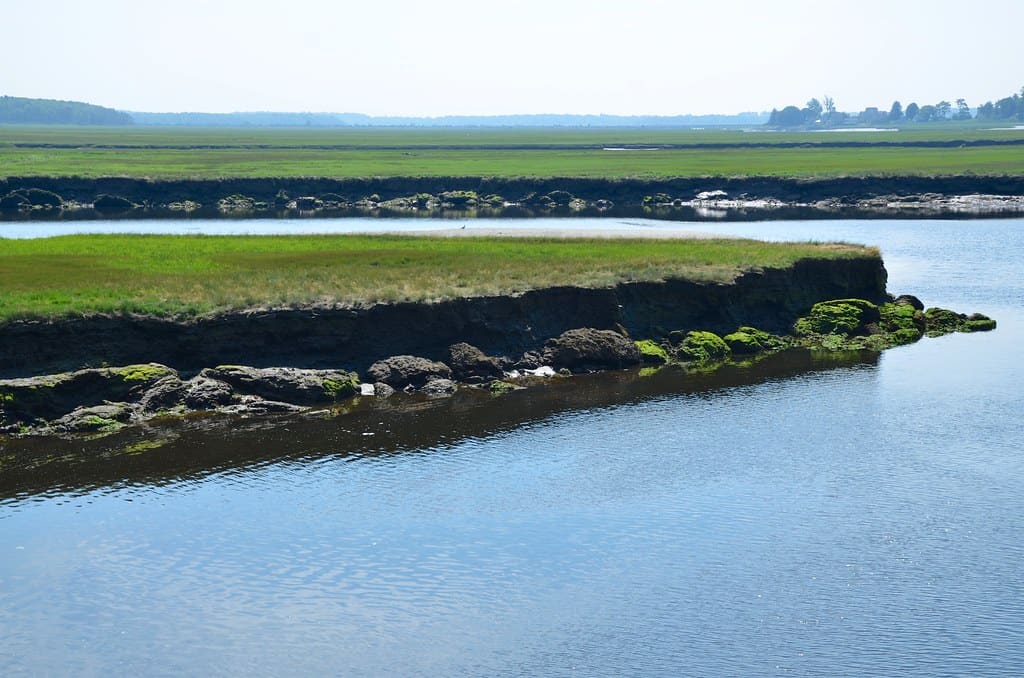
Scarborough Marsh, Maine’s largest salt marsh ecosystem at 3,100 acres, serves as a critical stopover for migratory birds and provides essential habitat for resident species. This rich ecosystem, managed by the Maine Department of Inland Fisheries and Wildlife, offers exceptional birding opportunities with over 260 species recorded. Spring and fall migrations bring spectacular diversity, while summer residents include glossy ibis, snowy egrets, great blue herons, and saltmarsh sparrows. The marsh’s accessible nature trail system and observation platforms make wildlife viewing accessible for visitors of all abilities.
The Maine Audubon Nature Center at Scarborough Marsh offers canoe and kayak rentals from May through September, providing a unique perspective for wildlife watching from the water. These quiet watercraft allow visitors to glide through the marsh channels, observing feeding herons, nesting ospreys, and muskrats without disturbing natural behaviors. Early morning hours typically provide the best viewing opportunities when birds are most active and before crowds arrive. For a truly memorable experience, visit during mid-May through June when breeding activity peaks and young birds begin to appear.
Allagash Wilderness Waterway: Remote Wildlife Encounters

The Allagash Wilderness Waterway offers one of Maine’s most remote and pristine wildlife watching experiences across its 92-mile stretch of connected lakes, ponds, rivers, and streams. This protected corridor through northern Maine’s vast forests provides opportunities to observe wildlife that rarely encounter humans. Moose sightings are common along the waterway, particularly at dawn and dusk when they feed in shallow waters. The region also supports healthy populations of black bears, river otters, beavers, and the elusive Canada lynx, though the latter requires considerable luck to spot.
Birdwatchers will appreciate the diversity of species, including bald eagles, osprey, common loons, and various warblers that thrive in this undisturbed habitat. The waterway’s remoteness means wildlife behaves more naturally without the pressure of heavy human presence. Canoe or kayak travel provides the optimal wildlife viewing platform, allowing quiet approaches and access to areas inaccessible by foot. Multi-day paddling trips offer the best chances for significant wildlife encounters, though day visitors can still experience remarkable sightings. Proper preparation is essential due to the waterway’s remoteness, including wilderness camping skills and appropriate safety equipment.
Aroostook National Wildlife Refuge: Northern Forest Species
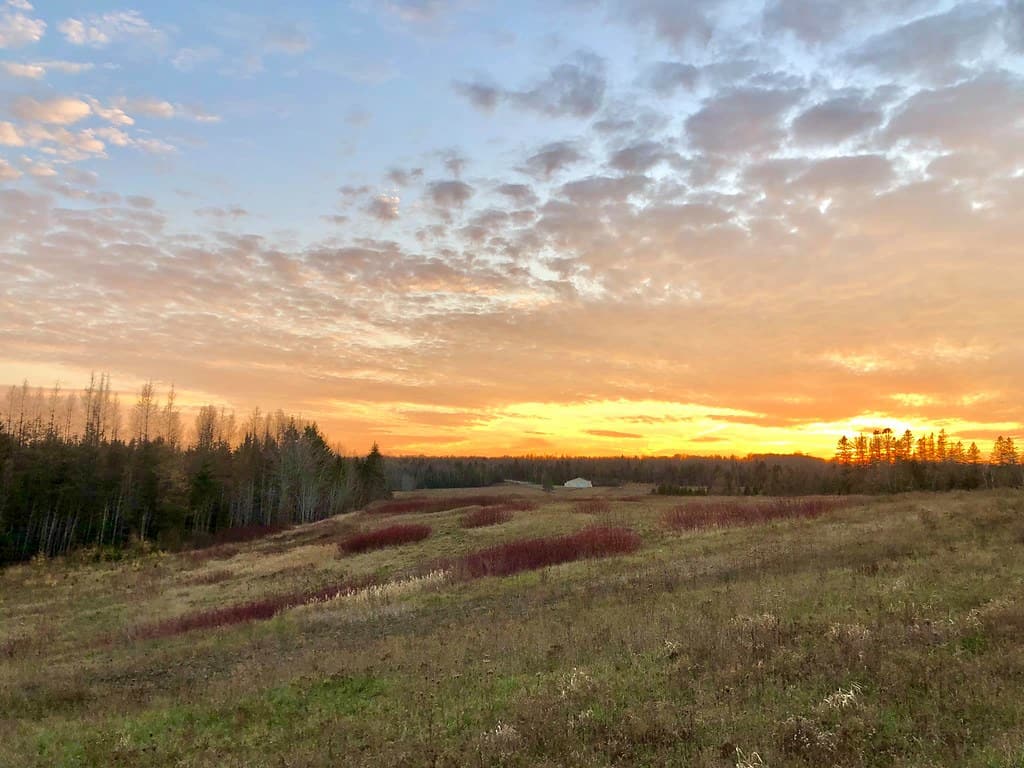
Established on part of the former Loring Air Force Base, the Aroostook National Wildlife Refuge protects 5,000+ acres of diverse habitats in Maine’s northernmost county. This unique location supports wildlife typical of northern forest ecosystems, including moose, black bears, snowshoe hares, and numerous bird species. The refuge’s mix of forests, wetlands, and grasslands creates ideal conditions for observing wildlife transitions between different habitat types. The Refuge’s developed trail system, including the 1.4-mile Old Radar Road and the Beaver Pond Trail, offers accessible wildlife viewing opportunities for visitors of all experience levels.
Birdwatchers find particular value in this location, as it hosts both year-round residents and seasonal visitors, including boreal specialists like black-backed woodpeckers, boreal chickadees, and spruce grouse. Spring migration brings warblers and other songbirds, while winter creates opportunities to spot snowy owls and northern visitors like common redpolls. The refuge’s visitor center provides updated information on recent wildlife sightings and seasonal highlights. For photographers, several wildlife observation blinds positioned strategically throughout the refuge allow for unobtrusive documentation of natural behaviors. The best viewing times typically occur early morning and late afternoon, with weekday visits generally offering more solitude than weekends.
Rachel Carson National Wildlife Refuge: Coastal Ecosystem Diversity
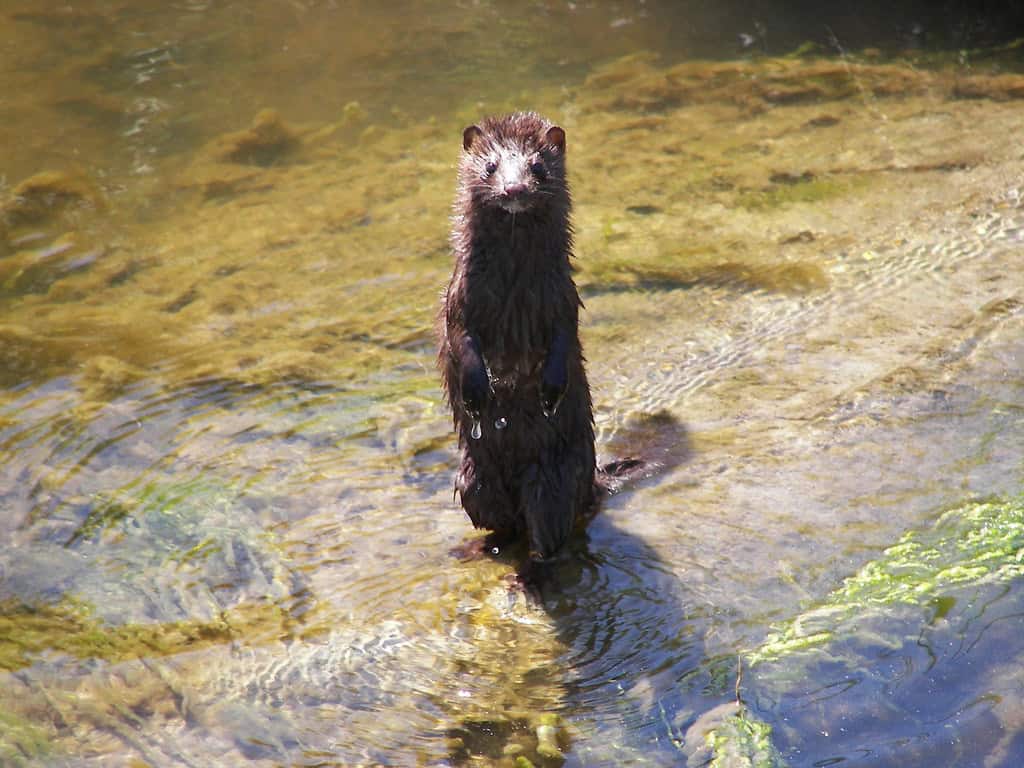
The Rachel Carson National Wildlife Refuge extends along 50 miles of Maine’s southern coastline, encompassing diverse habitats from salt marshes and estuaries to forested uplands. Named after the pioneering environmentalist and author, this refuge protects critical migration stopover points and breeding habitats. The refuge’s multiple units provide distinctive wildlife viewing opportunities, with the Carson Trail (Wells) and Timber Point Trail (Biddeford) offering particularly accessible viewing opportunities. Shorebirds dominate during migration periods, with impressive concentrations of sandpipers, plovers, and other coastal species gathering to feed on rich tidal flats.
The refuge supports remarkable diversity beyond birds, including white-tailed deer, foxes, river otters, and the occasional fisher. Salt marsh edges provide excellent opportunities to observe wildlife transitions between different ecosystems. For a less-crowded experience, visit the Moody and Biddeford Pool divisions of the refuge, which receive fewer visitors than the Wells headquarters area. Spring and fall migrations offer peak diversity, while summer brings breeding birds including the threatened piping plover. Winter creates opportunities to observe hardy year-round residents and northern visitors like snowy owls, which occasionally appear along coastal areas. The refuge’s salt pannes and tidal creeks provide essential habitats for specialized species that have adapted to the dynamic coastal environment.
Baxter State Park: Wilderness Wildlife Watching

Baxter State Park, encompassing more than 200,000 acres of protected wilderness in north-central Maine, provides exceptional wildlife viewing opportunities in a setting largely untouched by development. The park’s diverse habitats, ranging from lowland forests and ponds to alpine zones on Mount Katahdin, support varied wildlife communities. Moose sightings are frequent near ponds and wetlands, particularly along the park’s road system early and late in the day. Black bears, though typically elusive, maintain healthy populations throughout the park, while smaller mammals like martens, fishers, and snowshoe hares appear regularly to observant visitors.
The park’s remote backcountry areas offer opportunities for encountering species that prefer minimal human contact, including the Canada lynx. Over 200 bird species have been recorded in the park, with notable residents including boreal chickadees, gray jays, black-backed woodpeckers, and spruce grouse in coniferous forests. Higher elevations support specialized alpine species during summer months. The park’s strict regulations maintain its wilderness character, creating conditions where wildlife behavior remains relatively natural. Sandy Stream Pond represents one of the park’s premier wildlife viewing locations, with early morning visitors frequently rewarded with multiple moose sightings in a spectacular setting. For serious wildlife watchers, the park’s remote campgrounds provide multi-day immersion in this remarkable ecosystem.
Cobscook Bay: Marine Wildlife and Shorebirds
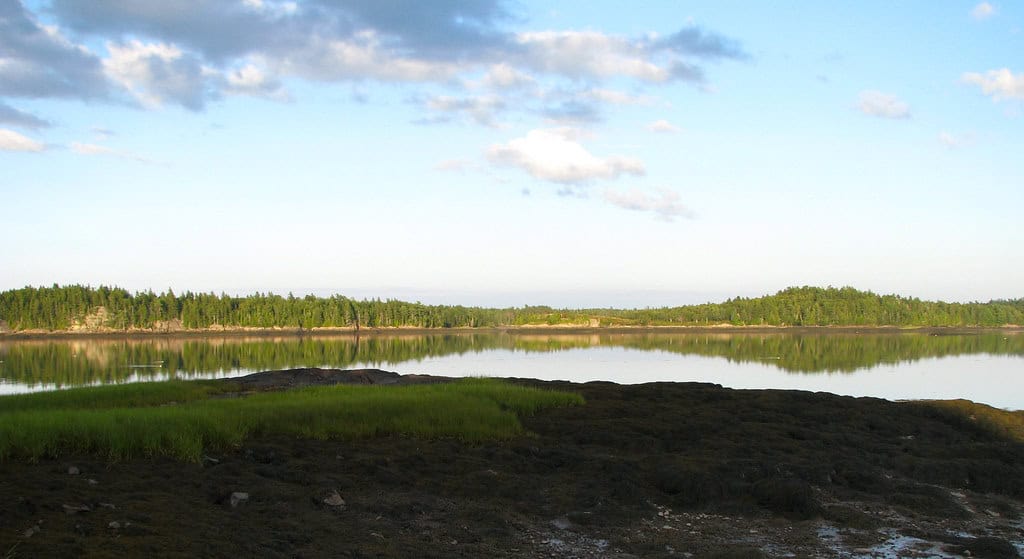
Cobscook Bay in Maine’s easternmost region features dramatic 24-foot tides that create one of North America’s most productive marine ecosystems. This nutrient-rich environment supports abundant wildlife both above and below the water. Cobscook Bay State Park and the Moosehorn National Wildlife Refuge provide excellent access points for wildlife observation along the bay’s complex shoreline. Bald eagles maintain their highest concentration in the eastern United States here, with numerous nesting pairs visible year-round. Harbor seals frequently haul out on exposed ledges during low tide, while porpoises feed in deeper channels during higher water.
The extensive mudflats exposed during low tide attract thousands of shorebirds during spring and fall migrations, with species like semipalmated sandpipers, black-bellied plovers, and yellowlegs feeding intensively on invertebrates. The bay’s surrounding forests and wetlands support land mammals including moose, black bears, bobcats, and river otters. For optimal viewing experiences, time visits around low tide for shorebirds and seals, or high tide for marine mammals. The region’s relatively remote location means wildlife experiences often come without crowds, even during peak summer months. Local guides offer specialized boat tours focusing on marine wildlife, providing access to otherwise inaccessible viewing opportunities in this remarkable ecosystem.
Kennebunk Plains: Rare Grassland Species

The Kennebunk Plains represent one of Maine’s largest remaining native grassland ecosystems, providing critical habitat for species that have declined throughout the Northeast due to habitat loss. This 1,500-acre preserve, managed by The Nature Conservancy and Maine Department of Inland Fisheries and Wildlife, supports the state’s largest population of the endangered grasshopper sparrow and provides habitat for other grassland specialists. The plains burst with colorful wildflowers from July through September, attracting numerous butterflies and other pollinators that support the ecosystem’s food web.
Unlike most wildlife viewing locations in Maine, midday hours can prove productive here as grassland birds remain active throughout the day. Beyond rare grassland birds, visitors may encounter meadowlarks, bobolinks, upland sandpipers, and various sparrow species. The open landscape also provides opportunities to observe hunting northern harriers (marsh hawks) and occasional American kestrels. Mammals including white-tailed deer, red foxes, and coyotes utilize the habitat, particularly in early morning and evening hours. A system of mowed paths provides access while protecting sensitive habitat. August typically offers the best combination of blooming wildflowers and active bird populations, though spring migration brings additional species moving through the area.
Machias Seal Island: Atlantic Puffin Colony

Machias Seal Island, located about 10 miles offshore from Cutler, Maine, hosts the largest Atlantic puffin colony in the middle Atlantic region, with approximately 5,000-6,000 breeding pairs. This unique destination offers wildlife enthusiasts the rare opportunity to observe these charismatic seabirds up close during their breeding season from mid-May through August. The island also supports significant populations of other seabirds, including razorbills, common murres, Arctic terns, and common terns, creating a remarkable concentrated seabird community. Despite territorial disputes between the United States and Canada over the island, both countries cooperate on seabird conservation efforts.
Access to the island requires booking passage on one of the limited authorized tour boats departing from either Cutler, Maine or Grand Manan, New Brunswick. These tours include time in observation blinds that provide intimate, unobtrusive viewing of puffins and other seabirds at minimal disturbance distances. Weather conditions can affect landing possibilities, so flexibility in scheduling is advisable. The peak viewing period occurs in June and July when adult birds actively feed chicks, creating constant activity around the colony. Beyond seabirds, the boat journey frequently provides opportunities to observe harbor seals, gray seals, porpoises, and occasionally whales. Advance reservations are essential as trips to the island fill quickly, often booking completely many months ahead.
Grafton Notch State Park: Mountain Wildlife
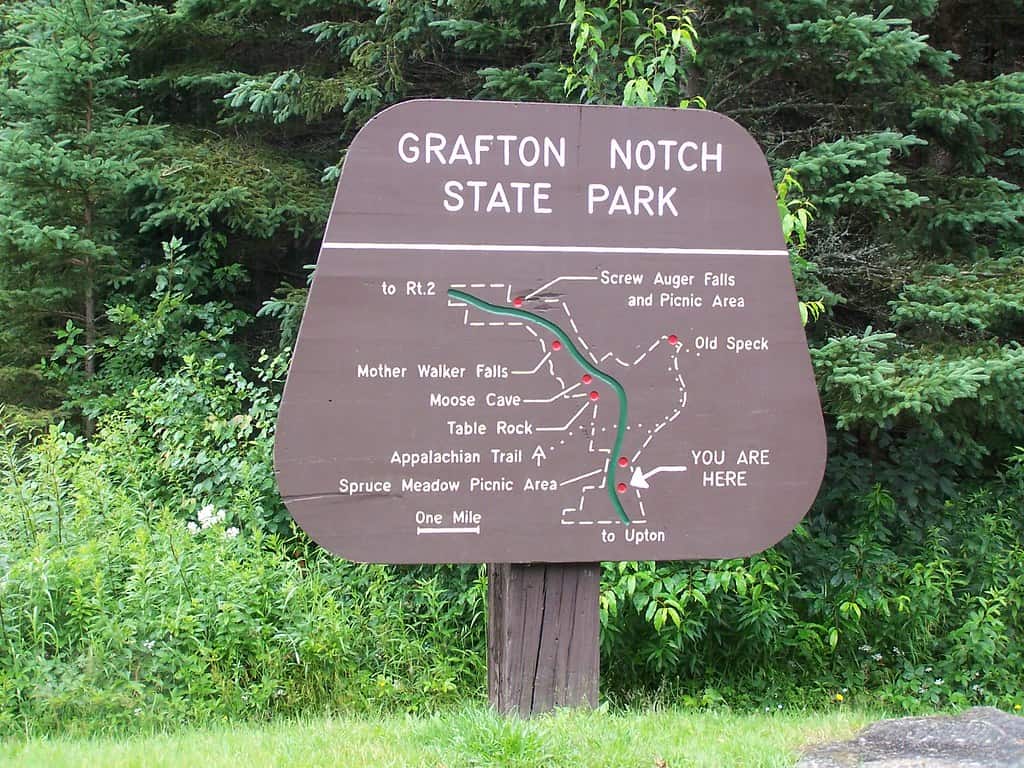
Grafton Notch State Park, located in Maine’s western mountains near the New Hampshire border, offers exceptional wildlife viewing opportunities in a dramatic mountain landscape. The park’s diverse elevations and habitats support species typical of northern mountain ecosystems, including moose, black bears, and white-tailed deer. The Appalachian Trail passes through the park, providing well-maintained hiking paths that access various ecosystems and potential wildlife viewing areas. Bear Mountain and Baldpate Mountain trails offer higher-elevation perspectives where hikers occasionally spot peregrine falcons and other raptors riding thermals along ridgelines.
The park’s numerous streams and waterfalls create microhabitats that support specialized species, particularly amphibians and aquatic insects that form crucial components of the food web. Early morning hikers on trails like Old Speck Mountain or the Eyebrow Loop may encounter wildlife before human activity increases later in the day. Fall brings spectacular foliage and increased wildlife activity as animals prepare for winter. Winter transforms the park into excellent habitat for tracking wildlife, with snow preserving evidence of animal movements that might otherwise go unnoticed. Look for tracks of martens, fishers, snowshoe hares, and other northern forest specialists along less-traveled winter trails. The park’s western location means it typically receives fewer visitors than coastal destinations, creating more intimate wildlife viewing possibilities.
Merrymeeting Bay: Waterfowl Spectacle

Merrymeeting Bay, located where six rivers converge to form an inland delta, represents a globally significant waterfowl habitat unlike any other ecosystem in Maine. This 9,600-acre confluence of fresh and brackish water creates extensive beds of wild rice and other aquatic plants that attract remarkable concentrations of migratory birds. During fall migration, tens of thousands of ducks, geese, and other waterfowl gather to feed before continuing southward. The bay supports one of the largest concentrations of American black ducks in the United States, along with significant numbers of mallards, green-winged teal, ring-necked ducks, common mergansers, and Canada geese.
Spring migration brings different species compositions, including beautiful wood ducks and blue-winged teal. Beyond waterfowl, the bay supports bald eagles, ospreys, and various hawks that hunt along its productive shorelines. The most accessible viewing opportunities come from several public boat launches, particularly at Bowdoinham and Bath. Kayaking provides excellent wildlife observation opportunities, though paddlers should be aware of potentially challenging conditions when winds create waves on this large, open water body. For land-based viewing, the Cathance River Nature Preserve and the Bath portion of the Whiskeag Trail offer overlooks of portions of the bay. October typically provides peak waterfowl concentrations, though impressive numbers appear from September through November and again in April during spring migration.
Planning Your Maine Wildlife Watching Adventure
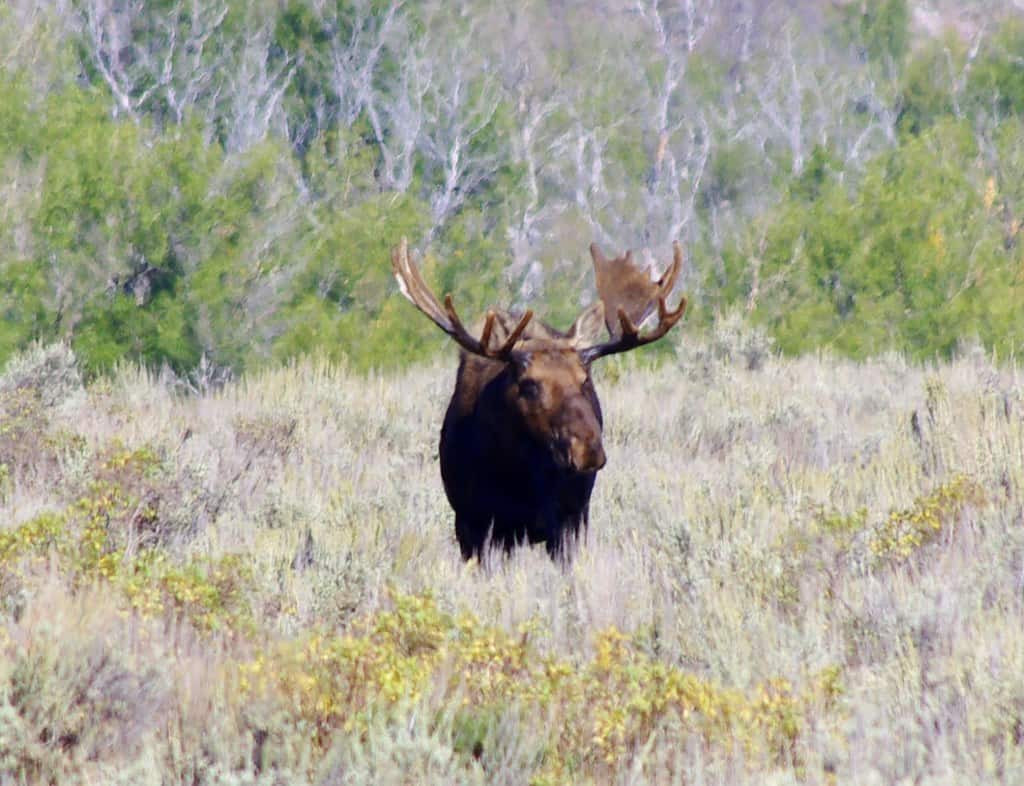
Planning a wildlife watching adventure in Maine begins with choosing the right time of year. Spring and summer are ideal for spotting nesting birds, moose calves, and vibrant forest life, while fall offers dramatic foliage and migrating species. Begin by researching the regions that match your interests—coastal areas like Acadia National Park are perfect for seabirds and seals, while inland spots like Baxter State Park offer moose, black bears, and loons. Make a list of your target species and learn their habits, preferred habitats, and peak activity times. Booking accommodations in advance is crucial, especially in popular seasons. Opt for eco-friendly lodges or campgrounds to stay close to nature. Always check the weather forecast and pack appropriate gear such as binoculars, waterproof clothing, insect repellent, and wildlife field guides. Maine’s terrain can be rugged, so good hiking boots and physical preparedness are a must. Permits may be required for certain areas—consult the Maine Department of Inland Fisheries and Wildlife website for updates. Lastly, set realistic expectations; the joy is in the journey, not just the sightings.
To enhance your adventure, consider hiring a local naturalist or guide who can provide insights into animal behavior, identify subtle signs of wildlife presence, and help you access hidden observation spots. Guided tours also often follow low-impact practices, minimizing disturbance to sensitive ecosystems. Be mindful of ethical wildlife watching—keep a respectful distance, never feed animals, and avoid disrupting their routines. Early mornings and evenings are prime times for activity, so plan your excursions accordingly. Keep a journal or app to document sightings, notes, and photographs, creating a meaningful record of your journey. In addition to mammals and birds, Maine is rich in amphibians, reptiles, and rare plants—diversify your observation goals. Bring along a small trash bag to help keep wild spaces clean. If traveling with children, incorporate interactive elements like scavenger hunts or species checklists to keep them engaged. Remember that patience and silence are your best tools. With thoughtful preparation and a spirit of respect, your Maine wildlife watching adventure can become an unforgettable, enriching experience.
Conclusion

Maine’s diverse landscapes—from its rugged coastlines to dense boreal forests—offer some of the most rewarding wildlife watching opportunities in the eastern United States. Whether you’re scanning tidal pools for seals in Acadia National Park, quietly paddling through a remote pond in search of moose, or watching puffins nest on offshore islands, the state provides a rich and varied natural stage. Each region has its own unique offerings, and visiting multiple areas allows you to witness the breadth of Maine’s ecological beauty. With a bit of planning, patience, and a respectful approach to nature, even casual observers can enjoy unforgettable encounters with the state’s abundant wildlife.
Ultimately, the best wildlife watching in Maine is about more than just spotting animals—it’s about connecting with nature in a deeper, more mindful way. The stillness of an early morning hike, the call of a loon across a quiet lake, or the flash of wings in the trees all contribute to the magic of the experience. Maine encourages visitors to slow down, look closely, and appreciate the rhythms of the natural world. As more travelers seek meaningful, sustainable outdoor experiences, Maine’s wild spaces offer a perfect setting. Whether you’re a seasoned naturalist or a curious beginner, the Pine Tree State welcomes you with open skies, wild woods, and the promise of discovery around every corner.

From exploring the marine wonders in the Azores and witnessing the vast savannas of Kenya, to delving deep into the rich biodiversity of South Africa and traversing iconic landscapes in Australia and the US like Yellowstone, Chris's experiences are vast.
With a penchant for diving alongside sharks, the ocean holds a special place in his heart.
Through his academic insights, he champions wildlife conservation, striving with 'Animals Around The Globe' to cultivate a profound connection between humans and animals, enhancing our mutual appreciation.
Connect with him at Feedback@animalsaroundtheglobe.com.