

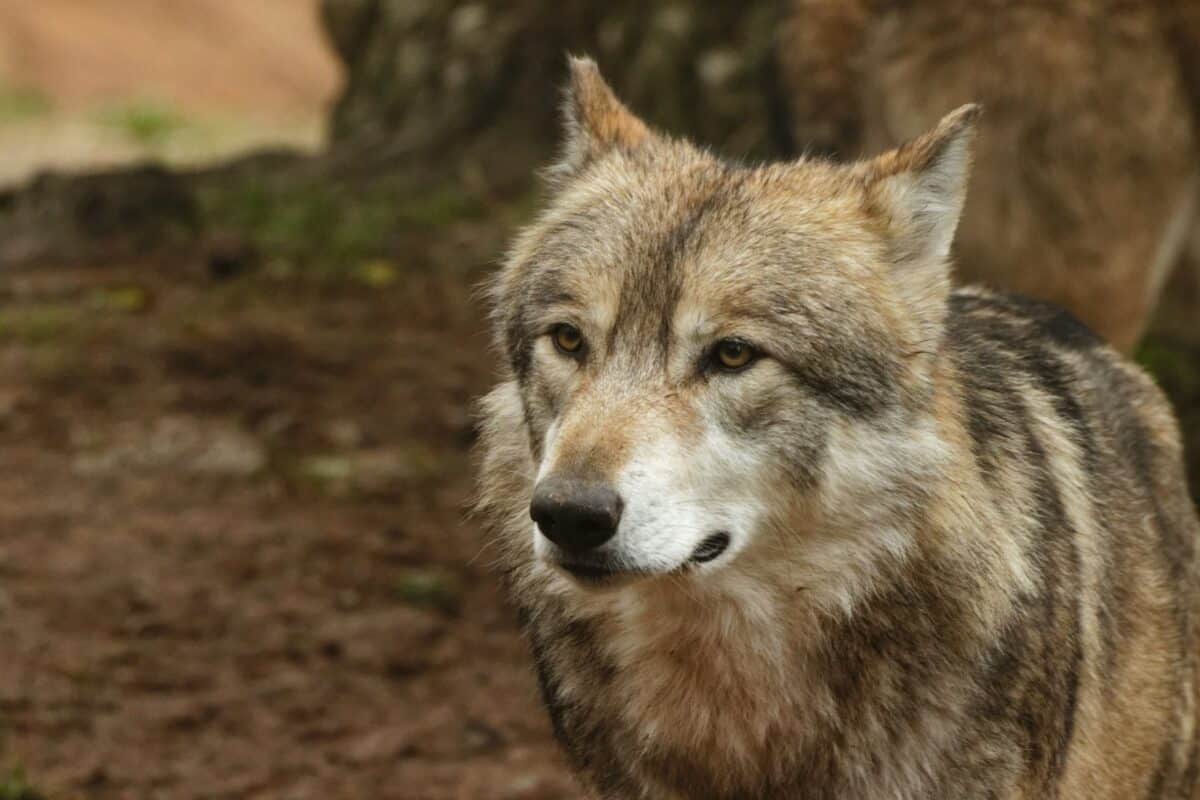
In the heart of Alaska’s capital city, where towering glaciers meet urban sprawl, an extraordinary drama unfolds daily. The wolves of Juneau have crossed an invisible line that most wild predators respect – they’ve moved into the neighborhood. These aren’t your typical wilderness wolves hiding in remote forests; these are bold, intelligent animals that have learned to navigate city streets, suburban backyards, and even school playgrounds with unsettling confidence.
What makes Juneau’s wolf situation particularly fascinating is how these apex predators have adapted to life alongside humans in ways that wildlife biologists never anticipated. The city’s unique geography, nestled between the Gastineau Channel and the Juneau Icefield, creates a natural corridor that funnels wildlife directly into residential areas. Unlike other Alaskan cities where wolves maintain a respectful distance, Juneau’s pack has essentially integrated itself into the urban ecosystem, creating both wonder and genuine concern among residents.
The Mendenhall Pack: Juneau’s Urban Pioneers
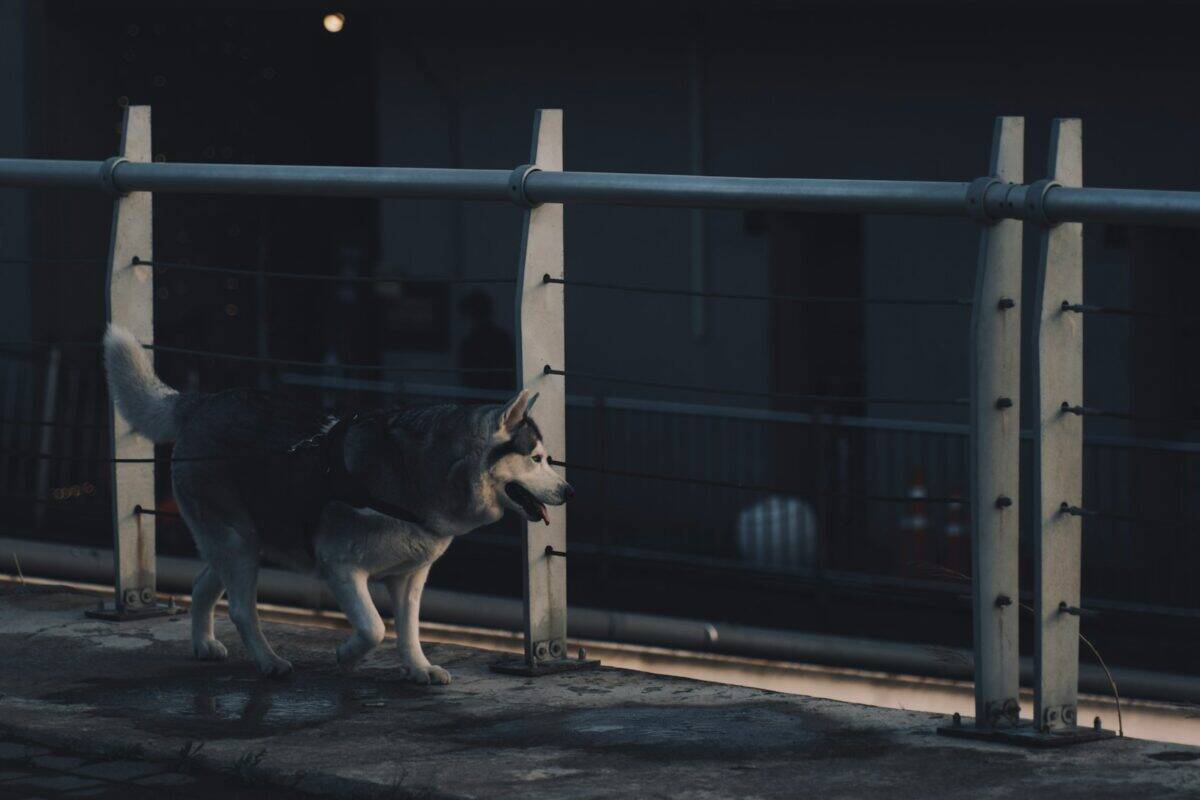
The Mendenhall wolf pack, named after the famous glacier that looms over Juneau, represents one of the most studied urban wolf populations in North America. This pack has been living in and around Juneau for over a decade, with some individual wolves becoming local celebrities. The pack typically consists of 6-8 members, though numbers fluctuate based on seasonal births and territorial disputes.
What sets the Mendenhall pack apart is their remarkable adaptability to human presence. These wolves have learned to use city infrastructure to their advantage, following snowplow routes in winter and utilizing storm drains as travel corridors. Their territory spans roughly 30 square miles, encompassing both wilderness areas and densely populated neighborhoods.
The alpha pair of this pack has shown particular boldness, often leading the group through residential areas during daylight hours. Wildlife cameras have captured them resting in suburban driveways, drinking from ornamental ponds, and even investigating children’s playground equipment with curious intensity.
When Predators Become Neighbors: Daily Encounters
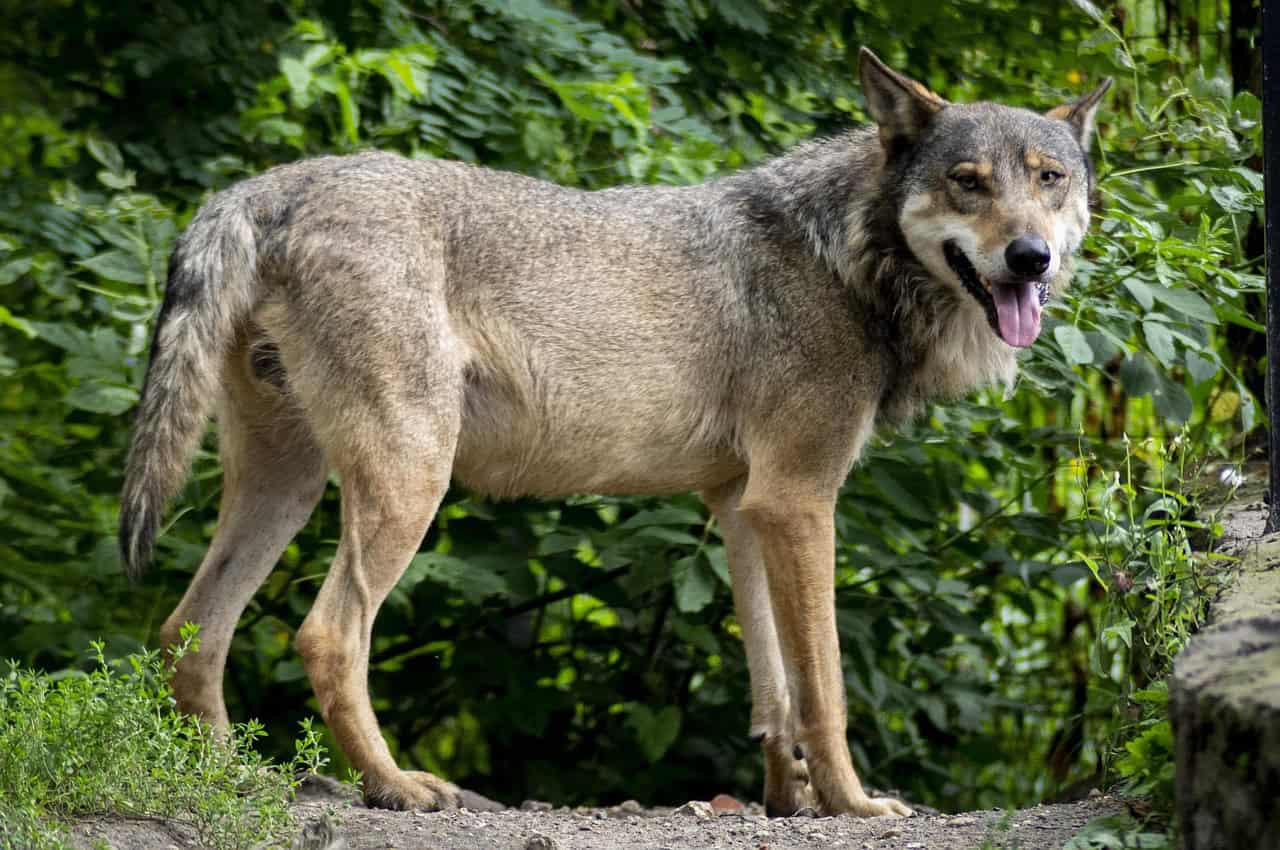
Juneau residents have developed an almost surreal relationship with their wolf neighbors, where morning coffee might be accompanied by the sight of a wolf pack trotting down the street. Local social media groups buzz with wolf sightings, creating an informal but effective early warning system for the community. Parents check wolf tracker apps before letting children play outside, a routine that would seem absurd in most cities.
The wolves have shown remarkable pattern recognition, learning school schedules and adapting their movements accordingly. They’ve been observed waiting patiently for school buses to pass before crossing streets, demonstrating an intelligence that both impresses and unnerves wildlife experts. Some residents report seeing the same individual wolves repeatedly, suggesting these animals have developed specific routes and schedules that coincide with human activities.
Perhaps most striking is how the wolves have learned to exploit human behavior. They’ve discovered that garbage collection days provide easy scavenging opportunities, and some have learned to open unsecured car doors to access food left inside. This level of problem-solving ability represents a significant evolutionary adaptation to urban living.
The Geography of Conflict: Why Juneau Is Different

Juneau’s unique topography creates a perfect storm for human-wolf interactions. The city is essentially trapped between the Gastineau Channel and the towering peaks of the Coast Mountains, with limited expansion options. This geographic constraint forces wildlife and humans to share the same narrow corridor of habitable land. The Mendenhall Wetlands, a crucial habitat for the wolves, sits directly adjacent to some of the city’s most populated neighborhoods.
The absence of roads connecting Juneau to the outside world means that wildlife populations are essentially trapped in the same geographic bowl as the city’s 32,000 residents. This creates an island ecosystem where predators and prey must adapt to human presence or perish. The wolves have clearly chosen adaptation, developing behaviors that would be impossible in more connected wilderness areas.
Climate change has further complicated this geographic squeeze. As glaciers retreat and weather patterns shift, traditional hunting grounds have become less reliable, pushing wolves to explore new territories that increasingly overlap with human development. The city’s location at sea level also means that wolves can access residential areas year-round, unlike mountain communities where deep snow creates natural barriers.
Behavioral Adaptations: Learning to Live with Humans
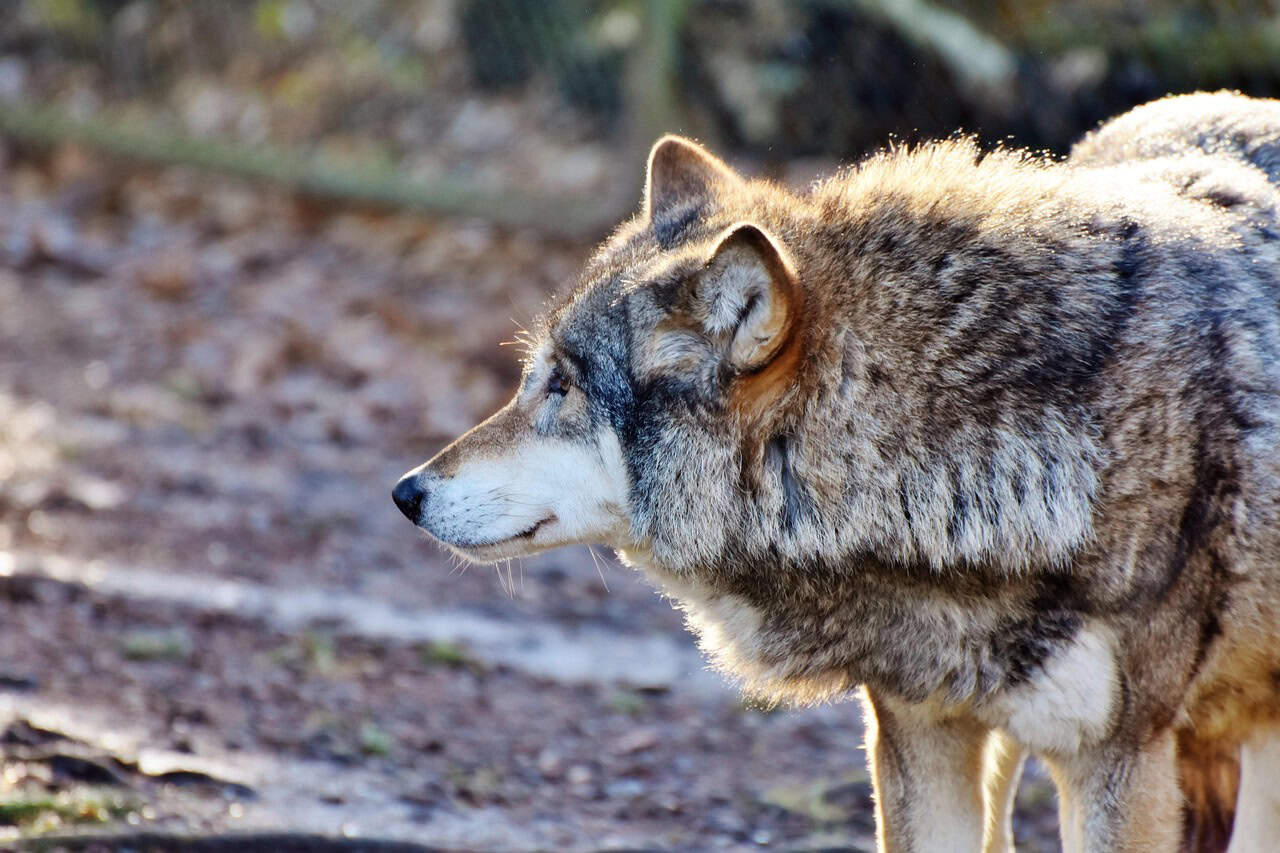
The Mendenhall pack has developed a sophisticated understanding of human behavior that borders on the uncanny. They’ve learned to differentiate between threatening and non-threatening human activities, often showing little fear of joggers, dog walkers, or children playing in yards. However, they maintain a healthy respect for vehicles and loud noises, suggesting they’ve developed nuanced threat assessment skills.
One of the most remarkable adaptations is their use of human-created sound cues. The wolves have learned to associate certain noises with food opportunities – garbage trucks signal scavenging time, school bells indicate when children will be indoors, and even the sound of BBQ grills being lit has been observed to draw wolf attention. This acoustic literacy represents a level of environmental learning typically seen only in the most adaptable species.
The pack has also developed what researchers call “temporal partitioning” – they’ve learned to time their activities to minimize direct confrontation with humans while maximizing access to resources. Early morning and dusk movements through residential areas have become standard practice, taking advantage of low human activity periods while still accessing urban resources.
The Deer Factor: An Abundant Food Source
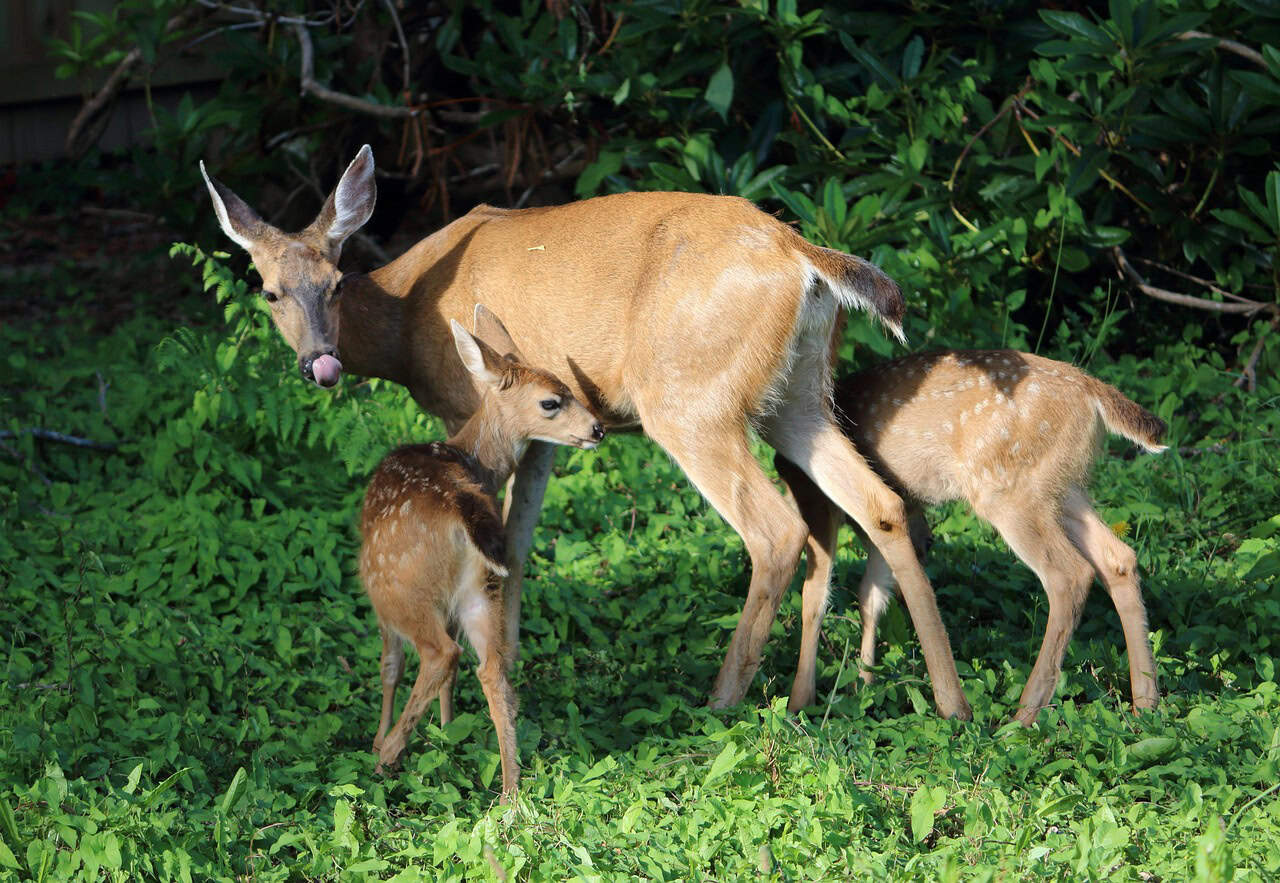
Juneau’s thriving deer population serves as the primary magnet drawing wolves into residential areas. The city’s mild coastal climate and abundant garden vegetation have created ideal conditions for Sitka black-tailed deer, which have become so numerous that they’re considered a nuisance by many residents. These deer have lost much of their natural fear of humans, grazing openly in yards and parks, essentially creating a buffet for opportunistic predators.
The wolves have learned to exploit this urban deer population with remarkable efficiency. They’ve developed hunting strategies specifically adapted to suburban environments, using houses and fences as barriers to funnel deer into ambush positions. Some pack members have been observed coordinating complex hunts that span multiple residential blocks, demonstrating tactical thinking that rivals their wilderness counterparts.
This abundant food source has allowed the Mendenhall pack to maintain larger numbers than would typically be sustainable in purely wild environments. The easy access to prey has also meant that wolves can dedicate more time to territorial expansion and exploration, leading to increased human encounters. The irony is that residents’ complaints about deer damage have created the exact conditions that attract their most effective predator.
Midnight Hunters: Nocturnal Neighborhood Patrols
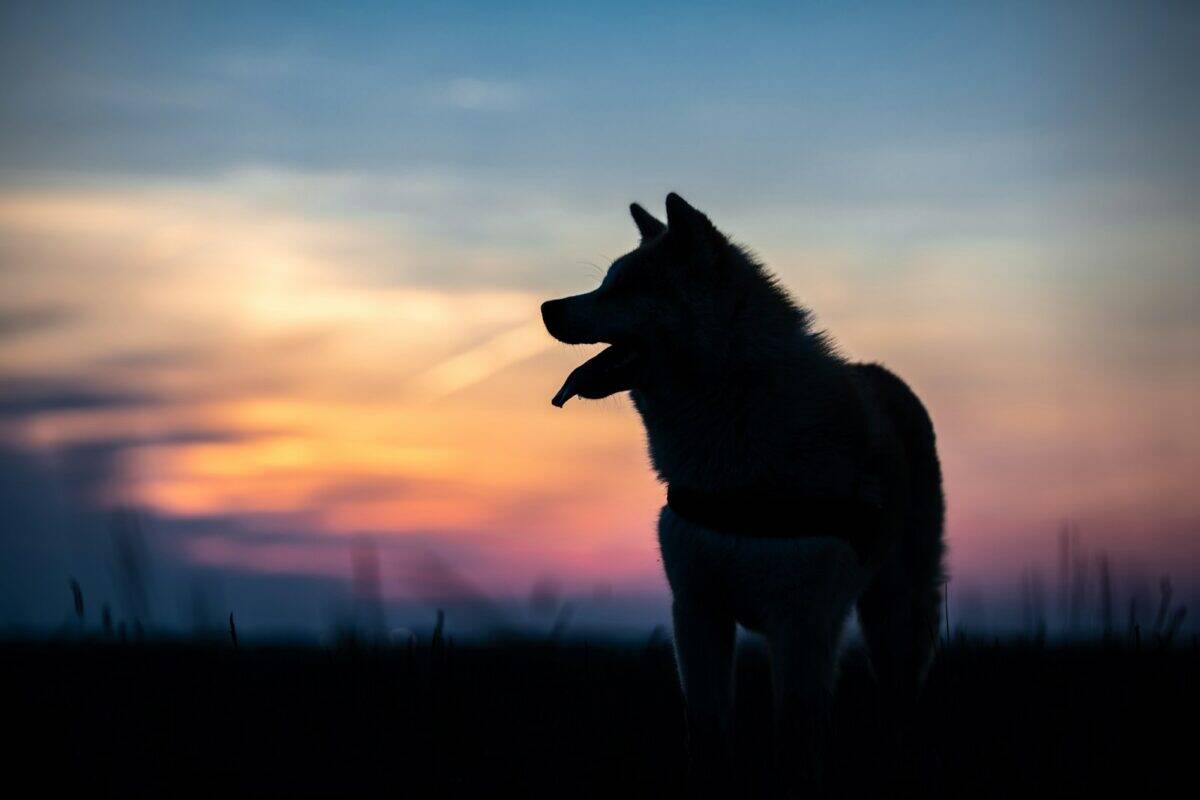
The transformation of Juneau’s neighborhoods after dark reveals the true extent of wolf adaptation to urban living. Security cameras throughout the city capture nightly footage of wolves moving through residential areas with the confidence of longtime residents. These nocturnal patrols have become so routine that wildlife biologists can predict wolf movements with startling accuracy.
The wolves have learned to navigate the city’s infrastructure with remarkable skill. They use sidewalks to avoid wet grass, follow street lights for better visibility, and have even been observed using crosswalks at major intersections. Their ability to move silently through dense neighborhoods while avoiding detection by sleeping residents demonstrates a level of urban sophistication that challenges our understanding of wild animal behavior.
Perhaps most unsettling is how the wolves have learned to exploit the false security that darkness provides humans. They’ve discovered that people are less vigilant at night, making it easier to approach homes undetected. Motion sensor lights trigger so frequently from wolf movement that many residents have simply learned to ignore them, inadvertently providing the wolves with better camouflage for their activities.
School Zone Encounters: When Predators Meet Children

The intersection of wolves and school zones represents one of the most concerning aspects of Juneau’s wildlife situation. Several schools report regular wolf sightings on their grounds, with some installations requiring modified outdoor activities and enhanced security protocols. The wolves seem particularly drawn to playgrounds during off-hours, possibly attracted by the scents and sounds that linger from children’s activities.
Elementary schools have had to implement “wolf protocols” similar to lockdown procedures, teaching children how to respond if they encounter wolves during recess or while walking to school. These protocols include making noise, staying in groups, and never running from wolves – instructions that would seem surreal in most educational settings. Some schools have installed special fencing and enhanced lighting specifically to deter wolf intrusions.
The psychological impact on families cannot be understated. Parents report increased anxiety about letting children play outside, and some families have relocated to areas perceived as safer from wolf encounters. The once-simple act of walking to school has become a calculated risk assessment that fundamentally changes childhood experiences in America’s most pristine state.
Pet Predation: When Wolves Target Domestic Animals

The tragic reality of living alongside apex predators has hit closest to home through the loss of beloved pets. The Mendenhall pack has been responsible for numerous domestic animal deaths, with small dogs being particularly vulnerable. These incidents have created deep emotional trauma for families while highlighting the impossible balance between wildlife conservation and community safety.
Cats face an even greater threat, with several documented cases of wolves entering yards specifically to hunt domestic felines. The wolves have learned to distinguish between pets and humans, showing little fear of approaching homes where small animals are present. This selective predation demonstrates a level of calculated hunting that goes beyond simple opportunism.
The community has responded with various protective measures, from reinforced fencing to escort protocols for pet walks. Some residents have installed motion-activated lights and sound deterrents, though the wolves’ adaptability means these measures provide only temporary relief. The emotional toll of constant vigilance has fundamentally changed how families interact with their pets and their environment.
Human Safety Concerns: The Thin Line Between Coexistence and Conflict
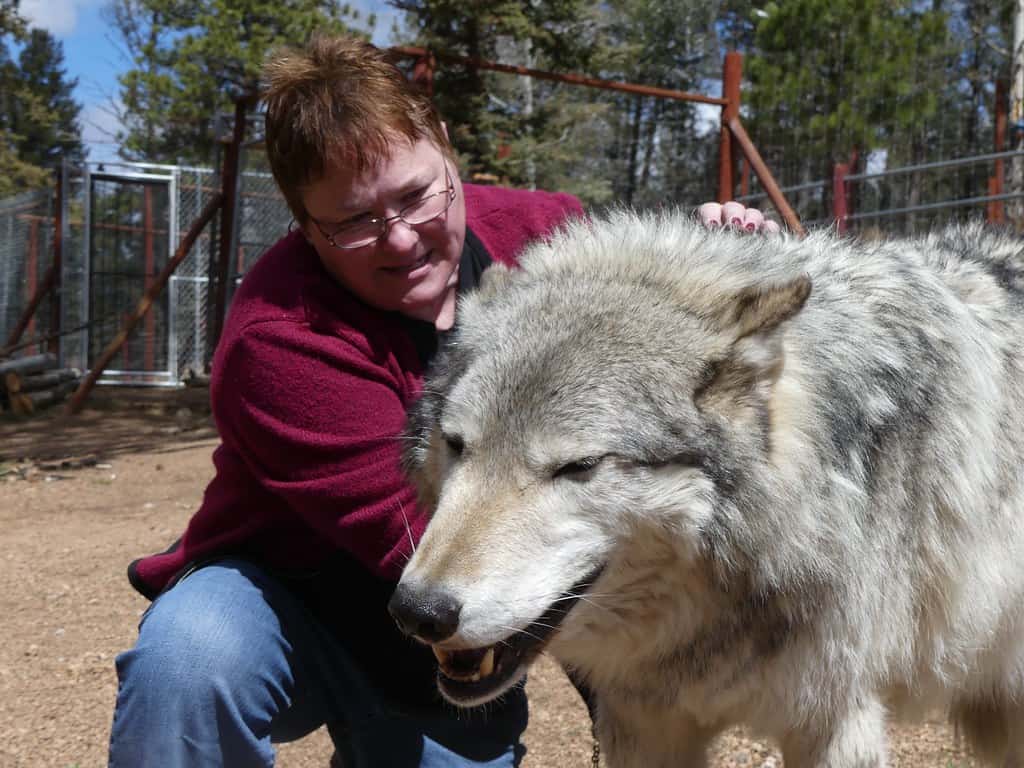
While no fatal wolf attacks have occurred in Juneau, the potential for human injury creates constant underlying tension in the community. The wolves’ increasing boldness has led to several close encounters that could have ended tragically. Wildlife experts warn that the line between curiosity and aggression can be thin when dealing with apex predators that have lost their natural fear of humans.
Several incidents have involved wolves approaching humans who were walking alone, particularly joggers and dog walkers in early morning or evening hours. These encounters typically end with the wolves retreating, but the psychological impact on residents is significant. The knowledge that large predators regularly patrol residential areas has changed how people move through their own neighborhoods.
Emergency response protocols have been developed to address potential wolf attacks, with local hospitals trained to handle bite wounds and infection risks associated with wolf encounters. The fire department maintains specialized equipment for wolf deterrence, and police officers receive regular training on wolf behavior and response techniques. These preparations underscore the serious nature of the threat that has become part of daily life in Alaska’s capital.
Wildlife Management Challenges: Balancing Conservation and Safety

Alaska’s Department of Fish and Game faces an unprecedented challenge in managing the Mendenhall pack. Traditional wildlife management approaches don’t account for wolves that have successfully integrated into urban environments. The agency must balance federal protection laws, public safety concerns, and the ecological value of maintaining a healthy wolf population in a complex political and emotional landscape.
Relocating urban-adapted wolves has proven largely unsuccessful, as these animals often return to familiar territories or struggle to readjust to purely wild environments. The skills they’ve developed for urban living don’t necessarily translate to wilderness survival, creating a management paradox where success in one environment leads to failure in another.
The agency has implemented various deterrent strategies, including noise makers, scent barriers, and habitat modification, but the wolves’ adaptability means these measures require constant updating. Public education campaigns aim to reduce attractants and promote safe behaviors, but enforcement remains challenging when dealing with a community that has developed complex relationships with their wolf neighbors.
The Economics of Fear: Impact on Tourism and Property Values

Juneau’s wolf population has created an unexpected economic dynamic that affects everything from tourism marketing to real estate values. While some visitors are drawn to the city specifically for the chance to see wolves in an urban setting, others are deterred by safety concerns. Tour operators have had to develop new protocols and insurance coverage for wolf encounters, adding complexity to an industry already dealing with climate change impacts.
Property values in areas with frequent wolf activity have shown measurable impacts, with some neighborhoods experiencing decreased demand due to safety concerns. Real estate agents report that wolf activity has become a standard disclosure issue, similar to flood zones or earthquake risks. The cost of wolf-proofing properties – installing specialized fencing, lighting, and security systems – has become a significant homeowner expense.
Local businesses have adapted in various ways, from restaurants modifying outdoor seating areas to delivery services implementing wolf-aware routing. The economic ripple effects demonstrate how wildlife management decisions impact far more than just conservation outcomes. Insurance companies have even begun factoring wolf risk into homeowner policies, treating it as a measurable actuarial concern.
Scientific Research Opportunities: Studying Urban Wolf Behavior
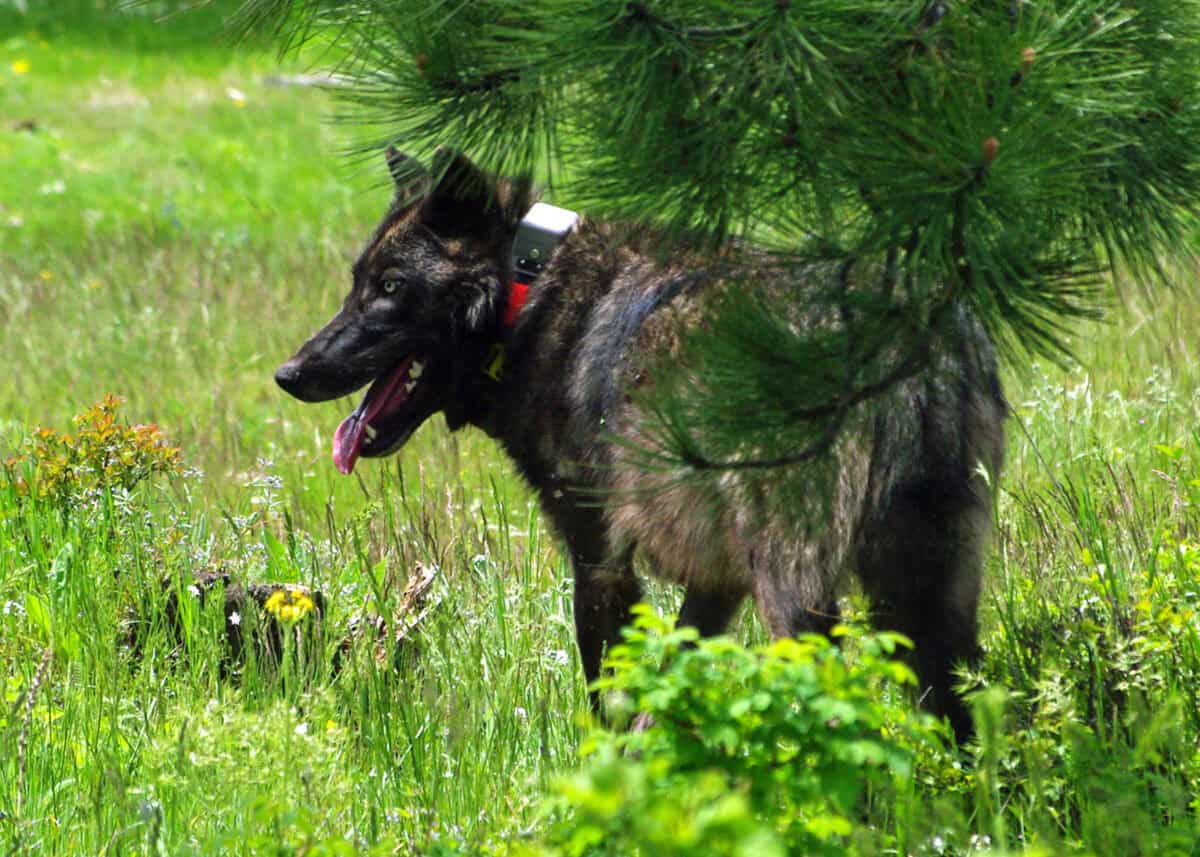
The Mendenhall pack represents a unique laboratory for studying predator adaptation to urban environments. Researchers from universities across North America have established long-term studies tracking everything from pack dynamics to individual wolf personalities. GPS collars and remote cameras provide unprecedented insight into how large predators navigate human-dominated landscapes.
The research has revealed surprising findings about wolf intelligence and adaptability. Individual wolves within the pack show distinct personalities and learning rates, with some members being more adventurous in exploring human environments while others remain more cautious. This personality variation appears to be crucial for pack survival in complex urban settings.
The data collected from Juneau’s wolves is contributing to broader understanding of human-wildlife coexistence worldwide. As urbanization continues to expand into traditional wildlife habitats, the lessons learned from Juneau’s experience may prove invaluable for managing similar situations in other locations. The research has already influenced wildlife management policies in several other North American cities.
Community Response: From Fear to Fascination
Juneau residents have developed a complex relationship with their wolf neighbors that defies simple categorization. While safety concerns remain paramount, many residents express genuine fascination and even pride in sharing their city with such magnificent predators. Social media groups dedicated to wolf tracking and photography have thousands of members, creating a community within the community.
Some residents have become amateur wildlife photographers, documenting wolf behavior and contributing to scientific understanding. These citizen scientists provide valuable data about wolf movements and behavior that would be impossible for professional researchers to collect alone. The quality of some amateur footage has been so exceptional that it’s been used in documentaries and scientific publications.
The generational divide in attitudes toward wolves is particularly interesting. Children who have grown up with wolves as neighbors often show less fear and more acceptance than adults who moved to Juneau expecting a more traditional relationship with wildlife. This suggests that future community dynamics may be shaped by residents who consider urban wolves a normal part of their environment.
Legal and Ethical Considerations: Rights of Wild Animals in Urban Spaces

The presence of wolves in Juneau raises complex questions about the legal status of wild animals in urban environments. Federal protections for wolves conflict with local authority over public safety, creating a legal gray area that has yet to be fully resolved. The rights of property owners to protect their families and pets must be balanced against conservation laws that protect wolves from harassment or harm.
Ethical debates about feeding wolves, either intentionally or inadvertently, have divided the community. Some residents argue that providing food sources helps reduce predatory behavior toward pets, while others maintain that any feeding creates dangerous dependencies and unnaturally bold behavior. These philosophical differences reflect broader questions about human responsibility toward wild animals that have adapted to urban environments.
The international attention focused on Juneau’s wolf situation has added pressure to find solutions that satisfy both conservation goals and human safety needs. Environmental organizations monitor the situation closely, ready to challenge any management decisions they perceive as harmful to wolf populations. This external scrutiny complicates local decision-making and adds political dimensions to what might otherwise be purely practical considerations.
Seasonal Variations: How Weather Affects Wolf Behavior
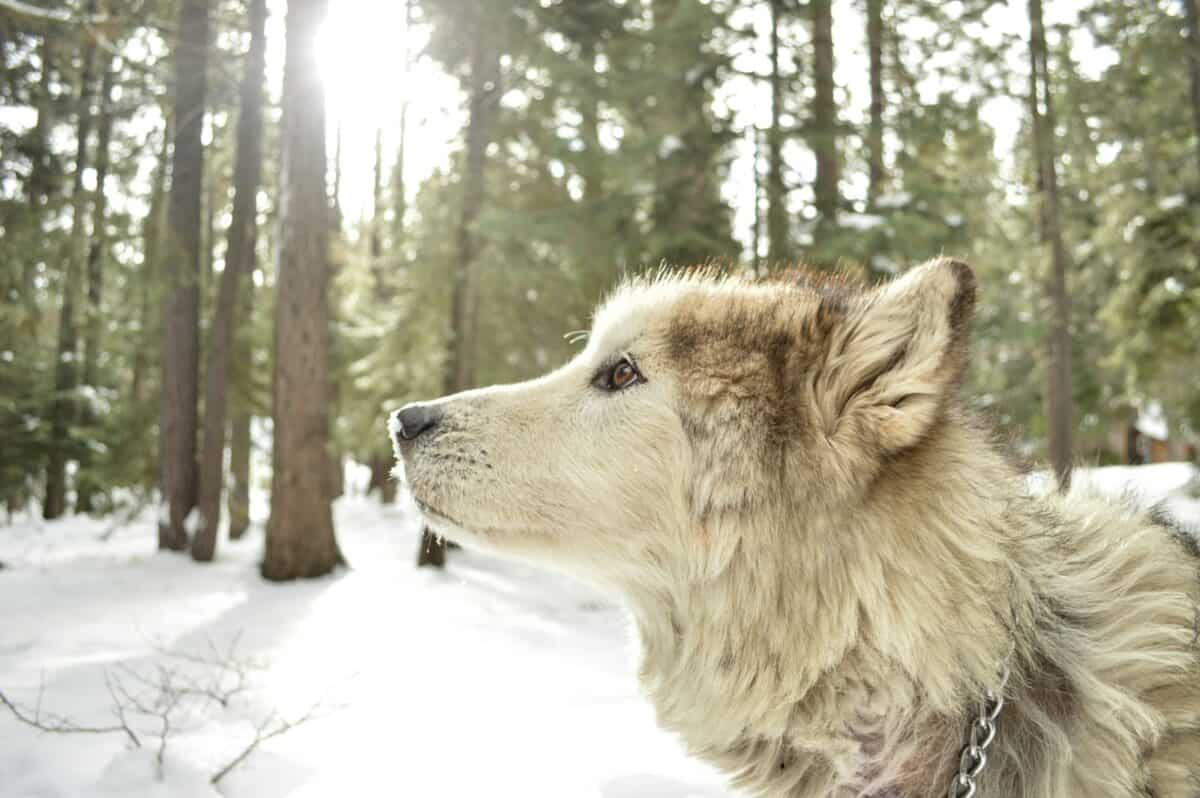
The dramatic seasonal changes in Southeast Alaska create distinct patterns in wolf behavior that residents have learned to anticipate. During harsh winter months, wolves become more aggressive in seeking shelter and food, leading to increased home invasions and pet predation. The pack’s desperation during these periods makes them more dangerous and unpredictable.
Summer brings different challenges as tourist season increases human activity in areas the wolves consider their territory. The wolves must navigate increased boat traffic, hiking activity, and outdoor events while maintaining access to traditional hunting grounds. This seasonal pressure has led to some wolves becoming more nocturnal during summer months, shifting their activity patterns to avoid human contact.
Spring represents the most dangerous time for human-wolf interactions as new pups create additional food pressures for adults. The pack becomes more territorial and protective, leading to more aggressive encounters with humans and pets. Understanding these seasonal patterns has become crucial for community safety planning and wildlife management strategies.
Technology and Tracking: Modern Tools for Ancient Predators
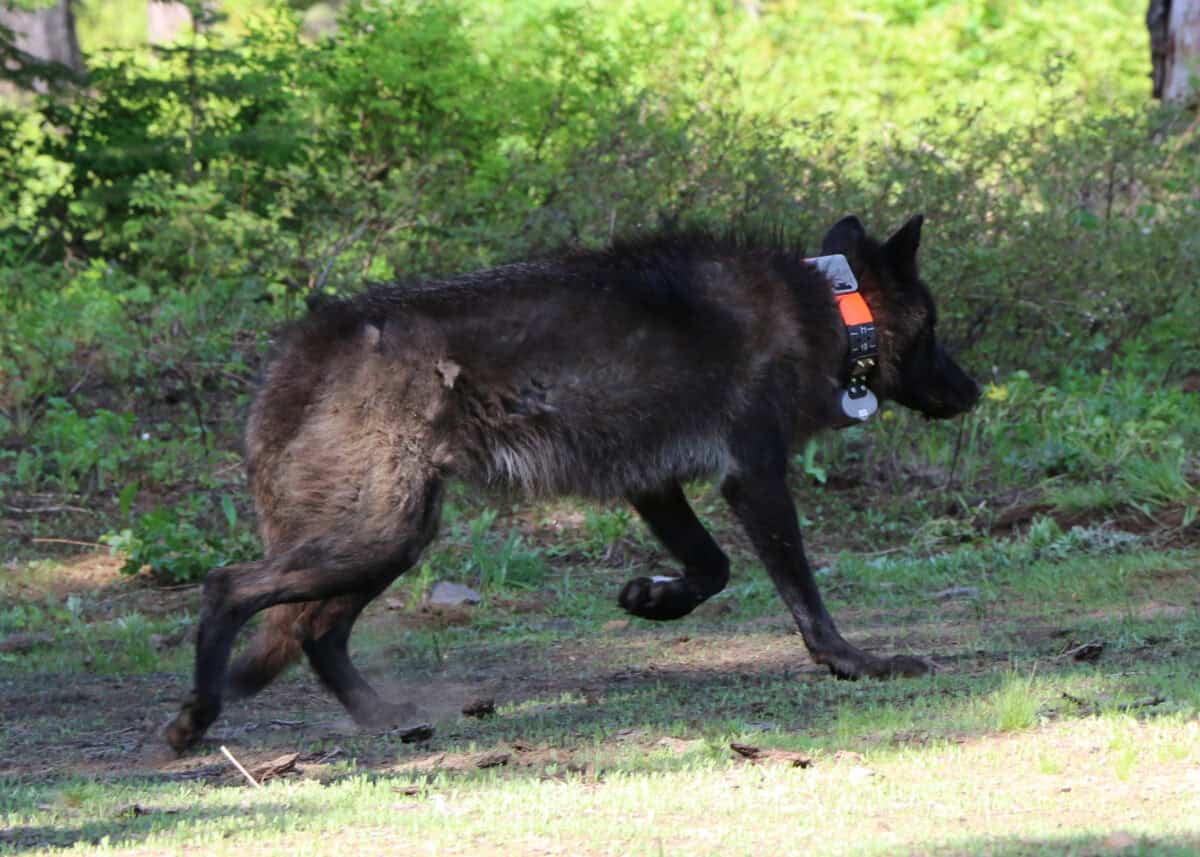
Advanced technology has revolutionized how Juneau manages its wolf population. GPS collars provide real-time location data that helps predict wolf movements and warn residents of potential encounters. Mobile apps allow residents to report sightings and receive alerts when wolves are in their area, creating a community-wide early warning system.
Trail cameras strategically placed throughout the city have captured thousands of hours of wolf footage, revealing behavior patterns that would be impossible to observe directly. This technology has shown that wolves are much more active in residential areas than previously believed, with some individuals making nightly patrols through suburban neighborhoods.
The integration of artificial intelligence in analyzing wolf behavior patterns has enabled more sophisticated prediction models. Machine learning algorithms can now forecast with increasing accuracy when and where wolves are likely to appear, allowing for more targeted safety measures and public warnings. This technological approach represents a new frontier in wildlife management that may become standard practice in other urban areas facing similar challenges.
The Future of Human-Wolf Coexistence in Juneau
Looking ahead, Juneau’s relationship with its wolf population appears to be entering a new phase of long-term coexistence rather than temporary management. The wolves have proven too adaptable and successful to be easily relocated or deterred, suggesting that the community must develop permanent strategies for sharing space with apex predators. This reality represents a fundamental shift in how urban planning must account for wildlife needs.
Climate change will likely intensify the challenges of coexistence as changing weather patterns affect prey availability and wolf behavior. Rising sea levels and changing precipitation patterns may force wolves to explore new areas of the city, potentially creating encounters in previously safe zones. The community must prepare for these evolving dynamics while maintaining public safety standards.
The success or failure of Juneau’s wolf management strategies will likely influence how other communities approach similar situations. As human development continues to expand into traditional wildlife habitats worldwide, the lessons learned from Juneau’s experience may prove invaluable for cities facing their own predator management challenges. The stakes extend far beyond one Alaskan city to the broader question of how humans and wildlife can coexist in an increasingly connected world.
Conclusion: Living with Legends

The story of Juneau’s wolf pack represents more than just a wildlife management challenge – it’s a glimpse into the future of human-wildlife relationships in an era of rapid environmental change. These wolves have forced a community to confront fundamental questions about coexistence, safety, and our responsibilities to the natural world. Their success in adapting to urban life demonstrates the remarkable intelligence and flexibility of apex predators, while their presence challenges our assumptions about the boundaries between wild and civilized spaces.
The residents of Juneau have become unwitting pioneers in a new form of suburban living, where checking for wolves is as routine as checking the weather. Their experiences offer valuable insights for communities worldwide that may soon face similar challenges as wildlife populations adapt to changing environments and shrinking habitats. The wolves of Juneau have taught us that the line between wilderness and civilization is far more permeable than we ever imagined.
Perhaps most importantly, this ongoing experiment in coexistence reminds us that we share our planet with creatures whose intelligence and adaptability may surprise us. The bold wolves of Juneau have crossed more than just geographical boundaries – they’ve crossed into our consciousness, forcing us to reconsider what it means to be neighbors with the wild. What lessons might other urban wildlife teach us if we’re brave enough to learn?

- The Animals That Inspired Mythical Creatures in Movies - May 10, 2026
- Why Orcas Teach Their Young to Beach Themselves While Hunting - May 9, 2026
- How Raccoons Use Their Tiny Hands to Explore - May 9, 2026