
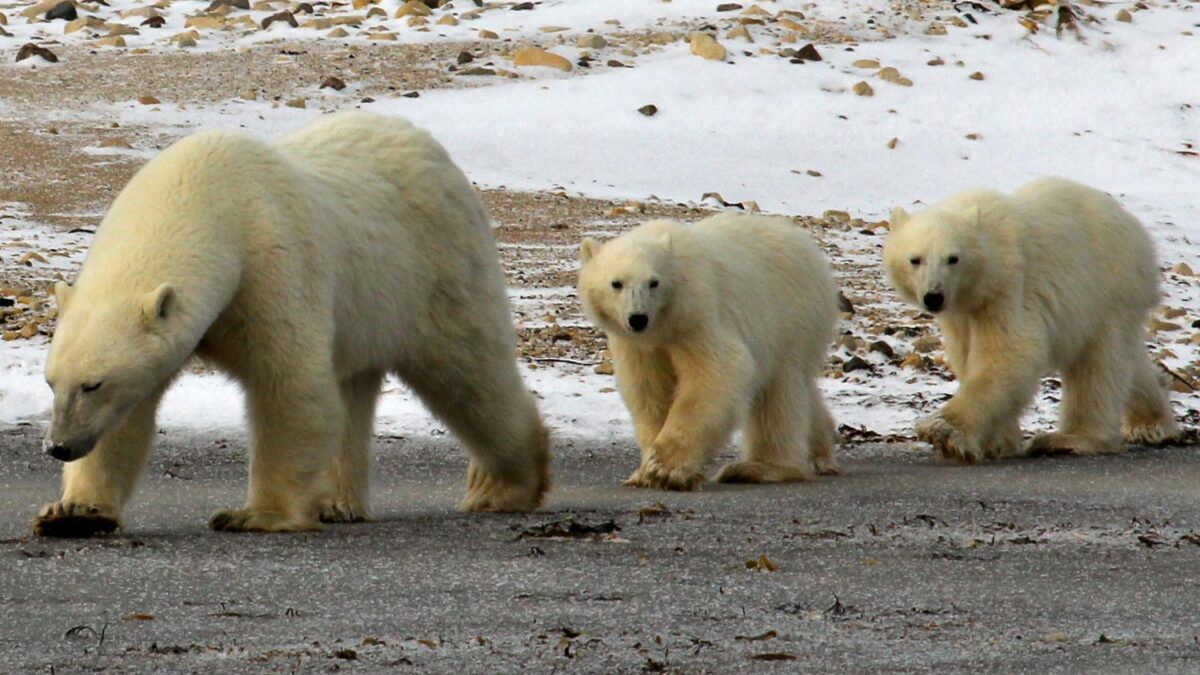
Picture this: deep within a snow cave carved beneath Arctic drifts, a drama unfolds that has everything to do with whether the planet’s most iconic predator will survive another generation. While we bundle up for winter, polar bear mothers face an impossible marathon. They’re locked in frozen chambers for months without eating, nursing tiny cubs barely bigger than guinea pigs.
What happens in those first desperate hours and days after birth isn’t just remarkable. It’s life or death. The stakes couldn’t be higher, considering that only about 50 percent of cubs live past their first year. Let’s dive into what makes this period so precarious and why every moment counts for these vulnerable babies.
Born Against All Odds
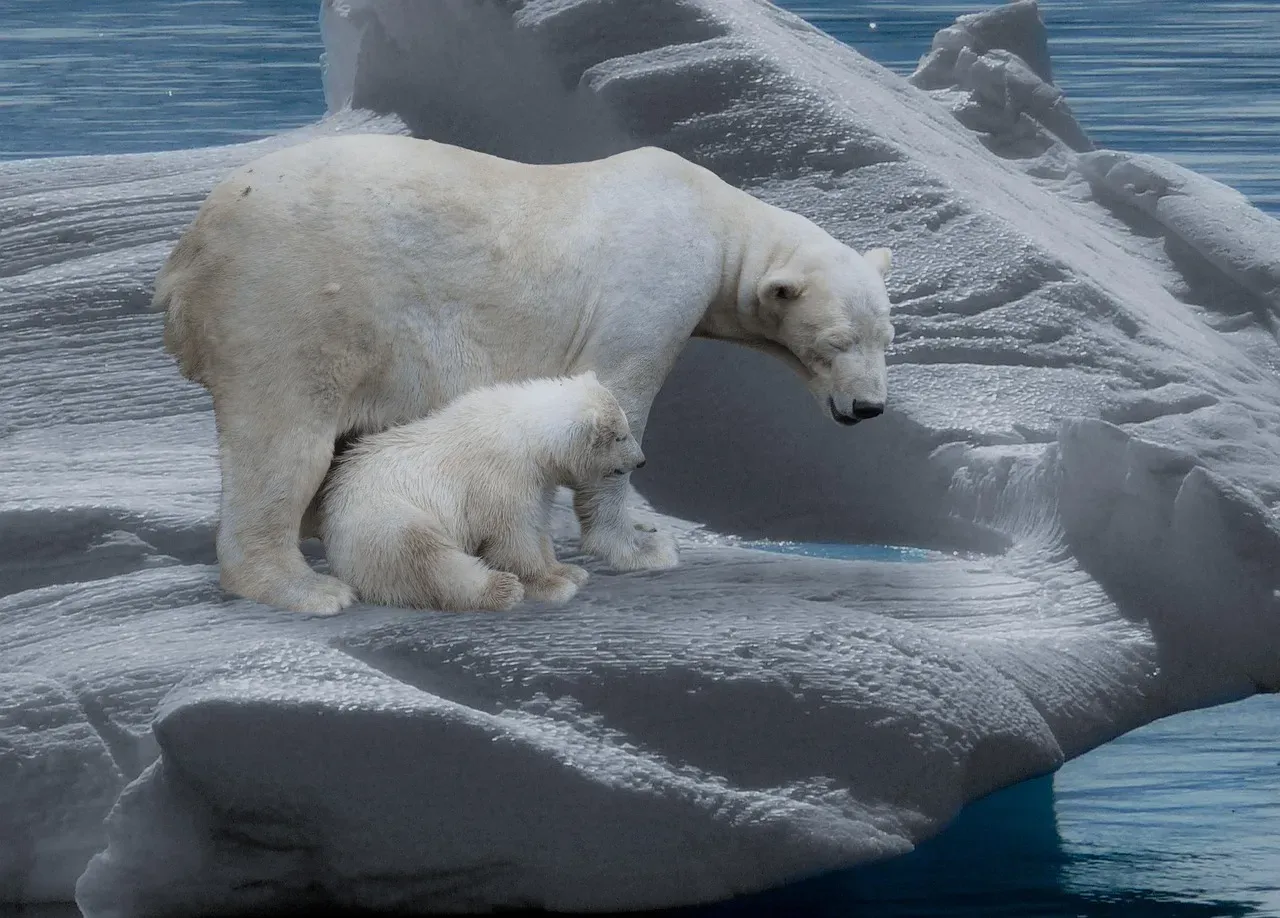
When polar bear cubs enter the world, they’re shockingly underdeveloped. Cubs are blind, hairless, and just a 1/2 kg at birth, roughly the weight of a pineapple. They don’t look like future apex predators. Totally dependent on their mothers, newborn cubs are blind, toothless, and covered with soft white fur, weighing little more than 1/2 kg and just 30-35 cm long.
Think about that for a second. Outside the den, temperatures plunge to deadly lows. Inside, these helpless creatures need constant warmth and nourishment just to keep breathing.
Cubs open their eyes within the first month, a small milestone in a long journey. Honestly, it’s hard to imagine anything more vulnerable than these tiny animals in the harshest place on Earth. The cubs begin walking while in the den at about two months, by which time they also have thick, whitish fur and their teeth have erupted.
Their entire survival depends on one thing: mom’s milk. With a fat content of ~36%, milk provides the energy and nutrients needed for rapid maturation. Without it, there’s simply no chance.
The Den as Fortress and Prison
The dens, typically about 20° Celsius warmer than the external ambient temperature, keep the cubs warm in the first few months. It’s almost like nature’s incubator. The mother digs this shelter into snowdrifts or hillsides before giving birth, creating just enough space to turn around.
For three to four months, she never leaves. They give birth to one to three tiny and helpless cubs, nursing them until they are strong enough to leave the den three to four months later, with the denning period considered the most vulnerable time in a polar bear’s life. She doesn’t eat or drink during this entire period.
Let that sink in. Females lose ~44% of their body mass during the denning period while fasting and producing rich milk. She’s burning through her own reserves to keep her cubs alive, sleeping fitfully while they nurse around the clock.
During the first ten days postpartum, cubs spent 60% of the time on their mother in a cradled position, decreasing to 44% thereafter, with mothers and cubs spending most of the time resting and cubs spending approximately 12% of the time nursing. Every calorie she stored from hunting seals the previous spring becomes fuel for this impossible feat. It’s a biological gamble that many mothers barely survive.
The Growth Sprint
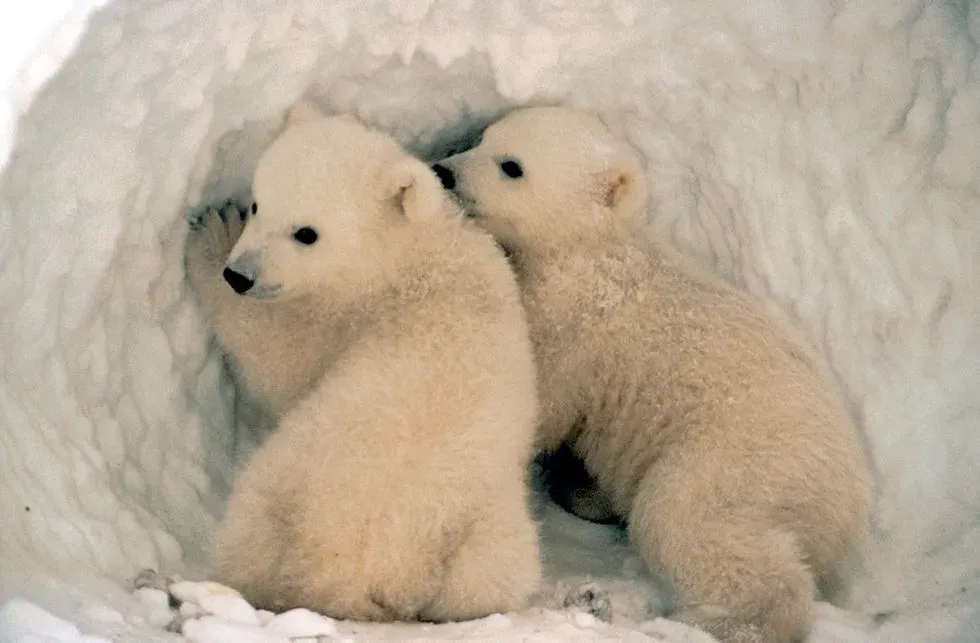
Despite the harsh conditions, cubs grow at an astonishing rate during those first weeks. Newborn cubs are only ~0.6 kg when born, and by 3 months old they may weigh ~10–12 kg, growing approximately 20 times their original body weight in 12 weeks. That’s explosive development fueled entirely by their mother’s incredibly rich milk.
By the time the mother and cubs emerge from the den in late March or April, the cubs weigh 10 to 15 kg. They’ve transformed from helpless newborns into fluffy balls of energy ready to face the world. This rapid weight gain is absolutely critical because what comes next is even more demanding.
The mother’s milk is unlike anything most mammals produce. Polar bear milk is about 31% fat when cubs are born, becoming closer to 18% fat by the time the cubs are a year old. Compare that to human milk at just three to five percent fat, and you begin to understand the metabolic miracle happening inside that den.
Still, growth alone doesn’t guarantee survival. The real test begins when the den door finally opens.
First Steps into a Frozen World
Emergence from the den is a gradual, carefully timed process. On average, bears first broke out of their dens on March 9, and after their first emergence, the bears stayed in their dens for an average of 12 days. One family was found to leave two days after emerging from the den, while another stayed around for 31 days, showing just how individual this journey can be.
Mother and cubs remain around the den for about 12 more days, sometimes longer, enabling the cubs to acclimate to the colder weather and develop their walking muscles, with cubs still spending about 85% of their time in the den. They’re testing their legs, learning balance, and slowly adjusting to temperatures far below what they experienced in the den’s warmth.
Past research shows better survival when cubs hang around their dens longer after initial emergence, as the longer they spend around the den, the more time they have to acclimatize. Yet there’s a brutal trade-off. Each day that the cubs grow stronger and more capable within the safety of the den, the mother spends another day without eating.
She’s starving. Her fat reserves are nearly depleted. Every additional day near the den increases the cubs’ readiness while pushing mom closer to dangerous weakness. It’s a calculation every mother must make, and getting it wrong can be fatal.
The Threats That Never Sleep
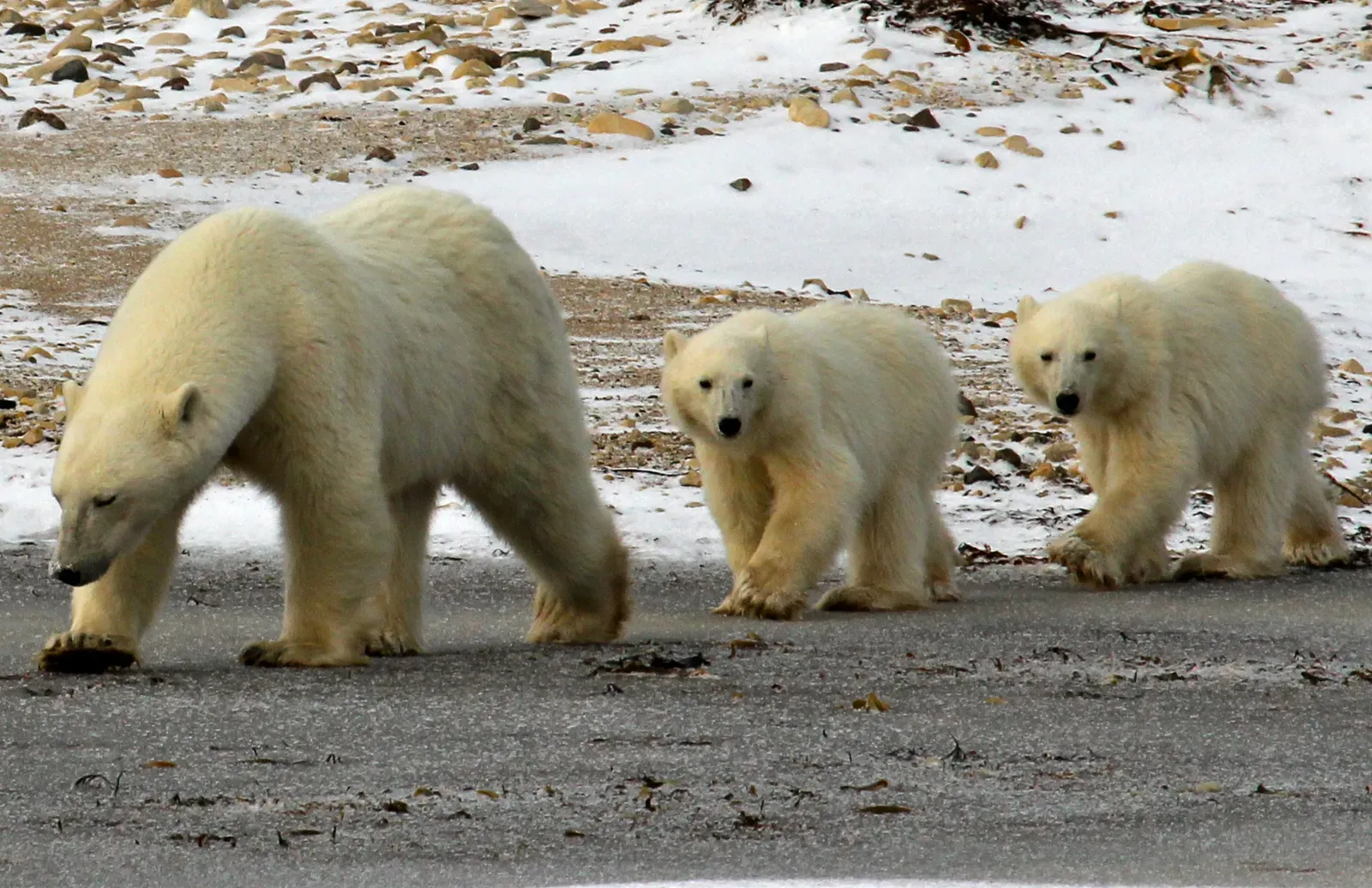
Even under the best circumstances, the odds are stacked against cubs. Only about half of all cubs survive their critical first 2½ years with their mother, a period representing one of nature’s most demanding apprenticeships. The threats are relentless and varied.
Many haven’t mastered essential hunting techniques or lack the physical strength to break through ice to reach seals, while others fall victim to larger male bears and wolves. Male polar bears are known to kill cubs, sometimes to bring females back into breeding condition, sometimes simply out of hunger. Mothers must constantly stay vigilant, positioning themselves between danger and their young.
Climate change has made everything worse. For Canada’s western Hudson Bay subpopulation, the ice-free period has extended by an average of almost nine days per decade since 1979, accompanied by declines in the bears’ body condition, cub survival rates and population size. Mothers have less time on the ice to hunt and build the fat reserves needed for denning.
With diminishing hunting periods on sea ice, mothers struggle to produce sufficient milk, jeopardizing cub survival, with cubs also facing reduced survival rates during their first fasting period if they fail to gain enough weight during shorter hunting seasons, and mothers having fewer cubs over their lifetime. The first days are critical, yet even cubs who survive them face an increasingly uncertain future.
Conclusion
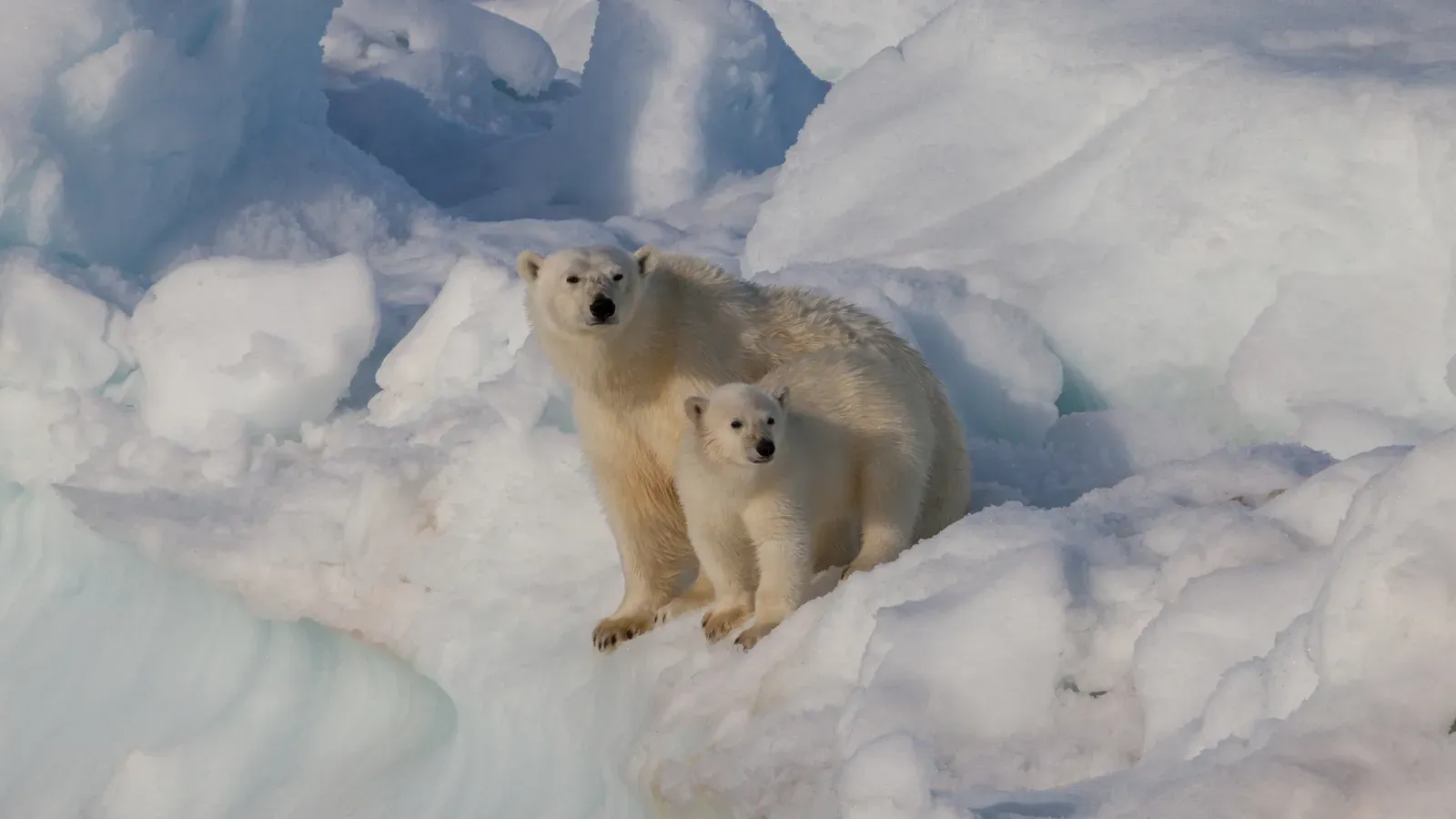
The critical first days of a polar bear cub’s life are nothing short of extraordinary. From those first vulnerable moments in a snow den to the tentative steps outside, every hour shapes whether these tiny animals will make it. Mothers sacrifice everything, burning through their own bodies to give their cubs a fighting chance. Yet even perfect maternal care can’t overcome shrinking sea ice and vanishing hunting grounds.
Cub survival underpins species survival, and the denning period is the most vulnerable period of their life. As the Arctic continues to warm faster than anywhere else on the planet, those critical first days become even more precarious. What do you think can be done to protect these incredible animals during their most vulnerable time?

- People Who Prefer Cats Over Dogs Often Carry This One Childhood Experience, According to Psychology - June 12, 2026
- 13 Dog Breeds That Flood Rescue Centers After the Holidays Every Single Year Without Exception - June 12, 2026
- The Great Migration: Why Millions of Monarchs Choose These US States - June 11, 2026