


In the rich tapestry of Native American spirituality, few symbols hold as much profound significance as the eagle. Revered across tribes as a sacred messenger between humans and the divine, the eagle occupies a special place in indigenous cosmology as the creature that carries prayers to the Creator. This majestic bird, soaring high above the earth with unmatched grace and power, serves as a spiritual conduit—a living bridge between the physical and spiritual realms. For countless generations, Native peoples have looked to the eagle as not merely a bird of prey but as a sacred being entrusted with their deepest hopes, gratitudes, and supplications.
The Sacred Messenger Between Worlds
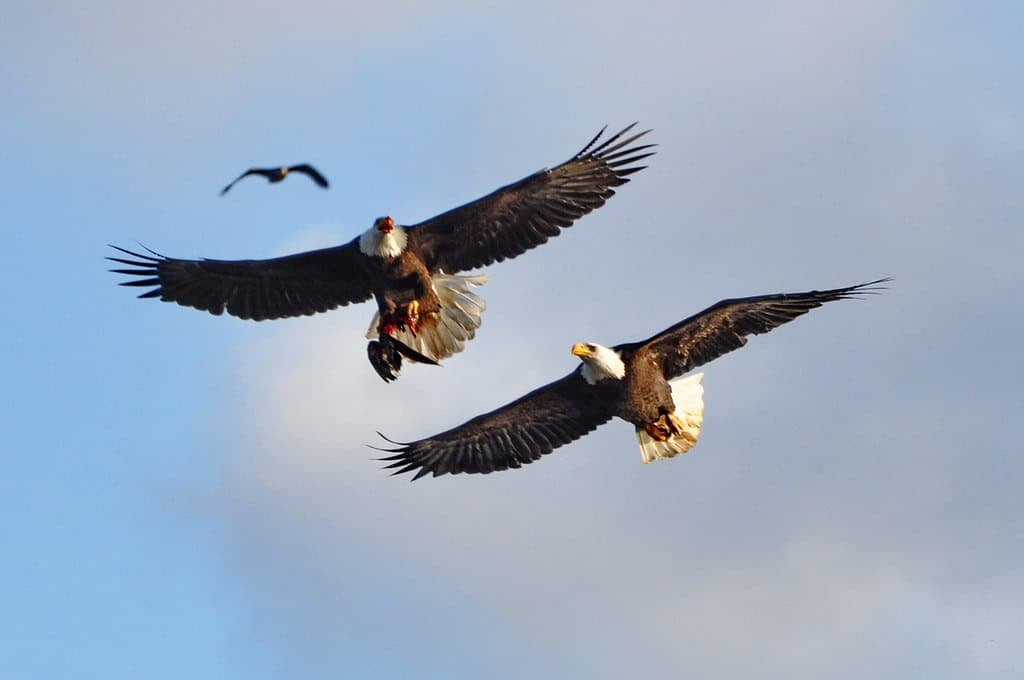
The eagle’s unique ability to fly higher than any other bird places it in a position of spiritual significance across Native American cultures. Soaring toward the heavens, eagles are believed to carry human prayers directly to the Creator or Great Spirit. This sacred responsibility stems from the eagle’s perceived proximity to the divine realm—its flight path reaching elevations where the boundary between earth and sky, physical and spiritual, seems to dissolve.
Many tribal elders teach that when an eagle appears during prayer or ceremony, it is a sign that the Creator is listening. The Lakota have a saying that translates roughly to “the wings of the eagle can carry your voice to Wakan Tanka (the Great Spirit).” This belief is not symbolic but literal for many traditional practitioners who see the eagle as an active participant in their spiritual communication, a divine messenger with the honored task of transporting the words, thoughts, and emotions of humans to the spiritual realm.
Eagles in Creation Stories

Across numerous tribal nations, eagles feature prominently in creation narratives and origin stories. For the Zuni people, the eagle was one of the first animals created and given special powers of sight and flight. The Hopi traditions speak of the eagle as a kachina spirit that brings rain and fertility. In many Pacific Northwest tribal stories, Eagle is often portrayed as a transformer figure who helps shape the world into its current form.
The Navajo (Diné) view the eagle as a guardian of the east, associated with dawn, new beginnings, and illumination. Their creation stories describe how Eagle was tasked with specific responsibilities in maintaining universal harmony. These creation narratives establish the eagle’s cosmic significance from the world’s beginning, explaining why this magnificent bird was entrusted with the sacred duty of carrying human prayers to the divine realm. Through these stories, tribal communities reinforce the eagle’s role not just as a messenger but as a fundamental part of creation’s intended order.
The Spiritual Significance of Eagle Feathers

Eagle feathers hold extraordinary spiritual value in Native American traditions, considered among the most sacred objects in indigenous ceremonial life. These feathers are believed to maintain their connection to the Creator even after they have fallen from the bird. When used in prayer, an eagle feather is thought to provide a direct line of communication to the spiritual realm. The presentation of an eagle feather is one of the highest honors in many tribal communities, signifying exceptional achievement, courage, or wisdom.
The proper handling and care of eagle feathers is governed by strict protocols that vary by tribe but uniformly emphasize reverence. Many Native practitioners believe that prayers whispered to an eagle feather will be carried upward when the feather is raised in ceremony. This belief has led to the incorporation of eagle feathers in prayer fans, staffs, and ceremonial regalia used during healing rituals, naming ceremonies, and other sacred occasions. The feather itself becomes a physical manifestation of the eagle’s role as prayer carrier, a tangible connection to the bird’s spiritual power even in its absence.
Legal Protections and Sacred Use
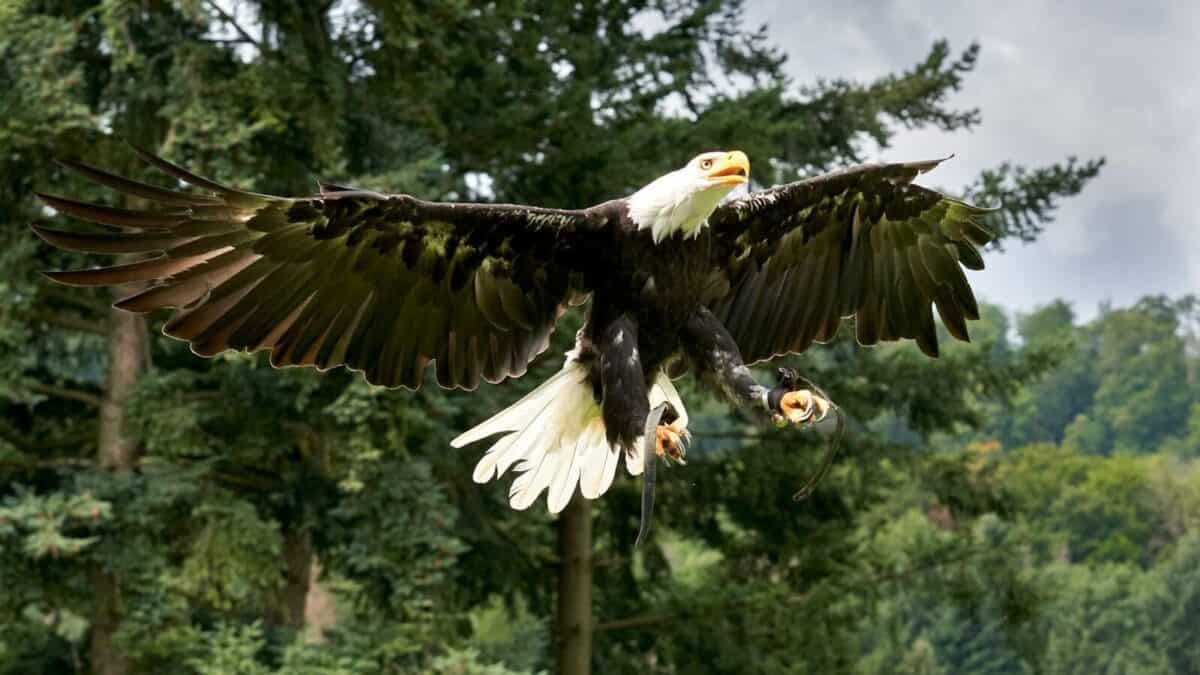
The spiritual importance of eagles in Native American traditions is recognized by United States federal law through the Eagle Protection Act and the National Eagle Repository. These provisions acknowledge the religious significance of eagles by allowing enrolled tribal members to obtain eagle feathers and parts for traditional religious purposes. This legal framework represents a rare acknowledgment of indigenous spiritual needs within federal policy, though many Native practitioners find the process cumbersome and the waiting periods excessively long.
For Native communities, these regulations reflect the tension between conservation efforts and religious freedom. The eagle, as both an endangered species and a sacred being, occupies a unique legal position. Traditional knowledge keepers emphasize that their ceremonial use of eagle feathers has always been governed by strict spiritual protocols that inherently promote conservation. The relationship between Native peoples and eagles is one of reciprocal respect—the eagle carries prayers to the Creator, and humans in turn treat eagles with profound reverence, taking only what is freely given (naturally molted feathers) or with appropriate ceremonial preparation and gratitude.
Eagles in Tribal Ceremonies

The eagle’s role as prayer carrier manifests in numerous ceremonial contexts across different tribal traditions. During the Sun Dance—a central ceremony for many Plains tribes—eagle bone whistles are sometimes used to send prayers skyward. The sound produced is believed to attract the attention of eagles who then carry the ceremony’s prayers to the Creator. Similarly, in many powwow traditions, eagle staffs lead grand entries as the highest emblems of spiritual authority, literally and figuratively leading the community in prayer.
In healing ceremonies, medicine people may use eagle feathers to brush away illness or negative energy from a patient, transferring prayers for healing through the feather’s connection to the divine messenger. The Puebloan Eagle Dance celebrates the eagle’s power and honors its role in bringing rain and fertility to the community. These diverse ceremonial applications share a common thread: they all utilize the eagle’s unique ability to traverse between worlds, carrying human intentions and needs to the Creator. Through ceremony, the abstract concept of the eagle as prayer carrier takes physical form in community practice and lived spirituality.
The Eagle’s Exceptional Vision and Spiritual Insight
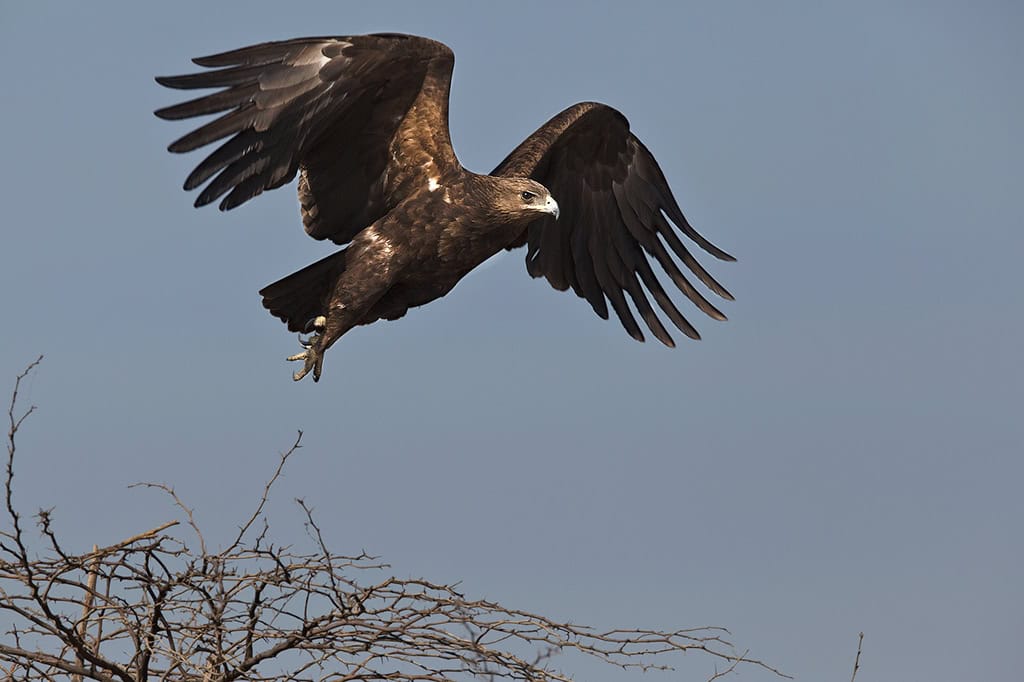
Native traditions often emphasize the eagle’s remarkable vision—capable of spotting prey from great distances—as having spiritual significance beyond its biological function. This physical attribute translates into spiritual metaphor: the eagle sees not only physical reality but also spiritual truth. Many tribal stories describe eagles as beings with the capacity to perceive a person’s true intentions, character, and spiritual state. This perception is why eagles are believed to be appropriate carriers of prayers—they can discern which prayers come from a sincere heart.
Medicine people across various tribes speak of “eagle vision” as a form of spiritual sight that humans can develop through discipline and ceremony. This involves seeing beyond surface appearances to the essential nature of things. When an eagle carries prayers, it is said to carry not just the words spoken but the true intent behind them. The eagle’s vision serves as both inspiration and standard for human spiritual development—a reminder that authentic prayer requires clarity of purpose and honest self-reflection. Just as the eagle’s physical eyes penetrate great distances, its spiritual perception is believed to penetrate illusion and self-deception.
Eagles as Spiritual Guides and Totems
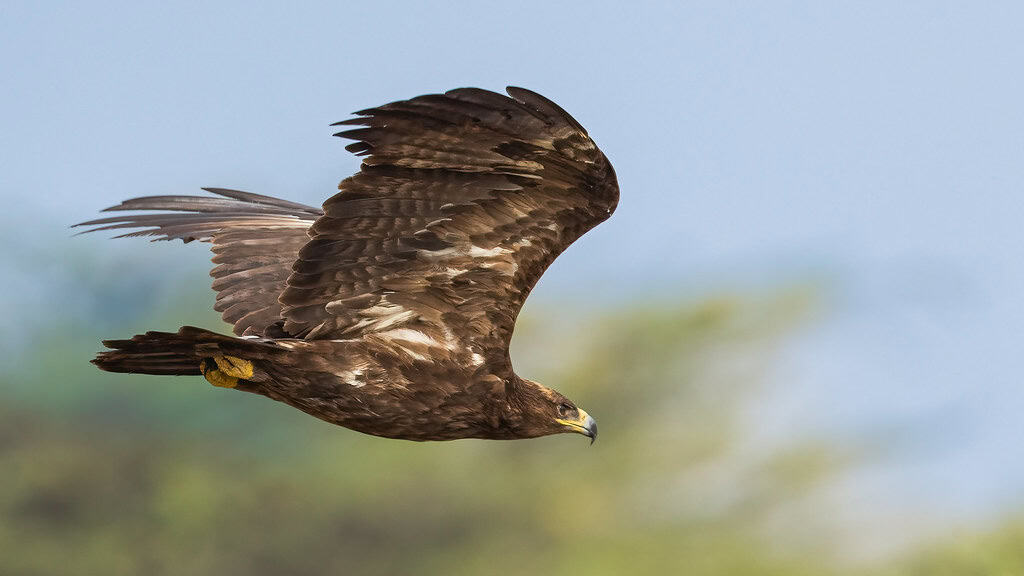
In many Native traditions, eagles may serve as personal spiritual guides or totems for individuals. Having the eagle as a totem animal or receiving a vision or dream of an eagle often indicates a person with a special connection to prayer, spiritual communication, or leadership responsibilities. Those who identify with eagle medicine are frequently called to roles as spiritual intermediaries within their communities—individuals who, like the eagle, help bridge the gap between the human and divine realms.
The eagle totem carries responsibilities along with its privileges. Those connected to eagle medicine are expected to develop qualities associated with this powerful being: clear vision, courage, wisdom, and the ability to rise above mundane concerns to see the broader spiritual landscape. They must learn to carry not only their own prayers but sometimes the prayers of their community as well. Many traditional stories tell of individuals who received eagle medicine being tested and taught by eagles themselves, often through dreams or wilderness encounters, learning how to properly honor the sacred trust of carrying prayers between worlds.
Regional Variations in Eagle Prayer Traditions

While the eagle’s fundamental role as prayer carrier remains consistent across many tribes, regional variations reflect diverse ecological relationships and cultural practices. Pacific Northwest coastal tribes, where bald eagles are abundant near salmon runs, have developed rich artistic and ceremonial traditions honoring the eagle’s role in prayer and spiritual life. Their elaborately carved eagle masks and totem poles depict the bird not just as a messenger but as a transformer being with the power to shift between human and avian forms.
In the Southwest, where golden eagles predominate, Pueblo, Hopi, and Diné traditions emphasize the eagle’s connection to rain-bringing and agricultural fertility. Their prayers carried by eagles often focus on these life-sustaining needs. Eastern Woodland tribes like the Haudenosaunee (Iroquois) feature the eagle atop their Tree of Peace, carrying messages of thanksgiving to the Creator. These regional differences highlight how the universal concept of the eagle as prayer carrier adapts to local environmental conditions and cultural needs while maintaining its essential spiritual function across diverse Native traditions.
Contemporary Preservation of Eagle Prayer Traditions

Despite centuries of religious suppression through federal assimilation policies and the Civilization Regulations (which banned Native religious practices from the 1880s until 1978), traditions surrounding the eagle as prayer carrier have persisted and are experiencing revitalization in many tribal communities. Cultural preservation programs on reservations often include teaching youth about the sacred relationship between eagles and prayer. Some tribes have established eagle aviaries where injured eagles that cannot survive in the wild receive care while providing naturally molted feathers for ceremonial use.
Contemporary Native spiritual leaders emphasize that the eagle’s role in carrying prayers remains as relevant today as in ancestral times. Many point to the eagle’s protected status and population recovery as evidence of the ongoing spiritual connection between Native peoples and these sacred birds. As environmental challenges mount globally, some indigenous knowledge keepers suggest that the traditional understanding of eagles as carriers of human prayers to the Creator has new relevance—reminding humanity of our responsibility to live in balance with the natural world that sustains us. The eagle’s flight between earth and sky serves as a powerful symbol of necessary communication between humans and the forces that support life.
The Eagle in Modern Native American Art

Contemporary Native artists continue to explore and express the eagle’s role as prayer carrier through various art forms. Acclaimed painters like Norval Morrisseau (Ojibwe) and Tony Abeyta (Navajo) create vivid depictions of eagles in flight, often with spirals or lines emanating from their beaks or wings to represent prayers being carried skyward. These visual representations make spiritual concepts accessible while preserving traditional knowledge in new forms that resonate with younger generations.
Beyond visual arts, Native musicians, poets, and storytellers incorporate the imagery of eagles carrying prayers in their creative expressions. These artistic interpretations serve multiple purposes in contemporary Native communities: they maintain cultural knowledge, communicate spiritual concepts to non-Native audiences, and create economic opportunities through art markets. Perhaps most importantly, they demonstrate the living nature of these traditions—the eagle as prayer carrier is not a static historical concept but a dynamic spiritual understanding that continues to evolve and find expression through contemporary indigenous voices and visions.
Teaching Children About the Sacred Messenger
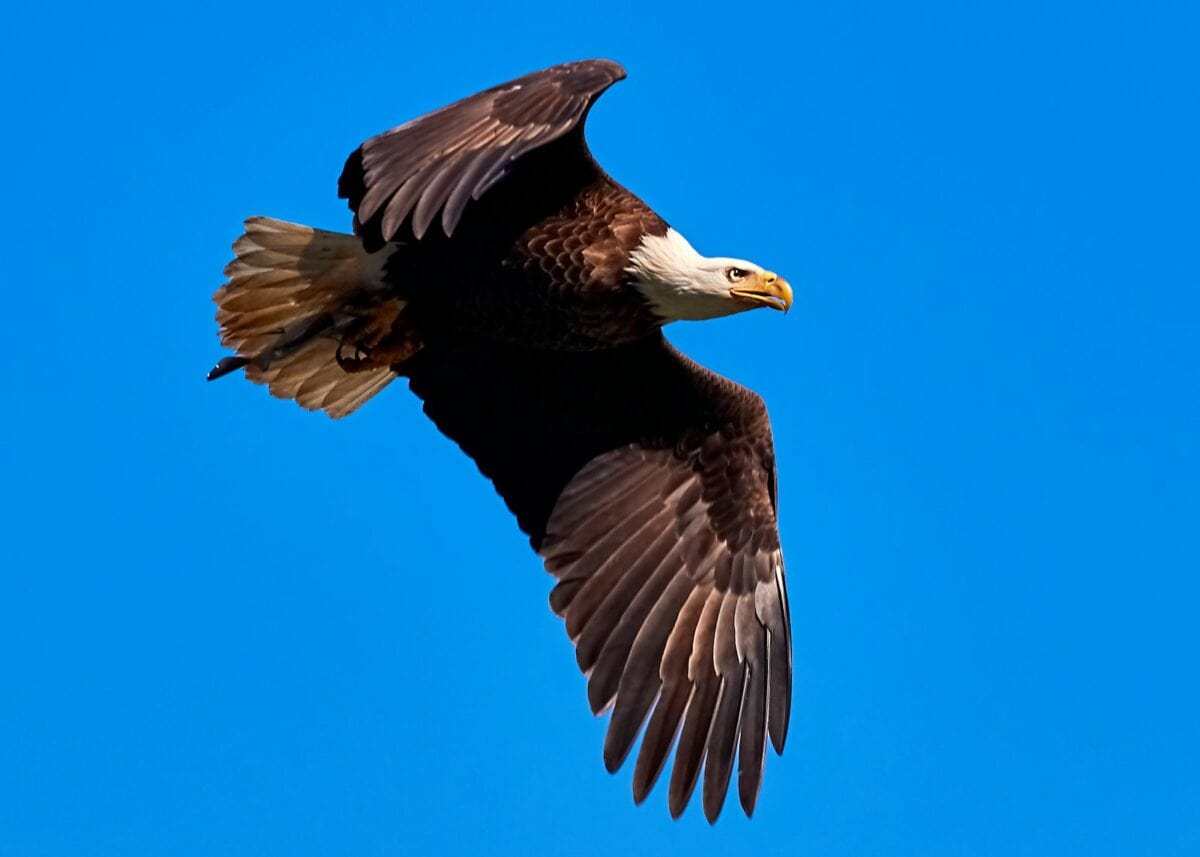
Across Native America, transmitting knowledge about the eagle’s sacred role to younger generations remains a vital aspect of cultural continuity. Many tribal communities incorporate teachings about the eagle as prayer carrier into family conversations, community gatherings, and formal educational settings. These teachings often begin with observation—elders encouraging children to watch eagles in flight and notice their behaviors, developing both scientific understanding and spiritual appreciation simultaneously.
Children learn proper protocols for handling eagle feathers and the responsibilities that come with this privilege. They are taught that the relationship between humans and eagles is reciprocal—just as eagles carry prayers to the Creator, humans have obligations to protect eagles and their habitats. Through stories, songs, and hands-on experiences, young people develop their own personal relationship with the concept of the eagle as messenger. This process ensures that the ancient understanding of the eagle that carries prayers remains not just preserved but alive and meaningful for future generations who will continue this sacred relationship.
Conclusion: The Enduring Spiritual Legacy

The concept of the eagle as a carrier of prayers represents one of the most enduring and widespread spiritual understandings in Native American traditions. This sacred knowledge has survived centuries of cultural disruption, forced relocation, and religious persecution—a testament to its profound importance in indigenous spiritual systems. The eagle’s role as intermediary between human and divine realms speaks to a fundamental aspect of Native American cosmology: the understanding that humans exist within a web of relationships that includes not just other people but also animals, plants, elements, and spiritual beings.
As environmental consciousness grows globally, many people beyond Native communities have begun to appreciate the wisdom embedded in this traditional understanding. The eagle, carrying prayers between earth and sky, embodies a crucial spiritual principle: that communication between humans and the greater forces of creation must be maintained for life to flourish. Whether understood literally or metaphorically, the image of the eagle in flight, bearing human hopes and gratitude upward, continues to inspire reverence and remind us of our place within a larger spiritual ecology. In this way, the ancient indigenous knowledge of the eagle that carries prayers offers not just cultural heritage but ongoing spiritual guidance for navigating our relationship with the sacred in contemporary times.

From exploring the marine wonders in the Azores and witnessing the vast savannas of Kenya, to delving deep into the rich biodiversity of South Africa and traversing iconic landscapes in Australia and the US like Yellowstone, Chris's experiences are vast.
With a penchant for diving alongside sharks, the ocean holds a special place in his heart.
Through his academic insights, he champions wildlife conservation, striving with 'Animals Around The Globe' to cultivate a profound connection between humans and animals, enhancing our mutual appreciation.
Connect with him at Feedback@animalsaroundtheglobe.com.