
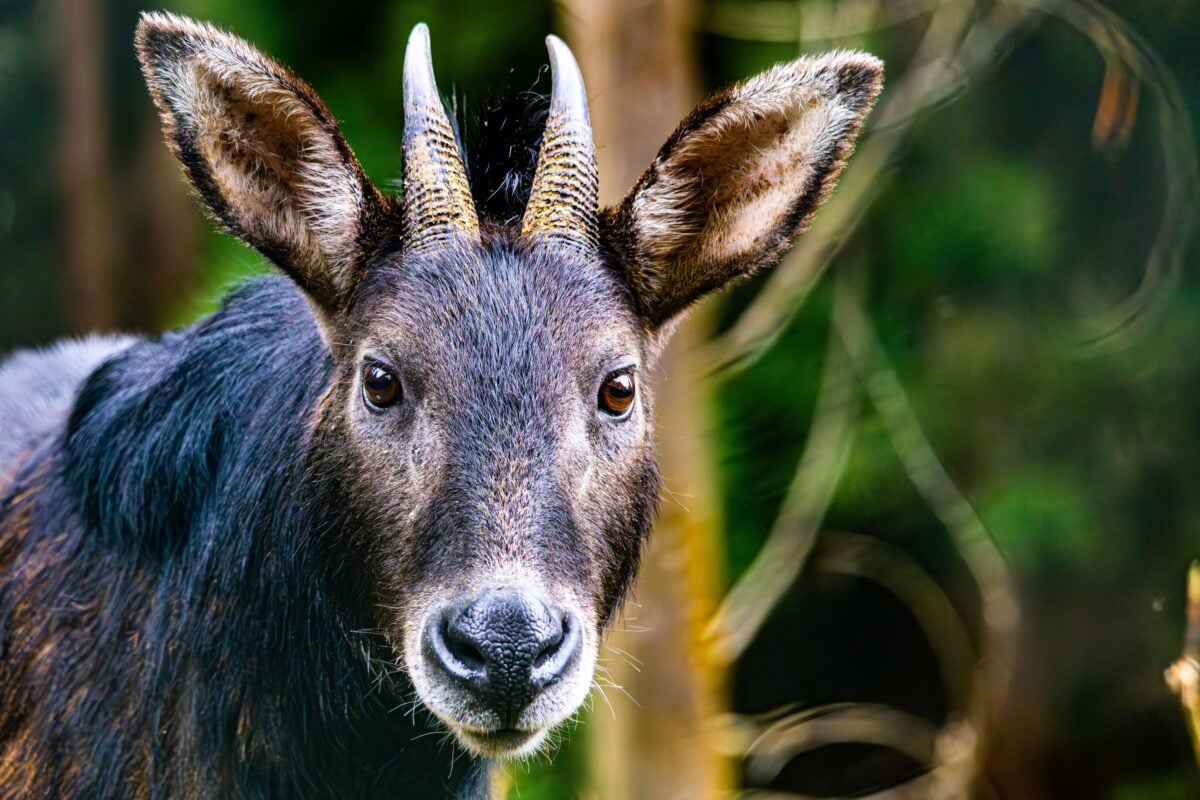
Birth month astrology isn’t science, and no animal cares when your birthday falls. Still, a small, silly ritual can be a useful way into a big problem. Matching a species to your month gives you a reason to look at an animal you might never have thought about.
Some of these creatures are famous, and some are barely known outside conservation circles. All twelve are in real trouble. Find your month, see who got assigned to you, and decide whether you want to adopt the cause.
January: Amur Leopard
🔥 Would you like to save this?
We'll email this post to you, so you can come back to it later!
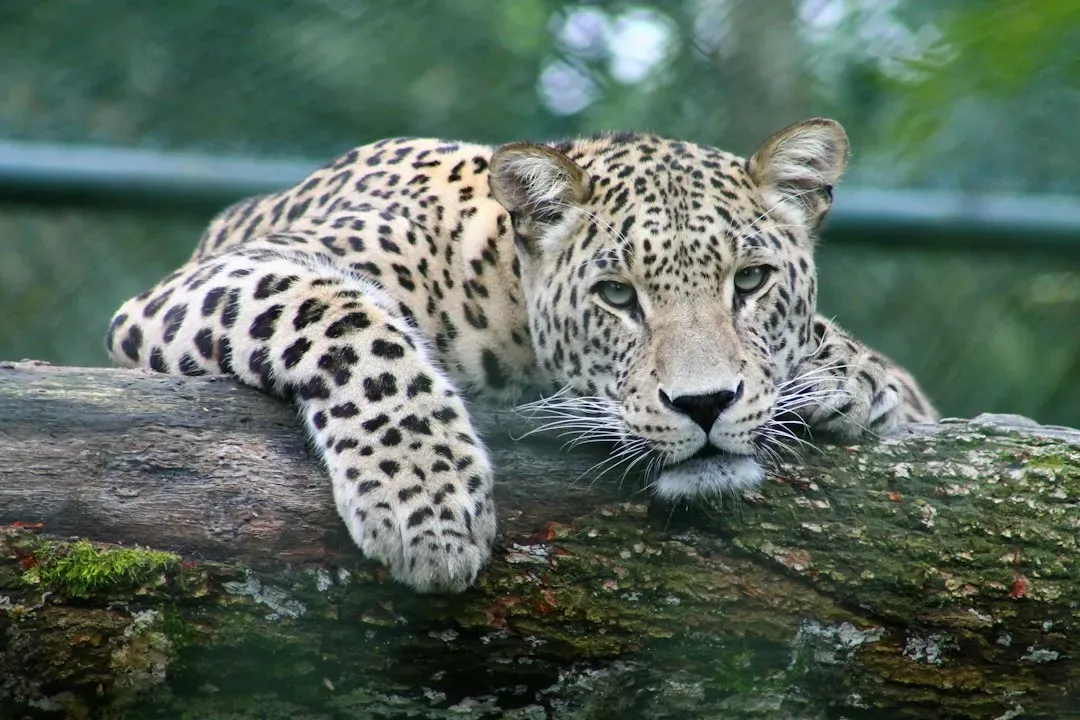
January is a quiet, cold month, and the Amur leopard belongs to it. This cat lives in the snowy forests of the Russian Far East and nearby parts of China. It’s listed as critically endangered, and the wild population is small, with estimates in the low hundreds at most.
Its thick pale coat and big, widely spaced rosettes make it one of the most striking cats alive. Poaching, forest fires, and habitat loss have all hurt it. Protected areas and anti-poaching patrols have helped the numbers recover from their lowest point, but the species is far from safe.
February: Vaquita
🔥 Would you like to save this?
We'll email this post to you, so you can come back to it later!
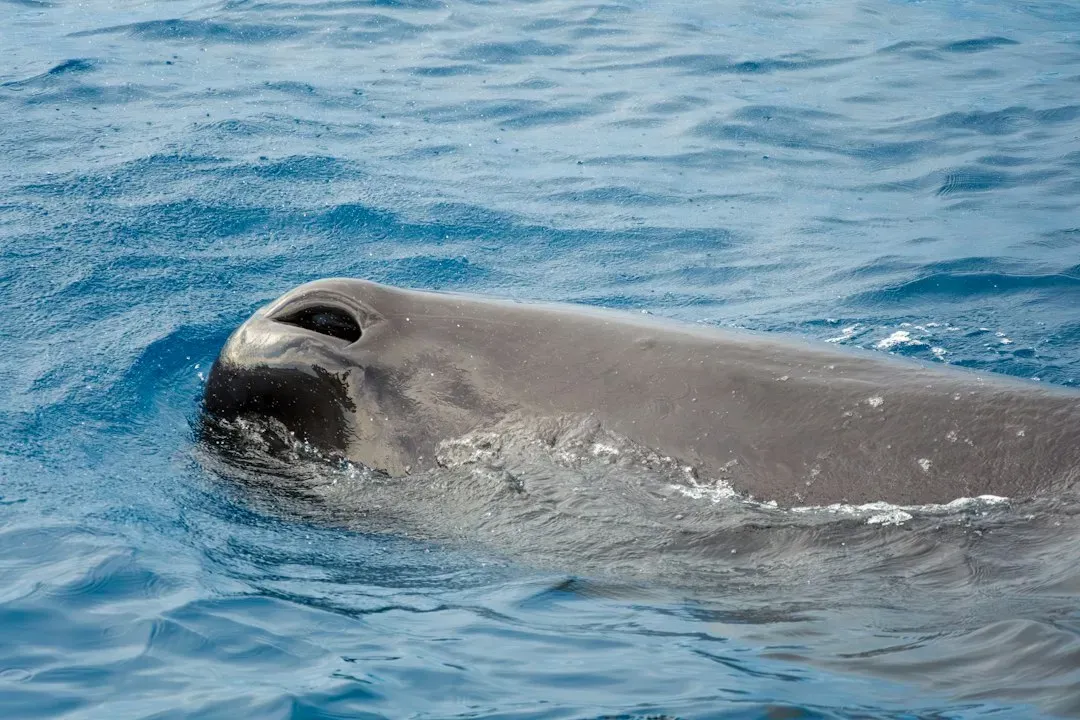
The vaquita is the world’s smallest porpoise, with dark rings around its eyes that make it look like it’s wearing eyeliner. It lives only in the northern Gulf of California in Mexico. Very few remain, and recent survey estimates are in the low double digits.
Fishing nets are the main threat, especially illegal nets set for the totoaba, a large fish whose swim bladder is traded on the black market. Vaquitas get tangled and drown. Champions of this animal mostly push for enforcement and for fishing gear that doesn’t trap marine mammals.
March: Sumatran Orangutan
🔥 Would you like to save this?
We'll email this post to you, so you can come back to it later!
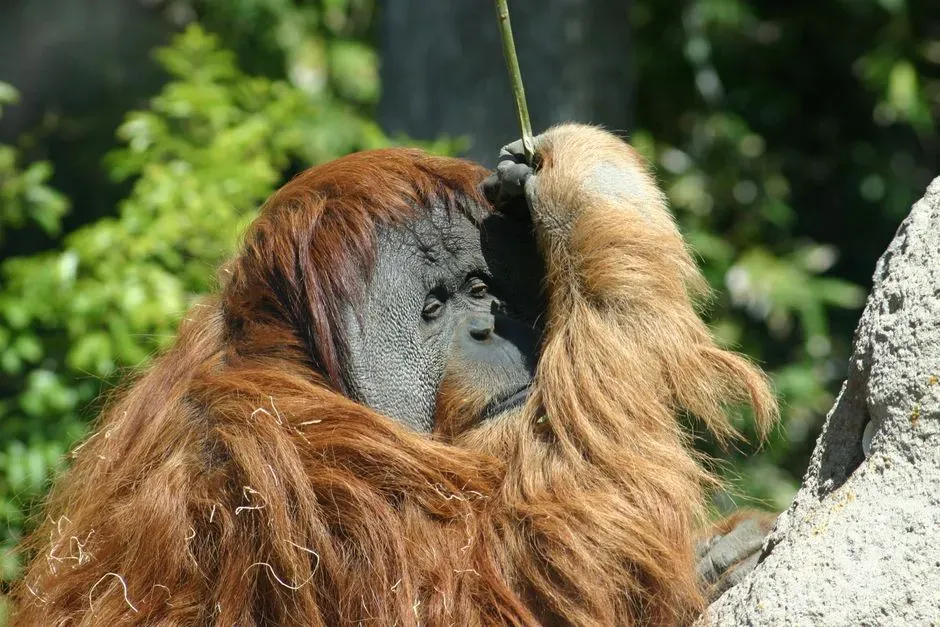
March is when spring starts to look like change, and orangutans are great at reminding us how fast habitats change. The Sumatran orangutan is critically endangered and lives only in the forests of northern Sumatra. Females raise one young at a time over many years, so recovery is painfully slow.
Forests have been cleared for palm oil, paper, and farmland. You can help by checking the sourcing behind everyday products and supporting groups that protect and restore rainforest. Small shopping habits matter more here than most people expect.
April: Hawksbill Sea Turtle
🔥 Would you like to save this?
We'll email this post to you, so you can come back to it later!
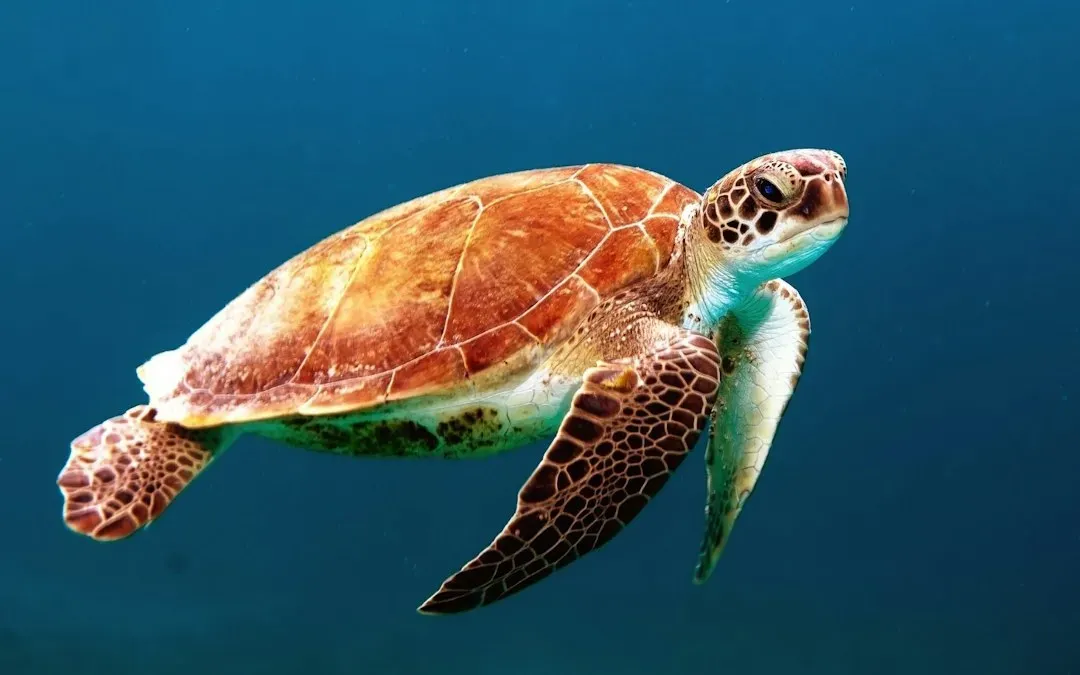
April is Earth Month for many people, so a reef dweller fits well. The hawksbill sea turtle is critically endangered, and its narrow beak is built for reaching into crevices to eat sponges. That feeding habit helps keep coral reefs balanced.
Hawksbills were hunted for their beautiful shells, which were turned into jewelry and ornaments. International trade is now restricted, but illegal trade, coastal development, and warming seas still threaten them. Don’t buy tortoiseshell souvenirs when you travel, and keep beaches dark and clean during nesting season.
May: Black Rhino
🔥 Would you like to save this?
We'll email this post to you, so you can come back to it later!
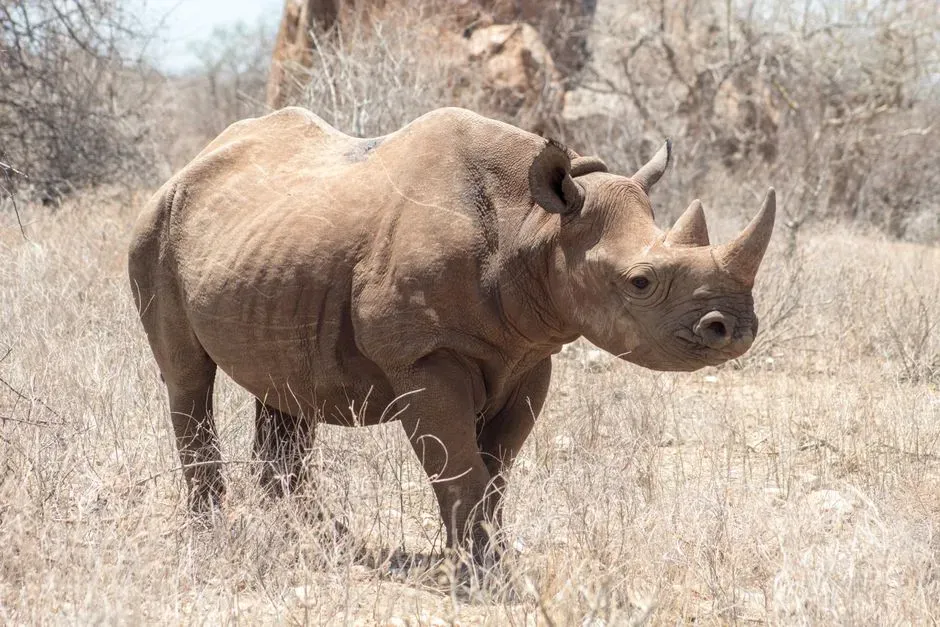
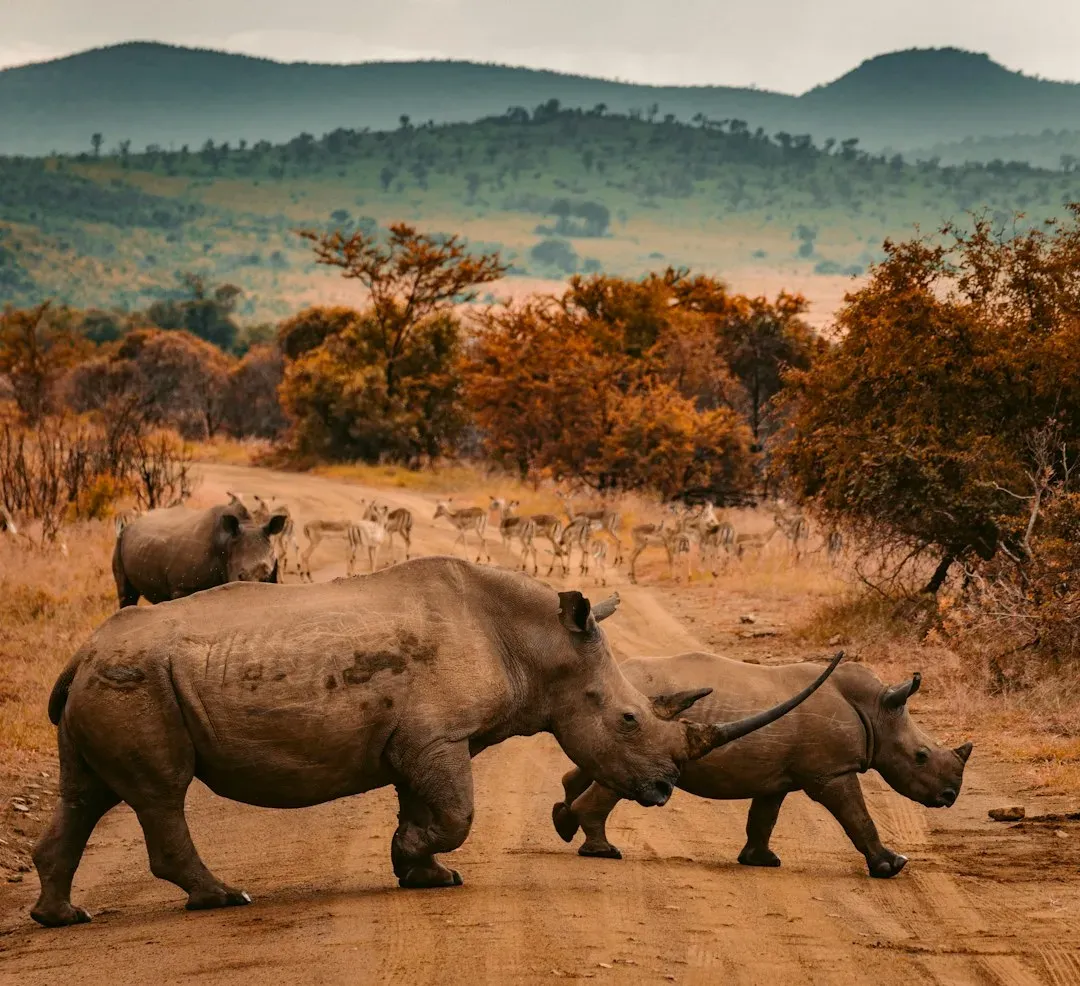
The black rhino is one of the few stories here with a hopeful arc. Poaching drove the species down to just a couple thousand animals by the 1990s. Decades of protection and careful management have brought numbers back to several thousand, though it’s still listed as critically endangered.
That recovery didn’t happen by accident. Rangers, community programs, and relocations to safer reserves all played a part. If you want a cause that proves conservation can work, and that it needs to keep working, this is a good one.
June: Saola
🔥 Would you like to save this?
We'll email this post to you, so you can come back to it later!
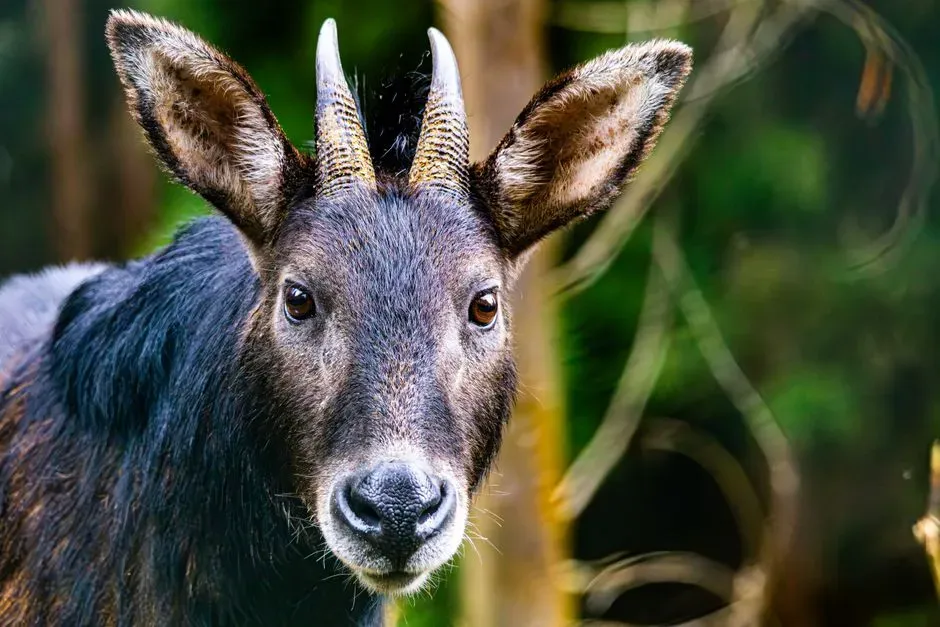
June babies get the mystery. The saola was only described by scientists in 1992, in the Annamite Mountains along the border of Vietnam and Laos. It’s often called the Asian unicorn, and it’s so rarely seen that its wild status is hard to measure.
It’s critically endangered, and the biggest danger isn’t hunters aiming for saolas. It’s the snares set for other animals, which catch them by accident. Supporting snare removal teams and forest protection is the practical way to champion something almost nobody has ever seen.

Air Purifiers for Home Pets Large Room Up to 3000 Ft²,HEPA Air Cleaner with Washable Double-Side Filter, PM2.5 Air Quality Monitor,15dB Sleep Mode for Bedroom Odor Dust Pollen,White
Check Price on AmazonAs an Amazon Associate, we earn from qualifying purchases.
10/8/2026 8:23 am GMTi

Glass Hummingbird Feeder for Outdoors Hanging
Check Price on AmazonAs an Amazon Associate, we earn from qualifying purchases.
10/7/2026 1:21 pm GMTi

Earth Rated XL Dog & Puppy Pee Pads, Discreet Top, Max Absorbency
Check Price on AmazonAs an Amazon Associate, we earn from qualifying purchases.
10/7/2026 1:28 pm GMTi

Hand Blown Glass Hummingbird Feeders for Outdoors Hanging, 24oz Wild Bird Nectar Feeder
Check Price on AmazonAs an Amazon Associate, we earn from qualifying purchases.
10/7/2026 1:23 pm GMTi

Smart Bird Feeder with Camera Solar Powered, 2K HD Live Video, 10,000+ Bird Species AI Identification
Check Price on AmazonAs an Amazon Associate, we earn from qualifying purchases.
10/7/2026 1:22 pm GMTi
July: African Forest Elephant
🔥 Would you like to save this?
We'll email this post to you, so you can come back to it later!
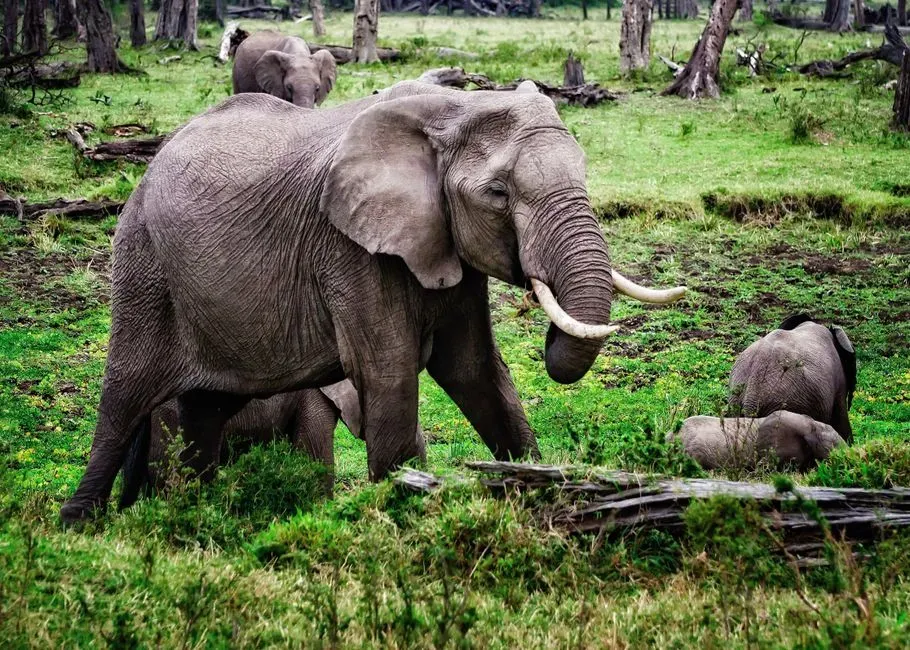
Most people picture the savanna elephant, but the African forest elephant is a separate species living in the Congo Basin and nearby forests. It’s smaller, with straighter tusks, and it’s listed as critically endangered. Poaching for ivory has taken a heavy toll on its populations.
Forest elephants are sometimes called gardeners of the forest, because they spread seeds across huge distances. Losing them changes which trees thrive. Backing anti-ivory campaigns and forest protection helps both the animals and the carbon-rich woodlands they shape.
August: Pangolin
🔥 Would you like to save this?
We'll email this post to you, so you can come back to it later!
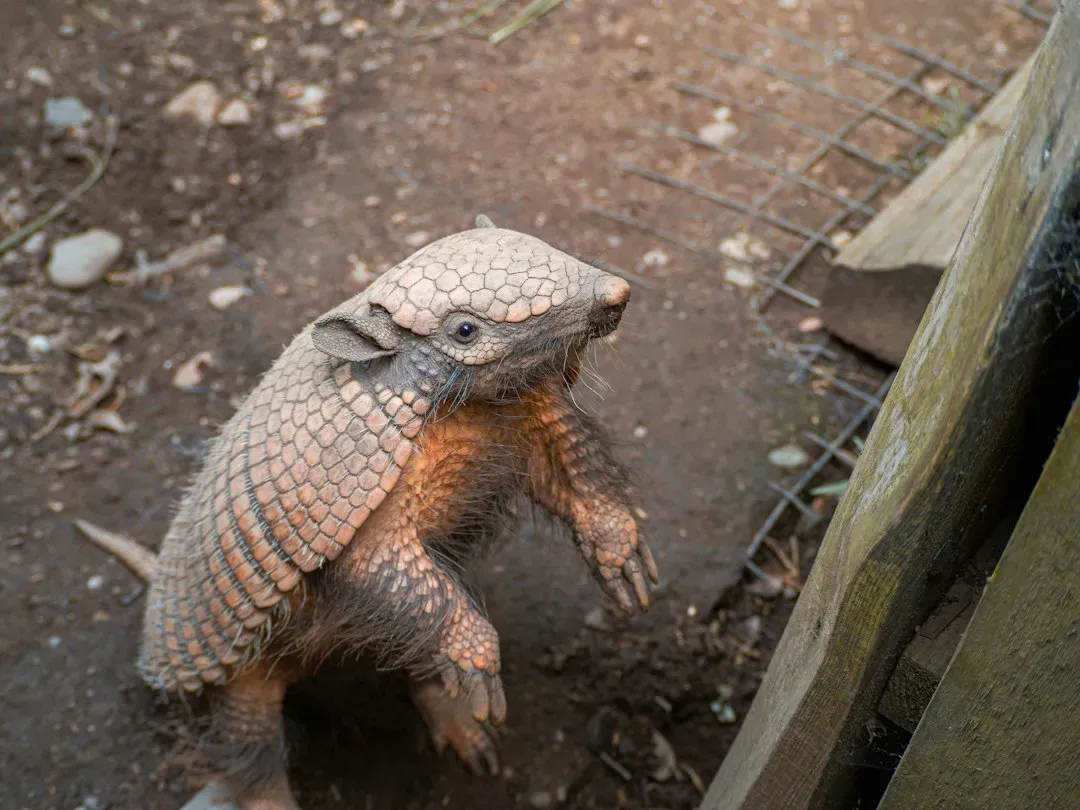
Pangolins are scaly, shy, and strangely charming. They’re among the most trafficked mammals in the world, taken for their meat and for their scales, which are used in traditional medicine even though they’re made of keratin, like fingernails. Several species are listed as endangered or critically endangered, including the Chinese and Sunda pangolins.
Because they roll into a ball when scared, they’re easy for poachers to pick up. Public awareness is a real tool here, since reducing demand matters as much as patrolling forests. Share what you learn, and support groups that rescue and rehabilitate confiscated animals.
September: Kakapo
🔥 Would you like to save this?
We'll email this post to you, so you can come back to it later!
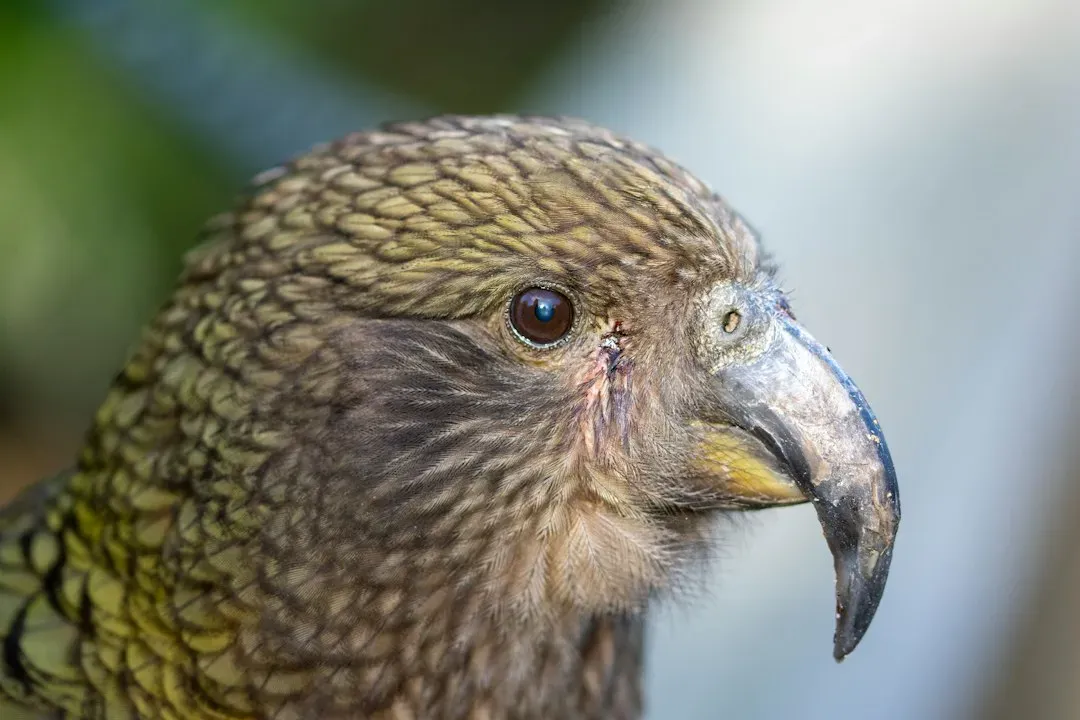
The kakapo is a large, flightless, nocturnal parrot from New Zealand, and it has a personality to match. It’s green, round, and mossy looking, and it smells sweet and musty. Only a little over two hundred individuals are alive, and every single one is known and monitored.
Introduced predators like stoats, cats, and rats nearly wiped the species out. Breeding is irregular and tied to the fruiting of certain trees, so good years are celebrated. Supporting predator control and the dedicated recovery team is how you cheer this bird on.

PetSafe Oasys Pet Fountain, 1/2 Gallon (64 oz), Small Dogs & Cats
Check Price on AmazonAs an Amazon Associate, we earn from qualifying purchases.
10/8/2026 8:14 am GMTi

Halloween Dog Collar with Bow, Orange Cute Ghost Collar,
Check Price on AmazonAs an Amazon Associate, we earn from qualifying purchases.
10/9/2026 2:43 pm GMTi

Halloween Cat Costume Cloak Witch Hat Pet Accessories
Check Price on AmazonAs an Amazon Associate, we earn from qualifying purchases.
10/9/2026 2:44 pm GMTi

Dog Stairs for Bed 18" H, 4-Step Dog Steps for High Bed
Check Price on AmazonAs an Amazon Associate, we earn from qualifying purchases.
10/9/2026 2:42 pm GMTi

Glass Hummingbird Feeder for Outdoors Hanging, 16 oz Leak-Proof Nectar Feeder with Bee Guards & Ant Moat
Check Price on AmazonAs an Amazon Associate, we earn from qualifying purchases.
10/7/2026 1:22 pm GMTi
October: Axolotl
🔥 Would you like to save this?
We'll email this post to you, so you can come back to it later!
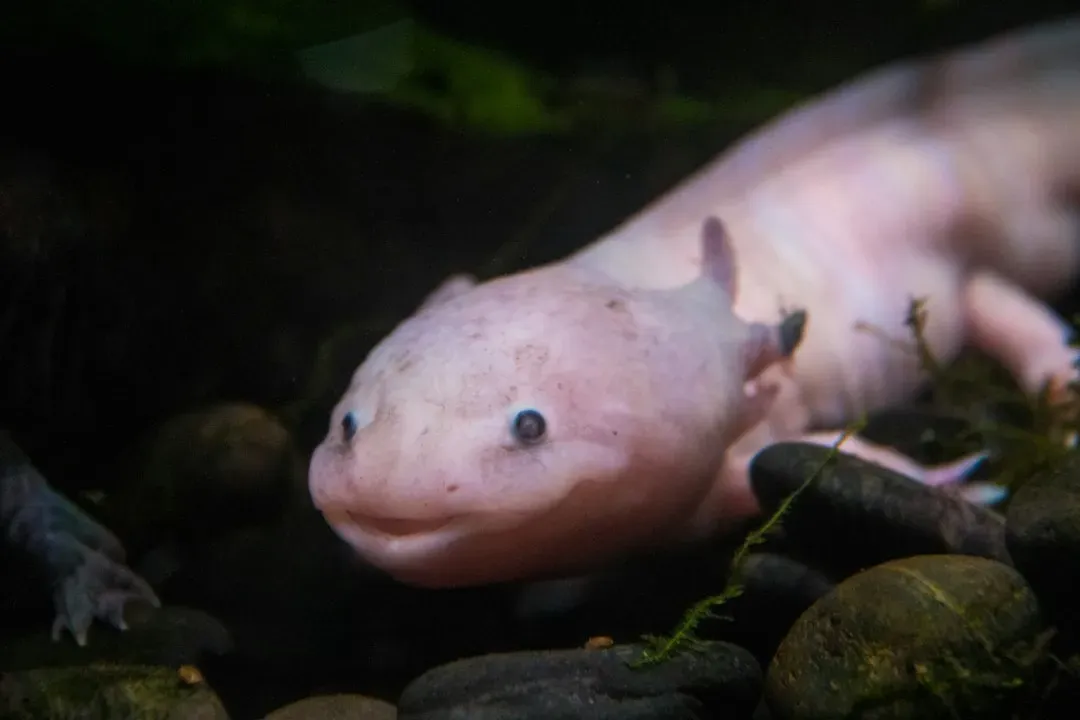
October likes a little weirdness, and the axolotl delivers. This permanently juvenile looking salamander, with feathery gills and a permanent smile, is native to the lake system around Mexico City. In the wild it’s critically endangered, even though it’s common in aquariums and labs.
Pollution, urban growth, and invasive fish have squeezed its habitat down to a few canals and wetlands. Local projects are restoring those waterways, often alongside traditional farming. Championing the axolotl means caring about wild water, not just a cute pet photo.
November: Philippine Eagle
🔥 Would you like to save this?
We'll email this post to you, so you can come back to it later!
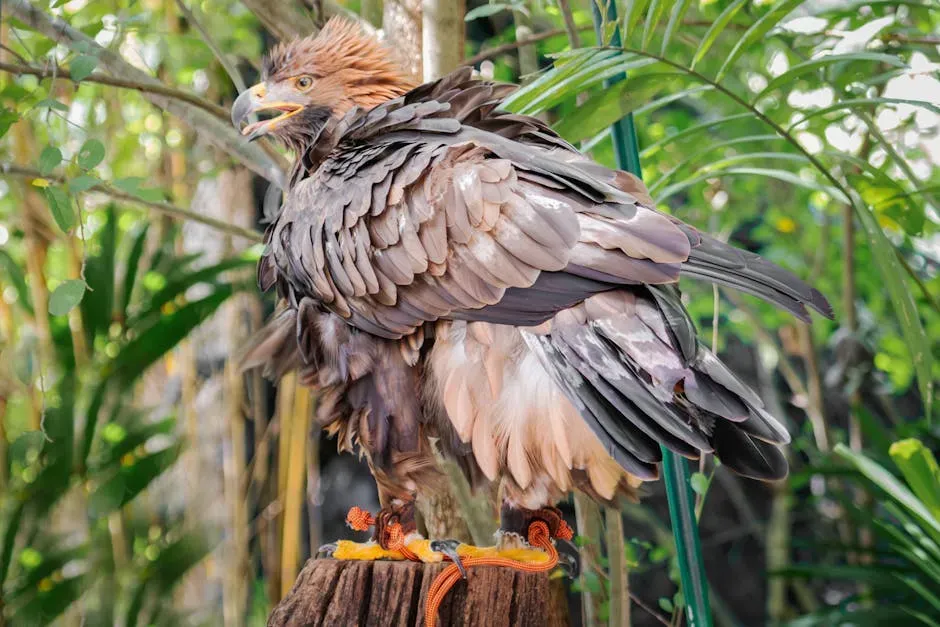
The Philippine eagle is one of the largest and most powerful eagles on Earth, with a shaggy crest that gives it a regal look. It’s the national bird of the Philippines, and it’s critically endangered. Its survival depends on large stretches of old forest.
Deforestation is the main threat, along with hunting and trapping. A pair raises just one chick at a time, and the young stay dependent for a long period. Funding forest protection and local education programs is a direct way to give these birds room to live.
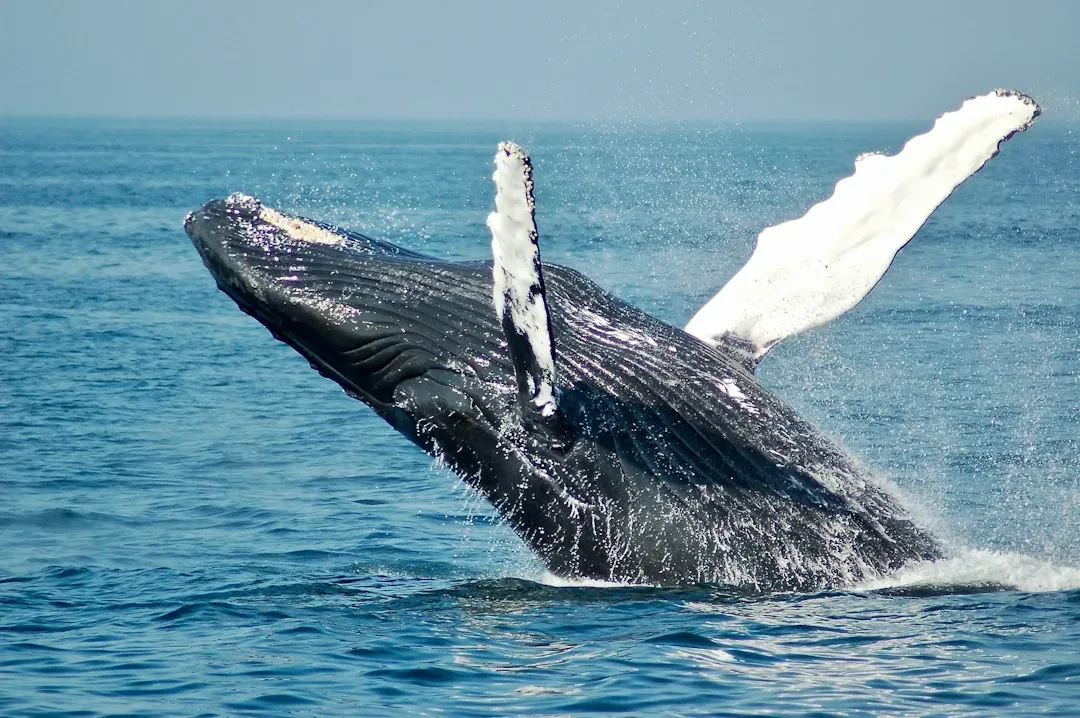
December: North Atlantic Right Whale
🔥 Would you like to save this?
We'll email this post to you, so you can come back to it later!
In winter, some North Atlantic right whales head to the warmer coastal waters off the southeastern United States to give birth. The species is critically endangered, with a population in the hundreds. Every new calf is a notable event for researchers.
Ship strikes and entanglement in fishing gear are the leading causes of death. Slower vessel speeds and ropes designed to break more easily are among the proposed fixes, and they spark real debate. If you care about this one, pay attention to the policy fights, because that’s where the whale’s future is decided.

Portable Dog Water Bottle Foldable Dog Travel Water Bottle
Check Price on AmazonAs an Amazon Associate, we earn from qualifying purchases.
10/7/2026 1:29 pm GMTi

Professional 7 in 1 Dog Paw Cleaner for Dogs & Cats - Includes 1 Portable Paw Washer, 1 Bath Brush
Check Price on AmazonAs an Amazon Associate, we earn from qualifying purchases.
10/7/2026 1:26 pm GMTi

Orthopedic Extra Large Dog Bed, Waterproof Washable XL Pet Bed 44"
Check Price on AmazonAs an Amazon Associate, we earn from qualifying purchases.
10/7/2026 1:32 pm GMTi

2 Pcs Halloween Pet Hat Bandana Set, Witch Pumpkin Costumes for Dogs
Check Price on AmazonAs an Amazon Associate, we earn from qualifying purchases.
10/9/2026 2:45 pm GMTi
Final Thoughts
🔥 Would you like to save this?
We'll email this post to you, so you can come back to it later!
I think the birth month idea is a fun trick, but it shouldn’t become a limit. Pick your animal, sure, and then let it pull you toward the others. Every species on this list is tangled up with a habitat, a fishing practice, a product, or a law that you can influence in some small way.
My opinion is that most people wait too long to care because the problems feel enormous. Start with one creature and learn its story properly. Donate, share, or change a habit, and you’ve already done more than a vague wish for a better planet ever will.

- 25 Things Breeders Say Separate an Easy Household From a Difficult One - November 6, 2026
- The Endangered Animal Your Birth Month Says You Should Champion - November 6, 2026
- 19 American Park Benefits a Pass Holder Past 62 Rarely Claims - November 6, 2026