


Deep within the rich tapestry of Norse mythology lies a fascinating and often overlooked figure: Tanngnjóstr, one of the two goats that pulled Thor’s chariot across the sky. While both goats were remarkable creatures, Tanngnjóstr (sometimes called “Teeth-grinder” or “Teeth-gnasher”) held a special place in Nordic cosmology as the goat whose movements and behaviors were believed to cause thunderstorms. This divine caprine became an essential part of explaining the natural phenomena that both terrified and fascinated the ancient Norse peoples. Through examining this mythological figure, we gain insight into how pre-Christian Scandinavians understood their environment and conceptualized the relationship between their gods and the natural world.
Origins of the Thunder Goat in Norse Cosmology

In Norse mythology, the cosmos was understood as an interconnected system where gods, humans, and animals all played specific roles. Tanngnjóstr was no ordinary goat but a divine being intrinsically connected to Thor, the god of thunder, strength, and protection. Along with his companion goat Tanngrisner (“teeth-barer”), these supernatural beings were responsible for pulling Thor’s chariot across the sky. Their origins are somewhat obscure in the primary sources, but scholars believe they represent an ancient Indo-European concept of divine animals serving as vehicles or companions to weather deities. The thunder goat concept likely developed during the early Nordic Bronze Age (1700-500 BCE), when weather gods became increasingly important to agricultural communities dependent on predictable seasons.
Physical Description and Divine Attributes

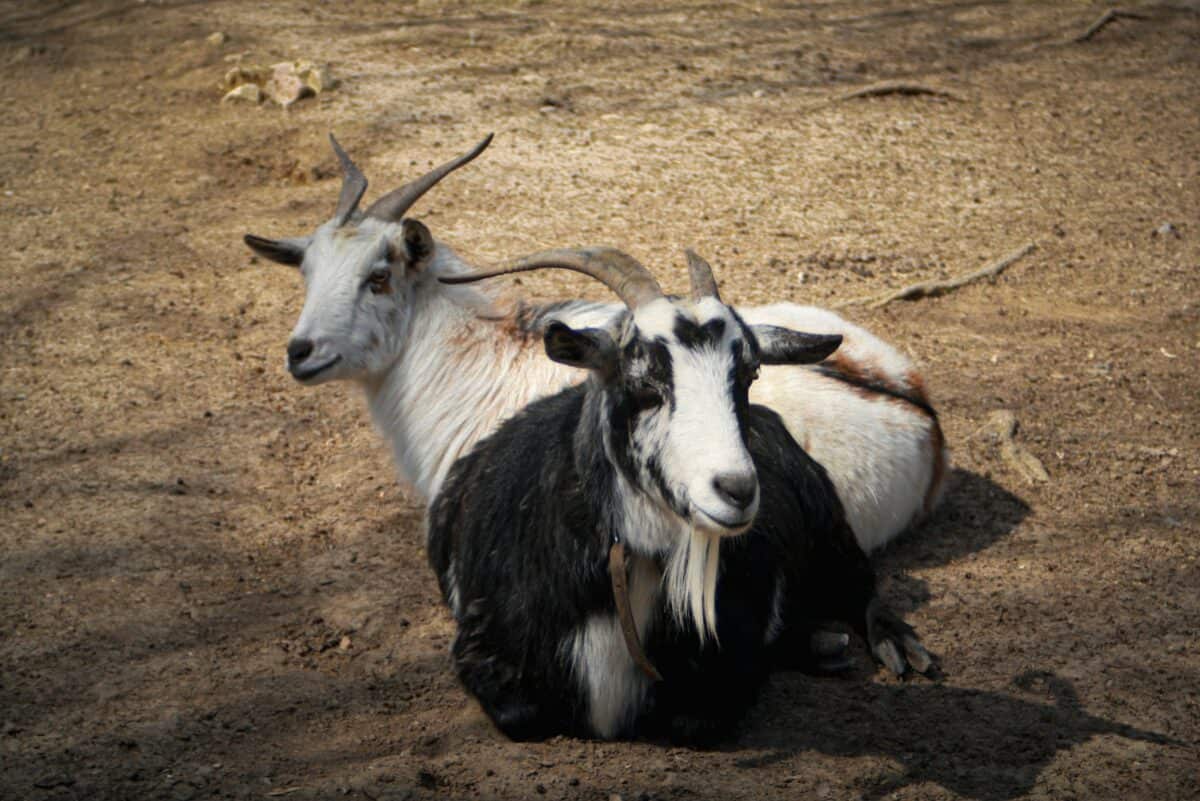
According to the Eddic texts, Tanngnjóstr was no ordinary goat. Described as massive in size with gleaming teeth and hooves of iron or bronze, this supernatural creature could withstand the rigors of traveling through the sky and various realms. His most distinctive feature was his teeth, which he would grind together to create the sound of thunder. The goat’s horns were said to be curved like lightning bolts, and some interpretations suggest his coat contained the colors of storm clouds—whites, grays, and deep blues. Unlike mortal animals, Tanngnjóstr possessed remarkable regenerative abilities, allowing him to be slaughtered for food and then resurrected the following day through Thor’s divine power, provided all his bones remained unbroken and were properly arranged with his hide.
The Mechanism of Thunder Creation

The Norse people had a remarkably vivid explanation for thunder that centered around Tanngnjóstr. When Thor traveled across the sky in his chariot, the rolling sound of the wheels and the clattering of the goats’ hooves against the clouds produced the rumbling sounds humans hear as thunder. More specifically, Tanngnjóstr would grind his teeth in exertion as he pulled the heavy chariot containing the god and his legendary hammer, Mjölnir. This grinding of supernatural teeth was believed to create the sharp cracking sounds of closer thunder, while the stomping of his hooves produced the more distant rumbling. Lightning was understood as sparks flying from the goat’s hooves or from Thor’s hammer. This explanation provided ancient Norse communities with a comprehensible mechanism for an otherwise frightening natural phenomenon.
Tanngnjóstr in the Prose Edda
Our most detailed account of Tanngnjóstr comes from Snorri Sturluson’s Prose Edda, written in Iceland during the 13th century. In the section called Gylfaginning, Snorri describes how Thor travels across the sky in his chariot pulled by the two goats, Tanngnjóstr and Tanngrisner. A particularly famous story involves Thor, Loki, and two human children stopping at a farmer’s house for the night. Thor slaughters his goats for dinner, instructing everyone to be careful not to break the bones, which should be placed on the goats’ hides afterward. During the meal, one of the children, Þjálfi, breaks open a leg bone to suck out the marrow. The next morning, when Thor resurrects the goats with his hammer, Tanngnjóstr rises with a limp, causing Thor to fly into a rage that nearly costs the farmer’s family their lives. This story underscores both the goat’s supernatural qualities and the consequences of disrespecting divine instructions.
Relationship with Thor

The connection between Thor and Tanngnjóstr was multifaceted and symbiotic. As a thunder deity, Thor required appropriate transportation that reflected his domain over storms and protection. The thunder goats provided not only practical transportation but also enhanced Thor’s own power. When Thor wished to create particularly impressive storms to intimidate giants or demonstrate his might, he would urge Tanngnjóstr to gnash his teeth more fiercely, resulting in louder thunder. The goats also served as emergency provisions, allowing Thor to sustain himself on journeys, though this required the careful preservation of their bones for resurrection. Archaeological evidence suggests that goats were particularly associated with Thor throughout the Viking Age, with numerous amulets and carvings depicting the god with his caprine companions, indicating their importance to his cult and worship.
Cultural Significance in Agricultural Communities

For the predominantly agricultural Norse societies, Tanngnjóstr represented more than just a mythological curiosity. Thunder and rainstorms were essential for crop growth and fertility, making Thor and his goats crucial deities for farming communities. Ritual evidence suggests that goats were sacrificed to Thor during times of drought or when thunderstorms were needed for crops. These rituals often mimicked the mythology, with careful attention paid to preserving the bones of sacrificed animals. Farmers would sometimes keep goats specifically dedicated to Thor, with the animals serving as living symbols of the divine connection between the thunder god and the community. In some regions, it was considered good luck to hear “Tanngnjóstr grinding his teeth” (thunder) during planting season, as it presaged fertile conditions and divine blessing.
Comparative Mythology and Indo-European Connections
Tanngnjóstr is not unique in world mythology as a thunder-creating animal. Similar concepts appear across Indo-European mythological systems, suggesting a common ancestral belief. In Baltic mythology, the god Perkūnas was associated with goats, while in Slavic traditions, the thunder god Perun had connections to bulls and rams. The Greek Zeus was occasionally associated with the goat Amalthea, though without the thunder-creating aspect.
The Roman Jupiter sometimes appeared with goats in iconography. These parallels indicate a widespread Indo-European conceptual framework that connected horned livestock to weather deities. What makes Tanngnjóstr unique is the specific mechanism ascribed to him—the grinding of teeth as an explanation for thunder—which reflects the distinctive Norse approach to mythological causality that often involved concrete, physical explanations for natural phenomena.
Archaeological Evidence and Historical Worship

Archaeological findings across Scandinavia provide evidence for the cultural importance of Thor’s goats. Small amulets depicting goats, often made of silver or bronze, have been found in numerous Viking Age contexts, particularly in areas associated with Thor worship. In Þrymskviða, an Old Norse poem from the Poetic Edda, Thor’s goats are mentioned as essential to his identity.
Several picture stones from Gotland, Sweden, depict what appears to be Thor riding in his goat-drawn chariot. Place names incorporating elements referring to Thor and goats (such as “Torsåker” or “Getaberg”) can be found throughout Scandinavia, suggesting locations where thunder goat worship may have been particularly important. Bone assemblages from certain ritual sites show special treatment of goat remains, with careful arrangement of bones consistent with the mythological resurrection narrative, indicating ritual practices directly inspired by the Tanngnjóstr stories.
Folklore and Regional Variations

While the canonical version of Tanngnjóstr comes from Icelandic sources, regional variations existed across the Norse world. In Norway, some traditions held that Tanngnjóstr created not only thunder but also avalanches when he raced down mountainsides. Swedish folklore sometimes portrayed the thunder goat as white in summer (creating milder thunderstorms) and dark gray in winter (causing more violent storms). In Danish island communities, fishermen reported seeing the wake of Thor’s chariot in storm-tossed seas, believing Tanngnjóstr could travel across water as well as sky. Even after Christianization, elements of thunder goat beliefs persisted in folk traditions. In some rural areas of Scandinavia into the 19th century, people would say “Tanngnjóstr is angry” during thunderstorms, and children were told not to imitate the sound of goats during storms lest they attract the attention of Thor’s companions.
Symbolic Interpretations and Modern Understanding
Modern scholars have interpreted Tanngnjóstr through various analytical lenses. Some see the thunder goat as a personification of natural forces, representing the wild and untamed aspects of storms that were nevertheless harnessed for divine purposes. Others interpret him as a symbol of sacrifice and renewal, given his cyclical death and resurrection. Psychoanalytic approaches suggest Tanngnjóstr represents the transformative power of controlled destruction and regeneration.
Structuralist analyses position the thunder goat as a mediator between cosmic realms—neither fully divine nor mortal, but capable of traversing boundaries. Environmental historians note how the myth connected weather patterns to divine will in ways that helped communities conceptualize and cope with unpredictable natural phenomena. These multiple interpretations highlight the rich symbolic potential contained within this seemingly simple mythological figure.
Tanngnjóstr in Contemporary Culture
Though less famous than other elements of Norse mythology, Tanngnjóstr has experienced a revival in contemporary popular culture. Modern Asatru and Norse neopagan movements sometimes incorporate thunder goat symbolism into their religious practices, with ceremonial representations of Tanngnjóstr appearing on altars dedicated to Thor. In fantasy literature and games, Thor’s goats have made appearances, sometimes with their thunder-creating abilities intact or elaborated upon.
The Marvel Comics and cinematic universe has occasionally referenced Thor’s goats, though with varying degrees of mythological accuracy. Several Scandinavian heavy metal bands have composed songs about Tanngnjóstr, emphasizing his wild nature and connection to storms. Artisanal breweries in Norway and Iceland have named thunder-themed beers after the mythological goat. These modern interpretations demonstrate the continuing appeal of this ancient meteorological explanation and its adaptability to contemporary cultural contexts.
Conclusion: The Enduring Legacy of the Thunder Goat
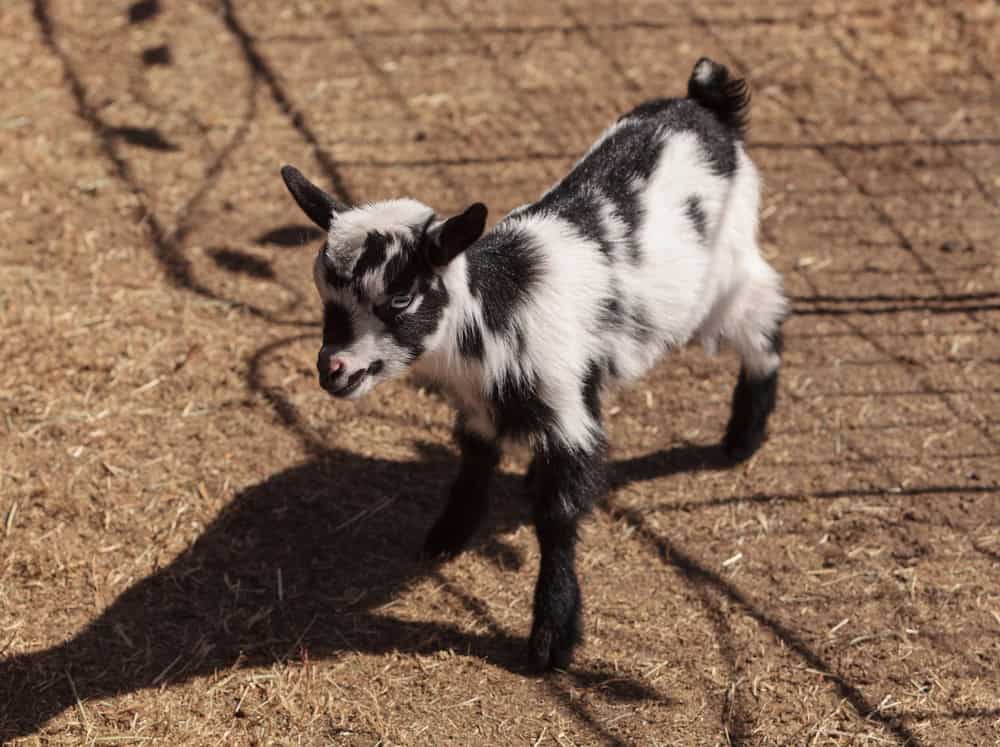
Tanngnjóstr, the thunder-creating goat of Norse mythology, represents a fascinating intersection of religious belief, natural explanation, and cultural symbolism. Through this divine caprine, we gain insight into how pre-modern societies conceptualized weather phenomena and integrated these explanations into their broader mythological frameworks. The thunder goat stands as a testament to the creativity and observational skills of Norse peoples, who crafted complex mythological systems that both explained their world and provided meaningful connections between human communities and cosmic forces. As we continue to study and appreciate Norse mythology, figures like Tanngnjóstr remind us that even seemingly minor mythological beings can provide profound windows into historical worldviews and the universal human desire to understand the powerful natural forces that shape our environment.

From exploring the marine wonders in the Azores and witnessing the vast savannas of Kenya, to delving deep into the rich biodiversity of South Africa and traversing iconic landscapes in Australia and the US like Yellowstone, Chris's experiences are vast.
With a penchant for diving alongside sharks, the ocean holds a special place in his heart.
Through his academic insights, he champions wildlife conservation, striving with 'Animals Around The Globe' to cultivate a profound connection between humans and animals, enhancing our mutual appreciation.
Connect with him at Feedback@animalsaroundtheglobe.com.