
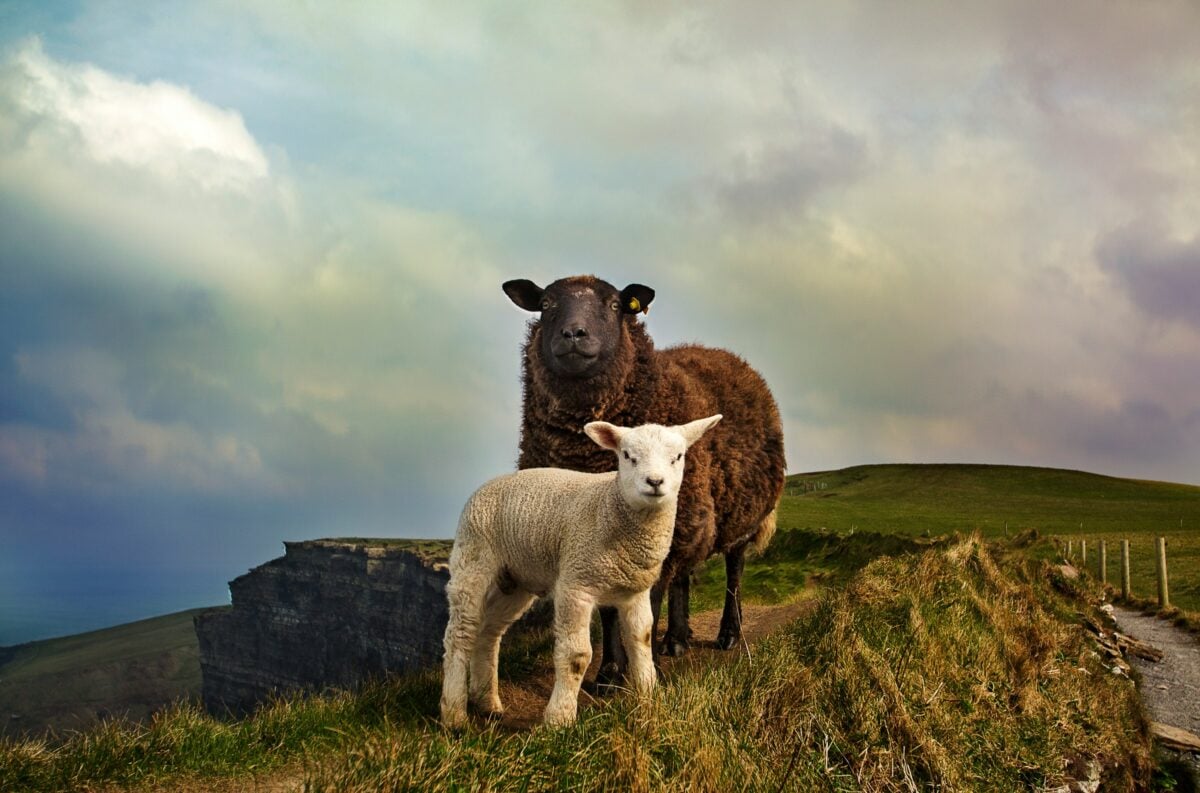


Type your birth date into a quick online quiz and you might be told you’re a Stag, a Salmon, or a Wolf. It feels oddly personal, like someone found a label you didn’t know you were wearing. The imagery looks ancient too, with misty forests, knotwork and old stories.
So where does this system come from, and does it have anything to do with the Celts? The answer is more interesting than a simple yes or no. It says a lot about why we like being sorted by the calendar.
What People Mean by Celtic Animal Zodiac
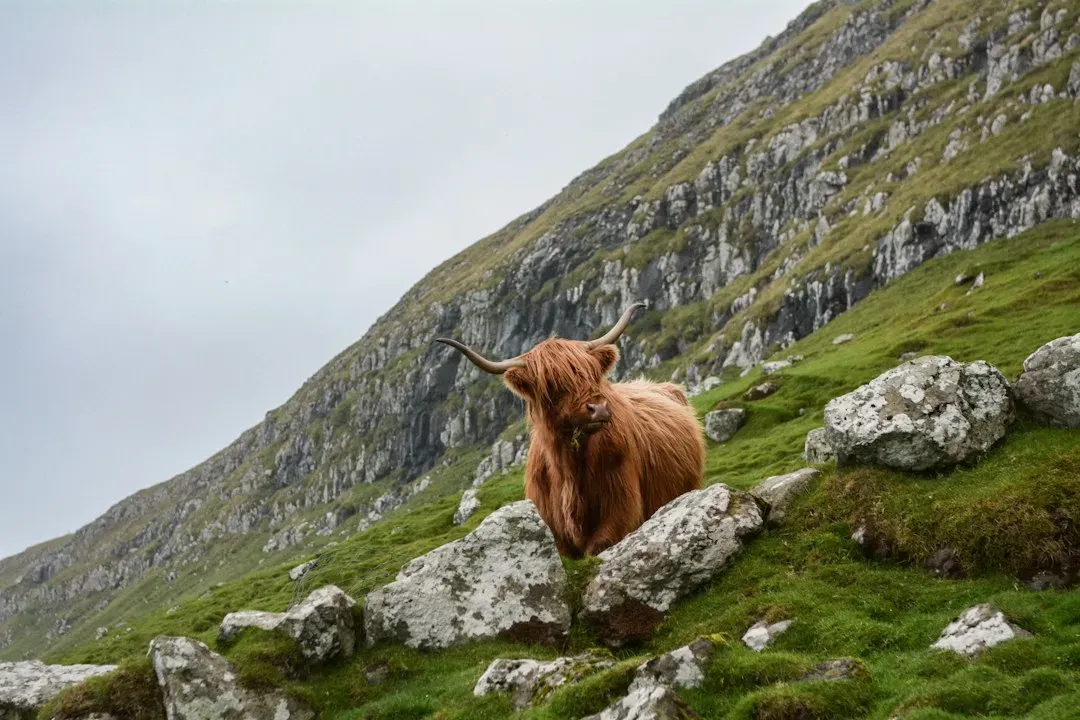
The phrase usually points to a birthday based system that assigns you a creature. Each animal comes with a personality sketch, a few strengths and a few weaknesses. You’ll find versions on astrology sites, gift shops, tattoo inspiration boards and social media.
There’s no single official version. Different sources use different animals and different date ranges, and some mix animals with trees or birds. That variety is the first clue that this is a modern, loosely shared idea rather than a fixed tradition.
It Isn’t an Ancient Celtic Calendar
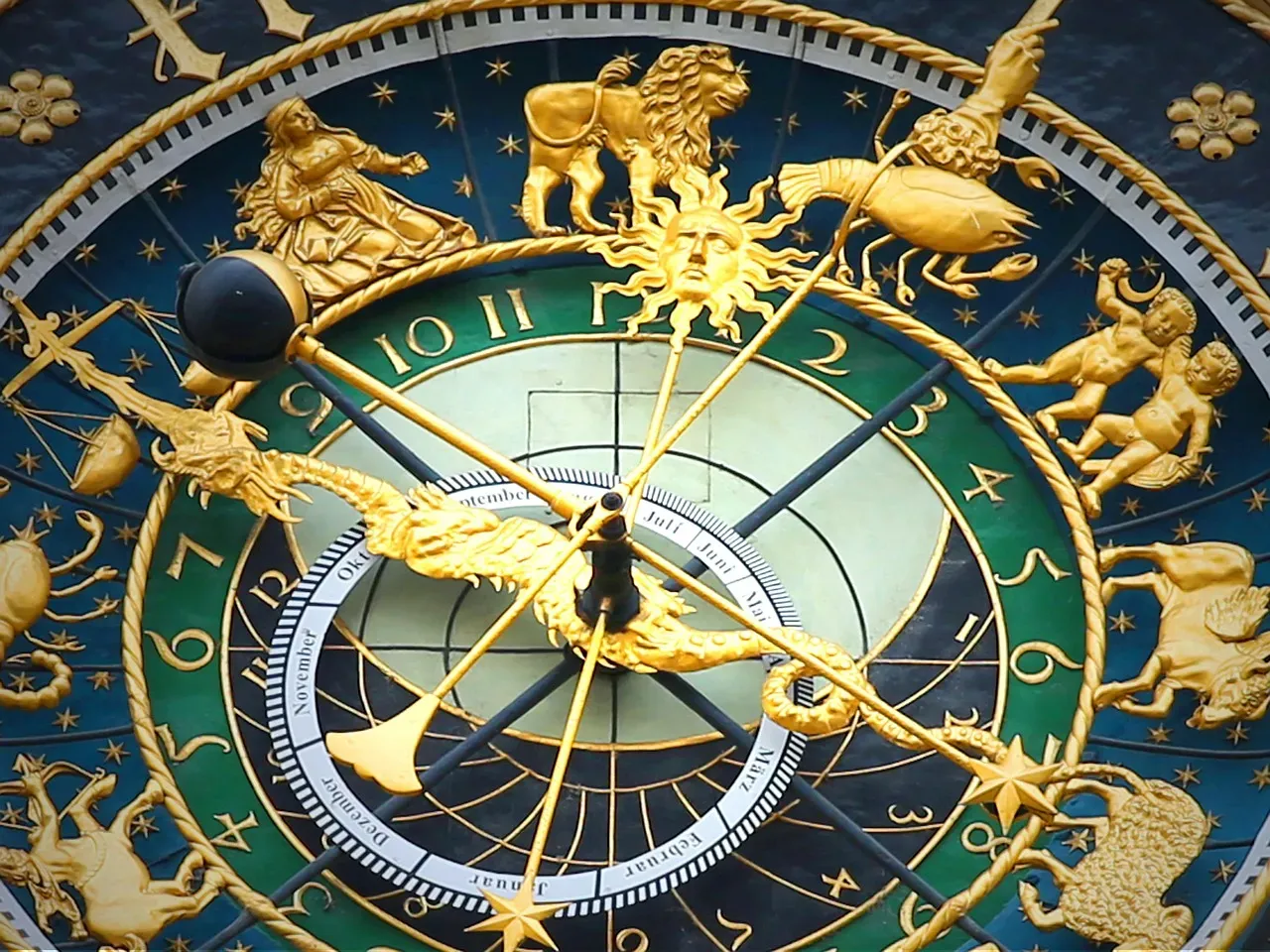
Here’s the honest starting point. Historians haven’t found evidence that ancient Celtic peoples used a twelve sign animal zodiac tied to birth dates. The Celtic world covered many cultures across a huge span of time, and it left few written records of its own beliefs.
Much of what we know comes from later medieval texts and from outside observers. Neither source describes a birthday animal chart like the ones online today. So the label “Celtic” works more as a mood than as a documented origin.
The Tree Calendar Connection

The animal versions seem to borrow from the better known Celtic tree zodiac. That idea grew in popularity after the poet Robert Graves published The White Goddess in 1948. He proposed a calendar of months linked to the letters of ogham, an early medieval Irish alphabet whose letters were later associated with tree names.
Scholars have been generally skeptical of Graves’s calendar as a historical claim. Still, it caught the public imagination, and it gave later writers a template. Swap trees for animals, keep the birthday ranges, and you have a fresh product with the same romantic feel.
Why Animals Feel So Right
The choice of animals isn’t random. Animals matter a great deal in surviving Irish and Welsh stories. There’s the wise Salmon of Knowledge, boars that turn up in hunts and magical tales, and crows and ravens linked with battle goddesses.
That gives the zodiac a believable texture. A modern writer can pick a creature from this storytelling world and the result feels rooted, even when the exact pairing with a date is new. It’s borrowed atmosphere, and it works.
How the Birthday System Usually Works
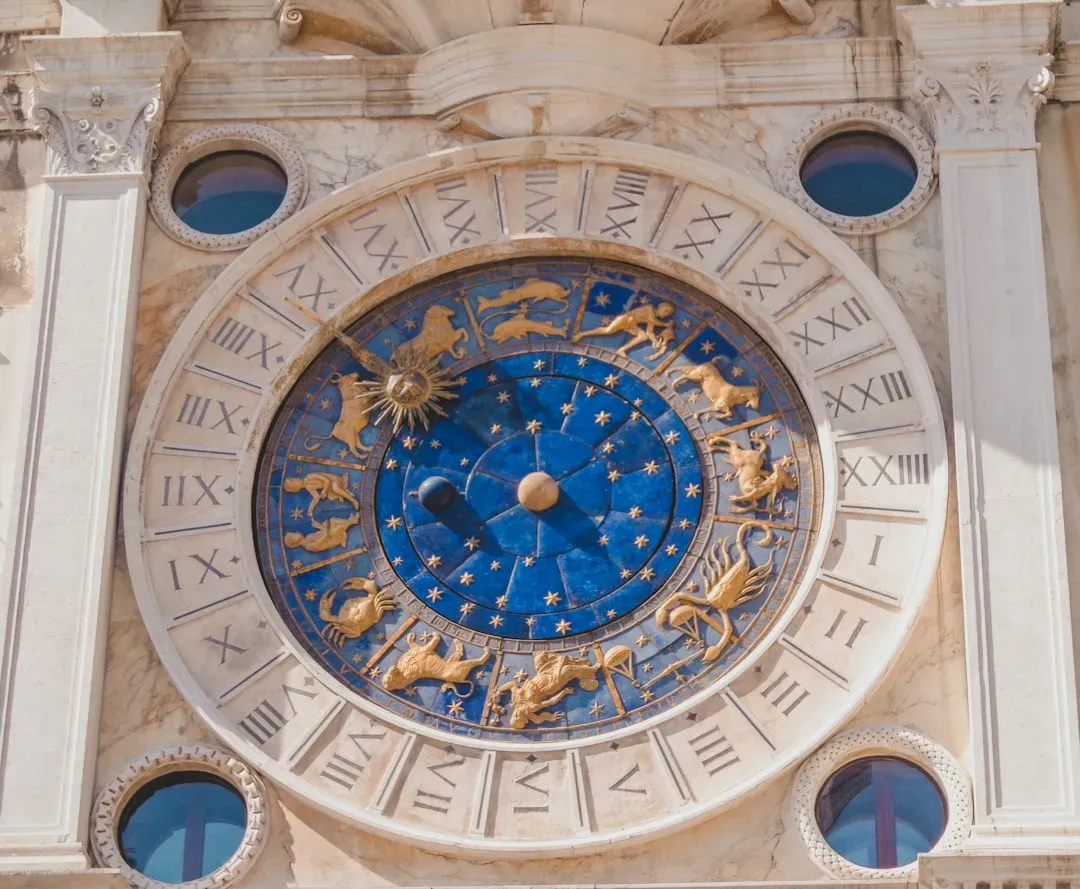
Most versions split the year into twelve or so periods, a lot like the western zodiac. You find the range your birthday falls into, then read about your animal. Some versions use longer spans, and others use shorter ones that shift by a few days.
Because the ranges aren’t standardized, two websites can give you two different animals for the same birthday. If that happens to you, you haven’t done anything wrong. The sources simply disagree, since none of them is the original.

PetSafe Oasys Pet Fountain, 1/2 Gallon (64 oz), Small Dogs & Cats
Check Price on AmazonAs an Amazon Associate, we earn from qualifying purchases.
10/8/2026 8:14 am GMTi

Air Purifiers for Home Pets Large Room Up to 3000 Ft²,HEPA Air Cleaner with Washable Double-Side Filter, PM2.5 Air Quality Monitor,15dB Sleep Mode for Bedroom Odor Dust Pollen,White
Check Price on AmazonAs an Amazon Associate, we earn from qualifying purchases.
10/8/2026 8:23 am GMTi

2 Pcs Halloween Pet Hat Bandana Set, Witch Pumpkin Costumes for Dogs
Check Price on AmazonAs an Amazon Associate, we earn from qualifying purchases.
10/9/2026 2:45 pm GMTi

Dog Stairs for Bed 18" H, 4-Step Dog Steps for High Bed
Check Price on AmazonAs an Amazon Associate, we earn from qualifying purchases.
10/9/2026 2:42 pm GMTi

Smart Bird Feeder with Camera Solar Powered, 2K HD Live Video, 10,000+ Bird Species AI Identification
Check Price on AmazonAs an Amazon Associate, we earn from qualifying purchases.
10/7/2026 1:22 pm GMTi
Why the Lists Never Match
You’ll see animals such as the stag, wolf, hawk, salmon, swan, horse, boar and otter turn up often. Yet there’s no agreed roster, and creatures get swapped in and out depending on the author. Some lists lean on Irish folklore, others on Welsh tales, and others on general nature symbolism.
Personality descriptions shift too. A wolf might be loyal and independent on one site and restless and secretive on another. Treat any single list as one writer’s interpretation, not a rediscovered rulebook.
What Your Sign Is Supposed to Say About You
Typical write ups praise a few traits and gently warn about a few flaws. A stag type might be described as proud and steady, while a salmon type is curious and driven to keep moving. The warnings are usually soft, like stubbornness or a tendency to overthink.
This is the same pattern horoscopes use. Descriptions stay broad enough that most people can find themselves in them. Psychologists call that tendency the Barnum effect, and it explains a lot of why these readings feel so accurate.
How It Differs From Western and Chinese Zodiacs
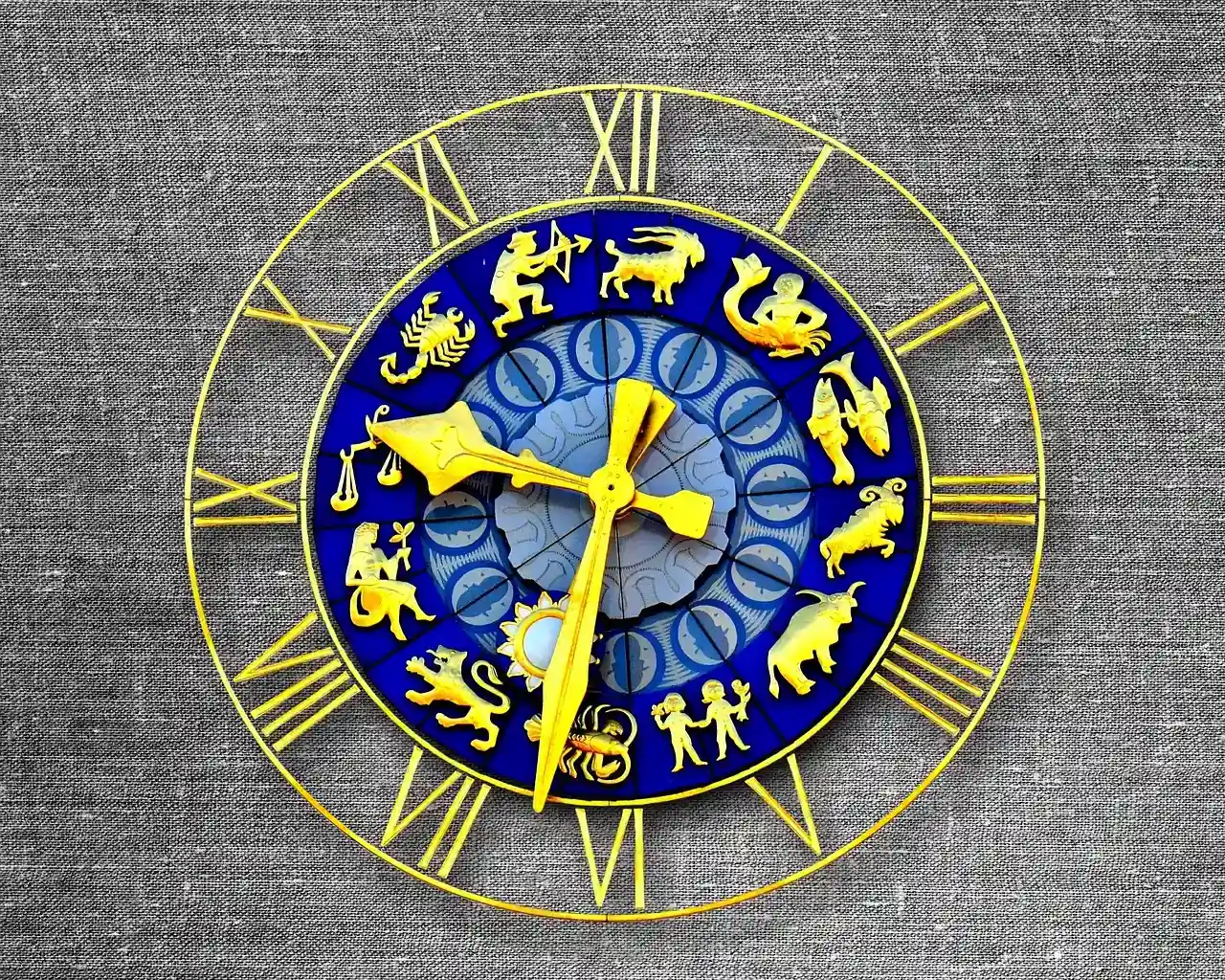
The western zodiac is tied to the sun’s path and has a long documented history. The Chinese zodiac runs on a twelve year cycle of animals, with its own traditions and records. The Celtic animal version has neither a single documented lineage nor an agreed structure.
That doesn’t make it worthless, only different in kind. It’s best seen as a modern creative system, closer to a themed personality game than to an inherited astrological craft. Knowing that keeps expectations realistic.

Orthopedic Extra Large Dog Bed, Waterproof Washable XL Pet Bed 44"
Check Price on AmazonAs an Amazon Associate, we earn from qualifying purchases.
10/7/2026 1:32 pm GMTi

Hand Blown Glass Hummingbird Feeders for Outdoors Hanging, 24oz Wild Bird Nectar Feeder
Check Price on AmazonAs an Amazon Associate, we earn from qualifying purchases.
10/7/2026 1:23 pm GMTi

Portable Dog Water Bottle Foldable Dog Travel Water Bottle
Check Price on AmazonAs an Amazon Associate, we earn from qualifying purchases.
10/7/2026 1:29 pm GMTi

Professional 7 in 1 Dog Paw Cleaner for Dogs & Cats - Includes 1 Portable Paw Washer, 1 Bath Brush
Check Price on AmazonAs an Amazon Associate, we earn from qualifying purchases.
10/7/2026 1:26 pm GMTi

Glass Hummingbird Feeder for Outdoors Hanging, 16 oz Leak-Proof Nectar Feeder with Bee Guards & Ant Moat
Check Price on AmazonAs an Amazon Associate, we earn from qualifying purchases.
10/7/2026 1:22 pm GMTi
Why It’s Trending Right Now
A few things push it along. Personality quizzes spread easily on social media, and people enjoy sharing a result that sounds flattering. Interest in heritage, folklore and nature based symbolism has also been growing for years, and this sits neatly in that space.
There’s an emotional pull as well. An animal gives you something visual to hold onto, whether it’s a tattoo idea, a piece of jewelry or a profile picture. It’s easier to feel connected to a hawk than to a date range.
Using It for Fun and Reflection
If you enjoy it, there’s little harm in treating your animal as a conversation starter. Read the description, notice which parts ring true and which don’t, and let that nudge you to think about your habits. Reflection is useful whatever its source.
It also helps to check where a site’s claims come from. Be wary of anything that says the system is thousands of years old without naming real sources. Look for writers who admit the modern roots and still make the symbolism enjoyable.

Halloween Dog Collar with Bow, Orange Cute Ghost Collar,
Check Price on AmazonAs an Amazon Associate, we earn from qualifying purchases.
10/9/2026 2:43 pm GMTi

Glass Hummingbird Feeder for Outdoors Hanging
Check Price on AmazonAs an Amazon Associate, we earn from qualifying purchases.
10/7/2026 1:21 pm GMTi

Earth Rated XL Dog & Puppy Pee Pads, Discreet Top, Max Absorbency
Check Price on AmazonAs an Amazon Associate, we earn from qualifying purchases.
10/7/2026 1:28 pm GMTi

Halloween Cat Costume Cloak Witch Hat Pet Accessories
Check Price on AmazonAs an Amazon Associate, we earn from qualifying purchases.
10/9/2026 2:44 pm GMTi
Final Thoughts
My view is simple: enjoy it, but don’t let it pretend to be something it isn’t. The Celtic animal zodiac is a modern invention wearing old clothes, and it does that well. The stories behind the animals are genuinely rich, and that’s where the real value is.
If your sign sparks curiosity, follow it to the source. Read the tales of the salmon, the boar and the raven, and you’ll learn more about Celtic storytelling than any birthday chart can tell you. That’s a better reward than a personality label.

As a little kid, I fell in love with nature, wildlife, and animals. Living in the USA, South Africa, Italy, China and Germany gave me the opportunity to discover the world's Wildlife. My favorite animals are Mountain Gorillas, Siberian Tigers, and Great White Sharks.
I'm a certified PADI Open Water Diver, went to Everest Base Camp and Trekked Gorillas in Uganda. I hold a Master of Science in Economics and Finance.
Please send any feedback to feedback@animalsaroundtheglobe.com
- The Modern ‘Celtic Animal Zodiac’ Sign Tied to Your Birthday - November 12, 2026
- How the Three-Toed Sloth Defies Speed in the Animal Kingdom - November 12, 2026
- 10 Most Googled Questions About Pet Aging - November 12, 2026