


Pennsylvania’s diverse landscapes – from rolling farmlands to dense forests and suburban developments – provide habitat for an incredible variety of wildlife. For residents of the Keystone State, backyards often serve as miniature wildlife sanctuaries where many species find food, shelter, and nesting sites. Whether you’re an avid wildlife watcher or simply curious about the creatures that visit your property, understanding Pennsylvania’s common backyard wildlife can enhance your appreciation of the natural world. This article explores the most frequently encountered mammals, birds, reptiles, amphibians, and insects that call Pennsylvania backyards home, offering insights into their behaviors, ecological roles, and tips for peaceful coexistence.
Eastern Gray Squirrels: Pennsylvania’s Acrobatic Residents
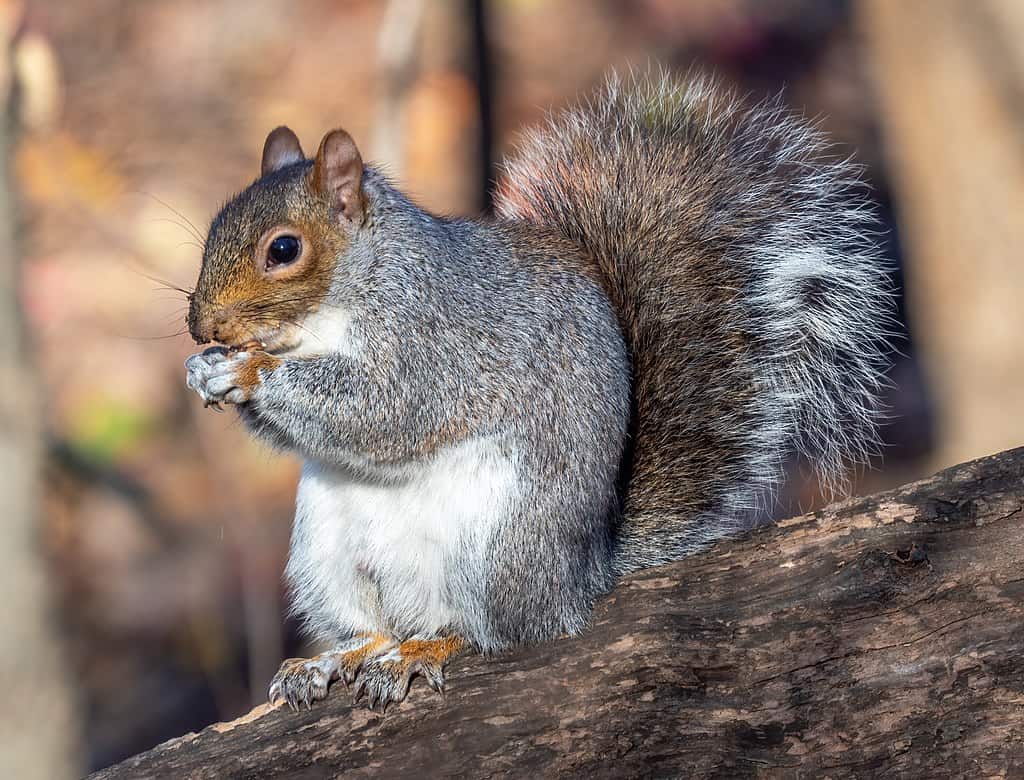
Perhaps no backyard wildlife species is more ubiquitous in Pennsylvania than the Eastern gray squirrel (Sciurus carolinensis). These agile mammals are masterful tree-dwellers, using their powerful hind legs to leap impressive distances between branches and their bushy tails for balance. Eastern gray squirrels are primarily active during daylight hours, particularly in early morning and late afternoon, making them one of the most visible backyard visitors.
Their diet consists mainly of nuts, seeds, buds, and occasionally bird eggs, with a remarkable ability to remember thousands of food storage locations. In Pennsylvania, gray squirrels play a crucial ecological role as seed dispersers, inadvertently planting thousands of trees when they forget where they’ve buried nuts. While sometimes considered nuisances when they raid bird feeders or nest in attics, these intelligent rodents are integral to Pennsylvania’s forest ecosystems and provide endless entertainment for backyard wildlife watchers.
White-tailed Deer: Graceful Browsers

White-tailed deer (Odocoileus virginianus) have adapted remarkably well to suburban and even urban environments throughout Pennsylvania. These elegant mammals frequently visit backyards, especially at dawn and dusk, browsing on garden plants, shrubs, and fallen fruit. Adult males (bucks) grow and shed antlers annually, while females (does) often bring their spotted fawns to the relative safety of residential areas.
Pennsylvania’s deer population has flourished in the mixed landscape of forest fragments and open spaces that characterize many residential areas, sometimes leading to human-wildlife conflicts. Their ecological impact is significant – deer can drastically alter forest composition through their selective feeding habits, affecting everything from wildflower populations to forest regeneration. For homeowners experiencing deer damage to landscaping, various deterrents including motion-activated sprinklers, deer-resistant plantings, or appropriately designed fencing can help manage these interactions while still appreciating these magnificent animals from a distance.
Northern Cardinals: Splashes of Red Year-Round

The striking Northern cardinal (Cardinalis cardinalis) holds a special place in many Pennsylvania backyards as one of the few birds that neither migrates nor molts into a dull winter plumage. The brilliant red males and the more subdued, olive-brown females with reddish accents are year-round residents, bringing color to winter landscapes and melodious songs throughout the seasons. Cardinals readily visit bird feeders, showing particular preference for black oil sunflower seeds, safflower seeds, and white millet.
These monogamous birds often mate for life and maintain territories throughout the year, with males famously defending their space against perceived rivals—sometimes including their own reflections in windows or shiny surfaces. In Pennsylvania, cardinals have benefited from suburban development that creates ideal edge habitat with shrubby vegetation for nesting while providing open areas for foraging. Their distinctive crest, cheerful whistling songs, and year-round presence make Northern cardinals among the most beloved backyard birds in the state.
Eastern Chipmunks: Nature’s Excavators
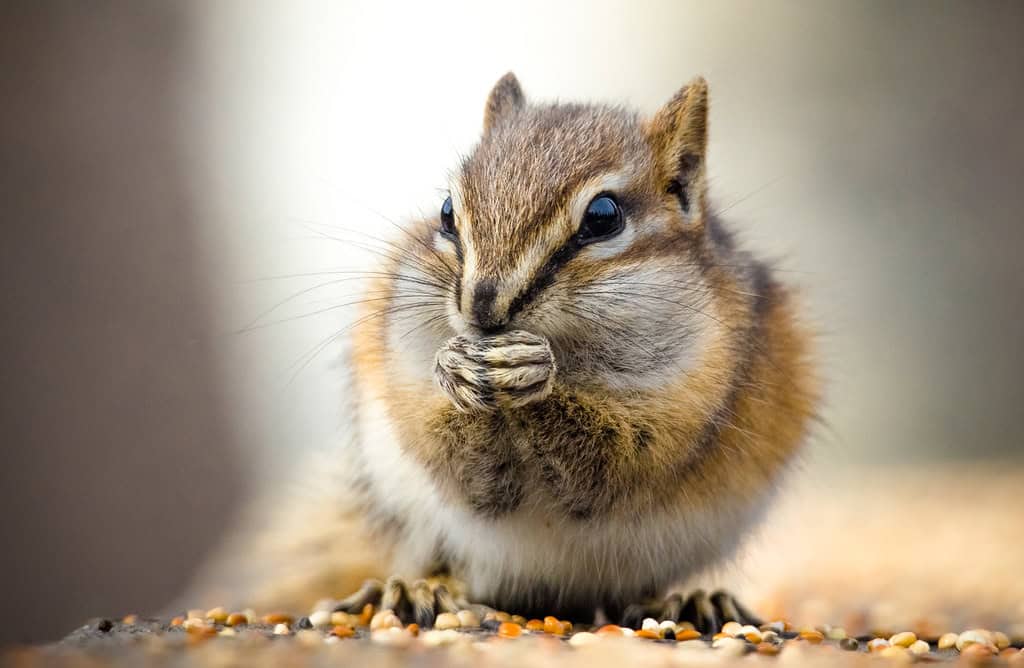
Eastern chipmunks (Tamias striatus) are among Pennsylvania’s most charismatic backyard mammals, instantly recognizable by their small size, distinctive striped pattern, and chubby cheeks used for transporting food. These industrious rodents create elaborate underground burrow systems that can extend 20-30 feet in length, featuring multiple entrances, nesting chambers, and food storage areas. Pennsylvania’s backyards provide ideal habitat, offering trees and shrubs for cover alongside open areas for foraging.
Chipmunks are prolific collectors, capable of gathering up to 165 acorns in a single day, which they store in their underground pantries for winter consumption. Unlike true hibernators, chipmunks experience periods of torpor during winter, waking every few days to feed from their caches. Their diet includes nuts, seeds, berries, insects, and occasionally small vertebrates or bird eggs. Their constant activity and vocalizations—including a distinctive “chip-chip-chip” alarm call—make eastern chipmunks entertaining backyard residents, though their burrowing can sometimes cause minor structural concerns near foundations or patios.
American Robins: Harbingers of Spring
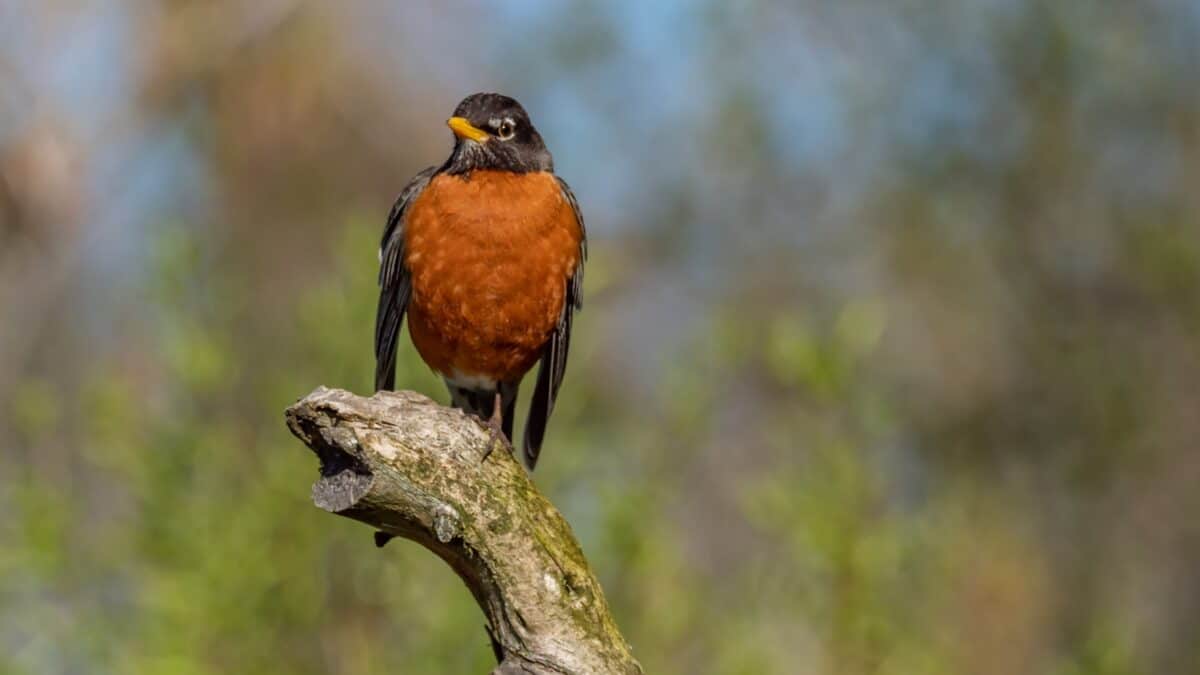
The American robin (Turdus migratorius) holds cultural significance as Pennsylvania’s herald of spring, though many robins actually remain in the state year-round, simply becoming less visible as they move from lawns to woodlands during winter. These familiar birds with rusty-orange breasts and dark heads are often seen hopping across lawns, cocking their heads as they listen and look for earthworms and insects. Robins form large winter flocks that feed primarily on fruits and berries before dispersing in spring for breeding season.
Their distinctive cup-shaped mud and grass nests appear on sheltered branches, porch lights, or rain gutters throughout Pennsylvania neighborhoods from March through July, with females typically laying 3-4 characteristic blue eggs. Robins can produce multiple broods each season, making them among the most productive songbirds in suburban settings. Their rich, caroling dawn song is among the first bird vocalizations to break the morning silence in Pennsylvania backyards, contributing to their beloved status among backyard wildlife enthusiasts despite their occasional consumption of cultivated berries and fruits.
Eastern Cottontail Rabbits: Silent Lawn Grazers
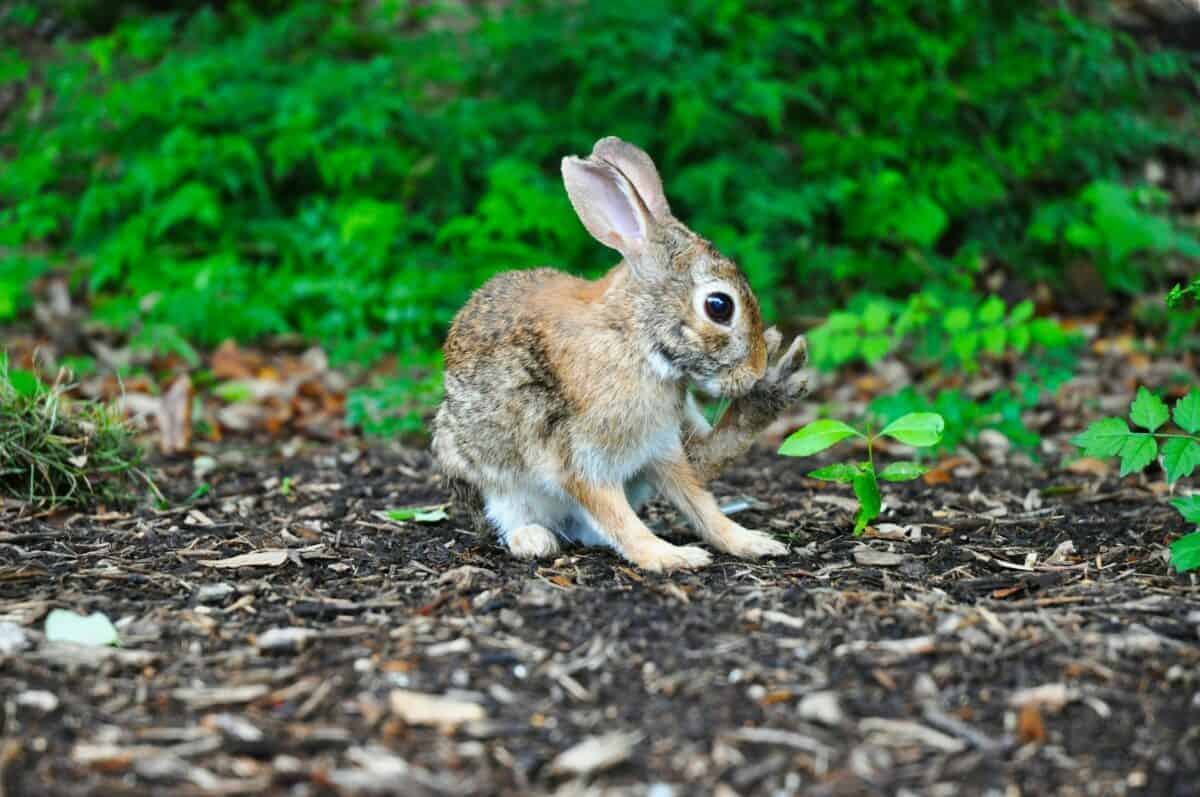
The Eastern cottontail rabbit (Sylvilagus floridanus) is a common sight in Pennsylvania backyards, particularly at dawn and dusk when these crepuscular mammals are most active. With their characteristic brown-gray fur, white undertails, and large eyes and ears, cottontails have adapted well to suburban environments that provide both open grassy areas for feeding and dense shrubbery for cover. These rabbits don’t dig extensive burrow systems but rather create shallow depressions called “forms” where they rest during daylight hours, relying on camouflage and stillness to avoid detection by predators.
Female cottontails are remarkably productive, potentially producing up to four litters annually in Pennsylvania, with each litter containing 3-8 young. The breeding season typically extends from February through September. Their diet consists primarily of grasses and herbs during summer months, shifting to woody plant materials like twigs, bark, and buds during winter. While gardeners sometimes consider cottontails pests due to their appetite for vegetables and ornamental plants, these gentle mammals play important ecological roles as prey for numerous predators and as seed dispersers throughout Pennsylvania’s varied landscapes.
Raccoons: Nocturnal Opportunists

Raccoons (Procyon lotor) have earned their reputation as Pennsylvania’s backyard bandits, with their distinctive black mask, ringed tail, and remarkable manual dexterity making them uniquely adapted to exploit human environments. These primarily nocturnal mammals are intelligent problem-solvers capable of opening complex latches, unscrewing jar lids, and remembering solutions to challenges for up to three years. Pennsylvania’s suburban landscapes provide ideal raccoon habitat, offering abundant food sources, denning sites in trees, chimneys, and abandoned structures, and reduced predation pressure.
Raccoons are true omnivores with incredibly varied diets that include fruits, nuts, insects, small animals, eggs, and human garbage. They’re particularly drawn to water sources where they can “wash” their food—a behavior that doesn’t actually clean items but enhances their tactile sensitivity for evaluating food quality. While fascinating to observe, raccoons can become problematic when they damage property, raid garbage cans, or take up residence in attics. Maintaining secure garbage containers, removing pet food from outdoor areas at night, and ensuring chimneys and other potential entry points are properly capped can help minimize conflicts with these adaptable mammals.
Black-capped Chickadees: Friendly Winter Residents
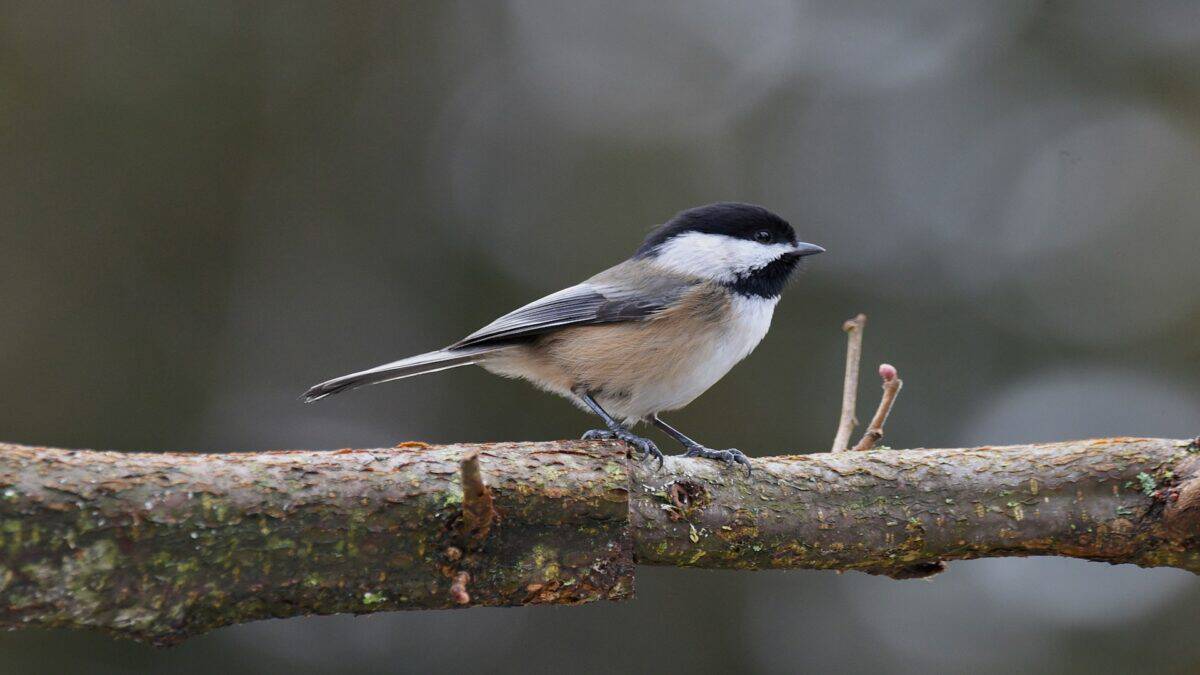
The black-capped chickadee (Poecile atricapillus) embodies cheerful resilience in Pennsylvania backyards, particularly during winter months when their animated presence and distinctive “chick-a-dee-dee-dee” calls enliven the landscape. These small, round birds with black caps and bibs are remarkable for their ability to withstand harsh Pennsylvania winters, lowering their body temperature by up to 22°F during cold nights to conserve energy—a controlled hypothermia called torpor.
Despite weighing less than half an ounce, chickadees maintain astonishing memory capabilities, remembering thousands of food storage locations throughout their territory. They’re also highly intelligent, with studies showing they can count to four and understand the alarm calls of other species. Black-capped chickadees readily visit backyard feeders, showing particular preference for black oil sunflower seeds, suet, and peanut butter. Their boldness and curiosity sometimes leads them to feed from extended hands in areas where they’ve grown accustomed to people. These birds form the core of mixed-species winter foraging flocks in Pennsylvania woodlands and neighborhoods, often leading nuthatches, titmice, and downy woodpeckers on feeding circuits that provide both increased foraging efficiency and better predator detection.
Eastern Box Turtles: Long-lived Reptilian Neighbors
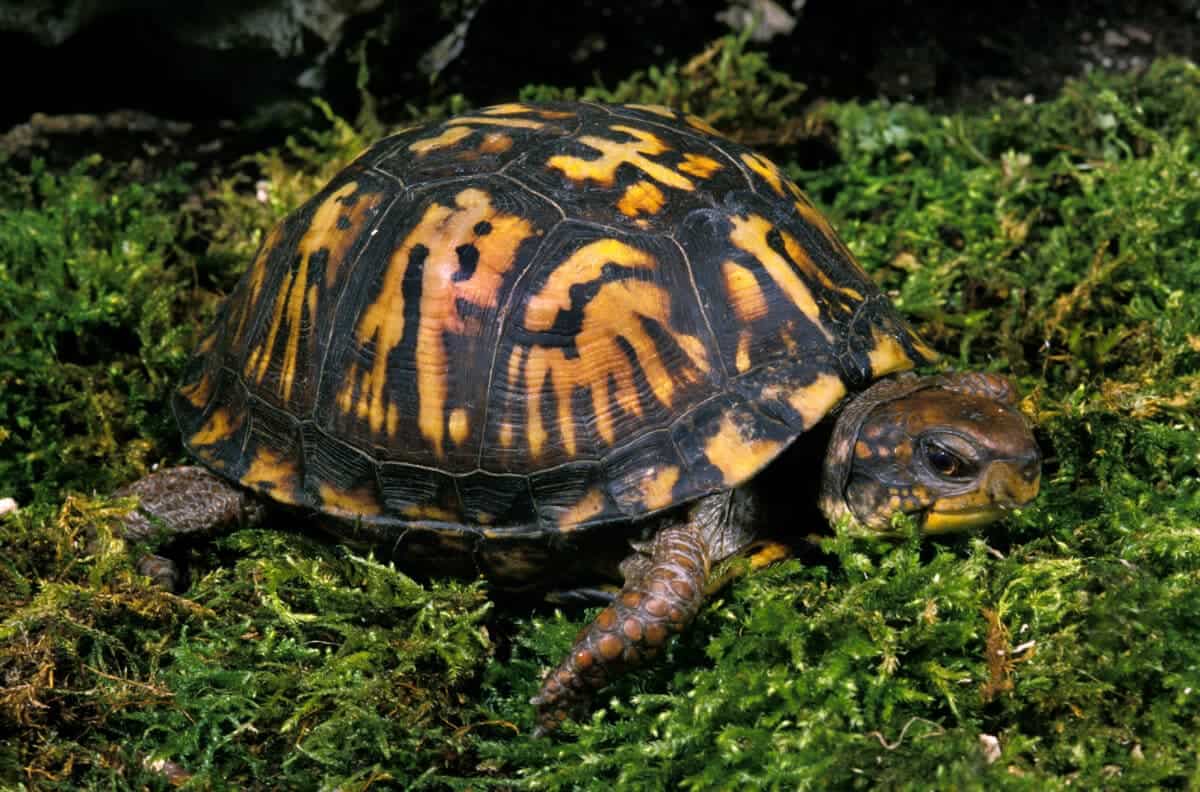
The Eastern box turtle (Terrapene carolina carolina) represents one of Pennsylvania’s most distinctive backyard reptiles, though declining populations have made sightings increasingly rare and treasured events. These terrestrial turtles are instantly recognizable by their high-domed shells with intricate yellow or orange patterns on a brown background, and their unique hinged plastron (lower shell) that allows them to completely enclose their head and limbs when threatened. Box turtles can live for 50-100 years in the wild, maintaining remarkably small home ranges—sometimes just a few acres—throughout their long lives.
In Pennsylvania backyards, they consume a varied diet of insects, earthworms, berries, mushrooms, and occasional carrion. Eastern box turtles face significant conservation challenges, including habitat fragmentation, road mortality, collection for the pet trade, and agricultural machinery. Climate change poses an additional threat, as these turtles exhibit temperature-dependent sex determination, with warmer incubation temperatures producing females and cooler temperatures producing males. Homeowners can support local box turtle populations by maintaining natural areas with leaf litter and fallen logs, creating small wildlife ponds, avoiding lawn chemicals, and being vigilant while mowing or using power equipment in turtle habitat.
American Toads: Garden Allies
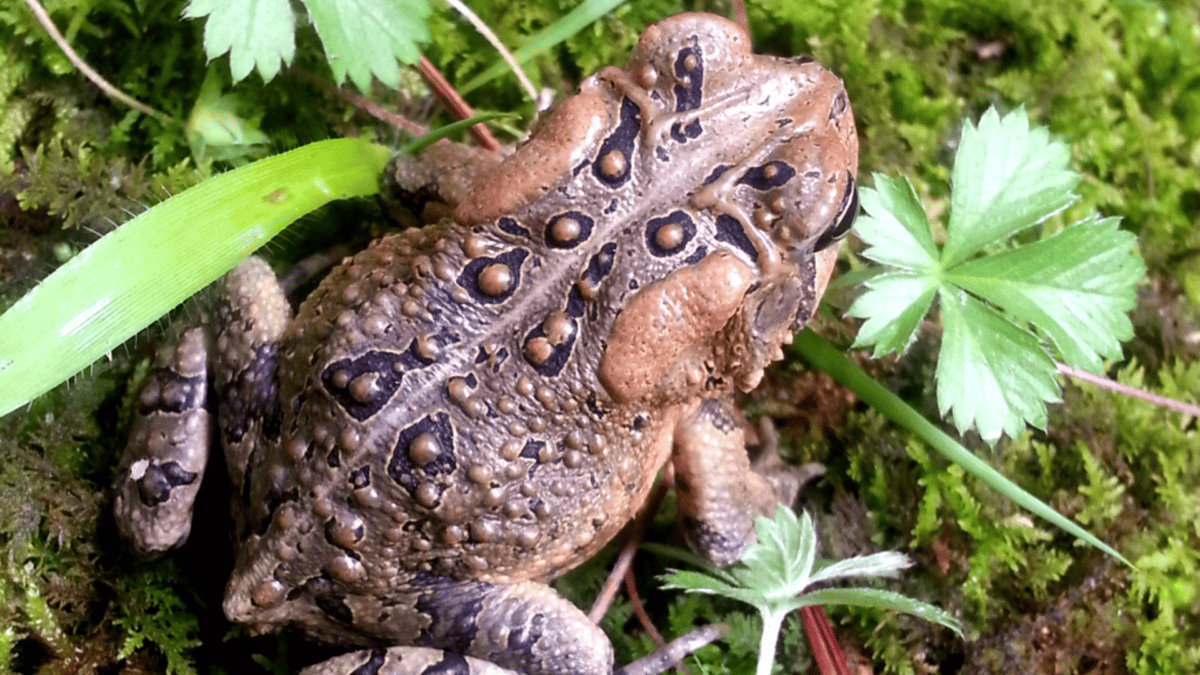
The American toad (Anaxyrus americanus) serves as one of Pennsylvania’s most beneficial backyard amphibians, consuming vast quantities of insects including many garden and landscape pests. These warty amphibians with distinctive cranial crests and varying shades of brown, gray, or reddish coloration are primarily nocturnal but may be active during daylight hours after rain. A single adult toad can consume up to 10,000 insects during a typical Pennsylvania growing season, making them valuable allies for gardeners.
American toads breed in shallow, temporary water bodies during spring, with males emitting a distinctive musical trill that can last up to 30 seconds to attract females. After mating, females lay distinctive strings of eggs containing thousands of embryos that develop into tadpoles and undergo metamorphosis within 4-8 weeks. Outside breeding season, these amphibians are terrestrial, requiring moist microhabitats created by leaf litter, logs, rocks, or garden mulch. Pennsylvania homeowners can support toad populations by avoiding pesticides, creating simple toad shelters from overturned flowerpots with entrance notches, maintaining shallow water features for breeding, and exercising caution with power equipment near toad habitat.
Monarch Butterflies: Majestic Migrants

The monarch butterfly (Danaus plexippus) represents one of Pennsylvania’s most iconic backyard insects, instantly recognizable by its vibrant orange wings with black veining and white-spotted borders. These remarkable insects undertake one of the most extraordinary migrations in the animal kingdom, with eastern monarchs traveling up to 3,000 miles from Pennsylvania and other northern states to overwintering grounds in central Mexico. In Pennsylvania backyards, monarchs fulfill their entire life cycle from late spring through early fall, with females laying single eggs on milkweed plants—the only food source their caterpillars can consume.
The striking black, white, and yellow-banded caterpillars sequester toxic compounds from milkweed, rendering both larvae and adult butterflies unpalatable to most predators. Monarch populations have declined by approximately 80% over the past two decades due to habitat loss, pesticide use, climate change, and disease. Pennsylvania homeowners can support these majestic insects by planting native milkweed species including common milkweed (Asclepias syriaca), butterfly weed (Asclepias tuberosa), and swamp milkweed (Asclepias incarnata), while also providing nectar sources like Joe-Pye weed, coneflowers, and asters to fuel their migration. Conservation efforts for monarchs highlight the critical connection between backyard habitats and global biodiversity.
Red-tailed Hawks: Aerial Predators

The red-tailed hawk (Buteo jamaicensis) represents the apex predator in many Pennsylvania backyard ecosystems, serving as nature’s rodent control specialist. These impressive raptors are readily identified by their broad, rounded wings, relatively short tail with characteristic rusty-red coloration (in adults), and powerful build. With a wingspan reaching four feet, red-tailed hawks create distinctive silhouettes as they soar on thermal air currents above Pennsylvania neighborhoods or perch conspicuously on utility poles, tall trees, or other elevated vantage points. Their exceptional vision allows them to spot small mammal prey from considerable distances, after which they execute precise diving attacks that can reach speeds of over 120 mph.
Red-tailed hawks primarily consume mice, voles, squirrels, and rabbits, though they occasionally take birds, snakes, or larger prey. These raptors form monogamous pairs that often mate for life, building large stick nests in tall trees where they typically raise 1-3 young annually. Pennsylvania’s suburban landscapes actually provide excellent red-tailed hawk habitat, combining open hunting areas with scattered trees for nesting and perching. Their presence indicates a healthy ecosystem with sufficient prey populations, making a red-tailed hawk sighting a noteworthy event for backyard wildlife enthusiasts.
Conclusion: Appreciating Pennsylvania’s Backyard Biodiversity

Pennsylvania’s backyards serve as microcosms of the state’s rich biodiversity, offering opportunities for meaningful wildlife connections that foster conservation awareness and environmental stewardship. The common species highlighted in this article represent just a fraction of the wildlife that Pennsylvania residents might encounter, with each animal playing a unique and important ecological role in these human-adjacent habitats.
By understanding the needs and behaviors of backyard wildlife, homeowners can make informed decisions about landscape management, creating spaces that support native species while minimizing potential conflicts. As development continues to fragment natural habitats throughout the Keystone State, thoughtfully managed backyards, gardens, and community spaces become increasingly vital sanctuaries for Pennsylvania’s wild heritage, ensuring that future generations will continue to experience the joy and wonder of observing wildlife just beyond their doorstep.

From exploring the marine wonders in the Azores and witnessing the vast savannas of Kenya, to delving deep into the rich biodiversity of South Africa and traversing iconic landscapes in Australia and the US like Yellowstone, Chris's experiences are vast.
With a penchant for diving alongside sharks, the ocean holds a special place in his heart.
Through his academic insights, he champions wildlife conservation, striving with 'Animals Around The Globe' to cultivate a profound connection between humans and animals, enhancing our mutual appreciation.
Connect with him at Feedback@animalsaroundtheglobe.com.