

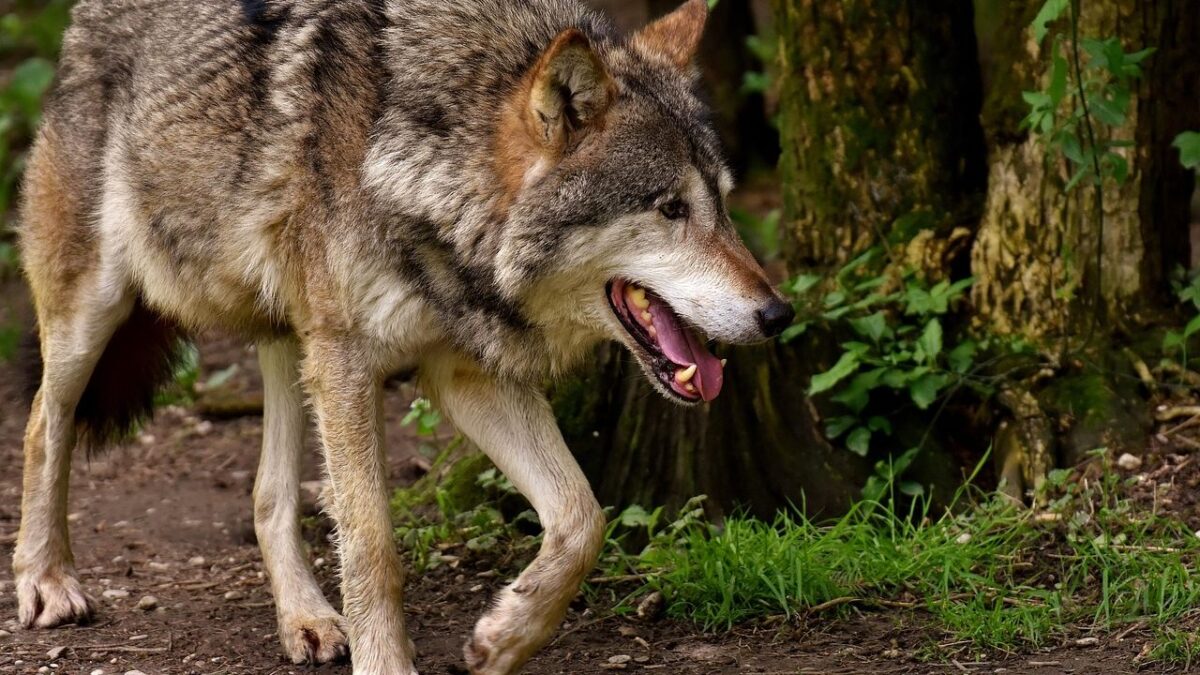
Picture this: a ghostly silhouette moving through the marshlands at dusk, its reddish coat catching the fading light. This isn’t a story from the wilderness of Alaska or the mountain ranges of Montana. This is North Carolina, the only place on Earth where you can witness wild red wolves living free.
The red wolf stands as the world’s most endangered wolf, with roughly twenty individuals remaining in the wild. Think about that for a moment. Twenty. That’s fewer than the number of people in most classrooms. Known as America’s wolf, the red wolf is the only large predator whose entire historic range is confined to the United States.
A Wolf That Nearly Vanished Forever
Let’s be real, the red wolf’s story is heartbreaking. Once distributed throughout the southeastern United States from the Atlantic to central Texas, the species was nearly driven to extinction by the mid-1900s due to aggressive predator control programs, habitat destruction, and extensive hybridization with coyotes. Farmers and ranchers saw them as threats to livestock. Hunters viewed them as competition.
By the late 1960s, red wolves existed only in small numbers along the Gulf Coast of western Louisiana and eastern Texas, and by 1980, after fourteen survivors were selected as founders for a captive breeding program, the red wolf was declared extinct in the wild. Gone. Completely wiped out from their natural habitat. It’s hard to fathom how close we came to losing them entirely.
North Carolina Becomes the Last Stand
Since 1987, red wolves have been released into northeastern North Carolina, where they roam lands spanning five counties including three national wildlife refuges, a U.S. Air Force bombing range, and private property. The Alligator River National Wildlife Refuge became ground zero for one of conservation’s most ambitious experiments. This wasn’t just about releasing animals into the wild. This was about rewriting the rules of wildlife recovery.
The reintroduction marked the first time a large carnivore had ever been reintroduced to the wild in the United States. Nobody had attempted anything like this before. The population grew steadily and by the early 2000s reached a peak of over 100 animals in the wild. Success seemed within reach.
The Rarest Canid on the Planet
Honestly, the numbers are staggering. Since 1996, the IUCN has listed the red wolf as Critically Endangered, making it the world’s most endangered species of wolf and the most endangered canid overall. Compare that to other wolf species around the globe, and you realize how precarious the situation truly is.
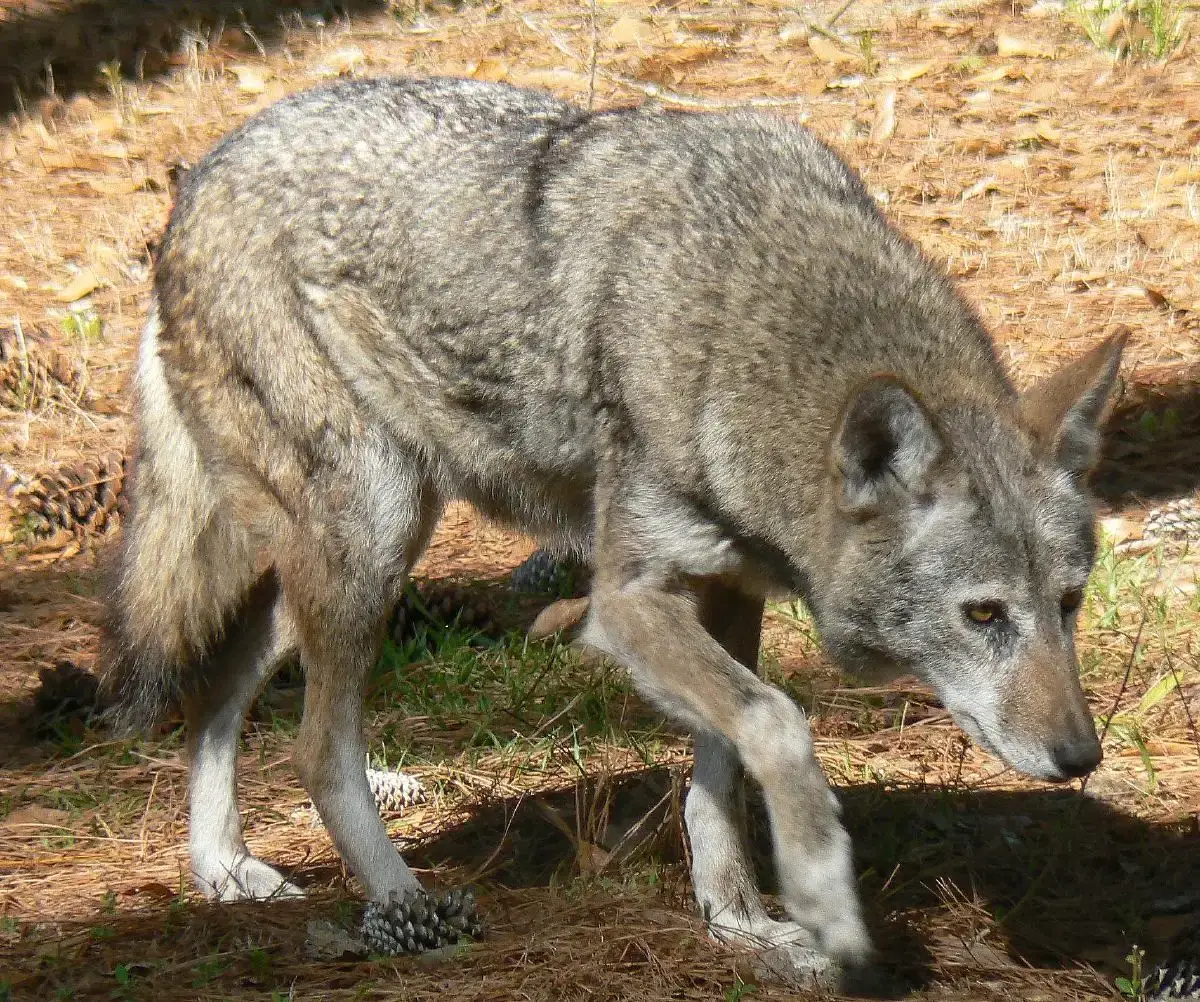
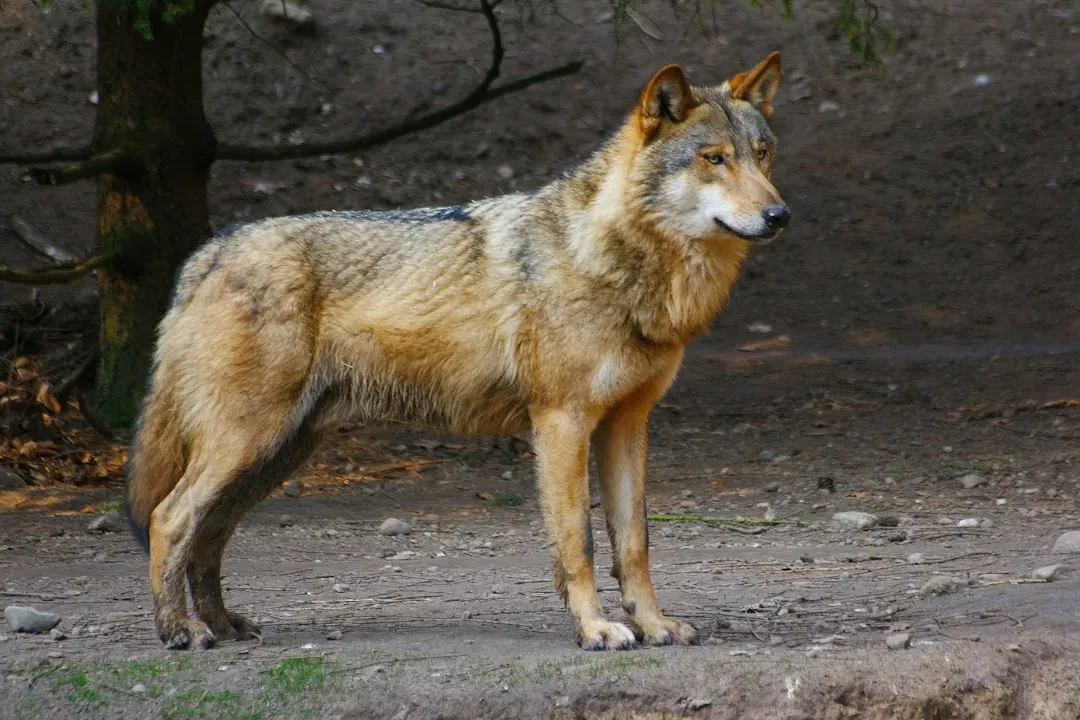
Red wolves are known for the characteristic reddish color of their fur most apparent behind the ears and along the neck and legs, and they’re intermediate in size to gray wolves and coyotes, weighing between 45 and 80 pounds. They’re not the massive creatures you’d see in Alaska. Most active at dusk and dawn, red wolves are elusive and generally avoid humans.
What Makes Them So Special
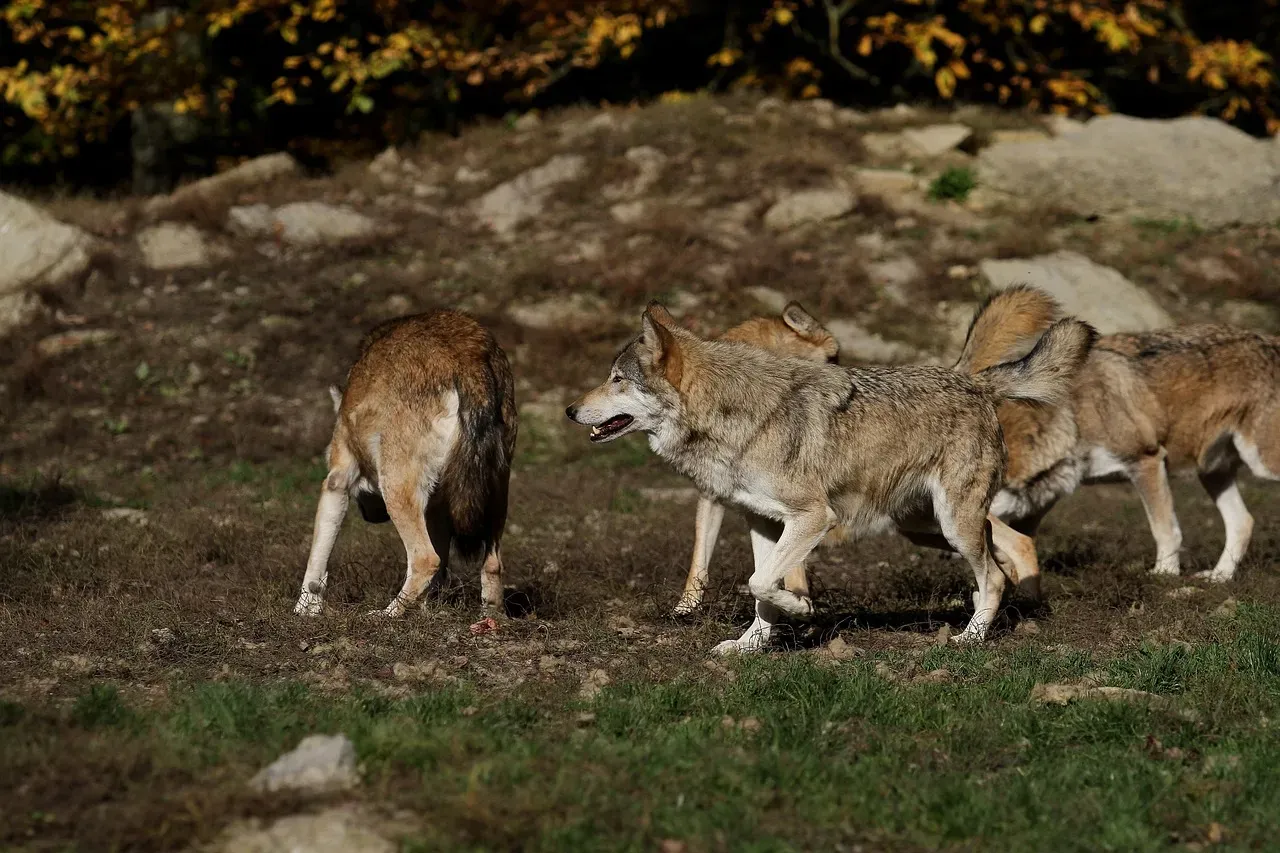
Here’s the thing people don’t always understand. Red wolves are social animals that live in close-knit packs typically consisting of a family group comprised of five to eight animals, including a breeding adult pair and their offspring from different years. They mate for life. They raise their young together. The entire pack participates in caring for pups.
Their diet usually consists of white-tailed deer, raccoons and smaller mammals like rabbits, rodents and nutria, and they can travel up to 20 miles a day or more to find food. Think about the territory they need. Telemetry studies in eastern North Carolina indicate that red wolf home range requirements vary from about 20 to 80 square miles, depending on availability of prey. That’s massive terrain for such a small population to occupy.
Fighting for Survival Against All Odds
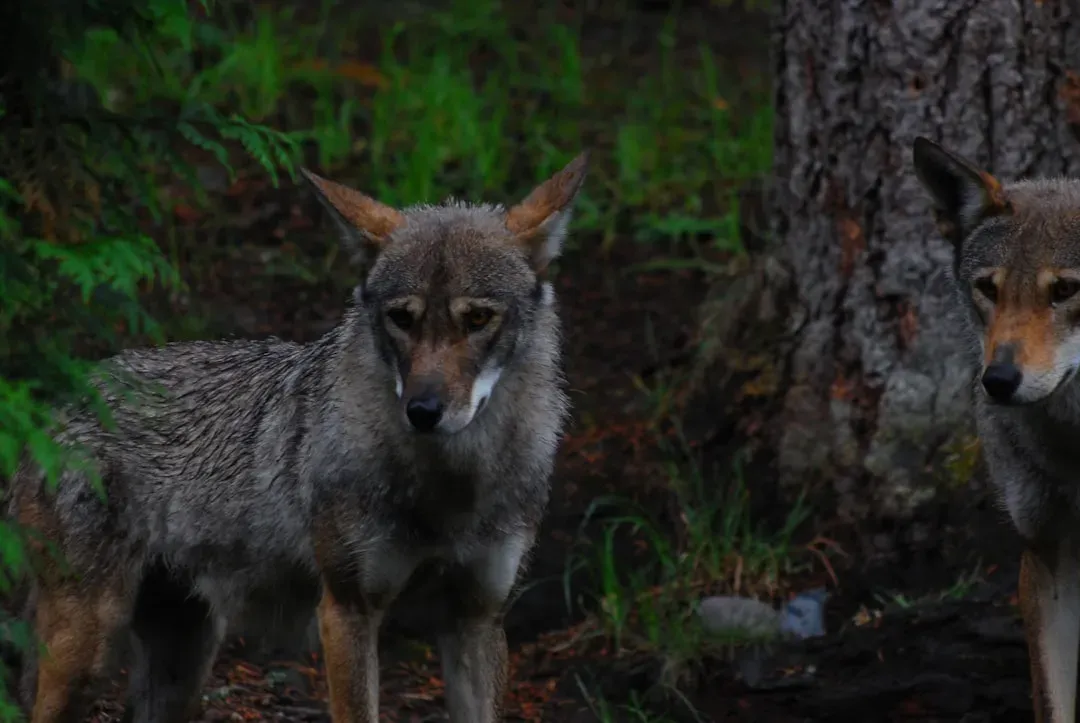
The wild population has experienced a roller coaster of ups and devastating downs. Of 63 red wolves released from 1987 to 1994, the population rose to as many as 100 to 120 individuals in 2012, but due to lack of regulation enforcement, the population declined to about 14 in 2019 and 8 as of October 2021. Eight. Imagine being part of a species where your entire wild population could fit in a minivan.
The current known population stands at 18 adults and subadults, with as many as 16 pups on the landscape, though monitoring suggests the number of pups is likely closer to 10 to 12. Every single birth matters. Fewer than half of wolf pups born in the wild survive to adulthood, with survival rates affected by disease, malnutrition and predation.
Hope Flickers in the Carolina Marshlands
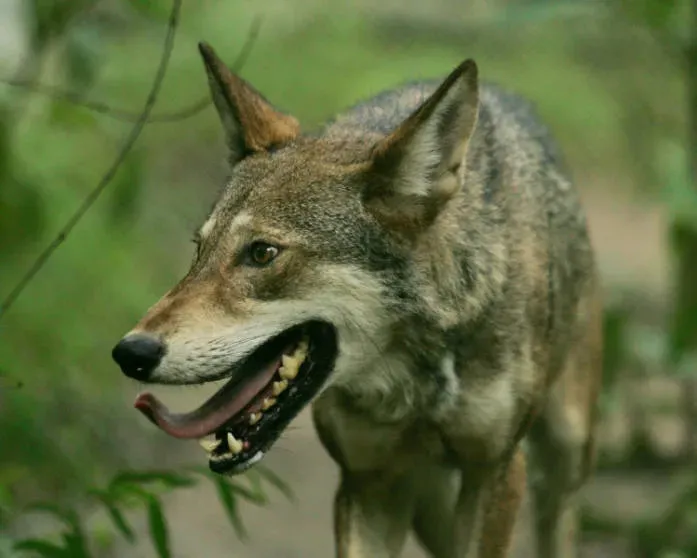
Despite everything, there’s reason for cautious optimism. As of August 2025, approximately 280 red wolves live in SAFE facilities across the country, with 52 facilities participating and 33 breeding pairs recommended for the 2025-2026 breeding season. The captive breeding program remains the safety net preventing total extinction.
Gunshot mortality is significantly down with none reported since May 2023, and there was only one red wolf mortality in the last 12 months resulting from a car strike, which is significantly lower than previous years. Small victories, but victories nonetheless. Conservation efforts are evolving, learning from past mistakes, adapting strategies.
North Carolina didn’t ask to become the last refuge for these remarkable animals. Yet here we are, in 2026, watching the only wild red wolves on Earth navigate coastal marshes and pine forests in a single state. Their survival depends on continued vigilance, community support, and unwavering commitment to their recovery. Every howl echoing through those Carolina wetlands reminds us what’s at stake. Can we really afford to lose them now?
