

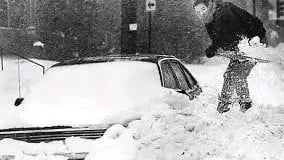
Imagine waking up to a world encased in glass. Trees bent under the weight of ice, roads shimmering like skating rinks, and power lines snapping like brittle twigs. For Indiana residents who lived through March 1991, this wasn’t some dystopian nightmare – it was reality.
The Hoosier State has weathered its share of brutal winters. Yet one particular ice storm stands apart from the rest, not just for its intensity but for how completely it brought northern Indiana to its knees. Let’s be real, ice storms are nature’s way of reminding us who’s really in charge.
When Nature Coated Indiana in Three Inches of Ice

On March 12th and 13th, 1991, the northern part of the state got hit with a major ice storm. Unlike snow that can be plowed away relatively quickly, freezing rain created something far more insidious. A destructive ice storm coated much of northern Indiana with 1 to 3 inches of ice on the 12th and 13th.
That might not sound like much until you understand what even a fraction of an inch can do. Freezing rain is a weather phenomenon that occurs when raindrops supercool and form ice upon contact with freezing ground or objects. Everything became glazed – trees, roads, power lines, homes. The landscape transformed into a crystalline prison.
Cities Ground to a Complete Halt
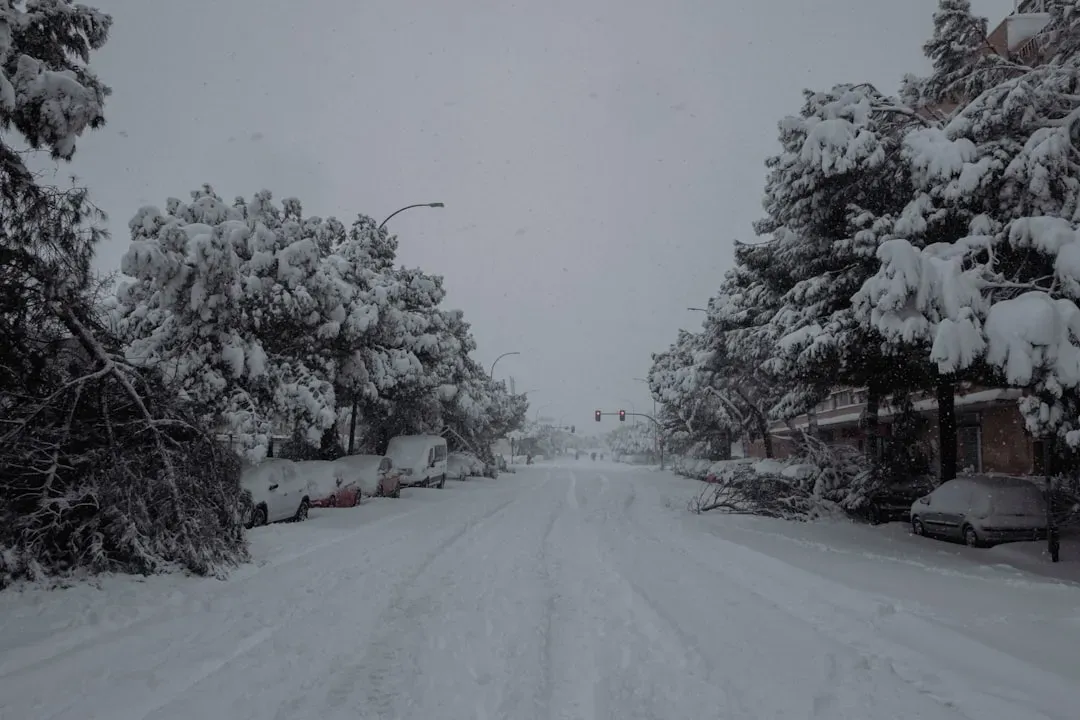
Cities like Anderson, Lafayette, Frankfurt, and Kokomo halted work, school, and travel thanks to the one to three inches of ice covering roads, power lines, trees, and homes. This wasn’t merely an inconvenience. The cities of Lafayette, Frankfort, Kokomo, and Anderson were nearly shut down.
Travel on Interstate 65 was halted. When a major interstate closes completely, you know things are bad. The storm’s reach extended about thirty-four miles northeast of Indianapolis, making sure Anderson felt its wrath too. Business stopped, schools closed, and residents found themselves trapped in their homes.
Nearly Half a Million People Lost Power

Here’s where things get truly shocking. At the height of the storm around 200,000 homes were without power, affecting nearly a half a million people. Let that sink in for a moment. Nearly half a million Hoosiers sitting in the dark, without heat, in the middle of March.
The power restoration wasn’t a matter of hours or even days. Some rural areas remained without power until the first part of April. Imagine enduring weeks without electricity while temperatures remained frigid. Rural communities bore the brunt of prolonged outages, isolated by ice-covered roads that made repair work nearly impossible.
Catastrophic Damage to Infrastructure
The devastation extended far beyond inconvenience. There was widespread damage to trees, and thousands of wooden utility poles were snapped or toppled. These weren’t just minor breaks – poles literally snapped under the weight. Over 100 steel power line towers were also destroyed.
Steel towers. Think about that for a second. If structures designed to withstand tremendous forces crumbled, you can imagine what happened to ordinary trees. Many roads in north central Indiana were closed due to downed limbs, trees, and power lines. The landscape looked like a war zone, with debris everywhere.
Wind Made Everything Worse
Ice alone is devastating. Ice combined with wind becomes catastrophic. During the ice storm easterly winds gusted to around 40 mph, and this helped contribute to the widespread damage.
Picture branches already burdened with pounds of ice suddenly subjected to forty-mile-per-hour gusts. Trees that might have survived the weight alone couldn’t withstand the added stress. The wind turned every ice-laden limb into a potential projectile, snapping them off and sending them crashing onto anything below.
The Financial Toll Reached Nearly $100 Million
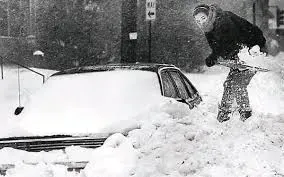
Total damage was estimated between $80 and $100 million dollars. In 1991 dollars, that’s an astronomical figure. Adjust that for inflation to 2025, and you’re looking at damage costs exceeding well over $200 million in today’s terms.
The expenses included not just immediate repairs but long-term recovery. Power companies had to replace hundreds of poles and towers. Property owners dealt with damaged roofs, vehicles, and landscaping. Local governments spent millions clearing debris and restoring services. Some communities needed weeks to return to anything resembling normalcy.
The March 1991 ice storm remains etched in Indiana’s collective memory as the worst of its kind. Those who lived through it recall the eerie beauty of the ice-encased world and the harsh reality of surviving without power for weeks. Did you ever experience an ice storm that bad?

- The Only US State Where This Wolf Runs Free - June 6, 2026
- Trump Administration Bans Bison Grazing on Federal Land for Montana Nonprofit ( Allows Tribes) - May 15, 2026
- The Worst Ice Storm That Shut Down Indiana - May 11, 2026