

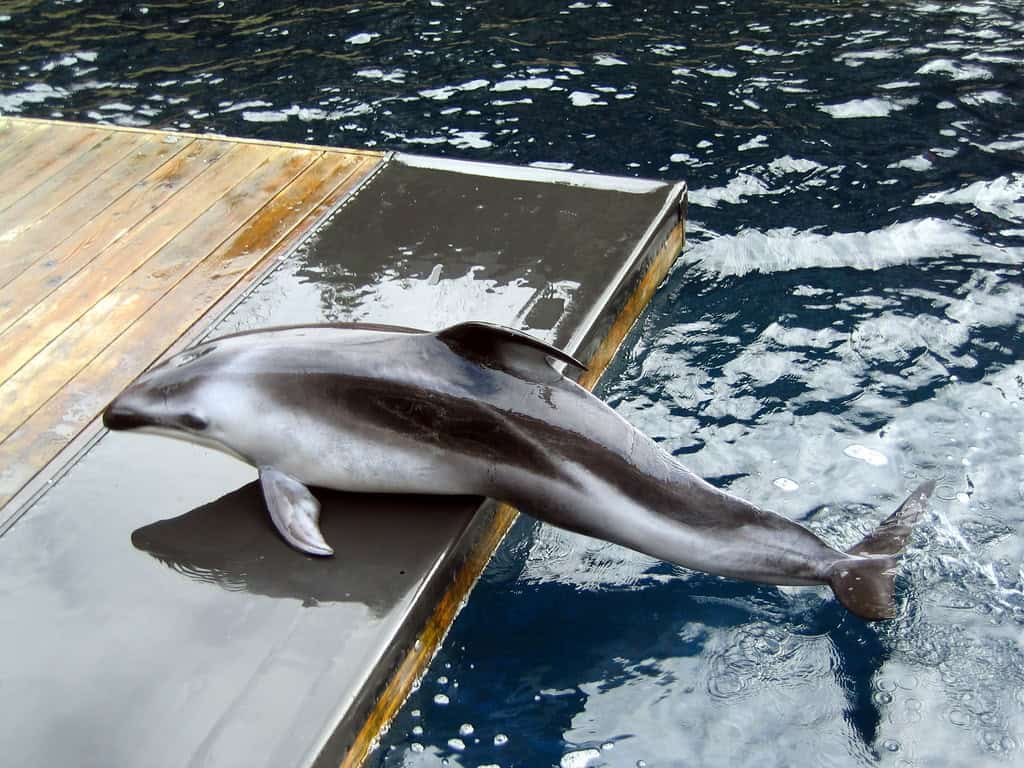
For decades, the United States Navy has employed one of nature’s most intelligent creatures as allies beneath the waves. Bottlenose dolphins, with their exceptional biological sonar and remarkable intelligence, have become valuable assets in various naval operations. Their integration into military programs represents a fascinating intersection of natural ability and national security needs. This article explores the comprehensive history, applications, training methods, and ethical considerations surrounding the U.S. Navy’s Marine Mammal Program, with a particular focus on dolphins and their unique contributions to naval operations.
The Origins of the Navy Marine Mammal Program

The U.S. Navy’s relationship with dolphins began in 1960 when researchers at Naval Undersea Warfare Center in San Diego, California, started studying the hydrodynamics of dolphins to improve torpedo designs. Scientists were fascinated by dolphins’ natural swimming efficiency and their ability to dive deeply without suffering decompression sickness.
What started as a biological study quickly evolved when researchers discovered dolphins’ exceptional capacity for training and their sophisticated biosonar capabilities. By 1965, the Navy had established the Marine Mammal Program (NMMP), which was declassified in the early 1990s. The program initially studied several marine mammal species, including killer whales and sea lions, but eventually focused primarily on bottlenose dolphins and California sea lions for operational deployment.
Dolphins’ Natural Abilities That Benefit Naval Operations

Bottlenose dolphins possess biological attributes that make them ideally suited for underwater tasks that would be challenging or impossible for human divers or technology. Their echolocation ability—a biological sonar system—allows them to detect objects as small as a coin from over 200 feet away and determine the difference between materials like aluminum, brass, and stainless steel, even when buried in seafloor sediment.
Dolphins can dive repeatedly to depths exceeding 300 feet without suffering decompression sickness. Their natural agility allows them to navigate complex underwater environments with ease, while their intelligence enables them to understand and execute complicated instructions. Additionally, dolphins possess exceptional underwater vision and hearing that far surpasses human capabilities, making them excellent searchers in murky or deep waters where visibility is limited.
Mine Detection and Clearance Operations
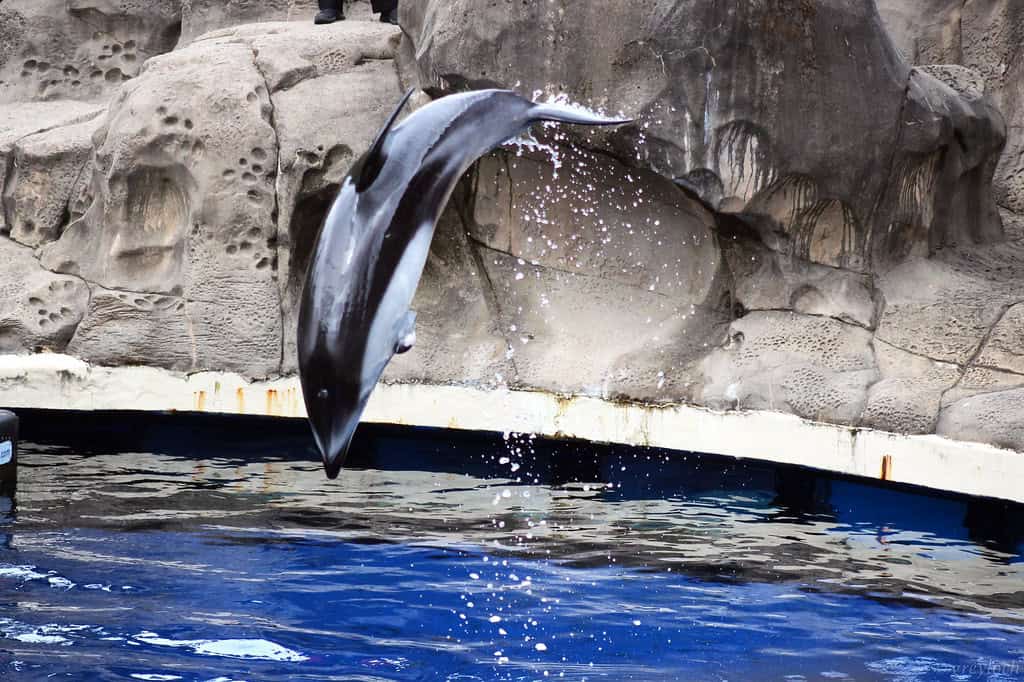
One of the dolphins’ most valuable contributions to naval operations is in mine detection and clearance. Naval mines represent a serious threat to shipping and naval vessels, and traditional mine-sweeping methods can be time-consuming, dangerous, and ineffective against sophisticated modern mines. Navy dolphins are trained to locate mines using their echolocation abilities, which can detect mines that might be buried in sediment or designed to evade sonar detection. When a dolphin locates a mine, it returns to its handler’s boat and signals the discovery.
The dolphin then places a marker near the mine for later disposal by human divers or remotely operated vehicles. During the 2003 Iraq War, dolphins from the NMMP cleared more than 100 mines and underwater obstacles from the port of Umm Qasr, allowing humanitarian aid to be delivered safely. This capability has made dolphins invaluable assets in keeping shipping lanes and harbors safe from underwater explosives.
Recovery of Equipment and Training Exercise Support
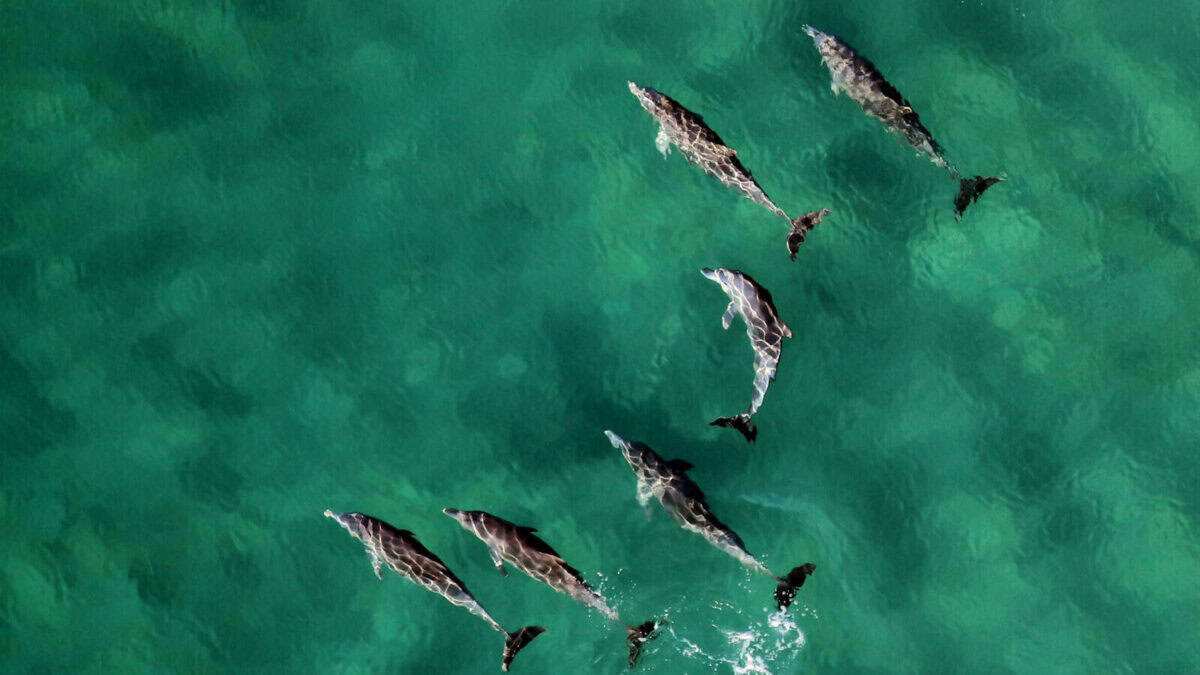
Naval dolphins excel at locating and retrieving lost equipment during training exercises and actual operations. When expensive torpedo prototypes, underwater instrumentation, or other equipment goes missing during testing or training, dolphins can be deployed to search large areas efficiently. The dolphins are trained to attach recovery lines to the equipment, allowing human operators to retrieve valuable assets that might otherwise be lost.
This capability saves the Navy millions of dollars in equipment costs and provides crucial support during training exercises. Dolphins have successfully recovered practice mines, experimental torpedoes, and even pilot blackboxes from depths that would be challenging for human divers to reach repeatedly. Their ability to work in diverse environments—from the open ocean to crowded harbors—makes them versatile recovery specialists.
Port and Harbor Security Operations
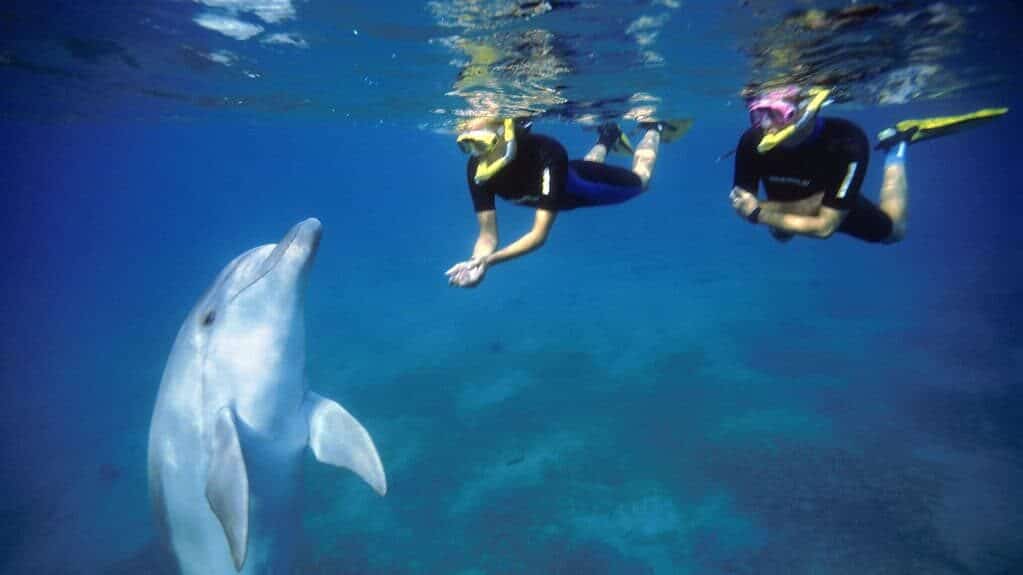
The protection of naval vessels, particularly in foreign ports where security threats may be elevated, represents another crucial role for military dolphins. These mammals are trained to detect unauthorized swimmers or divers who might approach ships with harmful intent, such as placing explosive devices on hulls. When a dolphin detects an intruder, it returns to its handler’s boat and alerts them to the presence and location of the swimmer.
The Navy can then dispatch security personnel to investigate and address the potential threat. During the Vietnam War, dolphins were reportedly deployed to guard an ammunition pier in Cam Ranh Bay, and more recently, dolphins have been used to protect ships during naval exercises and deployments in the Persian Gulf. Their ability to patrol large areas quickly and operate silently makes them effective sentries against underwater infiltration attempts.
Training Methodologies and Handler Relationships
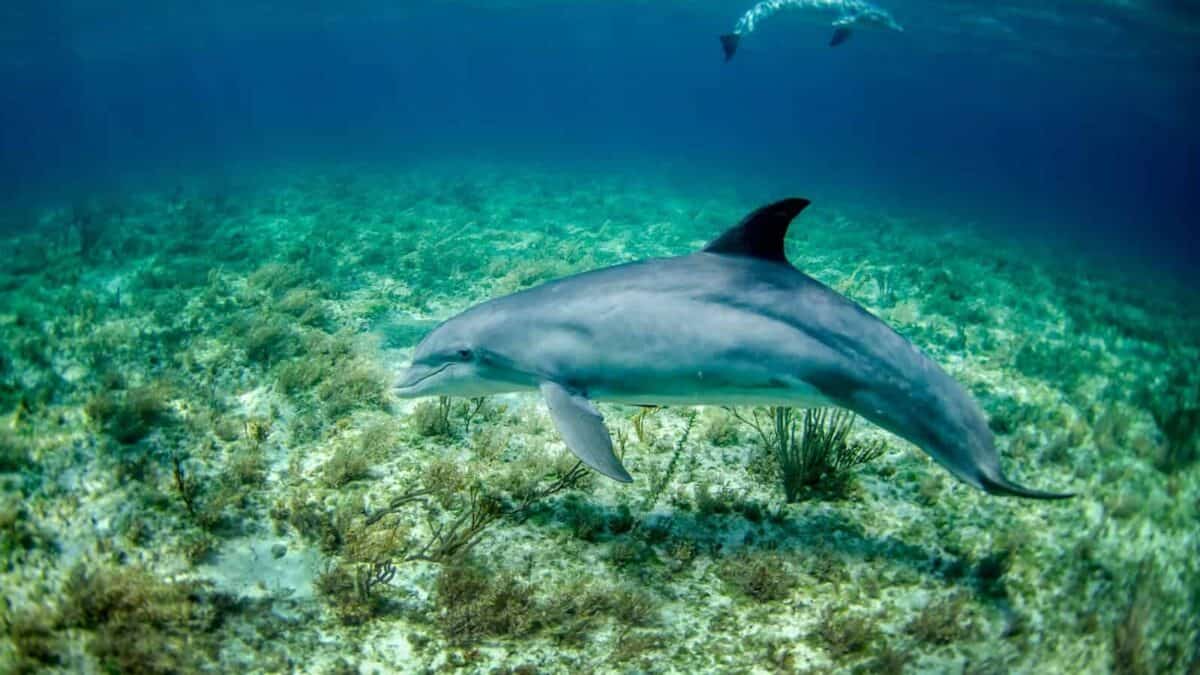
The training of naval dolphins involves sophisticated behavioral conditioning techniques based on positive reinforcement rather than punishment. Navy trainers use a combination of food rewards, toys, affection, and verbal praise to shape desired behaviors. Training typically begins with simple tasks and gradually progresses to more complex operations through a process called “approximation,” where behaviors are built step by step.
A crucial element of the program is the close bond formed between dolphins and their handlers, who often work together for years. These relationships foster trust that’s essential for operational success. Handlers learn to read subtle behavioral cues from their dolphin partners, while the dolphins develop an understanding of various hand signals and acoustic commands. Training sessions occur daily, with dolphins practicing operational skills as well as receiving enrichment activities to maintain their physical and mental well-being.
The San Diego Dolphin Facility

The primary facility for the Navy Marine Mammal Program is located at Naval Base Point Loma in San Diego, California. This state-of-the-art complex includes specially designed enclosures with access to the open ocean, veterinary facilities, and training areas. The dolphins live in large netted enclosures in San Diego Bay, which provides them with a natural seawater environment while keeping them secure.
When not actively training or deployed, the dolphins receive comprehensive care from a team of veterinarians, biologists, and animal care specialists who monitor their health and provide enrichment activities. The facility maintains careful breeding programs to sustain the dolphin population without removing animals from the wild. Additionally, the San Diego location serves as a research center where scientists study dolphin physiology, cognition, and behavior to improve training methods and care standards. The knowledge gained from these studies has contributed significantly to scientific understanding of cetacean biology and behavior.
Deployment and Transportation Methods

When naval dolphins are deployed for operations away from their home base, sophisticated transportation systems ensure their safety and comfort. For short-distance movements, specially designed boats with stretchers or slings transport dolphins between locations. For longer journeys, custom shipping containers equipped with water-filled enclosures allow dolphins to be transported by aircraft or ships.
These containers maintain appropriate water temperature and quality while providing enough space for the animal to move comfortably. During transportation, handlers and veterinary staff accompany the dolphins to monitor their health and reduce stress. Once at the deployment location, temporary sea pens are established for housing, which may be within harbors or attached to support vessels. The Navy has developed protocols that allow dolphins to be deployed anywhere in the world within 72 hours of notification, enabling rapid response to emerging security needs or mine clearance operations.
Ethical Considerations and Animal Welfare

The use of dolphins for military purposes has raised significant ethical questions among animal welfare advocates and ethicists. Critics argue that using intelligent marine mammals for potentially dangerous operations is exploitative and subjects them to stress and potential harm. In response, the Navy emphasizes its comprehensive animal welfare protocols and points to the program’s low mortality rates compared to wild dolphins. Navy dolphins receive veterinary care exceeding what’s available to most zoo animals, including regular health assessments, dental care, and preventative medicine.
The program follows strict deployment guidelines that prioritize animal safety, including limits on water temperature ranges, operational duration, and environmental conditions. Additionally, the Navy maintains that dolphins are never forced to perform tasks and are not used in direct combat situations. Despite these assurances, debate continues about whether such intelligent creatures should be used for military purposes at all, with some advocates calling for the replacement of dolphins with underwater drones and robots.
Comparing Dolphins to Technological Alternatives
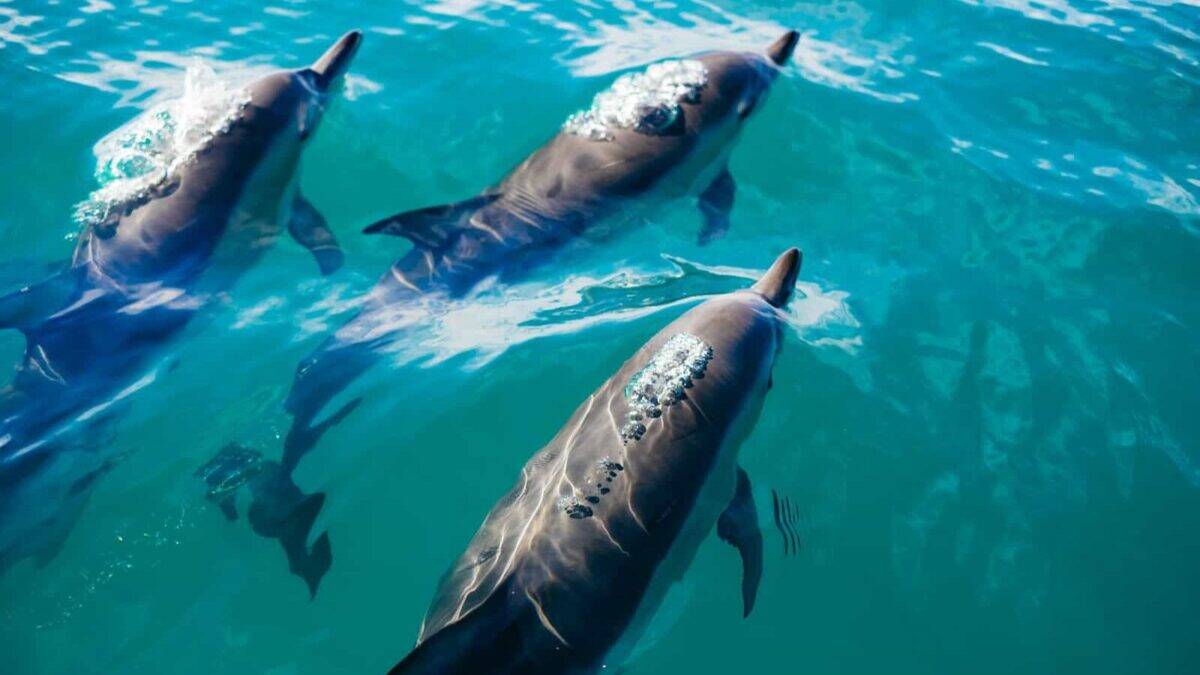
As underwater technology advances, comparisons between dolphin capabilities and robotic systems have become increasingly relevant. Unmanned underwater vehicles (UUVs) and sophisticated sonar systems now perform many tasks once exclusive to dolphins. However, despite technological progress, dolphins still maintain several advantages. Their biosonar remains more sensitive than manufactured sonar systems, particularly in cluttered or acoustically complex environments like harbors. Dolphins can operate continuously for longer periods than most UUVs without battery limitations.
Their intelligence allows them to make decisions and adapt to changing conditions in ways that autonomous systems cannot yet match. The Navy has actually adopted a hybrid approach, using both dolphins and technology depending on mission requirements. For example, dolphins might locate mines in a harbor, while UUVs handle subsequent documentation and mapping tasks. As technology continues to improve, the balance between biological and mechanical assets will likely shift, potentially reducing reliance on marine mammals for some operations.
Notable Operational Deployments
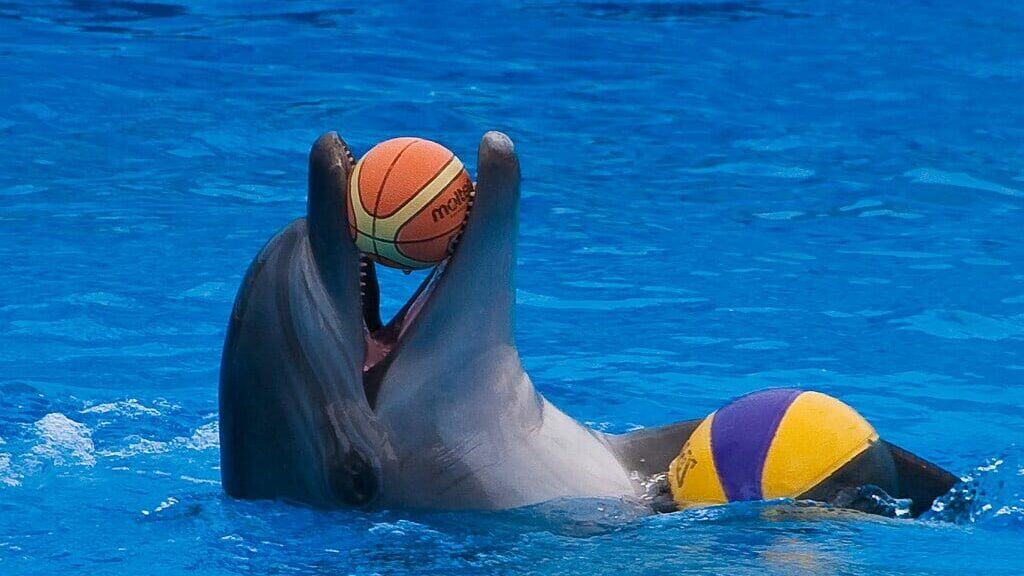
Throughout the history of the Navy Marine Mammal Program, dolphins have been deployed in several significant military operations. During the Vietnam War, dolphins named “Beethoven” and “Pisces” were reportedly deployed to Cam Ranh Bay to protect an ammunition pier against enemy divers. In the Persian Gulf during the Iran-Iraq War in the late 1980s, dolphins helped patrol the waters around U.S. ships.
Perhaps their most publicly acknowledged success came during Operation Iraqi Freedom in 2003, when dolphins were instrumental in clearing mines from the port of Umm Qasr, enabling humanitarian aid deliveries. In 2007, Navy dolphins discovered a rare 19th-century Howell torpedo during a training exercise—one of only two examples known to exist. The dolphins have also been deployed to various NATO exercises and international military collaborations. While many operational details remain classified, these examples illustrate the diverse contexts in which naval dolphins have contributed to military objectives and maritime security.
Retirement and Post-Service Life

Naval dolphins typically serve for about 25 years, though some have remained active longer based on their health and capabilities. The Navy has developed comprehensive retirement programs for dolphins that can no longer perform operational duties due to age or health considerations. Some retired dolphins transition to education and outreach roles, participating in demonstrations that help educate the public about marine mammal biology and conservation. Others may be transferred to marine parks or aquariums with appropriate facilities and care standards.
The Navy maintains lifetime care commitments to its dolphins, providing veterinary support and housing even after operational retirement. Unlike some early concerns that retired military dolphins might not be able to readapt to wild conditions after years in human care, the Navy has found that maintaining them in appropriate facilities with continued enrichment and social interaction provides the best quality of life. The knowledge gained from caring for aging dolphins has contributed significantly to veterinary understanding of geriatric care for cetaceans.
Conclusion: The Future of Dolphins in Naval Operations

The partnership between the U.S. Navy and dolphins represents a unique collaboration between humans and marine mammals that has evolved significantly since its inception in the 1960s. As underwater technology continues to advance, the role of dolphins in naval operations will likely change, with robots and autonomous systems potentially taking over some functions while dolphins remain employed for tasks that leverage their unique biological capabilities.
Ethical considerations surrounding the use of intelligent animals for military purposes will continue to shape program policies, potentially leading to further refinements in animal welfare standards and deployment practices. Regardless of future developments, the contributions of dolphins to naval security and mine clearance operations have saved countless lives and demonstrated the remarkable abilities of these marine mammals. The knowledge gained through the Navy Marine Mammal Program has not only served military objectives but has also significantly enhanced scientific understanding of dolphin biology, cognition, and behavior, benefiting conservation efforts worldwide.

From exploring the marine wonders in the Azores and witnessing the vast savannas of Kenya, to delving deep into the rich biodiversity of South Africa and traversing iconic landscapes in Australia and the US like Yellowstone, Chris's experiences are vast.
With a penchant for diving alongside sharks, the ocean holds a special place in his heart.
Through his academic insights, he champions wildlife conservation, striving with 'Animals Around The Globe' to cultivate a profound connection between humans and animals, enhancing our mutual appreciation.
Connect with him at Feedback@animalsaroundtheglobe.com.
- The Largest Clam Ever Dredged Up From U.S. Waters - July 22, 2026
- How Animated Films Shape What Kids Believe About Animals - July 22, 2026
- The Most Iconic Animals Saved from Extinction in the U.S. - July 22, 2026