

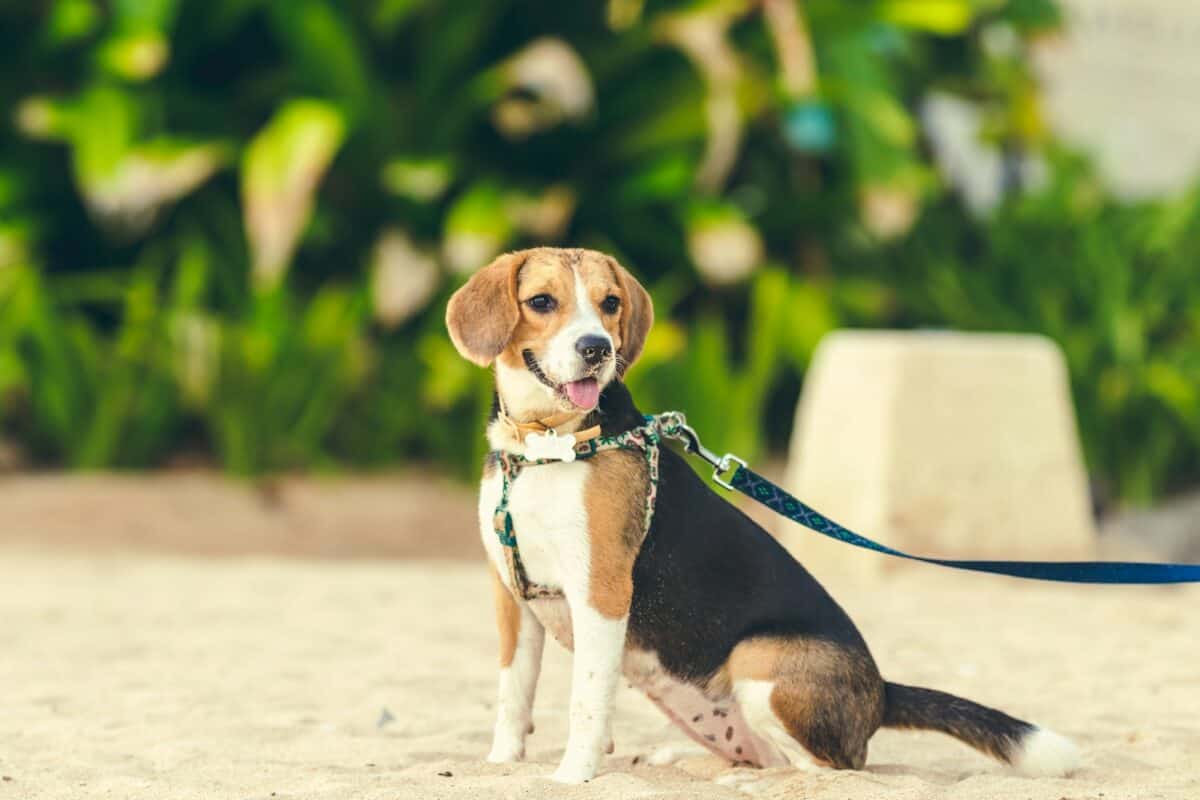
When dog owners describe their pets as “stubborn,” they’re often referring to behaviors that seem willful or disobedient. A Beagle who ignores recall commands to follow an interesting scent, a Siberian Husky who refuses to come inside from the snow, or a Dachshund who seems to have selective hearing—these behaviors are frequently labeled as stubbornness. However, what we perceive as a stubborn streak in certain dog breeds is actually a complex interplay of genetics, evolutionary history, and breed-specific traits that have been deliberately selected for over generations.
Science tells us that so-called stubborn breeds aren’t being deliberately difficult; rather, they’re often displaying exactly the traits they were bred to exhibit. When we understand the biological and evolutionary foundations of these behaviors, we can approach training and management with greater empathy and effectiveness. This knowledge transforms what might be seen as a frustrating personality quirk into an appreciation for the unique characteristics that make each breed special.
The Genetic Basis of Stubborn Behavior
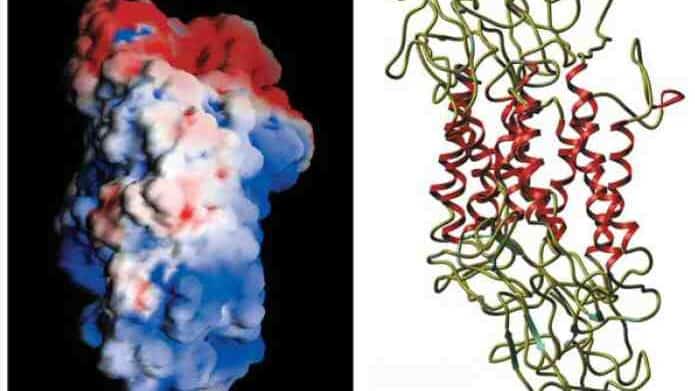
Genetic research has revealed that behavioral traits in dogs, including what we perceive as stubbornness, have strong hereditary components. A groundbreaking study published in the Proceedings of the Royal Society B found that up to 67% of behavioral variations between breeds can be attributed to genetic factors. Scientists have identified specific genes associated with traits like trainability, independence, and persistence—all factors that contribute to what we commonly label as “stubborn behavior.”
The SLC6A3 gene, which regulates dopamine transmission in the brain, has been linked to attention and reward-seeking behaviors in dogs. Variations in this gene might explain why some breeds seem less motivated by human approval and traditional rewards. Similarly, the OPRM1 gene, which affects pleasure and pain perception, influences how different breeds respond to positive reinforcement. These genetic foundations help explain why certain breeds consistently display independent thinking and selective responsiveness to commands, even when raised in similar environments.
Evolution of Working Breeds and Independence

Many breeds labeled as stubborn were developed to work independently from humans, making split-second decisions without handler input. Consider the livestock guardian breeds like the Great Pyrenees or Anatolian Shepherd—these dogs were selectively bred to live with sheep and make autonomous decisions about potential threats. A guardian dog that waited for human commands before chasing off a wolf would be ineffective at its job. This evolutionary history has created breeds with strong independent thinking capabilities and the confidence to trust their own judgment.
Similarly, scent hounds like Bloodhounds and Basset Hounds were bred to follow their noses with singular focus, sometimes for miles. Their apparent “stubbornness” when following a scent is actually unwavering dedication to the task they were created to perform. Understanding this evolutionary context helps explain why these breeds might seem to ignore commands that conflict with their instinctual drives. Their independence isn’t defiance—it’s the result of centuries of selective breeding for autonomous decision-making in specific working contexts.
Breed-Specific Traits: Why Some Dogs Are More Independent Than Others

Different dog breeds display varying levels of what we perceive as stubbornness, and this isn’t random. The American Kennel Club’s breed standards often hint at these tendencies through descriptions like “independent,” “strong-willed,” or “aloof.” Breeds consistently ranked as more independent include many from the hound group (Afghans, Beagles), northern breeds (Huskies, Malamutes), and ancient breeds like the Shiba Inu and Basenji. These dogs were typically bred to function with minimal human direction, solving problems and making decisions on their own.
In contrast, breeds developed specifically for close partnership with humans, such as Border Collies, German Shepherds, and Labrador Retrievers, generally show greater biddability—the willingness to follow human direction. A 2019 study published in the Journal of Veterinary Behavior found that breeds historically bred for cooperative work with humans scored significantly higher on trainability assessments and lower on measures of independence compared to breeds developed for autonomous work. This research confirms that what we call stubbornness is often just the natural expression of breed-specific traits intentionally developed through selective breeding.
The Role of Intelligence in Perceived Stubbornness
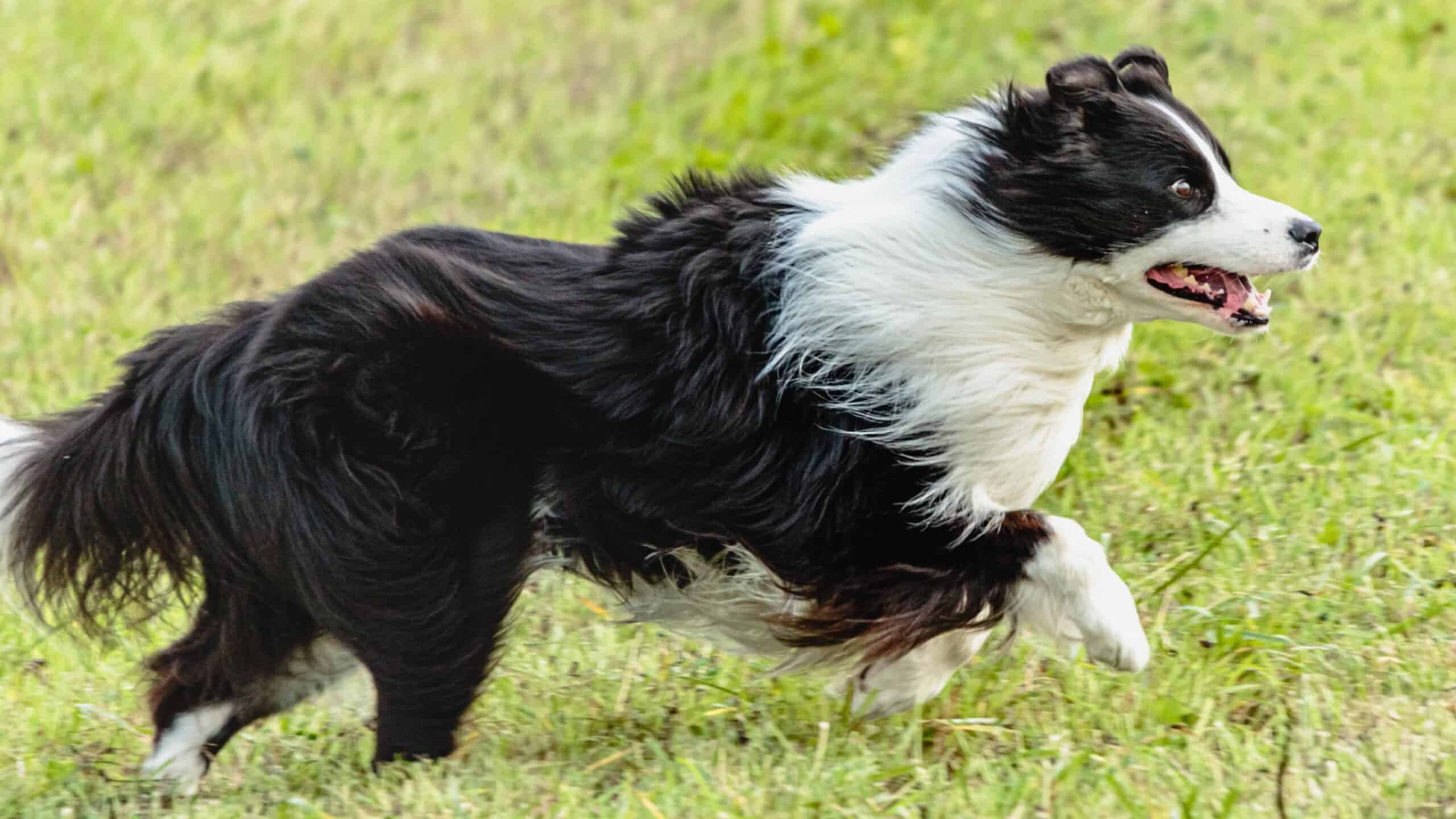
Counterintuitively, many breeds labeled as stubborn are actually highly intelligent. Breeds like Border Collies, Poodles, and Jack Russell Terriers frequently make both the “smartest breeds” and “most stubborn breeds” lists. This is because intelligence in dogs manifests in different ways. Canine cognitive researcher Dr. Brian Hare distinguishes between different types of canine intelligence: working/obedience intelligence (following commands), adaptive intelligence (problem-solving), and instinctive intelligence (performing breed-specific tasks without training).
Breeds with high adaptive intelligence often evaluate commands and decide whether they’re worth following based on their own assessment of the situation. A smart dog might refuse a command not because they don’t understand, but because they’ve assessed the reward isn’t worth the effort, or they’ve found a more efficient solution to the problem at hand. This selective responsiveness is sometimes misinterpreted as stubbornness when it’s actually a demonstration of sophisticated decision-making. The Jack Russell Terrier, for instance, shows remarkable problem-solving abilities while also having a reputation for independent thinking that can challenge conventional training approaches.
Brain Structure and Decision-Making in “Stubborn” Breeds
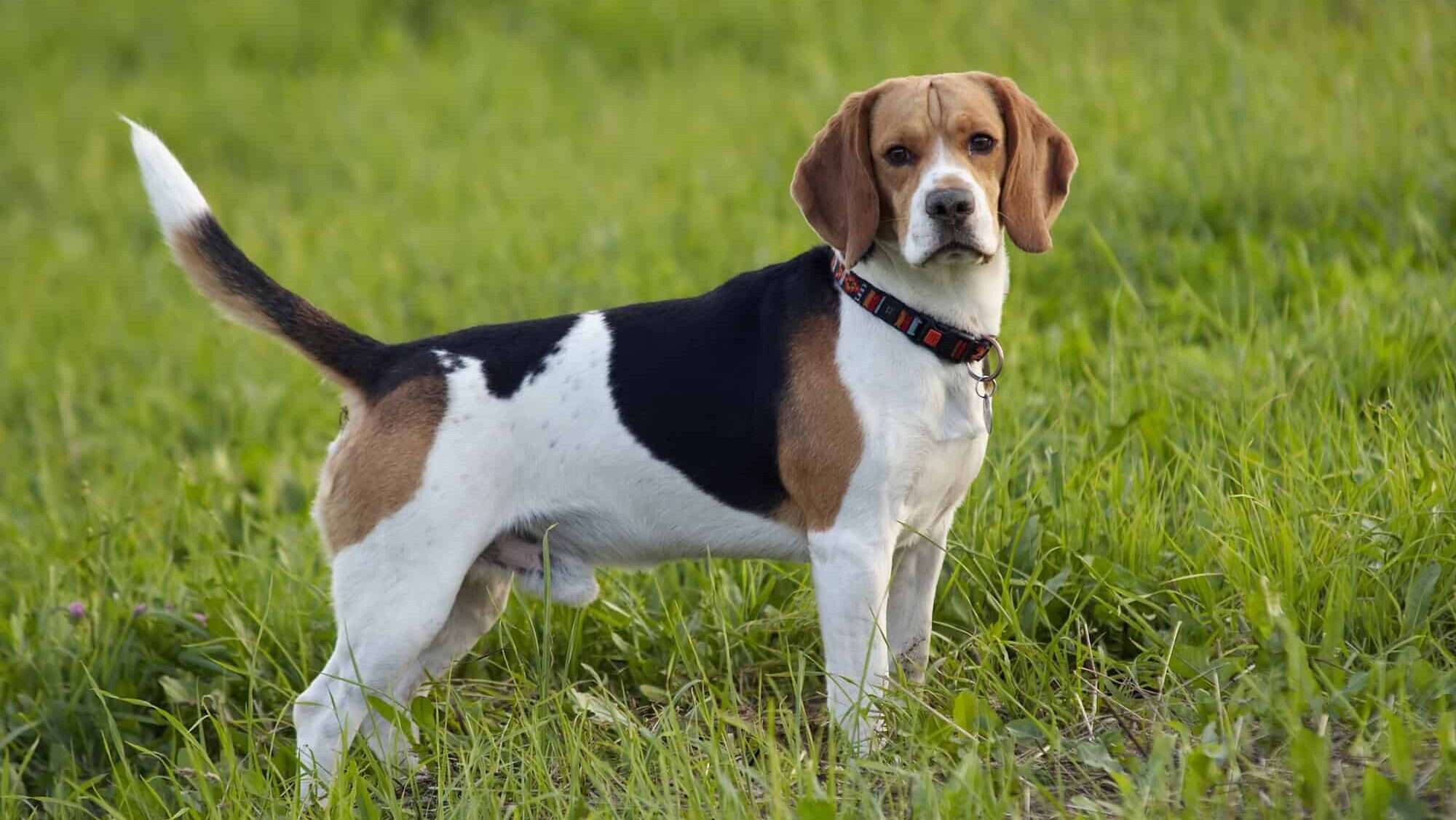
Fascinating research using MRI technology has revealed that different dog breeds actually have different brain structures, which influence their behavior and decision-making processes. A 2019 study published in the Journal of Neuroscience found that brain anatomy varies significantly between breeds and correlates with specific behavioral traits. For example, breeds historically selected for hunting and scenting showed different prefrontal cortex development compared to breeds selected primarily for companionship.
These structural differences affect how dogs process information, respond to stimuli, and make decisions. Breeds with more developed areas associated with scent processing, like Beagles, may prioritize olfactory information over human commands. Similarly, breeds with differences in the brain regions governing impulse control and reward processing may appear more “stubborn” because their neurological wiring predisposes them to certain decision-making patterns. This research suggests that what we perceive as stubbornness may actually be hardwired into the physical structure of certain breeds’ brains.
Environmental Factors That Amplify Stubborn Tendencies
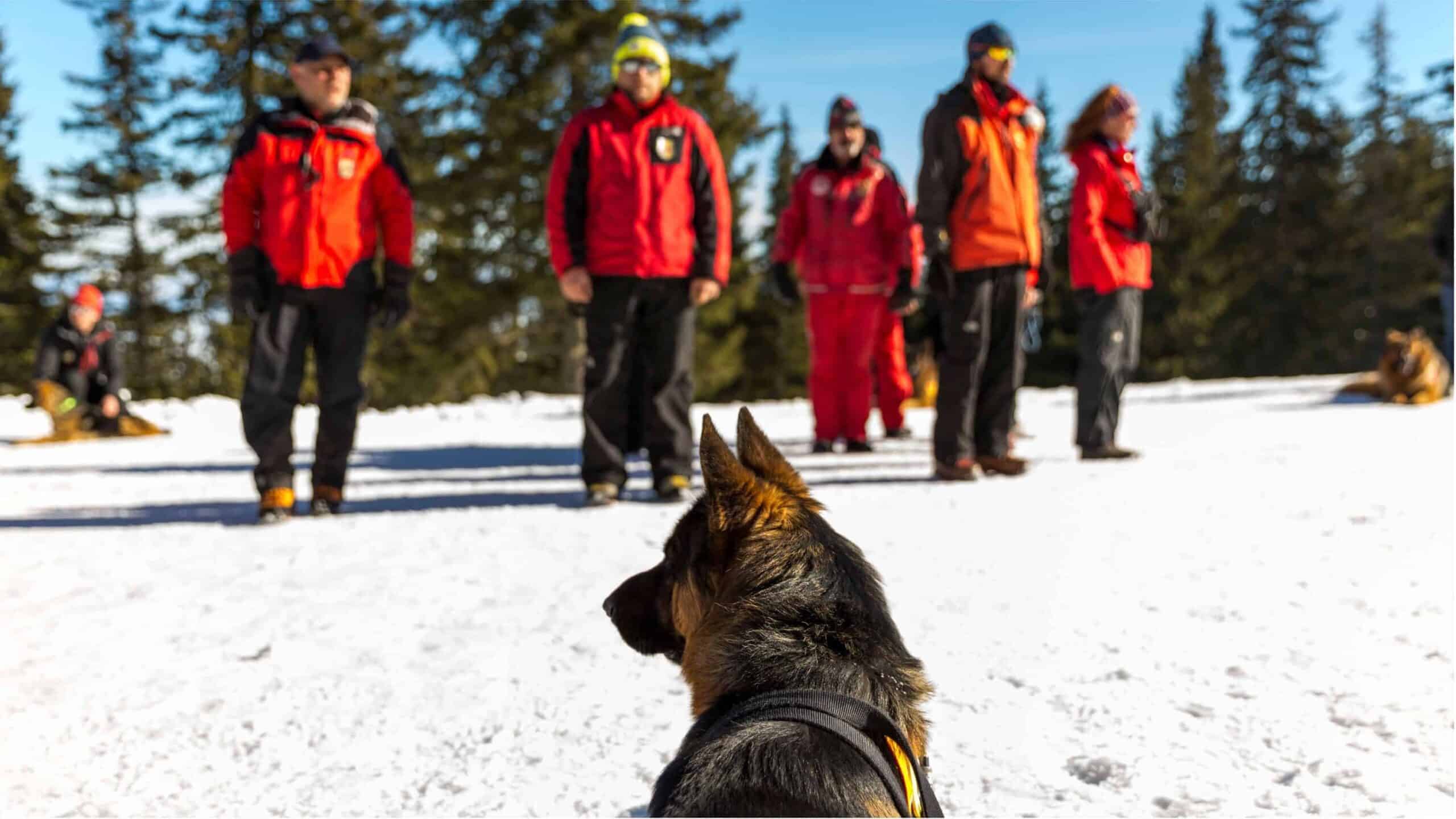
While genetics provide the foundation for stubborn behaviors, environmental factors can significantly amplify or diminish these tendencies. Inconsistent training is perhaps the most common environmental factor that exacerbates stubborn behavior. When dogs receive mixed signals—sometimes being rewarded for a behavior and other times being corrected for the same action—they learn that commands are optional or situational. This inconsistency creates uncertainty that many breeds respond to by defaulting to their independent instincts.
Insufficient mental and physical stimulation also plays a crucial role. Breeds with high energy and intelligence require adequate outlets for their natural drives. A Border Collie without a job to do or a Siberian Husky without enough exercise will find their own entertainment, often in ways humans find problematic. These self-rewarding behaviors can appear stubborn when they’re actually the result of unmet needs. Research published in Applied Animal Behaviour Science found that working breeds exhibited significantly fewer undesirable behaviors when provided with breed-appropriate mental and physical challenges, suggesting that many “stubborn” behaviors are environmentally influenced rather than purely genetic.
Measuring Stubbornness: What the Research Says
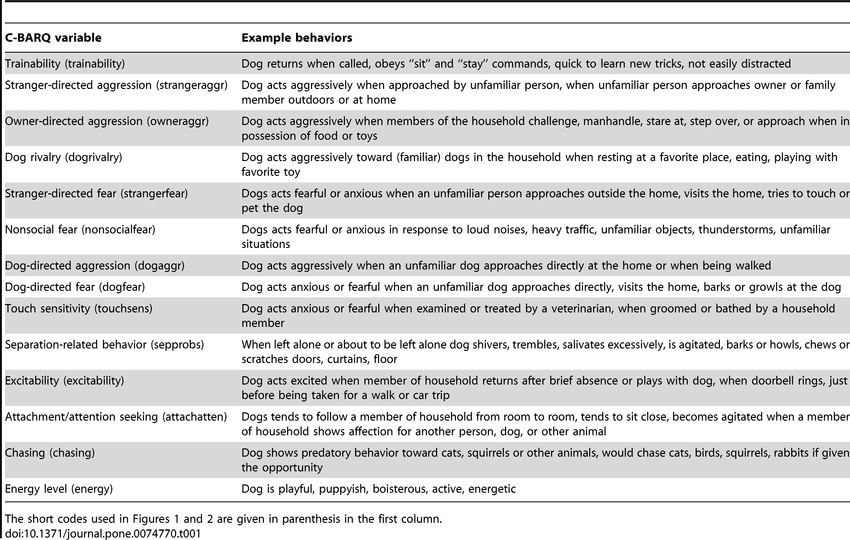
Scientists have developed several methodologies to objectively measure what owners perceive as stubbornness in dogs. The Canine Behavioral Assessment and Research Questionnaire (C-BARQ), developed by researchers at the University of Pennsylvania, includes measures for trainability and owner-directed disobedience that correlate with perceived stubbornness. Studies using this tool have consistently found breed differences in these traits, with some breeds scoring significantly higher on measures of independence and lower on trainability.
A landmark study published in Scientific Reports in 2019 analyzed data from over 14,000 dogs across 101 breeds. The researchers found that breed explained approximately 15% of the variation in trainability scores and 20% of the variation in measures of independence. While these percentages might seem modest, they represent a significant biological influence, especially considering the numerous environmental factors that also affect behavior. The study also found that certain breed groups—particularly terriers, hounds, and northern breeds—showed the highest measures of what owners describe as stubbornness. These scientific findings confirm that the reputation certain breeds have for being hardheaded is grounded in measurable behavioral tendencies.
Training Approaches for Independent-Minded Breeds
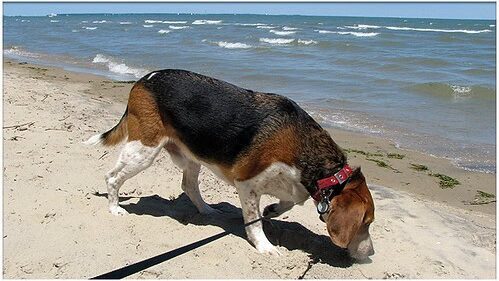
Understanding the biological basis of stubborn behavior allows for more effective training approaches. For independent-minded breeds, traditional obedience methods that rely on repetition and compliance often produce frustration for both dog and handler. Instead, research supports the effectiveness of cooperative training methods that work with, rather than against, a breed’s natural tendencies. For example, scent hounds respond well to training that incorporates their olfactory abilities, while guardian breeds benefit from approaches that respect their decision-making capabilities.
The concept of “motivation-based training” has proven particularly effective for breeds with independent streaks. This approach focuses on understanding what naturally motivates each individual dog—whether it’s food, play, access to certain environments, or the opportunity to perform natural behaviors—and using those motivators strategically. A study published in the Journal of Veterinary Behavior found that customizing training approaches based on breed tendencies significantly improved outcomes for breeds traditionally considered difficult to train. For example, terriers responded better to game-based training with frequent changes to maintain interest, while northern breeds showed improved responsiveness when training sessions included adequate physical activity beforehand.
Case Studies: Breed-Specific Stubborn Behaviors

The Siberian Husky provides a classic example of what’s often labeled stubborn behavior. Bred to run long distances while making independent decisions about safe ice conditions in the Arctic, Huskies typically exhibit strong-willed behavior and selective listening. Their infamous “Husky selective hearing” isn’t defiance—it’s the expression of traits that were essential for their original purpose. One study followed 50 Husky owners who implemented training protocols specifically designed around the breed’s natural tendencies. The results showed an 83% improvement in recall when training incorporated the dogs’ natural running needs and used appropriate motivators.
Similarly, terrier breeds like the Jack Russell or Scottish Terrier display what seems like stubbornness when they fixate on potential prey or digging opportunities. Bred to hunt independently and pursue quarry with tenacity, these dogs aren’t being disobedient when they persist in these behaviors—they’re expressing the exact traits they were selected for. Case studies of successful terrier training programs show that channeling these instincts into appropriate outlets, like sanctioned digging areas or scent work competitions, reduces unwanted behaviors while respecting the dogs’ genetic predispositions. These examples demonstrate how understanding breed-specific behaviors can transform training from a battle of wills into a cooperative partnership.
The Modern Implications of Breed Selection for Independence
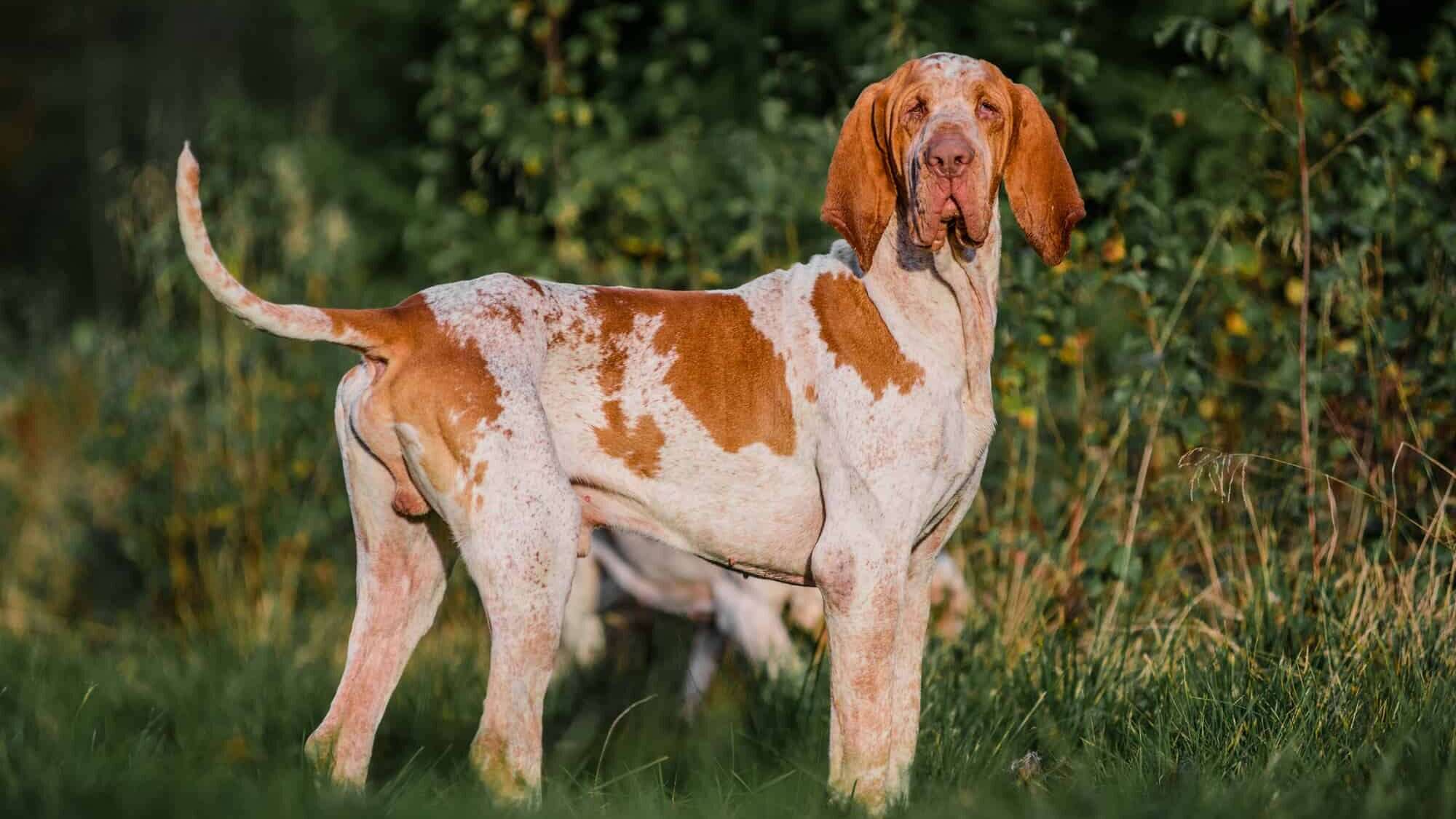
The traits we now label as stubbornness were once crucial survival adaptations for working dogs. A livestock guardian that abandoned its flock to return to its owner would fail at its essential purpose. A hunting dog that gave up a scent trail easily would come home empty-handed. However, in today’s primarily companion animal context, these same traits can create challenges. Modern homes and urban environments often don’t provide appropriate outlets for breeds developed to make independent decisions in specific working contexts.
This mismatch between genetic programming and contemporary living situations has contributed to the surrender and rehoming of many dogs from independent-minded breeds. Shelter statistics show that breeds like Siberian Huskies, Chow Chows, and various terriers are overrepresented in surrenders, with “behavior problems” or “too stubborn to train” frequently cited as reasons. This highlights the importance of breed-appropriate expectations and management strategies. Recognizing the evolutionary and genetic basis of these behaviors can help potential owners make more informed choices about which breeds might best suit their lifestyle and experience level.
The scientific understanding of what we call stubbornness in dogs reveals that these behaviors are neither random nor the result of poor training—they are the predictable expression of genetic traits deliberately selected for specific functions. When we recognize that a Beagle’s persistence in following a scent or a Husky’s selective listening stems from the very traits that made these breeds successful in their original purposes, we can approach training and management with greater empathy and effectiveness. Rather than fighting against these innate tendencies, successful dog owners learn to work with them, channeling them into appropriate outlets.
The science of canine stubbornness ultimately teaches us something profound about our relationship with dogs: that respecting and accommodating breed differences leads to more harmonious partnerships. By adjusting our expectations and training approaches to align with each breed’s natural tendencies, we honor the unique qualities that make different breeds special. Far from being a frustrating character flaw, the independent streak in certain breeds represents the remarkable diversity of the domestic dog—a species that has evolved alongside humans in countless specialized roles. Understanding this science transforms perceived stubbornness from a training challenge into an appreciation for the fascinating biological heritage each dog carries in its genes.

- 21 Scary Creatures You Might Run Into While Hiking In The U.S - June 3, 2026
- The Difference Between Turtles and Tortoises—Explained - June 3, 2026
- What Makes Owls the Silent Predators of the Night? - June 3, 2026