
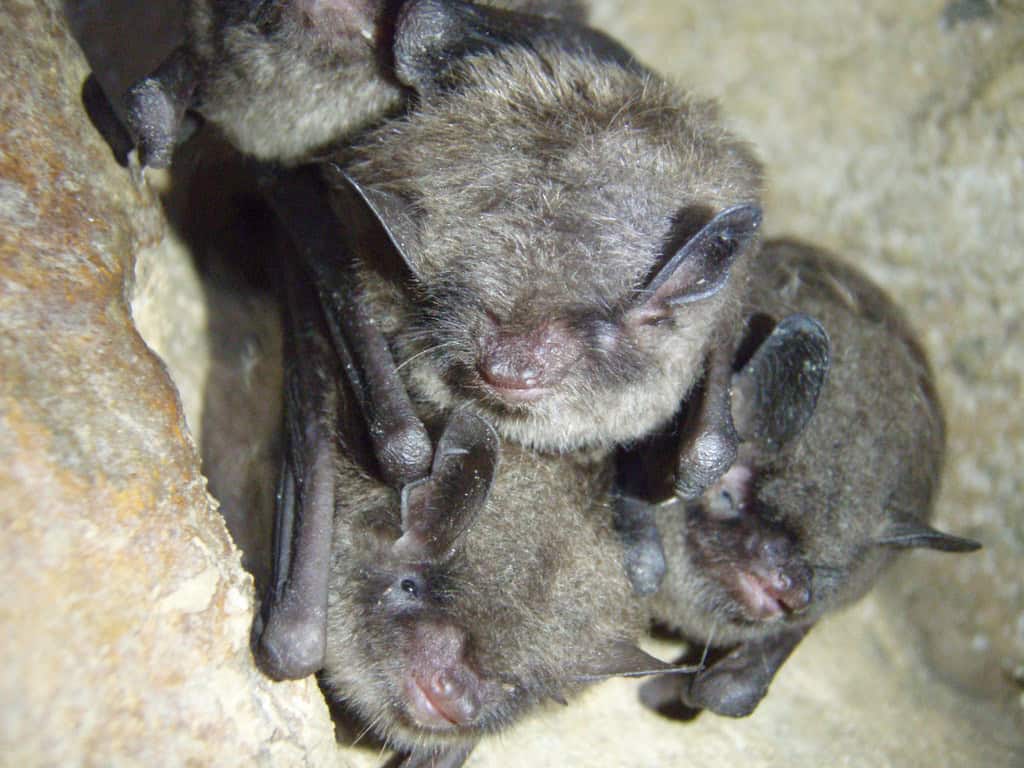
Bats, the only mammals capable of sustained flight, have mastered the night skies with an elegance that has fascinated scientists for centuries. Their ability to navigate in complete darkness, locate prey with precision, and fly with remarkable stealth makes them one of nature’s most specialized predators. As creatures of the night, bats have evolved extraordinary adaptations that allow them to dominate the nocturnal ecological niche. Their silent flight—a marvel of evolutionary engineering—enables them to approach unsuspecting prey without detection, while their sophisticated echolocation system provides them with a detailed acoustic map of their surroundings. This article explores the fascinating world of bats as nocturnal hunters, examining their unique adaptations, hunting strategies, and ecological significance in the darkness they call home.
The Evolutionary Marvel of Bat Flight

Bats have been navigating the night skies for approximately 50 million years, making them one of the oldest mammalian lineages. Their wings represent a remarkable example of evolutionary adaptation—formed from an elongated hand structure with skin membranes (patagia) stretched between elongated finger bones, arm, and body. Unlike bird wings, which are modified forelimbs with feathers, bat wings consist of thin, elastic skin reinforced with collagen and elastin fibers. This unique structure allows for exceptional maneuverability, with many species capable of performing mid-air acrobatics that would be impossible for birds, including 180-degree turns in less than half their body length.
The Secret of Silent Flight

The most extraordinary aspect of bat flight is its silence. While birds create distinctive whooshing sounds as they fly, many bat species, particularly those in the Microchiroptera suborder, are virtually silent to human ears. Research published in PLOS ONE revealed that this silent flight is made possible by specialized wing adaptations. Bat wings feature tiny serrations along their leading edges, similar to the fringe on owl feathers, which break up air turbulence. Additionally, their wing membrane is extraordinarily elastic and porous, allowing air to flow through rather than creating noisy vortices. This silent approach gives bats a critical advantage when hunting insects that can detect even the slightest sound vibrations.
Echolocation: Nature’s Sonar System

Complementing their silent flight is the bats’ sophisticated echolocation system. Most microchiropteran bats emit high-frequency ultrasonic calls—beyond human hearing range—through their mouth or nose. These sound waves bounce off objects in their environment and return to the bat’s specialized ears. Their brain then processes these echoes to create detailed three-dimensional maps of their surroundings. This biological sonar is so precise that bats can detect objects as thin as a human hair in complete darkness. The frequency, intensity, and pattern of these calls vary among species, often correlating with their hunting strategies and prey types. Desert-dwelling pallid bats can even detect the sound of scorpions walking on sand, demonstrating the exceptional sensitivity of their auditory system.
The Hunting Strategies of Aerial Insectivores

The majority of bat species worldwide are insectivorous, with many specializing as aerial hunters. These bats employ various sophisticated hunting techniques depending on their prey and habitat. Species like the common pipistrelle (Pipistrellus pipistrellus) use a “hawking” strategy, capturing insects mid-flight with their wing or tail membranes before transferring them to their mouth. Others, like the Mexican free-tailed bat (Tadarida brasiliensis), hunt in groups, with colonies consuming up to 250 tons of insects nightly. Some species, such as the northern long-eared bat (Myotis septentrionalis), use a “gleaning” technique, plucking insects directly from vegetation. Their echolocation calls become increasingly rapid as they approach prey—a phenomenon called the “feeding buzz”—allowing for precise terminal guidance in the final moments before capture.
Specialized Predators: Fish-Hunting Bats
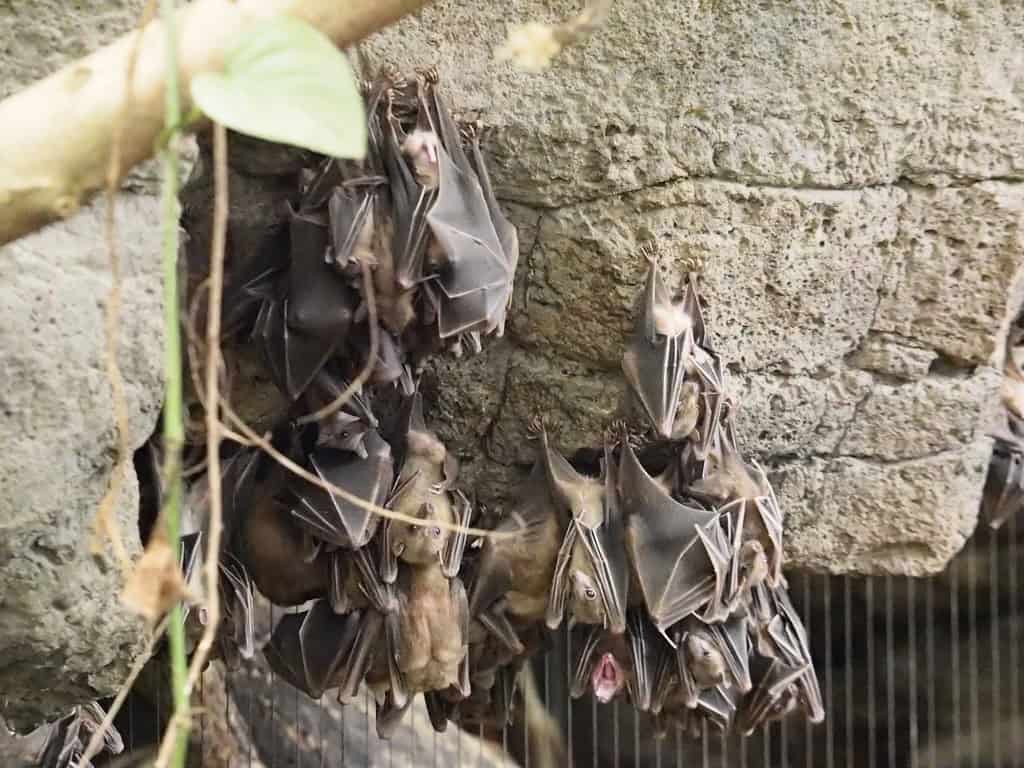
Not all bats hunt insects. The greater bulldog bat (Noctilio leporinus) and the fishing bat (Myotis vivesi) have evolved specialized techniques for catching fish. These remarkable hunters use their enlarged, sharp claws to gaff fish that swim near the water’s surface. Their echolocation is specifically adapted to detect ripples and disturbances on water surfaces, allowing them to distinguish potential prey from inanimate objects. When a fish is detected, these bats swoop down, dragging their long claws through the water to snare their prey. They can carry fish weighing up to 30% of their body weight back to their roosts. Research has shown that these bats can process the complex acoustic information from water surfaces with exceptional accuracy, distinguishing edible targets from non-prey objects in milliseconds.
Blood-Feeding Specialists: The Vampire Bats
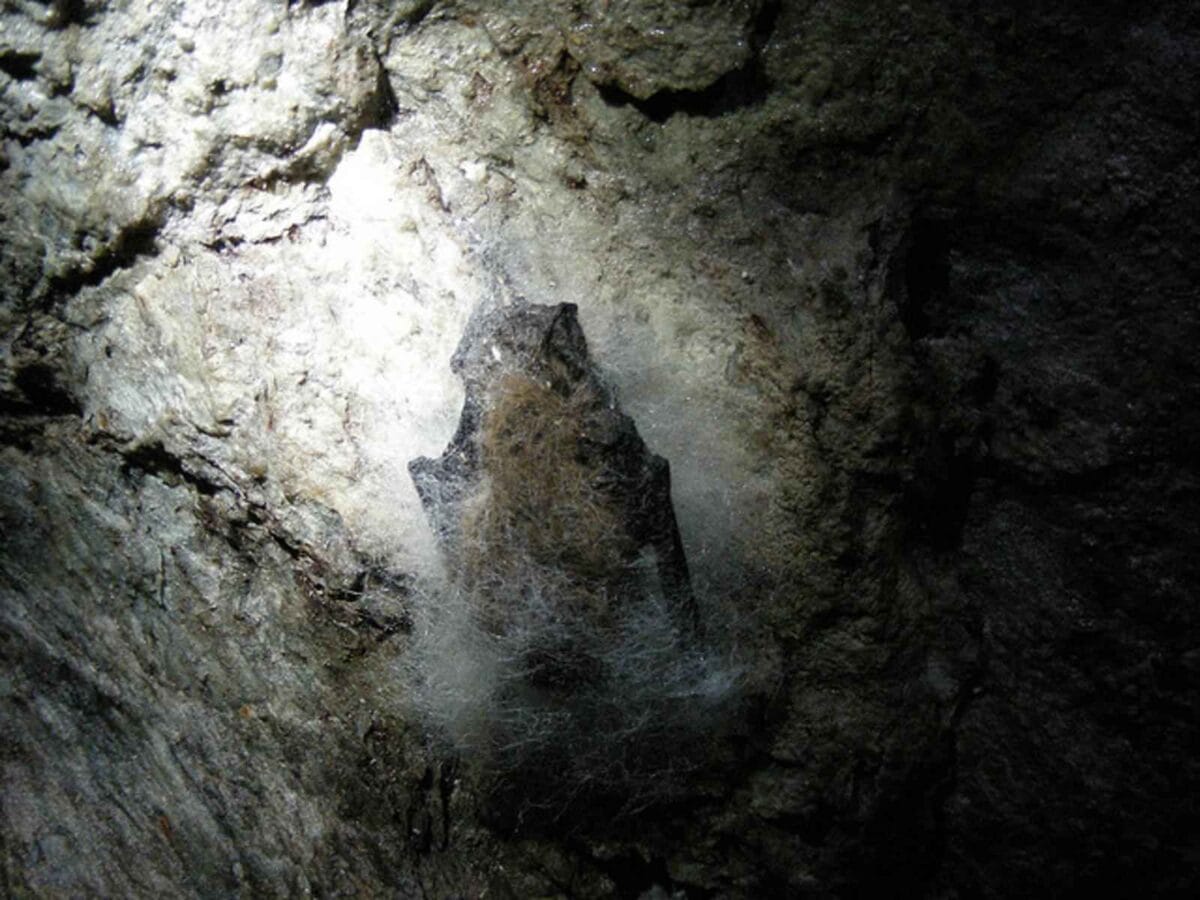
Perhaps the most specialized of all bat hunters are the three species of vampire bats native to Latin America. These hematophagous (blood-feeding) specialists have evolved a suite of adaptations for their unique lifestyle. Their teeth have evolved into sharp, specialized cutting instruments that can make painless incisions in the skin of sleeping mammals or birds. Their saliva contains anticoagulant compounds—including the aptly named “draculin”—that prevent blood clotting during feeding. Vampire bats can detect the warmth of blood vessels using specialized heat-sensing receptors in their nose leaf, allowing them to locate the most blood-rich areas. Despite their fearsome reputation, vampire bats are highly social animals that have been documented sharing blood meals with roost mates who failed to feed, demonstrating remarkable reciprocal altruism.
Fruit Hunters of the Night

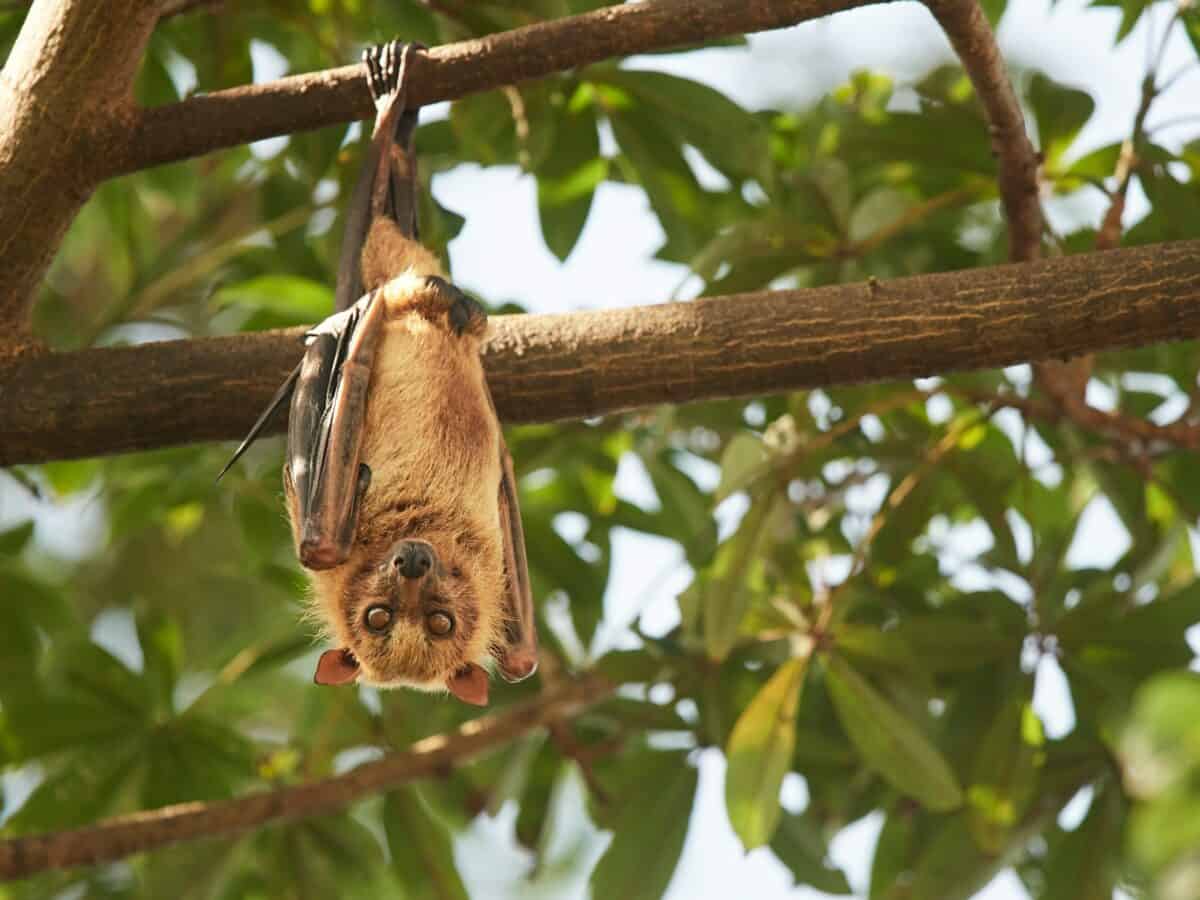
The large, charismatic fruit bats (Megachiroptera) employ different hunting strategies from their insectivorous cousins. These bats, including flying foxes with wingspans up to 1.7 meters, rely primarily on vision and smell rather than echolocation to locate fruit and nectar-rich flowers in tropical forests. Their acute sense of smell can detect ripe fruit from kilometers away, and their large eyes provide excellent night vision. When hunting, fruit bats often hover near potential food sources, using their wings to create small air currents that waft scent molecules toward their sensitive noses. Once a suitable fruit is located, they extract the nutritious juices and soft pulp, typically spitting out seeds and fiber. This feeding behavior makes them crucial seed dispersers in many tropical ecosystems, helping to regenerate forests by distributing seeds far from parent trees.
Anatomical Adaptations for Predation

Bats possess numerous physical adaptations that enhance their hunting prowess. Their facial structures often reflect their ecological niche—insectivorous bats typically have complex nose leaves or elaborate ear structures to focus echolocation calls, while fruit bats have elongated snouts for reaching into flowers. Their teeth vary dramatically between species, with insectivores having sharp cusps for crushing exoskeletons, and fruit bats possessing flat molars for pulping fruit. The digestive system of insectivorous bats is remarkably efficient, allowing them to process food rapidly and excrete waste within 30-60 minutes of consumption. This quick digestion enables them to reduce weight for flight after feeding. Some bat species even have specialized stomachs with adaptive bacteria that help break down chitin, the hard material that forms insect exoskeletons.
Hunting Habitats: From Forests to Deserts

Bats have colonized nearly every habitat on Earth except the polar regions, with each environment requiring different hunting strategies. Forest-dwelling species, like the spotted bat (Euderma maculatum), navigate complex three-dimensional spaces, using gaps in vegetation as flight corridors while hunting. Desert specialists, such as the pallid bat (Antrozous pallidus), have evolved larger ears that capture more sound information in sparse environments and can detect prey movements on the ground. Bats hunting over water bodies, like the Daubenton’s bat (Myotis daubentonii), use specialized echolocation that can distinguish prey from the water surface. Urban-adapted species, including the common pipistrelle, have modified their hunting strategies to take advantage of insects attracted to streetlights, though this behavior may expose them to increased predation risk. This habitat versatility demonstrates the remarkable adaptability of bats as nocturnal predators.
The Timing of the Hunt

Bat hunting activity follows distinct temporal patterns, often dictated by prey availability and competition. Many insectivorous species show bimodal activity patterns, with peak hunting occurring shortly after sunset and before sunrise—periods that coincide with high insect activity. Fruit bats typically feed throughout the night, but may concentrate their foraging during the early evening when their visual acuity is most advantageous. Research using GPS tracking has revealed that some species, like the greater noctule bat (Nyctalus lasiopterus), time their hunting to coincide with bird migration, when they opportunistically capture exhausted migratory birds. Weather conditions significantly influence hunting behavior, with most bats reducing activity during heavy rain or when temperatures drop below species-specific thresholds. These temporal strategies minimize competition among sympatric bat species while maximizing hunting efficiency.
Energy Economics of Nocturnal Hunting

The energetic demands of flight make hunting efficiency crucial for bats. A typical insectivorous bat may consume 50-100% of its body weight in insects nightly—equivalent to a human eating hundreds of hamburgers daily. To maintain this high metabolic demand, bats have evolved precise energy management strategies. Many species enter torpor—a state of reduced metabolism—during daylight hours to conserve energy. When hunting, they optimize flight patterns to minimize energy expenditure while maximizing prey encounters. Studies using high-speed cameras have shown that some bat species adjust their flight speed based on prey density, flying slower in insect-rich areas to improve capture success. The metabolic efficiency of bats is remarkable—the Mexican free-tailed bat can sustain flight speeds of up to 160 kilometers per hour while using its echolocation system, making it one of the most energetically efficient predators for its size.
Ecological Impact of Bat Predation

The predatory activities of bats have profound ecological consequences. Insectivorous bats serve as natural pest controllers, with studies estimating their agricultural value at billions of dollars annually through the suppression of crop pests. In North America alone, bats save corn farmers an estimated $1 billion per year in avoided pesticide costs and crop damage. Fruit and nectar-feeding bats pollinate over 500 plant species, including economically important crops like bananas, mangoes, and agave (used in tequila production). As seed dispersers, they help maintain forest diversity and facilitate forest regeneration after disturbances. The guano (fecal matter) deposited at bat roosts creates nutrient hotspots that support distinct communities of organisms. By regulating insect populations, bats help maintain ecosystem balance and reduce the transmission of certain insect-borne diseases that affect humans and wildlife.
Conclusion: Masters of the Night Sky
Bats stand as nature’s supreme nocturnal hunters, having perfected the art of silent flight and precision hunting in darkness over millions of years of evolution. Their remarkable adaptations—from wing morphology that enables soundless movement to sophisticated echolocation systems that create detailed acoustic images—represent some of the most specialized predatory features in the animal kingdom. As we continue to study these extraordinary mammals, we gain not only scientific insights but also practical applications in fields ranging from biosonar technology to agricultural pest management. The silent flight of bats reminds us that even in the apparent emptiness of the night sky, complex ecological dramas unfold, with these agile predators playing starring roles in ecosystems worldwide. Their continued presence in our skies represents not just an evolutionary success story but also a vital component of healthy, functioning ecosystems.

- The Comeback of the Bald Eagle: What Made It Work - June 3, 2026
- Top 10 Animals and Wildlife in Oklahoma - June 3, 2026
- Do Conservation Efforts Favor ‘Cute’ Animals Over Ecologically Important Ones? - June 3, 2026